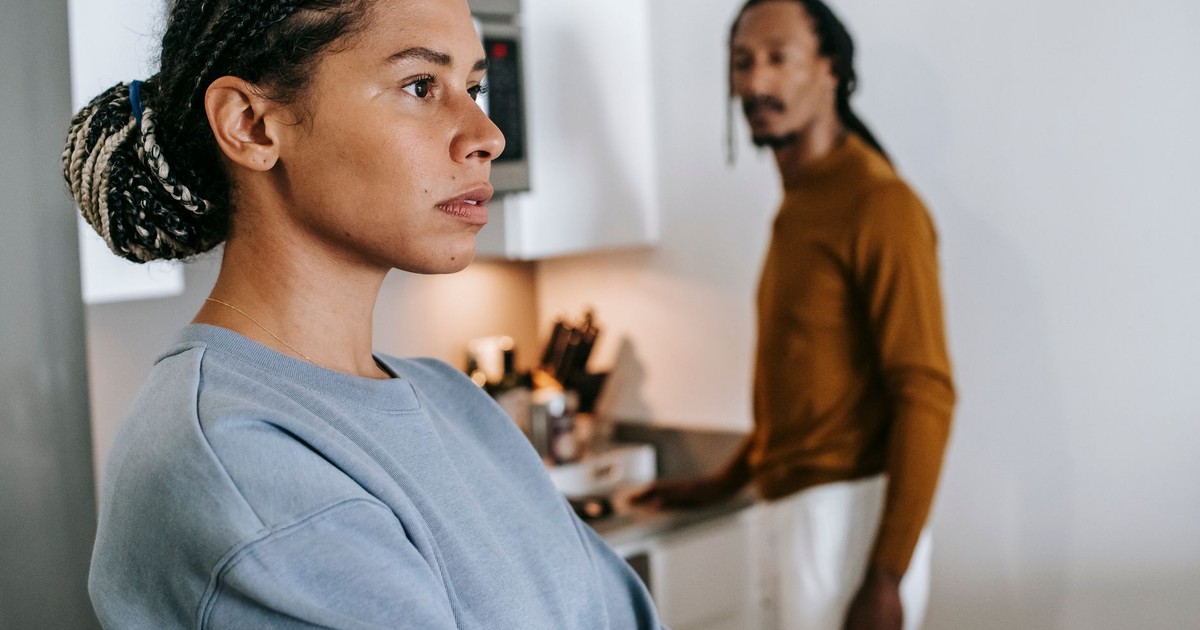

The argument that happens most in long-term relationships isn’t about money or sex. It’s about who noticed the thing that needed doing and who didn’t. But before that argument even surfaces, something else happens: one person in the relationship has already started pulling back, editing themselves down, imagining a future the other person isn’t in. She hasn’t said a word. But the signs are already visible, if you know where to look.
The distance rarely looks like a crisis from the outside. Nobody cheated. Nobody’s being cruel. The apartment is tidy, the routine is intact, and if someone asked, she’d probably say things are fine. The difference lives mostly in the interior: in what she no longer brings up, in the things she’s stopped hoping for, in the growing sense that the person she likes best doesn’t quite fit in this relationship anymore.
She often knows before she has words for it. She often says nothing for a long time, partly out of love, partly out of confusion, and partly because naming it means having to do something about it. She stays silent because she’s trying not to hurt him. But the signs of a woman who has outgrown a relationship are already there, often long before she’s ready to say them out loud.
1. She Stops Sharing the Things That Actually Matter

It starts with one thing left unsaid. Then another. The promotion she got and played down because she knew the reaction would be underwhelming. The book she read that changed how she thinks about something, which she didn’t bring up because she already knew it wouldn’t land. Over time, the things she keeps to herself accumulate into a whole inner life she no longer shares with her partner.
She’s learned, through repeated experience, what he can receive and what he can’t. Somewhere along the way, the most interesting parts of who she’s becoming fell outside what the relationship can hold. She talks, but she talks around the things that matter most to her. The conversation stays functional, logistical, surface-level, and she finds herself having the real conversations elsewhere.
As personal growth deepens through therapy, self-reflection, or new experiences, people begin articulating their emotions with greater clarity and nuance. But when those efforts are met with confusion, indifference, or defensiveness, it can feel disorienting. That disorientation often leads to the simplest solution: she stops trying.
2. She Fantasizes About Her Life, Not Her Relationship

The imagined futures she builds in her head no longer feature him prominently. She pictures the apartment she’d have on her own, the trip she’d take without negotiation, the version of Saturday morning that looks exactly the way she wants it to. Not because she’s planning to leave, but because those images come to her unbidden and feel strangely peaceful.
She wants a life, and the relationship has started to feel like something that exists in parallel to that life rather than as a central part of it. When you’d rather picture your future without someone in it, pay attention.
3. His Moods and Opinions Have Stopped Shaping Her Day

Early in most relationships, a partner’s disapproval or bad mood lands with real weight. You adjust, you check in, you want them to come around. When a woman has outgrown a relationship, that gravitational pull weakens noticeably. His bad Friday doesn’t ruin her weekend anymore. His frustration about something she said no longer sends her into a spiral of second-guessing. She’s moved outside his orbit.
Caring how someone feels is part of being in it with them. When you’ve stopped needing their approval or being moved by their moods, you’ve stopped being fully inside the relationship. You’re coexisting with it.
4. She Feels More Like Herself When He Isn’t Around

She comes home from a weekend with her friends and feels lighter, more energetic, more like the person she recognizes. Then he walks in and something in her shoulders tightens. Not because he does anything particularly wrong. Just because she’s been reminded of who she is without the relationship, and the comparison is uncomfortable.
A 2026 study in Frontiers in Psychology grounded in social role theory found that the socialization of gender roles fosters a greater concern for intimate relationships among women, leading to a relational self-construal where relationship quality becomes central to a woman’s sense of self. The flip side of that is also true: when a relationship drains her, she’s likely to feel the relief of its absence more sharply. If she consistently feels more herself when he’s not there, that contrast is information.
5. The Future She Wants Has Stopped Including Him
Ask her to picture her life in five years and she’ll describe it in detail: the city, the work, the way she wants to spend her time. Ask where he fits into that picture and she’ll hesitate. Not because she hasn’t thought about it, but because she has, and the answer made her uncomfortable. One of the clearest signs a woman has outgrown a relationship is that she can no longer build a shared vision with her partner. When she starts editing him out of her imagined future, or stops building one together at all, she’s being honest with herself in the only safe place she has right now: her own head.
6. She’s Embarrassed to Bring Him Into Her World

Not in a contemptuous way, necessarily. But she hesitates before introducing him to a new colleague she respects. She downplays the relationship to her most ambitious friends. She finds herself managing expectations around him, preparing people in advance, smoothing over things he says. She loves him, but she’s noticed that the person she wants to be and the relationship she’s in don’t quite align in front of people she’s trying to impress.
This is one of the signs a woman has outgrown a relationship that rarely gets talked about, because it feels so unkind to admit. But it’s honest. A relationship that makes you want to hide it, or that requires constant diplomatic translation, is a relationship you’ve started to outpace. Relationship red flags like this one often surface in social contexts long before they show up in direct conversation between the couple.
7. She Carries the Emotional Labor Alone

She’s the one who tracks the relationship temperature, brings up the things that need to be talked about, manages the mood of the household, and keeps track of where they stand. He seems content with how things are, and rarely initiates a check-in on where they stand emotionally.
A 2025 study published via the NIH found that psychological well-being in romantic relationships is influenced by factors including empathy, relationship stability, and intimacy quality, examining these predictors across 415 women aged 23 to 45. When she’s consistently doing the emotional work for two people, a specific kind of exhaustion sets in. It’s not just the labor itself. It’s the loneliness of realizing her partner isn’t curious about the state of their relationship in the way she is. He’s not distressed by the drift. He hasn’t noticed it. And the difference in awareness starts to feel like the most honest summary of where they are.
8. She’s Stopped Trying to Change Things

Early in relationships, when something isn’t working, most people try to fix it. They bring it up, they negotiate, they hope. A woman who has outgrown a relationship has usually gone through all of that already. She’s had the conversations. She’s explained what she needed. She may have gotten some version of agreement, followed by nothing changing. And at some point, she stopped pushing.
This isn’t acceptance. It’s the decision, made largely below the level of conscious awareness, that the relationship is what it is and she needs to stop trying to turn it into something else. A 2018 study published in the Journal of Personality and Social Psychology found that the more dependent a person believed their partner was on the relationship, the less likely they were to initiate a breakup, identifying this as evidence that decisions about an unsatisfying relationship can carry an altruistic component. She’s not indifferent. She’s protecting him from something she hasn’t yet figured out how to say.
9. She’s Growing, and She’s Growing Alone

She’s been in therapy for two years. She’s read more, traveled differently, changed how she thinks about her work and her worth. He’s more or less the same person he was when they got together, and she’s no longer sure he’d recognize the version of her that’s developed since. When one partner is growing and the other isn’t, an imbalance forms: the evolving partner tends to slow down, reflect on relational patterns, and take accountability, while the other typically avoids confrontation, deflects, and downplays concerns.
He hasn’t done anything wrong. Personal growth is not a blame game. But the difference between who she is now and who she was when she chose this relationship can reach a point where it can no longer be bridged by goodwill alone.
10. The Arguments Feel Circular and Old
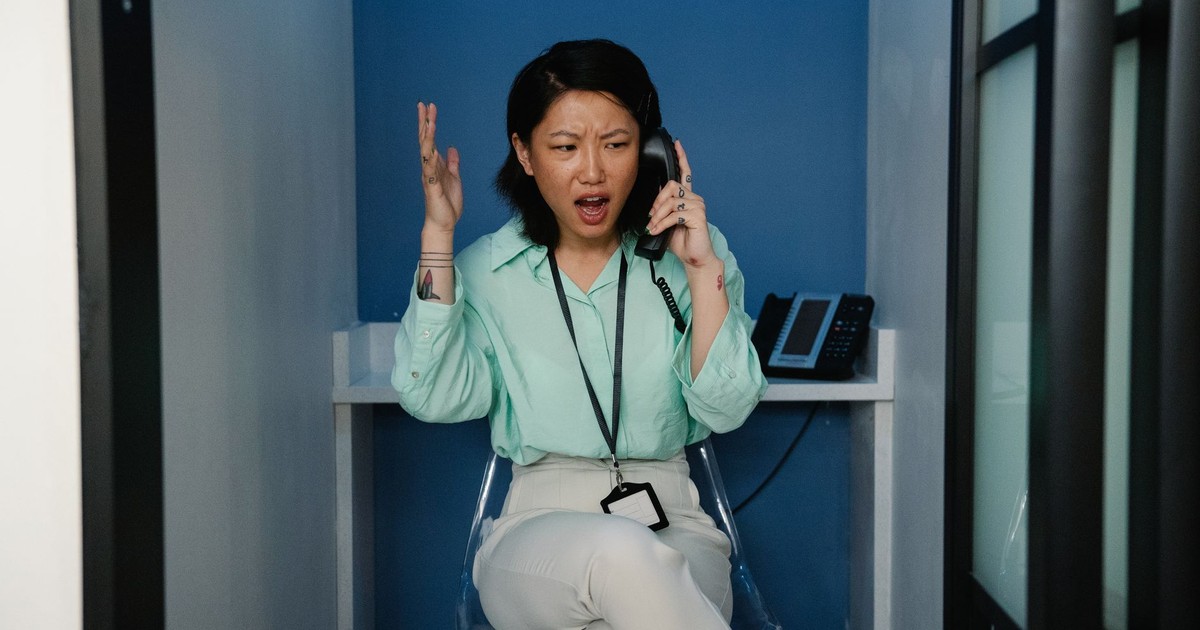
The same fight, again. Different words, same structure, same unresolved center. She knows how it will go before it starts: she’ll raise something, he’ll get defensive, she’ll back down, nothing will change. She’s stopped expecting the argument to go anywhere different. The predictability of it is its own kind of resignation.
Research has long established that conflict patterns, not conflict frequency, determine relationship health. A couple that fights productively is in better shape than a couple with low conflict and no real communication. When a woman stops believing that an argument can actually change anything, she’s stopped believing in the relationship’s capacity to adapt.
11. She Resents the Relationship for Holding Her Back
She was offered something: an opportunity, a move, a chance. The relationship made it complicated. Or she made it complicated out of consideration for the relationship. Either way, she said no to something she wanted, and she’s still thinking about it. Resentment in relationships often doesn’t announce itself as resentment. It shows up as irritability, as the slightly too-sharp response to a small thing, as a chronic low-level frustration she can’t entirely explain.
Couples in relational distress commonly experience a blend of individual psychological strain alongside deep dissatisfaction with the relationship itself, and that strain rarely stays contained to the relationship alone. A major sign of having outgrown someone comes in the form of feeling held back or criticized about the person you’re becoming. A partner who is more negative than positive about the ways you’re evolving may simply no longer fit. When the relationship consistently lands on the wrong side of the trade-off between her growth and her comfort, she starts to account for what it’s costing her.
12. She Feels Guilty for Feeling All of This
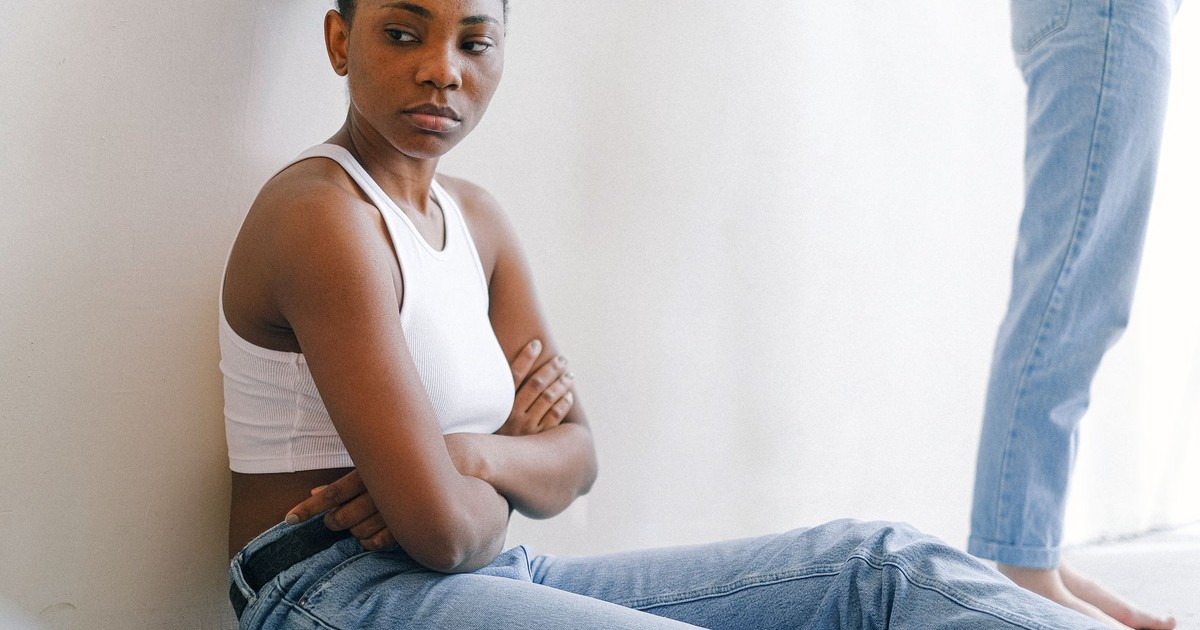
This is the last sign, and it’s the one that keeps everything else in place for the longest time. She knows, on some level, that she’s outgrown things. She feels the distance, the boredom, the loneliness of being unseen by the person who is supposed to know her best. And then she feels guilty about it. Because he’s not a bad person. Because they’ve been through things together. Because leaving feels cruel and staying feels dishonest and she’s not ready to do either.
Psychological development research shows that as individuals move through life stages, their priorities and identity structures shift, and sometimes the person who matched a survival phase doesn’t match a thriving phase. That realization can feel both clarifying and devastating. The guilt is real and worth taking seriously. So is what’s underneath it.
What This Actually Means
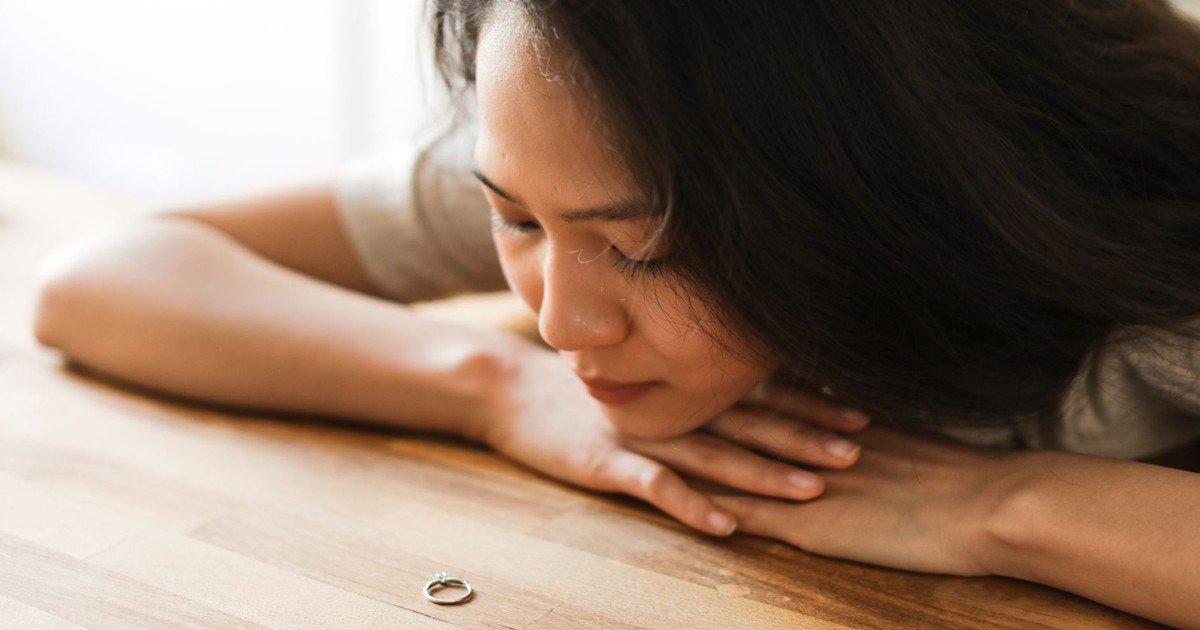
Naming these signs doesn’t tell you what to do with them. Some of what’s described here could be addressed through honest conversation. Some of it could point toward couples work. Some of it is simply the difference between who she’s become and what the relationship was built to hold, and no amount of communication will close that difference.
Outgrowing a relationship is not a character flaw or a failure of commitment. It’s what happens when two people grow at different speeds or in different directions, and neither of them necessarily did anything wrong. The relationship that worked at 27 may not work at 35, because she is not the same person, and that was always going to be true.
Recognizing these signs early, while the resentment is still low and the respect is still intact, leaves more options open than waiting until the distance becomes unbridgeable. Some of these patterns go back further than the relationship does. Naming them isn’t a solution, but it’s almost always where the real conversation starts.
Disclaimer: This information is not intended to be a substitute for professional medical advice, diagnosis, or treatment and is for information only. Always seek the advice of your physician or another qualified health provider with any questions about your medical condition and/or current medication. Do not disregard professional medical advice or delay seeking advice or treatment because of something you have read here.
AI Disclaimer: This article was created with the assistance of AI tools and reviewed by a human editor.