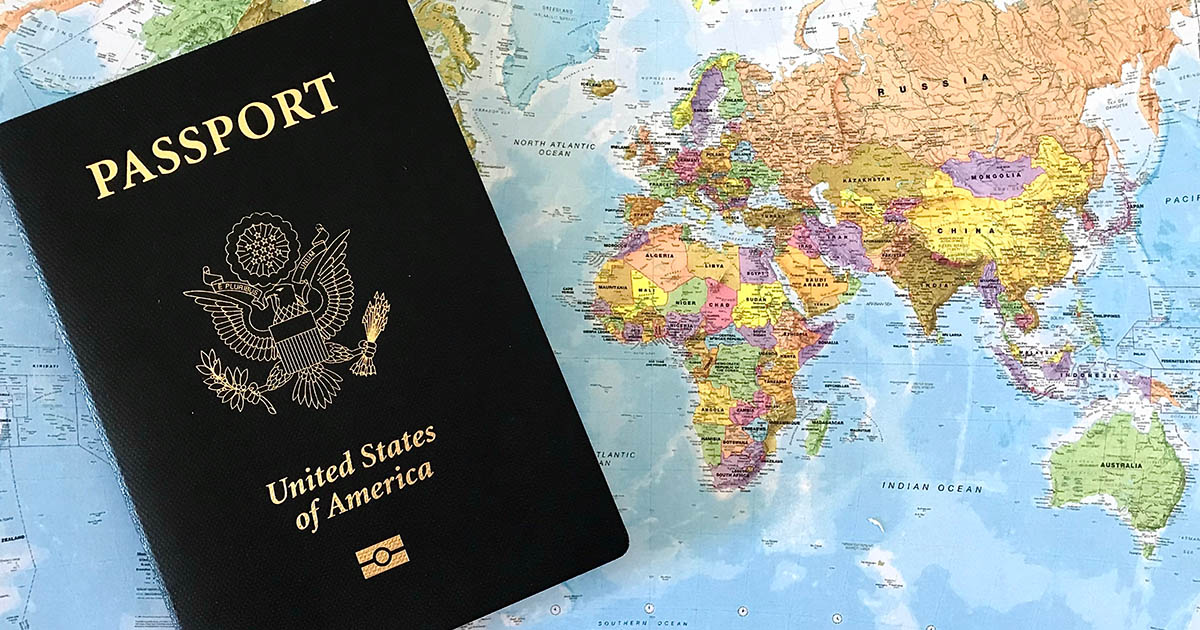

The number 193 gets treated like a fact of nature. There are 193 countries in the world, your atlas confirms it, your passport depends on it. But that number reflects politics, not geography. Scattered across the planet are dozens of places with their own governments, currencies, militaries, flags, and citizens who feel, with total conviction, that they live in an independent nation. The UN has simply never agreed.
Some of these self-declared nations are geopolitical flashpoints that reshape alliances and trigger wars. Others are a few acres of disputed riverbank, or a neighborhood in Copenhagen, or an abandoned sea fort six miles off the English coast. What they share is the audacity of the claim: we exist, we govern ourselves, and the fact that most of the world disagrees with us doesn’t make it less true.
Not every place that calls itself a country is internationally recognized as one. Around the world, some territories have their own governments, borders, and populations but lack full international recognition, often because of political disputes or competing territorial claims. The reasons range from Cold War legacy to religious authority to one man with a vision and a patch of unclaimed land. All 22 places below meet at least the basic threshold: they have declared themselves sovereign, and they mean it.
1. Taiwan
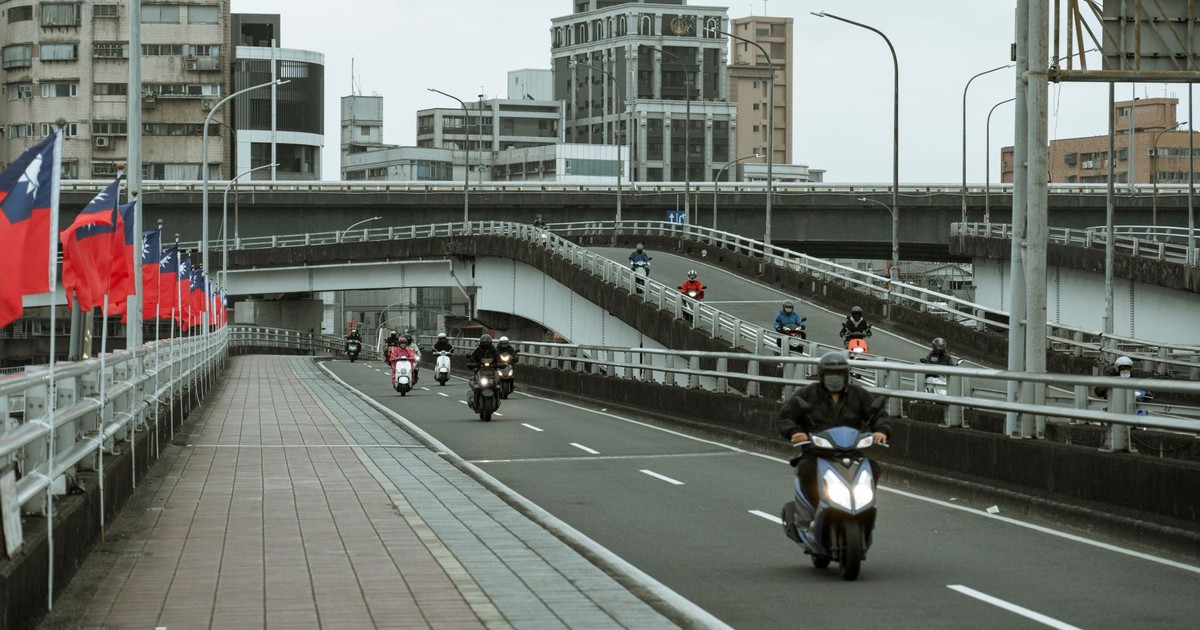
Taiwan is the most consequential self-declared nation on Earth, and its status has shaped U.S.-China relations for more than seven decades. Officially known as the Republic of China, Taiwan is a multi-island territory in the western Pacific that is recognized by a small number of countries but functions as a fully developed and self-governing state. It has its own military, constitution, and democratic government, and is one of the world’s largest economies, playing a critical role in global semiconductor manufacturing.
The modern political situation began in 1949 when the Chinese Communist Party established the People’s Republic of China on the mainland, while the nationalist government retreated to Taiwan and continued as the Republic of China. Taiwan held China’s seat at the United Nations until 1971, when the PRC was recognized as the official Chinese government. Since then, Beijing has regarded Taiwan as a renegade province that must eventually be reunified, by force if necessary.
Taiwan operates like an independent country today, but has never formally declared independence. That careful ambiguity is deliberate. A formal declaration would almost certainly trigger a military response from Beijing. So Taiwan governs itself, runs elections, issues passports, and maintains what amount to embassies around the world under diplomatic pseudonyms, all while technically refusing to say out loud the thing that is plainly true.
2. Palestine
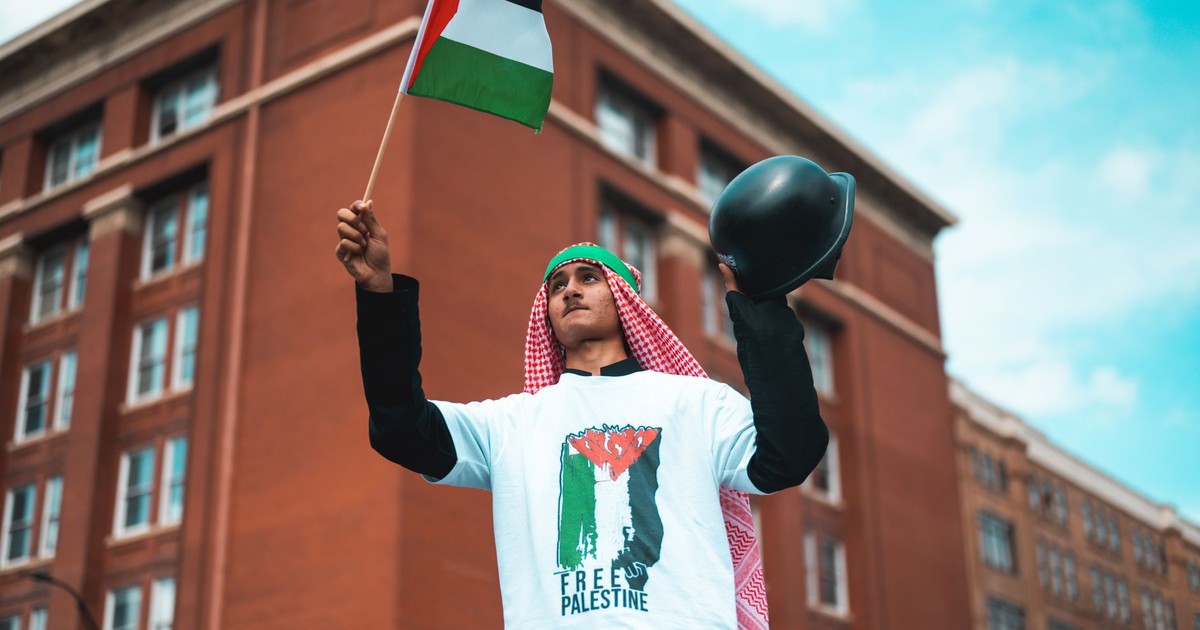
The State of Palestine is one of the most widely recognized partially recognized entities in the world. It was declared in 1988 and is currently recognized by a majority of United Nations member states, though it is not a full UN member. The United Nations grants Palestine non-member observer state status, and its claimed territory – primarily the West Bank and Gaza – is designated by the UN as occupied.
Palestine has declared its independence but remains unrecognized by many influential global powers, including the United States and Israel. Although it enjoys recognition from over 130 countries, its status as a fully sovereign state is disputed, particularly regarding its territorial claims over the West Bank and Gaza Strip.
The conflict has made Palestinian statehood one of the most discussed and least resolved questions in international law. What “Palestine” actually controls on the ground shifts with every military development. The gap between diplomatic recognition on paper and actual governance on the street has rarely been wider.
3. Kosovo
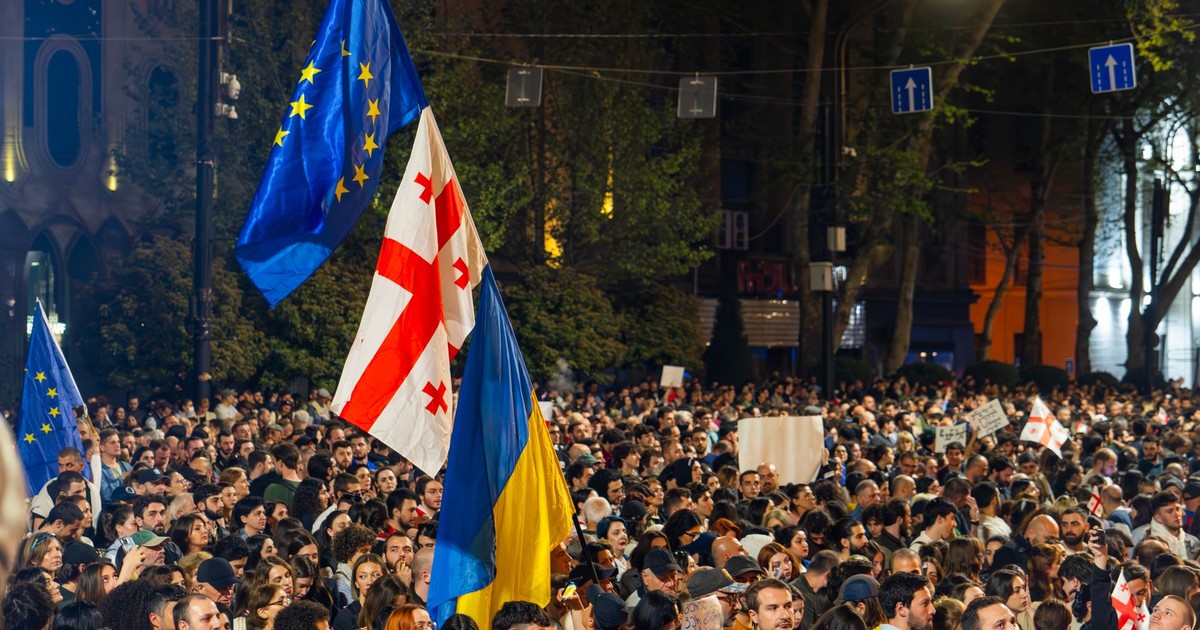
Kosovo declared independence from Serbia in 2008. It is recognized by more than 100 UN member states, but not by Serbia and several other countries. Kosovo declared its independence from Serbia in 2008 but has not yet been recognized by enough United Nations members to be considered fully independent. Russia and China, both veto-wielding Security Council members, have consistently blocked UN membership on Serbia’s behalf.
For the roughly 1.8 million people who live there, daily life proceeds as in any small European country. They have a government, a capital in Pristina, and a police force. The diplomatic standoff remains entirely unresolved.
4. Western Sahara
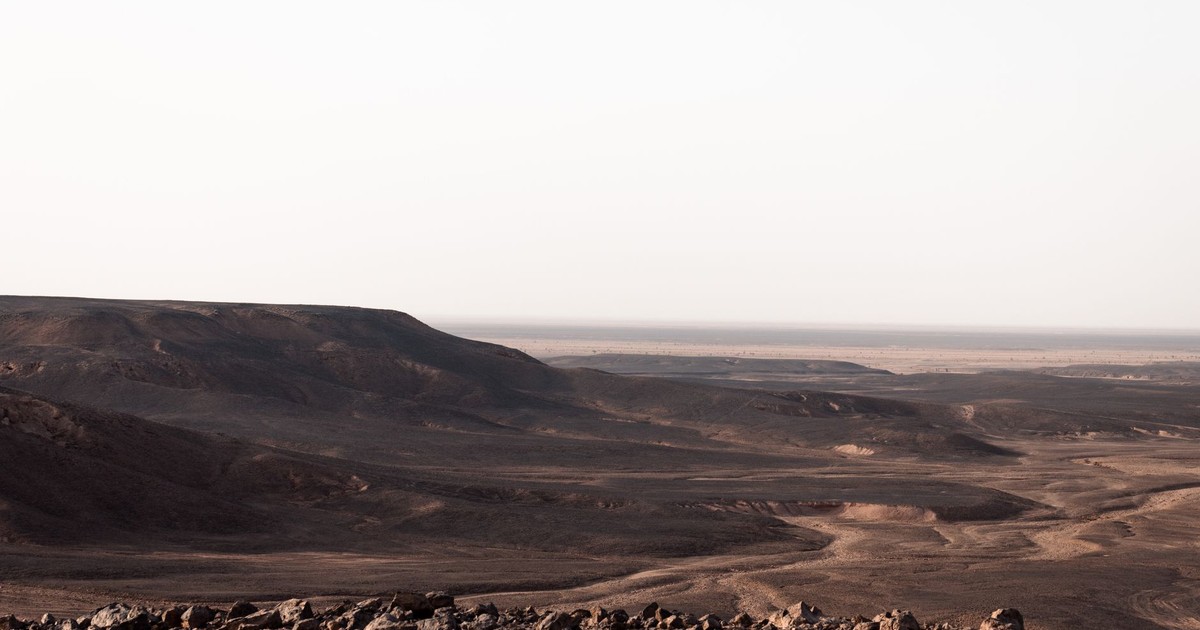
Western Sahara is claimed by Morocco and partially controlled by the Sahrawi Arab Democratic Republic. The UN lists it as a non-self-governing territory, and its final status remains unresolved. The Sahrawi Arab Democratic Republic declared independence in 1976, is recognized as a full member of the African Union, and controls a thin strip of desert territory while Morocco administers most of the region.
Morocco’s political influence has prevented broader international recognition of the SADR as an independent state. What makes Western Sahara different from most other disputed territories is that the population it claims to represent is scattered: tens of thousands of Sahrawi refugees have lived in camps in Algeria for nearly five decades while the diplomatic process grinds forward at a glacial pace.
5. Somaliland
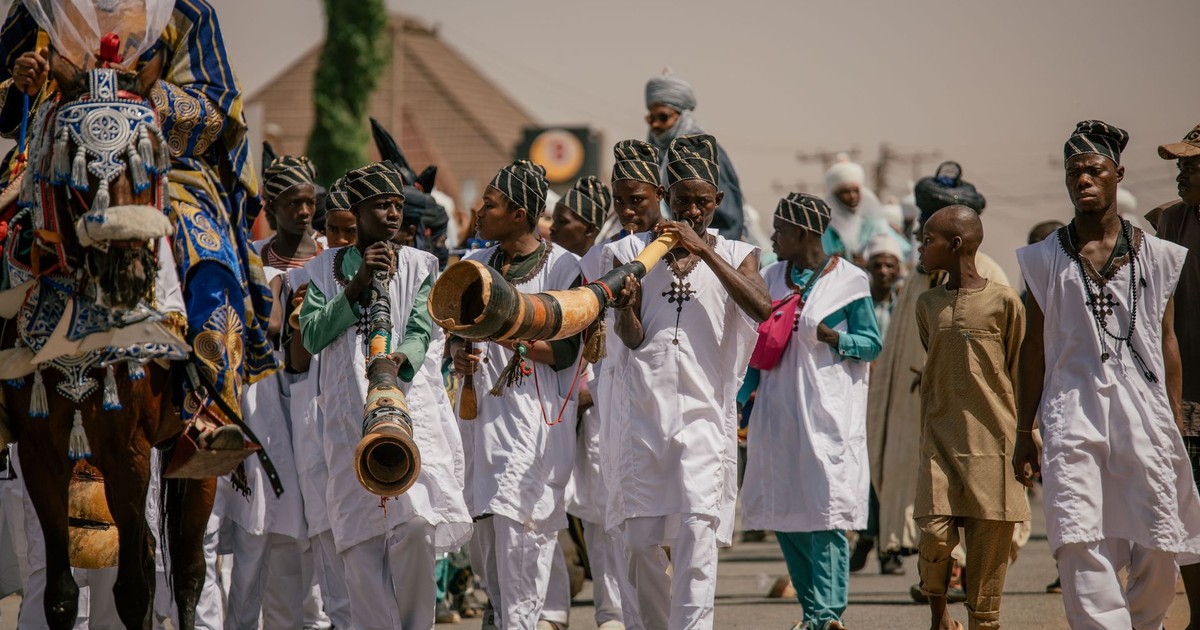
Somaliland is perhaps the most remarkable governance story among all self-declared nations. It operates as a nation-state in all but name: its own government, currency, constitution, security forces, and a capital in Hargeisa. Despite establishing functioning state institutions, holding multiple democratic elections, and maintaining relative stability, Somaliland remained internationally unrecognized for over three decades.
Then, at the very end of 2025, something shifted. Israel became the first nation in the world to formally recognize Somaliland, marking a significant diplomatic breakthrough for the breakaway region in the Horn of Africa. Prime Minister Benjamin Netanyahu announced that Israel and Somaliland had signed a joint declaration establishing full diplomatic relations, describing it as being “in the spirit of the Abraham Accords.” That single act moved Somaliland out of the category of “unrecognized de facto state” for the first time in its 34-year existence. Whether other countries follow will be one of the more closely watched geopolitical storylines of 2026.
6. Transnistria
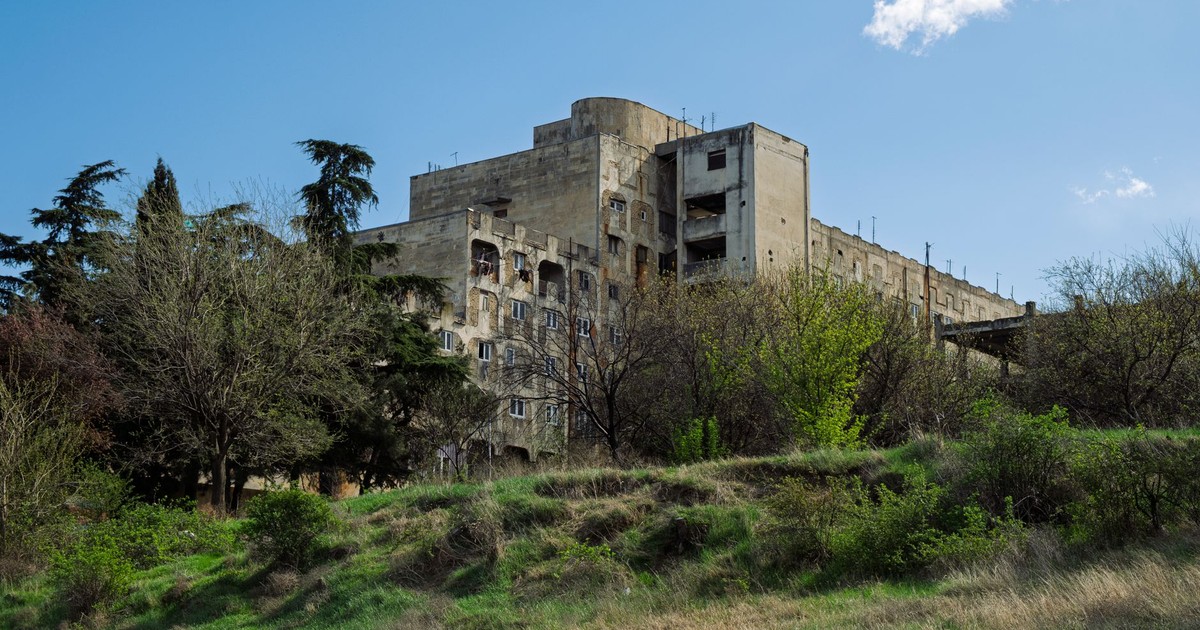
Wedged between Moldova and Ukraine, Transnistria is the kind of place that shouldn’t still exist in 2026. Also known as the Pridnestrovian Moldavian Republic, it is a breakaway state in eastern Moldova that declared independence in 1990 amid the imminent collapse of the Soviet Union. Despite occupying about 1,350 square miles and hosting a contingent of Russian peacekeepers, it remains unrecognized by any sovereign state, including Russia itself.
Transnistria maintains its own national bank, currency, customs system, flag, and anthem, separate from Moldova. The region has received economic, diplomatic, and military support from Russia, which maintains approximately 1,500 troops there. Soviet-era symbols and political aesthetics are still widely used in the region today. Walking around Tiraspol, its capital, reportedly feels like a time capsule of the early 1990s Soviet collapse: Lenin statues, hammer-and-sickle murals, and a government that has somehow outlasted the ideology that inspired it.
In 2026, Transnistria stands as the only de facto state without recognition from any UN member country. Every other entity on this list has picked up at least one formal ally. Transnistria stands completely alone.
7. Northern Cyprus
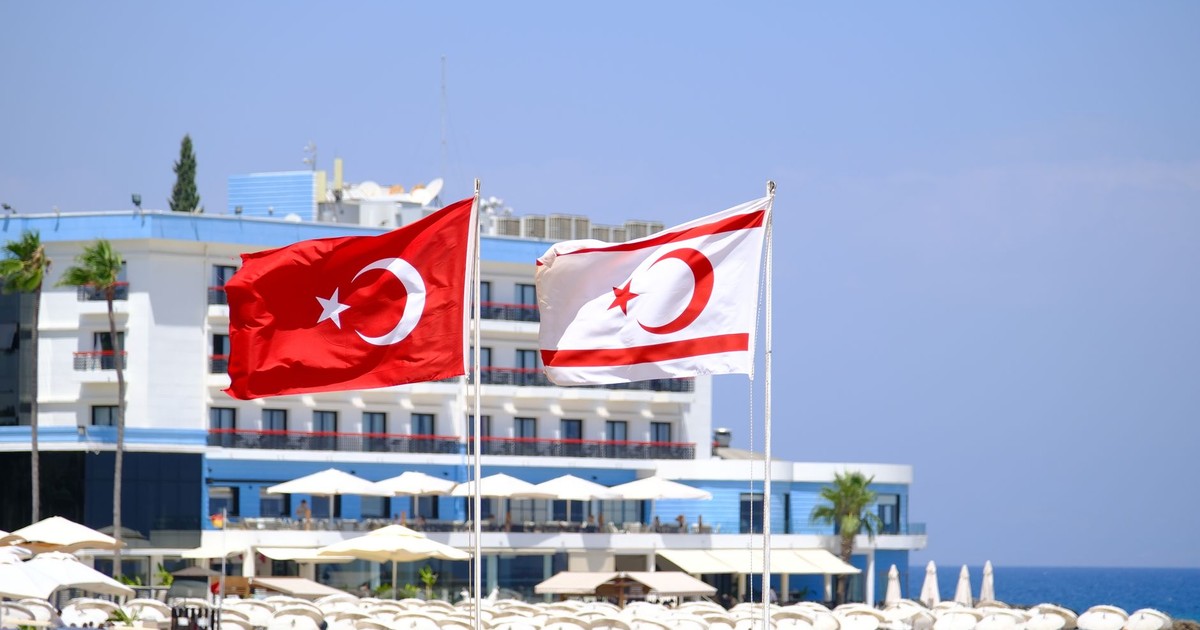
The Turkish Republic of Northern Cyprus is an unrecognized state located in the northeastern part of Cyprus. It is recognized only by Turkey as a geopolitical entity, having been formed in the aftermath of the Turkish invasion of 1974 following a failed coup attempt aimed at unifying the island with Greece. Its capital is North Nicosia, and the island itself remains divided by a United Nations buffer zone known as the Green Line.
According to the international community, Northern Cyprus remains a territory occupied by Turkey and is considered part of the Republic of Cyprus, even though it functions as a de facto independent state with control over its internal affairs. It is a semi-presidential, largely democratic and secular republic, with an economy heavily reliant on Turkey and the Turkish lira due to its lack of international recognition.
The Green Line that divides the island physically bisects the city of Nicosia, making it one of the last divided capitals in the world. Reunification talks have started and collapsed multiple times over five decades. The UN buffer zone, originally described as a temporary measure in 1974, has outlasted most of the people who were alive when it was established.
8. Abkhazia
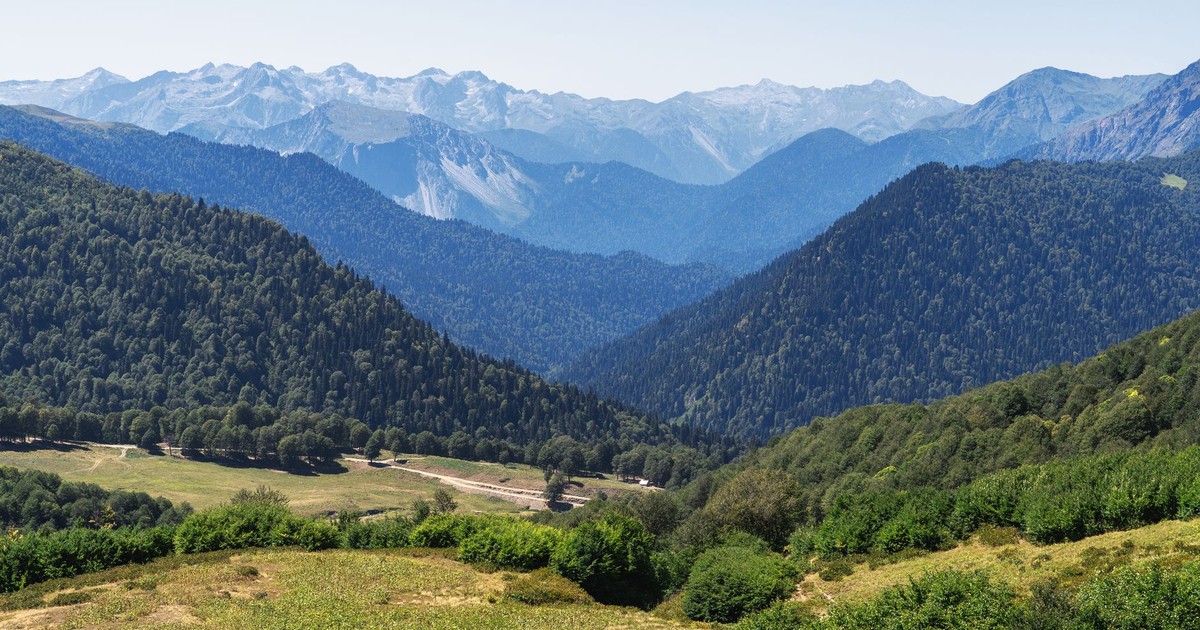
Abkhazia declared independence after the dissolution of the Soviet Union. The region fought a war with Georgia in the early 1990s and has since functioned as a de facto independent state, backed by Russia and a handful of other countries. It remains unrecognized by the United Nations and the majority of the global community.
Having unilaterally declared independence from Georgia, Abkhazia is formally recognised as an independent state by 5 UN member states, while the remainder of the international community recognizes it as de jure Georgian territory. It has its own flag, its own currency (the Abkhazian Apsar), and an elected President and Prime Minister operating a unitary semi-presidential republic, with its capital in Sukhumi. Russia’s 2008 war with Georgia – which included formal recognition of Abkhazia’s independence – cemented the region’s de facto autonomy while simultaneously making any return to Georgian control politically unthinkable. The Russian military presence there remains substantial.
9. South Ossetia
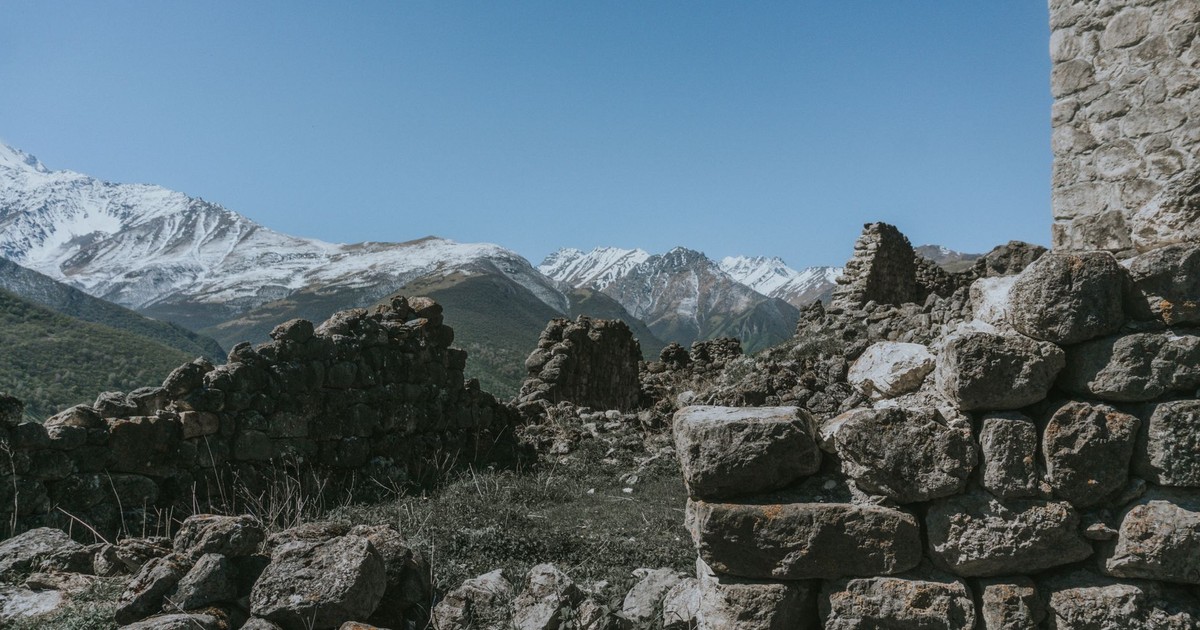
South Ossetia shares Abkhazia’s story in almost every structural detail. It was an autonomous region in the Georgian Soviet Socialist Republic that declared independence from Georgia in 1991, resulting in a war from 1991 to 1992 that ended with Russian interference.
Russia recognized South Ossetia as independent in 2008, following the brief war it fought against Georgia that year. A small number of other countries – Nicaragua, Venezuela, Syria, and Nauru – have followed. The Georgian government and most of the world’s other states consider South Ossetia de jure a part of Georgia’s territory. Its population is tiny, estimated at fewer than 55,000, and its economic dependence on Russia is total. It functions less as a nation in the conventional sense and more as a geopolitical placeholder in a dispute that neither side has found a way to end.
10. Nagorno-Karabakh (Artsakh)
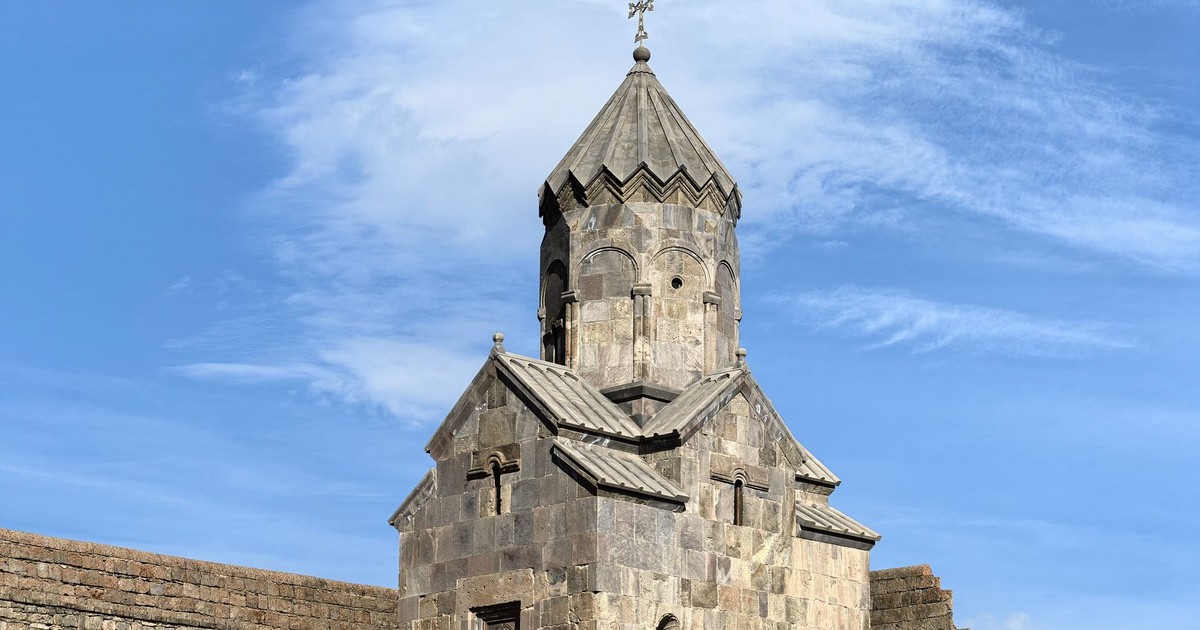
For three decades, the Republic of Artsakh – also known as Nagorno-Karabakh – operated as a self-declared Armenian enclave inside Azerbaijan. Then, in September 2023, Azerbaijan launched a 24-hour military offensive that ended the republic’s existence entirely. Over 100,000 ethnic Armenians fled in what international observers described as a near-complete displacement of the population.
Artsakh is the clearest recent example of what the failure of self-declared statehood looks like in practice. It survived for more than three decades of frozen conflict before collapsing in a single day. The fall is a case study in how much the continued existence of unrecognized nations depends on the willingness and capacity of a patron state to protect them. When Armenia couldn’t or wouldn’t defend Artsakh in 2023, the republic ceased to exist within hours.
11. Rojava (AANES)
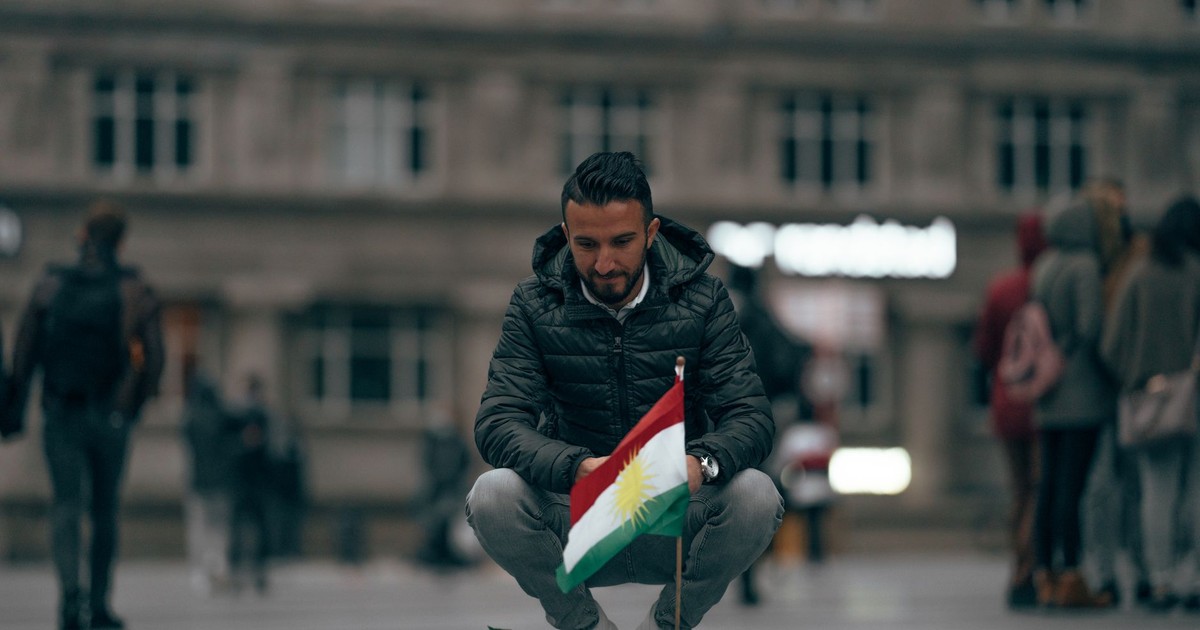
Rojava – formally the Autonomous Administration of North and East Syria – emerged from the Syrian civil war as a Kurdish-led self-governing region in 2012. While conducting some foreign relations, the region is neither officially recognized as autonomous by the government of Syria nor by other governments. The administration built genuinely experimental governance structures, including a constitutional requirement for gender co-leadership at every level of government.
On 13 January 2026, the Syrian transitional government launched an offensive against the Kurdish-led Syrian Democratic Forces in the territories of the Autonomous Administration. Initially focused on eastern Aleppo, the offensive expanded to Raqqa, Deir ez-Zor and Al-Hasakah. On 18 January, Syrian president Ahmed al-Sharaa announced a 14-point ceasefire agreement, negotiated through US envoy Tom Barrack, under which the SDF is set to be integrated into the Syrian government. Whether that agreement holds, and what it means for Kurdish autonomy going forward, is one of the most fluid political situations in the world right now.
12. Kurdistan
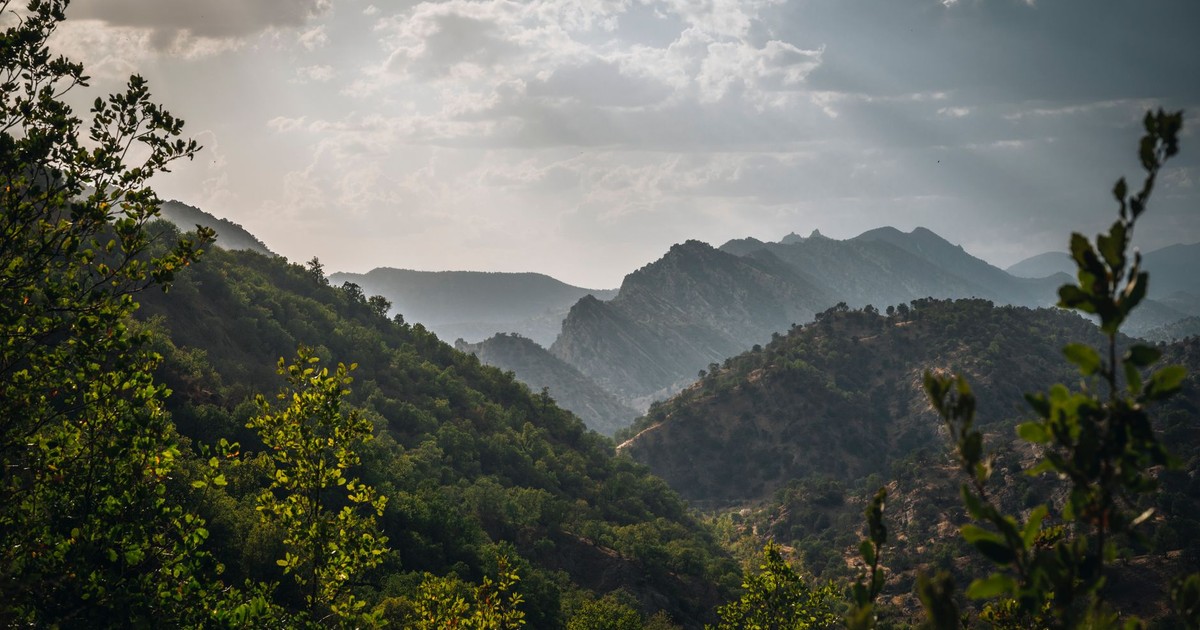
Kurdistan refers to a culturally and ethnically Kurdish region spanning parts of Turkey, Iraq, Iran, and Syria. While no internationally recognized Kurdish state exists, the Kurdistan Regional Government in northern Iraq exercises a high degree of political autonomy. Despite longstanding calls for independence or expanded autonomy, Kurdistan is not recognized as a sovereign country by the United Nations or its member states.
The Kurdistan Regional Government in Iraq is arguably the most institutionally developed non-state entity on this list. It has its own parliament, its own military forces (the Peshmerga), its own oil contracts with foreign companies, and an international airport in Erbil that receives direct flights from across Europe. A 2017 independence referendum passed with 93% approval. Iraq, Iran, Turkey, and the international community refused to recognize the result, and the moment passed without producing a state.
13. Catalonia
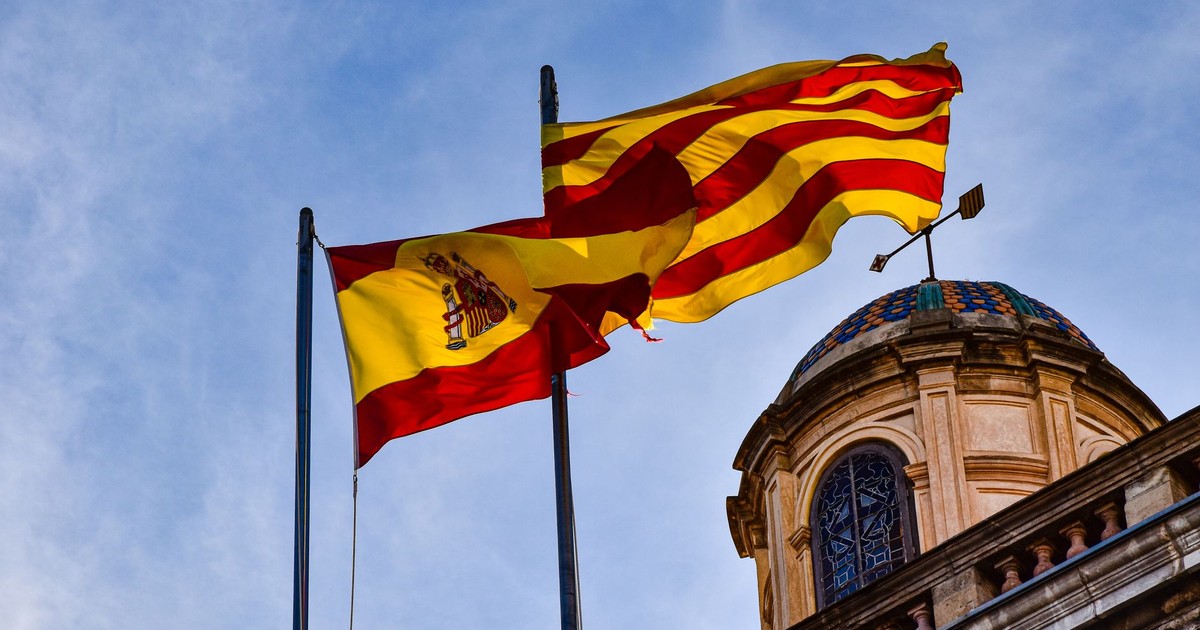
Catalonia is an autonomous region within Spain that held an independence referendum in 2017. Following the declaration of independence by regional authorities, the Spanish government dissolved Catalonia’s regional parliament and imposed direct rule. No United Nations member state recognized Catalonia as an independent country, and it remains an integral part of Spain under international law.
The 2017 crisis is the clearest illustration of what happens when a wealthy, well-functioning region inside a democratic European state tries to break away: the EU closed ranks behind Madrid, criminal prosecutions followed, and several Catalan leaders fled into exile. The independence movement remains alive but has shifted toward pursuing a negotiated referendum rather than a unilateral declaration. The underlying desire for statehood hasn’t gone away; it’s changed its tactics.
14. Bougainville
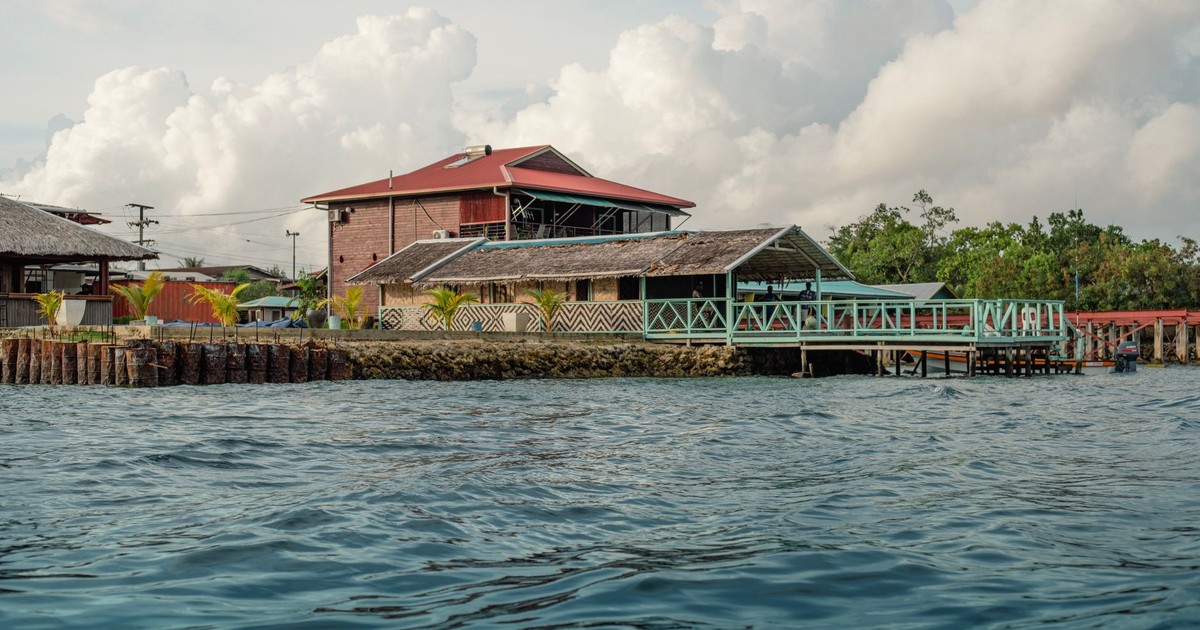
Although technically part of Papua New Guinea, Bougainville has been striving for independence for some time. In 2019, 98% of the inhabitants voted for independence, though subsequent efforts were complicated by external factors. The area recognizes itself as a unique and independent entity.
The island’s path to this point ran through one of the Pacific’s bloodiest regional conflicts: the Bougainville Civil War of 1988 to 1998, which killed up to 20,000 people out of a population of around 200,000. The war was partly driven by resentment over the Panguna copper mine, which generated enormous wealth for the central government while devastating local land. The vote for independence was overwhelming, but the formal transfer of sovereignty has been repeatedly delayed by negotiations with Port Moresby over the fiscal framework. Bougainville may become the world’s newest recognized nation within years, but it isn’t there yet.
15. Sahrawi Arab Democratic Republic (Western Sahara – Government in Exile)
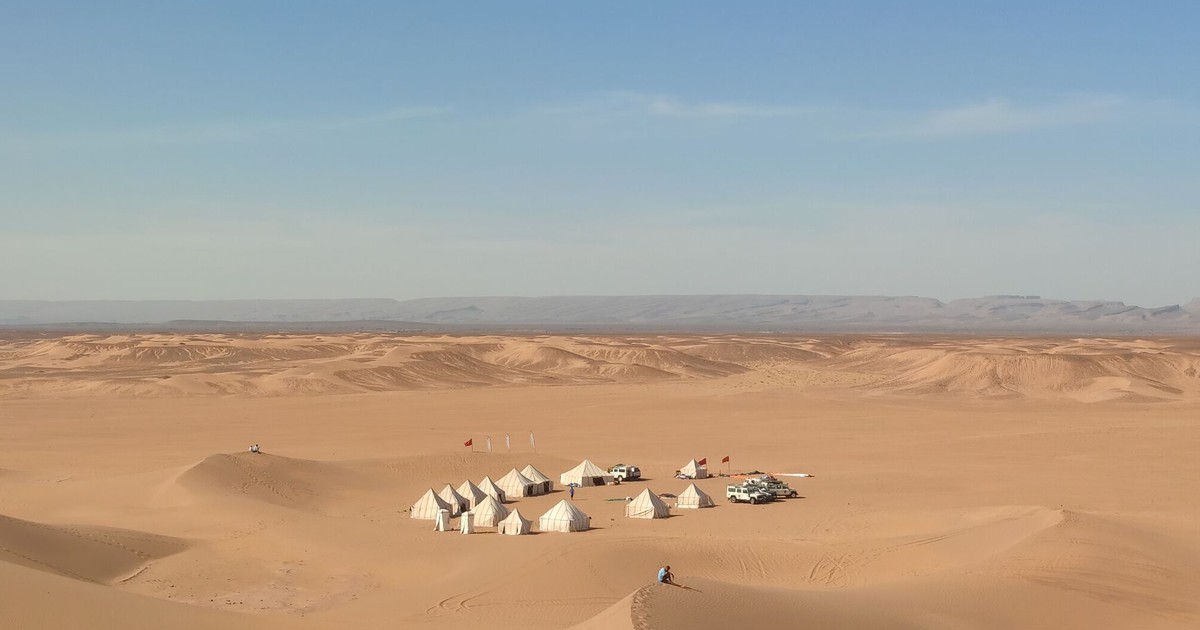
While Western Sahara was covered above as a disputed territory, the Sahrawi Arab Democratic Republic functions in a second, distinct dimension: as a government in exile operating out of refugee camps in Tindouf, Algeria, where an estimated 90,000 to 180,000 Sahrawi people have lived since 1975. The SADR holds a full African Union seat and participates in international diplomacy as a recognized state across much of the Global South, even as Morocco controls most of the territory it claims. The coexistence of a seated government in exile with an internationally backed occupying power is almost unique in the modern world.
16. The Conch Republic
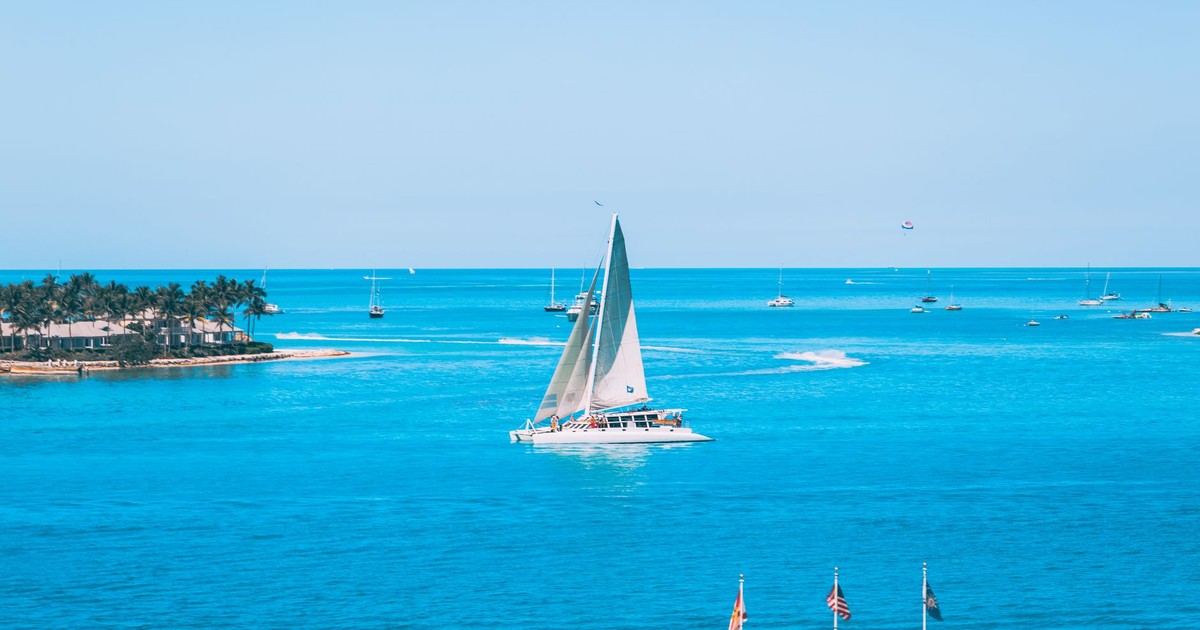
On April 23, 1982, the city of Key West, Florida, declared itself the independent Conch Republic and immediately surrendered to the United States, then applied for foreign aid. The whole episode lasted roughly a minute. It began as a protest against a U.S. Border Patrol roadblock on U.S. 1 that was treating Florida Keys residents like international arrivals in their own state.
The Conch Republic has since issued passports, won a legal argument with the U.S. Navy, and maintains an active “diplomatic corps.” It is, on its face, a joke. But it is a joke with a mayor, an annual festival, and the distinction of being one of the few self-declared entities ever to successfully use its claimed sovereignty as a legal defense in a U.S. federal court. The city of Key West has kept the declaration very much alive, renewing it annually.
17. The Principality of Sealand
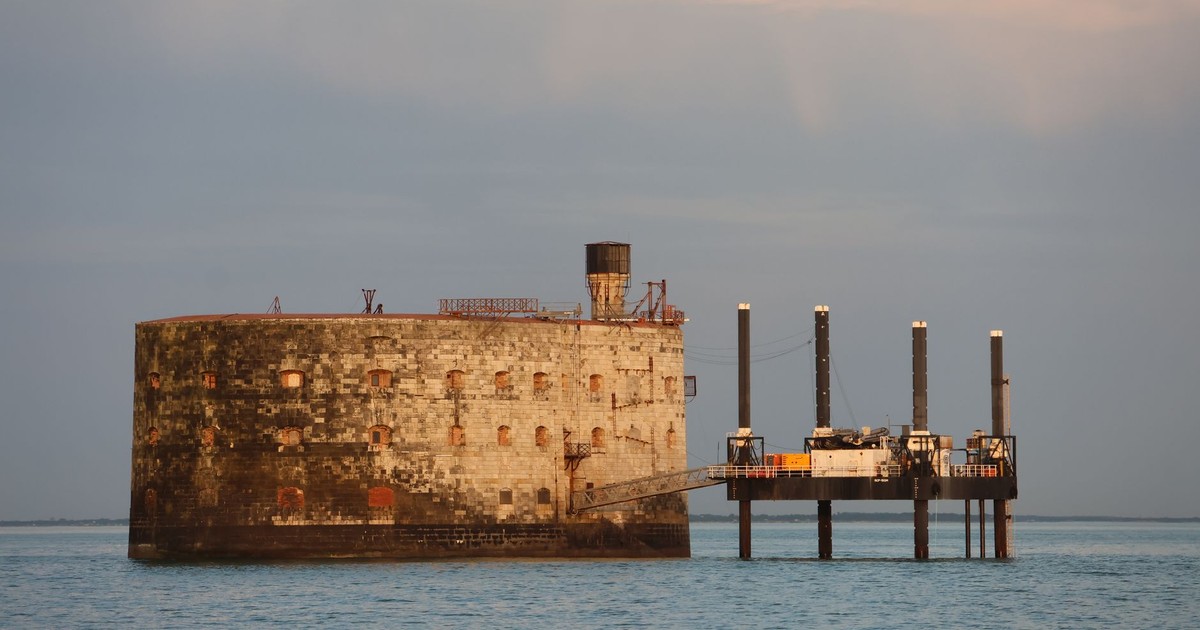
The Principality of Sealand is perhaps the world’s most famous micronation. It was founded in 1967 by pirate-radio enthusiast Paddy Roy Bates on an abandoned World War II gun platform in the North Sea, sitting seven nautical miles off England’s coast. It has a population of roughly three people at any given time, its own constitution, peerage titles for sale, a football team, and a recorded history of coup attempts, mercenaries, and hostage negotiations. The Bates family has maintained their claim for nearly six decades. The United Kingdom has, on multiple occasions, simply declined to engage.
18. Freetown Christiania
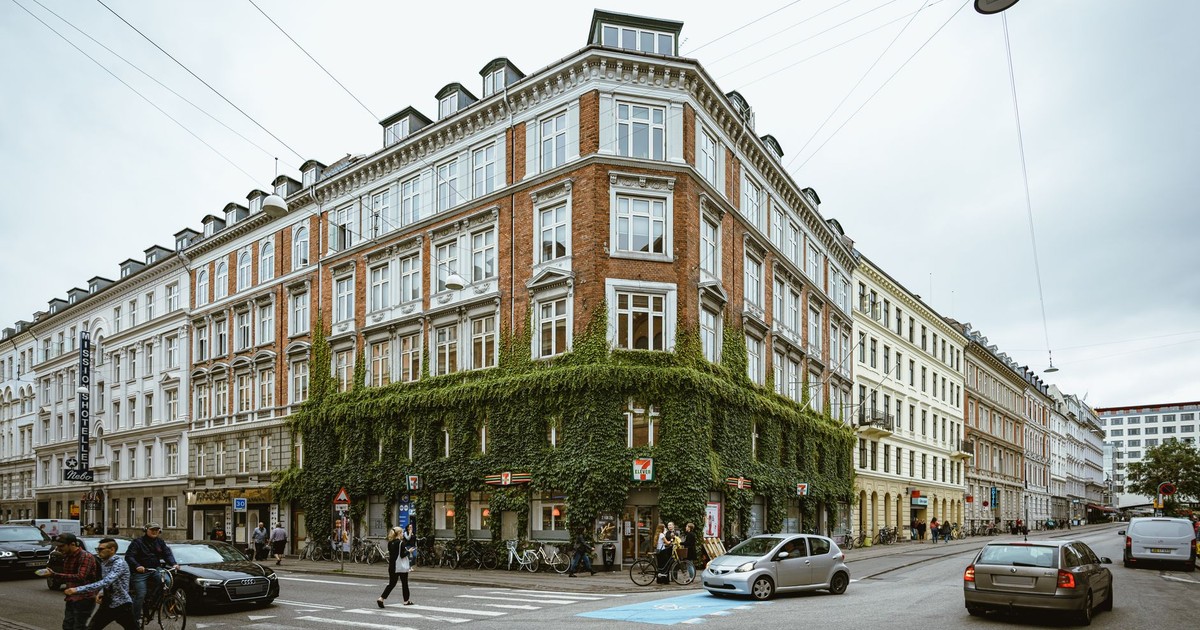
Not every place that calls itself a country is internationally recognized as one – and Christiania takes that premise to an urban extreme. Freetown Christiania, established in 1971, is a neighborhood of around 850 people within the Copenhagen district of Christianshavn. Danish authorities have granted it a unique legal status, and it is among the most successful alternative communities in Europe.
Christiania operates with its own internal governance structure, a ban on cars, and open cannabis sales in a section called Pusher Street. It is a Copenhagen district open to the public, where visitors can wander its streets, galleries, and organic cafes. Denmark has repeatedly attempted to normalize Christiania’s legal status and each time met fierce resistance from residents who consider their autonomy non-negotiable.
19. The Republic of Užupis
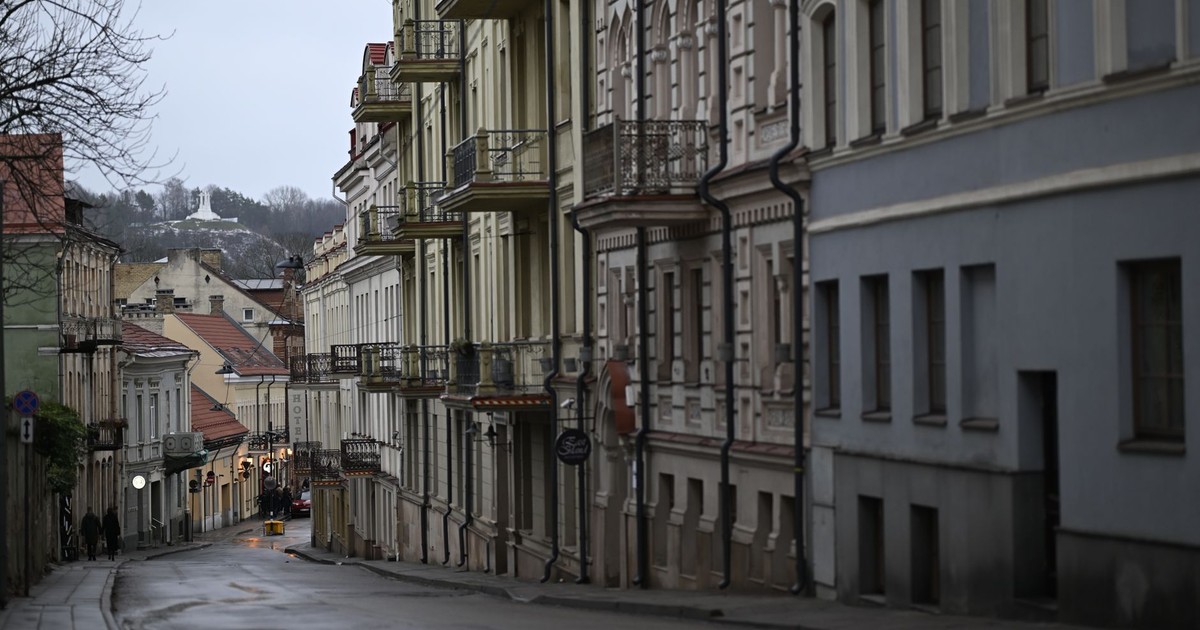
Užupis is a neighborhood in Vilnius, Lithuania, that declared itself an independent republic on April 1, 1997. That date was chosen deliberately. The republic has a president, a cabinet, a constitution translated into more than 50 languages, and a standing army of around 11 people. Its constitution includes the right to be a cat, the right to die but not the obligation to, and the assertion that everyone has the right to be unhappy.
What makes Užupis more than an art prank is that Vilnius city government actually engages with it. The republic has honorary diplomatic representatives in dozens of countries, its “border” is marked by a mirror so you can see yourself crossing into it, and the neighborhood hosts one of the more interesting concentrations of galleries and studios in the Baltic states. The joke is the point, but so is the neighborhood.
20. Liberland
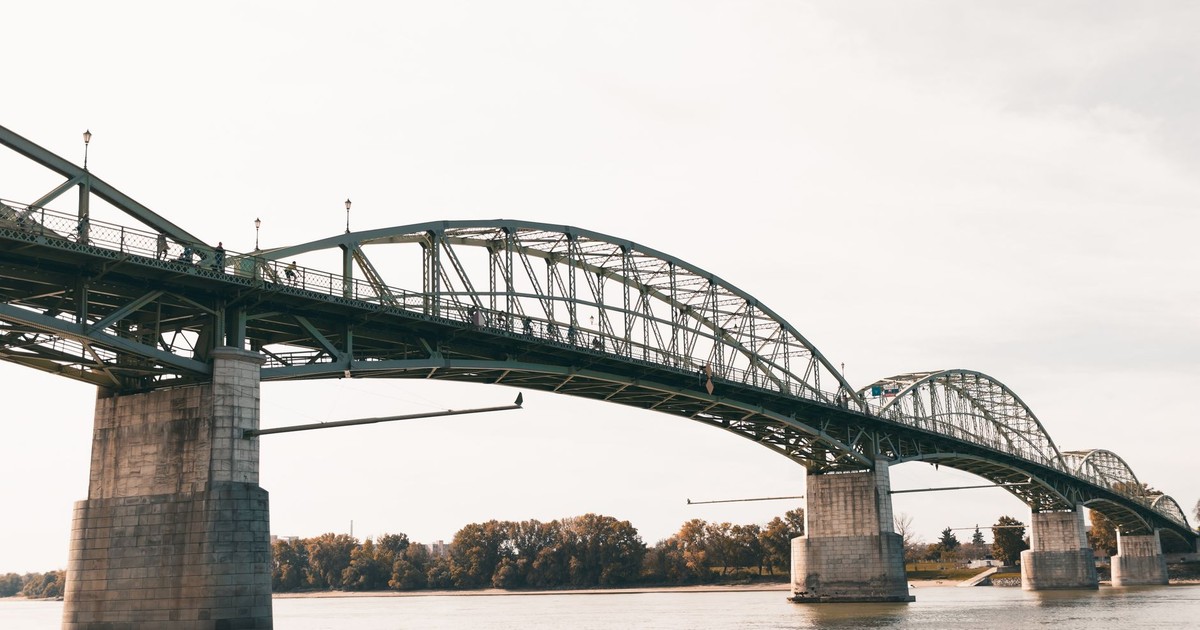
Liberland occupies a 7-km² island on the Danube between Croatia and Serbia. Czech libertarian politician Vít Jedlička claimed it in 2015 on the grounds that neither Croatia nor Serbia had formally incorporated the disputed strip of land into their territory. He announced the founding of the Free Republic of Liberland with a motto of “live and let live” and quickly attracted several hundred thousand citizenship applications.
There has been no diplomatic recognition of Liberland by any member nation-state of the United Nations. Croatian police have repeatedly arrested people attempting to enter the territory from the Liberland side. The republic has no permanent population on the actual land, runs its governance via email and online voting, and has experimented with cryptocurrency as its official currency. A legal loophole stops Croatia from claiming the area, but that hasn’t prevented Croatian officials from arresting Jedlička when he tries to set up camp.
21. Ladonia
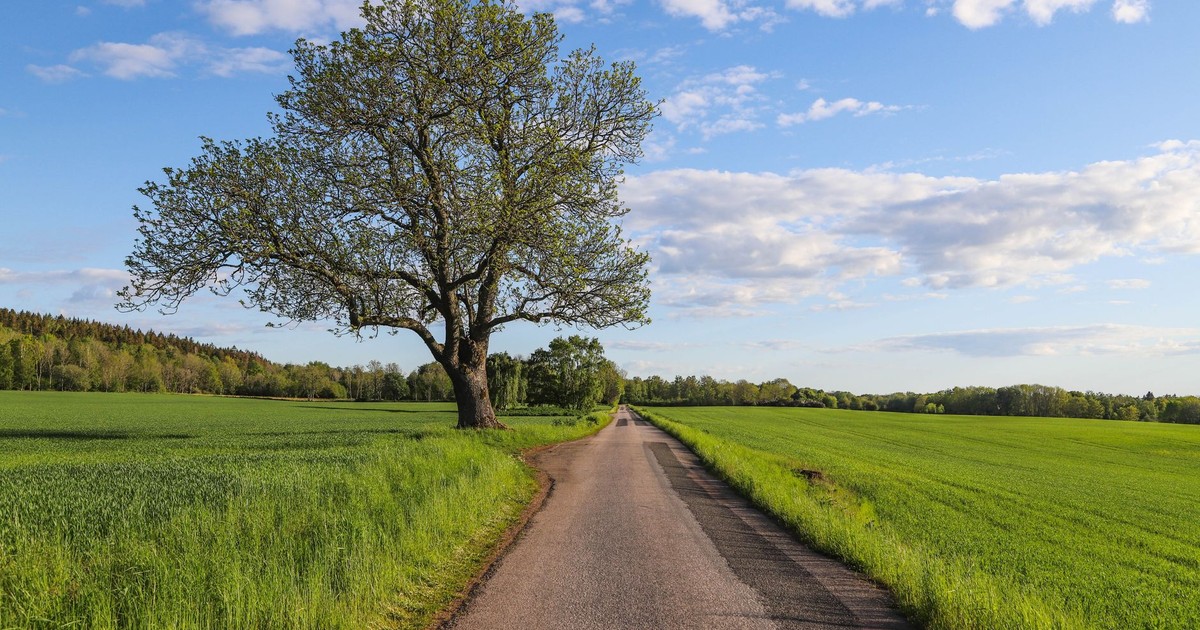
Ladonia was declared an independent nation in 1996 by Swedish artist Lars Vilks, after Swedish authorities attempted to force him to remove two large sculptures he had installed in the Kullaberg nature reserve without permission. Rather than comply, he declared the land around his sculptures sovereign territory. It has about 100,000 registered citizens online, but on site it’s just a protected nature area in southern Sweden with two sculptures known as “Nimis” and “Arx.”
Ladonia issues passports and has an elected queen. Its claim covers a few hundred square meters of a Swedish nature reserve. It cannot, by any reasonable standard, be called a nation. But its 100,000 online citizens suggest there is a real appetite for the idea of choosing a national identity that opts out of conventional geography, which might be the most interesting thing about it.
22. The Sovereign Military Order of Malta
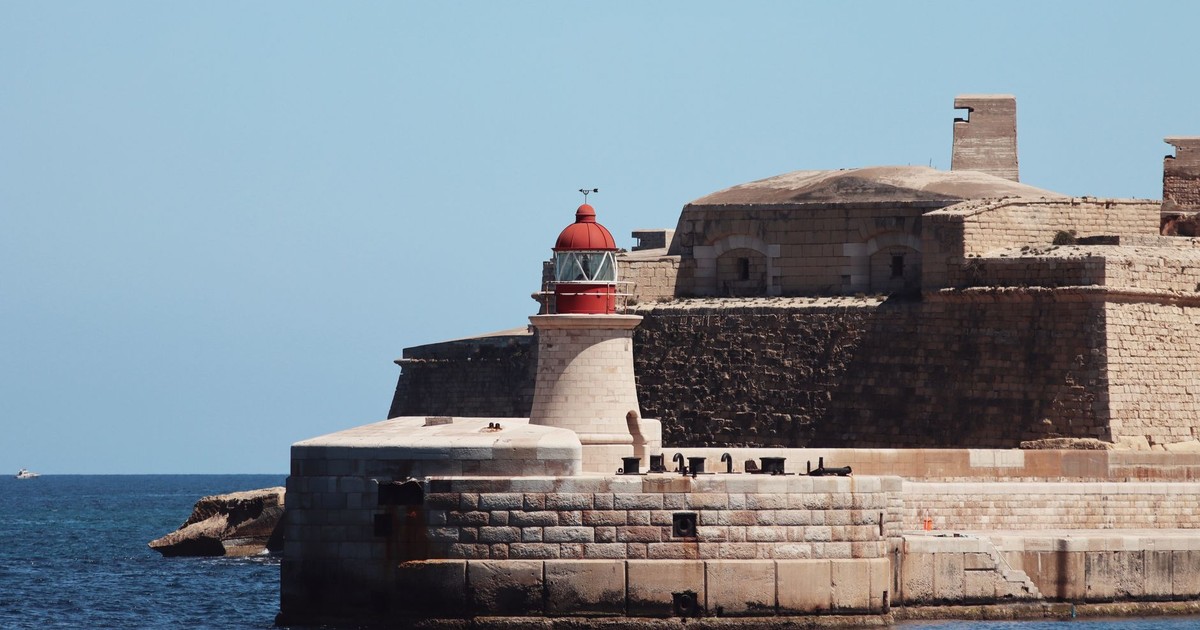
The Sovereign Military Order of Malta is the oldest and strangest entry on this list. It traces its origins to 1048, predates the United Nations by nearly 900 years, and currently holds permanent observer status at the UN. The Sovereign Military Order of Malta maintains diplomatic relations with 114 United Nations members and the Holy See. It is a sovereign entity maintaining diplomatic relations with 115 sovereign states including the Holy See, and additionally holds observer status or representation at multiple intergovernmental organisations.
The Order issues passports recognized by multiple countries, mints coins, and operates one of the world’s largest humanitarian organizations, delivering medical aid in over 120 countries. It governs no land, houses no population, and yet exercises a form of sovereignty that has been legally recognized for centuries. That it belongs on a list of self-declared nations alongside Sealand and Ladonia says something honest about how strange the concept of statehood actually is.
The Map Is Never Just Geography
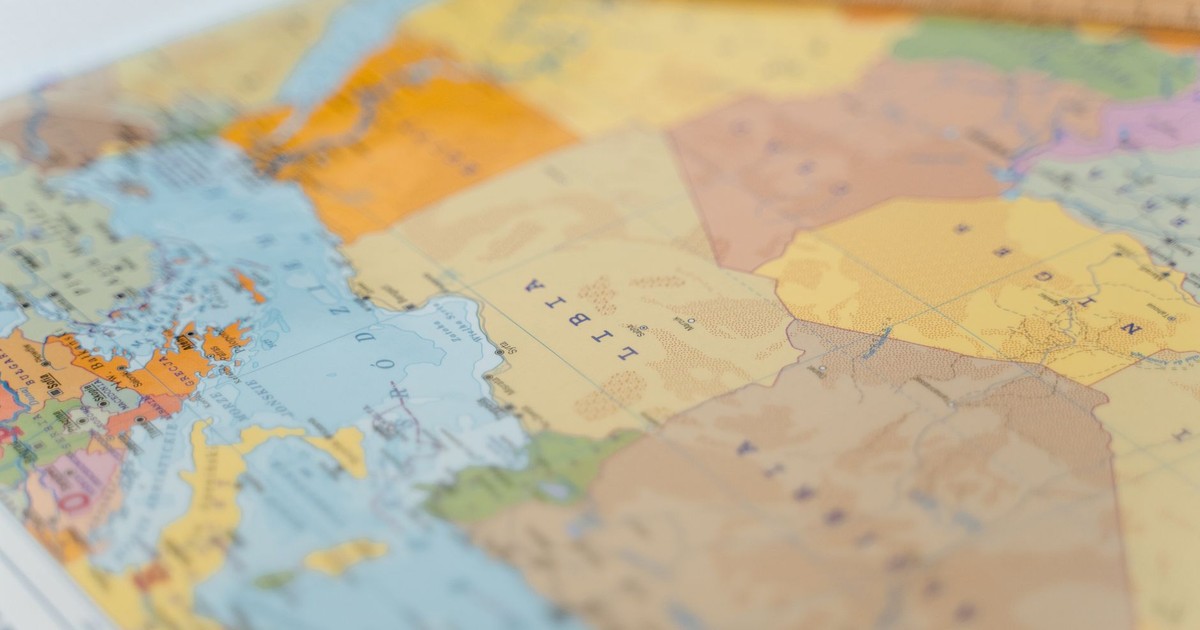
Recognized states have access to foreign investment, trade agreements, and global markets. Unrecognized regions struggle economically, often relying on support from a small number of allied nations. That practical gap explains most of what makes the status of self-declared nations so consequential. It’s not just about flags and anthems. It’s about whether your farmers can export their crops, whether your citizens can travel, whether international banks will process your transactions, and whether international law will be invoked on your behalf when someone attacks you.
The twenty-two places on this list span the full range of that reality. Some, like Taiwan and Kosovo, carry genuine economic and military weight. Others, like Sealand and Ladonia, exist largely as declarations of principle or elaborate artistic gestures. What connects them is that recognition, or its absence, is never really about meeting objective criteria for statehood. The solution is not legal, it’s political. Recognition is a political act that is influenced by the interests of powerful states. Taiwan is isolated because China has the leverage to keep it that way. Kosovo exists because the U.S. and EU decided it should. Somaliland ran clean elections for three decades before a single government acknowledged it.
The Artsakh collapse in 2023 is worth sitting with. A functioning republic with its own institutions, culture, and population ceased to exist in 24 hours because the political will to defend it evaporated. The same logic applies, in the other direction, to the Order of Malta: no territory, no population, nearly a millennium of continuous diplomatic recognition. Statehood, it turns out, is less a condition you earn and more a status other powerful actors decide to extend. Every place on this list understood that. Most of them are still waiting for the answer to change.
AI Disclaimer: This article was created with the assistance of AI tools and reviewed by a human editor.