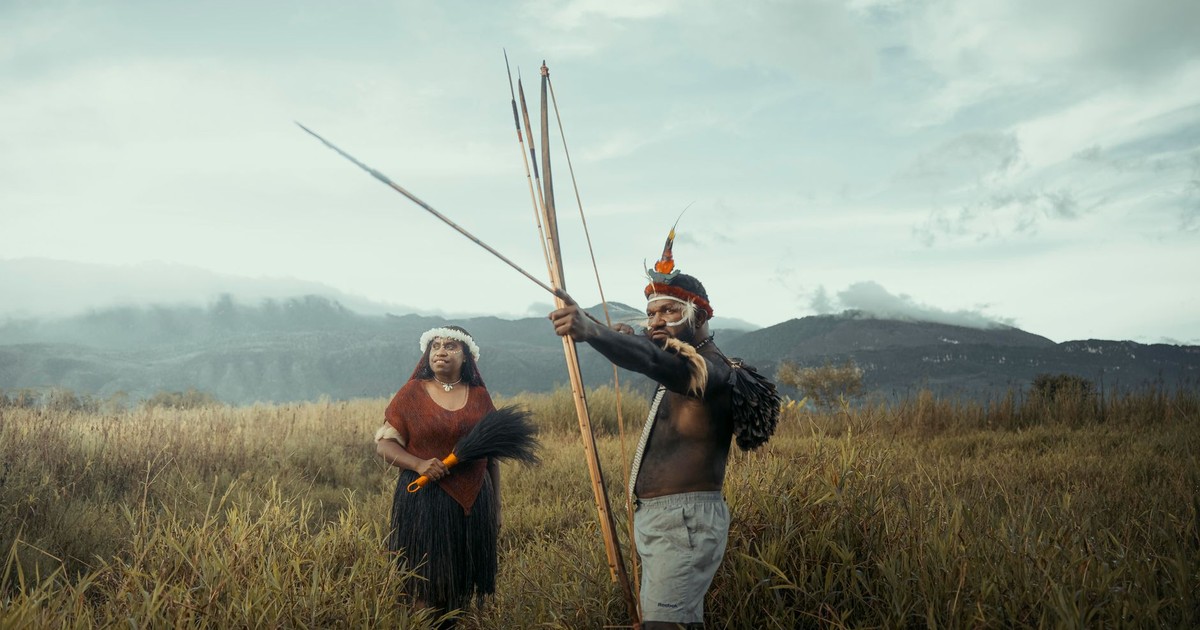
Some fights over sacred places indigenous peoples have protected for generations are being waged on a mountainside. Others happen inside a federal courtroom, buried under pages of regulatory language. The stakes at both addresses are the same: whether a community gets to continue practicing its religion in the place where that religion lives.
To Western ears, “sacred” may suggest something untouchable and removed from daily life, but for most indigenous cultures the word carries a different weight. A place labeled sacred may be spiritually alive, culturally essential, or deserving of protection. Many of these sites don’t look like temples or cathedrals. They look like mountains, rivers, forests, mounds of earth rising from a plain, a rock formation silhouetted against a wide sky.
The 25 places below span six continents and dozens of cultures. Each has its own story, its own ongoing pressures, and its own community of people who have never stopped showing up for it.
Uluru (Ayers Rock), Australia
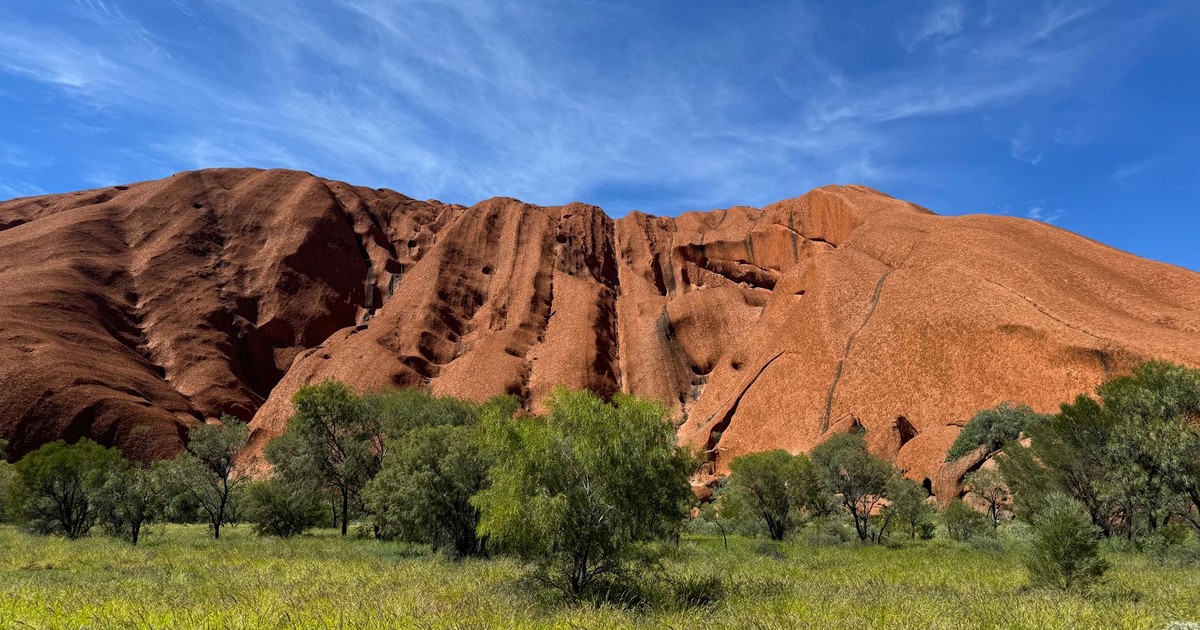
Uluru is sacred to the Pitjantjatjara, the Aboriginal people of the area, known as the Anangu. The area around the formation is home to an abundance of springs, waterholes, rock caves, and ancient paintings. Uluru is listed as a UNESCO World Heritage Site. For the Anangu, the rock is not a geological curiosity. It is a living record of the Tjukurpa, the law of creation. To Anangu, climbing Uluru is a violation of Tjukurpa. The tourist route up Uluru is the traditional trail taken by ancestral Mala men upon their arrival. Australia permanently banned climbing in October 2019.
Mauna Kea, Hawai’i
Mauna Kea is a site of religious and cultural significance for Kanaka Maoli, or Native Hawaiians. The summit is considered a wao akua, or “realm of the gods.” Mauna Kea is sacred because it is the piko, or umbilical cord, that connects the Creator to the people of Hawai’i. The mountain is also the site of many ancient burial sites, sacred spaces, and shrines. Mauna Kea is similar to a temple, where people can pray and make offerings, and also connect spiritually with the heavens and their ancestors. The long-running dispute over the Thirty Meter Telescope proposed for its summit has made Mauna Kea one of the most visible flashpoints in the global conversation about indigenous rights and land sovereignty.
Devils Tower (Bear Lodge), Wyoming
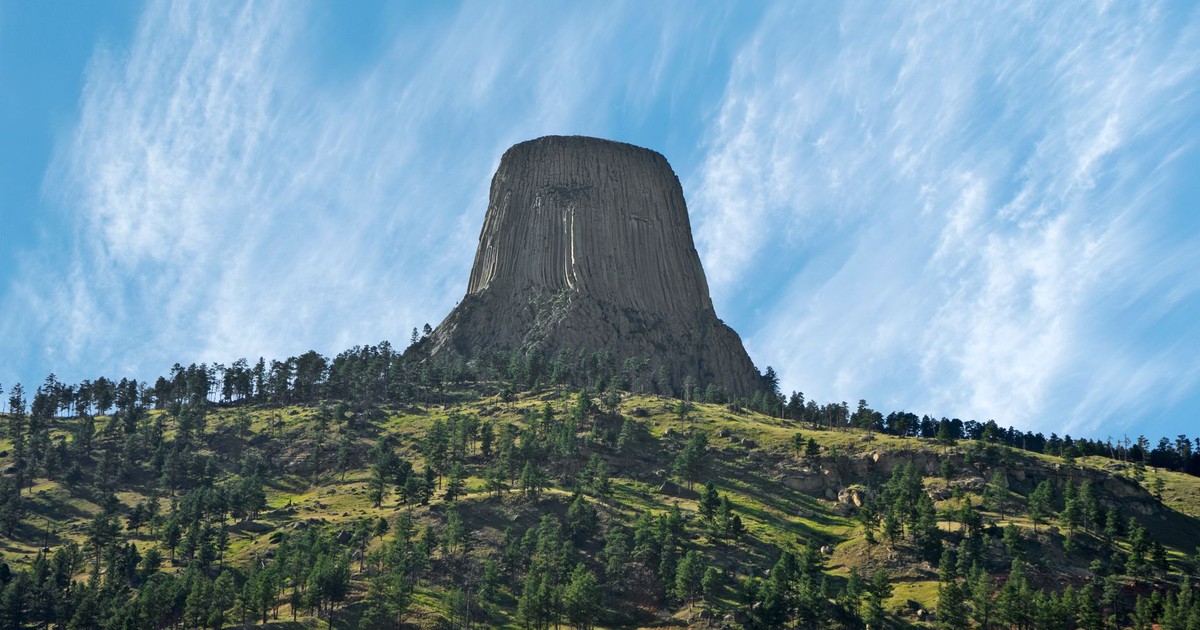
Rising dramatically from the plains, Devils Tower is a volcanic monolith sacred to over 20 Native American tribes. Known as Bear Lodge to the Lakota, its legend tells of children saved from a giant bear by the tower’s creation. According to the traditional beliefs of the Kiowa and Lakota, several girls went out to play and were spotted by giant bears that began to chase them. The girls climbed atop a rock, fell to their knees, and prayed to the Great Spirit to save them. The Great Spirit made the rock rise from the ground towards the heavens so the bears could not reach the girls. The bears left deep claw marks in the sides. Those marks appear today on the sides of Devils Tower. When the girls reached the sky, they were turned into the stars of the Pleiades. Every June, indigenous communities gather here for prayer and ceremony, during which climbers are asked to stay off the rock voluntarily.
Cahokia Mounds, Illinois
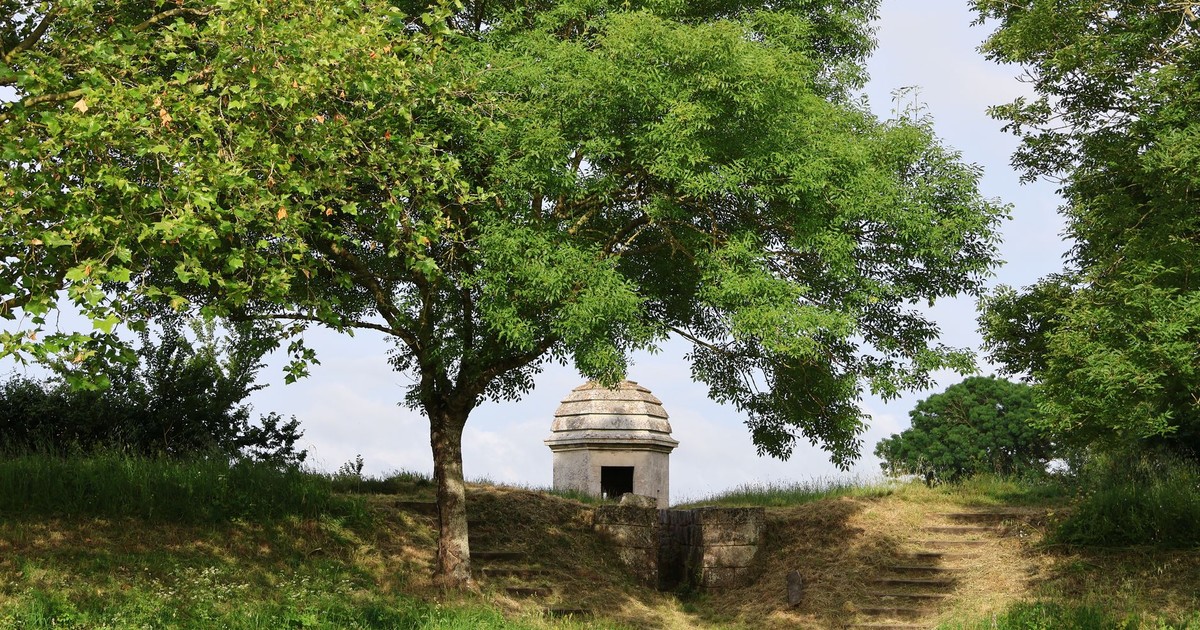
Across the Mississippi River from present-day St. Louis, a city larger than London was once alive. Cahokia Mounds in Illinois was occupied primarily between 800 and 1400 CE. The complex covered nearly 1,600 hectares and included some 120 mounds. Cahokia’s population may have numbered 10,000 to 20,000 people, with some estimates reaching as many as 40,000, at its peak between 1050 and 1150 CE. An agricultural society led by chiefdom, Cahokia was the largest and most influential urban settlement of the Mississippian culture. Native American people continue to venerate the site as sacred, coming to the grounds to perform ceremony and dance. It is a UNESCO World Heritage Site and a National Historic Landmark.
Chaco Canyon, New Mexico
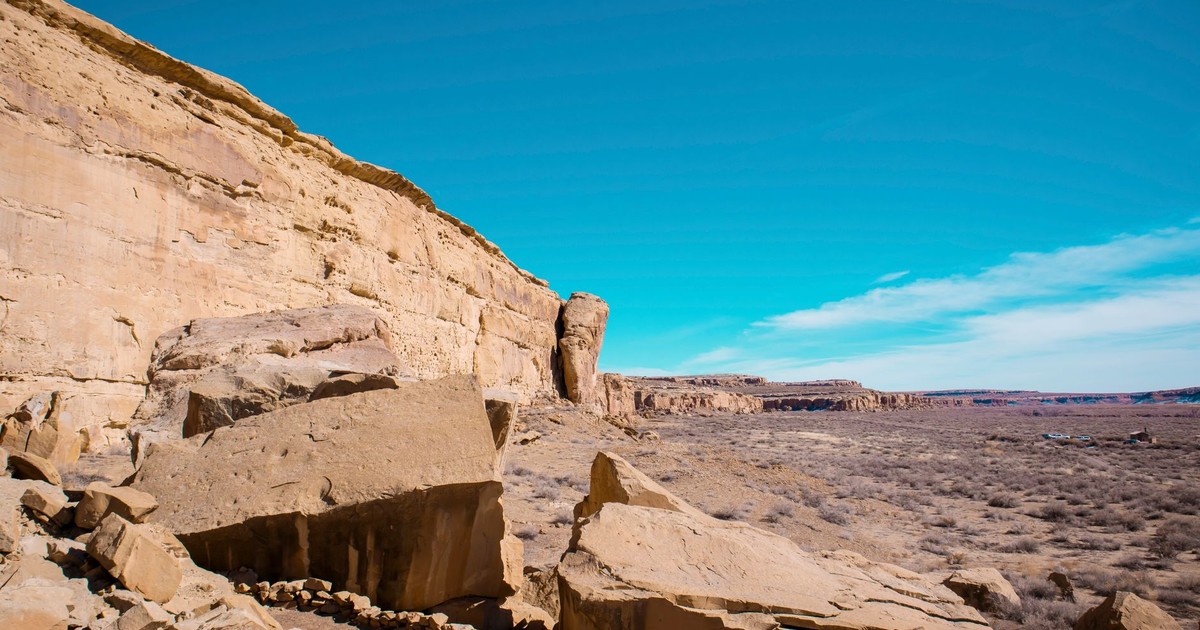
Chaco Canyon in New Mexico contains 15 major complexes that remained the largest buildings ever built in North America until the 19th century. The Ancestral Puebloan people planned and constructed massive stone and timber buildings of multiple stories containing hundreds of rooms. Construction on some buildings spanned decades and even centuries. During the middle and late 800s, the great houses of Pueblo Bonito, Una Vida, and Peñasco Blanco were constructed. These structures were often oriented to solar and cardinal directions. Between 900 and 1150 CE, the canyon was the cultural, ceremonial, administrative, and economic center of the San Juan Basin. The National Park Service manages Chaco Culture National Historical Park, which is also a World Heritage Site. The astronomical precision built into the canyon’s architecture has led researchers to describe it as a kind of stone calendar, its doorways aligned to catch the first light of solstices.
Bears Ears, Utah
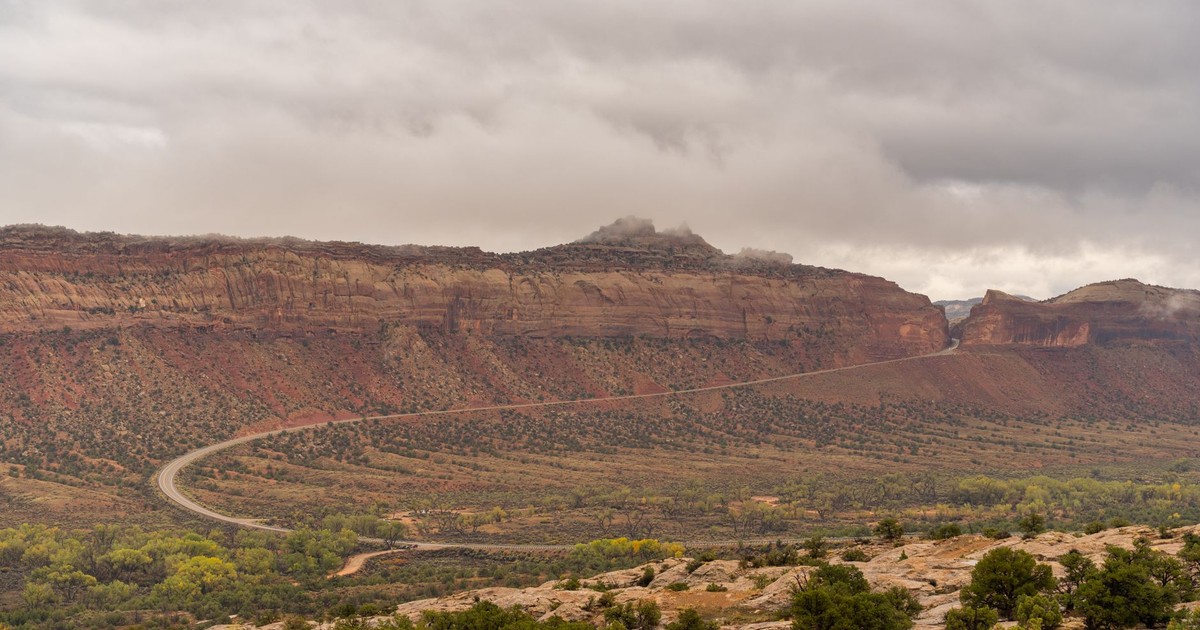
Bears Ears National Monument is a rugged expanse of mesas, canyons, and sandstone formations sacred to many Southwestern tribes, including the Navajo, Hopi, Ute, and Zuni. Named for two butte-shaped formations resembling bear ears, the area holds thousands of archaeological sites and ancient petroglyphs. It is a place of prayer, healing, and ceremony, connecting generations through memory and ritual. The monument’s boundaries have been shrunk and restored through successive administrations, making it a central battleground in the ongoing legal effort to protect sacred places indigenous peoples claim as active religious territory on federal land.
Bear Butte, South Dakota
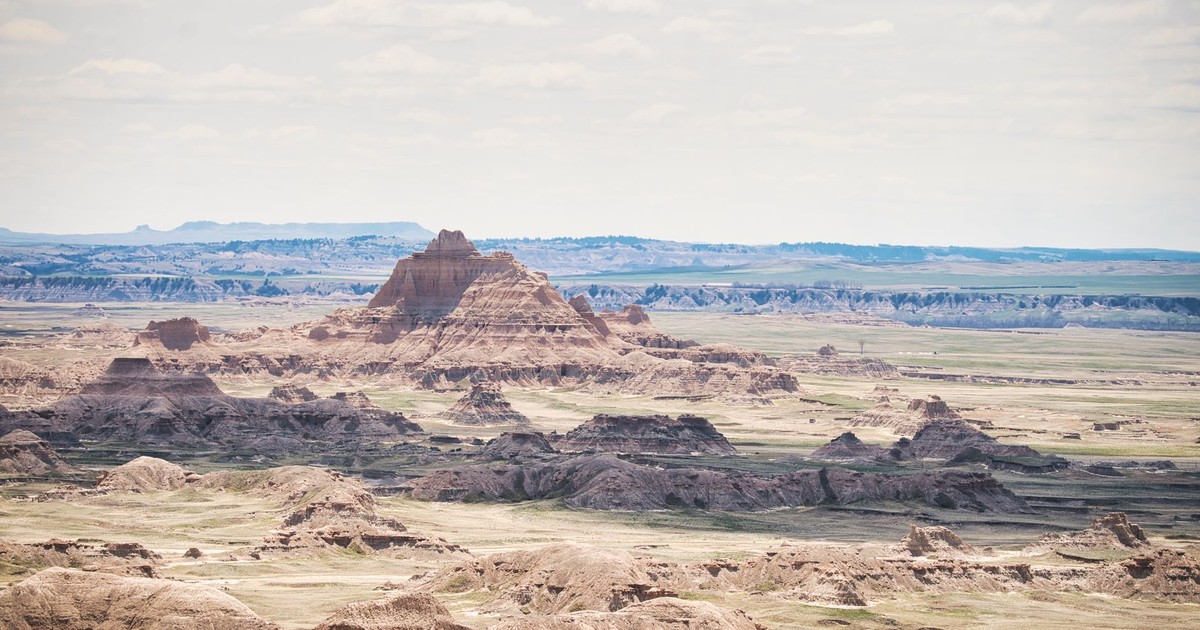
Bear Butte State Park is what the Lakota refer to as Mato Paha and the Cheyenne call Noahvose. This lone peak rising from the plains has served as a place of vision quests and spiritual renewal for countless generations. Prayer bundles and tobacco ties line the hiking trails year-round, placed by visitors who come not to hike but to pray. Mountains and peaks like Bear Butte are seen as dwelling places of powerful spirits, sources of vision, or places of origin. These sites are used for vision quests, prayer, and ceremonial gatherings.
The Black Hills (Paha Sapa), South Dakota
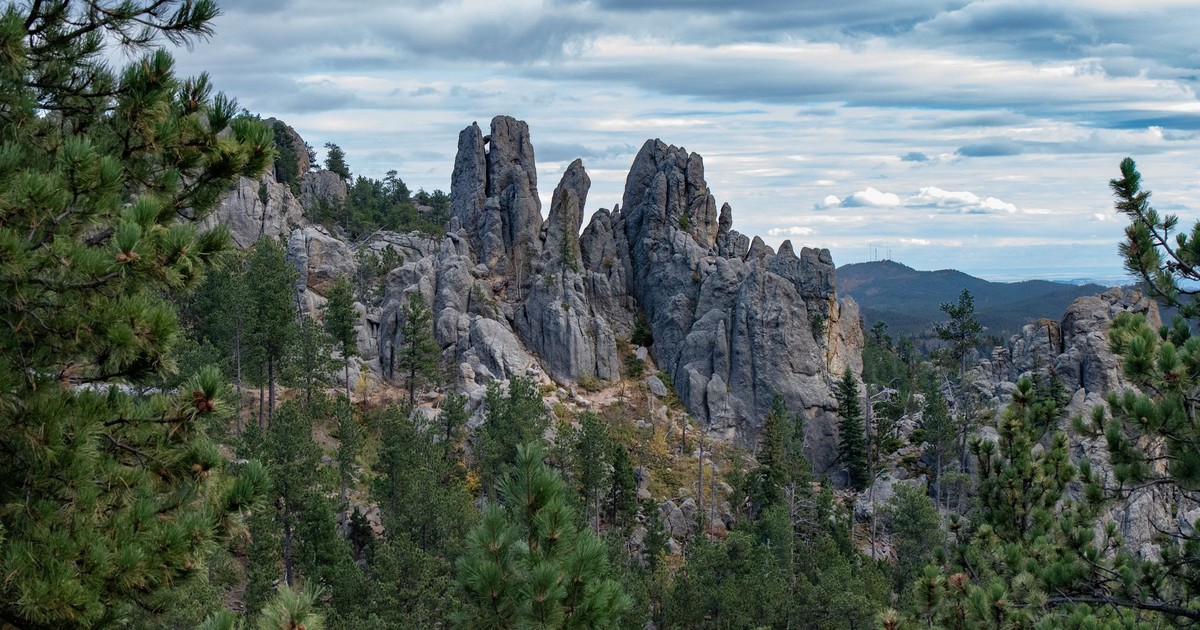
The Black Hills are not simply a scenic range in South Dakota. To the Lakota, they are Paha Sapa, the heart of everything that is. The 1868 Treaty of Fort Laramie guaranteed the Lakota exclusive rights to the Black Hills, a promise broken six years later when gold was discovered. The land was seized. In 1980, the U.S. Supreme Court ruled that the taking was illegal and awarded the Sioux Nation more than $100 million in compensation. The tribes refused the money. They want the land.
The San Francisco Peaks, Arizona
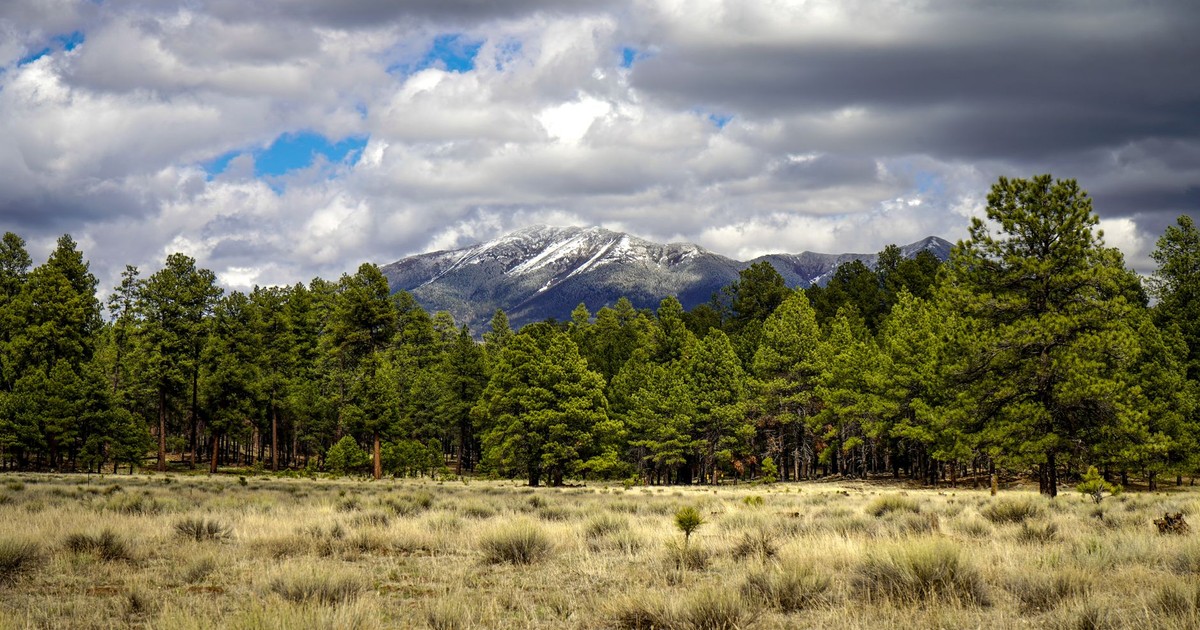
Three volcanic peaks rising above the Colorado Plateau near Flagstaff are sacred to at least 13 indigenous nations, including the Hopi, Navajo, and Havasupai. The Hopi call them Nuvatukyaovi, the place of snow, and believe the Kachinas, spiritual beings who carry prayers between the human world and the divine, reside on the summits. Battles over a ski resort using treated wastewater to make artificial snow on the peaks have reached federal courts repeatedly.
Mesa Verde, Colorado
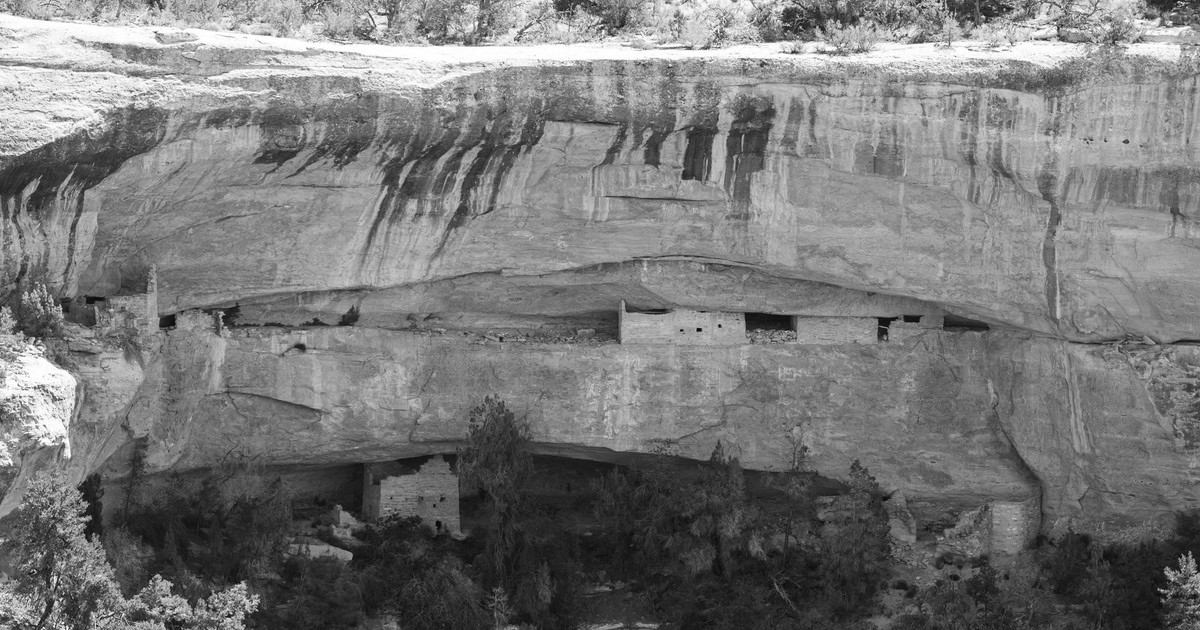
Cliff Palace, tucked into a sandstone alcove at Mesa Verde, is one of the most photographed ancestral Puebloan communities in North America. Among Mesa Verde National Park’s 600 cliff dwellings, Cliff Palace stands out for its size and more than 20 kivas, which are ceremonial spaces. Those kivas are the heart of why this place matters spiritually. Modern Pueblo and other descendant communities still see Cliff Palace as part of a living homeland, not an abandoned ruin.
Great Serpent Mound, Ohio
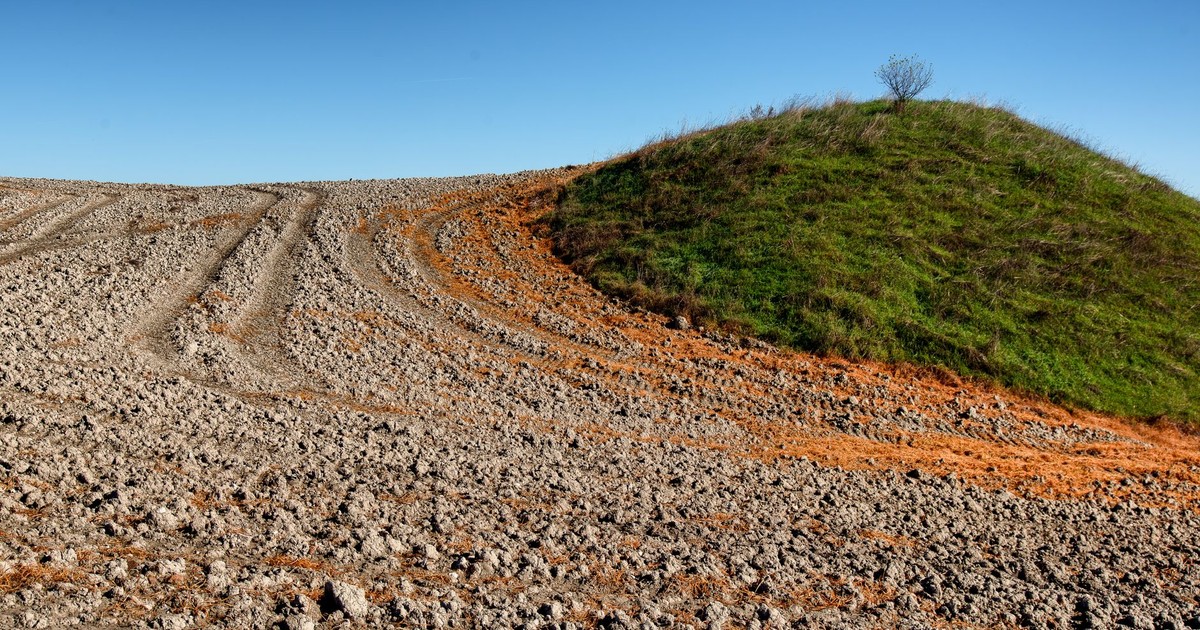
Stretching nearly a quarter mile across the bluffs above Brush Creek in southern Ohio, the Great Serpent Mound is the largest serpent effigy earthwork in the world. Built by the Adena or Fort Ancient people more than a thousand years ago, it depicts an uncoiling serpent whose open mouth appears to hold an oval shape, possibly an egg or the sun. The mound’s alignment with the summer solstice sunrise has been confirmed by archaeoastronomers. For many indigenous people today, it remains a site of ceremony and deep ancestral connection.
Denali, Alaska
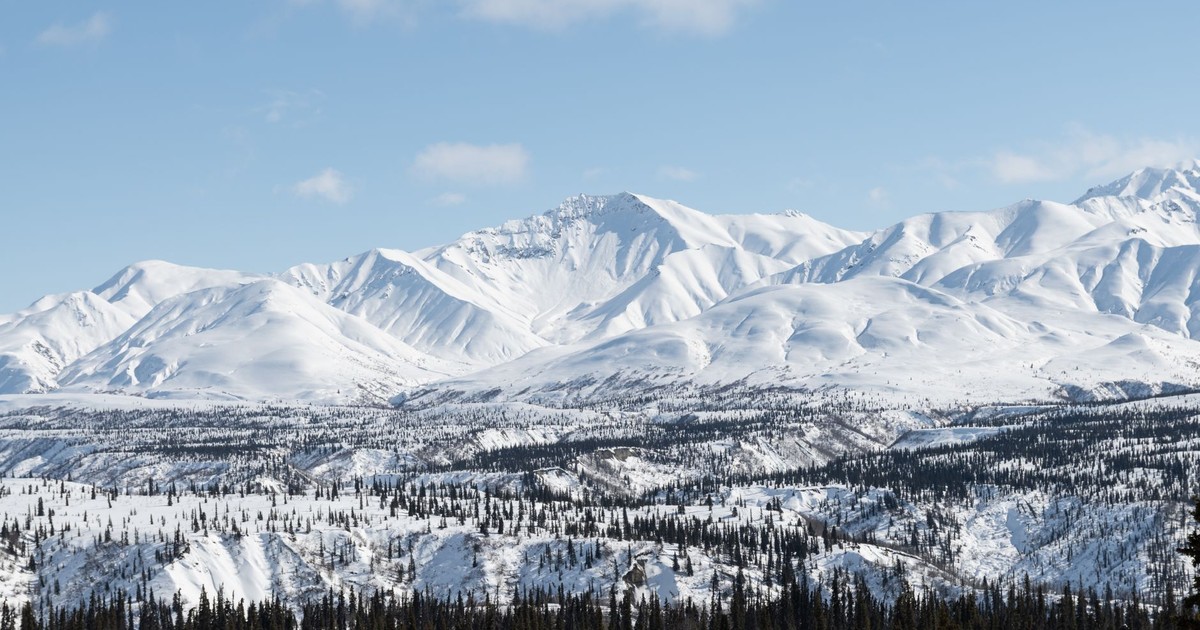
To the Dena’ina, Ahtna, Lower Tanana, Koyukon, and Upper Kuskokwim peoples, the mountain they call “the High One” or “the Great One” is still sacred. Native Americans who live in the mountain’s long shadow believe it has supernatural powers. At 20,310 feet, Denali is the tallest peak in North America. The federal government renamed it from Mount McKinley back to Denali in 2015, a decision welcomed by Alaska Native groups for whom the original name had never changed.
Oak Flat (Chi’chil Bildagoteel), Arizona
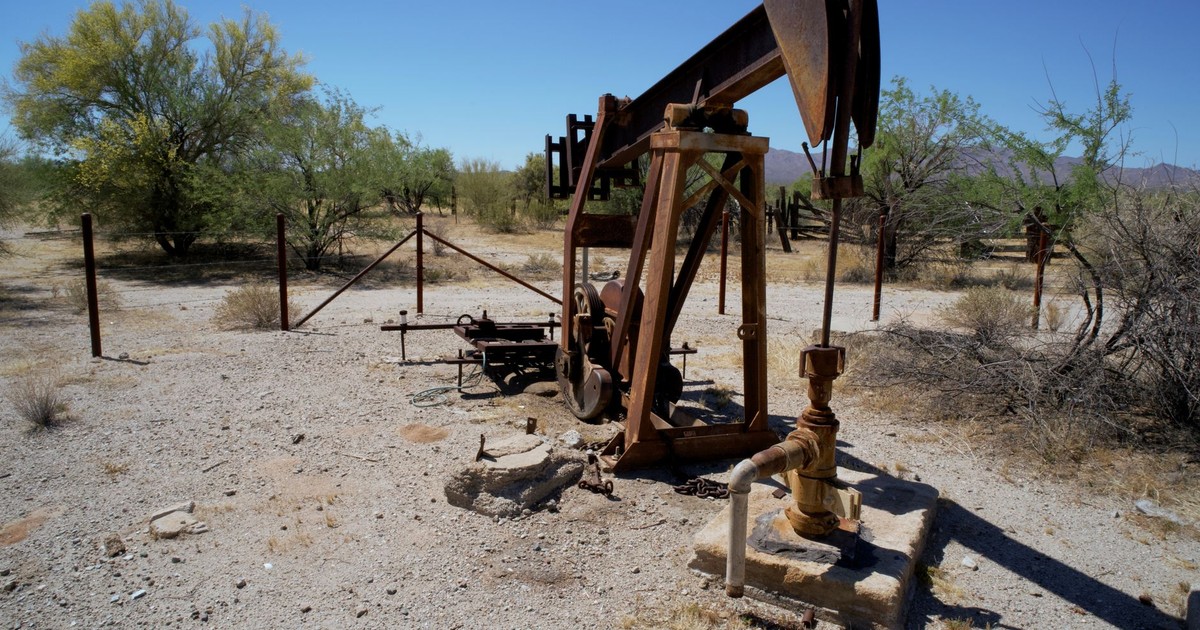
Oak Flat is a grove of ancient oaks in the Tonto National Forest east of Phoenix, central to the spiritual life of the San Carlos Apache. A 2014 congressional land swap would hand the site to a copper mining consortium. Apache Stronghold, an advocacy group led by Apache faith leaders, has fought the transfer through federal courts, arguing it amounts to the government destroying a Native American religion. The case is ongoing.
Kaho’olawe, Hawai’i
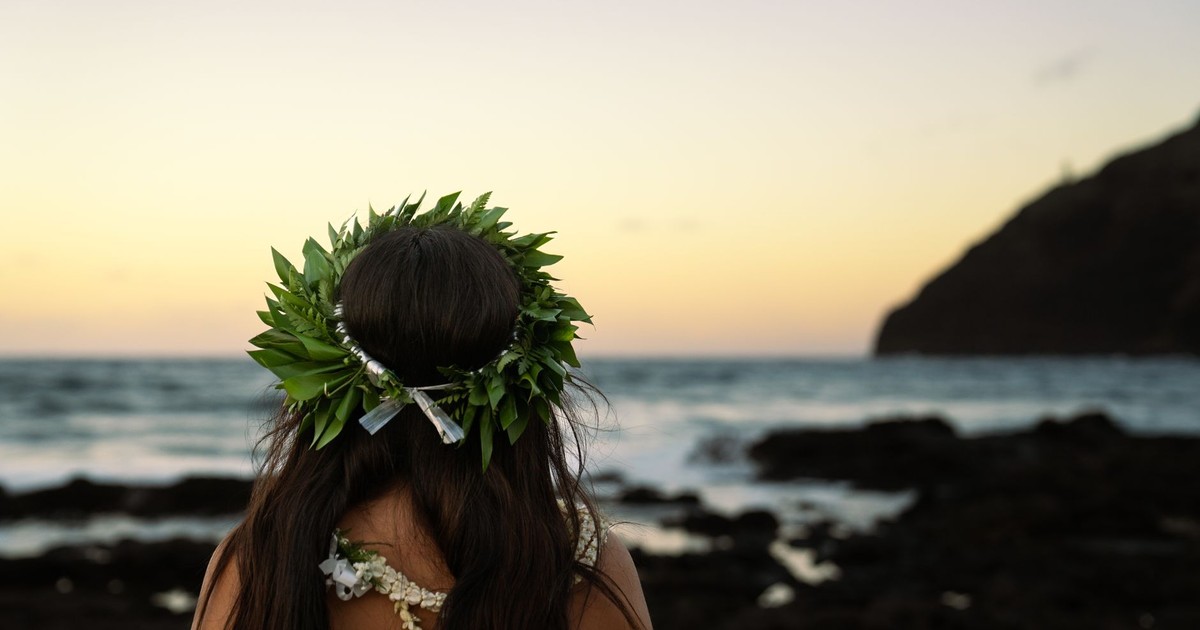
Native Hawaiians stopped U.S. Navy bombardment of sacred Kaho’olawe island and are now restoring it spiritually and ecologically as a cultural refuge. A decades-long resistance movement based on aloha aina, love for the land, won the island back after 50 years of target practice bombing. Today, Hawaiians are redefining “restoration” as they incorporate spiritual ceremony and cultural revival into their ecological practices. Kaho’olawe holds more than 500 archaeological and cultural sites, and the work of restoration there is understood as spiritual work as much as environmental.
The Sierra Nevada de Santa Marta, Colombia
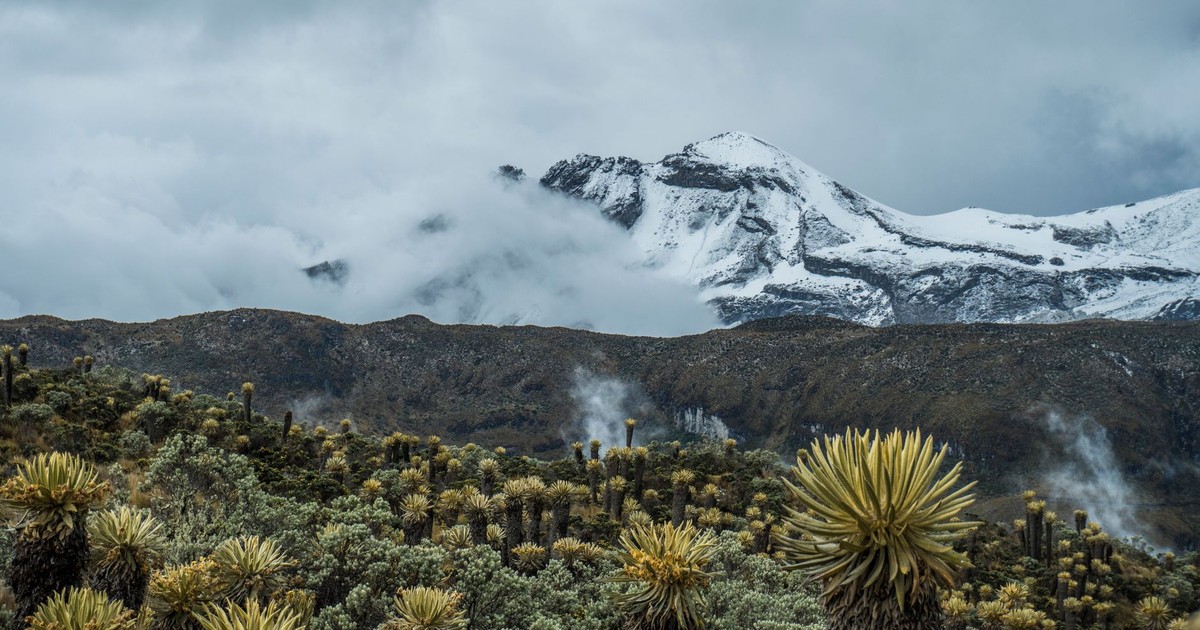
The UNCCD reports that the Sierra Nevada de Santa Marta is a UNESCO Biosphere Reserve deemed the most irreplaceable site in the world for threatened species. The range is the prime water tower for 1.8 million people, a biodiversity hotspot in a country that ranks second globally in species richness, and a territory of deep spiritual significance for the Arhuaco, Kogui, Wiwa, and Kankuamo peoples. For them, it is Gonawindúa, or “the Heart of the World.” In upholding the cultural and spiritual integrity of their territory, home to nearly 350 sacred sites, the communities are also restoring vital ecosystem services like water provision for downstream populations.
Pipestone National Monument, Minnesota
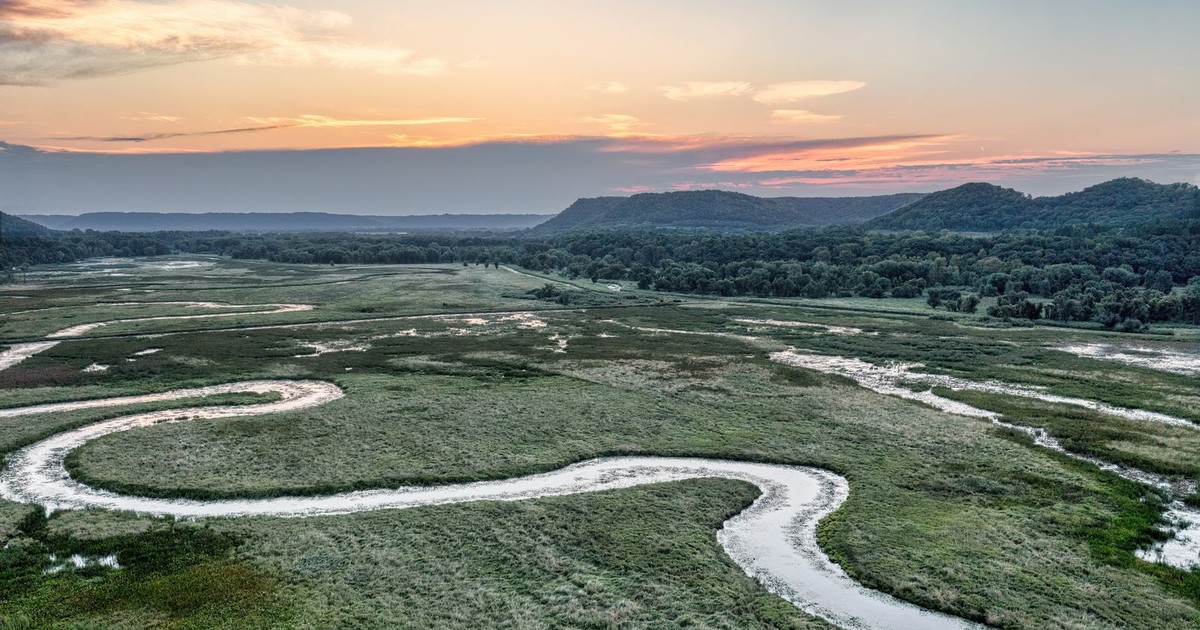
The red stone quarried here, catlinite, has been used by Plains tribes for centuries to carve ceremonial pipes. The quarry is still active, still sacred, and still restricted to enrolled members of federally recognized Native American tribes. No other group may quarry here. The pipes made from Pipestone are not souvenirs. They are instruments of prayer, used in ceremonies across the continent, exchanged as gifts of the highest significance between nations.
Mount Shasta, California
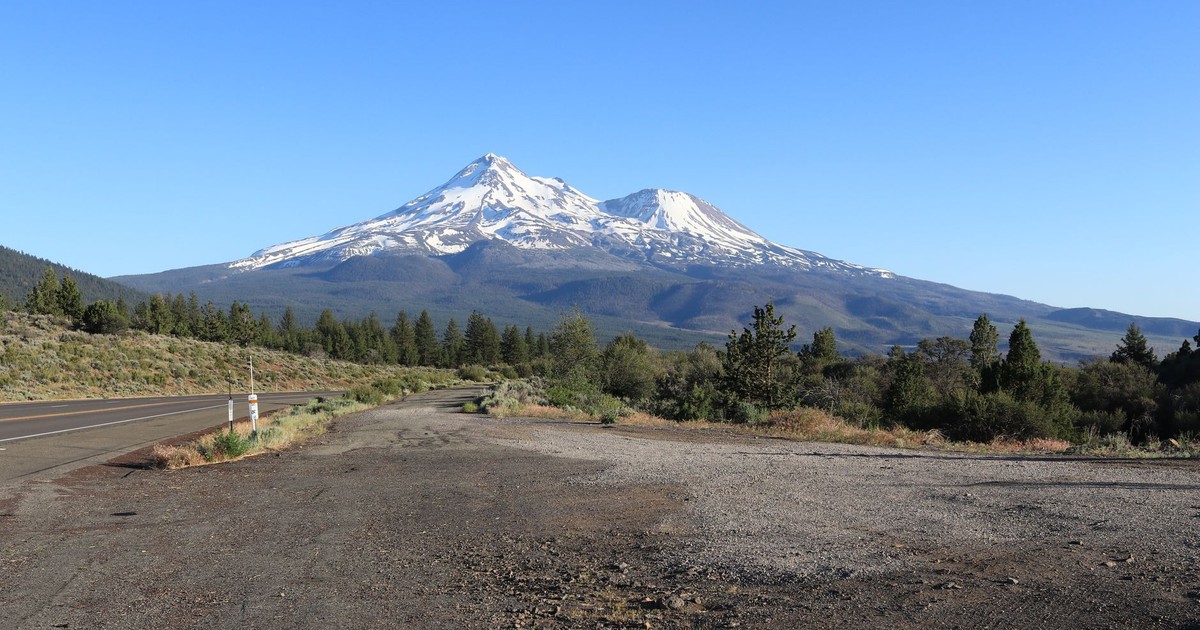
Mount Shasta, a snow-capped volcano in northern California, has been considered a sacred dwelling of spiritual power for the Shasta, Wintu, and Modoc tribes. It is believed to be a place where the physical and spiritual worlds connect. The Winnemem Wintu have led ceremonies on its slopes for generations. In recent years, declining snowpack has become both a spiritual and practical crisis, as the springs and rivers fed by the mountain are central to tribal life and ceremony.
The Kaya Forests, Kenya
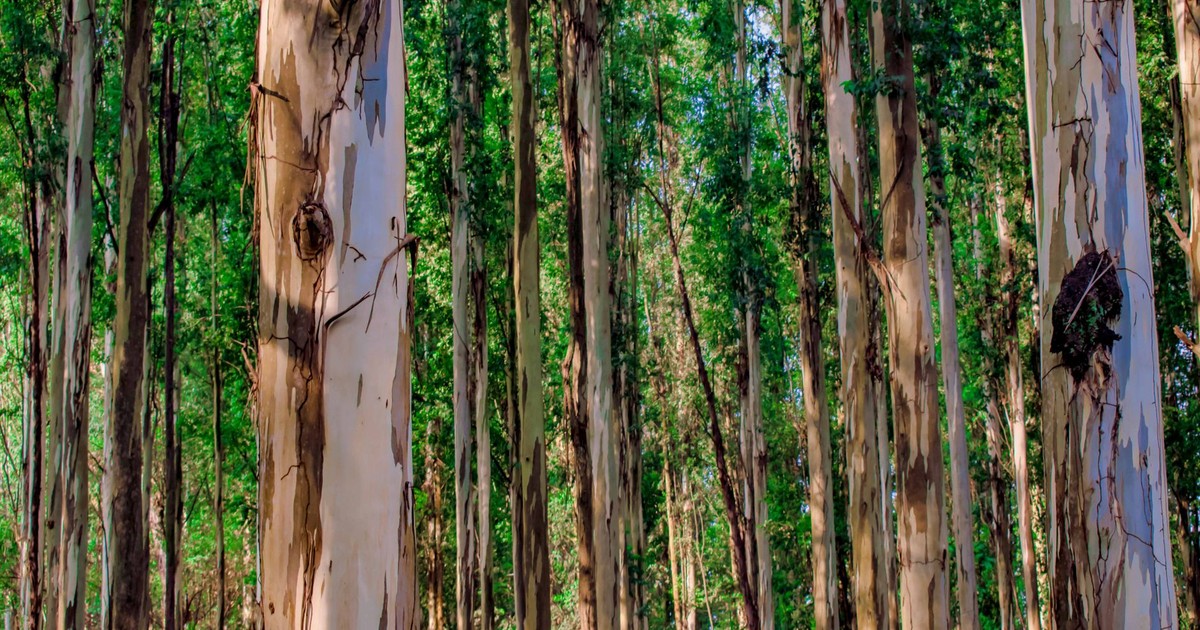
Along the southern coast of Kenya, the sacred kaya forests of the Mijikenda tribes are a living legacy of the people’s history, culture, and religion. For centuries, these once-extensive lowland forests shielded the homesteads, called “kaya,” of the Mijikenda from invading tribes and served as burial grounds. Some sacred places have tight restrictions on who may enter and what may be done there, and the kaya forests fall squarely into that category. Listed as a UNESCO World Heritage Site in 2008, the forests are also among the most biologically diverse coastal forests in East Africa.
Phiphidi Waterfall, South Africa
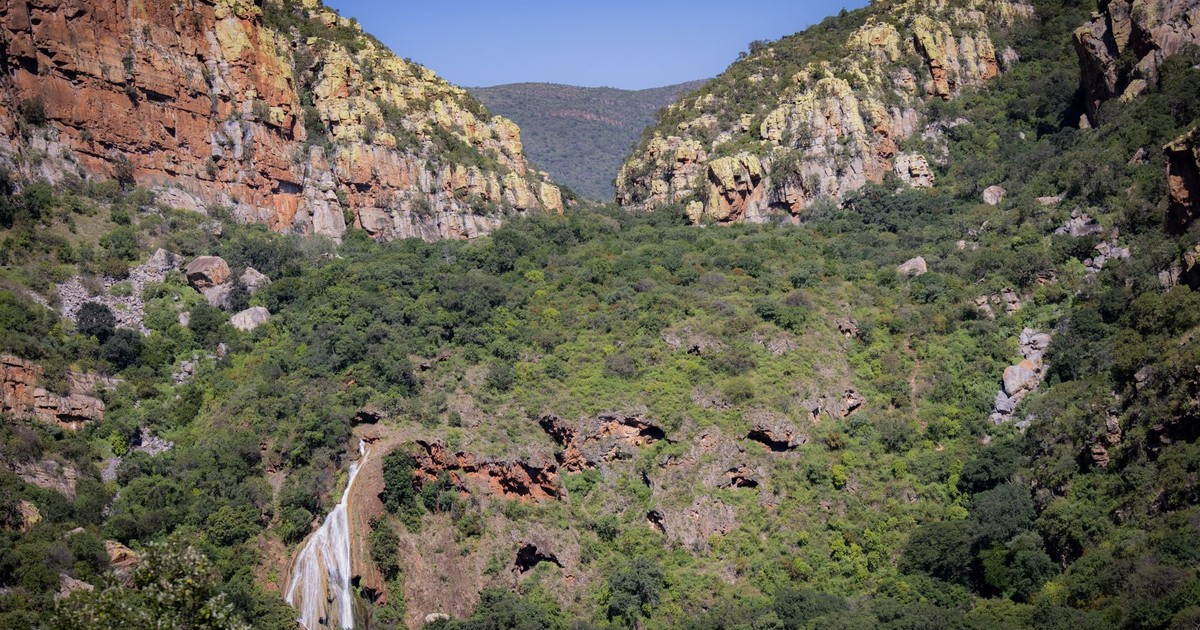
In the Limpopo province of South Africa, the Venda people have been struggling to protect Phiphidi Waterfall and its surrounding area from development into a tourist resort. The Venda see not only a physical threat to the waterfall area, but also a larger spiritual threat to a network of sites within the territory, which they view as inextricably linked. If one place is harmed, all are damaged. Sacredness is not contained in a single boundary but flows between connected places.
McArthur River, Northern Territory, Australia
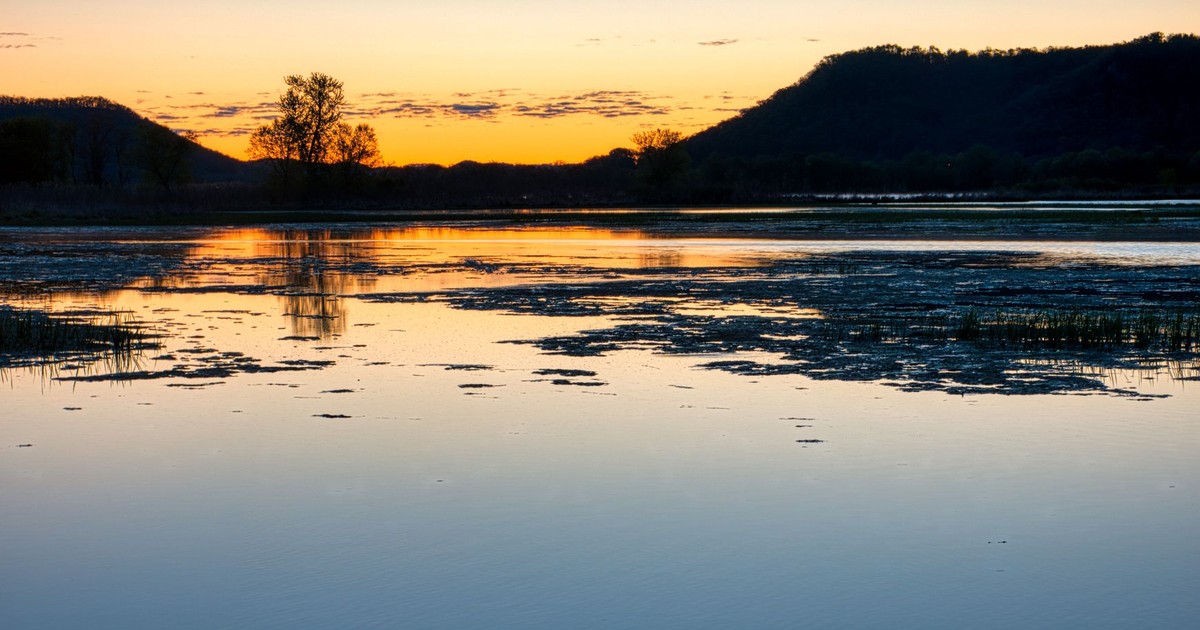
Gudangi women and children dance for the Rainbow Serpent along the McArthur River in Australia’s Northern Territory. The river is held sacred by local Aboriginal clans whose Dreamtime stories include the story of the Rainbow Serpent who created the river and lives forever nearby. One of the largest zinc deposits in the world lies directly beneath the riverbed, and when mining giant Xstrata started relocating the river to strip-mine the zinc, Aboriginal leaders sued and stopped the bulldozers. But the Northern Territory Parliament rewrote the law and the river channel was moved.
Kakadu, Northern Territory, Australia
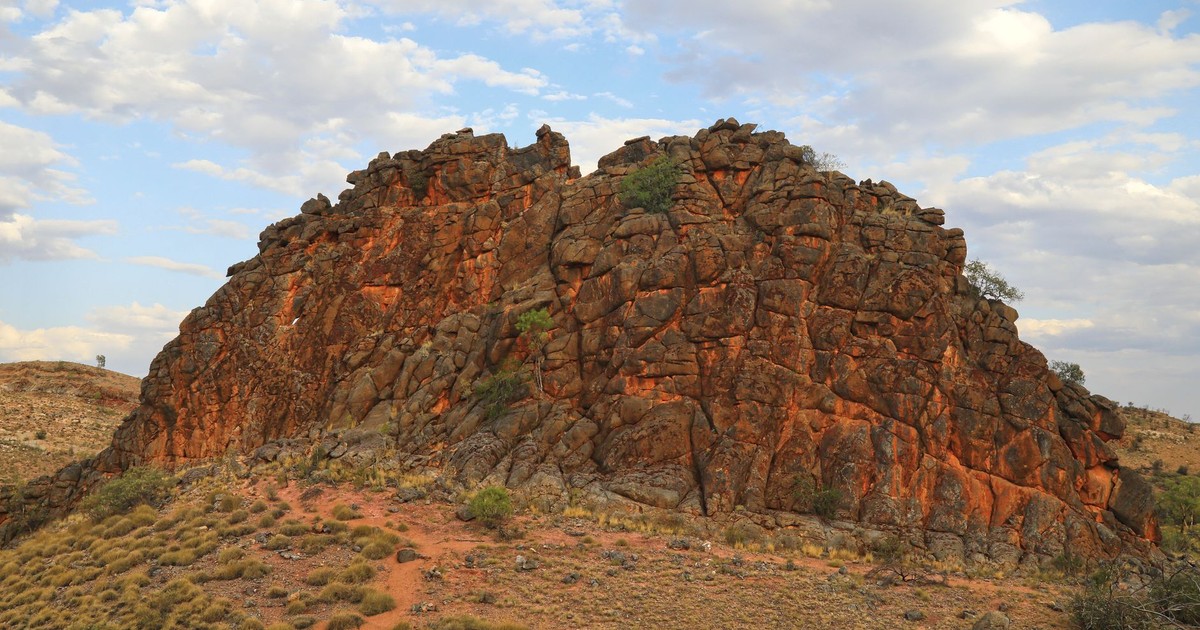
At Kakadu in Australia, Aboriginal leaders stopped uranium mining and protected a World Heritage Site. Kakadu National Park contains more than 5,000 Aboriginal art sites, some dating back more than 20,000 years, making it one of the richest repositories of indigenous rock art on the planet. The park is jointly managed by the Bininj and Mungguy peoples and the Australian government, a model of co-management that other countries have since looked to as a template.
Baboquivari Peak, Arizona
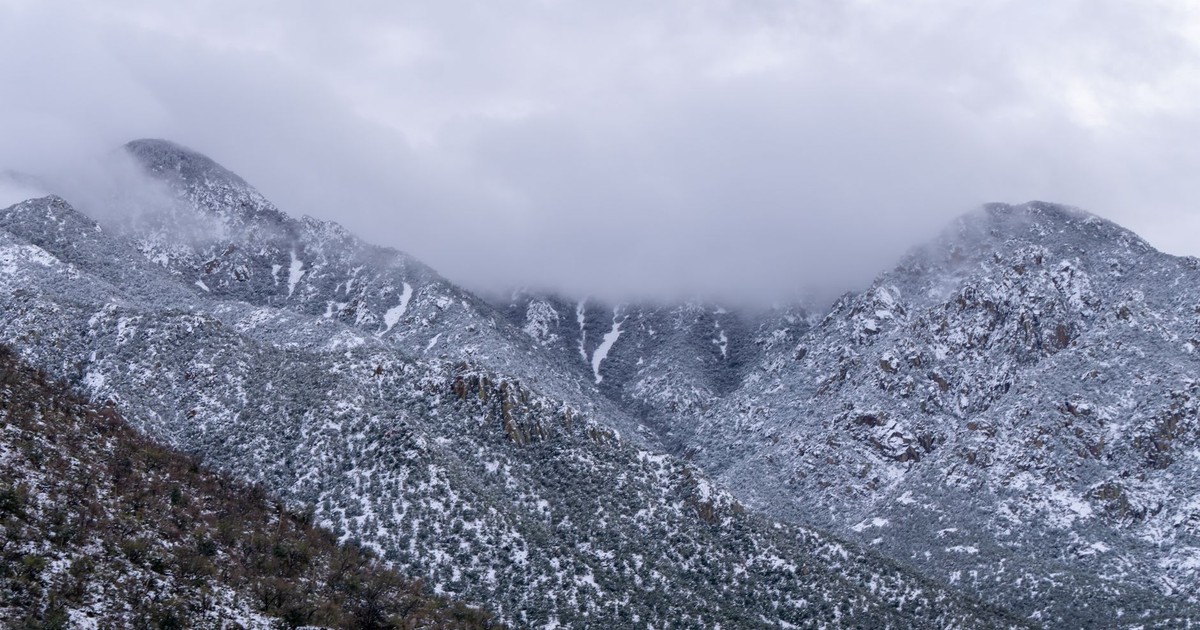
Baboquivari Peak Wilderness in southern Arizona centers on a sheer summit that the Tohono O’odham regard as the home of their creator figure, I’itoi. For the Tohono O’odham, this mountain is a living being and a point of origin, not a backdrop. Access routes cross tribal lands, and visitors are expected to follow local guidance on permits and behavior.
Medicine Lake (Sáttítla), California
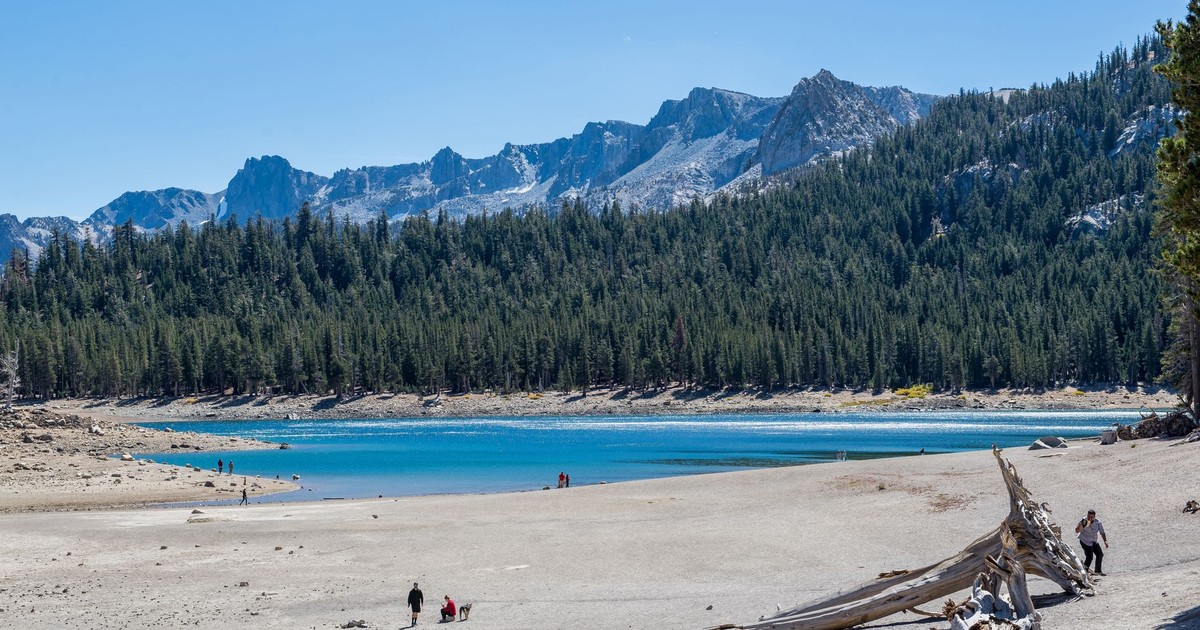
Radley Davis of the Pit River people has shared his community’s story of the need and work to protect and restore access to one of their sacred places: Sáttítla, known in English today as Medicine Lake. A dormant volcano in northern California, Medicine Lake Highlands is the site of ceremonies going back thousands of years for the Pit River, Wintu, and other tribes. Proposals to site geothermal energy plants within the highlands have kept the community in a sustained legal and political fight for decades.
The Spotted Lake (Kliluk), British Columbia
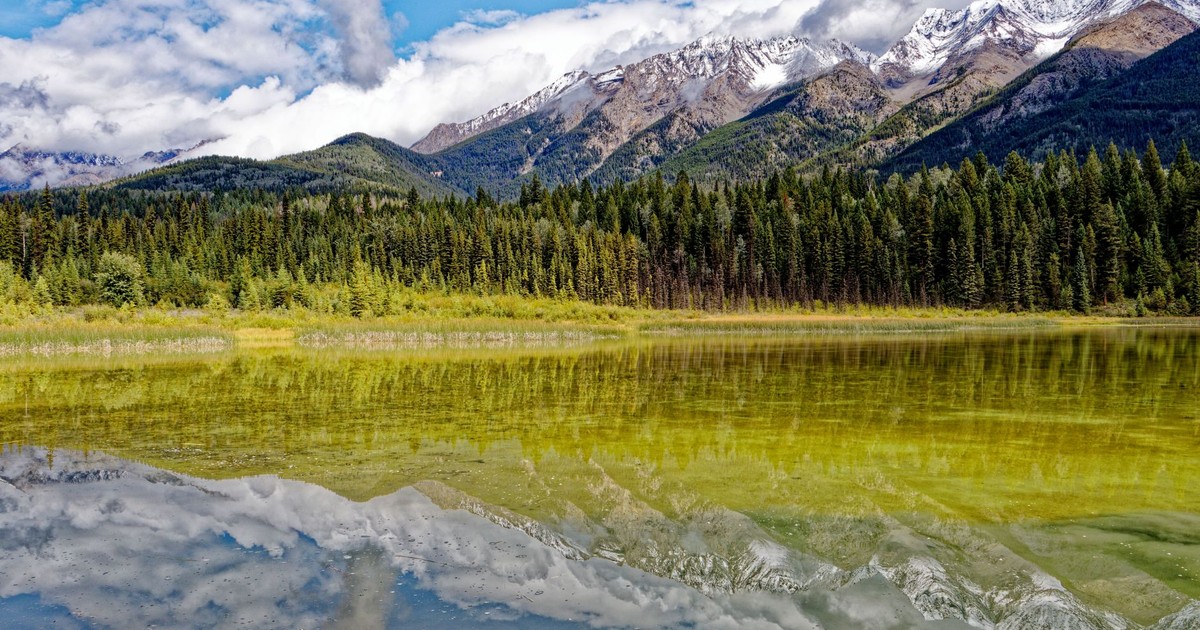
Spotted Lake in British Columbia is a unique saline lake known for the colorful spots that appear on its surface during the summer months. These spots are caused by the concentration of minerals such as magnesium sulfate, calcium, and sodium sulfates. Known to the Okanagan as Kliluk, the lake has long been understood as a place of medicine and healing, its mineral-rich waters used for therapeutic purposes. In 2001, the community successfully purchased the lake back from private landowners. It remains under Okanagan protection.
Big Horn Medicine Wheel, Wyoming
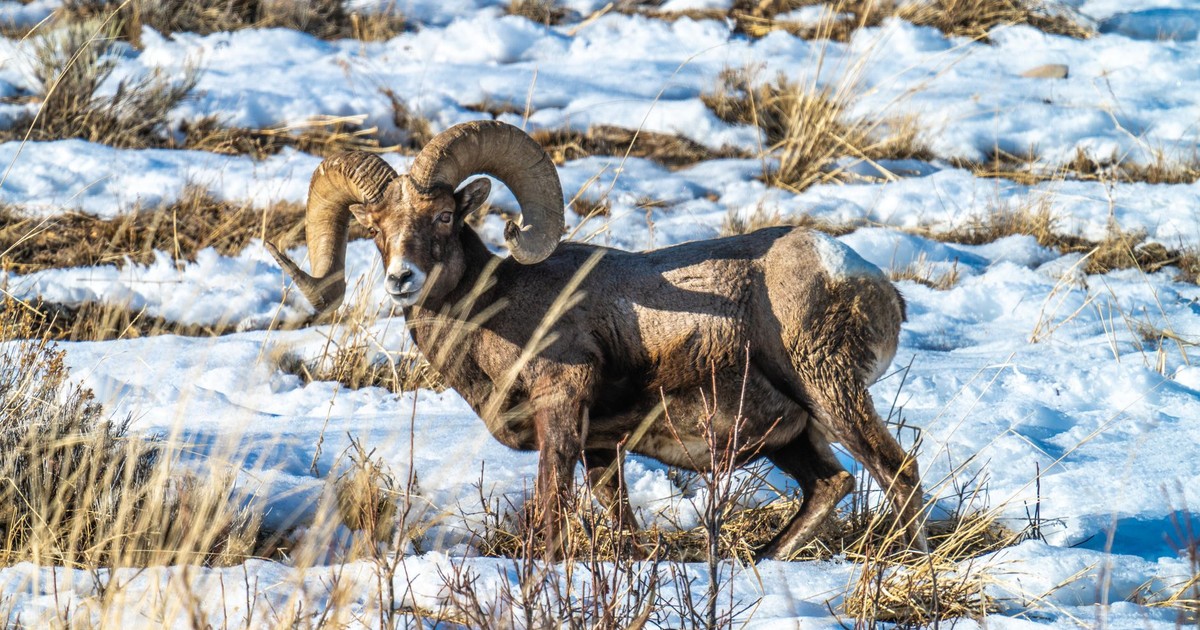
High on a ridge of the Bighorn Mountains in Wyoming, a circle of stones roughly 80 feet in diameter radiates 28 spokes from a central cairn. The Crow, Lakota, Cheyenne, Arapaho, and Shoshone are among the tribes that consider it sacred, though its construction is older than any of their recorded presences in the area. Its alignments with astronomical events at sunrise on the summer solstice have been documented by researchers. For the tribes who visit, it remains a place of prayer and medicine offerings, not an archaeological exhibit.
Wirikuta, Mexico
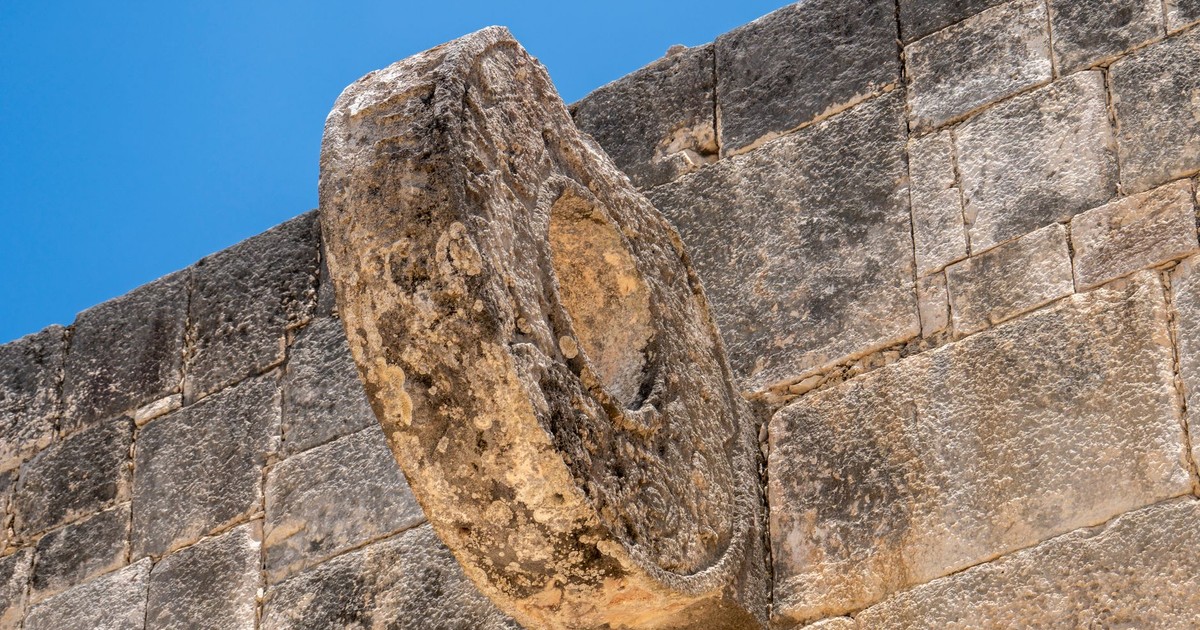
In the high desert of San Luis Potosí, Mexico, lies the ancestral homeland of the Wixáritari (Huichol) people. Wirikuta is the destination of an annual pilgrimage of hundreds of miles, walked on foot, ending at a place where peyote is gathered as a sacrament and the god of the sun, Tayaupá, is said to have been born. Efforts to defend sacred sites such as Wirikuta have been central to indigenous sovereignty advocacy in North America. In recent years, silver mining concessions granted within Wirikuta’s boundaries sparked protests that drew attention from across Latin America and the global indigenous rights community.
Read More: 12 English Words That Are Native American in Origin
The Ground Beneath the Argument
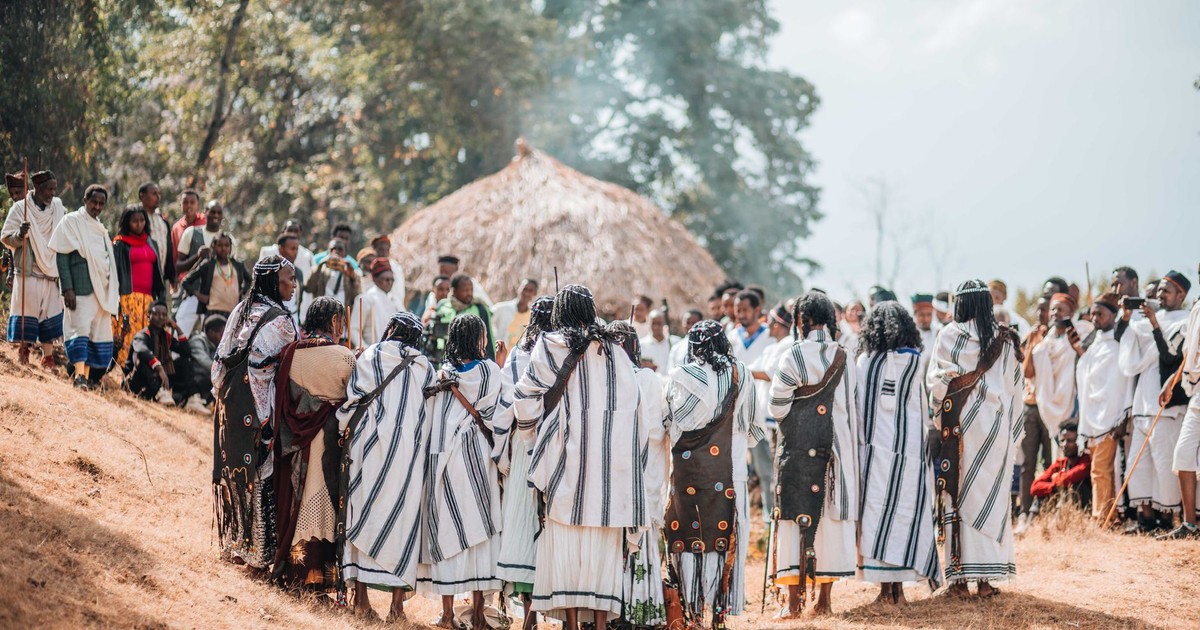
A 2025 Congressional Research Service report captures something that gets buried in the legal language: due in part to forced removal, treaty negotiations, and other historical events, indigenous groups are often reliant on the federal government to both protect and provide access to sacred sites that they claim are necessary for exercising certain cultural and religious practices. These are not heritage sites in the way a visitor center describes heritage. They are active religious spaces. They are the places where people pray, grieve, mark the passage of seasons, initiate the young, and bury the dead. Removing access to them is not a matter of aesthetics or tourism. It’s closer to locking a community out of their own cathedral, permanently.
Cultural identity loss after land dispossession, genocide, and ongoing ecological harm create intergenerational and personal trauma that each person in a Native community needs to heal. That healing requires access to the places listed above. The protection of these sites isn’t a nostalgic project. It’s what’s left of something much larger that was taken. Some of these places have been partially returned. Some are under active threat. Most exist in a condition that requires constant vigilance from the communities who have always been their most committed guardians, not because it was designated their role, but because for them, the land and the life it holds have never been separate things. A stone wheel on a Wyoming ridge and a Colombian mountain with 350 sacred sites share that same logic. The place is not a symbol of the religion. The place is where the religion is.
Disclaimer: This information is not intended to be a substitute for professional medical advice, diagnosis, or treatment and is for information only. Always seek the advice of your physician or another qualified health provider with any questions about your medical condition and/or current medication. Do not disregard professional medical advice or delay seeking advice or treatment because of something you have read here.
AI Disclaimer: This article was created with the assistance of AI tools and reviewed by a human editor.