

When Trump ordered strikes on Iran in late February 2026, Vladimir Putin did not fire a single missile in the direction of the Middle East. While American and Israeli aircraft were targeting Iranian nuclear sites and military infrastructure, the Kremlin was collecting something it had been struggling to manufacture on its own for months: relief. Financial relief, military relief, and the relief of watching the world’s attention snap away from a war in Ukraine that had ground to a costly stalemate.
The Russia-Trump-Iran triangle is not an accident of timing. It is the product of interlocking interests that Putin had been building for years, and the U.S.-Israeli assault on Iran handed him an opening he could not have engineered alone. The Kremlin called Iran a “dynamic partner.” The partnership has years of runway behind it, and Trump’s war just poured fuel into the engine.
Six ways Russia is benefiting from a conflict it didn’t start but is doing everything it can to prolong.
The Oil Windfall That Rescued Putin’s Economy
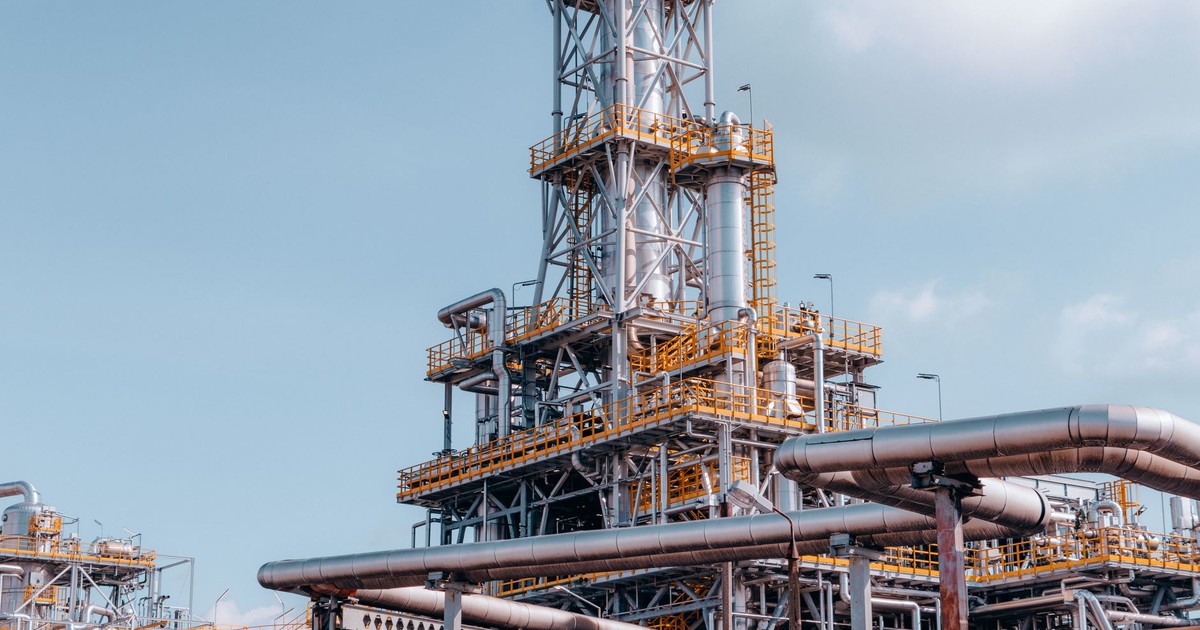
By February 2026, Western sanctions were finally starting to work. Russia’s export revenues for oil and petroleum products had fallen to just $9.5 billion for the month, the lowest level since the full-scale invasion began in 2022. The ruble was under pressure, foreign investment had nearly vanished, and the economy was cracking under war spending and interest rates that had climbed to levels most Western economies haven’t seen in decades.
Then Iran closed the Strait of Hormuz, and the calculus changed overnight. Oil and gas prices surged. Combined with the U.S. temporarily easing sanctions on Russian oil, Moscow’s budget and export revenues got a sudden injection at precisely the moment Western pressure had been doing its most damage. Brent crude briefly topped $118 per barrel, nearly double the $59 per barrel Russia had assumed in its 2026 budget.
Senator Angus King, speaking at a Senate Armed Services Committee hearing in March, cited estimates that Russia had reaped $6 billion in benefit from the war since it began just two weeks earlier, driven by higher oil prices and the loosening of sanctions. “The real winner so far is Vladimir Putin,” he said.
Trump Lifted the Sanctions That Were Finally Biting

Iran closes the Strait of Hormuz. Oil prices spike more than 35 percent in days. The Trump administration’s response is to ease sanctions on Russian oil. According to the Council on Foreign Relations, the Iran war had choked global oil shipments through the strait, and the White House responded by temporarily unwinding its oil sanctions on Iran and Russia, benefiting two U.S. adversaries without actually bringing prices down.
The price cap on Russian oil, established in December 2022 by the U.S., G7 countries, the European Union, and Australia to limit Russia’s oil revenue funding its war against Ukraine, was effectively bypassed. The White House eased sanctions by issuing waivers through the Treasury Department’s Office of Foreign Assets Control, with the most impactful covering Russian crude oil already loaded on vessels. Tankers of Russian oil that had been stranded by sanctions were suddenly free to sell into global markets, at prices that had just spiked dramatically.
European leaders were appalled. German Chancellor Friedrich Merz noted that the G7 had urged Trump not to ease the sanctions, pointing out that there was “a price problem, but not a supply problem.” Lifting the sanctions handed Moscow a financial lifeline while doing almost nothing to bring pump prices down for ordinary American consumers.
Russia Is Rearming Iran’s Military From the Ground Up
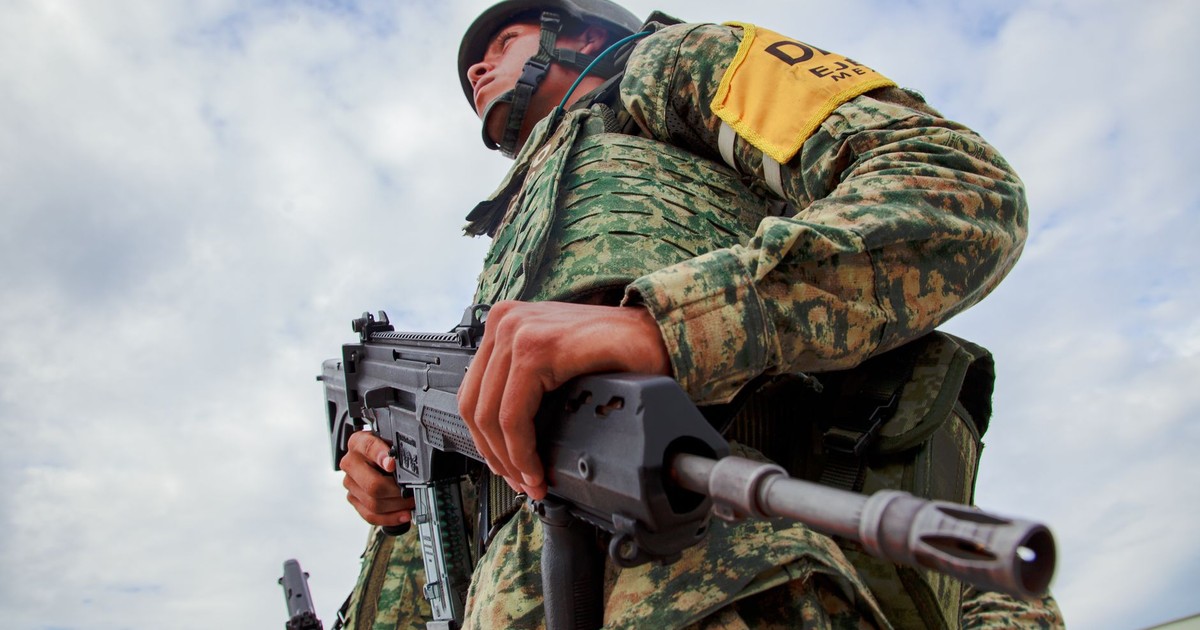
The economic benefits are significant. The military dimension is more alarming. Russia has spent years systematically modernizing Iran’s armed forces, built largely on pre-1979 American hardware that has been aging out of service for decades. Russia has reportedly completed production of the first batch of 20 Su-35 fighter jets for Iran, marking Tehran’s biggest air force modernization in decades.
The Su-35 acquisition is part of a broader defense relationship formalized when Russia and Iran signed a Comprehensive Strategic Partnership Treaty in January 2025. The package includes fighter aircraft, pilot training, and compatible weapons systems, with the wider agreement potentially covering up to 48 Su-35 fighters, with production and deliveries extending into 2027 and 2028. Russia is building Iran’s next-generation air force component by component, on a delivery schedule that appears uninterrupted by international sanctions or the demands of its own war in Ukraine.
The fighter jets are just the most visible piece. In January 2026, Iran received up to six Mi-28 attack helicopters. In 2024, Moscow delivered at least one squadron of Yak-130 combat training aircraft, with supply flights continuing into 2025 via An-124 transport planes. Iran gives Russia Shahed drones, the cheapest and most scalable weapon in the current conflict in Ukraine. Russia gives Iran advanced aviation technology and pilot training.
Captured Western Weapons Are Being Funneled to Tehran
Russia has also played a key role in the development of Iran’s space program. The Khayyam satellite, an optical imaging spacecraft launched in 2022 from Russia’s Baikonur cosmodrome, orbits Earth at roughly 500 kilometers with a one-meter resolution. Moscow can receive and process data from Iran’s satellite and share data from its own. Russia and Iran now share a space-based surveillance network capable of monitoring U.S. military installations and Israeli facilities across the region.
On the ground, intelligence flows alongside hardware. Russia has been sending Iran U.S.-made weapons captured in Ukraine for reverse-engineering. Moscow’s forces have reportedly been collecting Western-supplied defense systems left on the battlefield whenever they take territory, including Javelin anti-tank missiles and Stinger anti-aircraft systems, so Iranian engineers can study and replicate the technology.
Ukraine Is Paying the Price in Real Time
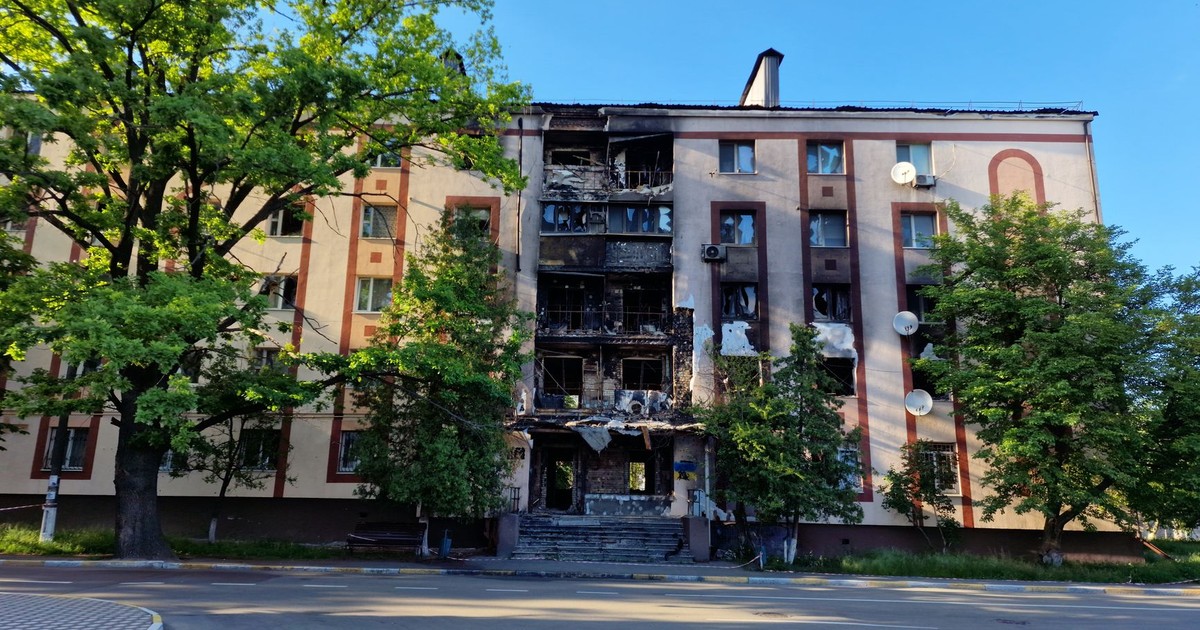
According to Military.com, the Iran war has deflected global attention from Russia’s all-out invasion of Ukraine as Europe’s biggest conflict since World War II enters its fifth year, and an emboldened Kremlin has launched a spring offensive. In one of the war’s largest bombardments of a single week, Russia launched approximately 1,700 attack drones and 95 missiles at Ukrainian cities, according to Ukrainian President Zelensky. The Trump administration wound down talks with Russian and Ukrainian delegations as the Iran war consumed Washington’s attention.
American Patriot air-defense missiles have been moved from Europe toward the Middle East as Washington redirects resources. Zelensky warned that Kyiv would “definitely” face shortages of Patriot systems because of the war against Iran. His arithmetic was stark: U.S. annual Patriot interceptor production runs well below battlefield demand. On the first day of the Middle East war alone, 803 missiles were used.
That deficit is not a logistical inconvenience. It is the difference between whether Ukrainian cities have functioning power infrastructure when winter arrives. Patriot interceptor stockpiles have been almost depleted, and without them Ukraine cannot defend itself against ballistic missiles. If the gap isn’t closed by winter, Russian missile attacks could destroy Ukraine’s power plants, shutting off heating for millions of people and creating a humanitarian crisis that has nothing to do with any battlefield in the Middle East.
Russia Gains Geopolitical Leverage Over Any Future Peace Deal

The financial and military gains are computable. The geopolitical shift is harder to measure but may prove the most consequential. Putin has gained increased leverage through his influence on global energy markets at exactly the moment of crisis. He will likely use that leverage to push Ukraine and Europe toward a peace deal on terms that favor Moscow.
Putin does not need to win the war in Ukraine outright. He needs to win the negotiation. And negotiations happen between exhausted parties. If Ukraine enters any ceasefire talks with depleted air defenses, a damaged power grid, and diminishing Western attention, the terms on the table will look very different from those available six months ago.
Russia also collects something less tangible but equally real: the optics of non-involvement. The war in Iran lets Moscow present itself as a non-belligerent facilitator, enjoy intensified competition for Western resources, and shift global attention away from Ukraine, all while sitting on the sidelines. In a conflict where perception shapes policy, that posture is worth more than a battlefield advance.
The Strings Being Pulled

Trump did not attack Iran to help Russia. He attacked Iran for reasons that had nothing to do with Putin’s war chest or Ukraine’s air defenses. But the Russia-Trump-Iran dynamic illustrates something important about how geopolitics actually works in 2026: the benefits of a conflict rarely stay within the borders of the combatants. Every dollar that flows into Moscow’s oil revenues because of the Strait of Hormuz closure funds another week of drone strikes on Ukrainian cities. Every Patriot interceptor fired over the Gulf is one that Kyiv cannot put between itself and a Russian ballistic missile this winter.
Putin did not plan the Iran war. He only needed to be ready for it. And every available piece of evidence suggests that, on that count at least, he was.
Disclaimer: This information is not intended to be a substitute for professional medical advice, diagnosis, or treatment and is for information only. Always seek the advice of your physician or another qualified health provider with any questions about your medical condition and/or current medication. Do not disregard professional medical advice or delay seeking advice or treatment because of something you have read here.
AI Disclaimer: This article was created with the assistance of AI tools and reviewed by a human editor.