

A CNN/SSRS poll from May 2026 found that 76 percent of Americans identified the cost of living as their biggest economic concern, a sharp increase from 58 percent just a year earlier. That’s not a small jump. And it tells you something about where this sits in people’s lives right now – not as a background worry, but as the main event. A January 2026 New York Times/Siena poll found that 65 percent of voters said a middle-class lifestyle was out of reach, and 77 percent said it was harder to achieve than it was a generation ago.
Rising everyday costs aren’t evenly distributed across spending categories. Some things – like televisions and airline tickets – have actually gotten cheaper in inflation-adjusted terms over the past decade. But the categories that hit hardest are the ones you can’t opt out of: the roof over your head, the food on your table, the doctor you have to see. Those are the ones that keep going up. Here are eight of them, and what the data says about where they’re headed.
1. Groceries

The U.S. Department of Agriculture forecasts that overall food prices will rise 3.4 percent in 2026, with grocery prices expected to climb 3.2 percent, above their long-run average. That number might sound manageable in isolation, but it lands on top of years of compounding increases that have already stretched household budgets thin. Food prices increased 0.5 percent from March 2026 to April 2026, and were 3.2 percent higher in April 2026 than a year earlier.
A major driver is beef, which the USDA now expects to climb 12.1 percent this year. Among the 15 major grocery categories tracked, nine are forecast to rise faster than their historical averages, including beef and veal, fish and seafood, fresh fruits and vegetables, processed produce, sugar and sweets, and nonalcoholic beverages. Weather-related supply shocks, tariffs on imported produce, and higher labor and fuel costs are all feeding into the increases.
The practical consequence shows up in behavior. Almost half of Americans say it’s harder to afford groceries today than it was a year ago, according to a September 2025 survey by Axios and the Harris Poll. The weekly shop hasn’t changed – the number of items coming home in the bags has.
2. Health Insurance Premiums

In 2026, unsubsidized benchmark ACA Marketplace premiums increased by 26 percent on average, the largest increase in eight years, driven in part by an expectation that healthier enrollees would drop coverage as the enhanced tax credits expired. To keep the same plan as last year, KFF estimates that enrollees’ contributions to their premium payments increased by an average of 114 percent, net of premium tax credits. Low- and middle-income households that previously qualified for the tax credits would likely see their ACA premiums rise from an average of $888 in 2025 to $1,904 in 2026.
Employer-sponsored plans offer partial shelter, but not much. A Mercer survey found that a total health benefit cost increase of 6.7 percent is expected in 2026, which will push the average cost above $18,500 per employee. Since employees’ share of those costs typically rises at roughly the same rate as overall cost, that translates directly into higher paycheck deductions.
Insurers in the individual and small group markets cite similar factors driving up 2026 premiums, including hospital costs, high utilization of expensive GLP-1 medications, and the threat of tariffs. None of those underlying pressures are short-term. They all point to premiums continuing their upward climb beyond 2026.
3. Home Insurance

U.S. home insurance premiums are set to rise for a fifth straight year in 2026, with the average annual premium projected to increase 4 percent to about $3,057, after jumping 12 percent in 2025. Since 2021, premiums have climbed 46 percent, roughly three times as much as inflation. That’s not a pricing correction – that’s a structural reset driven by climate risk.
According to real estate analytics firm Cotality, homeowner insurance premiums are projected to rise 16 percent over the next two years, with 8 percent increases expected in both 2026 and 2027. In 2025, premiums jumped by more than 20 percent in six states, including Minnesota at 34 percent, Colorado at 33 percent, Nebraska at 25 percent, and Oklahoma at 24 percent. Florida sits at the extreme end: the average premium there is set to approach $8,500, more than double the national average.
Insurers are not raising rates out of opportunity. In 2023, they paid out $1.11 in claims for every $1.00 they earned in premiums – they were losing money on homeowners insurance. In 2025 alone, severe storms caused over $60 billion in global insured losses. Rebuilding costs keep rising, extreme weather keeps coming, and those losses get priced into the next year’s premiums. More than half of homeowners surveyed said they had made financial sacrifices to afford coverage, and nearly three in ten said they would drop coverage altogether if they could.
4. Electricity and Utilities
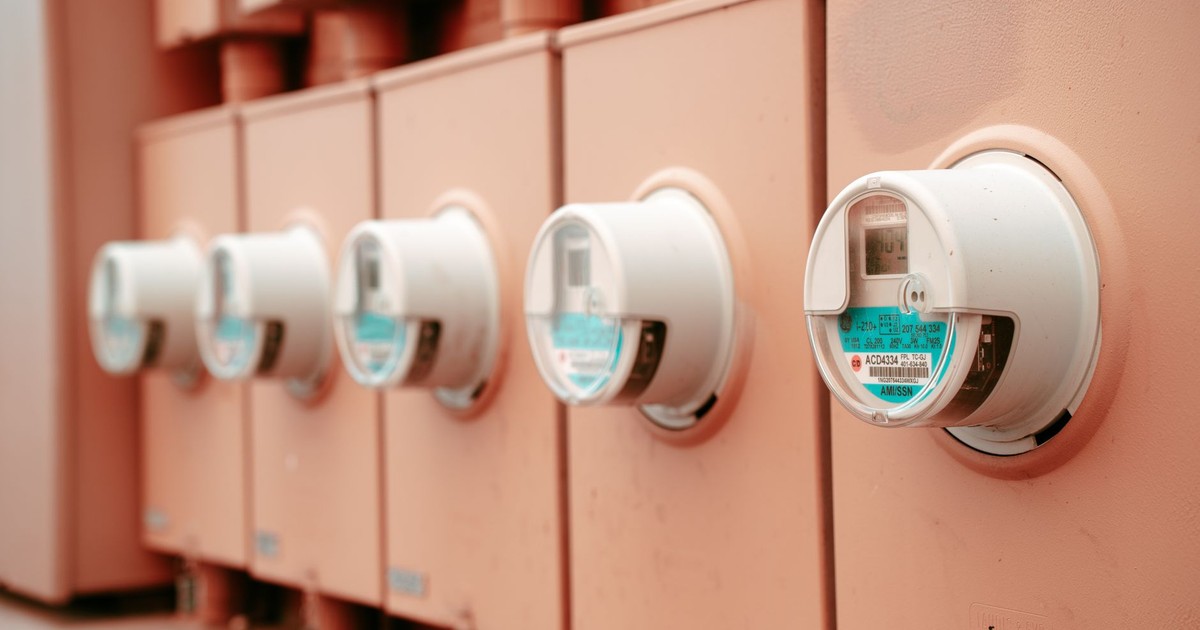
Residential electricity costs have increased faster than earnings across much of the country, leaving customers paying about $40 more per month in December 2025 on average than they did in December 2017. Americans now pay an average of $265 per month in utility costs, up 12 percent since the previous year, according to a report from The Century Foundation.
The surge stems from a succession of rate hikes across the U.S. as electricity demand outstrips supply. In 2025 alone, more than 124 million Americans were expected to see some sort of rate increase in their energy bill, according to a PowerLines report. Demand is the key pressure here. Much of the U.S. transmission and distribution infrastructure was built in the 1960s and needs upgrading, and those upgrades must come while electricity demand and natural disaster risk are rising simultaneously.
The rising cost of household bills also isn’t falling evenly across the country. From 2020 to 2024, prices increased faster than inflation in the Northeast, Mid-Atlantic, and Pacific Northwest. In 2025, price increases became more widespread, with much of the trajectory driven by the cost of generating power and volatile fossil fuel prices affected by global events. Unless the infrastructure investment accelerates and demand growth slows, the trajectory doesn’t point down.
5. Housing (Rent and Ownership)

The average household’s monthly expenses reached $6,545, according to the Consumer Expenditure Survey from the U.S. Bureau of Labor Statistics, with housing making up the single largest share at $2,189 per month, or 33 percent of typical spending. Both renters and buyers are squeezed. Mortgage rates remain elevated, and the inventory shortage that has driven prices for years has not resolved itself.
The median age of a first-time homebuyer is now 40, and the national median home price is five times the median income. That single figure captures, more cleanly than any interest rate chart, just how far the goalpost has moved. Many previously low-cost regions, including parts of Atlanta, Chicago, Louisville, Nashville, and central Florida, are now seeing housing costs rise faster than in other areas, which means households that moved to secondary markets to escape high-cost cities are no longer finding relief there either.
The annual increase in Medicare premiums alone exceeds the estimated annual increase in rent, according to analysis from The Century Foundation. Rent is still going up – it’s just that healthcare is going up faster, which tells you something about the scale of the problem across multiple categories at once.
6. Car Insurance

Auto insurance has been one of the fastest-moving cost categories in recent years, and it isn’t slowing down. Inflation, supply chain disruptions, and repair costs for modern vehicles have created structural cost pressures that premium increases now reflect, with auto repair costs accelerating due to expensive electric vehicle components and tariffs on imported materials.
State Farm suffered $14.1 billion in underwriting losses in 2023 and implemented aggressive rate increases across 40 states in March 2026. California has seen rates climb over 30 percent since 2022, due in part to increased minimum coverage requirements and expensive EV repairs. The EV factor is worth understanding: even if you don’t drive an electric car, the increasing share of EVs on the road affects the whole repair-cost ecosystem. When the average car involved in an accident is more expensive to fix, insurers across the board price in that risk.
Bureau of Labor Statistics data confirms the trend. The Consumer Price Index for all items rose 2.7 percent from December 2024 to December 2025. Motor vehicle insurance has consistently outpaced that headline number, contributing meaningfully to the transportation category that now costs the average household over $1,100 a month.
7. Restaurant and Dining-Out Prices

Cooking at home is one obvious way to respond to grocery inflation – but that escape route comes with its own escalating cost. Food prices increased 3.1 percent overall in 2025, with food away from home rising 4.1 percent, outpacing grocery inflation. Restaurants face the same input cost pressures as grocery stores – often more so, since their labor costs are also higher and their margins are already thin.
Nonalcoholic beverages and beverage materials increased 5.1 percent in 2025. Within that category, prices for beverage materials including coffee and tea rose 11.8 percent. The $7 coffee that felt like a splurge three years ago now feels like the new baseline. Among Americans expecting their finances to worsen in 2026, 66 percent plan to cut back on eating or drinking out. Eating out has shifted from a regular leisure activity to something households are actively cutting, which is a reliable signal of how far cumulative rising everyday costs have gotten into people’s actual spending decisions.
8. Prescription Drugs and Out-of-Pocket Healthcare

Even separate from insurance premiums, the underlying cost of drugs and medical care keeps climbing. Rising hospital costs and the increasing popularity of expensive GLP-1 drugs like Ozempic and Wegovy are among the primary drivers cited by insurers raising premiums – but those same costs hit patients directly through higher copays, deductibles, and out-of-pocket maximums that have expanded alongside premiums. The projected employer-sponsored insurance increase for 2026 is the highest in fifteen years, and the Medicare premium increase is the highest in four years.
Health insurance premiums have grown three times faster than earnings between 1999 and 2024. The people most exposed to these increases are the ones on fixed or near-fixed incomes. The annual increase in Medicare Part B premiums in 2026, from $185 to $202.90 per month, effectively absorbed much of the Social Security COLA increase, bringing the real purchasing power adjustment down from 2.8 percent to 2.1 percent. For retirees who were counting on that raise to cover rising grocery and utility bills, the numbers don’t work.
Read More: 6 Money Decisions People Deeply Regret Years Down the Line
When Every Line in the Budget Moves at Once

The eight categories above don’t operate in isolation. They hit simultaneously. A household managing higher rent, a bigger electricity bill, an increased car insurance payment, and sharply higher health premiums is absorbing shocks across the entire budget at the same time – with no equivalent increase in take-home pay to absorb them. According to an April 2026 Gallup poll, a record-high 55 percent of Americans say their financial situation is getting worse.
What makes this moment distinct from ordinary inflation is that so many of these increases aren’t temporary corrections. They’re being driven by structural forces – aging infrastructure, climate-amplified insurance losses, the expiration of federal healthcare subsidies, tariff-driven supply chain costs – that don’t resolve themselves in a quarter or two. Some of the categories above, particularly home insurance and health premiums, are being reset to a new baseline rather than returning to where they were. The gap between what a paycheck covers and what a stable life costs has been widening steadily, and for millions of households, the margin left over for anything else is getting very thin. The categories at the top of that list – housing, healthcare, utilities – are also the ones with the least flexibility. You can skip a restaurant dinner. You can’t skip your electricity bill.
AI Disclaimer: This article was created with the assistance of AI tools and reviewed by a human editor.