

You do the research. You visit in March, when everywhere looks its best. You run the numbers on a spreadsheet that feels airtight until the first August electric bill arrives, or the insurance renewal comes in $3,000 higher than what you budgeted. Retirees have moving regret and it is more common than most people expect; it rarely stems from a single catastrophic mistake. It accumulates, quietly, through a series of costs and compromises that were either unknowable or too easy to dismiss during the planning phase.
The states that generate the most buyer’s remorse aren’t necessarily the worst places to live. Many of them are genuinely beautiful, genuinely warm, and genuinely appealing in ways that are hard to argue against. The problem tends to be precision: the version of the place that sold you on the move and the version you’re actually paying to live in are two different things. The gap gets widest when you’re on a fixed income and there’s no salary adjustment available to absorb the difference.
Eight states keep coming up in the conversations that retirees have after the honeymoon fades – the states where the marketing pitch and the day-to-day reality have drifted furthest apart. Some of the surprises are financial. Others are about climate, healthcare access, or the slow realization that a state’s personality doesn’t match your own.
1. Florida

Florida has had a hold on the American retirement imagination for decades. No state income tax, year-round warmth, a coastline that goes on forever, and more golf courses than most countries. The pitch practically writes itself. The problem is that the pitch has gotten significantly more expensive to live inside.
Home insurance premiums in central Florida have grown by 40% in just three years, and according to a 2025 MoneyDigest report, the average annual home insurance premium in Florida sits at around $8,800, with some providers charging upwards of $12,000 to $15,000. For a retiree drawing Social Security and a modest pension, an $8,800 annual insurance bill can eat up a substantial chunk of monthly income before groceries, utilities, or healthcare are even considered. Around 70% of Florida homeowners have experienced rising insurance costs or coverage changes, including being dropped by their insurer entirely, according to a 2024 Redfin survey.
The hurricane reality compounds everything. Between 2020 and 2024 alone, Florida experienced 34 separate billion-dollar disasters. Retirees who moved for the sunshine find themselves spending an increasing share of mental energy on evacuation planning, storm prep, and figuring out why their flood coverage doesn’t cover what they thought it covered. Then there’s healthcare. A 2025 study ranked Florida 42nd in the country for healthcare quality, firmly placing it among the ten worst systems nationwide. For a state where more than one in four residents is over 65, that’s a startling gap between need and delivery.
2. Texas

Texas has become the go-to answer for retirees fleeing high-tax coastal states. The no-income-tax pitch is genuinely appealing, especially for anyone pulling from a pension, IRA, or retirement account. And in smaller cities and rural areas, it offers real affordability. But in the markets where most retirees actually want to live, the numbers get more complicated fast.
Property taxes across Texas have been climbing steadily for a decade, reaching a record $125 billion levied statewide in 2024, up from $49 billion in 2014. A 2026 WalletHub analysis found that Texans carry the seventh-highest property tax burden in the nation, with homeowners expected to pay a median of $4,232 in 2026. Retirees who moved specifically to escape state income taxes sometimes find that the savings get partially reclaimed through the front door of their property tax bill.
Home insurance adds more pressure. Premium increases have been dramatic, averaging 21% in 2023 and 19% in 2024, with Insurify estimating Texas will rank as the fifth most expensive state for home insurance in 2025 at an average annual premium of $6,522. Heat is another factor that rarely makes it into the retirement planning spreadsheet. During summer months, electricity bills for retirees running air conditioning can easily hit $300 per month, more than twice the national average. For anyone on a fixed income in Dallas or Houston from June through September, the power bill is not a minor inconvenience.
3. Arizona

Arizona has positioned itself as the sensible alternative to Florida – sunny, dry, less hurricane-prone, and with a growing network of active adult communities around Phoenix and Scottsdale. It’s drawn enormous numbers of retirees over the past decade. The trouble is that “sensible alternative” now comes with a price tag that surprises a lot of people who made the decision on older data.
Arizona’s housing costs run well above the national average, and that gap has widened sharply as the state absorbed wave after wave of in-migration. A retiree who budgeted for Arizona based on figures from five years ago may find current home prices and rental rates bear little resemblance to what they planned for. Utility bills are another jolt. Arizona’s summer temperatures regularly climb between 90 and 100 degrees from June through September, and continuous air conditioning pushes electricity bills to around $300 monthly, compared to a national average of roughly $140. In a 2,000 square-foot Phoenix home, peak summer utility bills can hit $400 to $450.
The outdoor lifestyle that draws retirees to Arizona – hiking, golf, warm winters – is genuinely available, but the window is narrower than advertised. From late May through early October, the heat makes outdoor activity impractical during daylight hours for most of the day. Retirees from the Midwest or Pacific Northwest who imagined year-round morning walks often discover that their active outdoor retirement is compressed into about six months of genuinely pleasant weather. The state’s rapid population growth, particularly in greater Phoenix, has also transformed the character of the place. The corner of the country that once felt uncrowded has become one of the nation’s most congested retirement corridors.
4. Nevada

Nevada’s retirement case rests on a compelling combination: no state income tax, low property taxes at around 0.49%, sunshine, and a cost of living that’s been marketed as budget-friendly. Las Vegas and Henderson attract retirees from across California and the Pacific Northwest who want proximity to entertainment without California’s tax burden. What tends to catch people off guard is what they’re giving up in return.
Nevada ranks 48th in the country for primary care physicians per capita, and all 17 of its counties have been designated as having primary care shortages. Retirees waiting for appointments are often forced to travel to Arizona or California for care, adding thousands of dollars annually in travel costs. A 68-year-old managing a chronic condition who needs regular specialist visits faces a genuinely different set of calculations than someone young and healthy. What sounds like an inconvenience on paper becomes a significant logistical and financial burden lived out over years.
Nevada’s vehicle registration costs also catch newcomers off guard. The state charges a Governmental Services Tax on vehicle registration calculated at 35% of the car’s original MSRP, which can reach $600 to $700 annually for a modest two-year-old car, with some residents reporting payments close to $900. That compares to under $100 in states like Tennessee and Ohio. And grocery costs are higher than most retirees expect: Nevada has the fourth-highest average weekly grocery bill in the country at $294.76, compared to $235.12 in Nebraska – a 22.5% gap that adds up meaningfully over a full year.
5. Idaho
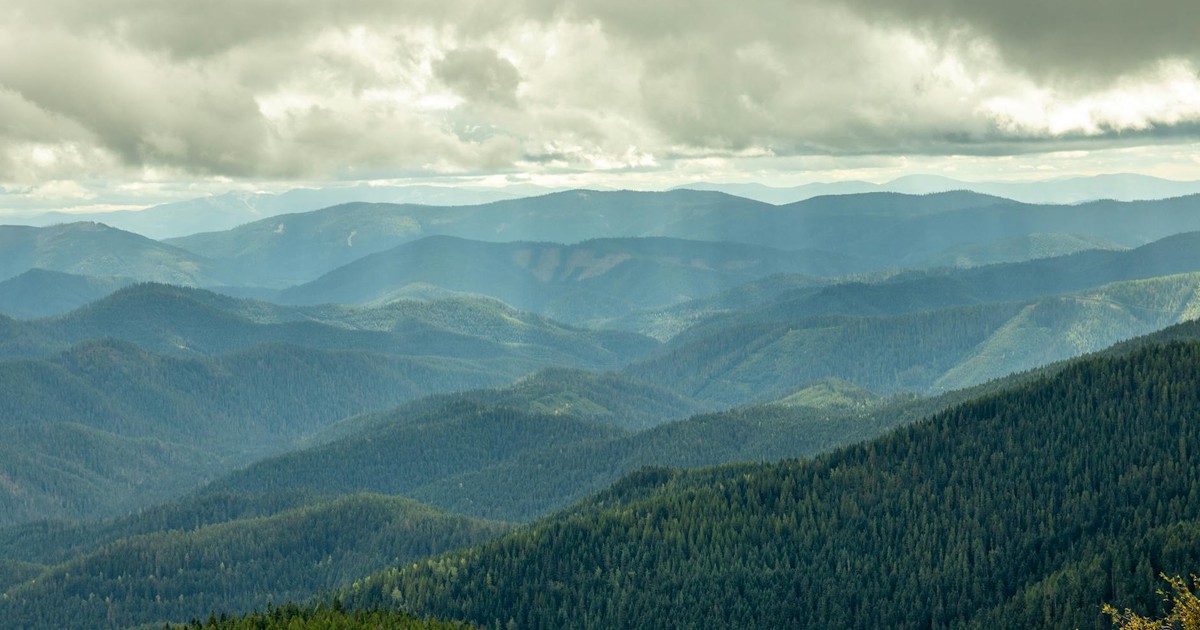
Idaho emerged as one of the most buzzed-about retirement destinations of the early 2020s, largely because it offered something increasingly rare: genuine affordability near genuinely beautiful scenery. The Boise area attracted thousands of retirees from California, Oregon, and Washington who wanted mountain views, a slower pace, and a cost of living they could sustain. Many of them found exactly that. But many others ran into surprises that the lifestyle content hadn’t prepared them for.
The first surprise is how fast the “affordable” tag has eroded. Groceries, utilities, rent, and home prices are all noticeably higher than they were just a few years ago, and Idaho no longer feels like the inexpensive hidden gem many people imagined when they first researched it. Retirement costs across the region have shifted substantially. Median home prices in Idaho now sit around $415,000 – not California prices, but no longer the bargain that made the state famous on retirement forums. The population growth that drove prices up also changed the character of the place. The state’s population has jumped over 20% since 2010, and Boise’s growth has been outpacing national averages. For retirees who moved to escape crowds, watching Boise transform into another Sun Belt-style growth corridor has been genuinely disorienting.
Then there’s the healthcare access issue, which hits harder in rural Idaho than anywhere else in the state. Many rural communities have limited access to specialized medical facilities, and residents often travel long distances for certain appointments and treatments – a factor that becomes decisive for retirees over time. Wildfire season is the other reality that the Instagram version of Idaho leaves out. Idaho ranks as the fifth worst state for wildfires, and every summer brings smoke, poor air quality, and the anxiety of watching fire maps.
6. Colorado

Colorado is the one on this list that might surprise people the most. It consistently scores well in quality-of-life studies, has a well-earned reputation for outdoor access, and attracts retirees who prioritize health and activity over cheap living. The problem is that Colorado has become one of the more expensive states to retire in, and the tax picture is less friendly than its neighbors.
Colorado is one of only five states that still taxes Social Security benefits, which matters considerably to retirees whose income leans heavily on those payments. The state’s flat 4.4% income tax applies to retirement distributions, and combined state and local sales tax rates average around 7.9% – both of which eat into a fixed retirement income in ways that don’t show up in the scenery photography. Housing in Denver and the mountain communities has followed a trajectory similar to Austin and Boise: dramatic price growth driven by in-migration that has priced out many of the retirees who first started looking at the state five or six years ago.
The altitude catches people off guard more often than expected. Retiring to Denver or beyond at 5,000 to 10,000 feet above sea level means adapting to reduced oxygen levels, which can affect energy, sleep, and recovery from illness. Retirees with heart conditions, respiratory issues, or limited cardiovascular fitness often discover that the mountains they planned to hike are harder to simply be near than they anticipated.
7. California
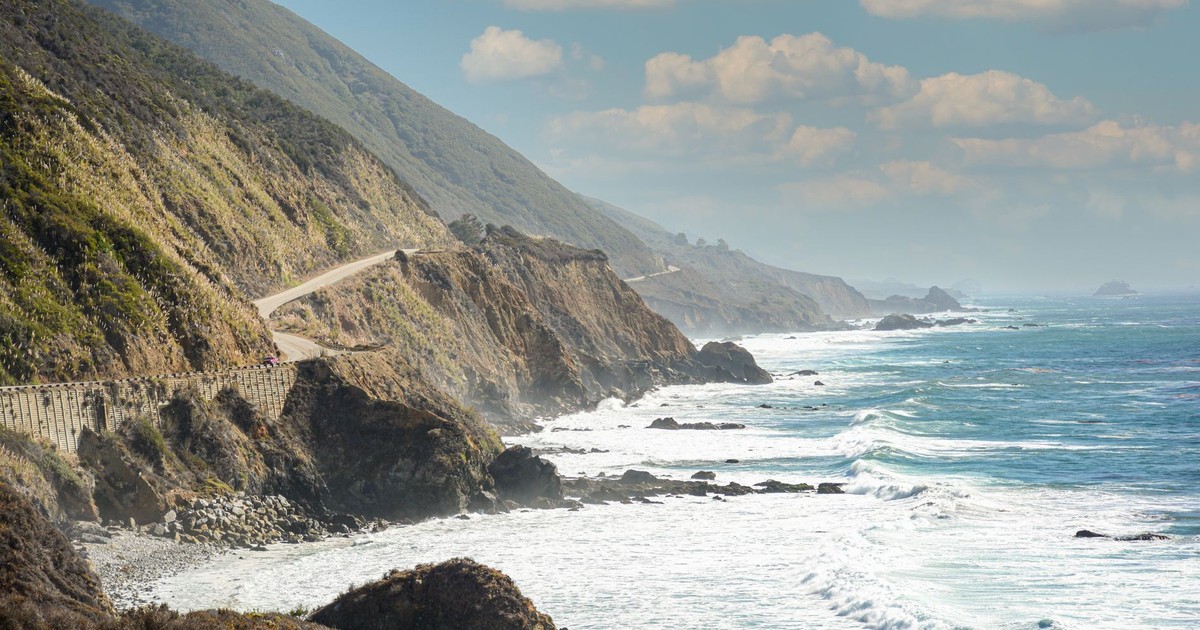
California rarely makes retirement lists as a destination anymore – most of the conversation around California and retirement involves people leaving it. But a meaningful number of retirees from other states still move to California each year for family reasons, healthcare access, or climate, and then discover what the numbers actually look like.
According to a 2025 Newsweek report, California recorded a net loss of 12,963 older adults in 2025 as retirees continued leaving for more affordable states. The financial pressure driving that exodus is real. California has a top marginal income tax rate of 13.3%, and pension income is taxed at ordinary rates. The state’s housing costs are stratospheric in coastal markets, and the wildfire insurance crisis – which mirrors Florida’s in severity if not in cause – has seen major insurers pull back dramatically from the state in recent years.
For retirees who do stay in California, the math only works comfortably at a certain income level. Healthcare is genuinely excellent in major metros, the climate is among the best in the country for much of the state, and cultural access is unmatched. But the combination of income taxes on retirement distributions, high property costs, and escalating insurance premiums creates a financial environment that punishes anyone whose retirement income is fixed rather than growing.
8. Hawaii

Hawaii is the dream that comes with the most sticker shock. The natural beauty is real. The climate is real. The laid-back pace that retirement fantasies are made of is real. What’s also real is that retiring in Hawaii costs more than almost anywhere else in the country, and the gap between expectation and financial reality is wider here than in any state on this list.
Hawaii ranks as the most expensive state to retire in, with average annual expenditures reaching $129,296, driven largely by steep prices for housing, groceries, and healthcare. Retiring in Hawaii requires an estimated $1.67 million in savings – the highest requirement in the nation – and the state’s income tax rate of up to 11% adds further financial pressure. To put that in perspective: the average American approaching retirement has somewhere between $185,000 and $538,000 saved. The gap between what Hawaii requires and what most people actually have is not bridgeable by optimism.
Utility costs in Hawaii run 94.4% above the national average, meaning the electricity bill alone can feel like a second rent payment. Groceries, consumer goods, and most services are shipped in from the mainland, which adds a baseline cost to nearly every purchase. The isolation that makes Hawaii feel like an escape when you’re visiting becomes a different kind of reality when you live there permanently. Flights back to see family on the mainland run $500 to $1,000 or more each way, and many retirees underestimate how frequently they’ll want or need to make that trip. For retirees with family connections spread across the continental US, the distance eventually becomes one of the most significant costs Hawaii imposes.
What the Regret Is Really About

The regrets that surface again and again aren’t primarily about having made stupid decisions. Most of the people in those stories did their research. They visited, they ran the numbers, they talked to people who’d already made the move. The regret tends to come from a very specific kind of miscalculation: underestimating how fast costs change once you arrive, and overestimating how well you’d adapt to the parts you knew would be imperfect.
Insurance is the clearest example. In Florida, Texas, and California especially, insurance markets have shifted dramatically in the past five years, and a figure that was accurate when you were planning your move may be wildly off by the time you’re living it. Costs in those states aren’t just rising – they’re rising fast and unpredictably, which makes fixed-income budgeting genuinely hard. The same applies to property taxes in Texas and housing costs in Arizona, Idaho, and Colorado, where population growth compressed years of price appreciation into very short windows.
The non-financial regrets are harder to plan around, but they’re just as real. Healthcare access in rural Nevada and Idaho. The altitude in Colorado. The isolation in Hawaii. The hurricane anxiety in Florida. The heat that settles over Phoenix and Houston from June through September and doesn’t let go for months. None of these are secrets – they were all knowable in advance. But knowing something in the abstract and living inside it for the third consecutive summer are genuinely different experiences. If you’re planning a retirement move, the single most useful thing you can do is spend at least one full summer in the place you’re considering. Not a vacation week in March. A full summer, with the heat, the costs, and the complications running at full volume.
AI Disclaimer: This article was created with the assistance of AI tools and reviewed by a human editor.