
The moment you realize a restaurant isn’t going to be worth it rarely comes when the check arrives. It comes earlier, usually within the first two minutes of walking through the door, and sometimes before you’ve even stepped inside. The clues are right there – not hidden, not subtle – but easy to miss when you’re hungry and hoping for the best.
The restaurant industry in 2026 is under pressure in ways diners can actually see. Food costs consistently account for 28 to 35% of total revenue for most operators, margins are thin, and that squeeze pushes restaurants toward choices that show up on your table, in the condition of the room, and in how the staff behaves. Some restaurants absorb that pressure without compromising. Others don’t, and they telegraph exactly which camp they’re in before you’ve unfolded your napkin.
Learning to read those signals isn’t cynicism. It’s just paying attention. Here are nine things that veteran restaurant pros, industry analysts, and food writers consistently point to as the most reliable restaurant quality indicators – observable before the first course lands.
1. The Cleanliness of Everything You Can See
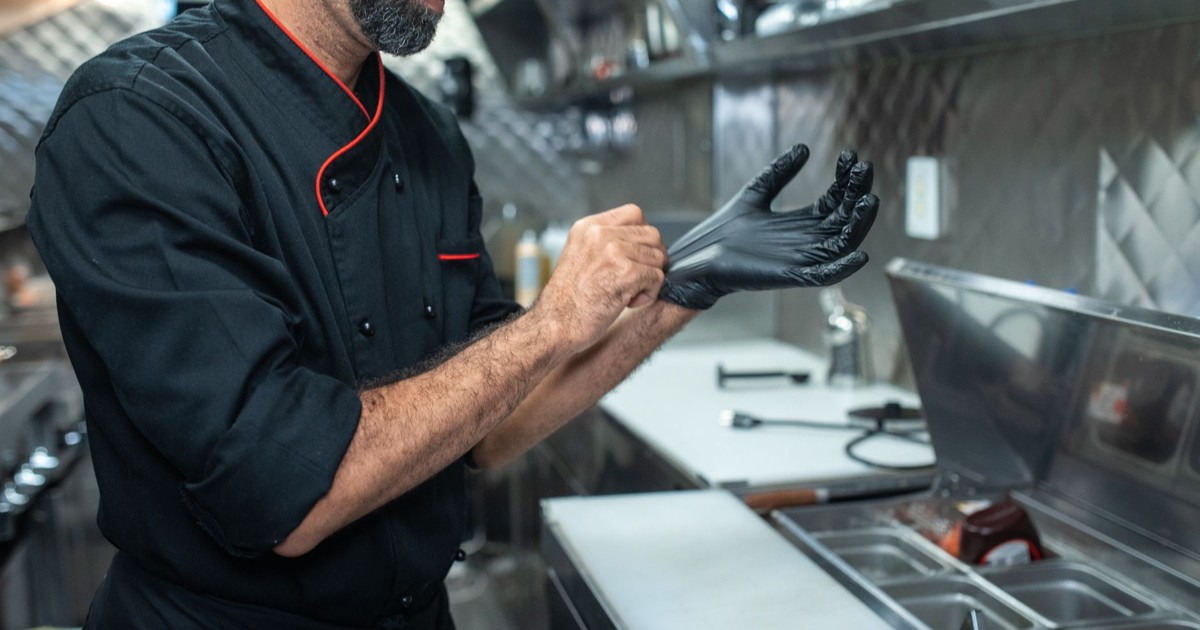
This one gets mentioned first by almost every hospitality professional who talks honestly about how they evaluate a place. Dean Woodhouse, owner of the Woodhouse Hotel and its onsite restaurant Casa Di Legno, checks the cleanliness of everything – from cobwebs in the corners to dust on the reception desk – as some of the initial signs that a restaurant might not be a good one. If nobody cares about cleaning or maintaining the place, they probably don’t care that much about the food either.
The dining room is what a restaurant wants you to see. It’s the front-facing version of the operation – the part they had every chance to prepare. If the baseboards are dusty, the menus are sticky, or the windows haven’t been wiped down, the kitchen, which nobody is checking, is almost certainly worse. A sticky menu is more than annoying; it’s a sign of neglect. If no one can be bothered to take care of the basics, it’s unlikely they’re putting much effort into the meal.
Pay attention to the bathroom in the first twenty minutes. Restaurants that care about standards clean their bathrooms constantly, not once at opening. A bathroom that looks like it’s been ignored since the lunch rush is telling you something about what “good enough” means in that kitchen.
2. How Staff Greet You at the Door
A warm greeting sets the tone for a pleasant experience. If the staff ignores you or seems irritated at the door, that’s a red flag. Good service starts the moment you walk in, and indifference is often a preview of what’s to come.
The greeting is a window into staff culture. Workforce dynamics in the restaurant industry remain challenging, with turnover rates fluctuating, particularly in full-service segments, where full-service establishments struggle with higher turnover in management roles. Teams with low turnover are more efficient and consistent, and a front-of-house team that greets you with genuine attention – actual eye contact and a real offer to help – is almost always a sign of a kitchen and management team that has invested in the people running the room.
The opposite is equally readable. When the host is looking at their phone, or the server who catches your eye glances away rather than acknowledging you, you’re watching disengagement in real time. When the host and wait staff are obviously not engaged, it’s a warning sign. Great restaurants are excited about their food and want to share it with the world, so a lack of engagement is often a symptom of a work culture that isn’t cultivating any care.
3. The Length and Focus of the Menu

A restaurant menu that runs to six laminated pages and covers everything from sushi to enchiladas to rack of lamb is not a menu – it’s a warning. A menu with endless options might seem appealing, but it often means the food is prepackaged or frozen. Restaurants that specialize in a few dishes tend to do them well, and a jack of all trades is typically a master of none.
The reasoning is practical. Every dish on a menu requires ingredients to be sourced, stored, and prepped. A kitchen running 80 dishes needs either an enormous team or a freezer full of shortcuts. Focused menus – eight to fifteen items, maybe twenty in a more ambitious place – are a sign that the kitchen has thought hard about what it can execute brilliantly, not what it can technically produce.
Look at how the menu is organized and described. Does it list ingredient sources? Does it change seasonally? Are there a handful of specials that suggest the kitchen is cooking with what’s good right now? These are signs of a kitchen operating on real culinary logic rather than one trying to be everything to everyone. The menu is the first document a restaurant gives you. Read it like one.
4. How the Online Reviews Actually Read
Before you even walk through the door, the restaurant has given you a report card – and most people read it too quickly to notice what it’s actually saying. According to Black Box Intelligence, limited service restaurants with an average star rating of 4.4 or higher enjoy average weekly sales of around $57,000, while those with a 3-star rating or less pull in only $30,000. That gap reflects real differences in how guests experience these places, not just arbitrary numbers.
But the star rating is almost secondary. What matters is the content of the reviews. Positive reviews that mention specific dishes, specific servers by name, and specific moments in the meal are trustworthy. Vague praise – “great vibes,” “food was good,” “nice place” – tells you almost nothing about whether this restaurant is consistently cooking well. The same applies to negative reviews: a one-star review that describes a single bad night is different from a pattern of complaints about cold food, slow service, and wrong orders appearing across three years of reviews.
The attribute mentioned most often when a restaurant experience is described as “worth it” or “not worth it” in online reviews is price – and when guests say it wasn’t worth it, they typically discuss price alongside the attitude of employees, their perception of food portions, and the accuracy of what they received. So if you’re scanning reviews and seeing repeated complaints about portions feeling small for the price, or staff who seem indifferent, weight those heavily – they’re the signals that cluster most reliably around a bad experience.
5. The Condition and Design of the Physical Menu

The physical object they hand you at the table deserves its own scrutiny. A menu with cracked laminate, font that hasn’t been updated since 2014, and descriptions that haven’t changed in years is a sign of a restaurant that has stopped evolving. Beyond cleanliness, the design itself counts – and menu design and engineering is an art form that the best operators take seriously.
Good restaurants treat the menu as a live document. Prices get updated. Dishes rotate. Descriptions are rewritten when something changes in the kitchen. A well-designed menu – clean, legible, and clearly laid out – suggests the same attention to detail that shows up in the cooking. A menu covered in photographs of every dish, on the other hand, is often a sign that the restaurant is compensating for the fact that the dishes themselves won’t be inspiring enough to speak for themselves.
Pay attention to what’s been crossed out, covered with a sticker, or hand-corrected in pen. Occasional menu changes are normal. A menu with so many corrections that it looks like a first draft suggests the kitchen is operating without a plan.
6. Whether the Staff Know What They’re Serving
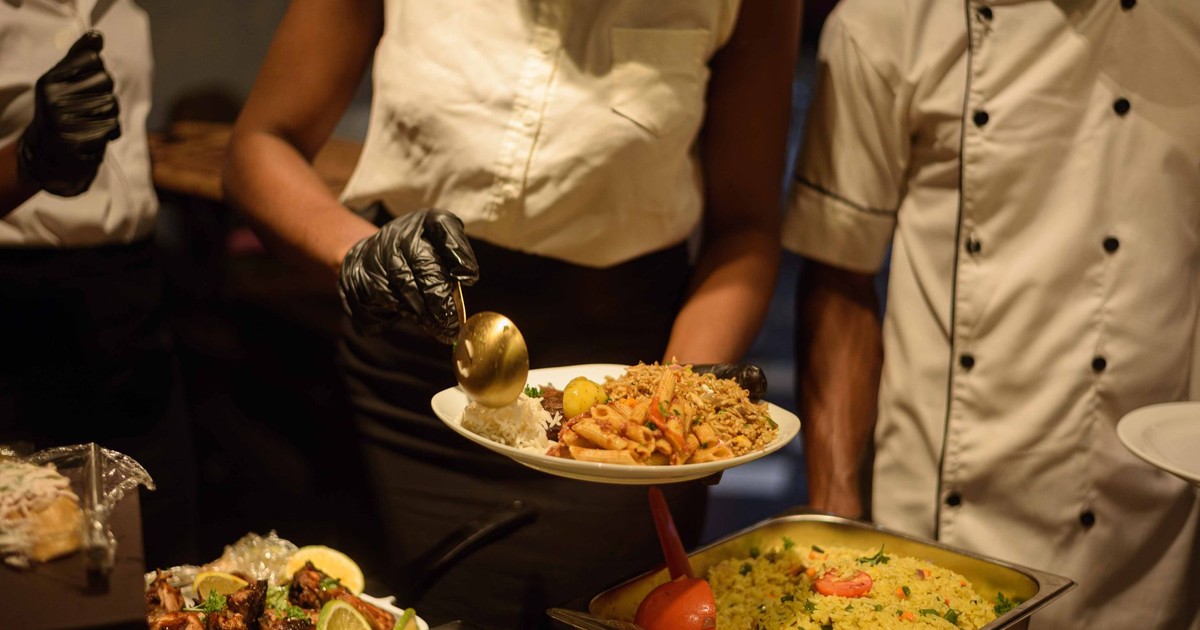
Ask your server one question: what’s in the sauce on the fish? Or what does the kitchen recommend between two dishes? Their answer will tell you more than any online review. A server who can answer specifically – who knows which pasta uses house-made dough, which protein is locally sourced, or why the kitchen is proud of a particular preparation – is a server who has been trained and briefed. That only happens in restaurants where the kitchen and front-of-house are actually communicating.
One of the defining shifts in recent years has been the move from traditional dining toward experience-focused, quality-driven meals. Consumer priorities are shifting – diners value food quality, ambiance, personalization, and sustainability, with emerging trends such as experiential dining, tableside service, and hyper-personalization shaping the future of what guests expect. Part of what that means in practice is that the best restaurants now invest heavily in making sure the people serving the food understand what they’re serving. It’s not enough to carry plates – the server is part of the story the kitchen is telling.
A server who responds to a question about the menu with “I’ll have to check” and then never comes back, or who describes a dish using the exact same words printed on the menu without adding a single detail, hasn’t been given the tools to do their job well. That’s a kitchen that doesn’t trust its own food enough to talk about it. And that, nine times out of ten, is a kitchen you shouldn’t trust either.
7. The Noise and Lighting in the Room
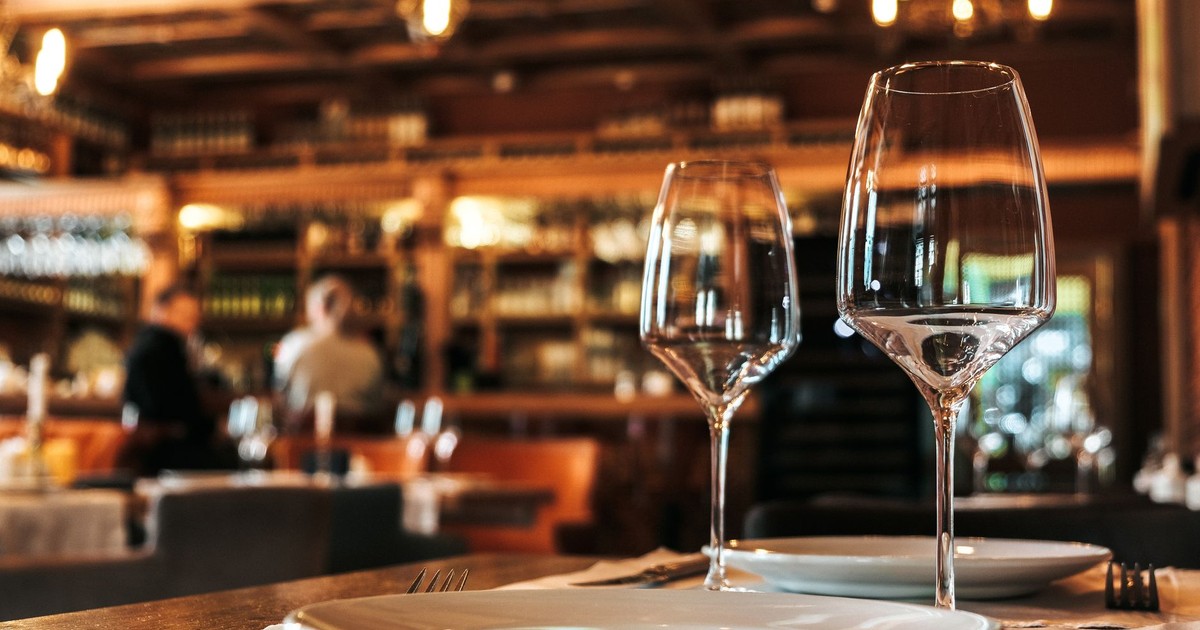
Two environmental factors that are easy to dismiss as preference but are actually signals of how carefully a restaurant has been designed: how loud it is, and how it’s lit. Both reflect deliberate choices – or the absence of them.
Over one-third of full-service diners prioritize experience and service over price, reflecting a willingness to pay more when perceived value aligns. When the ambiance is off – lighting too harsh, no explanation of the wine list, acoustics that feel like a sports bar on game night – guests start doing the math on whether it was worth leaving the house. Restaurants that have thought carefully about ambiance tend to have thought carefully about most other things too. The warmth of the lighting, the spacing between tables, the noise level when the room is half full – these aren’t afterthoughts in a well-run place.
Walk in and notice whether you have to raise your voice immediately to be heard. A room that is already at shouting volume before it’s full is a room where nobody thought through the acoustics, or where management has decided that high noise equals high energy and hasn’t noticed the difference. Lighting that makes you squint to read the menu, or that turns everyone’s skin an unflattering grey, was chosen for effect rather than comfort. A room that works against the people in it is a room designed by someone who has stopped paying attention to the guest experience.
8. How Full the Restaurant Is – and When
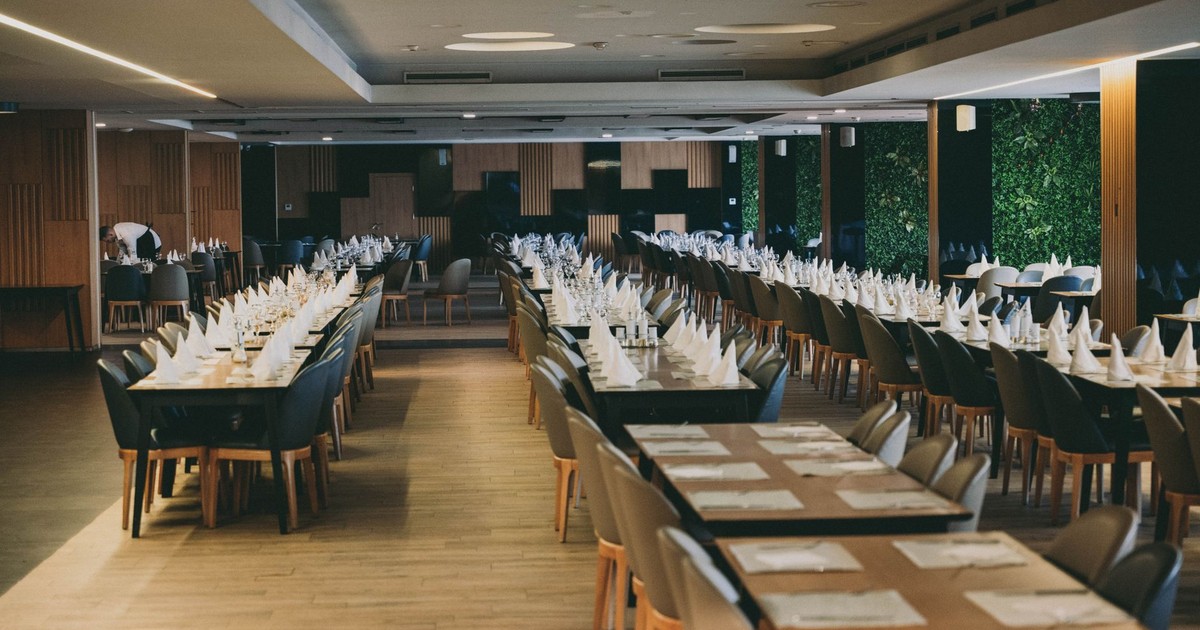
A full restaurant on a Friday night tells you almost nothing. Every restaurant fills up on Friday night. What tells you something is whether a restaurant is reasonably busy on a Tuesday at 7pm, or whether there are people waiting for a table on a Wednesday lunch. Consistent traffic across the week is a sign of a restaurant with a real following, not just weekend novelty seekers.
For both full-service and limited-service brands, restaurant units with the best same-store traffic compared to their segment have 6 percentage points higher value sentiment than their peers – and the gap in sentiment around value is even more pronounced than the differences in sentiment around food or service quality, making value the stronger driver of restaurant success. In plain terms, the restaurants that are busy midweek are the ones where people feel they genuinely got what they paid for – and told their friends. Word of mouth still fills seats more reliably than any advertising.
Equally telling is a restaurant that is completely empty on a Thursday evening in a neighborhood with foot traffic. If the place around the corner has a line and this one has four empty tables, ask yourself why. There’s almost always an answer, and it rarely involves the occupied restaurant being wrong.
9. Whether the Price Makes Sense Against What’s Around It
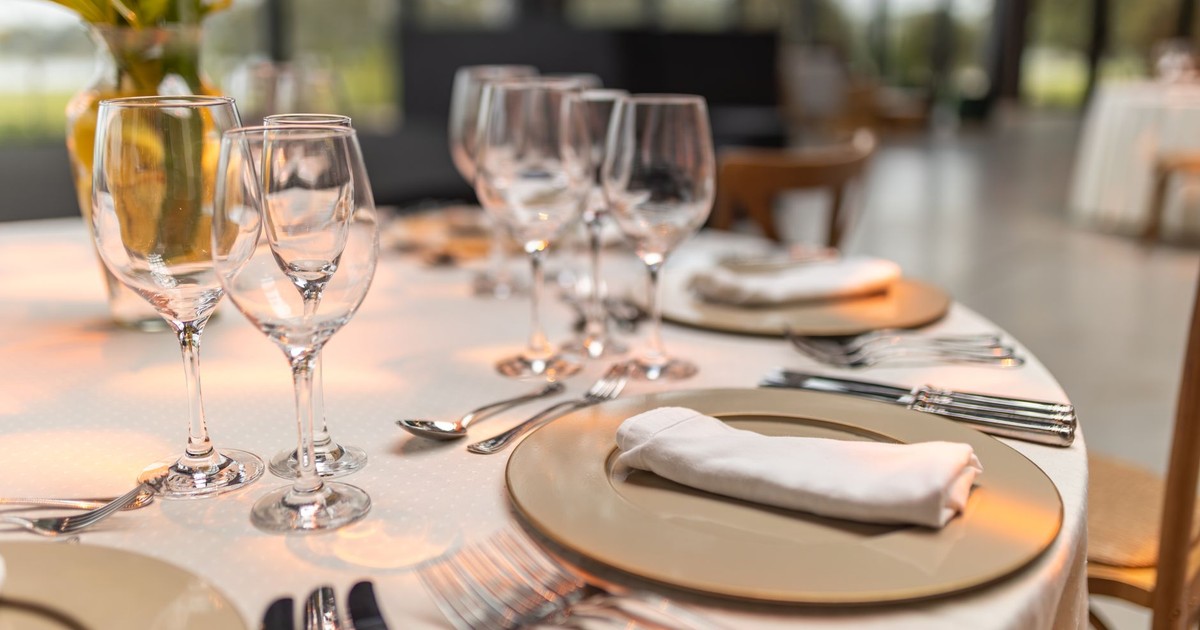
This last one requires a quick mental calibration before you sit down. Look at what you’re getting for the price relative to the neighborhood, the room, the service model, and the competition within a few blocks. A $38 pasta dish can be extraordinary value or a cynical markup – the price alone tells you nothing. What tells you something is whether the restaurant has earned the right to charge it.
Menu selection is a top reason people try a new restaurant, with people looking at menus asking themselves “is this worth it?” – and 41% of guests say pricing is one of the key factors when choosing a new restaurant. But worth-it isn’t just a dollar calculation. It’s a read of the whole picture: the quality of the ingredients being used, the skill evident in the preparation, the honesty of the service, and the condition of the room.
Restaurants that are genuinely confident in their cooking don’t need to obscure their pricing or bury the cost of add-ons in small print. In 2024, food-away-from-home prices rose more than three times as fast as grocery prices, forcing restaurants to rebuild value perception rather than simply manage prices, or risk losing diners who are already doing the math. A menu priced above the neighborhood average with nothing to justify the premium is almost always a restaurant betting that the decor will distract you until the check arrives.
Read More: 11 Secrets Olive Garden Staff Are Forbidden to Tell You, Former Employees Reveal
What to Do With All of This
None of these nine things requires expertise, industry knowledge, or a refined palate. They’re just observations – the kind you can make in the first few minutes of being somewhere, if you’re paying attention instead of scrolling through your phone while you wait to be seated.
The larger pattern underneath all of it is simpler than any individual indicator: a restaurant that cares about the details you can see has almost certainly cared about the details you can’t. Clean menus, trained servers who know the food, a menu that doesn’t try to be everything, a room that’s been designed for people rather than Instagram – these aren’t accidents. They’re the result of management that takes the whole operation seriously. Corners cut in the dining room are corners cut in the kitchen, and corners cut in the kitchen end up on your plate.
Going out to eat costs real money in 2026, and there’s nothing wrong with wanting to know you spent it well. The signs are almost always there before you order a thing. The trick is just knowing which ones actually count.
AI Disclaimer: This article was created with the assistance of AI tools and reviewed by a human editor.