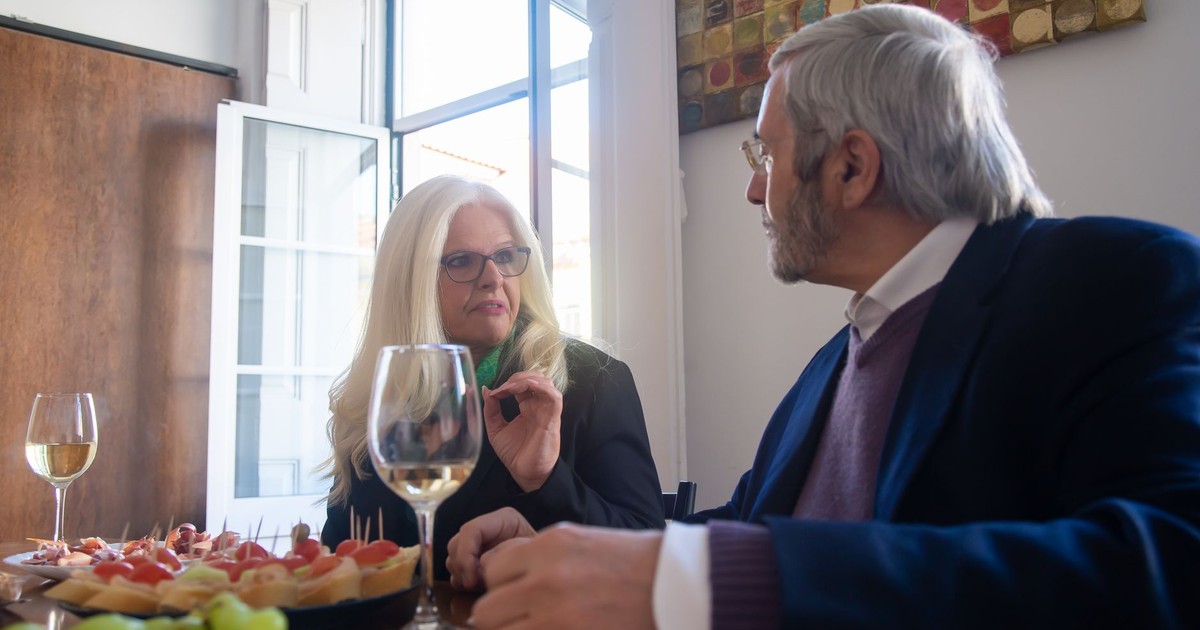

The relationship that felt worth tolerating at 28 rarely looks the same at 45. Not because something went wrong, but because something went right: a clearer picture of what actually matters, and a shorter runway of patience for everything that doesn’t.
Older women (broadly, women in their 40s, 50s, and beyond) tend to carry a specific kind of relationship knowledge that only accumulates through lived experience. They know what it felt like to shrink themselves to keep the peace. They’ve watched relationships collapse not from drama but from slow, steady neglect. They’ve learned, often the hard way, what they genuinely need from a partner versus what they were willing to accept.
A three-sample longitudinal study found that identity certainty, generativity, and confident power (all key markers of psychological maturity) actually peak in midlife. Women in their 40s and 50s reported greater clarity about who they are, stronger feelings of purpose, and a deeper sense of inner strength than they did in their 30s, with those traits also positively linked to overall well-being. The relationship standards that follow aren’t a wishlist. They’re the result of that clarity.
1. Emotional Availability, Not Just the Appearance of It

Most women over 40 have dated someone who was technically present but emotionally elsewhere. They showed up for dinner, they answered texts, they said the right words at approximately the right times. But when something real needed to be said, or felt, or worked through, they were gone. Not physically. Just gone.
Emotional availability means a partner can actually be reached. It means they don’t shut down when the conversation gets difficult, don’t deflect every vulnerable moment with a joke, and don’t treat a woman’s emotional needs as an inconvenience to be managed. Research from Greater Good at Berkeley found that women tend to carry a heavier emotional burden in heterosexual relationships and are often more sensitive about handling conflict.
The standard isn’t “talks about feelings occasionally.” It’s whether a partner can stay in a hard conversation without shutting it down, withdrawing, or turning it around.
2. Direct, Honest Communication
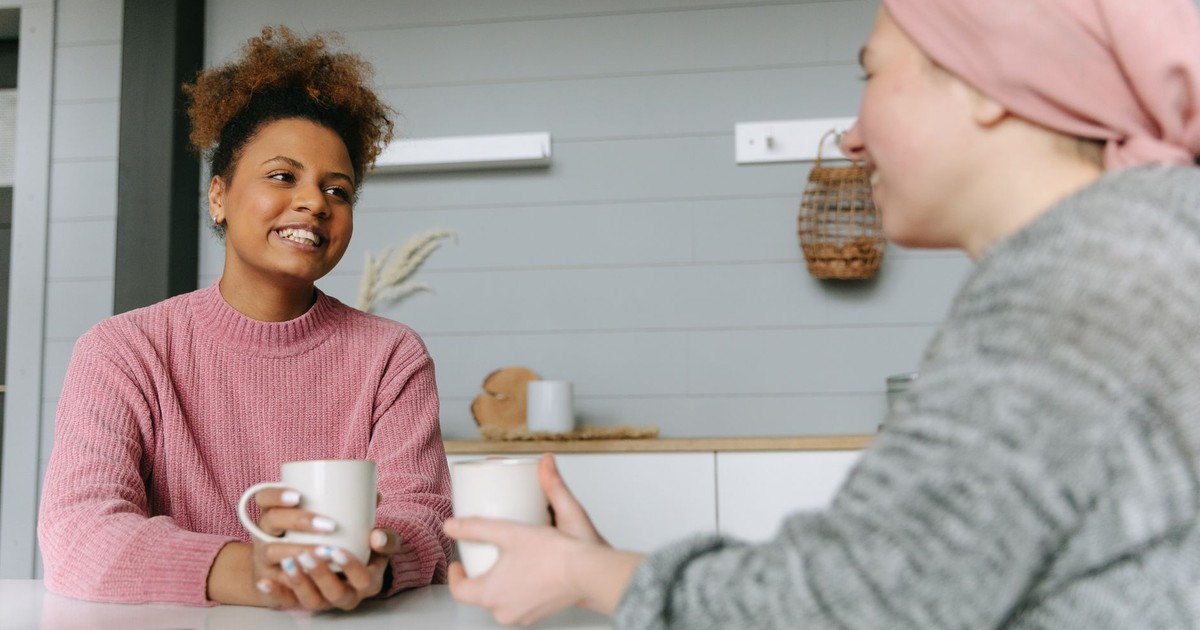
The text sent three times, reworded each time to make it more palatable. The careful way of raising something important, calibrated to avoid triggering defensiveness. The exhausting translation work of figuring out what someone actually means versus what they said. Women who have spent years doing this kind of emotional labor eventually stop. Not out of bitterness, but because they’ve learned the weight of it.
Older women typically have less need for validation and communicate more directly about what they want, and they expect the same from a partner. That means saying what you mean. It means bringing up something that’s bothering you before it festers into resentment. It means not requiring someone to read your mind, and not tolerating having your own mind be perpetually unread.
For older women, honest communication is also about timing. Not every frustration needs to become a conversation. But the significant ones do, and a partner who consistently avoids those conversations (who changes the subject, minimizes, or goes silent at the first sign of discomfort) is a pattern, not a quirk.
3. Consistent Respect, Not Just Courtesy
Courtesy is easy. Holding a door, saying please and thank you, being polite in public. Respect is the harder thing. It’s what happens when no one’s watching, when the two of you disagree, when a woman’s opinion runs counter to what her partner wanted to hear.
Women in midlife have higher standards for how they expect to be treated and will not tolerate behavior that younger women might overlook. That’s not pickiness. That’s pattern recognition. After enough years, you know what it looks like when someone respects you versus when they’re performing respect while privately dismissing you.
Respect shows up in the specific moments: not interrupting, not contradicting in front of others for sport, not treating a woman’s career or friendships or personal projects as less important because they’re hers. Older women have stopped negotiating on this. Either it’s there or it isn’t.
4. A Partner Who Has Their Own Life

There’s a particular pressure that comes with being someone’s entire world. Every mood shift becomes your responsibility. Every bad day lands on you. Every weekend needs to be planned around keeping them occupied. Women who have been that person (the full-time emotional infrastructure for a partner with no independent life) rarely sign up for it again.
An older woman will have established things in her life that work well for her, and she may be reluctant to lose them. She expects a partner to respect that she is already a complete person with her own routines, interests, and friendships. But that expectation runs in both directions. She also wants a partner who has the same. Someone with their own friendships, their own interests, their own sense of who they are outside the relationship.
Older women tend to be especially clear on this. A relationship built on mutual wholeness is different from one built on mutual need, and having had both, the preference isn’t abstract.
5. Genuine Reciprocity

Who initiates. Who plans. Who remembers. Who follows up. Who notices when things have gone sideways. Over years, the arithmetic of effort becomes impossible to ignore. Older women have high standards for how they expect to be treated, and what they’re looking for isn’t flashy gestures or game playing, it’s communication and emotional maturity that actually shows up.
Reciprocity doesn’t mean a perfectly equal ledger, tallied daily. It means both people are generally trying. Both people notice when the other is carrying more and adjust. Both people make repairs after conflict rather than waiting for the other to do it first. Women who have spent years being the one who always reaches first, always smooths things over, always makes the effort and waits to see if it’s matched, know exactly what the absence of reciprocity feels like.
6. Financial Transparency and Mutual Independence

The question of money in relationships has shifted considerably. Older women are increasingly financially independent and tend to have strong social networks, so many feel less need to be in a couple at all. Which means when they are in one, it’s a genuine choice, not a financial arrangement.
That shift changes what they expect from a partner’s financial behavior. Not that a partner must be wealthy. Not that expenses must always be split fifty-fifty. But that there’s honesty about money: what someone earns, what they owe, what their spending looks like, what their goals are. Research on couples and financial satisfaction consistently points to shared meaning around financial goals and choosing a partner with similar financial behaviors as key factors. Financial opacity, hidden debt, or a pattern of money being an undiscussed pressure point tends to surface all the other unspoken things in a relationship.
7. Physical and Emotional Intimacy That Doesn’t Fade After the First Year
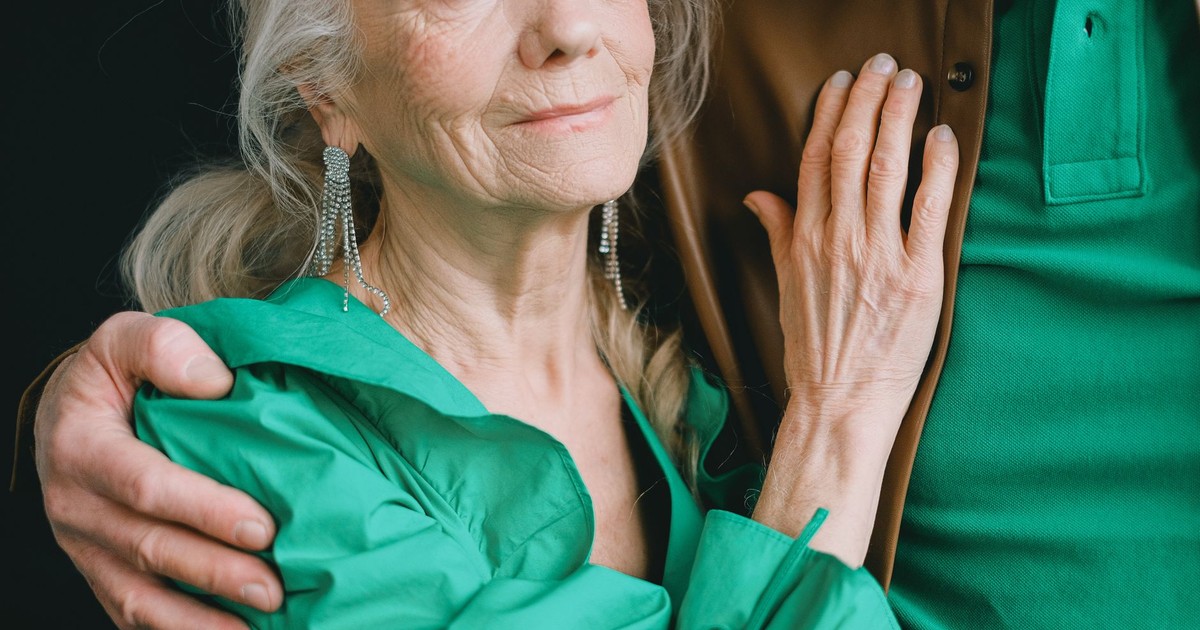
The early intensity of a relationship isn’t the standard. Most people know that. What older women are less willing to accept is the version where intimacy fades completely and is never replaced with anything else. The sex stops, and no one talks about it. Emotional closeness, the kind built through actually knowing someone, stops accumulating.
Older women who are financially independent and socially well-connected generally approach relationships as a genuine choice rather than a necessity. They enter them having already established what intimacy means to them. The type of intimacy does shift with age, but older women generally know this and are looking for a partner who understands it too (someone who stays curious about them, who maintains physical affection because they want to rather than as a transaction, and who treats the ongoing work of connection as something worth doing).
8. Space and Solitude Without Having to Justify It

Women over 40 have usually built lives they like. They have routines. Mornings that work. Friendships that matter. Solo rituals, whether that’s an early run, a Sunday morning with a book, or three hours a week doing something that has nothing to do with anyone else. A good partner doesn’t treat that as rejection.
Older women tend to have more considered boundaries because they know what they want, including what level of contact they’re comfortable with, what aspects of their life they’re willing to share, and how much time they’re willing to spend with a partner. A partner who requires constant access, who treats independence as a slight, or who becomes anxious when a woman wants an evening to herself is communicating something important about his own emotional needs.
9. Shared Values, Not Just Compatible Personalities
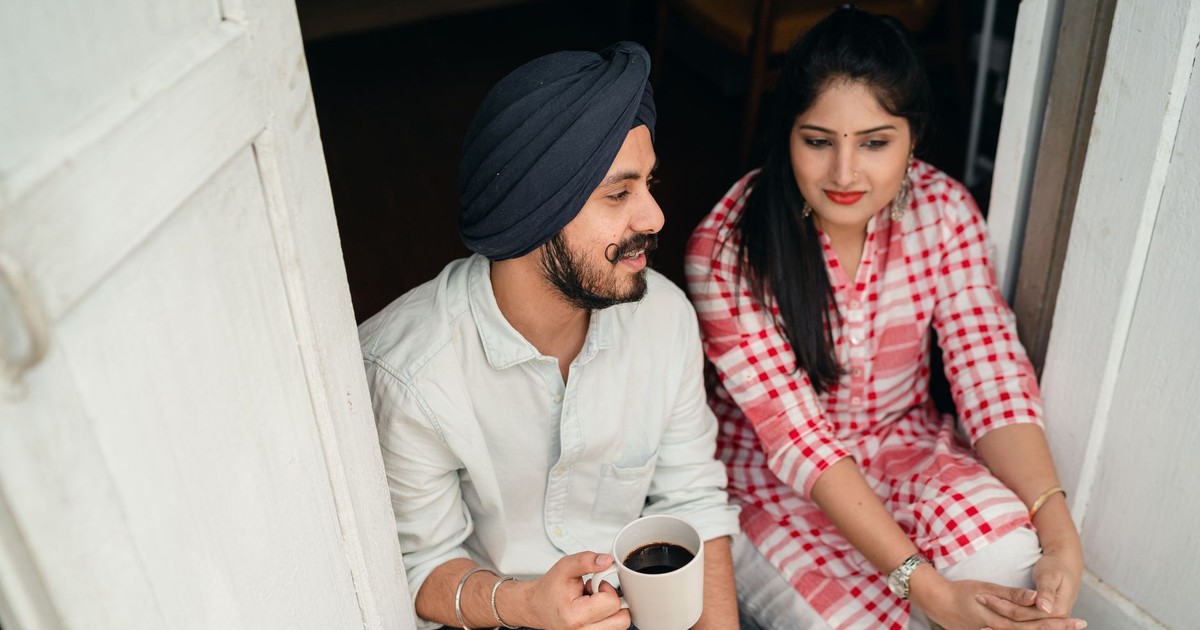
Personalities can click immediately. Values take longer to surface. A woman can genuinely enjoy spending time with someone for months before realizing that what he thinks about fidelity, family, money, or ambition is fundamentally at odds with what she thinks. Older women have usually been through this at least once, which is why they’ve moved “values” up near the top of the evaluation list rather than leaving it as something to get to eventually.
Finding alignment on the big things (life goals, relationship style, and personal values) matters more than surface-level compatibility. That alignment doesn’t mean identical views on everything. It means the non-negotiables actually match. How you handle conflict. Whether you want the same shape of life. What loyalty means to each of you. Older women tend to ask those questions earlier, and they’re less likely to rationalize away the answers they don’t like.
10. No More Apologizing for Their Ambitions
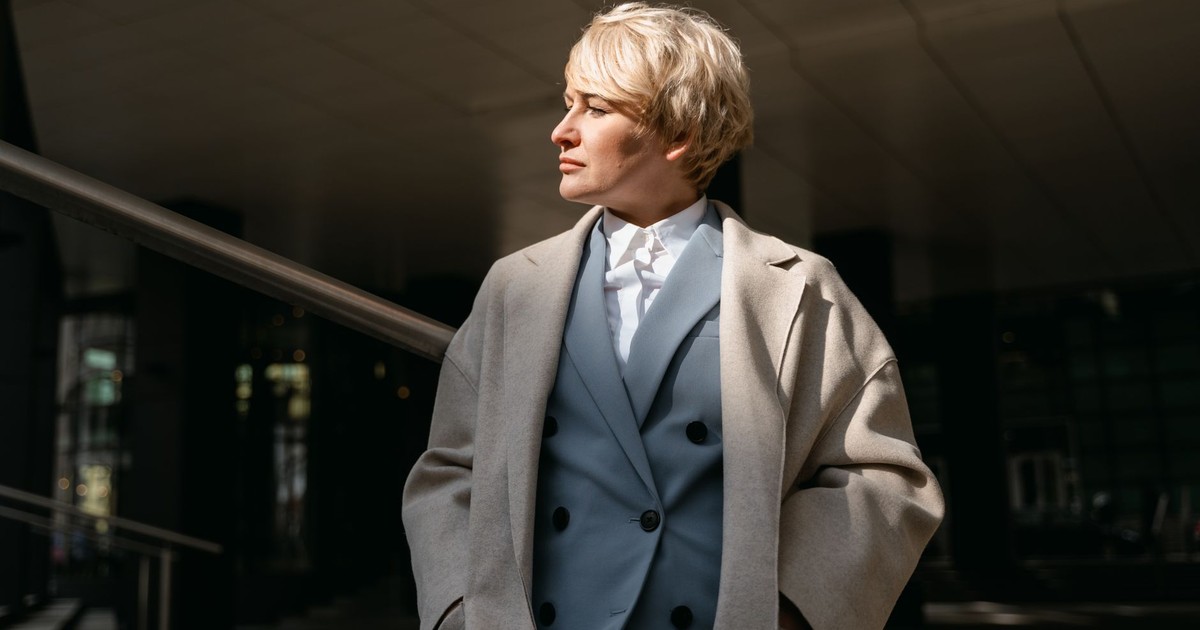
Something happens to a lot of women in their 20s and 30s in relationships: they make themselves smaller. They downplay the job, the income, the goal, the drive. They learn, often implicitly, that a partner’s comfort with their ambition is conditional. By their 40s, many women are done with that particular accommodation.
Women today are financially independent, socially mobile, and psychologically more self-aware. With self-supplied stability, what they seek from love has evolved from safety to self-expansion. A partner needs to be genuinely comfortable with a woman who earns more, takes up more professional space, makes decisions with confidence, and doesn’t shrink herself to make the room feel equal. The requirement isn’t that a partner match her ambition. It’s that he not be threatened by it.
This cuts both ways. Older women aren’t looking for someone to compete with, and they’re not interested in managing a partner’s ego around their success. They want someone secure enough in himself that her achievements feel like a good thing for both of them.
11. Reliability Over Grand Gestures

The birthday made into a production once, then forgotten the next year. The big speech about what this relationship means, delivered at exactly the moment it needed to be delivered, followed by months of not following through. Older women have learned that the grand gesture is often a substitution for reliability, not an expression of it.
What older women want from a relationship isn’t flashy gestures or game playing, it’s the kind of communication and follow-through that shows up consistently. In practice, that means someone who does what they say they’re going to do. Who shows up when they said they would. Who remembers the things that matter to you not because they have a reminder set, but because they were paying attention. The cumulative weight of small, consistent actions is what builds trust over time.
12. The Willingness to Work Through Hard Things
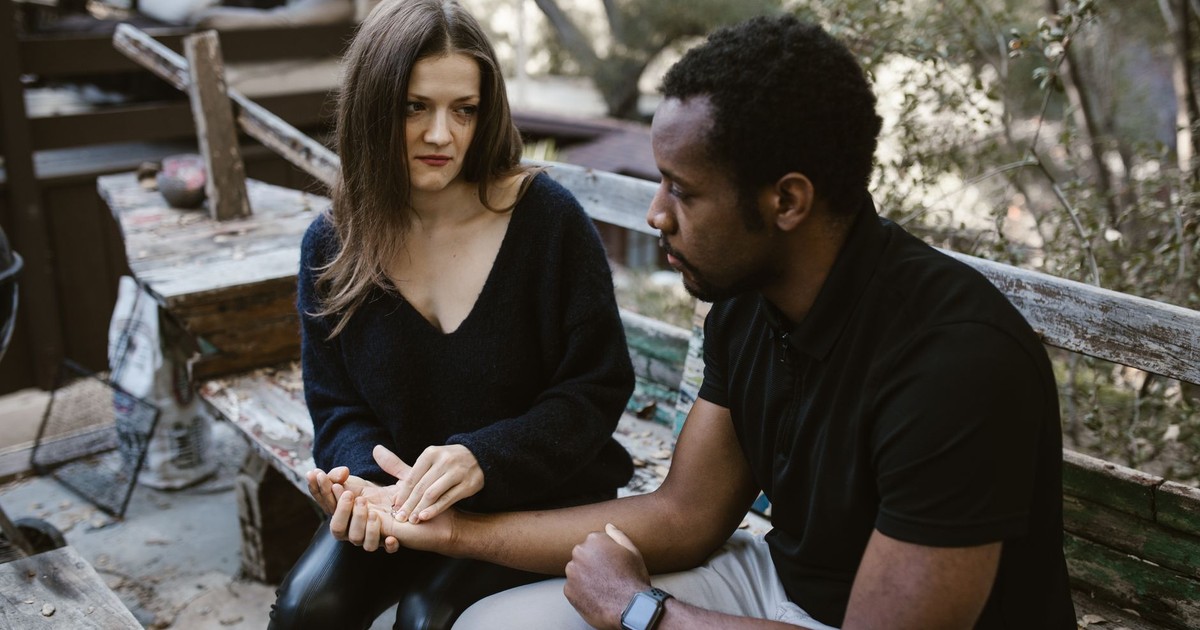
Every relationship hits a point where the easy version runs out. Someone’s health changes. A family crisis lands. Old patterns resurface in new forms. Work stress bleeds into everything. The couples who make it through those periods aren’t necessarily the ones who love each other more. They’re the ones who both refuse to check out when things get difficult.
Researchers studying later-life dating found that many struggle to merge their daily lives and get routines in sync, and without the history of shared positive experiences that long-term couples have, people were quicker to develop negative feelings and see small annoyances as threats to the relationship’s future. Knowing this, older women pay attention to how a potential partner behaves under actual stress, not constructed stress, but the kind that arrives without warning. Do they stay engaged? Do they problem-solve together? Or do they withdraw, minimize, or make it someone else’s job to fix?
A willingness to stay in the difficult parts isn’t about suffering through incompatibility. It’s about the fundamental question of whether someone is actually in the relationship with you, or just in the comfortable version of it.
13. The Option to Walk Away

This last one is less about what older women require from a partner and more about what they require from themselves. After enough years, after enough experience with what it costs to stay in something wrong, the relationship standard that matters most may be the one a woman holds for her own exit door.
Older women are increasingly financially independent and tend to have strong social networks, so many feel less compelled to be in a couple at any cost. If they can’t find what they regard as a decent partner, they tend to opt to stay on their own, and that’s a real, chosen position, not a consolation. The knowledge that they can leave (financially, socially, emotionally) changes how older women enter relationships. It removes the desperation that makes a person tolerate things they shouldn’t.
This isn’t pessimism. Walking into a relationship knowing you could walk out if you needed to means every day you stay is a genuine choice. For older women, that’s the only version of commitment that actually means anything.
The Accumulated Result of Experience
None of these relationship standards older women hold arrived in a vacuum. They’re the accumulated result of relationships that showed women what they could live without and what they couldn’t (situations where they stayed too long and learned something, moments where they walked away and found they were fine).
The research confirms what experience suggests: key markers of maturity, including identity certainty, purpose, and inner strength, keep rising through the 40s and into the 50s. A woman who knows herself that clearly isn’t being difficult when she holds a firm line on emotional availability or reciprocity. She’s stopped pretending that what she needs is interchangeable with what she’s willing to settle for.
Some of these standards will narrow the pool. That’s usually the point. A smaller pool of people who can actually meet them isn’t a problem, it’s a filter working as intended. The alternative, a wider pool and lower expectations, is a trade older women have made before. Most of them know how that story ends.
Disclaimer: This information is not intended to be a substitute for professional medical advice, diagnosis, or treatment and is for information only. Always seek the advice of your physician or another qualified health provider with any questions about your medical condition and/or current medication. Do not disregard professional medical advice or delay seeking advice or treatment because of something you have read here.
AI Disclaimer: This article was created with the assistance of AI tools and reviewed by a human editor.