
We all get the urge to declutter. Maybe it’s spring cleaning, a move, or just a desire to start fresh. Whatever the reason, it feels good, until it doesn’t. In the middle of tossing, donating, or downsizing, you might believe you’re being practical. After all, if you haven’t touched it in years, why would you need it now? But some items don’t reveal their importance until they’re gone, and that moment of regret often hits like a punch to the gut. What seemed like junk yesterday might have been the last link to your childhood, a moment in time, or a person you’ll never see again. These aren’t just things—they’re pieces of your story, often tucked away in boxes or drawers, quietly holding meaning that outlasts trends and space-saving tips. While minimalism has its place, and organization is useful, some possessions are worth holding onto for reasons deeper than convenience. This article covers the most common items people deeply regret getting rid of—sentimental, practical, and irreplaceable things that often end up in the trash but should’ve been treasured instead. Before you start your next clean-out, pause and consider whether you’re about to lose more than just clutter.
Childhood Photos and Family Albums
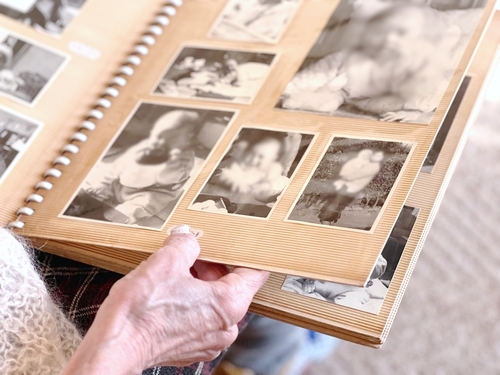
There’s something irreplaceable about holding an old photograph in your hands. It’s not just a picture—it’s a frozen moment from your life, a visual time capsule that can instantly transport you back to a memory long forgotten. Throwing away childhood photos or family albums often feels like the right move during a deep-cleaning spree, especially if they’re gathering dust or taking up space. But once they’re gone, they’re gone for good. Years from now, you may find yourself aching to see what your childhood bedroom looked like, or how your parents smiled when they were your age. These photos become priceless heirlooms, even if they seem ordinary in the moment. Scanning them into digital form helps, but even high-res copies don’t quite match the sentimental value of the original prints. If you’re tempted to toss them, store them instead. Box them up and put them somewhere safe. You may not need them often, but when the day comes that you want them—you’ll be grateful you kept them.