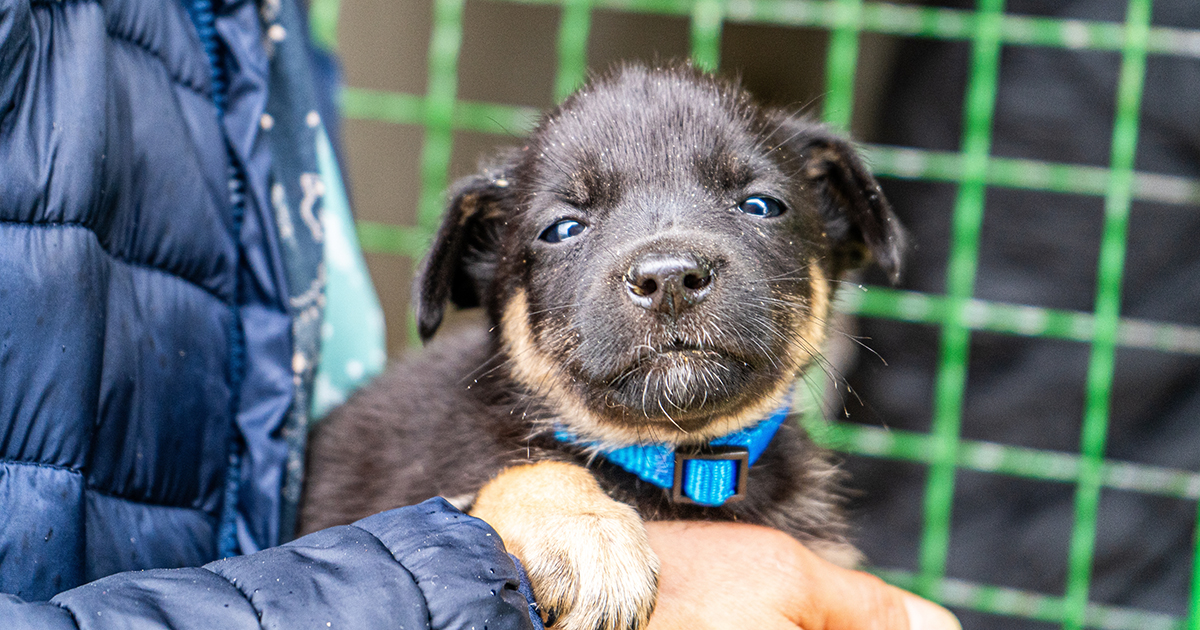

An 11-year-old from Jacksonville, Florida has logged 100 hours reading to shelter animals through the Jacksonville Humane Society’s Pawsitive Reading program. Nehemiah Turner is the first child in the program’s history to reach that milestone. Over two years, he has visited the shelter once or twice a week with his grandmother, reading books about animals and sports to dogs waiting for adoption.
Turner didn’t set out to break records. He set out to help dogs feel better. The record happened because he kept showing up.
Who Is Nehemiah Turner?
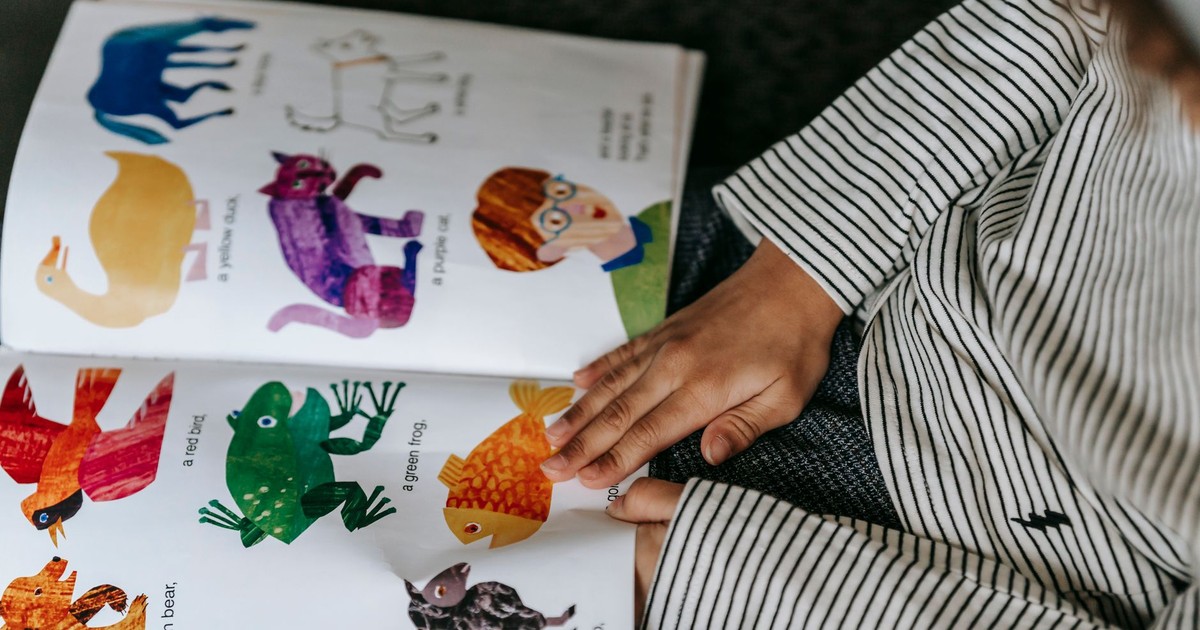
For more than two years, Nehemiah Turner has walked into the Jacksonville Humane Society with his grandmother. He recently became the first child in the shelter’s Pawsitive Reading program to reach 100 volunteer hours.
The shelter celebrated the milestone with a certificate and a special gold paw-print award. The program rewards young readers with colored paw-print stickers as their volunteer hours grow. Turner is heading into sixth grade a straight-A student.
How It All Started: Read Across America Day
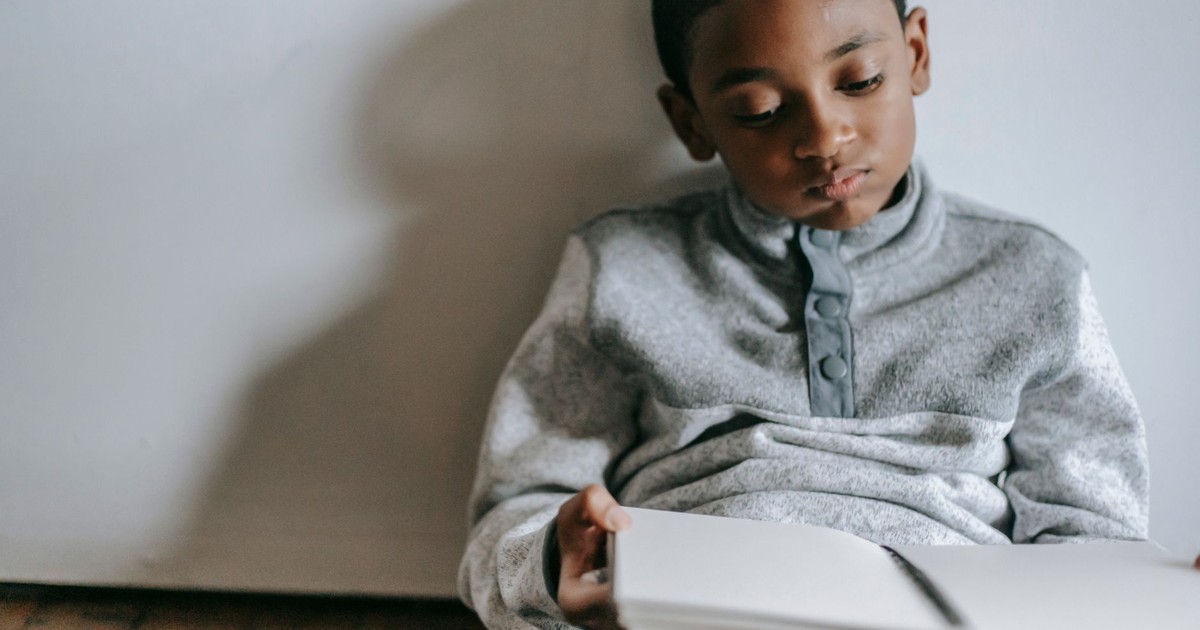
Nehemiah’s first visit to the Jacksonville Humane Society happened on Read Across America Day, a national celebration of reading held each spring. His grandmother took him to the shelter. He found a dog waiting in a kennel, sat down, and opened a book. The dog’s name was Augie.
“I went up there with my book, and I sat down with this dog named Auggie. I started to read to him, and after we had to leave, I started to cry, because I didn’t want to leave the humane society,” the 11-year-old said. He came back the following week, and the week after that.
What the Pawsitive Reading Program Actually Is
Pawsitive Reading is a program in which children visit the shelter to read to pets. To join, children and at least one parent or guardian must first attend a one-time orientation. The Jacksonville Humane Society says Nehemiah is one of over 2,000 children who participate.
Children visit on their own schedule, often once or twice a week, and read aloud to dogs and cats in the shelter. Listening to a person read has been shown to lower stress levels in animals. The program also gives children a chance to work on their literacy skills in a judgment-free environment.
Why Nehemiah Keeps Showing Up
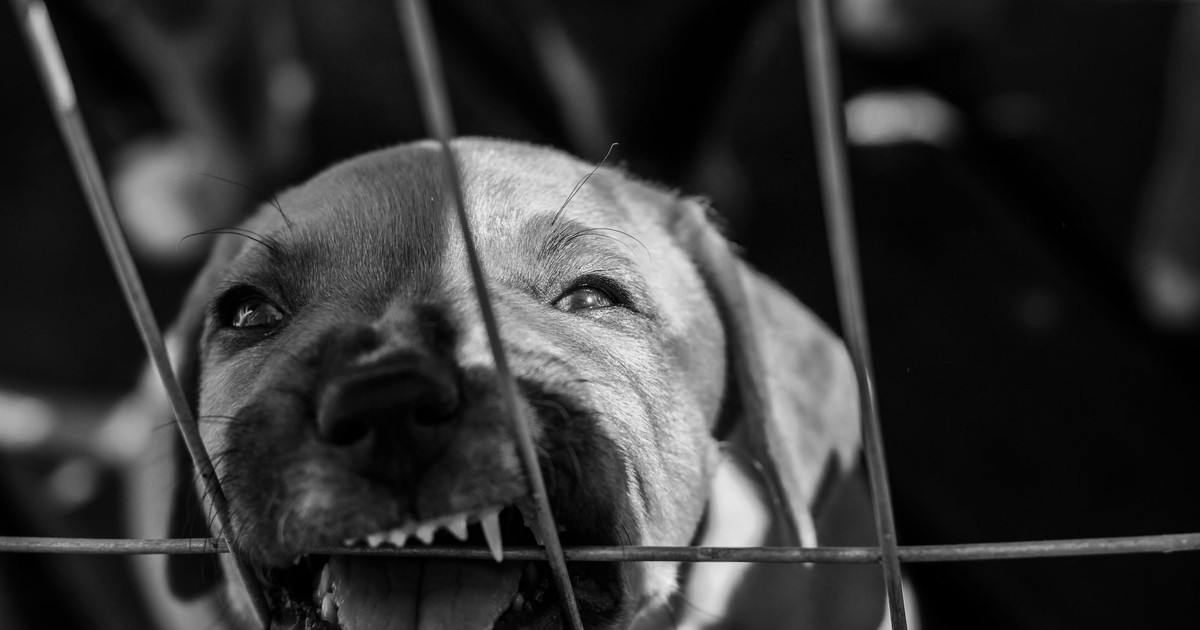
Nehemiah described the experience as “soothing, feels good, calm, comforted animals, not like a whole bunch of barking is happening.”
Nehemiah told ABC News he hopes his reading helps soothe animals at the local humane society who are waiting to find new homes. He said: “I like to help them get adopted a lot. One of my favorite dogs is Hopper. He was a really good dog, and he would sit down after I tried to read to him.”
Nehemiah regularly visited the shelter with his grandmother, and his bond with Hopper became one of the most-told details in coverage of his story. Hopper waited nearly 400 days in a kennel before finding a home.
The Dog Named Hopper
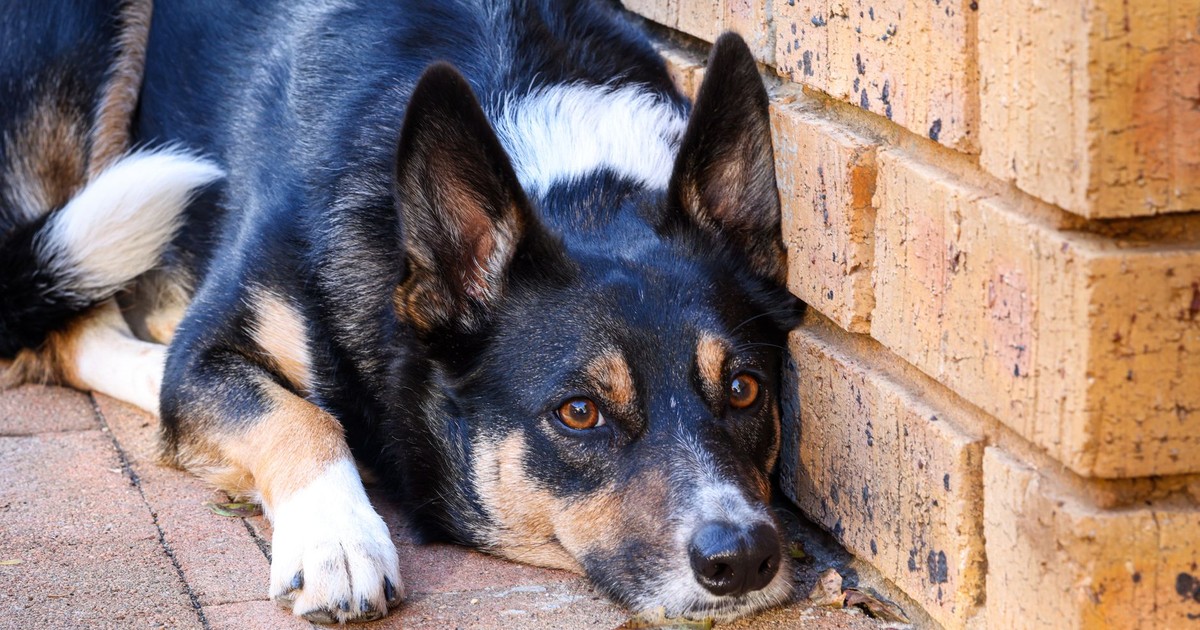
Of all the animals Nehemiah has read to, Hopper sits in a category of his own. Nearly 400 days in a shelter is a long time for any dog, and Nehemiah was there for much of it, reading, visiting, sitting with him.
Hopper is out of the shelter now. Whether the reading sessions accelerated that outcome or simply made the 400 days more bearable is impossible to say with certainty.
What Happens to a Dog When a Child Reads to It
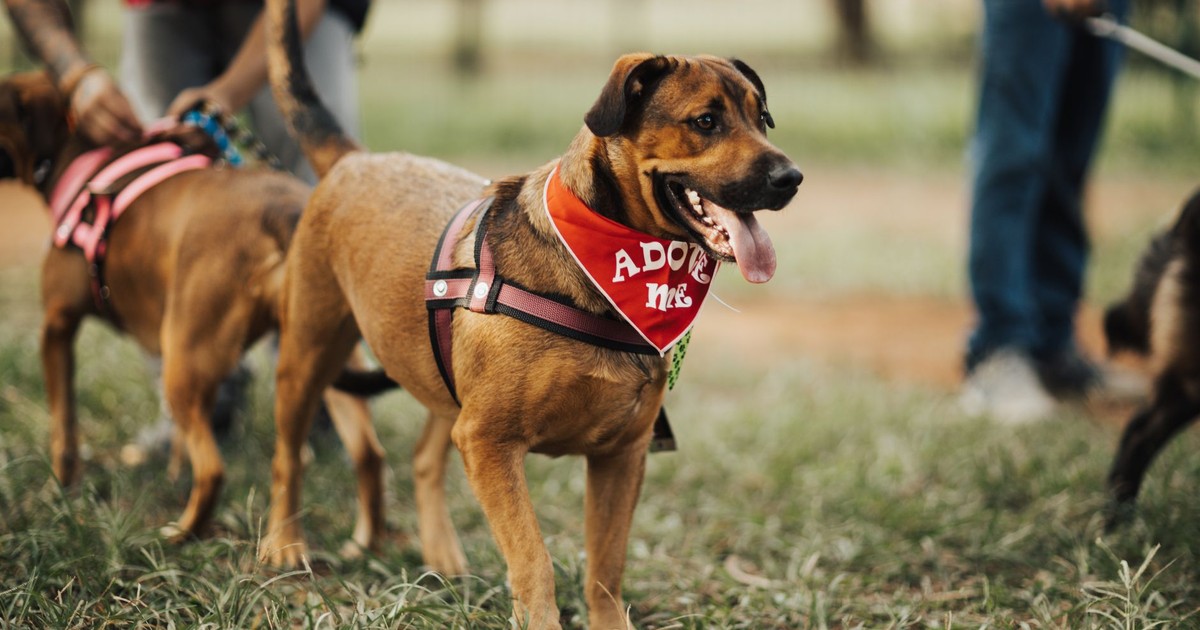
The calm that Nehemiah describes, the barking settling down, the dog choosing to sit, isn’t imagined. According to the ASPCA’s Storytelling Program, storytellers help socialize dogs who may be extremely scared, traumatized, or physically recovering, with the idea that a soothing voice and presence can calm agitated or fearful dogs.
Shelter dogs enjoy many of the same benefits that reading provides to young children: calming restlessness, instilling a greater sense of wellbeing, and enhancing bonding between reader and listener. In a kennel, a dog that grows comfortable with a regular human visitor starts moving toward people rather than away from them.
Shelter pets, facing the stress of an unfamiliar setting, are greatly enriched when listening to children read. It helps them relax and feel comfortable at the front of the kennel, which in turn increases the odds of adoption.
How Reading Programs Help Dogs Get Adopted Faster
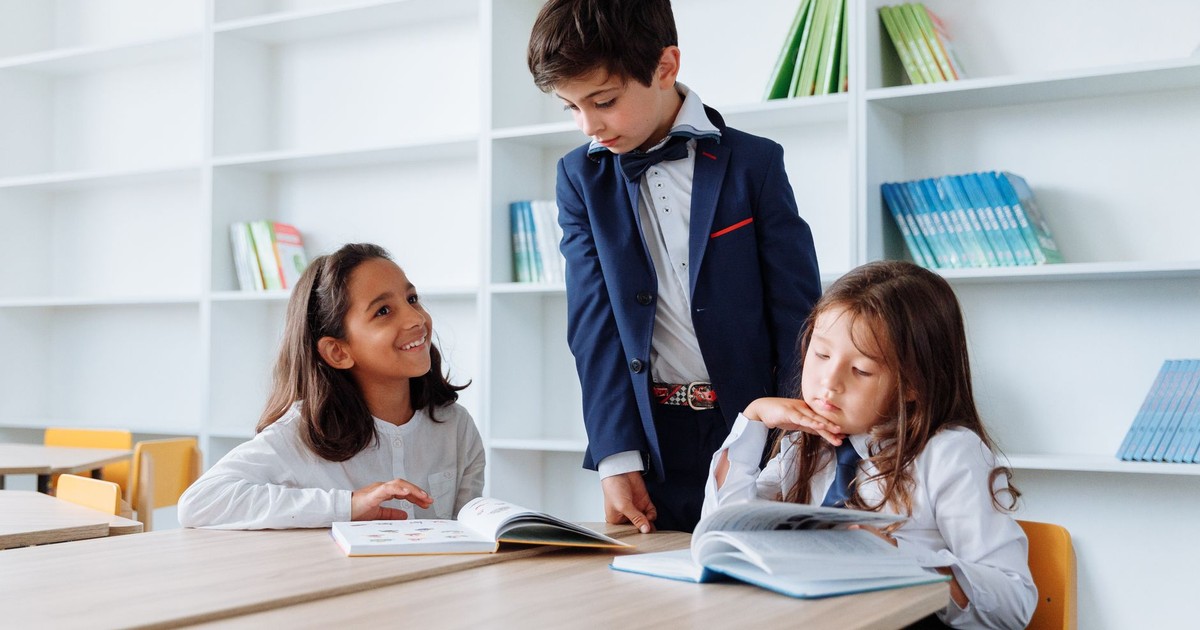
A calmer dog is a more adoptable dog. Dogs that approach the kennel door rather than retreating to the back are simply more likely to catch a potential adopter’s eye. The Humane Society of Missouri‘s Shelter Buddies Reading Program brings comfort to and reduces the anxiety of shelter pets, helping shy dogs grow more comfortable around people and increasing the likelihood of adoption.
Reading sessions help shy or frightened animals gradually grow more comfortable around people, making them more open to potential adopters. A dog that comes to the front of the kennel when a visitor approaches is a dog that gets noticed. A dog that shrinks into the corner, regardless of its temperament, is a dog that stays longer.
The Benefit for Nehemiah, Too
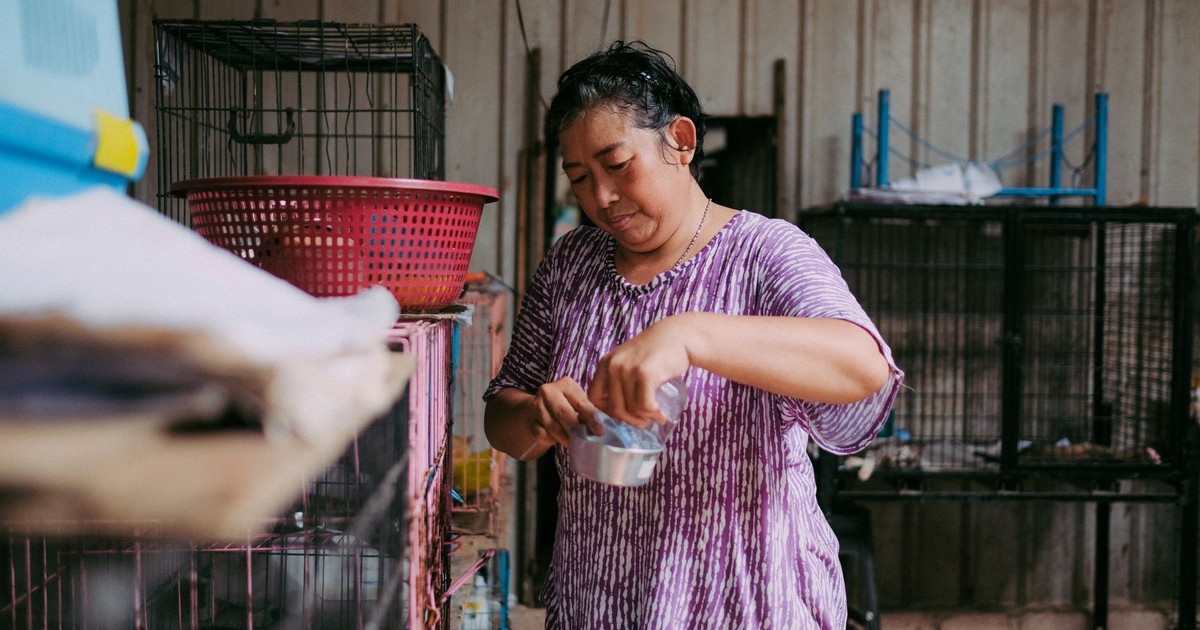
For young readers, the program provides a judgment-free place to practice reading confidence one page at a time. A dog will never correct your pronunciation, look bored, glance at its phone, or interrupt. For a child still building reading confidence, that non-judgmental audience is exactly the right one.
Turner is heading into sixth grade a straight-A student. Two years of opening books in a noisy shelter, finding the patience to sit with an animal that needed someone to sit with it sharpens more than just reading skills. It builds the habit of showing up.
The Recognition He’s Received
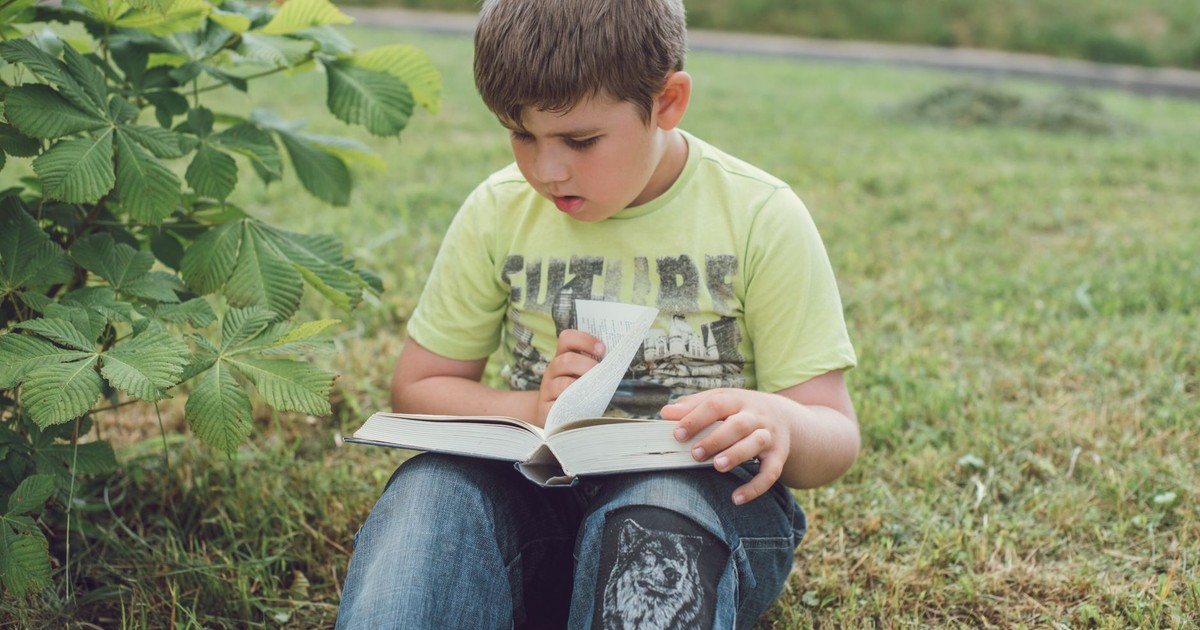
The Jacksonville Humane Society recognized Nehemiah for his dedication to the Pawsitive Reading program in a Facebook post. His story also aligns with the mission of Kind News magazine, a national publication that helps children understand and respect animals.
Lawrence Nicolas, CEO of the Jacksonville Humane Society, said: “100 hours read here at the shelter is such an amazing accomplishment over two years. That’s some serious, serious dedication for a young person like Nehemiah.” Nicolas added that Nehemiah’s commitment has inspired the community and that the boy’s participation, along with every other Pawsitive Reading volunteer, advances the shelter’s lifesaving mission.
Reading to Shelter Animals: A Growing Movement
Reading programs for shelter animals are spreading across the country. The concept has taken hold in multiple cities under different names but with the same core design: put a child and a book in front of a kennel, and let the calm do its work.
The ASPCA’s Storytelling Program, which launched in 2014, focuses specifically on animals healing both physically and mentally from cruelty and neglect. Since launch, 561 unique volunteers have logged over 10,000 hours reading to animals recovering at its New York facilities.
Pasadena Humane‘s “Reading Rovers” program has volunteers read to shelter dogs to provide a soothing and relaxing environment that lowers stress levels. Volunteers read all different kinds of books, or sometimes the newspaper, to the dogs. “We have a lot of kids who do it after school,” the shelter’s spokesperson says. In Minnesota, the Animal Humane Society runs a similar initiative called Rescue Readers, open to both adults and children, where participants spend an hour reading to dogs, cats, and other animals awaiting adoption.
The programs work precisely because they ask for something small and deliver something large. A book. An hour. A child willing to sit still long enough for a frightened animal to decide it’s safe.
What 100 Hours Actually Looks Like
Showing up once or twice a week for two full years. Not when it’s convenient, not when school is easy, not when you feel like it. Just consistently, because the dogs are still there and they still need someone.
The 100-hour milestone is the number. The story underneath it is Hopper waiting 400 days. Augie, the first dog, who made a kid cry when he had to leave. The dozens of other dogs whose names won’t make the news but who had someone sit with them and read when they could have been anywhere else.
What This Means for All of Us
Nehemiah is a sixth-grader who found a program, liked it, and kept going. The program exists in his city because adults built it and kept the doors open. The dogs found homes partly because a child showed up.
The Jacksonville Humane Society’s Pawsitive Reading program is open to children of all ages, requires a one-time orientation with a parent or guardian, and is free. Equivalent programs exist at shelters in Missouri, California, Minnesota, and cities across the country. If you search your local shelter’s website for “reading program,” you will probably find one. If you don’t, you’ll likely find a shelter that would welcome the idea.
The animals in those kennels don’t care what book you bring. They don’t care how well you read or whether you stumble over words. They care that someone showed up, sat down, and stayed long enough for the barking to settle and the room to go calm. Nehemiah cleared that bar 100 hours ago and is still going.
Disclaimer: This information is not intended to be a substitute for professional medical advice, diagnosis, or treatment and is for information only. Always seek the advice of your physician or another qualified health provider with any questions about your medical condition and/or current medication. Do not disregard professional medical advice or delay seeking advice or treatment because of something you have read here.
AI Disclaimer: This article was created with the assistance of AI tools and reviewed by a human editor.