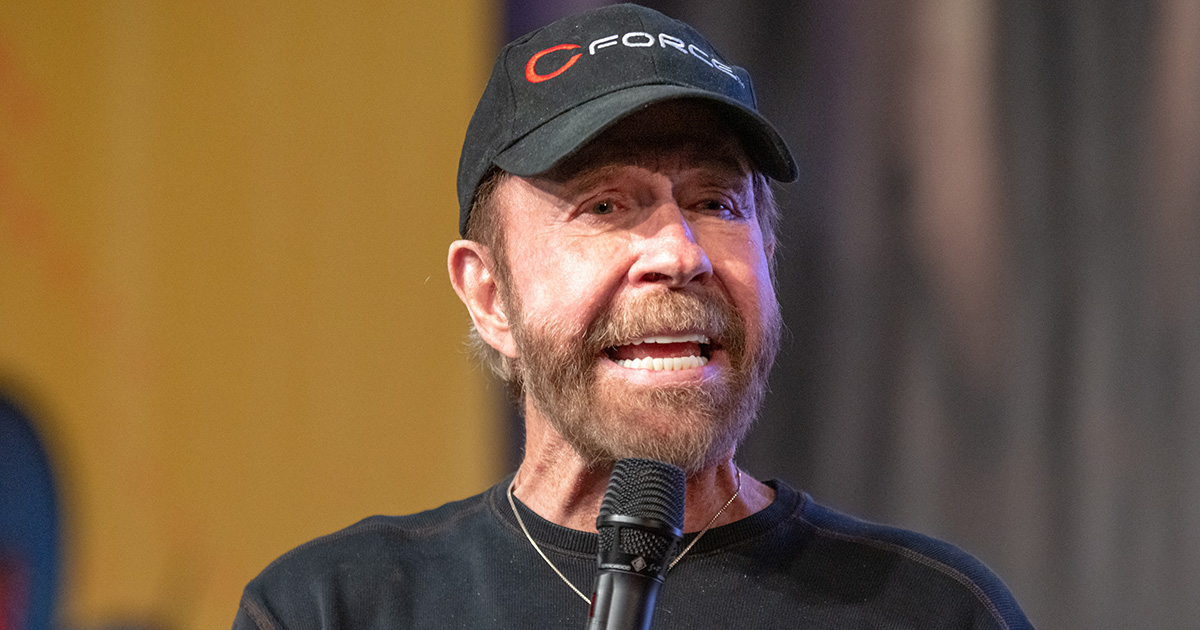

Of all the public figures Americans recognize on sight, soldiers rarely come to mind first. Yet some of the most familiar faces of the last century spent years in a barracks before anyone knew their name. Adam Driver was assigned to Weapons Company, 1st Battalion, 1st Marines at Camp Pendleton as an 81mm mortar man when he was nineteen. Chuck Norris was a military policeman at Osan Air Base in South Korea when he picked up Tang Soo Do from a local instructor. Kris Kristofferson turned down a West Point faculty position to mop floors in Nashville instead.
None of those details make the standard biography. They show up in long interviews and official veterans’ profiles and profiles written for military publications, where the subject will mention, almost in passing, that the thing they still think about most is a deployment they almost made, or a drill sergeant who wrote them a recommendation letter, or the week they spent in a military jail for sneaking off base to compete in a bodybuilding contest. The famous part of the life came later. But the shape of it was already there.
These are 15 public figures with military backgrounds most people never connect to the person they became.
Adam Driver, U.S. Marine Corps
After 9/11, Driver and his friends all talked about enlisting. He was the only one who actually followed through. He joined the Marines and was assigned as an 81mm mortar man with Weapons Company, 1st Battalion, 1st Marines at Camp Pendleton. His unit was preparing to deploy to Iraq when a mountain biking accident fractured his sternum. A forced march with a 90-pound pack made the injury worse. He was medically discharged in 2004.
According to Military.com, Driver has described missing that deployment as “pretty devastating,” adding that it took him a long time to get over it. He went on to Juilliard and eventually Star Wars, but in interviews he still talks about the Corps the way people talk about the one period in their life that actually formed them. He later founded Arts in the Armed Forces, a nonprofit that brings theater programming to active-duty service members and their families.
Chuck Norris, U.S. Air Force
Chuck Norris, the martial artist and action star who became a defining figure in Walker, Texas Ranger, died in March 2026 at 86. Born Carlos Ray Norris in Ryan, Oklahoma, he enlisted in the U.S. Air Force after high school and was stationed at Osan Air Base in South Korea as an air policeman. A fellow airman gave him the nickname “Chuck” at Osan, where he began training in Tang Soo Do with a local instructor. He went on to become the first Westerner to be awarded an eighth-degree black belt in taekwondo.
The discipline, the martial arts training, the Cold War-era posting in Korea were all in place years before his first film role.
Kris Kristofferson, U.S. Army Ranger
Kristofferson graduated from Pomona College in 1958 with a degree in English literature, then attended Oxford as a Rhodes Scholar, earning a Bachelor of Philosophy (B.Phil) in English literature in 1960. He followed that with a military career that most literature graduates would find unrecognizable.
He joined the Army in 1960, trained as a helicopter pilot at Fort Rucker in Alabama, completed Ranger School, and served with the 8th Infantry Division in West Germany. After his tour, according to VA News, Kristofferson received an offer to teach English literature to cadets at West Point. He turned it down, resigned from the Army in 1965, and moved to Nashville.
His music career did not start well. He spent years working as a part-time bartender, helicopter pilot, and janitor at Columbia Studios while trying to get his demo tapes in front of the right people. He gave one to Johnny Cash in 1969. Cash ignored it. Kristofferson then landed a helicopter on Cash’s front lawn, which got Cash’s attention in a way the tape had not. He was inducted into the Country Music Hall of Fame in 2004.
Elvis Presley, U.S. Army
Elvis Presley received his draft notice in late 1957, when his music career was already in full flight, after “Hound Dog,” “Heartbreak Hotel,” and “Jailhouse Rock” were already topping the charts. He was inducted into the Army in March 1958, rose to the rank of sergeant, and was discharged in 1960. During his posting in Germany, he met Priscilla Beaulieu, who would later become his wife.
Plenty of celebrities of that era arranged entertainment postings or found other ways to avoid anything resembling real service. Elvis didn’t. He served as a regular soldier, asked for no special treatment, and came back to his career without having turned his absence into a public relations opportunity.
Montel Williams, U.S. Marines and U.S. Navy
Of all the entertainers on any military service list, Montel Williams had the longest career by far. He served in the U.S. Marine Corps and the U.S. Navy for a total of 22 years, 17 on active duty and 5 as a reservist, from 1974 to 1996, retiring with the rank of lieutenant commander.
Williams was the first Black Marine accepted into the U.S. Naval Academy’s four-year officer training program. His daytime talk show ran from 1991 to 2008, and most of the audience had no idea the host had spent more than two decades in uniform before he ever stepped in front of a camera.
Jimi Hendrix, U.S. Army, 101st Airborne
Faced with the choice between prison and the military as a young man, Jimi Hendrix chose the latter. He enlisted in the U.S. Army on May 31, 1961 and was assigned to the 101st Airborne Division. He was discharged in 1962 once it became clear that Hendrix and the military were not a productive combination.
During his time in service, Hendrix met Billy Cox, who would go on to become one of his most important musical partners. The Army discharged him as something of a misfit. In doing so, it sent him back to civilian life with one of the most significant musical relationships of his career already in place.
Gene Hackman, U.S. Marine Corps
Gene Hackman, who passed away in February 2025, joined the Marines at 16 after lying about his age to enlist. The American Legion reports that he served from 1947 to 1952 as a radio operator and broadcast journalist, with postings in China, Japan, and Hawaii, and participated in the destruction of Japanese military equipment.
He used his GI Bill benefits afterward to study journalism and television production, which eventually led him to acting. The man who played Popeye Doyle in The French Connection and Lex Luthor in Superman started out as a 16-year-old who lied his way into the Corps. That biographical detail could have come from one of his own screenplays.
Oliver Stone, U.S. Army, Vietnam
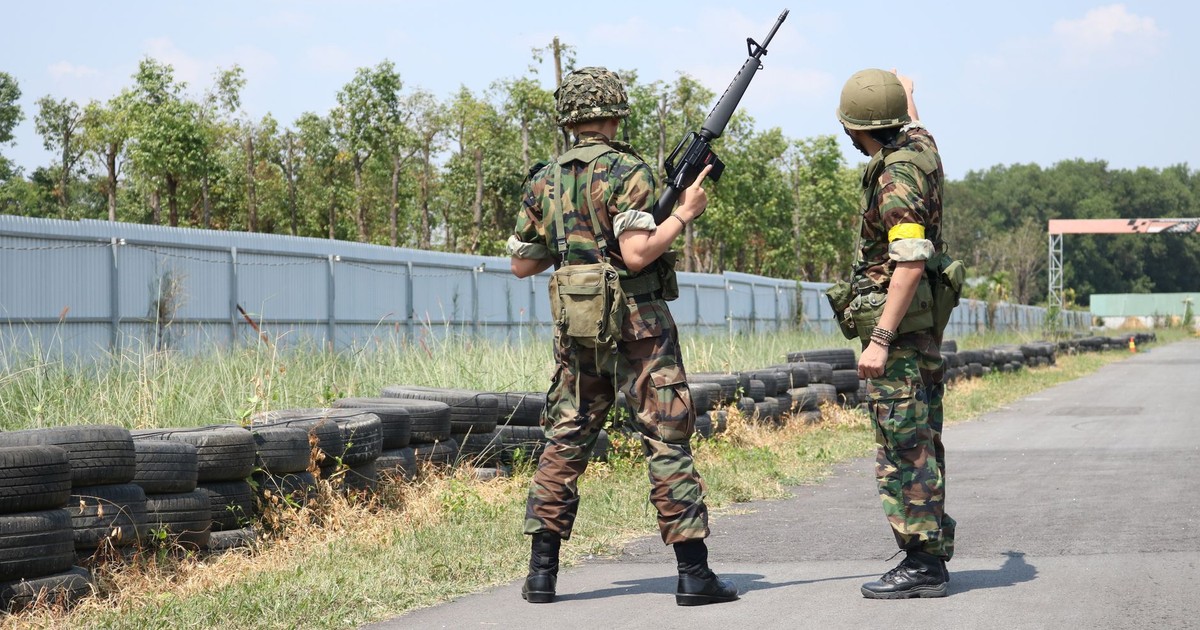
Oliver Stone’s gritty portrayal of war in films like Platoon and Born on the Fourth of July comes from lived experience, not research. Before Hollywood, Stone dropped out of Yale to enlist, served two tours in Vietnam, and came back with a Purple Heart and material that took him years to turn into film.
Platoon, which won the Academy Award for Best Picture in 1987, was built from memories. Best Life Online notes that Stone spent over a year serving in Vietnam before his career in Hollywood began. Every scene in that film was written by someone who had actually been there, and audiences could feel it in a way that set the movie apart from every other war film of its era.
Mr. T, U.S. Army Military Police
Born Laurence Tureaud, Mr. T enlisted in the U.S. Army in 1975 and served in the Military Police Corps. He performed so well in basic training that he was named the top trainee out of 6,000 recruits, earning a letter of recommendation from his drill sergeant.
The gold chains, the mohawk, and the A-Team persona came later. What was already there, by the time any of that happened, was a man who had been formally recognized as the most disciplined recruit in his intake class. That fact sits in his official military record alongside the performance reviews.
Ed McMahon, U.S. Marine Corps Fighter Pilot
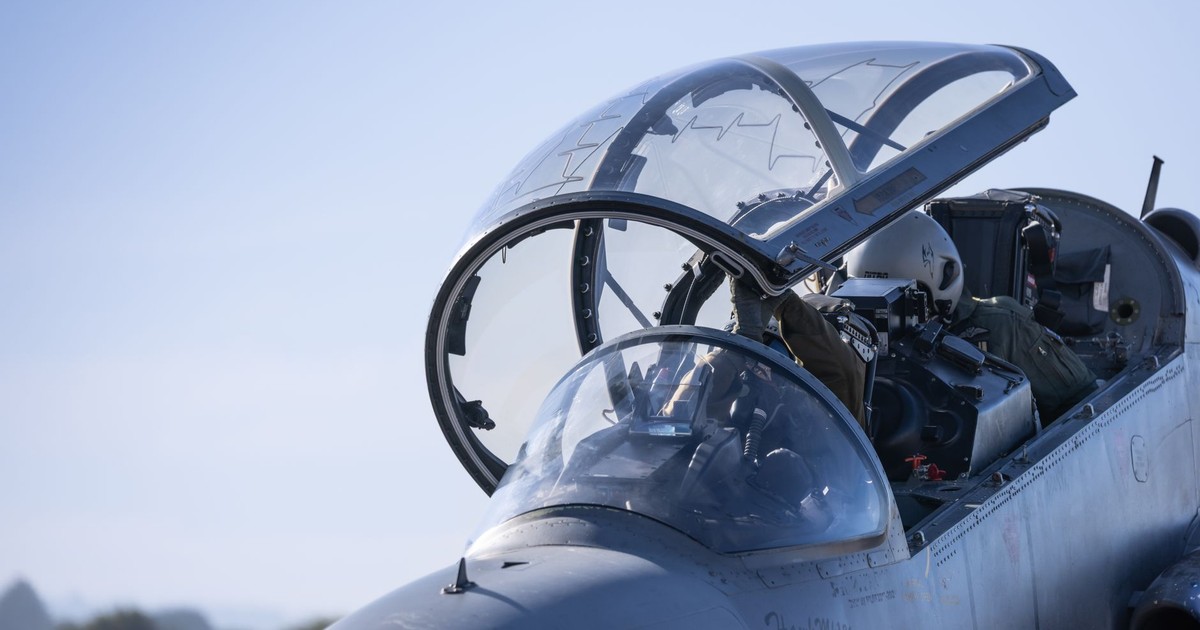
Before his legendary 30-year partnership with Johnny Carson on The Tonight Show, Ed McMahon served as a U.S. Marine Corps pilot. He was commissioned in 1944, earned his pilot’s wings, and later flew 85 combat missions over North Korea during the Korean War in an unarmed observation aircraft, earning six Air Medals. He ended his military career as a colonel.
Most people who watched The Tonight Show saw only the warm, deferential sidekick. Behind that was someone who had flown dozens of combat missions in a plane with no weapons to fire back with. The professionalism that made him Carson’s ideal partner was developed somewhere considerably more dangerous than a television studio.
Morgan Freeman, U.S. Air Force
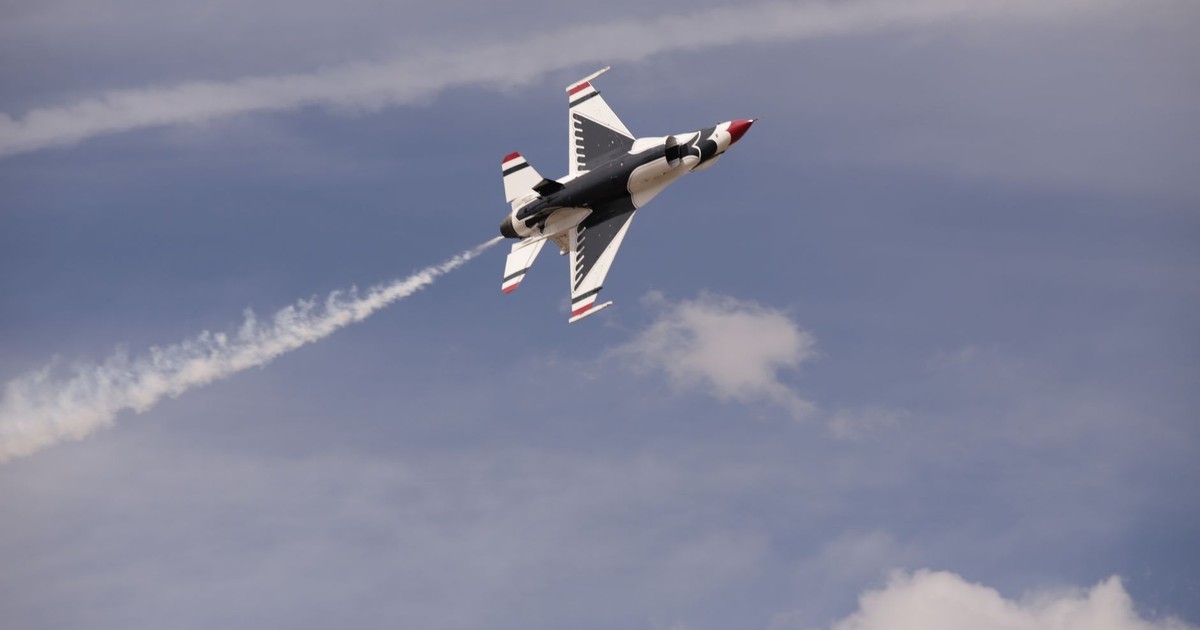
Before Hollywood, Morgan Freeman joined the U.S. Air Force in 1955 as a radar technician. Inspired by war movies, Freeman enlisted eager to serve, but the experience clarified something else: his real interest was acting, not radar screens. He left the military to pursue it.
Freeman has spoken about the moment in the Air Force when that became obvious to him. The two Academy Award nominations and the win for Million Dollar Baby suggest the detour was worth taking. The clarity, he has implied, required being in uniform to produce.
Bea Arthur, U.S. Marine Corps Women’s Reserve
The Golden Girls star enlisted in the Marine Corps Women’s Reserve during World War II. She worked as a typist at Marine Corps headquarters in Washington, D.C., then transferred to North Carolina where she drove trucks and worked as a dispatcher. She received an honorable discharge in 1945 with the rank of staff sergeant.
Bea Arthur spent years afterward building one of the most distinctive careers in American comedy, winning Tony and Emmy Awards and becoming one of television’s most beloved figures. Driving military trucks in North Carolina bears no obvious resemblance to the perfectly timed withering remarks she delivered as Dorothy Zbornak. But the self-possession that made those remarks land had been trained into her somewhere far less glamorous than a studio lot.
George Carlin, U.S. Air Force
George Carlin joined the Air Force in 1954, after dropping out of high school. He was trained as a radar technician and stationed at Barksdale Air Force Base in Bossier City, Louisiana. He also worked as a disc jockey at a local radio station while on active duty, which gave him his first real broadcasting experience.
His military career did not end on good terms. Carlin received three court-martials for infractions including falling asleep on guard duty, failing to obey a lawful order, and disrespecting a non-commissioned officer. The man who would become America’s most celebrated anti-establishment comedian had his authority problems formally documented in an official military record before he ever set foot on a stage.
Pat Sajak, U.S. Army
Before becoming a household name on Wheel of Fortune, Pat Sajak served in the Army, initially as a finance clerk before being transferred to Saigon as a DJ for the Armed Forces Radio and Television Services. He was essentially doing the job that would define his civilian career while stationed in a war zone. The connection between the disc jockey in Saigon and the game show host who has spun the wheel for more than four decades is more direct than most viewers have ever considered.
Arnold Schwarzenegger, Austrian Army
Born in Austria, Schwarzenegger served a year in the Austrian Army in 1965, at the time a compulsory requirement for all males over the age of 18. While serving, he slipped off base to participate in the Junior Mr. Europe bodybuilding competition. He won. Upon his return, he was placed in a military jail for a week.
The punishment did not slow him down. He went on to become a seven-time Mr. Olympia winner, the highest-paid film star in the world, and eventually the Governor of California. The unauthorized bodybuilding competition that landed him in a military jail cell turned out to be a preview of exactly how he would approach every obstacle that followed: ignore the rules that seem arbitrary, enter anyway, and deal with the consequences after.
What the Uniform Leaves Behind
The most consistent thread across these 15 stories isn’t discipline, though that comes up often. It’s the clarity that arrives when someone is genuinely tested, when they live inside a structure where the stakes are real and the people around them depend on them in ways that no Hollywood set or recording studio ever replicates. Kris Kristofferson turned down West Point to mop floors in Nashville and eventually landed a helicopter on Johnny Cash’s lawn. Adam Driver said for years afterward that missing his Iraq deployment was “pretty devastating.” George Carlin collected three court-martials and went on to become the voice of American dissent for half a century.
None of these careers would have been identical without the service that preceded them. That doesn’t mean the military made them better people. The evidence on that is complicated, and Carlin himself would have had something sharp to say about anyone who claimed otherwise. What it does mean is that when you look closely at who these public figures were and where their most defining qualities came from, the uniform years appear in the résumé in ways the official biography rarely mentions. The grit that audiences recognized onscreen or onstage had, in most cases, already been field-tested somewhere considerably less glamorous than wherever they became famous.
Disclaimer: This information is not intended to be a substitute for professional medical advice, diagnosis, or treatment and is for information only. Always seek the advice of your physician or another qualified health provider with any questions about your medical condition and/or current medication. Do not disregard professional medical advice or delay seeking advice or treatment because of something you have read here.
AI Disclaimer: This article was created with the assistance of AI tools and reviewed by a human editor.