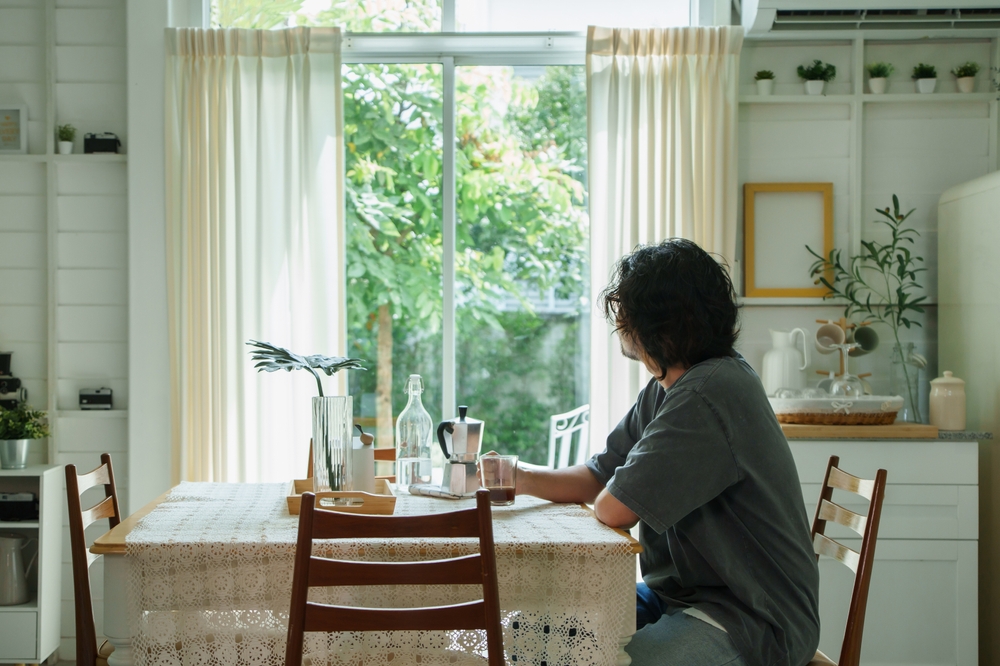

There is a common belief that people who spend less time socializing must be lonely, awkward, withdrawn, or somehow missing out on life. That idea gets repeated so often that many people start treating constant interaction as the standard for emotional wellness. But that view misses something important. Not everyone thrives in crowded rooms, endless group chats, or a packed social calendar. For some people, stepping back from social activity is not a warning sign at all. It can reflect self-awareness, discipline, strong personal standards, and a real understanding of what helps them feel their best. Choosing less social noise does not automatically mean someone is sad or disconnected. In many cases, it means they are selective, intentional, and protective of their time and energy. They may still care deeply about people, love meaningful conversations, and value connection, but they do not feel the need to be constantly available to everyone around them. That difference matters. A person who avoids socializing may not be rejecting life. They may be rejecting pressure, distraction, and relationships that drain more than they give. And in doing that, they often develop traits that support better emotional balance, stronger thinking, and a more satisfying day-to-day life.
They Know How To Protect Their Energy
People who avoid socializing often have a sharper sense of what drains them and what restores them. They are usually not avoiding people for no reason. They have learned, either through experience or instinct, that too much social interaction can leave them mentally exhausted, emotionally worn down, or unable to focus on what matters most. Because of that, they become careful with where their energy goes. This is a healthy trait, even if other people misread it as aloofness or distance. Knowing your limits is part of emotional maturity. It means you are not constantly saying yes just because you feel guilty, pressured, or afraid of being judged. Instead, you learn how to step back before resentment builds. You understand that being drained all the time is not a badge of honor. It is often a sign that your boundaries are weak or that your life is too shaped by other people’s demands. A person who protects their energy tends to recover faster, think more clearly, and stay more emotionally even. They are also less likely to give the fake version of themselves just to keep everyone comfortable. That kind of self-protection is not selfish. It is one of the clearest signs that a person knows how to care for their inner world.
They Usually Have Stronger Boundaries
A person who avoids socializing often becomes good at saying no. That skill may sound basic, but it is one of the hardest and healthiest abilities a person can build. Many people fill their schedules with dinners, outings, calls, obligations, and casual meetups they never really wanted, then wonder why they feel irritated and depleted. Someone who steps back from social pressure is often better at recognizing when an invitation feels more like a burden than a pleasure. They do not treat access to their time as automatic. They understand that every yes costs something, whether that is rest, concentration, personal time, or emotional space. Because of that, they tend to be more deliberate with their commitments. Their boundaries are not always loud, but they are often firm. They know they do not need to explain every choice or soften every refusal just to make others comfortable. This trait helps them avoid burnout and resentment, but it also improves their relationships. Boundaries make interactions more honest. When a person agrees to spend time with you because they truly want to, not because they feel trapped into it, the connection tends to feel more real. In that sense, avoiding socializing can reflect strong self-respect rather than social failure.
They Are Often More Comfortable Being Alone
One of the healthiest traits a person can have is the ability to be alone without falling apart. People who avoid socializing often build this strength early or develop it after learning that constant company does not automatically create fulfillment. Being alone can teach patience, self-trust, and emotional endurance. It gives a person room to think without interruption and feel without performing. Someone who is comfortable alone does not need constant distraction to get through the day. They are less likely to chase a company just to escape their own thoughts. That can make them more stable and less reactive, because they are not always depending on outside stimulation to feel okay. This does not mean they never want companionship. It means companionship is a choice, not a survival tool. People who can enjoy their own company usually know themselves better. They have spent enough time with their thoughts to understand what they care about, what they tolerate, and what they need. That kind of inner familiarity supports better choices in work, friendship, and love. A person who can sit with themselves without panic or desperation is often far healthier than someone who is constantly surrounded by people but unable to handle an evening alone.

They Tend To Be More Selective About Relationships
Avoiding socializing does not always mean rejecting connections. Very often, it means refusing a shallow or unfulfilling connection. People who limit social time are often more selective about who they let into their world. They may have fewer friendships, but those relationships are more intentional. They do not want to be everywhere with everyone. They want conversations that matter, people they can trust, and interactions that leave them feeling better rather than depleted. This selectiveness is a healthy trait because it protects them from the emotional chaos that comes with trying to please too many people at once. It also helps them avoid relationships built on convenience, performance, or social habit. Many people stay tangled in weak friendships simply because they fear looking alone. Someone who is willing to step back from social life is often less controlled by that fear. They would rather have one honest connection than a long list of people they cannot truly rely on. This way of relating can lead to stronger loyalty and deeper trust. It may look less impressive from the outside, especially in a culture obsessed with networking and visibility, but quality has always mattered more than volume when it comes to human connection.
They Spend Less Time Performing For Other People
A person who avoids socializing often escapes one of the most exhausting parts of modern life, constant performance. Social spaces, whether online or in person, can pressure people to present themselves in a certain way. They may feel pushed to be more outgoing, more entertaining, more agreeable, more attractive, or more available than they really are. That pressure wears people down, especially when it becomes a daily pattern. Someone who pulls back from socializing often spends less time managing other people’s impressions and more time living in a way that feels honest. This can support stronger mental and emotional health because it reduces the strain of pretending. They are not always adjusting their expression to fit the group. They are not always measuring themselves against the room. They are not constantly reading faces to make sure they are being liked. Instead, they are able to live with less social theater in their day. That does not make them antisocial. It often makes them more authentic. A person who is not always performing tends to be more secure in who they are, because they are building their identity from the inside rather than from applause, approval, or attention.
They Often Think More Before They Speak
People who socialize less are often more reflective in conversation. Because they are not constantly talking just to fill space, they may place more value on words and use them with more care. This can make them better listeners and more thoughtful communicators. They are often less interested in dominating a room and more interested in saying something that actually matters. That trait supports healthier relationships because it lowers unnecessary conflict and reduces careless communication. A person who thinks before they speak is less likely to say things they do not mean simply to keep the energy going. They are also less likely to reveal everything too quickly, which can be a sign of self-control and emotional intelligence. In a world where many people talk fast, post fast, react fast, and regret it later, restraint can be a strength. Someone who avoids socializing may develop richer inner processing because they spend more time thinking than broadcasting. This does not mean they are always right or always wise. It means they are often more deliberate. That deliberation can lead to stronger judgment, more measured reactions, and fewer pointless misunderstandings, all of which contribute to a healthier emotional life.
They Are Less Dependent On External Validation
Many people use social interaction as a way to confirm their worth. They feel better when they are invited, noticed, praised, or included. While there is nothing wrong with enjoying acceptance, it becomes unhealthy when a person cannot feel secure without it. People who avoid socializing often develop less dependence on that kind of validation. Since they are not constantly placing themselves in social spaces where approval becomes the currency, they are more likely to build a sense of worth that does not rely on being seen all the time. This can make them more emotionally durable. They do not need every message returned right away to feel important. They do not need to be part of every plan to feel loved. They do not measure their value by how many people want access to them. This trait protects mental health because it creates distance from social comparison and rejection sensitivity. A person who is less driven by external validation is freer to make choices based on what actually suits them, not what looks best to others. That freedom can make them more self-directed, less anxious, and more honest in their decisions. Real security often grows when a person stops asking the crowd to tell them who they are.
They Usually Handle Solitude Better Than Most
Solitude and loneliness are not the same thing, yet many people confuse them. Loneliness is distressing. Solitude can be nourishing. People who avoid socializing are often better at turning time alone into something useful or enjoyable. They do not always view an empty schedule as a problem that must be fixed. Instead, they may use that space to think, create, read, plan, reflect, or rest. This is a healthy trait because it allows them to recover without panic and function without constant stimulation. A person who handles solitude well is usually less likely to make reckless choices just to escape an empty evening. They are less vulnerable to social pressure because they do not treat being alone as failure. They are also more capable of hearing themselves clearly. When life is full of noise, people often miss their own instincts. Solitude creates room for those instincts to come forward. It allows a person to notice what they feel before someone else tells them what they should feel. That can strengthen judgment and deepen self-trust. A person who can spend meaningful time alone is often more internally stable than someone who needs constant company to avoid facing their own mind.
They Are More Likely To Have A Rich Inner Life
People who avoid socializing often build strong lives inside their own minds. They may think deeply, imagine vividly, observe carefully, and process experiences in a way that is less obvious from the outside. This rich inner life can support emotional and mental wellness because it gives them somewhere meaningful to go when the outer world feels loud or demanding. Instead of needing nonstop interaction, they can engage with ideas, interests, and reflections that keep them mentally active and emotionally engaged. This trait is often misunderstood. People sometimes assume that a quieter person has less going on, when the opposite may be true. A reduced appetite for socializing can create more room for thought, creativity, and self-examination. That inner depth can also make a person less impulsive. They are not just reacting to whatever is happening around them. They are interpreting, weighing, and considering. In many cases, this leads to stronger discernment. It becomes easier to detect when something feels wrong, shallow, manipulative, or draining. A rich inner life does not replace relationships, but it can make a person less desperate for them. That lowers the risk of attaching to the wrong people simply because silence felt uncomfortable.
They Can Be More Self-Reliant
Avoiding socializing can sometimes build self-reliance in practical and emotional ways. A person who is used to spending a lot of time alone often learns how to solve problems without immediately leaning on a crowd. They become more comfortable making decisions, managing their routines, and handling difficult moments without constant input. This can support better health because it reduces helplessness and dependence. A self-reliant person is often less likely to panic when support is not instantly available. They know how to sit with uncertainty, think through options, and move forward without needing five people to tell them what to do. Emotionally, this can make them more balanced in relationships too. They do not treat every friend or partner like a rescue service. They may still ask for support when it matters, but they are not always outsourcing their emotional regulation. This is a healthy trait because it allows connection to be based on mutual care rather than constant emotional extraction. A person who can carry themselves well is often stronger under pressure and harder to manipulate. Their sense of stability comes from within, not from being endlessly surrounded by voices telling them what to feel or how to cope.

They Waste Less Time On Social Drama
The more social circles a person moves through, the greater the chance of becoming tangled in conflict, gossip, comparison, and emotional mess. People who avoid socializing often sidestep much of that chaos. They are less likely to get swept into group tension, hidden rivalries, passive-aggressive behavior, or endless analysis of who said what. This matters more than people realize. Social drama can quietly drain mental energy, damage mood, and create stress that serves no real purpose. Someone who limits social involvement often protects themselves from problems that never needed to become theirs in the first place. That allows more room for useful thought, healthier routines, and emotional stability. They may also become more skilled at spotting unnecessary conflict early because they are not addicted to the stimulation that drama can create. Instead of being pulled into every emotional storm, they are better at asking whether something deserves their attention at all. This trait helps preserve mental health. It also supports stronger relationships, because a person who avoids drama is often less reactive, less intrusive, and less likely to keep unhealthy cycles alive. Sometimes, the healthiest move is not winning the social game, it is refusing to play it.
They May Sleep Better And Recover Faster From Overstimulation
For many people, socializing is energizing. For others, it is mentally taxing, even when they like the people involved. Conversation, noise, group dynamics, and the pressure to stay engaged can create a buildup of tension that lingers after the event is over. People who avoid socializing often recognize this in themselves. They know that too much interaction can leave them restless, wired, and unable to fully settle. By limiting those experiences, they may recover faster and protect their nervous system from unnecessary strain. This does not mean they live in fear of people. It means they respect how their body and mind respond to social load. That awareness is healthy. A person who understands what overstimulates them is better equipped to shape a life that supports real rest. They are also less likely to confuse exhaustion with laziness or force themselves into situations that leave them depleted just to meet social expectations. Giving yourself enough recovery time is part of health, not a sign of weakness. Someone who avoids socializing may be doing exactly what their mind and body need, even if more outgoing people do not understand that choice.
They Are Often Better At Enjoying Their Own Interests
People who spend less time socializing usually have more opportunities to develop personal interests without interruption. They may read more, make more, learn more, build more, or spend more time refining whatever matters to them. This is a healthy trait because it creates a life with internal substance. Instead of waiting for other people to make life interesting, they know how to engage with their own interests in a real way. That can increase confidence and satisfaction, because their sense of fulfillment is not always dependent on plans, invitations, or group approval. People who are deeply engaged in their own interests also tend to be less bored with life. They do not need constant entertainment from others because they already have something meaningful to return to. This can make them more focused and more resilient during empty or difficult periods. A strong relationship with your own interests is a sign that you know how to build a life from the inside. It also makes a person more interesting in the long run, because depth usually grows in private before it becomes visible in public. Someone who avoids socializing may not look highly connected on the surface, but they may be developing a life that is far richer than it appears.
They Are More Intentional With Their Time
Time is one of the most valuable things a person has, and people who avoid socializing often understand that more clearly than most. Because they are not eager to fill every open slot with interaction, they tend to think more carefully about how they spend their hours. They may plan their days around work, recovery, reflection, family, or personal priorities rather than saying yes to whatever comes up. This can make them healthier because it reduces chaos and helps them live in alignment with what actually matters to them. A person who is intentional with time is less likely to drift through life reacting to other people’s agendas. They are better at protecting focus and preserving enough space to meet their own needs. That does not mean they never waste time or never get distracted. It means they are usually more aware that every commitment carries a cost. In a culture that often praises busyness for its own sake, that awareness is valuable. Someone who avoids socializing may not be missing out at all. They may be investing their time where it creates the most value, satisfaction, and recovery. That kind of intentional living is a strong sign of personal health, not social failure.
They Are Less Easily Swept Up By Group Pressure
Group settings can influence people more than they realize. When surrounded by others, many people adjust their opinions, behavior, or standards just to fit the mood. People who avoid socializing are often less exposed to that pressure, which can make them more independent thinkers. They are less likely to follow a trend simply because everyone around them is doing it. They are less likely to make choices just to stay accepted by a crowd. This is a healthy trait because it protects a person from making decisions that conflict with their values or better judgment. Someone who spends less time in social environments often has more practice listening to their own reasoning. They are not constantly bending under the weight of what the group wants, expects, or rewards. That can lead to stronger self-trust and more consistency in how they live. It also helps them avoid a lot of regret. People who are less ruled by group pressure tend to make fewer choices that they later realize were driven by fear of exclusion. A person who can stand apart from the crowd without panic often has stronger internal direction than someone who needs constant agreement to feel secure.
They Often Value Depth More Than Attention
People who avoid socializing are frequently less impressed by surface-level attention. They may care less about being popular, being included everywhere, or having a large circle for appearance’s sake. Instead, they often place more value on depth, in conversation, in friendship, in work, and in personal growth. This is a healthy trait because depth tends to produce more lasting satisfaction than attention ever can. Attention is fast and often empty. Depth takes longer, but it creates something real. A person who wants depth is more likely to build meaningful relationships, think carefully, and stay connected to what actually matters. They are less distracted by social competition and less likely to burn themselves out trying to remain visible. This does not mean they are better than outgoing people. It means they are often oriented toward a different kind of reward. Instead of chasing more contact, they want better contact. Instead of more noise, they want more substance. That mindset can lead to a healthier emotional life because it lowers the craving for constant stimulation and approval. A person who avoids socializing may not be withdrawing from life; they may be choosing a richer version of it.
It is not always isolation; it can be discernment
Of course, avoiding socializing is not always healthy. In some cases, it can come from pain, fear, burnout, or unresolved hurt. But it is a mistake to assume that every socially selective person is struggling in a harmful way. Sometimes what looks like withdrawal is actually discernment. Sometimes it is a sign that a person has learned not every invitation deserves a yes, not every friendship deserves access, and not every room deserves their presence. That kind of discernment is valuable. It can protect mental health, preserve emotional energy, and support a more honest way of living. The healthiest people are not always the loudest, the most available, or the most socially active. Sometimes they are the ones who know when to step back, who to trust, and how to build a life that does not depend on constant social contact to feel meaningful. A person who avoids socializing may be less interested in fitting the script and more interested in living well. That is not something to pathologize. In many cases, it is a sign of maturity. It reflects someone who knows themselves well enough to stop performing connections and start choosing it with real care.
This article was created with the assistance of AI tools and reviewed by a human editor.