
A leech collector waded barefoot into a cold marsh, let blood-sucking worms fasten to her legs for up to twenty minutes, peeled them off one by one, and dropped them into a barrel. She repeated this daily until she had enough to sell.
That was a real job. Women did it for decades.
These obsolete jobs women held across history were often varied, demanding, and genuinely bizarre. Some kept cities running, put men in space, or held royal ceremonies together. The women who did them were often invisible to the historical record.
The Leech Collectors of Victorian England
The European medicinal leech, Hirudo medicinalis, was considered a cure-all across 19th-century Europe. It was used to treat everything from cancer to tuberculosis to mental illness.
A leech collector waded into bogs and marshes, often barefoot, and let the leeches clamp onto bare skin. More commonly, the collector used her own legs, gathering the leech after it had finished feeding. Many in the profession suffered from the effects of blood loss and infections spread by the leeches.
At the height of the craze, France alone imported tens of millions of leeches each year. Collectors faced hazards including fatigue, extreme blood loss, and infections from organisms in the leech’s gut or transmissible diseases like syphilis. The work was seasonal and exhausting, and it eventually collapsed when the medicinal value of bloodletting was questioned in the mid-to-late 19th century, under the influence of Rudolf Virchow’s work on cellular processes and the rise of germ theory.
National Geographic documents how the industrial-scale harvesting of the 19th century drove the European medicinal leech to scarcity across much of its former habitat.
The Telephone Girls Who Ran America’s Switchboards
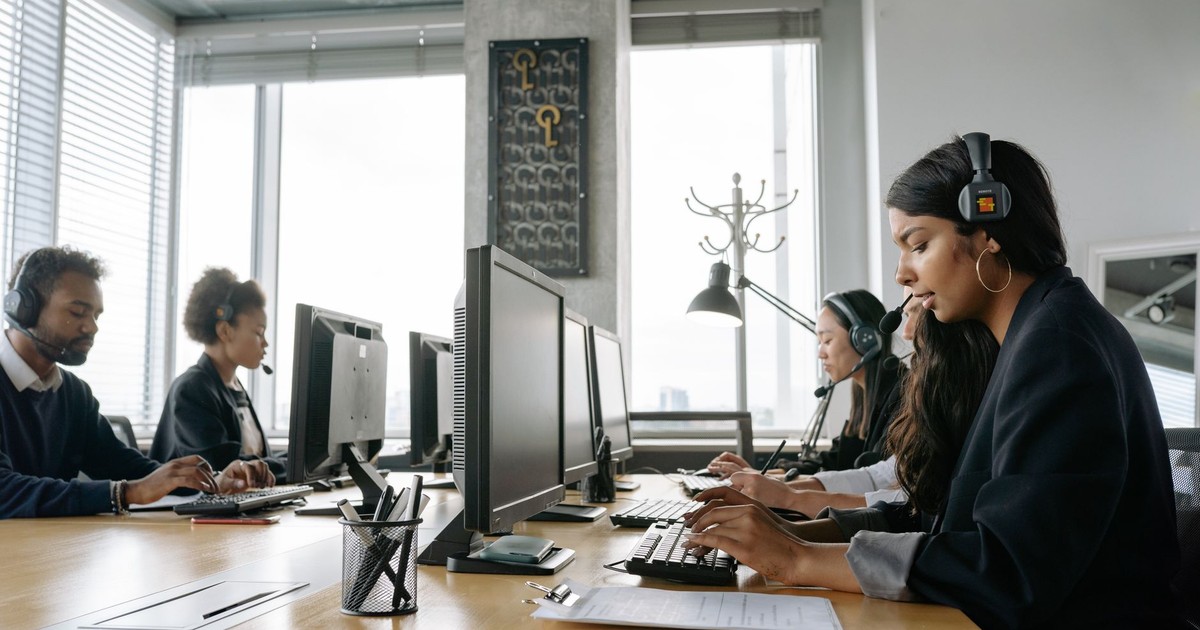
Before you could dial a number yourself, you had to go through her. In the early days of the telephone, users called the telephone exchange where an operator manually relayed the call using a central switchboard.
The first telephone operators were teenage boys, and they were terrible at the job. Their pranks and cursing were unacceptable for live phone contact. When Emma Nutt reported for work at the Edwin Holmes Telephone Dispatch Company in Boston on September 1, 1878, she became the world’s first woman telephone operator. Hours later, her sister Stella became the world’s second. Emma reportedly had a calm, soothing voice and could remember every number in the New England Telephone Company directory. She earned $10 a month for a 54-hour workweek.
By 1930, there were an estimated 235,000 women working as telephone operators.
Operators were not allowed to speak to one another and were expected to sit with perfect posture for long hours, maintaining a pleasant demeanor throughout. In some city exchanges, the call volume ran so high that operators wore roller skates to get between stations faster. Only women who were single, between 17 and 26, tall enough to reach the top of the switchboard, and not Black or Jewish could be employed. Historic New England’s records document how companies like the Southern New England Telephone Company managed their all-female operator floors right through the mid-20th century, before automation finally rendered the switchboard unnecessary.
The Royal Herb Strewer
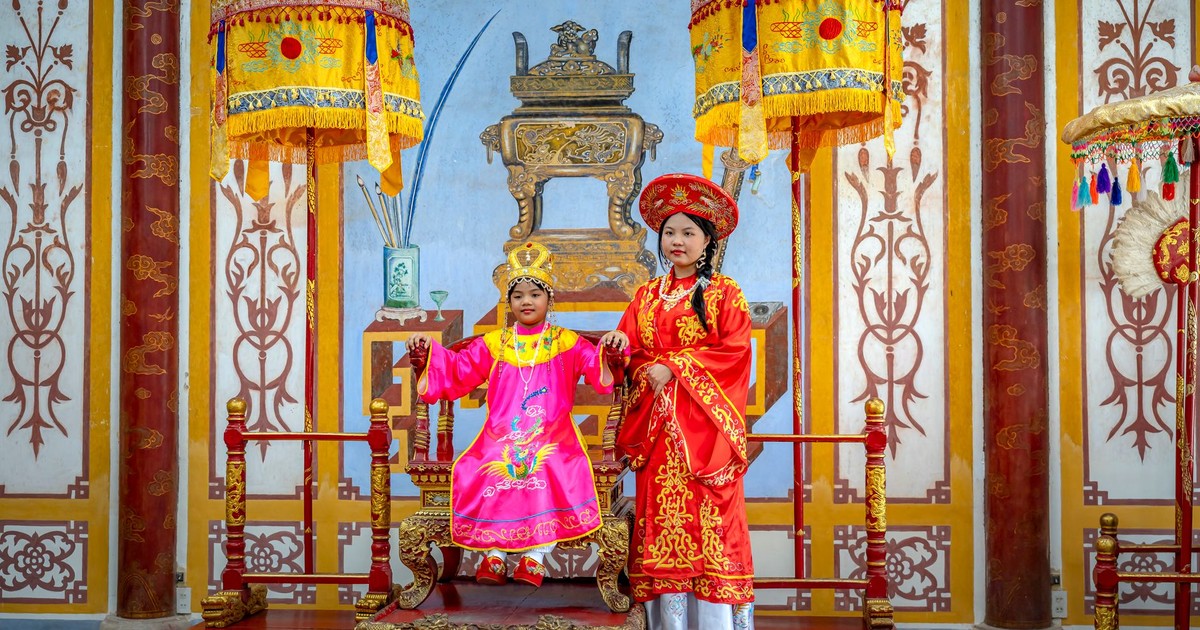
The herb strewer role was created in 1660 by King Charles II. The strewer scattered sweet-smelling herbs and flowers along paths the monarch would travel, both inside the palace and out. Herbs and flowers, including pennyroyal and lavender, helped mask the foul smells coming from the Thames, which was used as a dump for sewage.
The first woman to occupy the role was Bridget Rumney, who earned £24 per year. Mary Rayner was the last known full-time herb strewer, employed in the 18th century. In 1821, Anne Fellowes was appointed as herb strewer for George IV’s coronation, where she and six “herbswomen” scattered flowers from the start of the royal procession to Westminster Abbey. They were the only women to attend the event.
The Vivandières: Women at the Front Lines of War
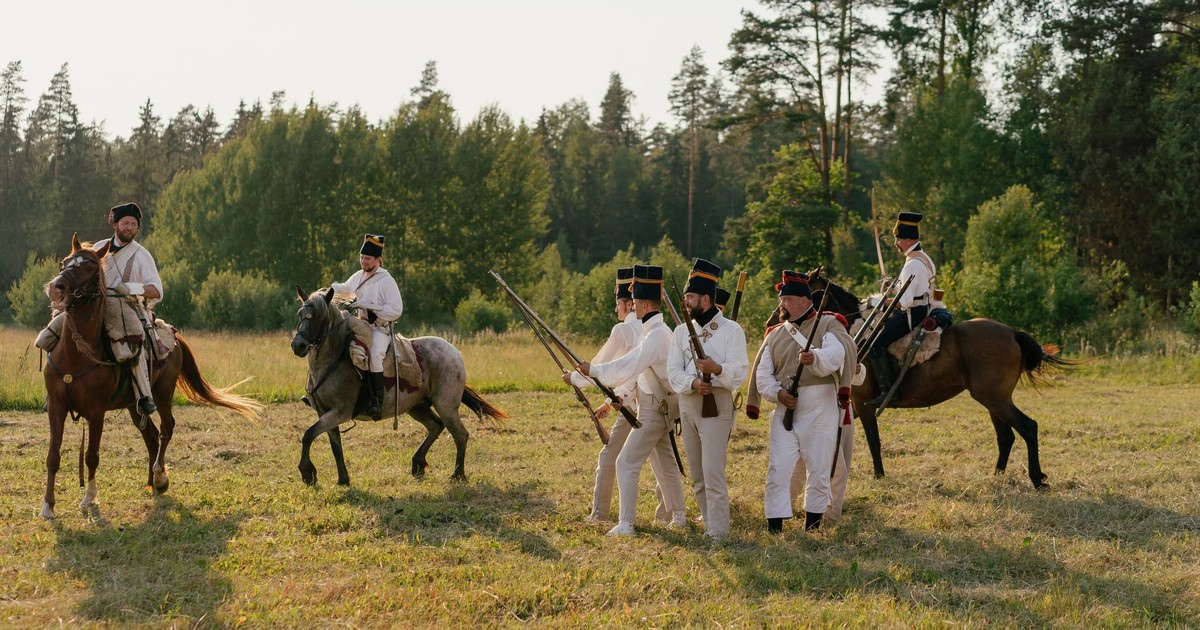
The French military had a category of woman called a vivandière, and she was far more than a camp follower. Vivandières served as first-aid providers alongside military regiments during wartime. These women attended to wounds, cooked, sewed, and carried full canteens for soldiers on duty. The term vivandière, meaning “hospitality giver,” traveled into non-French-speaking countries: vivandières were employed during the American Civil War, marching under American regimental flags in adapted military uniforms.
These women were considered honorable and highly respected at the time. They marched with regiments, often through active combat zones. Some were awarded military commendations. Their work covered what we’d now call emergency medical care, logistics, and morale support. The profession faded as warfare became more formally organized and the military developed its own medical corps.
Professional Mourners
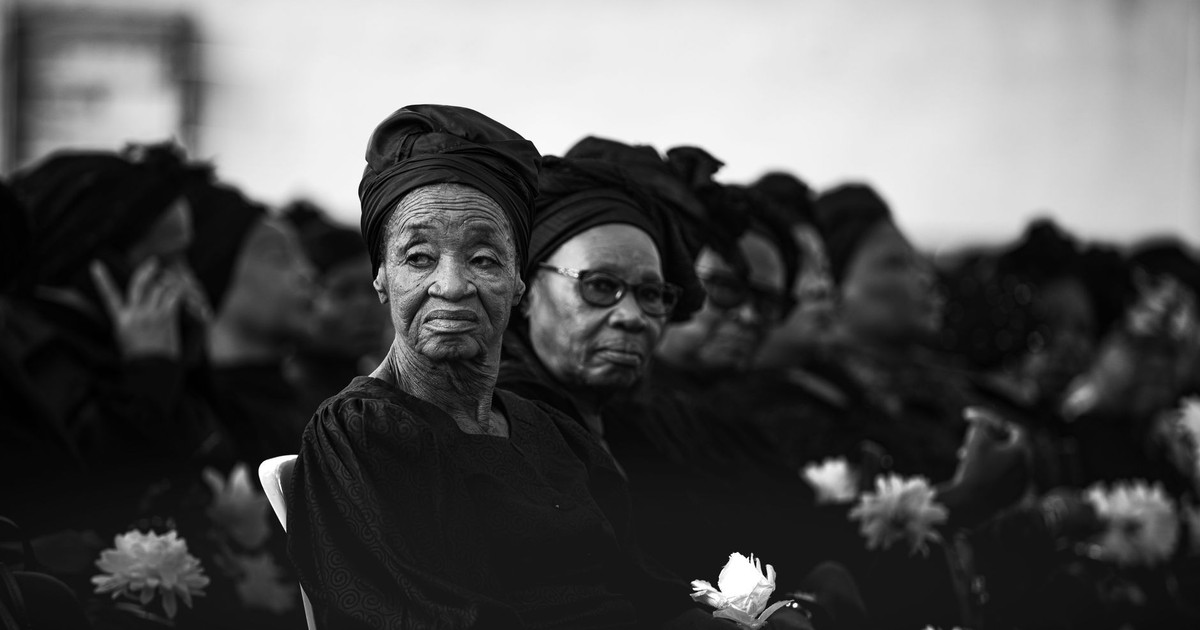
Across several ancient societies, women were hired to do professional mourning. For prominent figures, or those whose social standing wasn’t high enough to guarantee crowds of grief-stricken attendees, professional mourners would turn up, tear their hair, cover themselves in dirt, and generally conduct themselves as though the passing of the deceased was an unmitigated catastrophe.
Women were often seen as arbiters of the dead, and their cries of anguish were held in various cultures to help souls reach peace in the underworld. The practice was widespread across ancient Egypt, Greece, and Rome, and persisted in various forms well into the medieval period in parts of Europe. It was a formal ritual role, considered essential to a proper send-off. Versions of the tradition survive in places like modern Sardinia, but nobody can earn a living at it anymore.
The grieving-for-hire economy collapsed partly because of shifting religious frameworks around death and partly because funerals gradually moved indoors, into churches, where organized weeping by strangers wasn’t on the order of service.
The Women Who Were the Computers
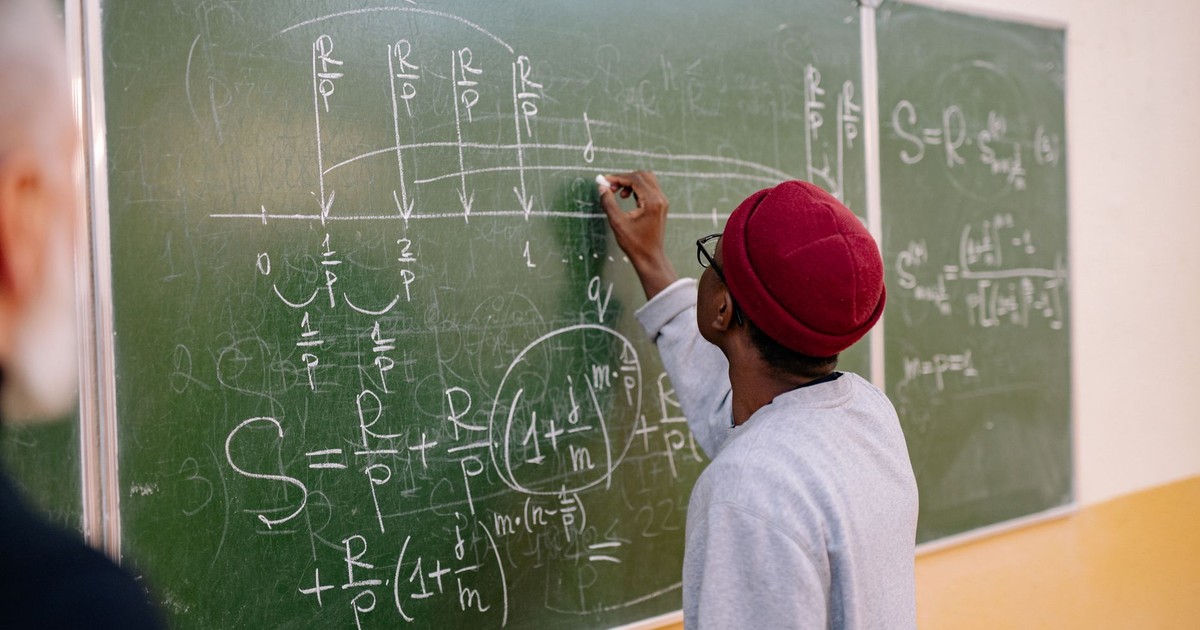
Before the word “computer” described a machine, it described a person, specifically a person who performed mathematical calculations by hand. For much of the 20th century, that person was almost always a woman.
In the 1930s, the Works Progress Administration began hiring its own human calculators to support engineers. Women were welcome as computers partly because the work was viewed as a dull, low-status activity. At JPL, supervisor Macie Roberts deliberately hired only women, believing men would undermine the cohesion of the group and not take direction well from a woman.
According to History.com, Barbara Canright joined California’s Jet Propulsion Laboratory in 1939. As the first female “human computer,” her job was to calculate anything from how many rockets were needed to make a plane airborne to what kind of propellants were needed to propel a spacecraft. These calculations were done by hand, with pencil and graph paper, often taking more than a week to complete and filling up six to eight notebooks with data and formulas. Katherine Johnson joined the team at Langley in 1953. A physicist, space scientist, and mathematician, Johnson provided the calculations for Alan Shepard’s historic first flight into space, John Glenn’s orbit of the earth, and the trajectory for Apollo 11’s moon landing. These were the calculations on which human lives depended.
When electronic computers finally arrived, male engineers initially dismissed the machines as unreliable and handed them to the women, who became the first computer programmers as a result. The reason these pre-electronic computation jobs were feminized, according to historian Mar Hicks, was that they were “seen as rote and de-skilled.” “In a lot of cases, the women doing these computation jobs actually had to have pretty advanced math skills and math training, especially if they were doing very complex calculations.”
Throughout the 1970s and 1980s, swathes of women were pushed out of or left the tech industry, while the home computer boom targeted a new generation of tech innovators: boys. The pipeline that women had built from the inside was handed to someone else.
The Stockholm Rower-Women

From the early 1400s through the early 20th century, Stockholm had “rower women,” a taxiing courier of people and goods across the city’s main river. For roughly five centuries, this was a recognized profession, distinct from male ferrymen and organized into its own guild. The women rowed passengers and cargo across the waterways of Stockholm in exchange for pay, operating as an established part of the city’s transport network.
The profession disappeared as Stockholm modernized its bridges and transit infrastructure, making the river crossings unnecessary. The remarkable thing isn’t just that the job existed, it’s that it persisted for so long, formalized and respected, in a period when most female labor was either domestic or invisible.
The Match Girls and Matchbox Makers
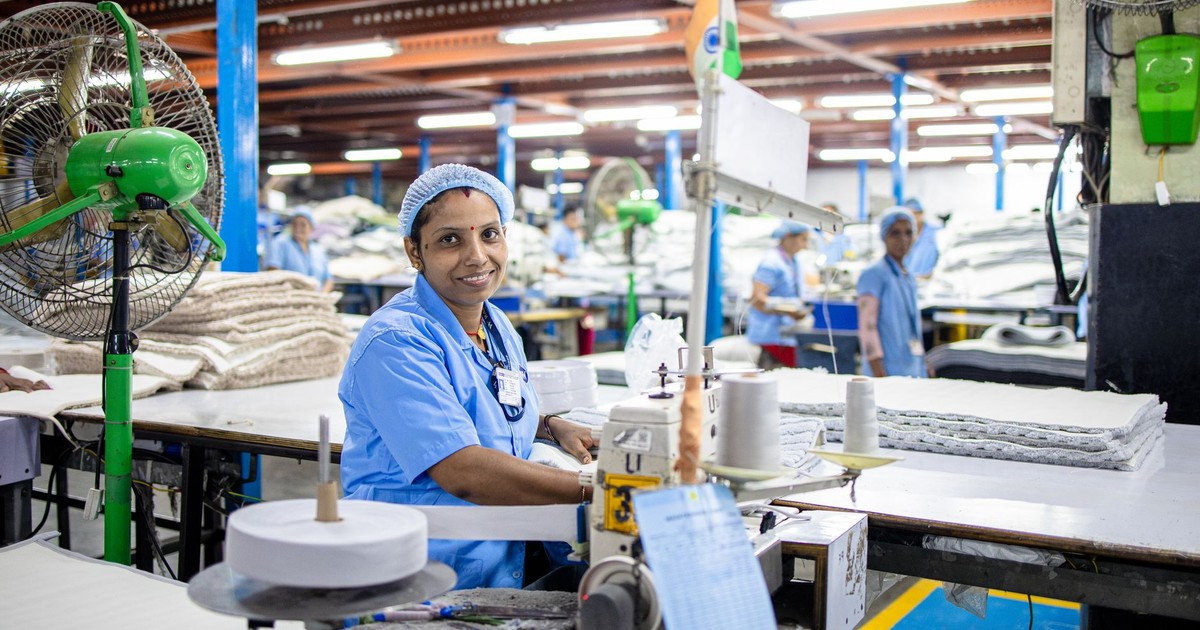
In mid-19th century Britain, young women and girls worked in match factories using white phosphorus, the substance that made the matches light reliably. The phosphorus led several workers, who were mostly young women, to develop “phossy jaw,” a particularly painful condition causing the jawbone to become exposed and, in severe cases, to begin glowing green in the dark from phosphorus saturation.
The condition was disfiguring and often fatal. The factories knew. They kept hiring. The role of matchbox maker and match dipper eventually vanished when safety matches, using red phosphorus instead of white, became the standard, a shift driven partly by legislation and partly by the Bryant & May match girls’ strike of 1888, one of the earliest successful labor actions by women in British history.
What These Jobs Share
Most of these obsolete jobs were held by women precisely because they were considered low-status, unpleasant, or beneath the dignity of men with other options. Leech collecting was for poor women without other prospects. Telephone operating was feminized partly because women could be paid a fraction of what men earned for the same work. Human computing was “women’s work” until men realized it was the foundation of the space program.
Once the computation work at NASA became prestigious, the women who built it were edged out. The pipeline that women had assembled from the inside was handed to someone else. It’s a dynamic that repeated across nearly every field represented here.
Some of these women were skilled professionals doing extraordinary work under extraordinary constraints. Some were desperately poor and had no real choice. Some occupied roles so specific to their time that no modern equivalent exists. The labor was real, the conditions were often hard, and the historical record largely forgot to write them down.
Some of that forgetting was deliberate. Some of it was just the ordinary way that work done by women gets classified as background noise, not important enough to preserve, not dramatic enough to commemorate. The leech collector doesn’t get a plaque. The telephone girl doesn’t get a statue. Katherine Johnson received a Presidential Medal of Freedom in 2015, decades after her calculations sent men to the moon, and only after a book and a film made the case that her work had mattered all along.
The jobs that disappeared didn’t take the women’s competence with them. The same skills that ran a Victorian leech trade, managed a royal procession, or computed a lunar trajectory are the skills that have always made institutions function. The institution just rarely said so at the time.
AI Disclaimer: This article was created with the assistance of AI tools and reviewed by a human editor.