
Most people drive across Nebraska thinking they’ve already seen it: the long, flat interstate, the grain elevators ticking past at 80 miles an hour, the horizon that seems to promise nothing but more horizon. What’s actually down in the southeast corner of the state, pressed against the Missouri River bluffs, is something most of those drivers have never heard of and would not expect to find.
Indian Cave State Park sits about 90 minutes south of Omaha, and it holds two things that don’t often appear in the same sentence: one of the most significant collections of Nebraska petroglyphs in the entire region, and some of the most rugged, forested trail terrain in the Midwest. Neither one is particularly well publicized. Both are worth the drive.
The park’s name comes from its central geological feature, a massive sandstone overhang that reads, from a distance, like a cave entrance carved into the bluffs. Get closer and it opens into something stranger and more dramatic: a rocky shelf sheltering dozens of ancient carvings from the wind and rain that have been wearing at the Great Plains since long before any of this was called Nebraska.
What the Cave Actually Is
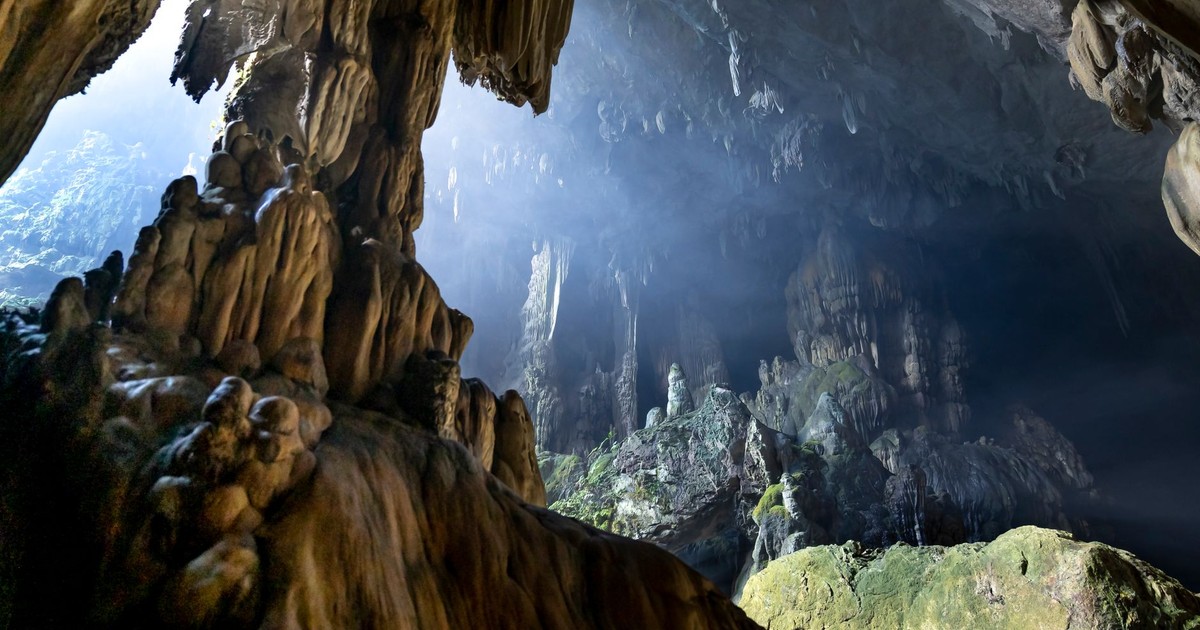
Indian Cave is not actually a true cave at all, but rather a large sandstone overhang that creates a natural rocky roof over the park’s riverside woodlands. A true underground cave would have concealed the petroglyphs from weather entirely, but also from view. The overhang keeps the carvings protected while leaving them completely open to visitors: no ropes, no barriers, no museum glass between you and images that predate the United States by a very long time.
According to the Nebraska Game and Parks Commission, Indian Cave is the main geologic feature of the state park and bears prehistoric Native American petroglyphs of unknown date and origin, viewable from an ADA-accessible boardwalk with seating, information signs, and an 8-foot-wide viewing deck just below the cave opening, from which guests can also see the Missouri River.
The Nebraska Petroglyphs: What’s Actually There
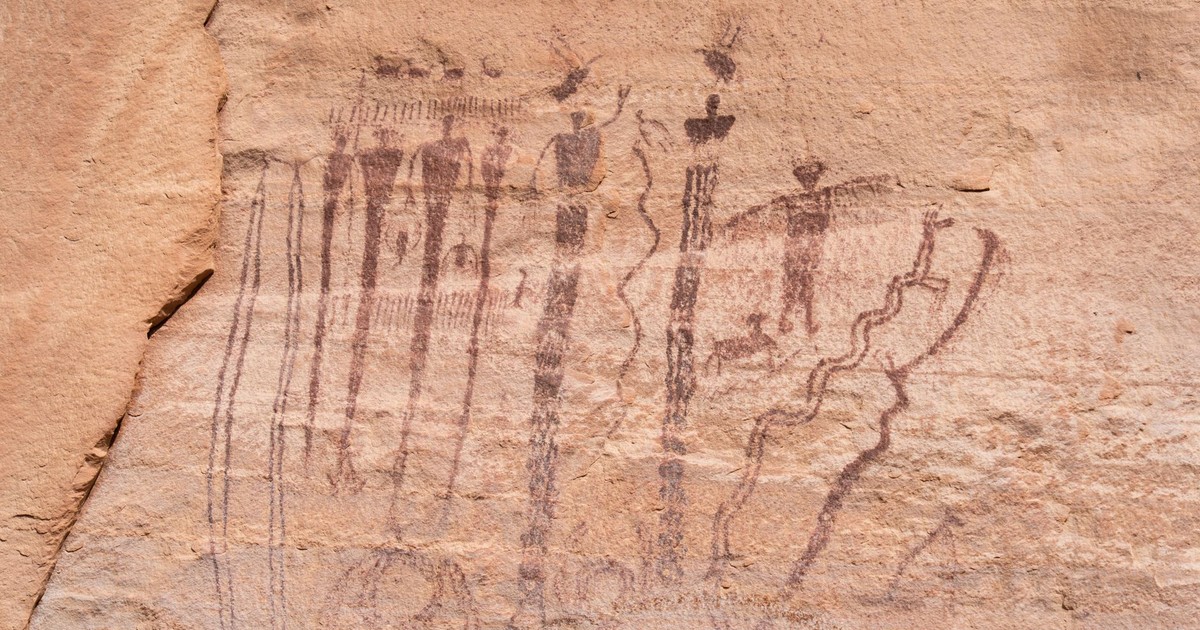
Animal forms, human figures, and abstract symbols cover portions of the wall, a prehistoric art gallery preserved by the protective overhang. Petroglyphs are a rare find anywhere in the Midwest, and the concentration here is among the most accessible in the region.
According to The Clio, the carvings were left by Native Americans approximately 1,500 years ago, though the exact cultural affiliation of the carvers remains debated. Some researchers have associated them with the Otoe and Missouria tribes, who lived in this region and relied on the river for sustenance long before European contact. Images of wild animals and human figures are among the scenes carved into the sandstone walls.
One image in particular catches visitors off guard: a figure on horseback. A 2023 study published in Science found that horses spread from Spanish settlements in the American Southwest to the northern Rockies and central Great Plains by the first half of the 17th century, through Indigenous exchange networks. That dating means a horseback petroglyph here can’t be older than the 1600s, placing the carving squarely within a period of enormous change for Indigenous Plains cultures, when everything about how people hunted, traveled, and fought was being rapidly rewritten.
The Corps of Discovery passed through this stretch of the Missouri River in the summer of 1804. A trading post had already operated a short distance from the cave. The site had human significance layered across at least a thousand years before Lewis and Clark paddled past.
The Ghost Town in the Trees
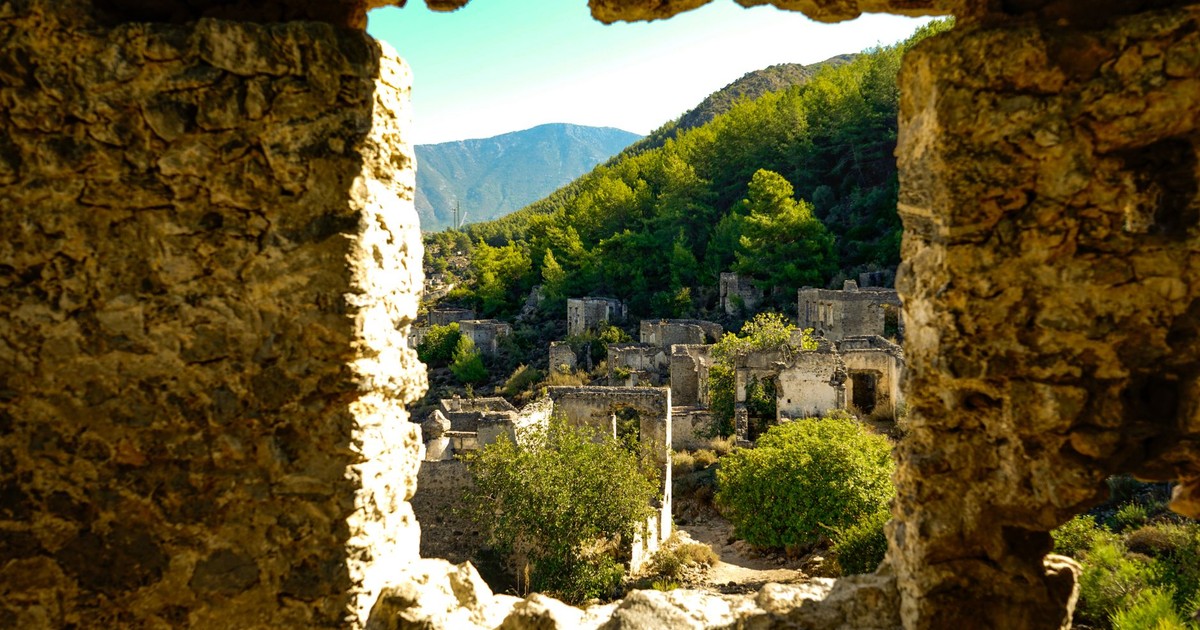
The petroglyphs are the headliner, but Indian Cave State Park holds another piece of history that most visitors don’t know about until they stumble across it on the trail. The park contains a partially reconstructed village of St. Deroin, a Missouri River town founded in 1854 before Nebraska was even a territory, which once had around 200 residents and 20 businesses. The park has reconstructed the schoolhouse, general store, trading post, and cabin.
St. Deroin was founded by Joseph Deroin, a fur trader who established a trading post where the Nemaha River met the Missouri. He was born in 1819 near present-day Bellevue, Nebraska, to a Métis father and an Otoe mother, and his life was cut short in 1858 when he was murdered over a six-dollar debt. The town didn’t last much longer after him.
The Missouri River flooded the settlement repeatedly, and by the early 20th century, St. Deroin had been abandoned. The reconstructed buildings stand today in a clearing near the trails.
The National Association of State Park Directors ranks Indian Cave State Park among the best parks in the entire Midwest for visitors who want natural beauty and historical depth in the same afternoon. The St. Deroin site is a large part of why: few parks anywhere in the plains preserve a ghost town alongside prehistoric rock art on the same trail system.
Trails, Views, and What to Actually Do
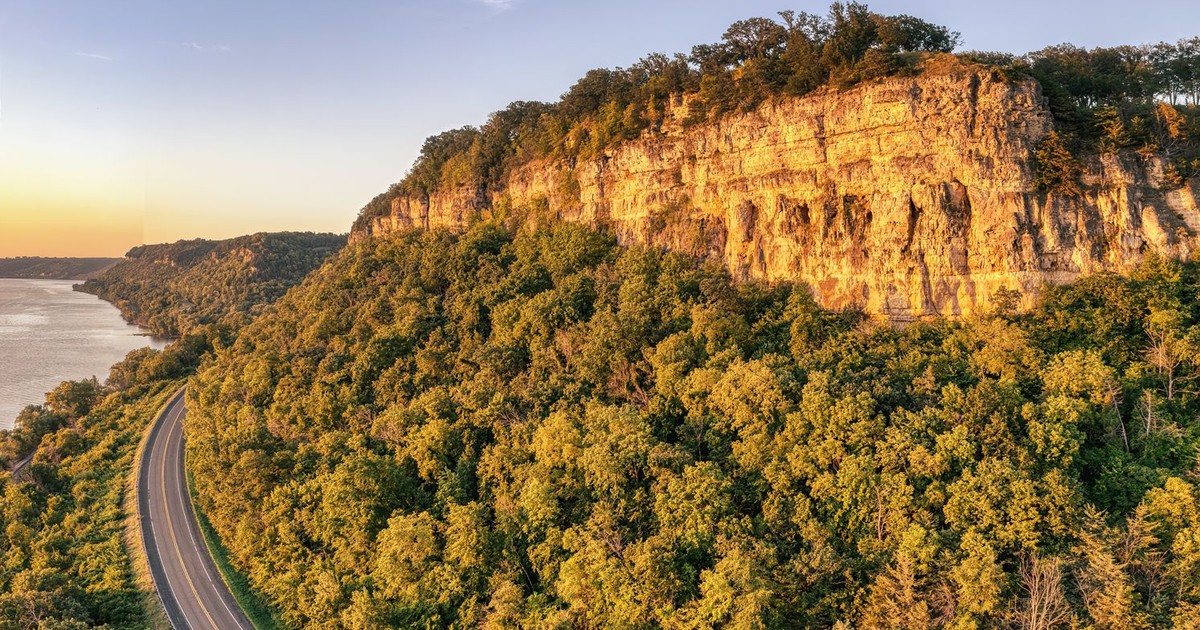
According to the Nebraska Game and Parks Commission, Indian Cave State Park encompasses 3,052 rugged acres bordering the Missouri River. That acreage is almost entirely forested, with steep wooded hills that drop nearly vertically to the river’s edge in places, nothing like the flat farmland stereotype that most people carry around for Nebraska.
The park offers 22 miles of hike/bike trails and 16 miles of equestrian trails. Adirondack shelters are located periodically along the routes, which makes backcountry overnight trips genuinely comfortable without the logistics of bear canisters and ultralight gear debates. The terrain is challenging enough to feel like an actual hike. The hills are real, the drops are steep. But the main routes are accessible enough that families with older children can manage them.
The river views from the bluff-top sections take a moment to register. The Missouri is wide here, slow-looking from above, and the forested Iowa bluffs on the opposite bank give the whole scene a depth that most Midwest river views lack.
Fall is the obvious time to visit, when the hardwood forest turns a full palette of orange and deep red against the water. Spring and early summer have their own case too: wildflowers on the woodland floor, migratory birds in enormous numbers, and trails that haven’t yet been baked dry by the summer heat.
Camping options range from a developed campground with electrical hookups to true backcountry sites scattered through the forest with nothing but an Adirondack shelter and whatever you carried in. The park is unique in the plains region of the Midwest in offering primitive, backcountry camping, a real backpacking option for those who want one. Fishing is available along the river, and the riverfront marsh area draws serious waterfowl enthusiasts during migration seasons.
How to Get There and Plan Your Visit
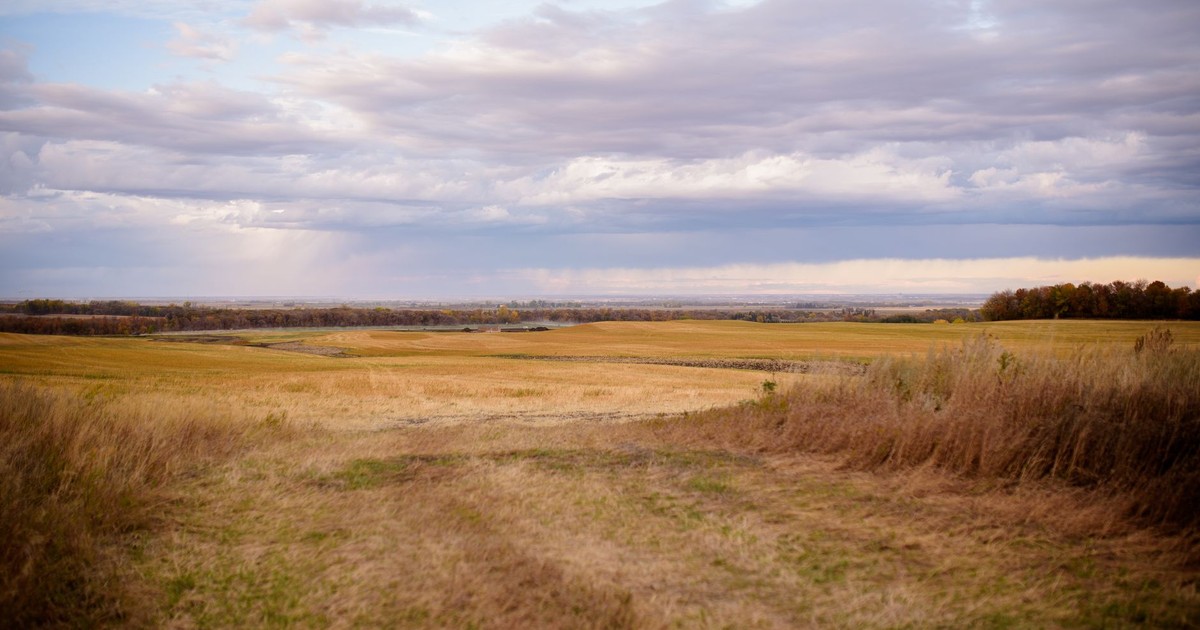
From Omaha, it’s roughly 90 minutes by car heading south on Highway 75 before cutting east toward the river. From Kansas City, it’s a little over two hours north. The park entrance sits near the town of Shubert in southeastern Nebraska, straddling the Nemaha-Richardson County line.
The official park page at outdoornebraska.gov lists current trail conditions, camping reservations, and entrance fee information. A Nebraska State Park Permit is required for vehicle entry, available as a daily pass or annual permit.
The boardwalk to the cave is ADA-accessible, and the viewing deck is positioned to give a close look at the petroglyph panels without requiring any scrambling. Visitors with mobility limitations can see the carvings comfortably, which isn’t something that can be said for most prehistoric rock art sites in the country.
The Part Nobody Talks About
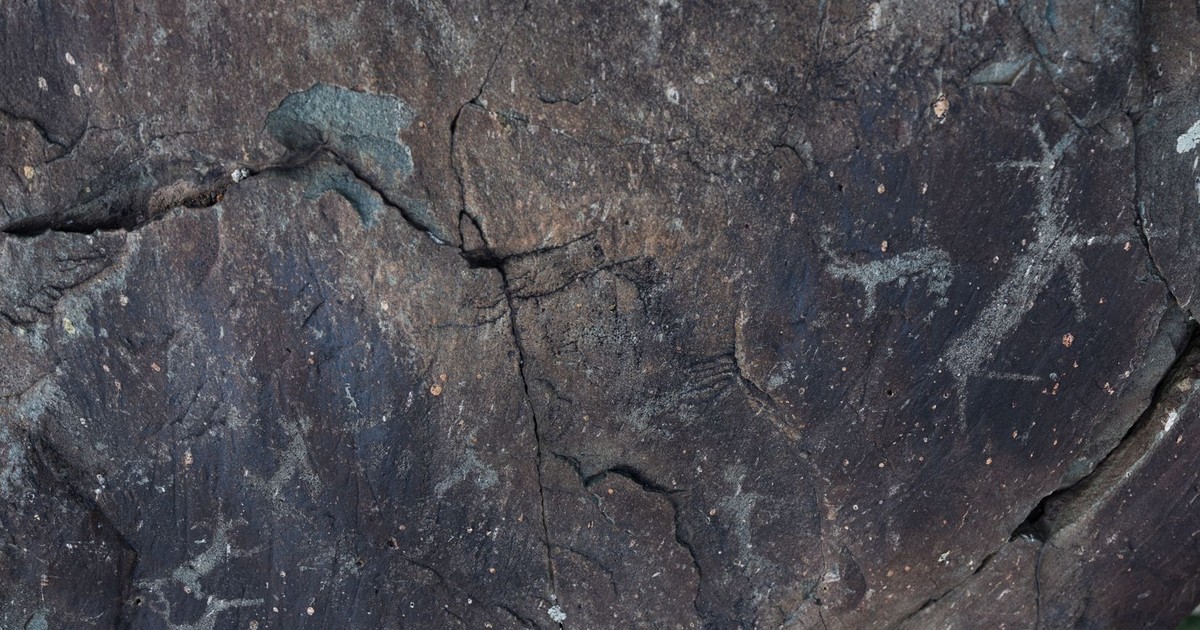
Twenty people can stand in front of those carvings on a Saturday afternoon, all of you looking at images that nobody fully understands. The exact age is uncertain. The specific makers are debated. The meaning of the symbols (the animals, the figures, the abstract lines) hasn’t been definitively decoded. And yet the carvings are right there, right in front of you, in the original rock, in the original place.
Most of what we preserve from the distant past gets moved: to museums, to replicas, behind protective glass, into storage. The Nebraska petroglyphs at Indian Cave stayed put. They’re still in the overhang where someone pressed a stone tool into soft sandstone and made a mark that lasted a thousand years. The boardwalk was built around the carvings, not the other way around.
Places where the original object is still in its original context, still subject to weather and time and the specific quality of afternoon light coming off the Missouri River, are genuinely rare. That this one happens to be in southeastern Nebraska, down a county road that most road atlases don’t bother to label, doesn’t make it less extraordinary. It just means fewer people have found it yet.
Disclaimer: This information is not intended to be a substitute for professional medical advice, diagnosis, or treatment and is for information only. Always seek the advice of your physician or another qualified health provider with any questions about your medical condition and/or current medication. Do not disregard professional medical advice or delay seeking advice or treatment because of something you have read here.
AI Disclaimer: This article was created with the assistance of AI tools and reviewed by a human editor.