
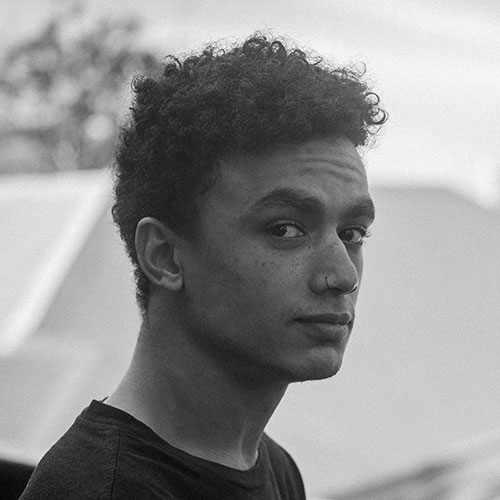
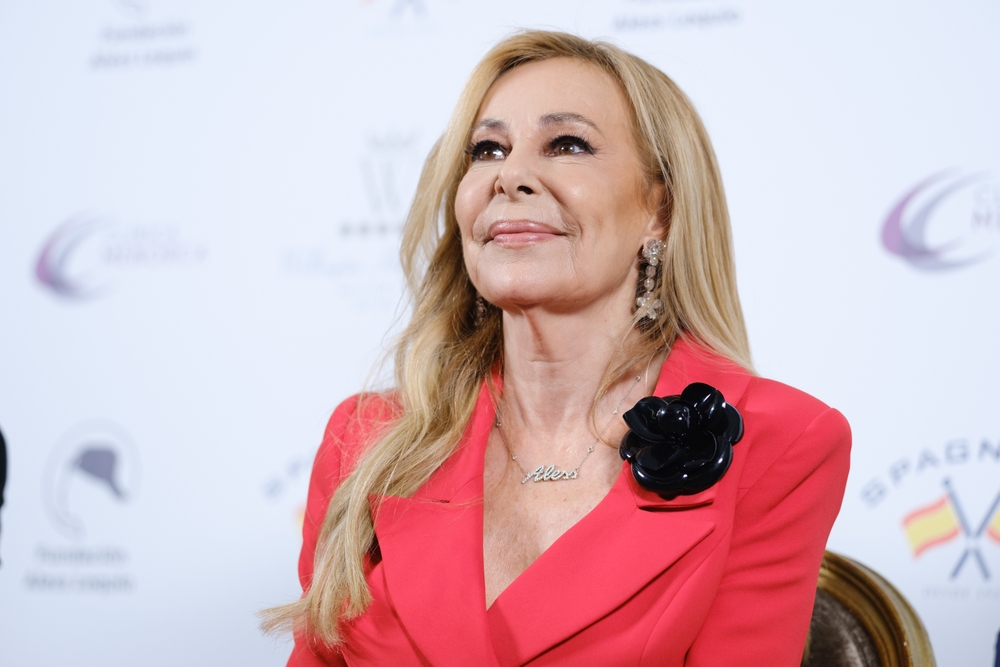
Spanish television star Ana Obregón has sparked intense controversy and debate surrounding surrogacy. This controversy comes after she used her dead son’s sperm to conceive her grandchild via surrogate. Aless Lequio García, her son, was only 27 years old when he succumbed to an aggressive form of bone cancer and passed away in May 2020. According to his mother, Garcia had Ewing’s sarcoma.
The devastating loss reshaped Obregón’s entire life and forced her to confront the finality of death in ways few parents ever must. However, prior to Garcia beginning his cancer treatment, Obregón was advised by medics to preserve his sperm, anticipating that cancer treatment could eliminate that possibility. Garcia’s sperm was preserved in a fertility facility located in New York. This act of foresight would allow his mother to fulfill what she believed was part of her son’s last wish, parenthood, which he never would be able to fulfill. She said her decision to have the child was made the day Garcia had passed. Obregón, 70, welcomed her late son’s daughter via surrogate in 2023 and named the baby girl ‘Anita’.
The Life of Garcia
Alejandro Alfonso Lequio García died on May 13, 2020, at Clínica Quirón in Barcelona at the young age of 27. He had been fighting cancer for several years before it eventually claimed his life in May 2020. Alejandro was born on June 23, 1992, at Ruber Internacional Clinic in Madrid, Spain. He studied in the United States and graduated cum laude from Duke University in 2014.
He earned dual degrees in Philosophy and Political Science. That November, he founded Polar Marketing, launching an ambitious entrepreneurial venture. Alejandro worked relentlessly, continuing his business efforts even while hospitalized. In December, illness forced him to cancel attending the Morrison shoe event for the Caico Foundation.
His father, Count Alessandro, revealed to journalists that the family endured a lengthy and difficult struggle. “He is optimistic and very hopeful,” Alessandro told the press during this challenging time. Ana Obregón paused her acting career to remain beside her son throughout his treatment. She supported him during hospitalization at Memorial Sloan Kettering Cancer Center in New York City. His parents rented an apartment in Barcelona to be present during his final months.
Alejandro’s half-brother, Clemente, shared his final words with the world on Instagram. “Take a deep breath. Enjoy life. Some of you take it for granted,” Alejandro said. Clemente expressed his pain while finding peace in knowing Alejandro no longer had to suffer from the pain. “I love you Alex, an immense pain that in very small part is alleviated,” Clemente wrote.
His girlfriend, Carolina Monje, was with him when he died. Alejandro was survived by his parents, siblings Clemente and Ginevra, and extended family. He descended from Queen Victoria through his grandmother, Infanta Beatriz of Spain.
The Decision to Preserve Genetic Material Before Treatment
Before beginning his cancer treatment, medical professionals encouraged and advised Garcia to store his sperm to protect his reproductive future. He chose to preserve samples of his sperm at a fertility facility in New York, recognizing that the intensive chemotherapy and radiation he would undergo could render him infertile.
Garcia was unlikely aware that this foresight would help preserve his legacy and fulfill his last wish. His samples were stored for years at an American fertility clinic following his death. Obregón began thinking about using his preserved sperm the very day her son passed away from cancer.
Ana Obregón’s Desire to Fulfill Her Son’s Last Wish
Obregón revealed her motivations in an interview with the Spanish magazine ¡Hola! in 2023. She explained that Aless had always dreamed of becoming a father, but his cancer prevented him from achieving his wish. Obregón felt obligated to fulfill her son’s last wish and wanted to honor his memory by making him a father, even in death. She recognized that her son’s legacy could live on through a biological child who carried his DNA. “She is Aless’ daughter – and when she grows up I will tell her that her father was a hero, so that she knows who she is and how proud she should be of him.” Obregón said to local news outlet ¡Hola!.
The Surrogacy Process and Anita’s Birth
Obregón decided to pursue surrogacy in the United States, where such procedures remained legal and regulated. The birth mother selected to carry the child was a woman of Cuban origin living in Florida. The process involved fertilizing a donor egg with Aless’s preserved sperm through in vitro fertilization techniques. Obregón clarified that she did not use her own egg or attempt to become pregnant herself at the age of 68.
Instead, she worked with medical professionals who combined her son’s genetic material with a donor egg to create an embryo. This careful distinction became important as she discussed her role and relationship to the child. On March 20, 2023, the surrogate gave birth to a healthy baby girl. The infant was initially registered in the United States before being brought to Spain and legally adopted by Obregón. The mother named her granddaughter Ana Sandra Lequio Obregón, though the child is called Anita by family members. The birth marked a turning point in Obregón’s life, offering hope and purpose after years of crushing grief and emotional devastation.
Introducing Anita and Redefining Grandmother and Grandchild
When Obregón announced the news publicly, she strongly clarified the distinction between her and her grandchild’s biological link. “This baby girl is not my daughter, but my granddaughter,” she stated in her interview with ¡Hola!. She emphasized that Anita was Aless’s biological daughter, not her own child.
Obregón planned to raise the child, provide for her needs, and give her a loving home and family. This promise reflected her determination that the young girl would inherit her father’s legacy and understand the remarkable circumstances surrounding her conception. She wanted Anita to feel proud of her heritage and know exactly who her father was, despite never meeting him.
Navigating Parenthood in Old Age
Life with an infant grandchild proved to be a bit tough for 70-year-old Obregón. The former actress described how her home transformed almost overnight, becoming filled with toys, stuffed animals, and play equipment. She purchased a small ball pool for Anita’s entertainment. However, engaging in physical play with an active toddler is a little more demanding, especially at 70.
Obregón mentioned that picking up and playing with Anita would sometimes cause her back pain. “My house is now full of stuffed animals and toys,” she recalled with a mixture of joy and exhaustion. Despite her age and physical limitations she faces, Obregón is deeply committed to providing Anti with a fulfilling life and participating fully in her early development. However demanding care is for her granddaughter, Obregón states that these challenges are minor compared to the joy her granddaughter brings into her life.
Finding Purpose and Healing Through Granddaughter
For Obregón, the 3 years following the death of her beloved son was probably the darkest period in her life. “I was dead for three years from Aless’ death until Anita was born,” she confessed in her interview. Obregón explained that she never truly accepted or came to terms with Aless’s passing. Instead, she learned to live with the permanent wound his absence created in her heart.
However, Anita’s arrival pulled her back from the brink of despair, breathing life back into Obregón emotionally. “I was the owner of my pain, but now I am the owner of my revival,” Obregón reflected poetically. The child’s innocent presence, infectious laughter, and daily needs gave her life structure and meaning again. Anita’s arrival restored a sense of purpose that Obregón thought she would never experience again after losing her son. This healing process continued as Anita grew and developed her own personality and interests.
The Controversy and Legal Battles Over Spanish Surrogacy Laws
However, Obregón’s decision to carry out the surrogacy did not come without its own controversy in her home country of Spain. Since 2006, Spain has implemented a ban on surrogacy, viewing it as contrary to Spanish law. However, if the child is conceived in another country without a ban, these births can be registered in Spain. According to Spanish regulations, sperm from a deceased person may only be used to impregnate a widow within 12 months of the donor’s death, with explicit permission from both parties.
Obregón’s situation fell far outside these narrow legal parameters for several reasons. The child was not conceived within 12 months of Aless’s death, and Obregón was not Aless’s widow; she was his mother. Although the surrogacy occurred in the United States, where such procedures are legal, the child’s subsequent registration and adoption in Spain were met with legal complications. The Spanish government’s prohibition on surrogacy includes both commercial and non-commercial arrangements, making Obregón’s case controversial regardless of financial aspects. However, Spanish law permits citizens to legally adopt children born abroad through surrogacy, which provided Obregón with a legal route to raise Anita.
Political Opposition and Ethical Objections to the Decision
High-ranking Spanish government ministers publicly criticized Obregón’s decision and called for stricter enforcement of surrogacy laws. Irene Montero, Spain’s Equality Minister, characterized surrogacy as “a form of violence against women” in government statements. Félix Bolaños, Spain’s Presidency Minister, declared that “women’s bodies should neither be bought nor rented to satisfy anyone’s desires,” making an explicit reference to surrogacy arrangements.
Philosophy professor Gonzalo Velasco shared his skepticism of Obregón’s interpretation of her late son’s wishes in an interview with radio station Cadena Ser. “It seems questionable to me that the wishes of the deceased would have been for his sperm to be used to impregnate an egg in the body of a woman in another country,” Velasco stated. He saw the arrangement as “quite convoluted” and questioned whether anyone could truly claim to know what a deceased person would want regarding such important matters.
Public Reaction and the Division of Opinion
Obregón’s announcement of her surrogacy drew mixed reactions from the general public. Some expressed support and joy for Obregón, while others voiced their strong disapproval. Many people sent compassionate messages of support and recognized the love motivating her decision. One supporter commented, “I don’t think this is too weird. She didn’t use her egg. She used someone else’s,” highlighting that Obregón had not attempted to become pregnant herself. Another person wrote, “If I lost my adult child, I would consider fertilizing and adopting their child. I can’t imagine losing any of them.”
However, other members of the public shared their discomfort and concern about the surrogacy. One critic noted, “Yeah this is unsettling, I don’t care what anyone says,” while another called the situation “slightly creepy.” Some people struggled to reconcile the idea of Anita’s conception and birth. Obregón responded to the criticism with grace and understanding. “There are criticisms and judgments. People can be judged, but it’s impossible to live without empathy,” she said in response to detractors. She encouraged people to consider her suffering and her motivation before rendering harsh judgment.
Moving Forward and Anita’s Growing Life
Anita celebrated her second birthday in 2024, marking a significant milestone in her young life. Obregón shared updates about her granddaughter in interviews with Spanish media, describing a healthy, intelligent, and emotionally connected child. She noted that Anita possessed remarkable emotional intelligence for her age, frequently asking for hugs not just for herself but to offer comfort to others around her.
Obregón reflected on how Anita resembled her father in personality and temperament, describing her as “just as intelligent as her dad.” These observations provided comfort to a grandmother who never had the chance to watch her son mature into adulthood. As Anita grows and develops, Obregón maintains her commitment to ensuring the child understands her true origins and knows about the extraordinary man who was her biological father. The actress envisions a future in which Anita comprehends the circumstances of her conception and takes pride in her father’s legacy.