

Most people picture a cult and think of compound living, matching uniforms, and a charismatic leader with a messiah complex. Modern cult groups don’t always announce themselves through spectacle. Some of them look like a dance agency, a sandwich shop, a real estate investment circle, a multilevel marketing sisterhood, or a Bible study group on a college campus. The control is the same. The camouflage is just better.
A cult is defined not by strange ceremonies or unique tenets, but by a strict, hierarchical system of totalistic authority. Cult expert Dr. Steven Hassan developed the BITE Model to evaluate this: Behavior Control (your actions, environments, and routines are strictly dictated), Information Control (the flow of free, accurate information is restricted), Thought Control (techniques like loaded language or thought-stopping are used to suppress dissent), and Emotional Control (guilt, fear, or other emotions are manipulated to ensure obedience).
The groups here aren’t fringe. Several have hundreds of thousands of members globally, registered business addresses, active social media presences, and, in some cases, television deals.
1. Multi-Level Marketing Companies

The MLM industry has spent decades presenting itself as entrepreneurial opportunity, particularly to women seeking flexible income. Research posted on the FTC’s website found that 99% of people who participate in MLMs lose money, with recruitment practices that closely mirror those of destructive cults.
Most MLMs use tactics built around recruitment, financial manipulation, and the promise of large profits. Like high-control groups, they rely on thought control, magical thinking, thought-stopping, and self-blame. When a distributor’s sales are struggling, the blame never lands on the business model. Failures are pinned directly on the consultants, for lack of hard work or competence. The group has no accountability, and the leadership does not permit questions or criticism.
New recruits receive excessive flattery and attention in a process called love-bombing, which creates a sense of belonging, while exclusivity makes members feel part of an elite group, fostering dependency on the organization. Then, when doubt creeps in, Massachusetts lawyer Douglas Brooks, an expert on marketing frauds, has noted of MLMs: “you’re trained to avoid people who question whether this is a viable business or not, which is exactly the same technique that cults use, as they try to isolate you from people who question your belief system.” Anyone who expresses skepticism gets reclassified as unsupportive. Members are actively encouraged to cut out anyone who doesn’t support what they’re doing, which is why the psychological toll of MLM involvement frequently extends to family breakdown and divorce.
2. NXIVM (Executive Success Programs)

NXIVM is the case study that removed any remaining doubt about how far this can go. Originally operating as a self-improvement program using multilevel marketing recruitment tactics, NXIVM was ultimately exposed as an organization led by Keith Raniere, who members referred to as “Vanguard,” with a structure that divided women into slaves and masters and that prosecutors successfully prosecuted for sex trafficking. The outer layer, the one that recruited doctors, lawyers, and celebrities, presented itself as an executive coaching program with a rational, almost corporate aesthetic. That was the point.
Raniere incorporated psychological tactics to groom, manipulate, and control members, including restricting their calories and sleep, implementing readiness drills, and requiring the disclosure of intensely private information. That personal information, gathered in early disclosure sessions, was held over members as leverage, the kind that kept people inside the organization long after doubt had set in.
Raniere was convicted of racketeering and sex trafficking and sentenced to 120 years in prison. As of June 27, 2025, Clare Bronfman, one of the group’s major financiers, is no longer in Bureau of Prisons custody. The recruitment worked precisely because it didn’t look like recruitment. A community of smart, ambitious people working on themselves was the surface. What lay underneath took years to become visible, even to people who were inside it.
3. The Twelve Tribes

Walk into a Yellow Deli café and you’d have no immediate reason for concern. The food is good, the staff are warm, the aesthetic is rustic and handmade. Visitors may have no idea they’re stepping into a global communal network. Beyond the charming storefronts lie controversial doctrines and allegations of child labor, and authorities have conducted multiple raids across their properties in several countries.
The Twelve Tribes is a religious communal organization founded in the 1970s that operates under the belief that members must live in strict biblical community in preparation for the end times. Members typically surrender financial independence upon joining, live communally, and work in group-owned businesses, with the Yellow Deli cafés being the most visible of these. Former members have described a system of control that permeates daily life, including which foods are eaten, how children are disciplined, and what information is permitted. A docuseries examining the group is in development from ITV America’s Good Caper Content.
The group has faced repeated legal scrutiny in Germany, France, Australia, and the United States, with authorities in multiple countries investigating allegations of corporal punishment of children. The public face, welcoming cafes staffed by people who seem genuinely content, is also, by the group’s own design, a recruitment tool. People don’t stumble into the Twelve Tribes. They’re drawn in gradually, often beginning with a meal.
4. Shincheonji Church of God

Shincheonji presents itself to the outside world as a South Korean Christian movement with a large, growing congregation and a passion for biblical education. The way it gets people into that congregation is what has drawn sustained scrutiny from religious watchdogs and former members globally. The South Korean apocalyptic Christian movement, founded by Lee Man-hee, has repeatedly drawn attention over covert evangelism. Former members and watchdog groups have long accused it of using hidden affiliations, front-style Bible classes, and deceptive first contact.
The standard pattern involves recruiters who approach strangers, often at universities, without disclosing their affiliation. The initial contact is framed as a general Bible study or discussion group. Only after weeks or months of escalating involvement are new members told which organization they’ve actually been attending. By that point, emotional investment, new friendships, and a growing sense of theological certainty make stepping away significantly harder.
Shincheonji is plainly still growing. The group’s own English-language materials celebrated more than 111,000 graduates in 2024 and continued highlighting expansion and new church participation through 2025. The group also gained significant attention during the COVID-19 pandemic, when it was linked to a major early outbreak in South Korea, an episode that exposed just how insulated its internal community had become from broader social accountability.
5. The World Mission Society Church of God
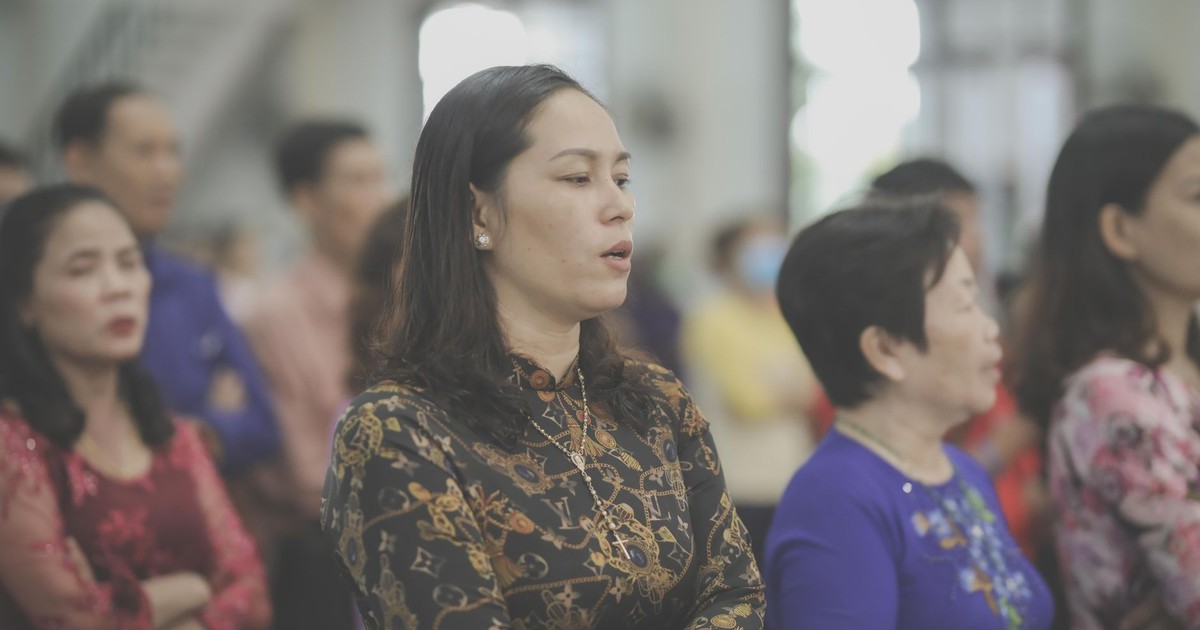
The World Mission Society Church of God, also known as WMSCOG, operates in over 175 countries and presents itself as a mainstream Christian denomination. Its defining theological claim is that God has a feminine aspect, a “Mother God,” currently embodied by a living South Korean woman named Zahng Gil-jah. Members are taught that salvation is only available through the church, a belief that drives the kind of all-encompassing commitment the group demands.
Critics and former members allege the group isolates students from their families and demands excessive time and money, effectively hijacking their futures. In 2024, a federal judge in New Jersey issued an opinion in the ongoing Ramirez v. World Mission Society Church of God lawsuit, which alleges fraud and intentional infliction of emotional distress.
Former members consistently describe a recruitment process built around love-bombing and a manufactured sense of urgency: end times are imminent, salvation is exclusive, leaving means spiritual death. The combination of those elements, plus the expectation that members donate heavily and attend services several times a week, leaves little room for the kind of outside relationships that might prompt a reality check. The church, for its part, maintains that it is a legitimate religious organization and that its practices are consistent with sincere faith.
6. 7M Films

7M Films describes itself as a talent management company for Christian dancers, predominantly active on TikTok, where some of its associated creators built enormous followings. The Netflix documentary series Dancing for the Devil: The 7M TikTok Cult found considerably more troubling material beneath that description. The series details allegations of financial control, isolation from families, and psychological manipulation, examining the group’s cult-like behavior in detail.
The case centers on pastor Robert Shinn and the Shekinah Church in Los Angeles. Former members have described giving up their earnings entirely, being prohibited from contacting family members, and living under the pastor’s authority in shared housing. Several dancers who parted ways with 7M say that Shinn exercised an extreme amount of control over them, from how their dance routines should look to financial decisions, mandating that they turn over a large portion of their earnings to the church. The social media presence, aspirational, faith-forward, visually polished, served as both a recruitment tool and a financial engine, with creators generating income that allegedly flowed upward rather than to the creators themselves.
What makes 7M distinctively contemporary is its use of platform celebrity as a draw. Young people drawn to the group often came because they wanted what the creators appeared to have: a community, a purpose, a following. The apparent success story was, for some, the trap itself.
7. Sovereign Citizens
The Sovereign Citizen movement doesn’t have a single leader, a shared meeting place, or a membership application. It spreads through YouTube videos, online forums, and increasingly, social media accounts that present its legal theories as suppressed government secrets available only to those willing to look. That decentralized, self-educated quality is part of what makes it so effective at drawing people in. Rejecting governmental authority, members engage in what’s sometimes called “paper terrorism,” flooding courts with frivolous lawsuits, while their activities have escalated to property seizures and participation in events like the Capitol Riot.
The core belief is that the U.S. government operates a secret admiralty law system that can be circumvented through specific legal filings, leading members to believe they are exempt from income tax, vehicle registration, and virtually any government authority they find inconvenient. The promise is radical personal freedom. The reality that tends to follow includes criminal charges, seized assets, and broken family relationships, because the ideology demands a level of commitment that eventually alienates everyone outside the group.
The cult structure here is ideological rather than theological, but it’s identical in form: a special knowledge available only to insiders, an explanation for all failures (you didn’t file the paperwork correctly), leadership figures whose authority can’t be questioned, and a growing sense that everyone outside the group is either asleep or actively conspiring against them.
8. Certain Campus Ministry Groups

University campuses have long been a primary recruitment ground for high-control groups, and that hasn’t changed. What has changed is the sophistication of the outreach. As one former member noted, “these people might be ordinary, nice people in surface-level interactions. You might have classes with them, they might be a partner in a lab group. But when it comes to what they believe in, in terms of the cult, they might be starkly different.” Groups like Thrive, a registered student organization hosting Bible studies across UC Berkeley’s campus, seem from the outside like any other ministry, but several former members described their experiences as high-controlling and anxiety-inducing.
Thrive’s story is tangled in a lineage of Bay Area churches. The group was once connected to the San Francisco Bay International Christian Church before aligning with a splinter congregation, Restored Church Worldwide. The International Christian Church and its affiliates have been flagged by cult watchdog organizations in multiple countries for recruitment practices that include front groups, deceptive initial contact, and escalating demands on members’ time, relationships, and finances.
The pattern on campuses typically follows the same arc: a friendly approach during freshman orientation week, a casual invitation to a social event or Bible discussion, an increasingly intense schedule of meetings, and a growing expectation that members prioritize the group over academics, family, and old friendships. By the time the demands become visible, the new social world the group has built around the recruit makes leaving feel impossible.
9. Teal Swan’s Followers
Teal Swan is a self-described “spiritual catalyst” with millions of social media followers and an active touring schedule. She presents herself as someone who survived extreme childhood abuse and emerged with supernatural perceptual abilities that allow her to guide others through trauma. Critics call her approach dangerous. Her controversial “Completion Process” often involves recovering “repressed memories,” which experts warn can implant false memories of abuse.
The concern isn’t simply that her methods are unproven. Her followers form a tight, globally connected community in which Swan’s perspective on any member’s relationships, family, and mental health becomes authoritative. Former followers have described severing contact with family members on her guidance, re-interpreting their entire personal histories through her teachings, and experiencing severe psychological distress when they attempted to disengage from the community. In 2025, she continued to tour despite backlash from The Deep End documentary, showing that sustained press scrutiny doesn’t automatically dissolve a committed following.
Swan’s community fits the modern cult framework most clearly at the level of emotional control. Members are taught specific interpretations of their own feelings, told which relationships are spiritually dangerous, and given a lens through which all external criticism of Swan is understood as the critic’s unhealed trauma rather than a legitimate concern.
10. The Aggressive Growth Church Model
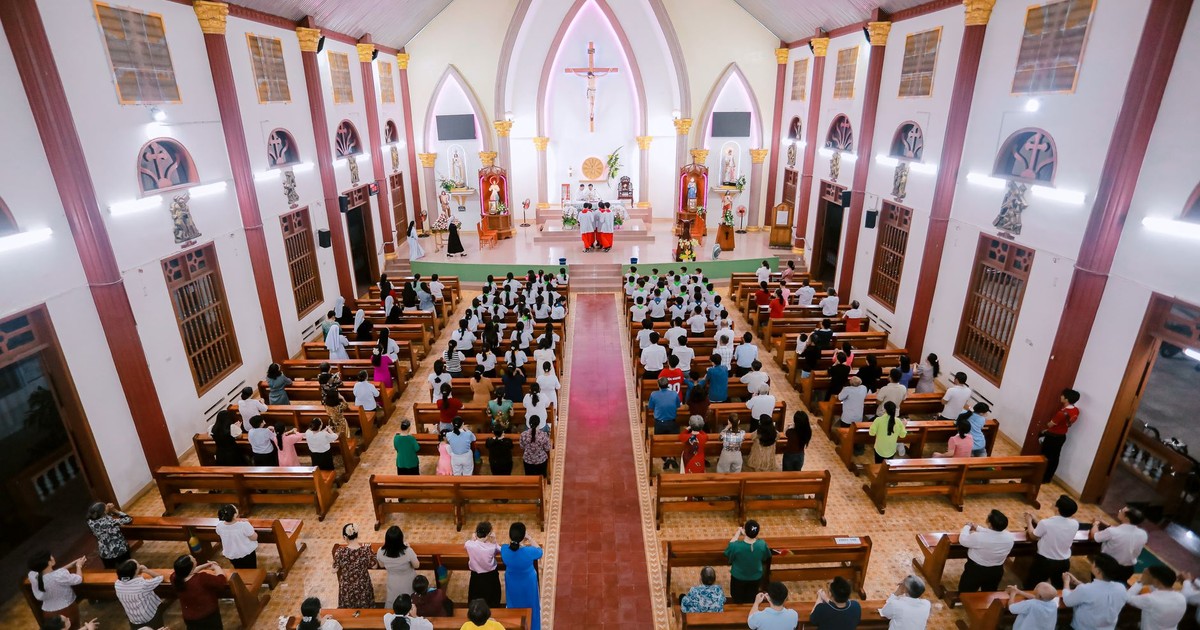
Not every church that operates like a cult has a famous name or a documentary. Across the United States, a pattern of high-control church behavior has become recognizable enough that psychologists and religious trauma researchers have begun systematically documenting it. Researchers have identified strict separatism, censorship, anti-intellectualism, autocratic control, and co-dependency as the hallmarks of fundamentalist religious cults.
The profile tends to look like this: a charismatic senior pastor whose authority is theologically grounded and therefore unchallengeable, a tithing expectation that functions as a loyalty test, a social world built almost entirely within the church so that leaving means losing your entire community, and a doctrinal framework in which doubt is reframed as spiritual weakness rather than intellectual honesty. Members are rarely recruited with anything that sounds alarming. They’re invited to join something warm, structured, and purposeful, things that are genuinely appealing, particularly to people who are lonely or in transition.
As psychologist Margaret Thaler Singer wrote in Cults in Our Midst, “cult members are not weird, crazy, or mentally ill, but rather they are normal people who have been deceived into joining at vulnerable moments.” That observation applies nowhere more consistently than to high-control churches, which specifically target people during a move to a new city, a divorce, a loss, or a period of searching, when belonging to something feels urgent.
Read More: Report ranks Utah as one of the country’s worst states to live in
What to Do With This
The instinct, on reading a list like this, is to feel certain you’d recognize the signs before getting in too deep. That instinct is worth examining. The BITE model was developed specifically to understand cult mind control, tracking how Behavior, Information, Thoughts, and Emotions are systematically controlled, and it is remarkably effective at revealing the degree of control in any tight-knit group, not just those with obviously extreme beliefs.
The groups above are not identical. Some are built around theology, some around business, some around celebrity, some around legal ideology. But the common thread running through all of them is a structure in which the group’s authority over a member’s reality gradually replaces the member’s own judgment. That replacement doesn’t happen overnight, and it rarely feels like force. It feels like belonging, purpose, and being finally understood by people who get it.
Knowing the pattern doesn’t make anyone immune. But it makes the early signs, the love-bombing, the gradual tightening of the social world, the reframing of doubt as personal failure, the cost of leaving, harder to miss when they’re actually happening. Understanding manipulation tactics in everyday relationships is part of the same picture, because the techniques that hold people inside high-control groups are often the same ones that appear in controlling one-on-one relationships. The overlap is not a coincidence.
Some of these patterns go back further than the group itself does. They’re woven into the way high-control systems recruit: the warmth before the rules, the belonging before the conditions. Naming that isn’t a solution, but it’s usually where the real conversation starts.
Disclaimer: This information is not intended to be a substitute for professional medical advice, diagnosis, or treatment and is for information only. Always seek the advice of your physician or another qualified health provider with any questions about your medical condition and/or current medication. Do not disregard professional medical advice or delay seeking advice or treatment because of something you have read here.
AI Disclaimer: This article was created with the assistance of AI tools and reviewed by a human editor.