

The argument that millennials are the first generation to do worse than their parents has become so familiar it barely registers anymore. A growing number of millennials aren’t just failing to outpace their parents’ generation, they’re actively choosing to live in ways their parents wouldn’t have been caught dead doing. Growing a vegetable garden on a rental balcony. Moving back under the same roof as their own parents, by choice. Mending clothes instead of ordering new ones. Baking bread on a Sunday not because a pandemic has closed every bakery in town, but because it’s cheaper and they actually like it.
The argument that millennials are the first generation to do worse than their parents has become so familiar it barely registers anymore. A growing number of millennials aren’t just failing to outpace their parents’ generation, they’re actively choosing to live in ways their parents wouldn’t have been caught dead doing. Growing a vegetable garden on a rental balcony. Moving back under the same roof as their own parents, by choice. Mending clothes instead of ordering new ones. Baking bread on a Sunday not because a pandemic has closed every bakery in town, but because it’s cheaper and they actually like it.
The generation that was handed iPhones in high school and spent their twenties curating Instagram feeds is now keeping backyard chickens, canning tomatoes, and buying houses big enough for three generations. What’s happening with millennial living trends in 2026 is more pragmatic than romantic: the world that was promised to this generation didn’t arrive, and so they’ve started building a different one, often borrowing blueprints from their grandparents.
This shift spans every domain of daily life at once. It’s showing up in how millennials live, what they eat, how they handle money, and who they choose to live with. The data behind it is substantial.
The Return of the Multi-Roof Family
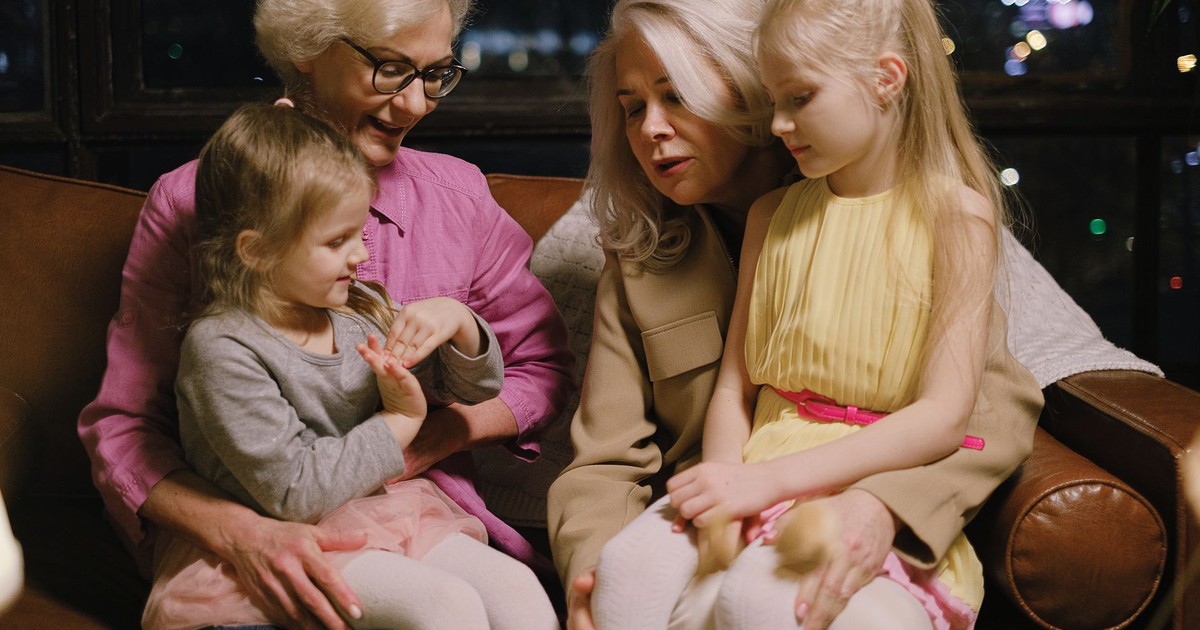
Multigenerational homes, households that include three or more generations, represented 17% of housing purchases in 2024, a record number for the segment. The breakdown by generation makes it more specific: according to the NAR’s 2025 Home Buyers and Sellers Generational Trends Report, 21% of Gen X buyers, 15% of younger boomers, and 12% of older millennials purchased multigenerational homes in 2025.
Older millennial buyers have shown a steady increase in multigenerational home buying, growing from 9% in 2018 to 12% today. For a generation that spent its twenties celebrating the freedom of city apartments and roommate situations assembled via Craigslist, that’s a significant turn. The NAR’s deputy chief economist, Jessica Lautz, described the trend as “an older way of living,” saying it’s bringing America “back, perhaps, to the early 1900s,” when families doubled up at higher rates based on the availability and cost of housing.
A record 25.2 million adults under 35 lived with their parents in 2025, nearly one in three, a rate that has now surpassed even the pandemic-era peak. The reasons people give for choosing multigenerational living have expanded beyond cost. Caregiving for elderly family members has become a major driver, with the NAR’s 2025 report finding that caring for aging parents is the second most common reason for buying a multigenerational home, behind cost savings. People aren’t just moving in because they can’t afford not to. They’re moving in because their parents are getting older and they’d rather have them down the hall than across town.
That’s a fundamentally different calculation than the one their own parents made. The boomer generation largely dispersed, geographically and emotionally, treating independence as the goal and proximity to family as a concession. Many millennials have stopped seeing it that way.
Growing, Preserving, Making
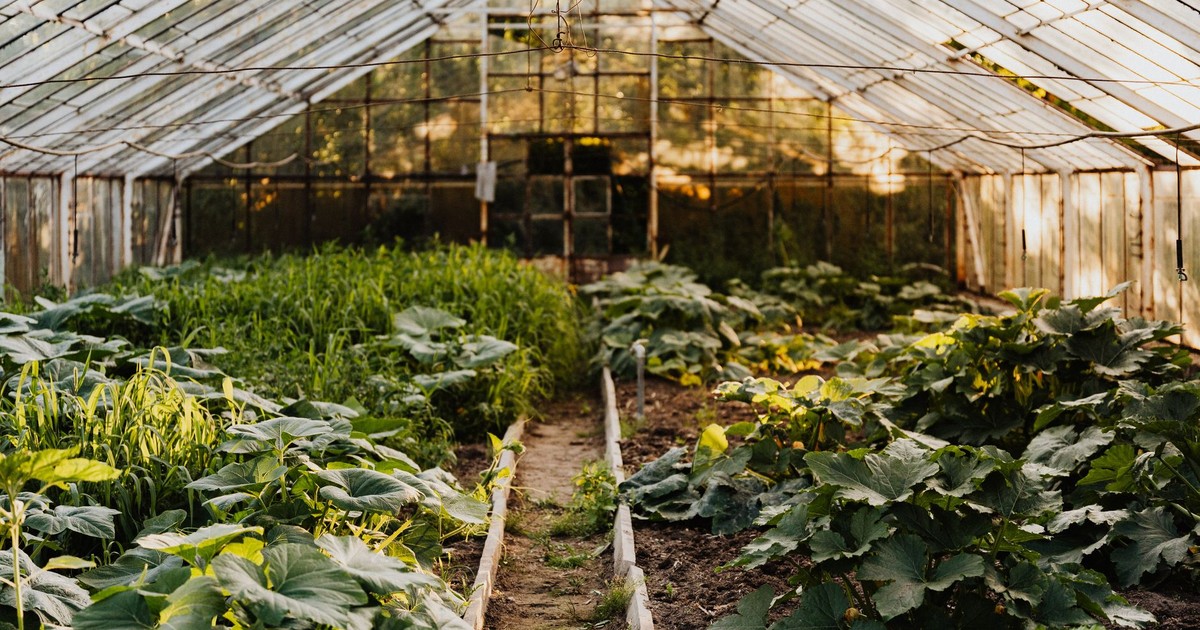
The urban homesteading movement is reflecting a measurable change in daily behavior. A 2026 report from Tractor Supply found that a new generation of households is incorporating homesteading into their day-to-day lives, from growing their own food to keeping backyard chickens, motivated by cutting costs, building skills, and taking a more hands-on approach to everyday life.
Among homesteaders surveyed, growing their own vegetables, fruits, or herbs ranked as the most common activity, followed by indoor gardening (59%) and baking from scratch (57%). The generational patterns within those numbers are telling: millennials are leading the way specifically in raising backyard chickens, while Gen X focuses on food preservation and making household goods, and Gen Z is most likely to bake from scratch and raise animals.
Grocery prices drive most of this. Among people who practice homesteading, 86% say that recent grocery prices have influenced their interest in growing or producing their own food at home. Grocery costs have risen sharply over the past decade, and when the cost of buying food climbs that steeply, learning to grow some of it starts looking less like a hobby and more like household management.
Another motivator behind the millennial homesteading trend is concern for the planet: this generation’s awareness of climate change and sustainable practices prompts many of them to pursue lifestyles that reflect those concerns. Reducing packaging, composting kitchen scraps, buying less from supply chains that span continents, these feel like coherent choices to a generation that grew up hearing about environmental collapse. Their grandparents grew and preserved their own food because the infrastructure for not doing so barely existed. Millennials are doing it partly to opt out of infrastructure they’ve decided they don’t trust.
The skill-building aspect of homesteading delivers something that no streaming service or app can quite replicate: evidence that you can do things. In a professional world where so much work is abstract and the results are invisible, the tangibility of growing something from seed to table is not a trivial draw.
The Money Mindset That Looks a Lot Like the Depression Era

Alongside the changes in where and how millennials live, there’s a shift in how they’re thinking about money. Younger adults broadly express strong intentions to save more, yet many report that building emergency savings remains difficult amid persistent inflation and rising costs.
Bankrate’s 2026 Emergency Savings Report found that millennials were the generation most likely to have tapped their emergency savings in the previous 12 months, and also the most likely to carry more credit card debt than emergency savings, with 35% of millennials in that position. Yet the same data shows they’re working hard to change that: 61% of millennials say they would need at least six months of expenses saved to feel comfortable, the clearest signal that this generation knows exactly what financial breathing room looks like and is actively trying to get there.
That’s a generation playing financial defense, and it explains a lot of the behavioral shifts that accompany it. Cooking from scratch is cheaper than takeout. A vegetable garden offsets the grocery bill. Living with family slashes rent. Mending a coat costs less than buying another one.
None of these choices require a philosophy, they follow logically from a financial position that feels precarious, and from having watched the 2008 financial crisis, a pandemic, and sustained inflation all arrive before turning 45. How closely it mirrors the frugality that characterized their grandparents’ generation, many of whom built habits during the Depression and the post-war period that stayed with them for life. The instinct to preserve food, avoid waste, keep skills in-house, and stay close to family wasn’t romantic then either. It was practical. The millennials rediscovering it are arriving at the same place by a different road.
The Redesign of Normal

Choosing to live multigenerationally, to grow food, to be financially conservative, to develop domestic skills, these aren’t separate lifestyle choices picked off a menu. They form a coherent pattern, a redesign of what ordinary adult life is supposed to look like.
The version of success that was held out to millennials growing up was recognizable and specific: leave home at 18, get a degree, land a job, rent an apartment, work toward a mortgage, build a life that looks roughly like your parents’ but shinier. That sequence assumed a particular economic environment. It assumed housing costs would stay within reach of graduate salaries, that full-time work would reliably yield enough to live alone, and that the social prestige of independence was worth its price. All three of those assumptions have eroded.
The millennial generation has effectively split in two. Older millennials, now in their late thirties and early forties, have, for the most part, made it into the economic model they were promised. Younger millennials haven’t, and many are building an entirely different model from scratch, one that involves multigenerational households, lower discretionary spending, and a new respect for skills their parents’ generation largely outsourced.
It involves fewer subscriptions and more root vegetables. It involves grandparents at the dinner table and chickens in the yard. It involves Saturday afternoons learning to preserve strawberry jam from a YouTube tutorial and then calling your grandmother to tell her you finally get why she kept such a full pantry. It doesn’t look like failure when you get close enough to it. It looks like adaptation, the kind that tends to outlast the conditions that forced it.
What Actually Lasts

The economic pressures that pushed millennials toward multigenerational homes and vegetable gardens are real, and they haven’t gone away. Pretending otherwise would be dishonest.
The values embedded in this shift, proximity to family, hands-on competence, financial caution, reduced dependence on systems that can break, weren’t wrong when previous generations held them. They were crowded out by a few decades of cheap credit, affordable housing, and an economic expansion that made a certain kind of autonomy feel permanent. It wasn’t, and what millennials are discovering as they rebuild around different constraints is that some of the things their grandparents prioritized weren’t just hardship adaptations. Some of them were just a better way to live.
That doesn’t resolve the housing crisis, or make student debt lighter, or put starter homes back within reach of starting salaries. Those problems remain exactly what they are. But the life being built around them, the one with the garden beds and the multigenerational kitchen table and the savings account that gets fed before the takeout apps do, is starting to look less like a consolation prize and more like a considered choice. Some patterns skip a generation before they come back. This one came back with receipts.
Disclaimer: This information is not intended to be a substitute for professional medical advice, diagnosis, or treatment and is for information only. Always seek the advice of your physician or another qualified health provider with any questions about your medical condition and/or current medication. Do not disregard professional medical advice or delay seeking advice or treatment because of something you have read here.
AI Disclaimer: This article was created with the assistance of AI tools and reviewed by a human editor.