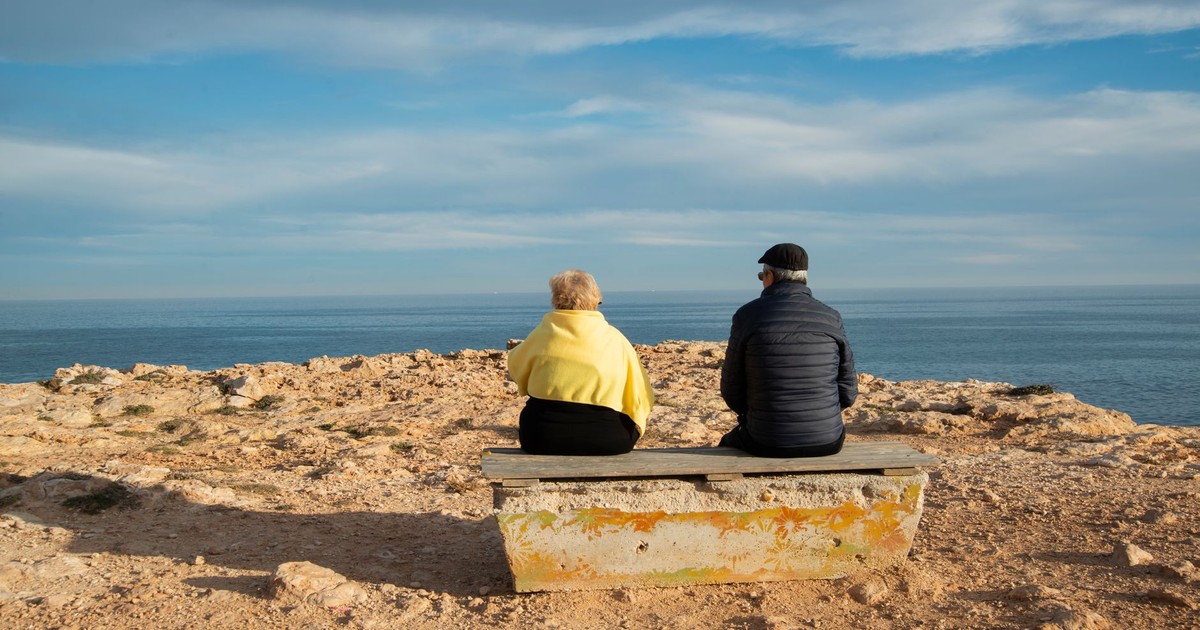

For nearly two decades, Mexico was the default answer for Americans who wanted to retire somewhere warm, affordable, and close enough to home that a flight back for Thanksgiving was still realistic. The mental image was specific: a colonial town with cobblestone streets, a good local taquería, afternoon light falling across a courtyard. The numbers seemed to work. Until, for a growing number of people actually doing the research, they stopped.
The stumbling block isn’t Mexico’s food or its weather or even its culture. It’s the paperwork, and what the paperwork actually says versus what people assumed it said. Retirees who made the move, or who got close and changed course, describe the same sequence: the initial excitement, the deeper research, the recalculation, and then a pivot toward somewhere most people hadn’t previously considered.
That somewhere, more often than not, is Panama. Specifically, a small mountain town in its western highlands that most Americans couldn’t have placed on a map five years ago. The reasons for that shift are practical rather than romantic, which is exactly why they’re worth understanding in full.
What Mexico’s Residency Rules Actually Require
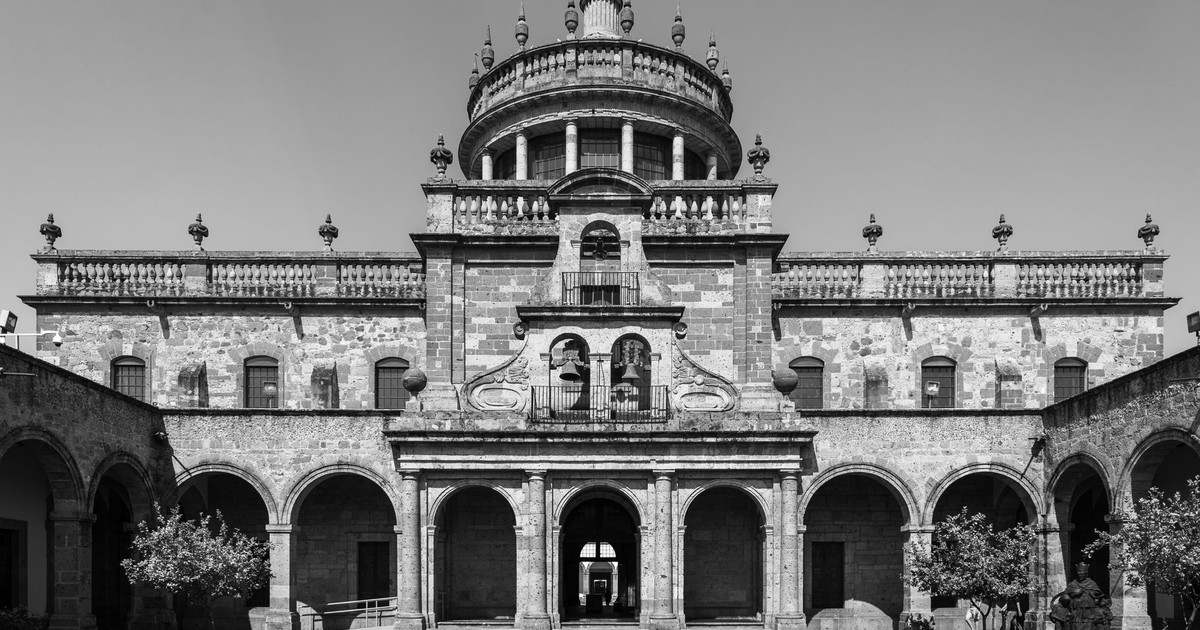
Mexico doesn’t have a specific retirement visa. Instead, people apply for a Temporary Resident Visa or a Permanent Resident Visa under the Economic Solvency route. Because the income thresholds were never designed specifically with retirees in mind, they’ve been moving in one direction.
Mexico’s updated immigration rules have shifted the financial bar noticeably in recent years, with consulates moving away from using minimum wage as a benchmark in favor of a more stable indexed unit called the UMA. Immigration lawyers advise verifying figures against the specific consulate where you’re applying, because the percentages can change from one consulate to another.
The income figures that circulate in expat forums are often out of date. A Permanent Resident Visa now requires proof of a monthly pension of roughly $7,300 to $7,400 or savings of roughly $294,000 to $300,000. For couples, the requirements scale upward. The Temporary Resident path, valid for up to four years, is typically the first step for retirees who want to experience life before committing to permanent status.
Beyond the income question, government processes in Mexico can be slow. Applying for residency and buying property can take time. Many retirees make multiple trips to immigration offices, gather extensive documentation, and face long processing times. That’s not a dealbreaker for everyone, but for retirees who expected a relatively straightforward process, the reality is often a jarring surprise.
In August 2025, the U.S. State Department issued a Level 2 travel advisory for Mexico, meaning travelers should “exercise increased caution” when traveling there. For Colima, Guerrero, Michoacán, Sinaloa, Tamaulipas, and Zacatecas, the State Department warns against travel due to high crime levels. Popular retirement destinations like San Miguel de Allende and Puerto Vallarta sit in comparatively safer areas, but the national advisory is something retirees researching the fine print can no longer easily ignore.
Why Panama Became the Mexico Retirement Alternative Worth Taking Seriously
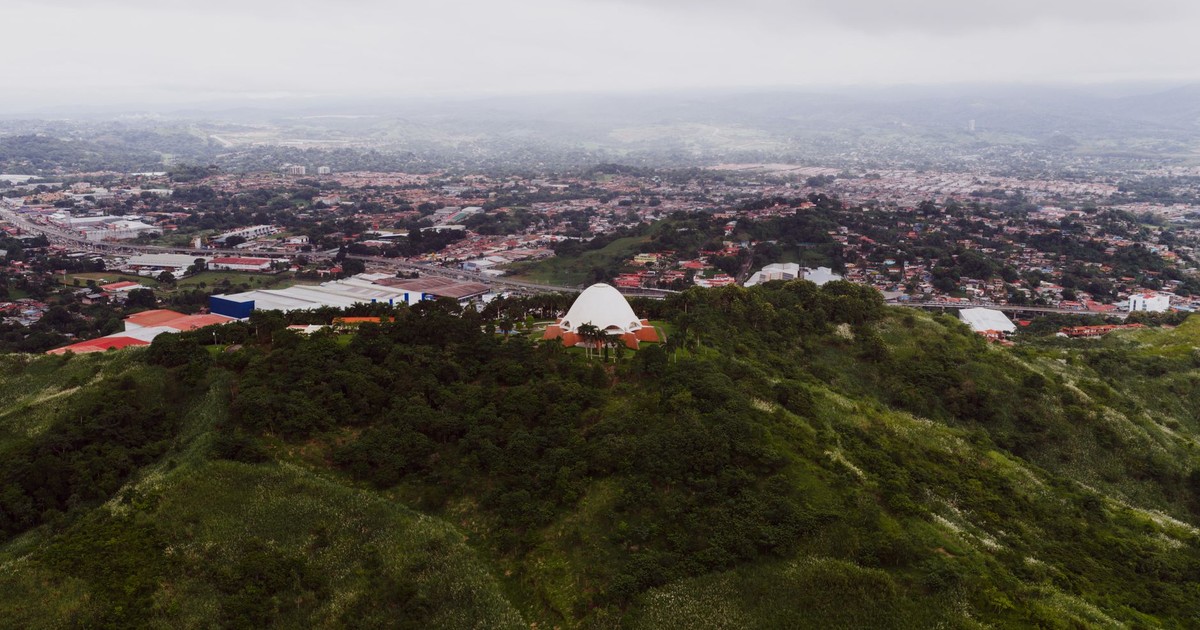
Panama has been a fixture on retirement-abroad lists for years, but for much of that time it was easy to dismiss as an expat industry talking point. What changed is that the specifics got harder to argue with.
The centerpiece is the Pensionado Visa, which is unlike any retirement residency program offered by Mexico. Panama’s permanent residency program for foreign retirees covers anyone who receives a guaranteed lifetime pension. It is administered by the National Immigration Service under Law 6 of 1987. Panama sets no minimum age for this program. Residency is permanent from the day of approval, with no temporary status, no annual renewals, and no conversion process.
Permanent residency from day one means no multi-year waiting period, no temporary-to-permanent conversion, and no annual check-in with an immigration authority. For retirees who spent months untangling Mexico’s layered process, this reads like a different system entirely.
The Panama Pensionado Visa allows retirees or persons with lifetime pensions to obtain permanent residency in Panama. Applicants must have a guaranteed lifetime pension of at least $1,000 per month, or $750 per month if purchasing real estate in Panama valued at $100,000 or more. The visa offers exclusive benefits including tax exemptions and discounts on transportation, entertainment, dining, and healthcare. Compared to Mexico’s multi-thousand-dollar monthly threshold for direct permanent residency, a $1,000 monthly pension requirement puts the Pensionado within reach of anyone receiving a standard Social Security benefit.
The visa reportedly has a 97% approval rate, and almost 2,000 were granted in 2024. That number reflects genuine demand, not just theoretical interest.
Panama uses the US dollar as its currency, meaning a pension deposited in dollars is spent in dollars, with no conversion and no devaluation risk. For retirees anxious about currency fluctuation eating into a fixed income, that’s a practical edge over nearly every other Latin American country. Panama’s territorial tax system means foreign pension and retirement income are not taxed locally. Social Security payments, annuities, and foreign pensions arrive whole.
The Pensionado Discounts: What They Actually Cover

The discount schedule attached to the Pensionado Visa is often described in vague terms. The reality is more specific. The Panama Pensionado Visa grants permanent residency to anyone with a guaranteed lifetime pension of at least $1,000 per month, with no age requirement and no nationality restriction. Established by Executive Decree No. 9 of 1987, it carries a legally mandated discount schedule covering hotels, healthcare, transportation, and utilities.
A 2026 Kiplinger report on retiring abroad noted that in Panama, people pay about $30 for a primary care visit, and one U.S. expat recently paid $110 for an ultrasound of his shoulder, before the 20% senior discount available on medical expenses. Out-of-pocket costs at those levels make catastrophic-only insurance coverage a genuinely sensible strategy, rather than a risky compromise.
At a $2,000 monthly budget level in Panama, Pensionado cardholders can enjoy occasional dining at local restaurants, join a gym or community activities, and take advantage of discounts on entertainment, transportation, and restaurants that can save 10% to 50% on many expenses.
Boquete: The Town That Changed the Conversation
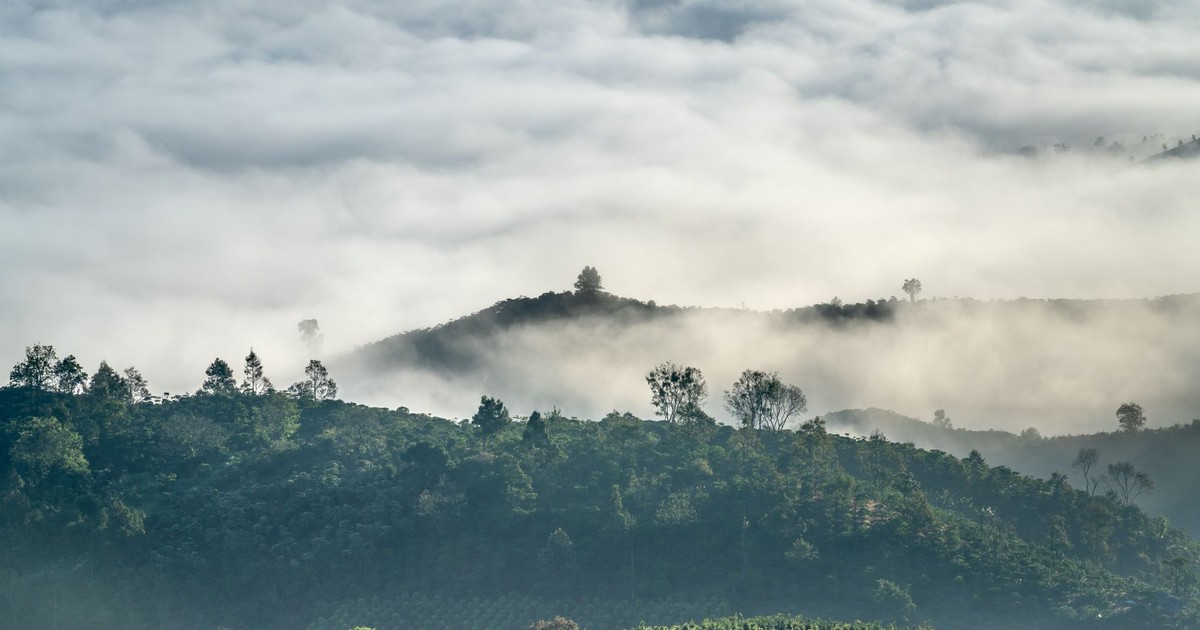
Panama City draws the most attention, but for retirees who spent years picturing a colonial mountain town, Boquete is what actually closes the deal. Located in Chiriquí province in Panama’s western highlands, the town draws 3,000 to 5,000 expats to a highland valley sitting 1,200 meters above sea level. The draw is the weather: daytime highs typically reach 77 to 81°F (25 to 27°C) year-round, with nights cooling to around 63 to 66°F (17 to 19°C), and no air conditioning required. Anyone who came close to choosing Mexico’s highland towns, places like San Cristóbal de las Casas or the cooler neighborhoods of Oaxaca, will recognize that particular climate instantly.
The numbers are what make the comparison concrete. A comfortable retirement budget in Boquete runs $2,000 to $3,000 per month for a couple, compared to $3,000 to $3,500 in Panama City. For context, a couple covering those same basics in most American cities would typically spend three to four times that amount.
Housing costs in Boquete are lower than either Panama City or Mexico’s most popular expat towns. According to a 2026 guide from Pacific Prime, smaller towns like Boquete offer rents starting around $750 per month, compared to around $1,100 per month for a one-bedroom apartment in Panama City’s center. A three-bedroom house was recently listed for $150,000 in Boquete, with comparable rentals going for as little as $800 a month, often including water and internet service.
Expats in Boquete spend far less on utilities as well, since they don’t need air conditioning or heating. Electricity bills that routinely run $200 or more monthly in Panama City simply don’t exist at 1,200 meters elevation with year-round spring temperatures.
The expat community in Boquete is well established, which addresses one of the most underestimated risks of retiring abroad. A 2025 study published in the journal Psychology and Aging found that people who retire abroad risk feeling lonelier than older retirees who stay in their native country, based on a survey of about 5,000 Dutch people aged 66 to 90 living in 40 countries, with expats reporting higher levels of social isolation and, among those who lost touch with family and friends back home, greater emotional loneliness. A town with thousands of English-speaking expats already in place, established social infrastructure, and regular community events changes that calculus meaningfully.
What the Mexico Versus Panama Comparison Actually Comes Down To

Mexico’s colonial cities are genuinely beautiful, Spanish-language immersion is easier when you’re geographically close to it, and proximity to the United States means flights home are cheap and frequent. For retirees who can meet the income threshold, who have the patience for multi-step immigration processes, and who choose their specific region carefully, Mexico works.
The mental image many people carry of Mexican retirement, assembled from magazine features and social media, tends to understate two things: the financial bar for legal residency has risen, and the security picture varies dramatically by state. Neither of those facts disqualifies Mexico. They just mean the research has to go deeper than most people initially go.
Panama’s pitch is more straightforward on paper, and the Pensionado Visa is one of the few retirement residency programs in the world that was designed specifically for what it does. Panama created the program in the 1980s to attract retirees with guaranteed income, and today it is one of the most accessible and generous in the hemisphere. The dollarized economy, the permanent residency from approval, the legally mandated discounts: none of those features are incidental. They were built to be competitive, and they are.
Where This Leaves You
Run the numbers on Panama versus Mexico and Panama comes out ahead on almost every line item that can be quantified: visa accessibility, income threshold, currency stability, healthcare costs, and the specific livability figures for a town like Boquete. That matters, especially for anyone retiring on Social Security income alone, where every hundred dollars a month has to work harder.
But the numbers don’t capture why a rooftop terrace in Oaxaca kept showing up in someone’s daydreams for two years, or what it means to give up being a short flight from home. Those aren’t irrational preferences. They’re part of the decision too, and the retirees who do best abroad are generally the ones who have been honest with themselves about what they’re giving up, not just excited about what they’re gaining. Don’t relocate abroad expecting to find “America but better.” Each country has its own culture, customs, and pace of life, and the adjustment is real regardless of which country you choose.
If Mexico wasn’t quite clicking once you got into the residency requirements, you weren’t necessarily wrong about wanting to retire abroad. You may just have been looking at the wrong country. Some retirement plans don’t fall apart because the idea was bad. They stall because the first destination doesn’t hold up under scrutiny, and no one mentioned early enough that a very different option was sitting just a few countries further south.
Disclaimer: This information is not intended to be a substitute for professional medical advice, diagnosis, or treatment and is for information only. Always seek the advice of your physician or another qualified health provider with any questions about your medical condition and/or current medication. Do not disregard professional medical advice or delay seeking advice or treatment because of something you have read here.
AI Disclaimer: This article was created with the assistance of AI tools and reviewed by a human editor.