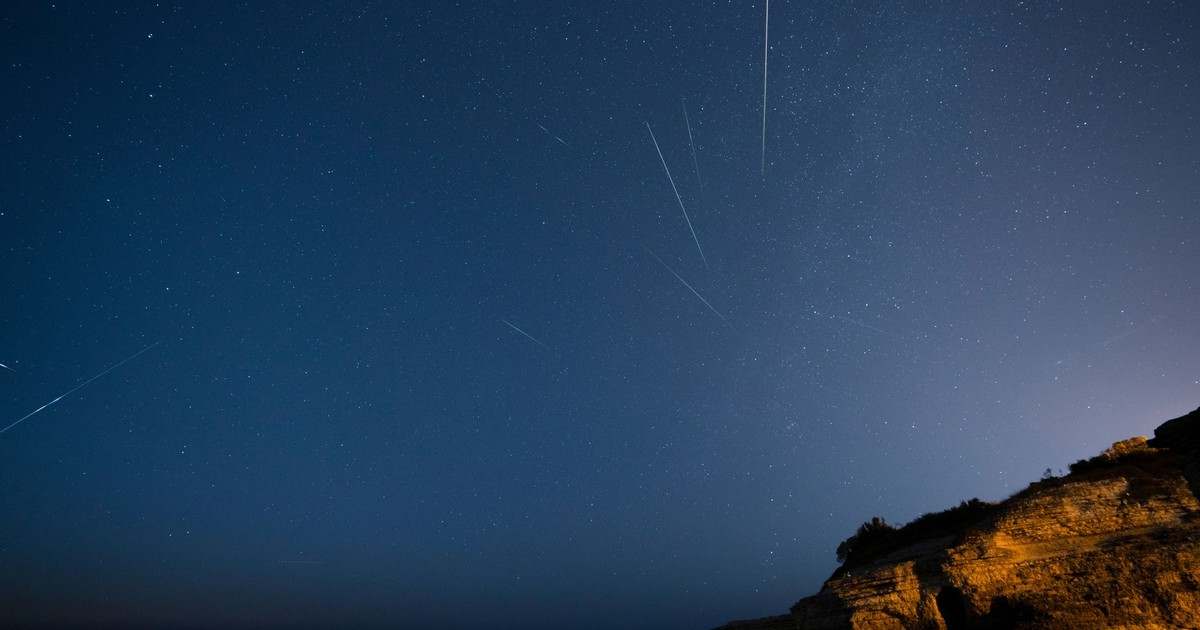

Two showers converging on the same night is unusual enough. Two showers converging the night after a full moon is cosmic timing that makes astronomers sigh. The Southern Delta Aquariids and the Alpha Capricornids both peak on the night of Thursday, July 30, rolling into the early hours of Friday, July 31. Both showers will be active overhead at the same time, each producing a different style of meteor from a different corner of the sky.
July’s full moon arrived on July 29, leaving it approximately 98 percent illuminated during the showers’ peak the following night. The lunar calendar for meteor watching during these meteor showers July double-peak could hardly be worse. Unfavorable isn’t the same as pointless, and if you know what you’re looking for and how to position yourself, the night of July 30 is still one of the more rewarding skywatching events on the summer calendar.
The two showers are genuinely different creatures. One scatters numerous faint streaks across a wide arc of sky. The other fires off slower, brighter, occasionally colorful fireballs that can cut right through the glare. Understanding the difference between them changes how you watch, and when.
The Southern Delta Aquariids: July’s Mysterious Workhorse
The Southern Delta Aquariids are something of a mystery. Scientists don’t know which space rock they originate from, unlike most showers. The suspected culprit is Comet 96P Machholz, according to NASA. That’s not a firm identification, it’s an educated guess, which is an oddly humbling thing for astronomers to admit about a shower that reliably shows up every year.
The shower has a zenithal hourly rate of 25 meteors per hour under perfect conditions, traveling at a medium speed of 25 miles per second. In practice, the moonlight this year will cut that count down significantly. The Southern Delta Aquariids are typically faint, which means you can best spot them on a moonless night in the hours before dawn. This year, of course, you don’t get a moonless night.
The shower’s name comes from the constellation Aquarius, from which the meteors appear to originate in the sky. The radiant point sits near the faint star Skat, also known as Delta Aquarii. It rises in mid-evening, reaches its highest point around 2 a.m., and sits low in the sky by dawn. The pre-dawn window, roughly 1 a.m. to 3 a.m. local time, gives the radiant its best angle and gives you the most meteors per hour, even accounting for the moon. The shower remains active from mid-July into late August, so if clouds ruin the July 30 peak, a clear night later in the week will still yield some activity.
The Alpha Capricornids: Fewer Meteors, More Drama
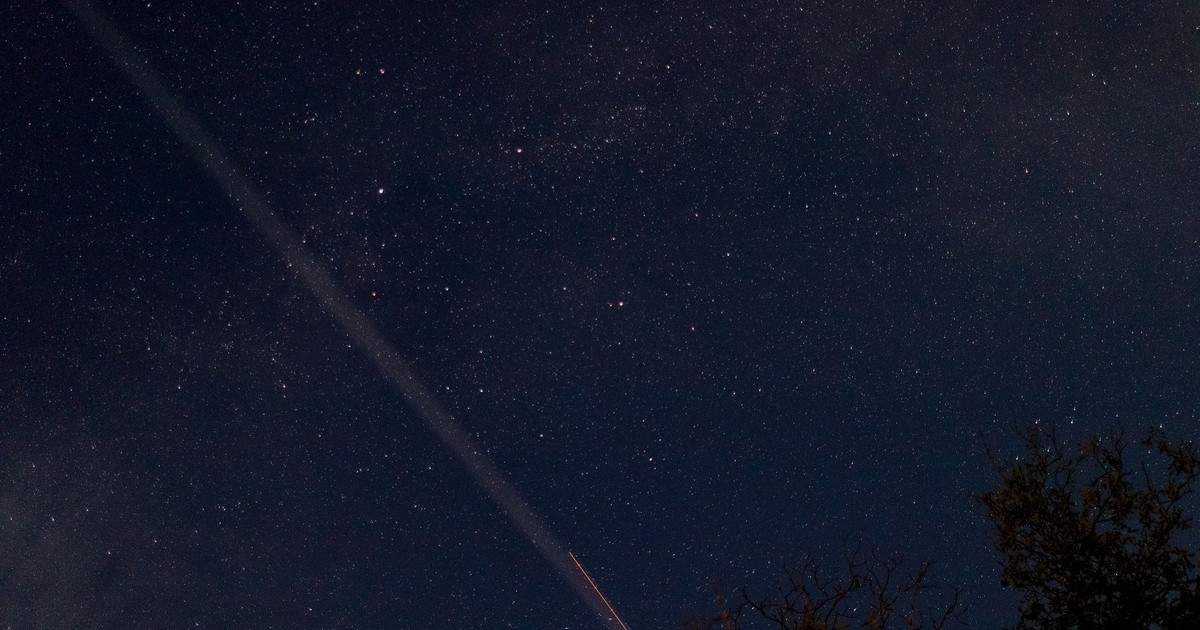
The Alpha Capricornids are a minor meteor shower in terms of count, but they produce bright, slow-moving fireballs. A fireball bright enough to leave a visible trail across the sky doesn’t care that the moon is nearly full. Some of them are visible from suburban backyards in ambient light that would wash out a Southern Delta Aquariid without a trace.
The Alpha Capricornids are active from July 12 through August 12, with a plateau-like maximum centered on July 31. The shower rarely produces more than 5 meteors per hour, but a disproportionate number of those are bright fireballs rather than the faint scratches that dominate most minor showers. Five meteors an hour sounds underwhelming until one of them blazes orange-white across the southern sky and fades out over 10 seconds. You wait through long stretches of nothing, and then one lands.
These meteors appear to originate in the constellation Capricornus. They are the product of debris from Comet 169P/NEAT, identified as the shower’s parent body based on the calculated direction and speed of meteoroids ejected roughly 4,500 to 5,000 years ago. These meteors travel unusually slowly because of the motion of the comet and its debris trail relative to Earth. Their sluggishness, coupled with a higher-than-average chance of fireballs, means lucky observers may get to see a particularly spectacular meteor. The slow speed is part of what makes them visually distinctive: instead of a quick white scratch across the sky, you get a deliberate, burning arc that lingers long enough to actually watch.
Why Both Showers Peak on the Same Night
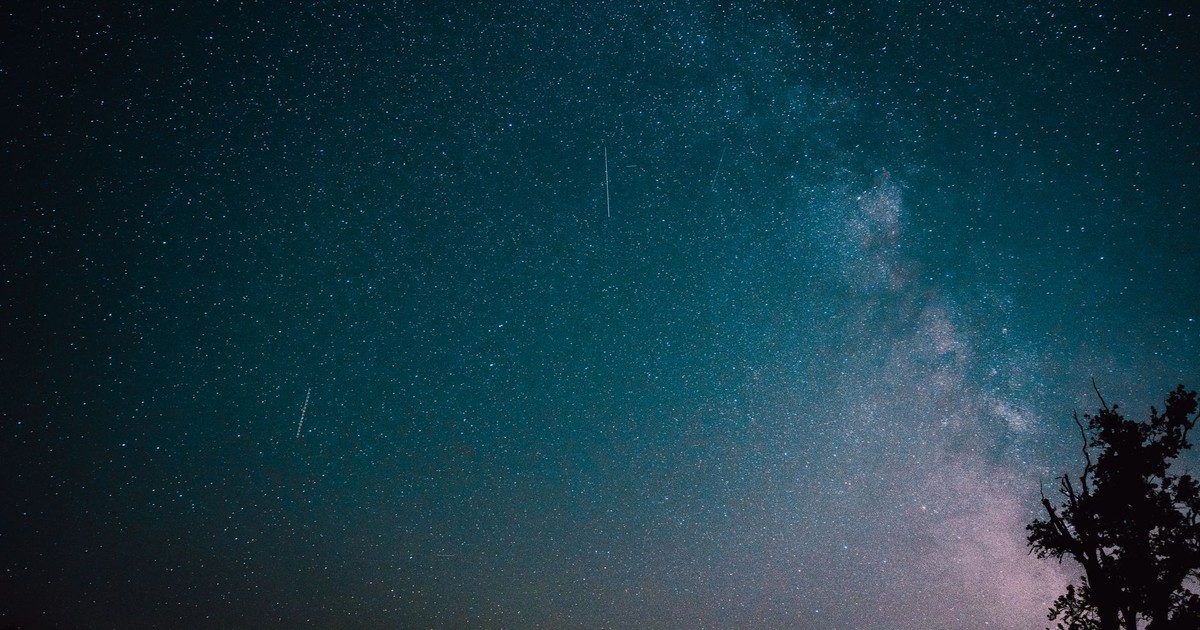
Neither shower is considered a major display like the Perseids, which peak in August, but both offer their own rewards and provide a fascinating reminder of Earth’s ongoing encounters with debris left behind by comets. Earth passes through two separate debris streams at roughly the same point in its annual orbit, and both streams happen to reach peak density around July 30 to 31.
Meteor showers occur when Earth passes through streams of rocky material left behind by comets. The particles strike the planet’s atmosphere at high speed, heating up and producing the streaks commonly called shooting stars. The two showers are coming from entirely separate parent objects, the Aquariids from a comet whose identity astronomers are still debating, the Capricornids from Comet 169P/NEAT, but their debris trails happen to intersect Earth’s path at the same time each year.
That extended activity means meteors from both showers may appear well before and after the official peak. If you go out Wednesday night or Thursday night rather than the official peak, you’ll still see activity from both showers. The July 30 date is when combined rates are highest, but it’s not a switch that turns off at midnight.
The Moon Problem and How to Work Around It
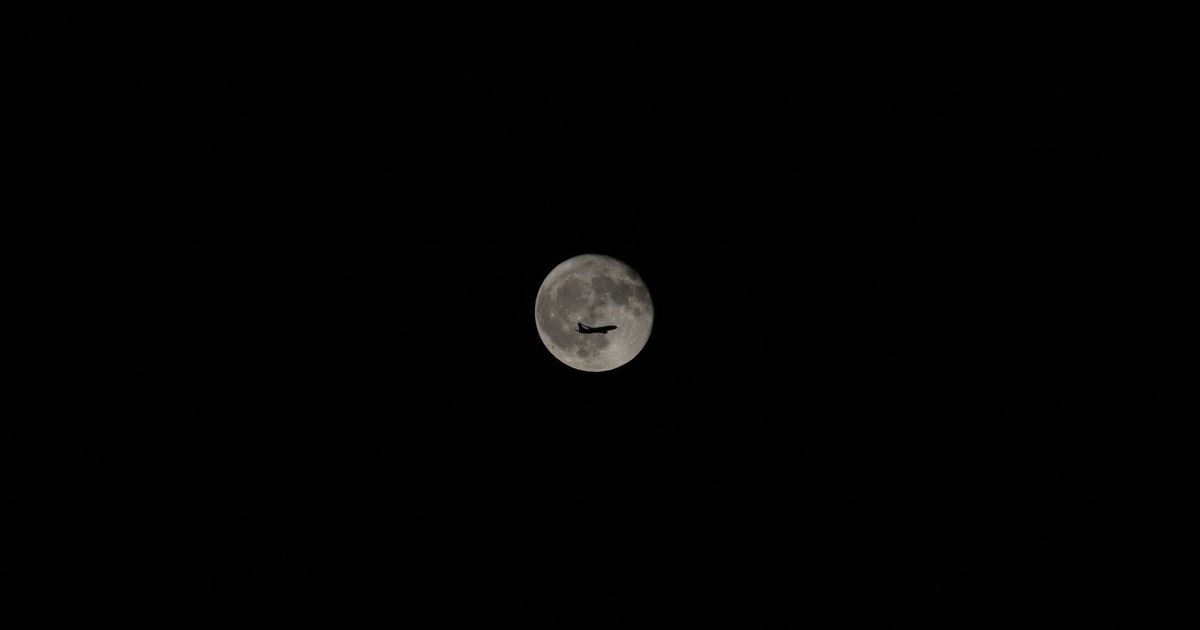
The moon’s glare will brighten the night sky and obscure many of the fainter meteors. Still, patient observers may spot some of the Alpha Capricornids’ signature fireballs shining through the moonlight. The Southern Delta Aquariids, being fainter and faster, will take the biggest hit. Many of the streaks that would be clearly visible in a dark sky simply won’t register against the lit backdrop. The Alpha Capricornids will fare better precisely because they’re brighter.
For the best odds, watch from a dark place and keep the moon out of your direct view. This means orienting your body so the moon sits behind you or to one side, and keeping your gaze on the darker portion of the sky. You’re not blocking the moon’s light entirely, but you’re preventing it from dominating your field of vision. A hillside, a stand of trees, or even a building can serve as a blocker if you position yourself correctly. The American Meteor Society also notes that allowing your eyes a full 30 minutes to adjust before you start counting makes a real difference. Dark adaptation is undone almost instantly by a glance at a phone screen, so leave it face-down.
Getting as far from city lights as possible still matters, even under a bright moon. A 98% full moon over a rural field is still substantially darker than the same moon over a suburb with streetlights. The combination of moonlight and light pollution is what really kills a session.
Where to Look and When to Go Out
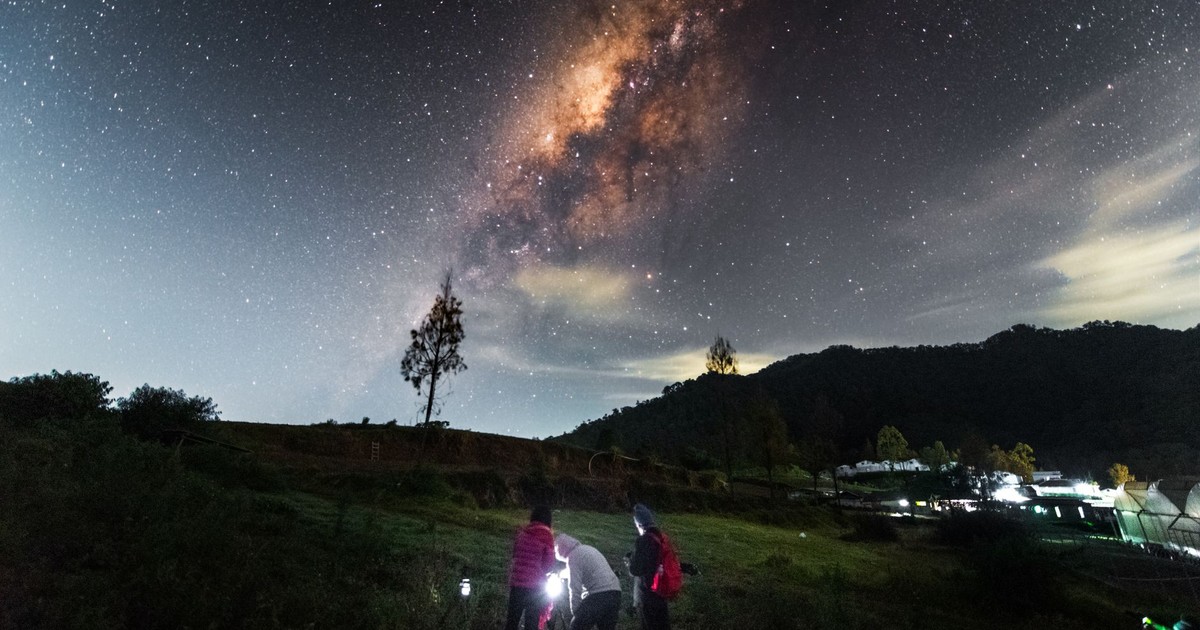
Both radiants are in the southern sky as seen from the Northern Hemisphere, which has two implications. First, observers in the southern United States, southern Europe, Australia, and South America will have the best views. The radiant points climb higher in the sky the further south you are, and a higher radiant means more meteors per hour. The Southern Delta Aquariids are best viewed in the Southern Hemisphere or along southern latitudes of the Northern Hemisphere. The Alpha Capricornids, by contrast, are seen equally well on either side of the equator.
Second, both showers favor the hours between midnight and 3 a.m. local time, when the radiant is highest above the southern horizon. Going out at 10 p.m. will yield noticeably less activity than going out at 1 a.m. Scientific American reports that lying flat on your back, looking about halfway between the horizon and the middle of the sky, and 45 degrees away from Aquarius gives you the best geometry. That 45-degree offset is worth paying attention to: looking directly at the radiant shows you meteors head-on, which means they appear as short bright dots rather than long streaks. Angling your gaze away lets you catch the longer, more dramatic trails as they burn across a wider arc.
No telescope or binoculars are needed, and in fact they’d work against you. The wider your field of view, the better. The best instrument for watching a meteor shower is a pair of eyes and a comfortable position that lets you stay still.
What Comes Next: The Perseids Are Just Weeks Away
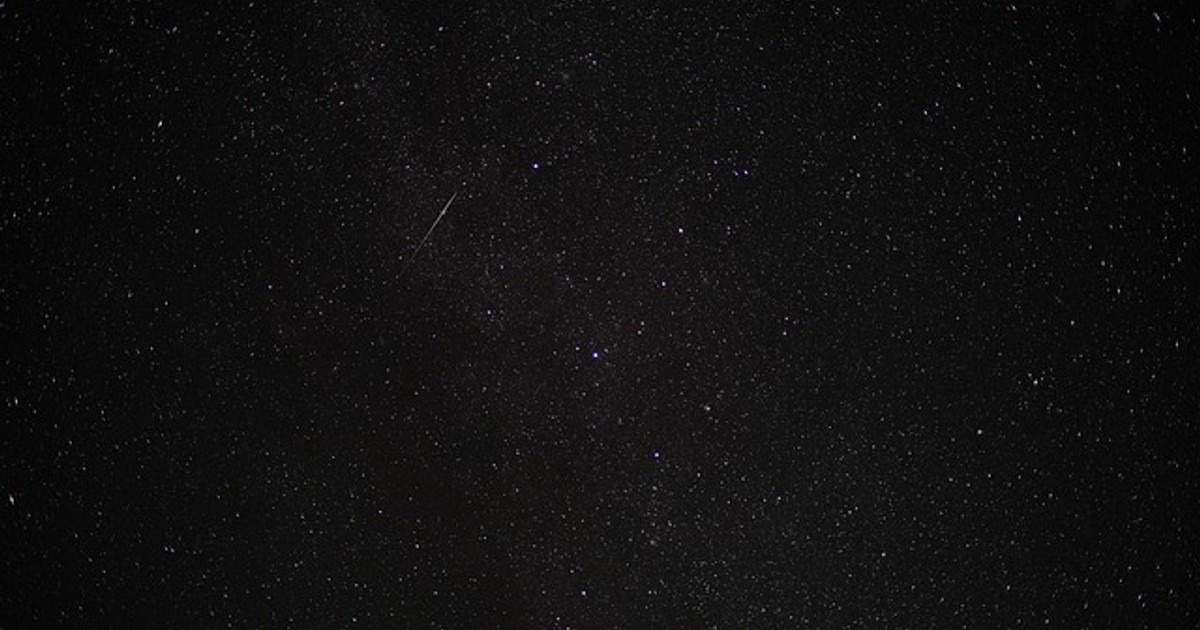
This double peak is a genuine warm-up act. The Perseid meteor shower, the most reliably impressive summer display in the Northern Hemisphere, peaks in mid-August. Unlike the Aquariids and Capricornids, the Perseids are a high-rate shower with rates regularly topping 100 meteors per hour under ideal conditions. The moon phase in mid-August 2026 will be considerably more favorable for viewing. If the July 30 double peak gets washed out by cloud cover or the moon proves too disruptive, there’s a better show coming in roughly two weeks.
The Buck Moon is also an important celestial marker, arriving just two weeks before a total solar eclipse on August 12, one of the biggest sky events of the year. That eclipse falls just as the Perseids reach their peak, making the second half of August one of the more event-dense weeks for skywatchers in recent years. The double meteor shower on July 30 sits right at the beginning of a run of significant sky events, which is reason enough to be outside this week even if the moon is working against you.
The debris trail that produces the Alpha Capricornids is gradually moving in space. There are predictions that in about 300 years the shower may become one of the major annual meteor showers. Catching it now, while it’s still a minor event, feels like watching something early in its career.
Read More: Half the World Will Watch as the Longest Solar Eclipse of Our Time Unfolds on August 2, 2027
Worth Going Out For
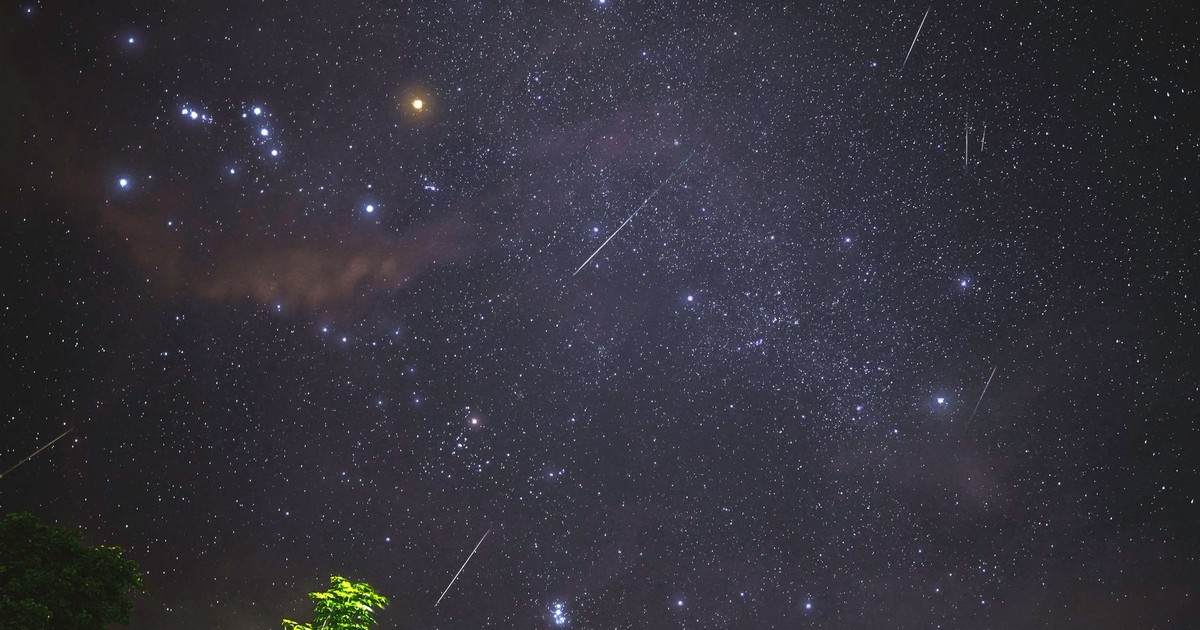
The moon being 98% full doesn’t make the night of July 30 a write-off. It makes it a harder night, not an impossible one. You’re not going to lie on your back and count 25 meteors an hour. You’re probably going to wait through 20 minutes of nothing and then watch a single Alpha Capricornid fireball take its time crossing the southern sky in a way that nothing you’ve seen on a screen quite replicates.
The two parent comets have been shedding debris for thousands of years. Earth plows through that debris every July, right on schedule. The moon being bright enough to see by on the night of July 30 is mildly annoying in the way that most things worth doing are mildly inconvenient. Dress for the warmth, let your eyes adjust, keep the moon at your back, and look south. Some of what crosses the sky that night has been traveling since before the Roman Empire.
Disclaimer: This information is not intended to be a substitute for professional medical advice, diagnosis, or treatment and is for information only. Always seek the advice of your physician or another qualified health provider with any questions about your medical condition and/or current medication. Do not disregard professional medical advice or delay seeking advice or treatment because of something you have read here.
AI Disclaimer: This article was created with the assistance of AI tools and reviewed by a human editor.