

Attraction in men over fifty tends to register differently than it does at twenty-five. The fleeting snap judgments don’t disappear, but they share space with something more considered: an eye for vitality rather than just youth, an appreciation for the kind of self-possession that only builds over decades. The standard attraction lists tend to flatten all of that into a tidy row of boxes that doesn’t quite match how the whole thing actually works.
What men find attractive in women, at any age, is rarely one feature sitting alone. It’s a constellation of signals that arrive simultaneously, most of them below the level of conscious thought. The twelve traits below are grounded in current research from evolutionary biology, experimental psychology, and facial attractiveness science.
None of this is about chasing a template. The research keeps pointing back to the same underlying theme: the things that register most strongly are the visible signs of health, ease, and a woman who has settled into herself.
1. A Genuine Smile

A controlled eye-tracking study published in The Laryngoscope found that when men assessed women’s faces, they fixated most on the mouth, and that fixation correlated most strongly with high attractiveness ratings. The study, run by researchers at the Mayo Clinic, used high-resolution photographs of real people and recorded where 154 participants focused their gaze for ten seconds per face.
What the mouth does matters as much as the mouth itself. A forced smile, the one produced for a work headshot, uses only the muscles at the corners of the mouth. Scientists call a fully engaged, natural smile a “Duchenne smile,” and it produces small crinkles around the eyes that are nearly impossible to fake. People have a strong ability to spot an inauthentic expression even from a distance. The real version signals warmth, safety, and trustworthiness in a way the imitation simply can’t replicate.
For older men especially, a smile that reaches the eyes tends to register as an indicator of emotional openness, not just prettiness. It’s one of those features that reads as “worth getting to know” before a word has been said.
2. Healthy, Well-Kept Hair
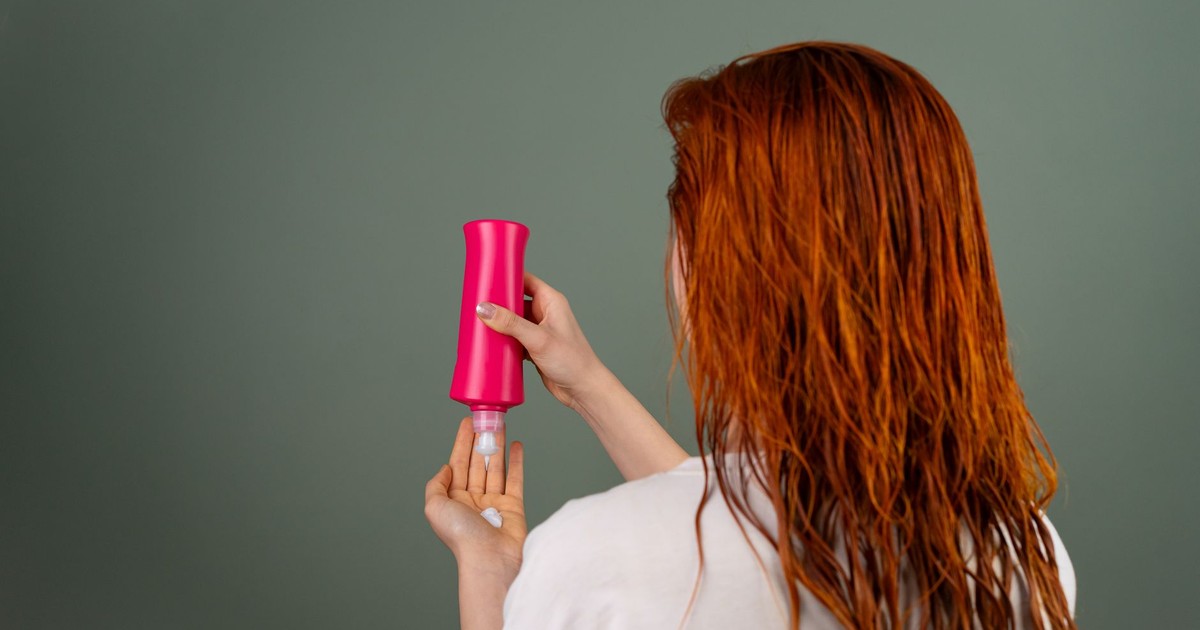
Hair may be one of the most underestimated features in the attractiveness conversation. Research consistently links shiny, well-maintained hair to overall vitality. It functions as a visible signal of general health. From an evolutionary standpoint, the condition of a person’s hair reflects nutrition, hormonal health, and age, which is part of why it registers so immediately in another person’s assessment.
This doesn’t mean a specific length or color is required. The condition of hair, its texture, lustre, and how cared-for it looks, is one of the first things men register, even when they couldn’t tell you afterward that they noticed it. Thinning, dull, or severely damaged hair tends to subtract from overall attractiveness ratings in studies, while healthy-looking hair in any style adds to them.
3. Upright, Open Posture
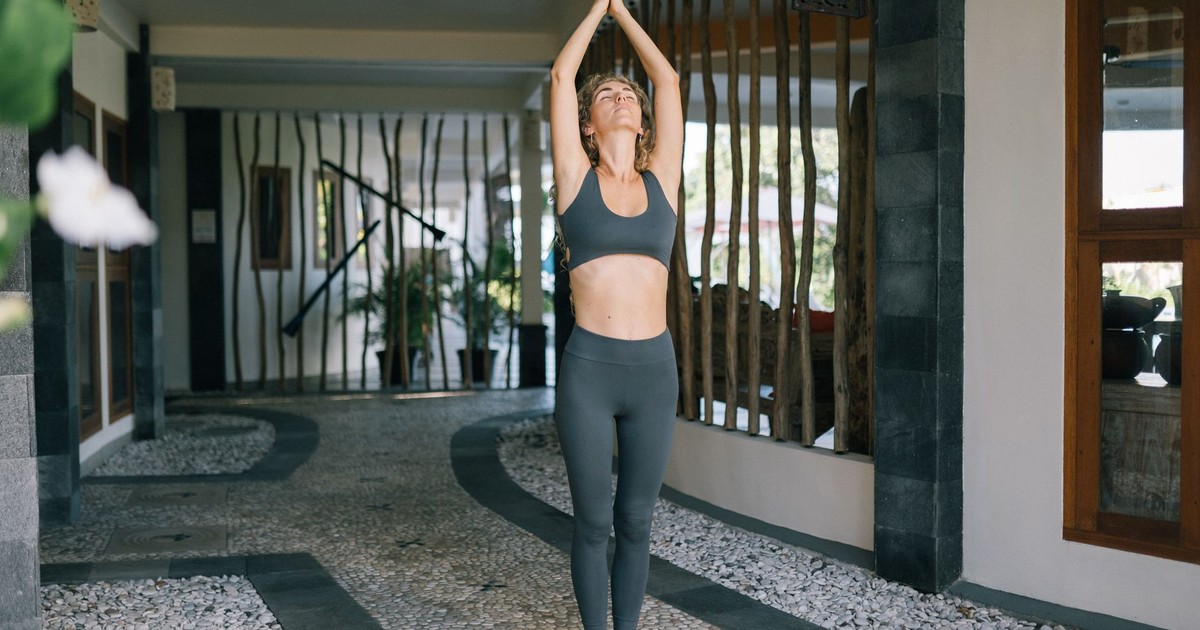
The way a woman holds herself communicates something before she’s close enough to make eye contact. A 2025 preprint study titled “Stand Upright to Impress,” which used three separate experiments including a forced-choice design to establish causal relationships, found that observers consistently selected upright postures as more attractive and indicative of higher self-esteem than slouched ones.
Senior men tend to be particularly responsive to posture, because it reads as a marker of self-possession, a quality that becomes more attractive, not less, as the years pass. Rounded shoulders and a sunken chest communicate something different from an open, upright stance, even if the person’s face is equally appealing. Posture is one of those traits that doesn’t require any particular physical gift. It’s adjustable, and the effect it has on perceived attractiveness is disproportionate to the effort it takes.
4. Clear, Healthy-Looking Skin
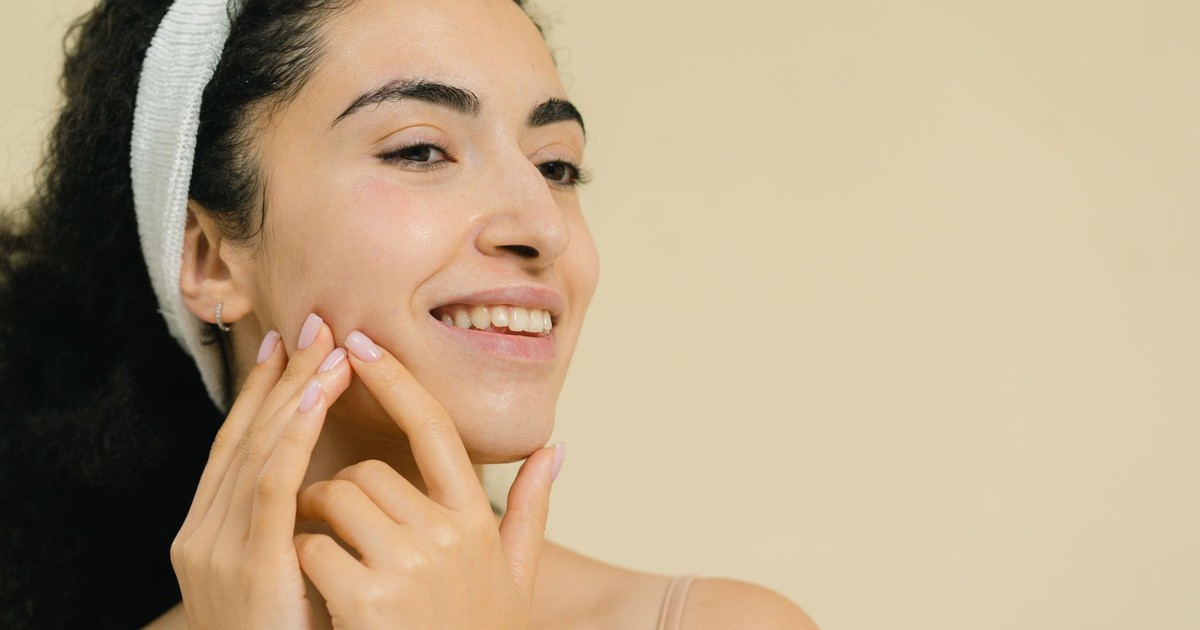
Clear, smooth skin is one of the traits most consistently associated with attractiveness across cultures, functioning as a signal of youth, strong immunity, and reproductive health. For senior men, clear skin doesn’t mean the absence of lines. It means even tone, a healthy glow, and the absence of visible signs of chronic poor health or neglect.
Wrinkles on a woman in her fifties or sixties don’t subtract from attractiveness the way a grey, dehydrated complexion does. Research on what men find attractive in women draws a consistent line between the natural effects of aging and the visible effects of poor health. The former registers largely as neutral, while the latter genuinely diminishes appeal. Skincare, hydration, and sun protection do measurable work here, and not just for vanity.
5. The Waist-to-Hip Ratio
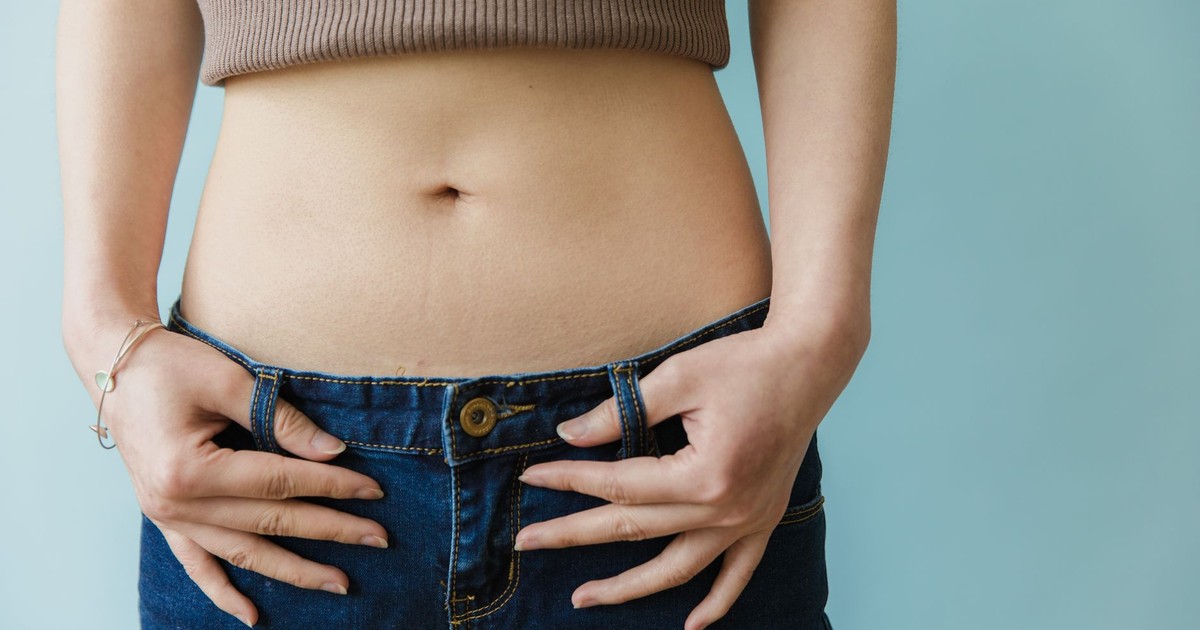
This is one of the most replicated findings in the entire field of physical attractiveness research. Waist-to-hip ratio is among the physical traits most consistently associated with female attractiveness, and studies across multiple cultures consistently find that men prefer lower waist-to-hip ratios in women.
Research also shows that men spend longer viewing women’s chest, waist, and hip areas compared to other body regions, likely because these areas carry more information about attractiveness-related cues. The waist-to-hip ratio preference appears to be driven partly by what this proportion has historically signaled: health, hormonal balance, and fertility. For older men, who are often consciously or unconsciously assessing long-term compatibility, these kinds of health signals carry real weight.
6. Bright, Expressive Eyes
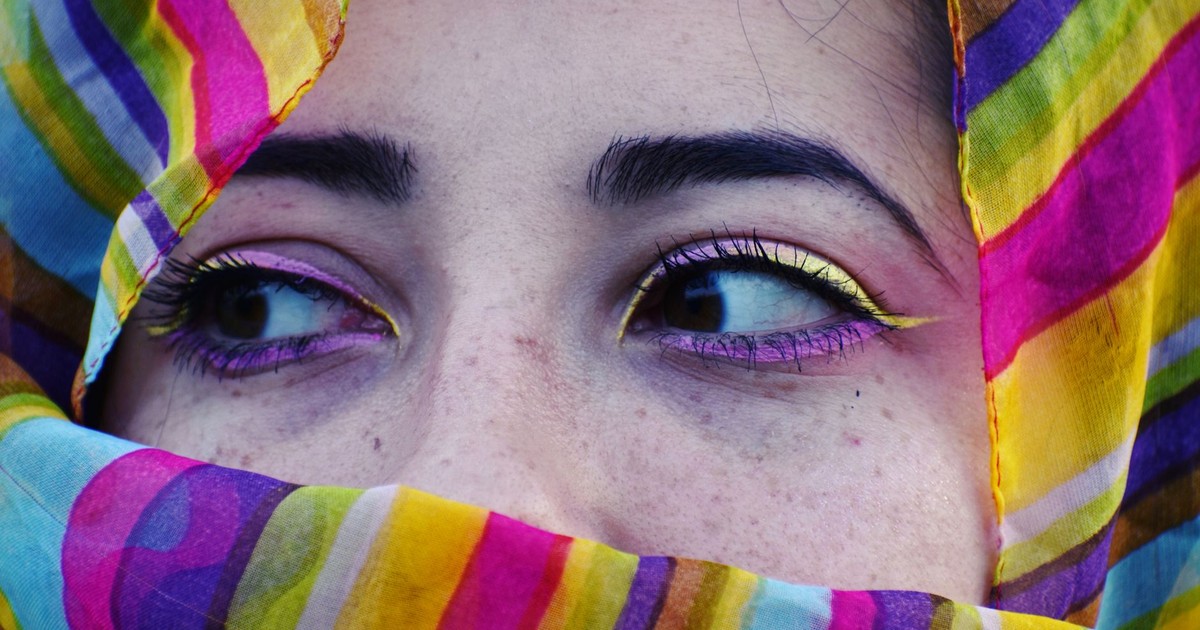
Eyes are the feature people tend to credit the most when asked what they noticed first, though, as the eye-tracking research shows, men’s actual gaze patterns suggest the mouth often wins that race. Research consistently finds that men rate larger, more expressive eyes as appealing, associating them with femininity, health, and youth. Expressiveness matters as much as size. Eyes that animate when someone is speaking, that register humor or thought or feeling, are doing something that static prettiness doesn’t.
For senior men, the expressiveness component tends to outweigh the size or shape. A face that is hard to read has a very different effect on a mature observer than one that shows what the person is thinking. Expressive eyes signal emotional availability, and that becomes a more prominent part of what men find attractive in women as they get older.
7. Good Teeth
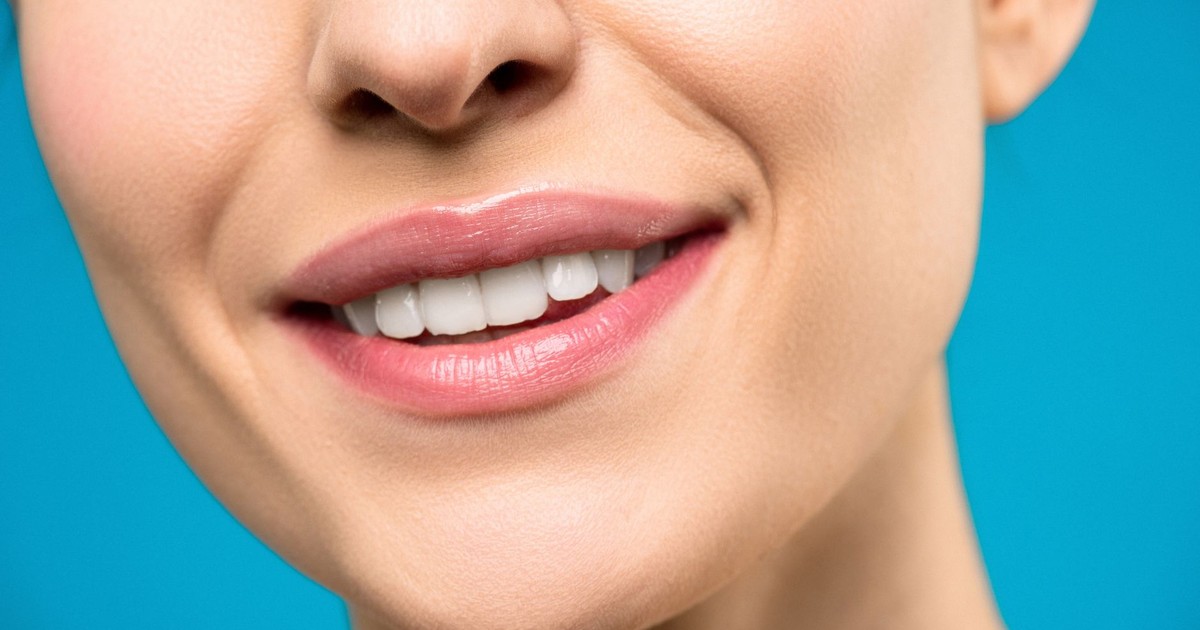
Match’s annual Singles in America survey consistently ranks teeth among the top physical traits singles notice on a first date, with roughly 37% of respondents citing teeth as a key factor in judging a potential date, placing it ahead of clothing and behind only photos and grammar.
Clean, straight teeth signal good childhood health and hygiene habits that carry into adulthood. Evolutionary biology connects tooth condition to disease and nutritional status, making healthy teeth a proxy for overall genetic health. For older men, this makes particular intuitive sense. Teeth are a remarkably honest signal. Unlike many other aspects of appearance, they’re difficult to fake without significant intervention, which is part of why they carry such weight in first-impression assessments.
8. Facial Symmetry
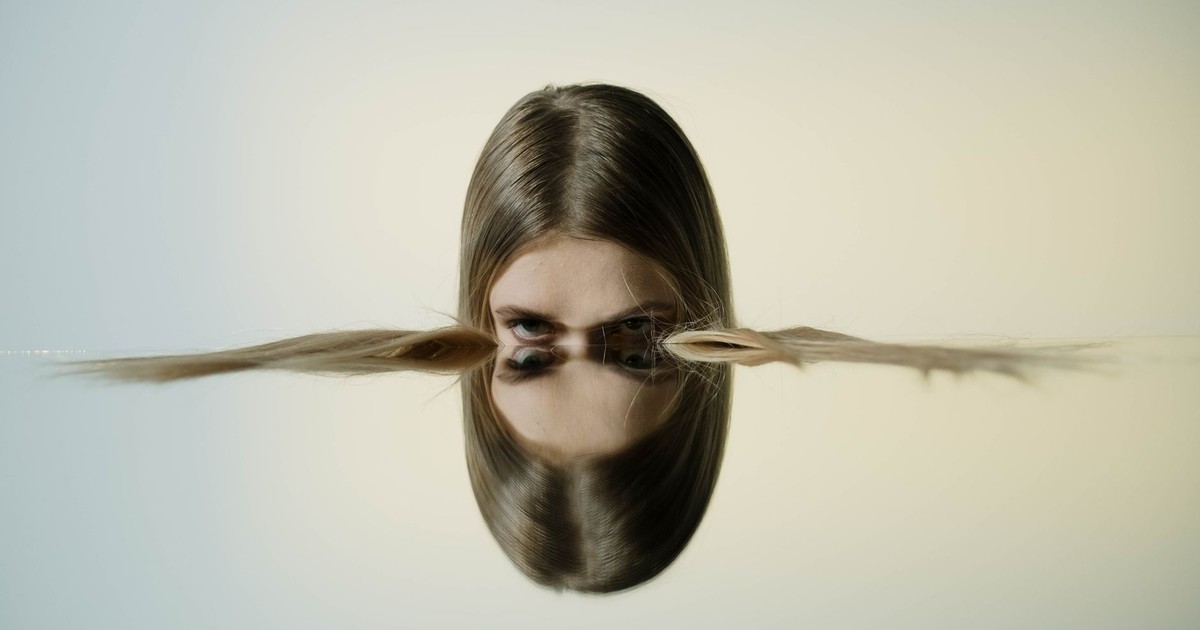
Symmetry signals genetic fitness and resistance to disease, a consistent finding across decades of research in evolutionary biology and human attractiveness. The preference for symmetrical faces appears to be hardwired rather than cultural. Studies using face-rating tasks find that slight asymmetries in the eyes, jawline, or brow consistently reduce attractiveness ratings, even when observers can’t articulate why.
Symmetry works as a kind of biological shorthand. The reasoning being that symmetrical development signals that a person’s genetics weren’t disrupted by illness, environmental stress, or poor nutrition during formative years. Most people can’t consciously measure facial symmetry, but they feel its presence or absence immediately. Some faces seem to “click” and others, despite having individually attractive features, feel somehow off. That’s symmetry doing its work at a level well below deliberate thought.
9. Clothing Color, Especially Red
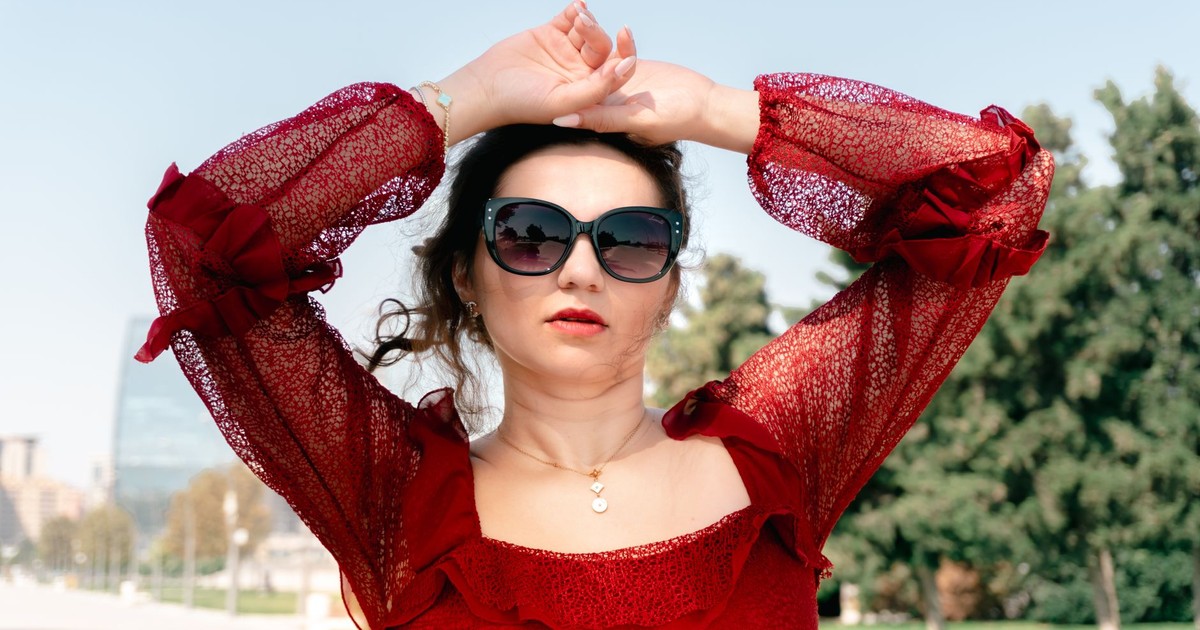
Clothing color influences attractiveness ratings significantly, with multiple studies finding that red clothing makes women appear more attractive to men, possibly because of its deep cultural and emotional associations with passion and desire. The “red effect” is one of the more robust findings in color psychology, and it holds across different cultures and age groups.
The effect also appears among female observers rating other women, which suggests the association runs deeper than simple male preference. For senior men who have long since stopped consciously tracking fashion trends, a woman who wears red still registers differently. The color creates a pull that operates below the level of deliberate thought.
10. Natural Confidence in Movement

The way a woman moves through a room carries as much information as the way she looks standing still. Body motion is independently assessed in attractiveness research, and fluid, self-assured movement consistently rates higher than stilted or self-conscious movement, regardless of the person’s facial appearance.
A woman who moves without visible self-monitoring, who occupies space naturally rather than tentatively, registers as confident. Senior men, more than younger ones, tend to find this genuinely compelling. The self-consciousness that tends to peak in the twenties, and the physical tension that comes with it, often doesn’t read as attractive to a man who has spent decades watching people. Ease in the body is its own signal, separate from posture, separate from beauty.
11. A Healthy Glow, and What It Actually Signals
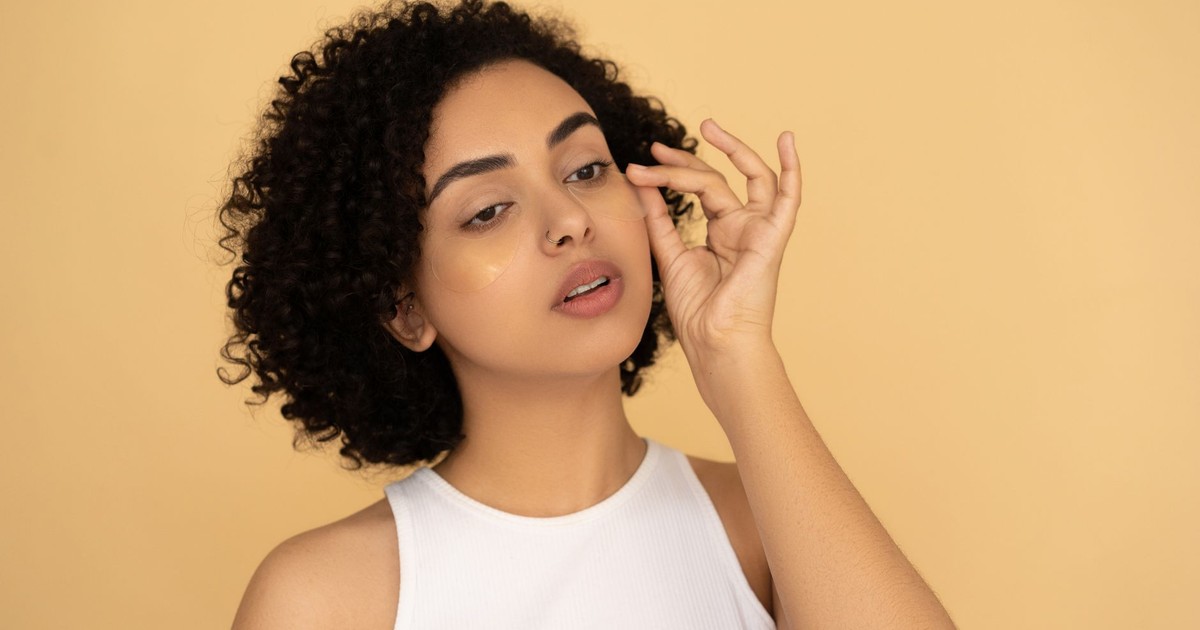
The “glow” that people describe in someone who looks healthy isn’t a vague aesthetic impression. It reflects actual physiological factors: good circulation, adequate sleep, proper hydration, and cardiovascular health all show up visibly in skin tone and vitality. A large-scale cross-cultural study led by the Max Planck Institute for Empirical Aesthetics analyzed over 1.5 million attractiveness ratings from more than 28,500 participants, with findings published in Proceedings of the Royal Society B in 2026. The results showed that women’s faces are consistently rated as more attractive than men’s across age groups, cultures, and regions.
Among the facial features that contributed most consistently to higher ratings was luminance contrast, the brightness and evenness of skin tone, which varies visibly with health and age. The glow that registers as attractive signals, in practical terms, that a woman is taking care of herself and that her body is functioning well. It’s less about beauty-counter interventions and more about the visible by-products of good health habits: regular sleep, adequate hydration, and time spent outdoors.
Read More: 15 Cruise Ship Spa Perks Secretly Reserved for Early Birds Over 60
12. Groomed, Intentional Presentation
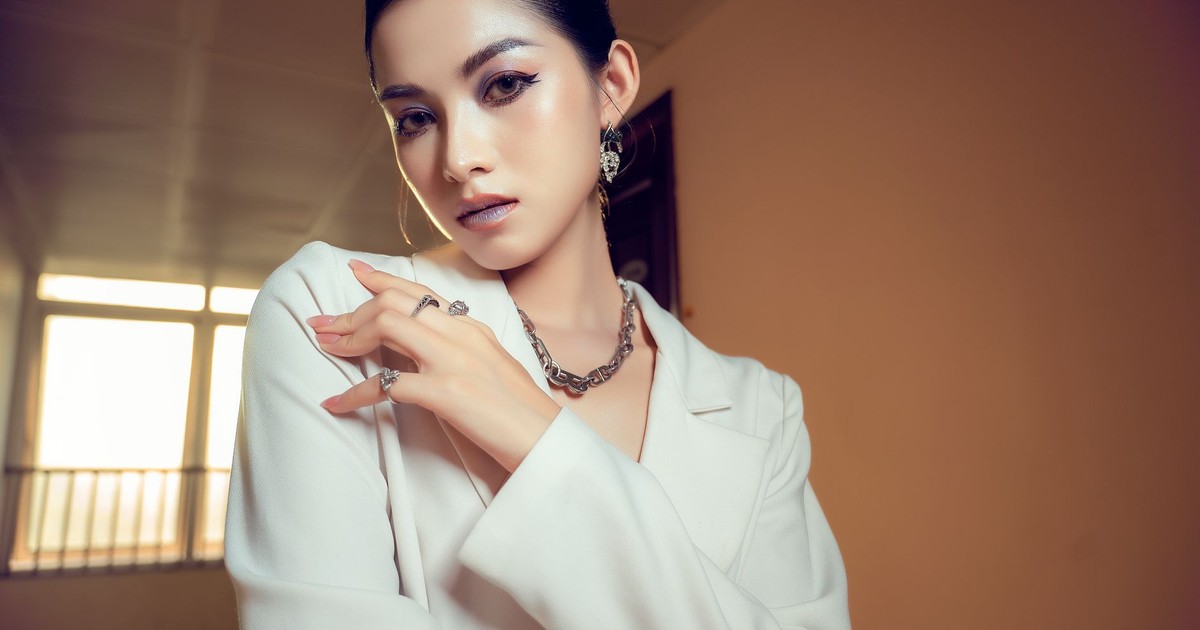
The final trait isn’t a single feature. It’s the overall impression that a woman has given thought to how she presents herself. Research across multiple studies consistently finds that men rate women who appear intentionally put-together as more attractive than women who appear equally attractive but visually careless. This doesn’t mean heavy makeup or expensive clothes. It means the hair is intentional, the clothing fits, and the overall picture signals that the person respects how she appears to the world.
Research actually shows that men tend to find women who wear less makeup more attractive than women who wear more. The key word in both cases is intentional. A woman who clearly thought about how she looks, and made choices that work for her, rather than chasing a template, registers very differently from one who hasn’t. For senior men, this kind of self-aware presentation reads as confidence, maturity, and self-respect. Three things that become significantly more attractive with age.
What to Do With All of This
Running through all twelve traits is a single thread: most of what men notice isn’t about meeting an impossible standard. It’s about visible signs of health, self-possession, and care. The features at the top of the list, a genuine smile, good posture, clear skin, healthy hair, are all, to varying degrees, expressions of how a woman inhabits her own life. You can’t fake the Duchenne smile. You can’t fake the ease of movement that comes from actually being comfortable in your own skin.
Some of these findings will feel uncomfortable, and that’s fair. The research on waist-to-hip ratio, for example, is grounded in evolutionary biology that can feel reductive when applied to a real, three-dimensional human life. Knowing that a preference is partly wired in doesn’t make it feel less like a judgment. But the broader picture is genuinely encouraging: the traits that senior men respond to most consistently are the ones that reflect wellbeing, vitality, and authenticity, not the ones that require a woman to shrink herself or chase someone else’s idea of beauty. The woman who walks into a room smiling, standing tall, in a red dress and her own skin, has done the work that actually counts.
Disclaimer: This information is not intended to be a substitute for professional medical advice, diagnosis, or treatment and is for information only. Always seek the advice of your physician or another qualified health provider with any questions about your medical condition and/or current medication. Do not disregard professional medical advice or delay seeking advice or treatment because of something you have read here.
AI Disclaimer: This article was created with the assistance of AI tools and reviewed by a human editor.