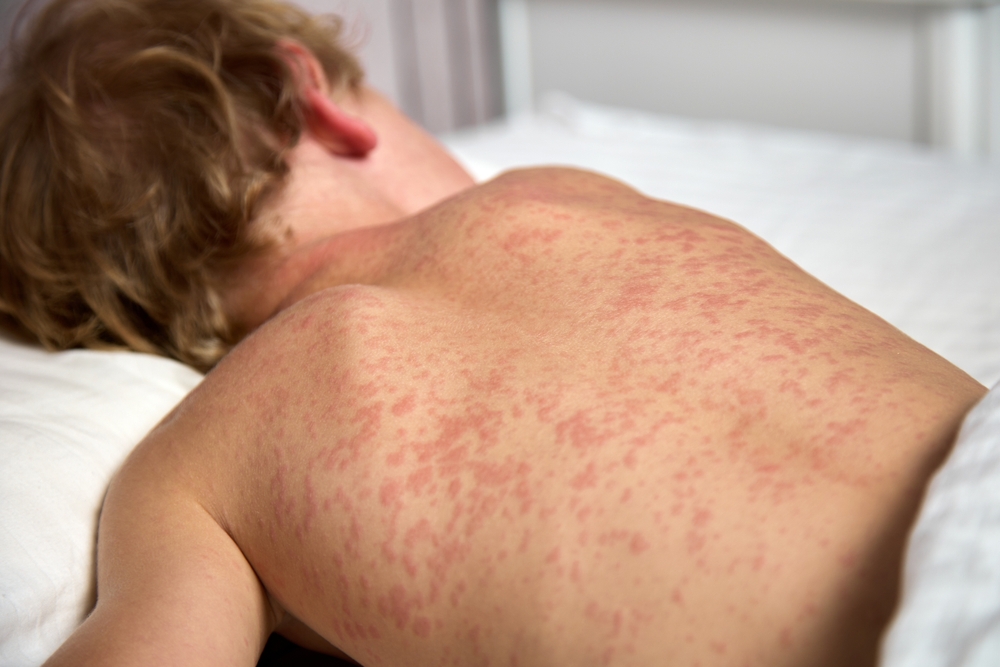

The last time the United States saw measles case numbers like these, Bill Clinton was in his first term. That comparison isn’t rhetorical flourish. The country is experiencing its largest measles resurgence since 1992, when over 2,100 cases occurred. Except now, with the year only half over, the numbers from 2026 are already approaching that benchmark and climbing.
The arc of the past 18 months has been steep. Measles cases in the United States surged in 2025, with confirmed infections reaching more than four times the total for all of 2024. For the full year of 2025, the CDC reported a total of 2,288 confirmed measles cases in the United States. Then 2026 arrived and didn’t slow down. As of June 11, 2026, 2,073 confirmed measles cases were reported in the United States in 2026 alone, meaning the country has already nearly matched its entire 2025 total in roughly five months.
Health officials aren’t just tracking cases anymore. They’re watching a clock tick on a public health achievement that took decades to earn and that, once lost, won’t easily come back.
How We Got Here

The measles outbreak that set everything in motion started in West Texas in January 2025. In Texas and New Mexico, the key hotspots, 259 measles cases were reported by mid-March in Texas, with 99% of them in unvaccinated individuals, involving 34 hospitalizations and the first death of a child in a decade. What followed wasn’t a contained local crisis. It was the start of a nationwide chain of transmission that never broke.
From January 1, 2025, through June 4, 2026, there have been 4,318 confirmed measles cases in the United States. About 93% of those cases were confirmed in people who were unvaccinated or did not know their vaccination status. The CDC has confirmed three deaths associated with the ongoing measles outbreak: two children in Texas who tested positive for measles and were not vaccinated, and an unvaccinated adult in New Mexico. Additionally, the Los Angeles County Department of Public Health confirmed one death of a child from a measles-related complication.
The geography of the outbreak shifted as 2026 progressed. The bulk of cases initially concentrated in South Carolina, which had the highest number of cases per state in U.S. history since the disease was declared eliminated. The South Carolina Department of Public Health declared that outbreak over on April 26, with 997 cases reported in Spartanburg County. But the epidemic didn’t end there. Measles cases climbed in other states, particularly Utah, which became the new center of the outbreak, with the state’s Department of Health and Human Services confirming 476 cases in 2026.
There have been 30 new outbreaks reported in 2026, with 93% of confirmed cases linked to outbreak clusters. To understand what that frequency means historically, consider this: between 2001 and 2011, there were just 64 recorded measles outbreaks in a full decade. In 2025 alone, there were 48.
Who Is Getting Sick
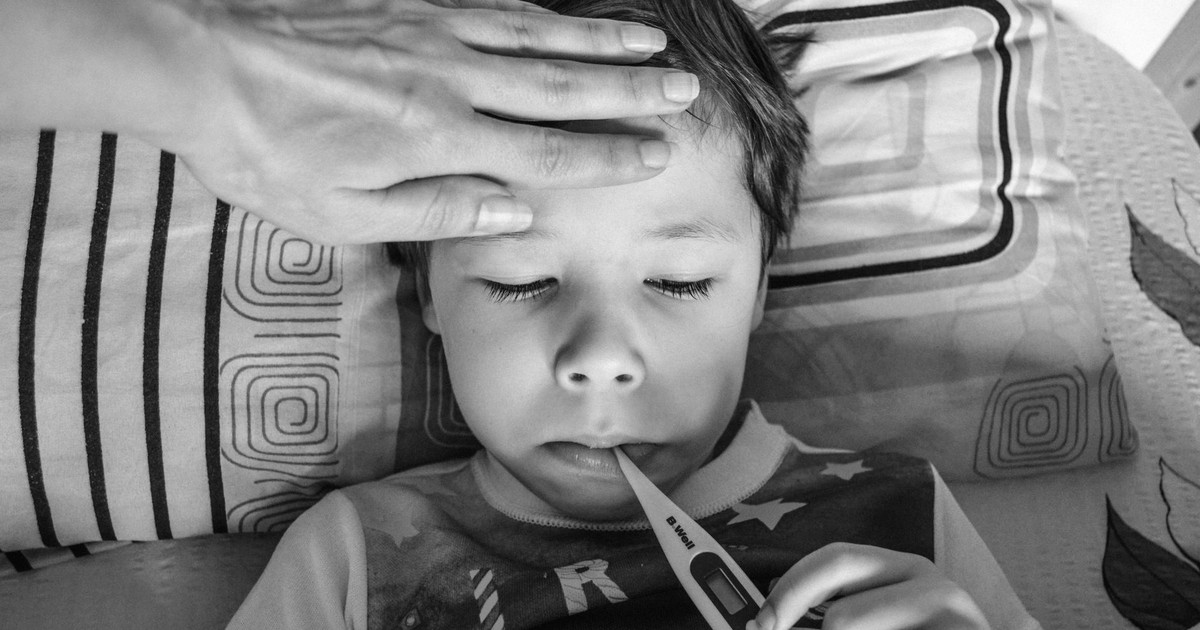
Children have borne the brunt of the outbreak throughout. Ninety percent of cases have involved children, including 26% involving preschoolers. About 72% of cases this year have been in children and teens, with around 92% of those who contracted measles being unvaccinated or of unknown vaccination status. About 6% have been hospitalized.
The hospitalization rate, while lower than 2025’s 11%, still represents hundreds of children sick enough to need hospital care for what was, until recently, a largely theoretical childhood illness for most American families. Measles is a highly contagious viral infection primarily affecting the respiratory system and characterized by fever, cough, conjunctivitis, and a distinctive rash. Transmission occurs through respiratory droplets, making it easily spread in unvaccinated populations. Complications can include pneumonia, encephalitis, and, in rare cases, death, particularly in young children and immunocompromised individuals.
Pre-vaccine era context makes those numbers even more striking. Before there was a vaccine, there were approximately 500 deaths from measles every year in the United States. The disease also caused roughly 1,000 cases of measles-induced encephalitis annually, a condition that causes inflammation of the brain, and a quarter of those children would develop permanent blindness or deafness.
The Vaccination Gap That Made This Possible
None of this happened without a structural reason. The vaccination rate among American children has been slipping for years, and the country has now crossed past the threshold that keeps outbreaks contained.
CDC’s SchoolVaxView data shows kindergarten MMR coverage fell to 92.5% in the 2024-25 school year, down from 95% pre-pandemic. Thirty-nine states now sit below the 95% threshold, up from 28 states before the pandemic. Vaccine exemptions, almost all non-medical, rose to a record 3.6% of kindergartners in 2024-25, with about 286,000 children attending school without documentation of completing the MMR vaccine series.
Nationwide, the country is below the 95% threshold necessary to contain outbreaks. The reason the threshold is so high comes down to the virus itself. Measles is considered one of the most contagious diseases ever recorded. One infected person is expected to infect 12 to 18 other people, because the virus can stay in the air for over two hours after the infected person has left the room.
Kindergarten coverage with the recommended two doses of the MMR vaccine fell from 95.2% in the 2019-2020 school year to 92.7% in 2023-2024, leaving an estimated 280,000 children susceptible. Those gaps don’t spread evenly across a state or a school district. They cluster. A school where 15% of children are unvaccinated creates an entirely different transmission environment than one where 2% are unvaccinated, even if the statewide average looks fine on paper.
A 2026 report from the Common Health Coalition found that just a 1% decrease in the childhood MMR vaccination rate could cause 17,000 measles cases, 4,000 hospitalizations, and 36 preventable deaths each year. The country has seen a drop far larger than 1%.
Misinformation has driven a meaningful share of that decline, and the evidence on this is documented. More than 25 years ago, a campaign of misinformation suggesting that the measles vaccine causes autism led to a loss of confidence in MMR vaccines, especially in the United Kingdom. That misinformation has been thoroughly investigated and proved to be incorrect. Yet the belief persists, amplified by social media at a scale the original campaign never achieved. Experts say vaccine misinformation and ongoing hesitancy are major factors in the rise in measles cases. One pediatrician and chief medical officer noted that “confusing and conflicting recommendations coming from the FDA and CDC” give more parents and guardians reason to decline routine childhood vaccinations, including measles vaccinations.
What the MMR Vaccine Actually Does
The MMR (measles, mumps, and rubella) vaccine is one of the most effective vaccines ever developed. Two doses are 97% effective at preventing measles. One dose is 93% effective. MMR and MMRV vaccines usually protect people for life against measles and rubella.
The standard schedule calls for the first dose between 12 and 15 months and the second between 4 and 6 years old. Adults who are unsure of their vaccination status, were born after 1957, and don’t have proof of immunity should talk to their doctor about whether they need a dose. Routine immunization is recommended for children, adolescents, and adults born after 1957 without prior immunity, with specific indications for healthcare professionals, military personnel, and international travelers.
One of the persistent myths fueling hesitancy is the claim that vitamin A can prevent or treat measles. It cannot. Misinformation suggesting that measles vaccine causes autism and that vitamin A prevents measles has been a serious threat to effective measles outbreak prevention in the United States and worldwide. Vitamin A supplementation has a role in managing severe cases in malnourished children in low-resource settings, but it is not a substitute for vaccination and does not prevent infection.
For parents weighing the risks of the vaccine against the disease itself: getting the vaccine is much safer than getting measles. There have been no deaths shown to be related to the MMR vaccine in healthy people. Like any vaccine, MMR can cause side effects, including a sore arm from the shot, fever, mild rash, or temporary pain and stiffness in the joints. The known risks of measles itself, including pneumonia, brain inflammation, and death, are not in the same category.
If you’re a parent looking at what effective measles outbreak prevention looks like at the family level, the answer hasn’t changed: two doses of MMR on schedule, confirmed vaccination records for your children, and checking your own status if you’re uncertain.
The Elimination Status Question
The United States declared measles eliminated in 2000, meaning no continuous domestic transmission had occurred for at least 12 months. That milestone was achieved following years of nationwide vaccination efforts, including the adoption of a two-dose MMR immunization schedule. Twenty-five years later, that status is under formal review.
The Texas-linked transmission that started in January 2025 is what puts elimination status in question. The WHO defines elimination as the absence of a transmission chain lasting 12 months or longer. The chain from Texas has not broken. Instead of fewer than one case per 10 million people annually, which is the elimination indicator for incidence rate, the United States reported more than 90 cases per 10 million in early 2026. Another elimination indicator is a high proportion of imported cases, but most current infections are linked to local transmission rather than importation.
On 285 out of 376 days studied since January 2025, the estimated transmission rate stayed above 1, meaning each infected person was likely infecting at least one other person. Researchers studying the outbreak’s transmission patterns concluded that transmission was likely ongoing in the United States for the majority of the previous year.
After initially announcing a review meeting for April 2026, the Pan American Health Organization (PAHO) changed the date for the U.S. measles elimination review to November 2026, which coincides with the regularly scheduled annual commission meeting. Canada already lost its measles-elimination status, and now the United States and Mexico face a similar fate.
Losing elimination status is not just symbolic. It changes how the country is categorized in global health surveillance, affects how other nations advise travelers, and sends a signal to future generations about what is possible when public health infrastructure erodes. Estimates suggest that a 10% decrease in MMR vaccination in the United States may lead to 11.1 million measles cases over a period of 25 years. The country doesn’t have to reach 10% to feel that math begin to work against it. It’s already working.
Read More: The 8 Scientific Breakthroughs in the Last Year That Didn’t Get Enough Attention
The Point of No Return

Public health experts have been careful with their language throughout this outbreak, but the phrase “point of no return” keeps surfacing, and not without reason. Whether the infrastructure, trust, and collective behavior that eliminated measles in the first place can be rebuilt once it has frayed this far is, at this point, a genuinely open question.
A higher percentage of cases since 2025 have been due to local transmission versus importation compared to prior years, and local transmission has become the primary source of reported cases rather than imported infections. U.S. MMR vaccination rates have continued their steady decline, and in many locations across the country, levels of vaccination are below what is needed for herd immunity. That’s not a temporary dip. It reflects years of eroding trust, inconsistent public health communication, and a social media environment that rewards fear over evidence.
Vaccine hesitancy exists along a spectrum, and most parents with hesitancy are motivated to protect their children but are often concerned about safety. That’s an important distinction. Most parents who haven’t vaccinated their children are not ideologues. They are worried people in an information environment that has become genuinely difficult to parse. Clinicians are the most trusted source of vaccine information, and clear, confident recommendations are closely linked to higher uptake. Presumptive communication approaches are more effective than open-ended approaches, especially when paired with respectful dialogue.
The measles outbreak prevention work that needs doing isn’t just in pediatricians’ offices, though that’s where much of it starts. It’s also in school districts with exemption rates above 5%, in counties where no one has updated their vaccination data since the pandemic disrupted routine care, and in the policy rooms where decisions about vaccine requirements get made and unmade.
The country has been here before, in a different sense. In 1989, before the second MMR dose was added to the schedule, measles killed more than 100 people in a single year. The response then was a coordinated national push that got vaccination rates back up and held them there for a generation. The technology hasn’t changed. The vaccine still works. What’s changed is the will to use it consistently, and the degree to which that will has been worn down by distrust, confusion, and noise.
The CDC has warned state and local health departments that more measles cases are likely to come with summer travel. The fall assessment by PAHO will tell the country what experts already largely know. What happens after that assessment, whether it prompts a real policy response or becomes another data point that everyone acknowledges and moves past, is the question that will define whether this is a turning point or just a plateau before the next surge.
Disclaimer: This information is not intended to be a substitute for professional medical advice, diagnosis, or treatment and is for information only. Always seek the advice of your physician or another qualified health provider with any questions about your medical condition and/or current medication. Do not disregard professional medical advice or delay seeking advice or treatment because of something you have read here.
AI Disclaimer: This article was created with the assistance of AI tools and reviewed by a human editor.