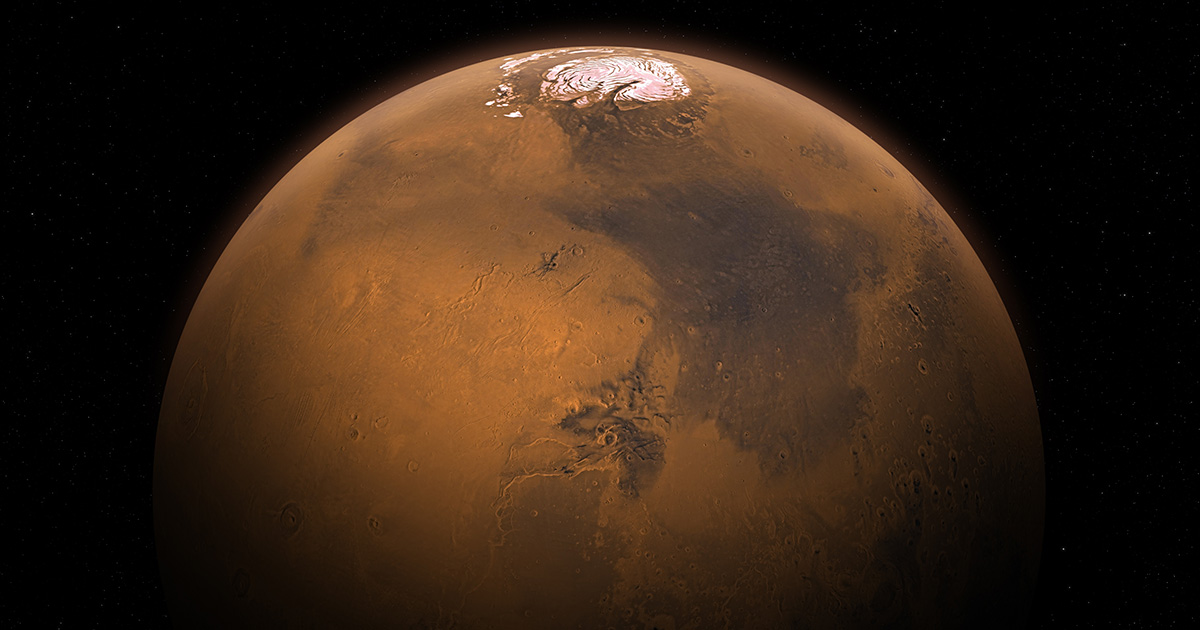

Of all the things that have happened in planetary science over the last two years, none has stirred up more debate among researchers than a 3.2-foot reddish rock sitting in a sealed titanium tube on the Martian surface. The rock, nicknamed “Cheyava Falls,” is covered in small dark spots that, on Earth, are associated with microbial processes or chemistry linked to life. A year of peer review by independent scientists found no convincing non-biological explanation for those spots. That is still where things stand.
For decades, Mars had a reputation as a cold, dead world: rusty, barren, useful for science fiction and not much else. The last few years have shredded that reputation, point by point. What NASA’s fleet of rovers, orbiters, and landers has turned up ranges from the genuinely astonishing to the ordinary facts that somehow went unnoticed for decades. NASA publishes everything, peer-reviews everything, and is almost aggressively transparent about uncertainty. The actual findings are more interesting than any manufactured mystery.
Here are ten of the most remarkable things we now know about Mars.
The Closest We’ve Ever Come to Finding Ancient Life
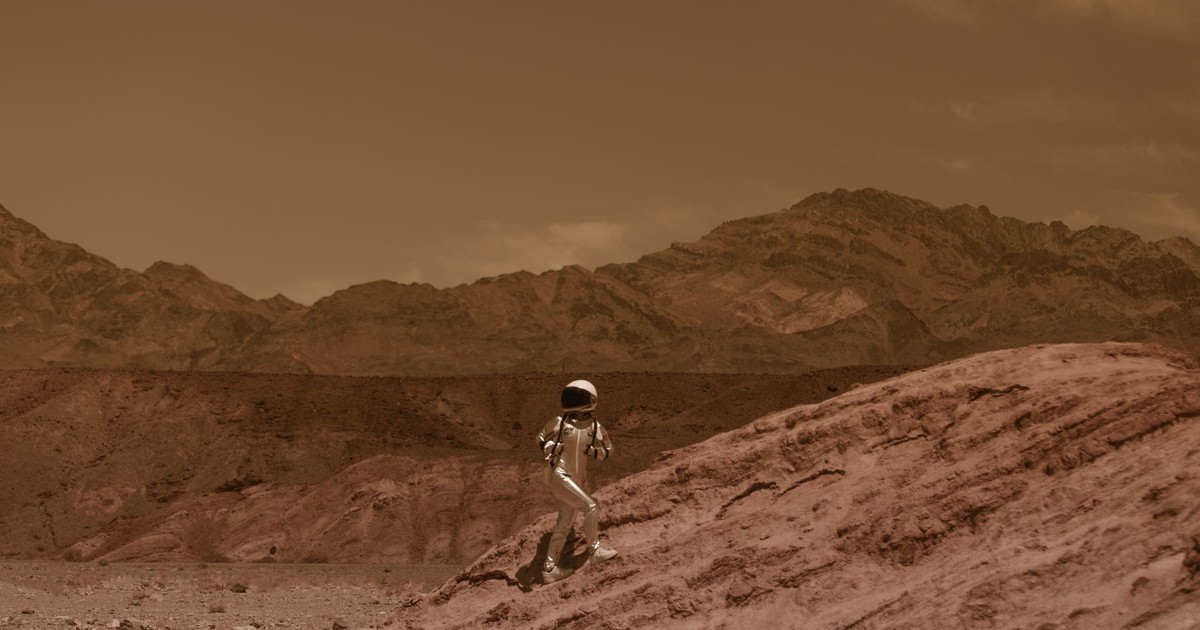
In July 2024, NASA’s Perseverance rover examined a rock partially buried in a dry riverbed in Jezero Crater. The rock showed signs that water had once flowed over it, and it contained organic molecules, the carbon-based building blocks associated with life. It also had a scattering of dark and bright spots along its surface, patterns whose origin scientists have not been able to explain through non-biological processes alone.
After a year-long peer-review process, NASA confirmed in September 2025 that Perseverance’s “Sapphire Canyon” sample contains potential biosignatures: clues that suggest past life may have been present, but that require more data before any conclusions about the absence or presence of life can be drawn. The discovery was particularly surprising because it involves some of the youngest sedimentary rocks the mission has investigated, suggesting Mars could have been habitable for longer than previously thought, or later in its history.
Scientists are using the term “potential biosignature” with great care. It names a substance or structure that might have a biological origin, but one that needs further study before any conclusion can be reached. The sample is still sitting in that sealed tube on the Martian surface, millions of miles from any Earth laboratory. Until it comes home, the question stays open.
There May Be Liquid Water Underground Right Now
The image most people carry of Mars is a dry, frozen desert. That picture is incomplete. More than 3 billion years ago, Mars had oceans and rivers. That water disappeared, leaving only ice on the surface, mostly in the polar caps.
A newer analysis of Mars’ interior, using seismic data from NASA’s InSight lander, found evidence for a large underground reservoir of liquid water sitting in the pores of rocks 10 to 20 kilometers below the surface. Scientists estimate the amount of groundwater could cover the entire planet to a depth of between one and two kilometers, roughly the volume of water locked in Antarctica’s ice sheet, sitting deep below a world we thought had gone dry billions of years ago.
The reservoir won’t supply a future Mars colony anytime soon. It is simply too deep to reach with any technology that currently exists or is planned. But knowing it is there rewrites the basic story of what happened to Mars, and it keeps the door open for the possibility that something is living in it.
Closer to the surface, the picture is more practical for future human visitors. Maps of buried ice distribution show accessible ice within the upper three feet of the planet’s surface across wide regions. That ice would be a vital resource for astronauts, serving as drinking water and a key ingredient for rocket fuel.
Mars Grows Organic Molecules and Has Done So for Billions of Years
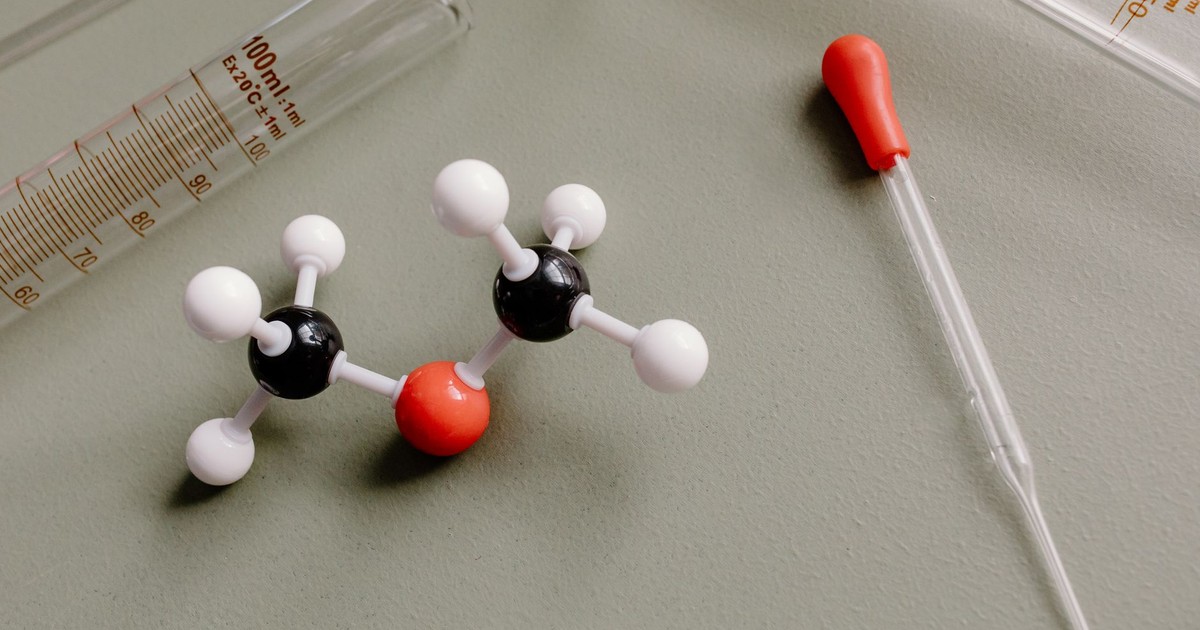
One of the most significant findings from NASA’s Curiosity rover over its years in Gale Crater is the repeated detection of organic molecules: the carbon-based building blocks that on Earth are associated with life. Curiosity identified a wide range of these compounds on Mars, including some that scientists consider key ingredients for the origin of life on Earth. The Martian surface appears capable of preserving these molecules for billions of years inside rock.
That last point is important. Organic molecules are not proof of life. They form through geological and chemical processes that have nothing to do with biology. But their presence on Mars in such abundance means the raw ingredients were there, sitting in ancient rock, waiting.
The Methane Mystery That Has a Complicating Twist
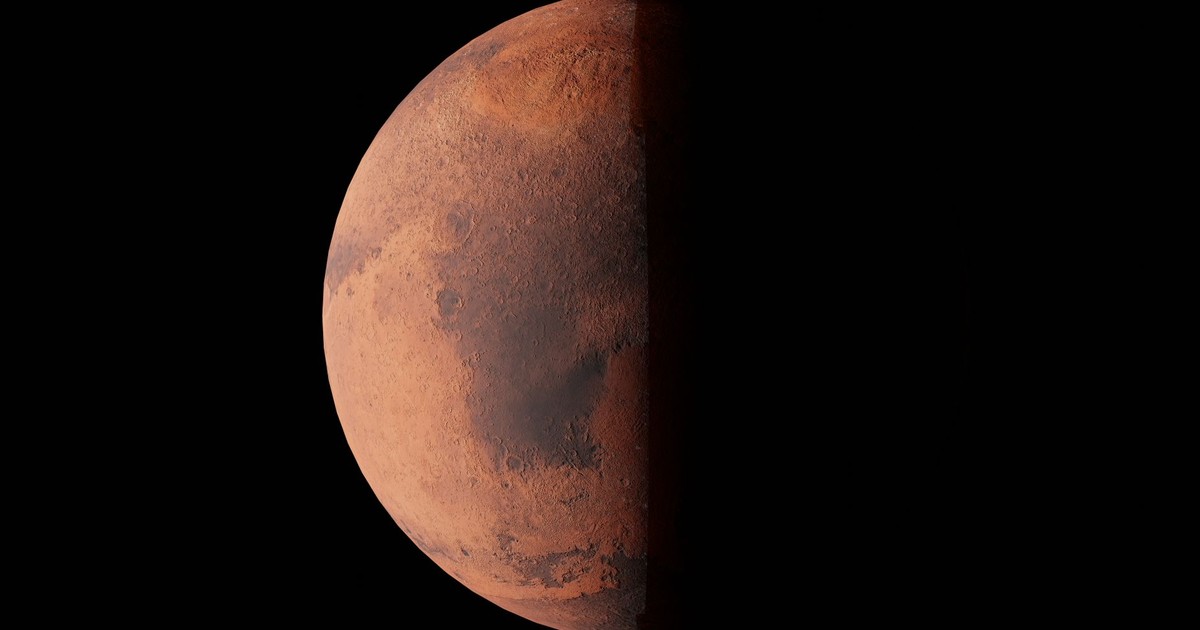
For over a decade, one of the most tantalizing findings has centered on methane. On Earth, a large share of atmospheric methane comes from biological sources, so when Curiosity began detecting it in Gale Crater, the scientific community paid close attention. Over the past decade, the rover has repeatedly detected the gas on the Martian surface, prompting numerous studies into its potential sources, including the intriguing possibility of microbial activity below the surface.
In a 2025 paper published in the Journal of Geophysical Research: Planets, Sébastien Viscardy and colleagues suggest the methane could be coming from inside the Curiosity rover itself, rather than from the Martian atmosphere. Their analysis found pressure instabilities in the instrument, hinting at potential leaks. The foreoptics chamber of the spectrometer contains methane levels three to four orders of magnitude higher than those in the sample cell, raising a serious contamination question.
Science questioning its own results before getting carried away is exactly how the process is supposed to work. Whether the Mars methane is real, geological, or biological is still unresolved, and honest scientists will tell you so.
The Largest Volcano in the Solar System, With Frost on Top
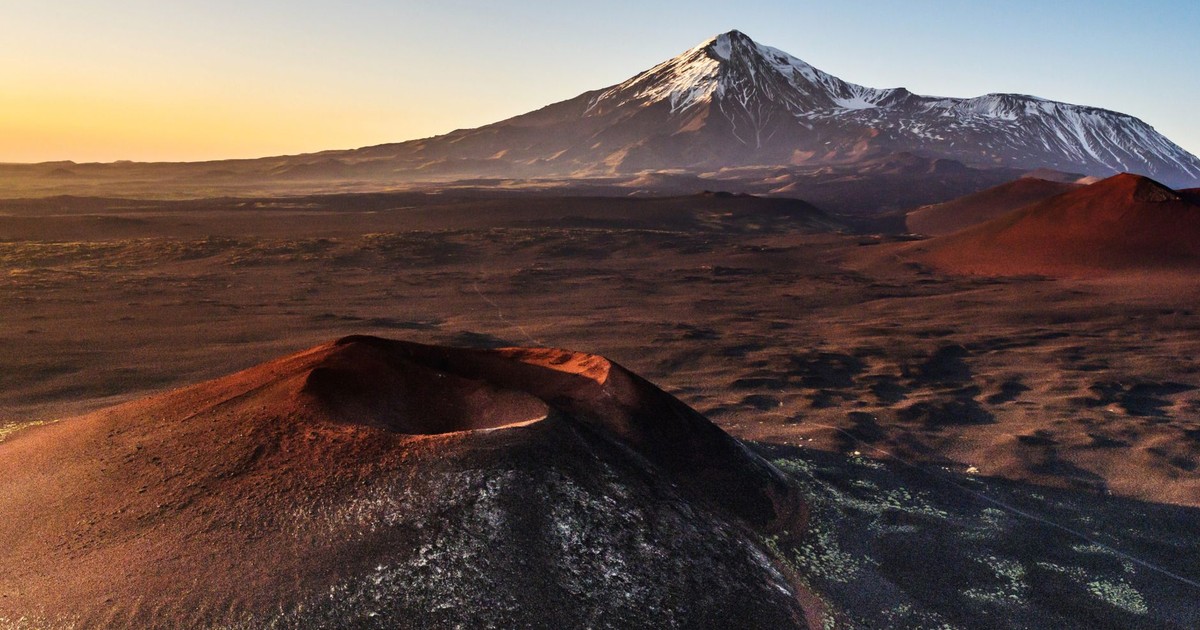
Olympus Mons is a massive shield volcano on Mars and the tallest mountain in the solar system. As measured by NASA’s Mars Orbiter Laser Altimeter, it stands approximately 69,840 feet (21.3 kilometers) high, about 2.5 times the elevation of Mount Everest, and spans about 374 miles (600 kilometers) across. Its slopes are so gentle and its base so wide that if you stood on its surface, you wouldn’t see a mountain at all. The curve of Mars itself would hide the summit from view.
The staggering scale of Olympus Mons is explained in part by Mars’s lack of tectonic plate movement. Unlike on Earth, where shifting plates constantly move volcanic hotspots around, Mars has a static crust, so lava built up in the same location for millions of years.
In 2024, researchers added one more unexpected detail. A study published in Nature Geoscience, using high-resolution images from the European Space Agency’s ExoMars Trace Gas Orbiter and confirmed by the Mars Express mission, revealed a thin layer of water frost forming inside the calderas (volcanic craters) of Olympus Mons and other Tharsis volcanoes during cold Martian mornings, then dissipating as temperatures rise in the afternoon. Researchers had previously thought frost formation would be impossible at those equatorial latitudes. They estimate the total amount of frost cycling in and out of the Martian atmosphere there each day is enough to fill 60 Olympic-sized swimming pools.
A Day on Mars Is Just About 40 Minutes Longer Than a Day on Earth
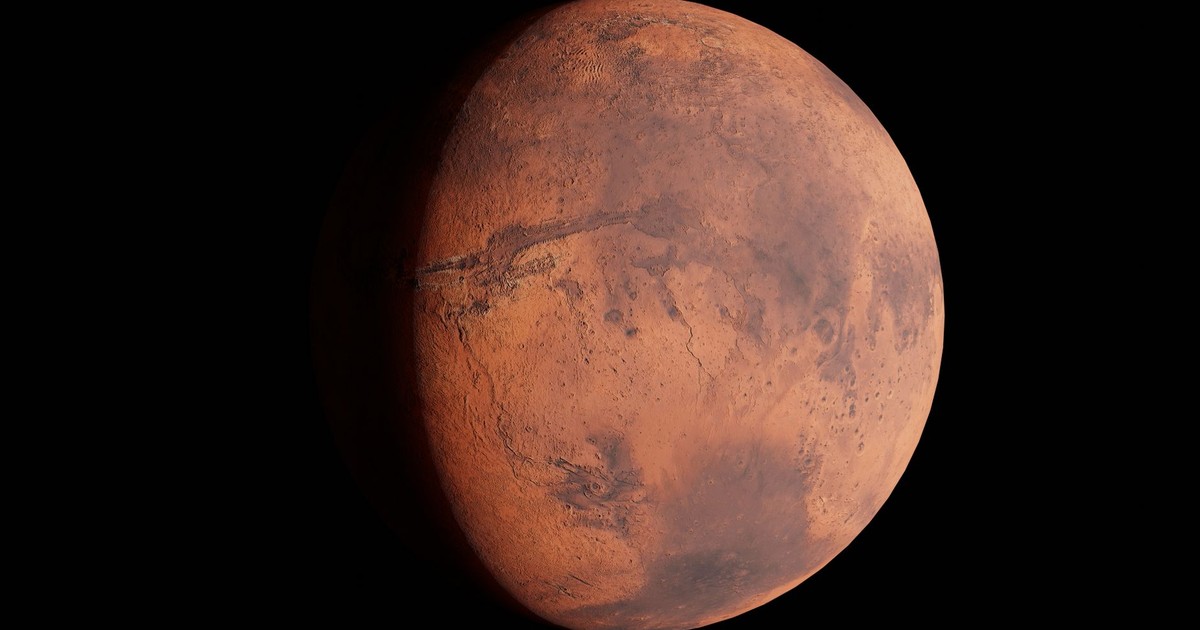
Of all the facts about Mars, this one tends to catch people off guard. A Martian year runs to 687 Earth days, nearly twice as long as ours. But a Martian day, called a sol, runs to 24 hours and 39 minutes, almost identical to the one we live on.
NASA rover teams use the word “sols” rather than “days” specifically to keep the distinction clear when planning operations. Curiosity and Perseverance both operate on a sol schedule, and the engineers running them have had to adapt their own sleep and work patterns to stay synchronized with Mars. For the duration of active surface missions, some team members essentially live on Martian time.
A Canyon That Makes the Grand Canyon Look Like a Ditch

Valles Marineris stretches 4,000 kilometers across Mars’s equator, long enough to span the entire United States. It is up to 7 kilometers deep, ten times longer and four times deeper than the Grand Canyon. It wasn’t carved by a river. Valles Marineris formed primarily through tectonic forces, as the crust of Mars cracked and shifted during a period of intense volcanic activity billions of years ago. Water and landslides later widened and deepened it. The scale is so extreme that standing on the rim, the far wall would fall below the horizon.
A Helicopter That Flew 67 More Times Than Anyone Expected
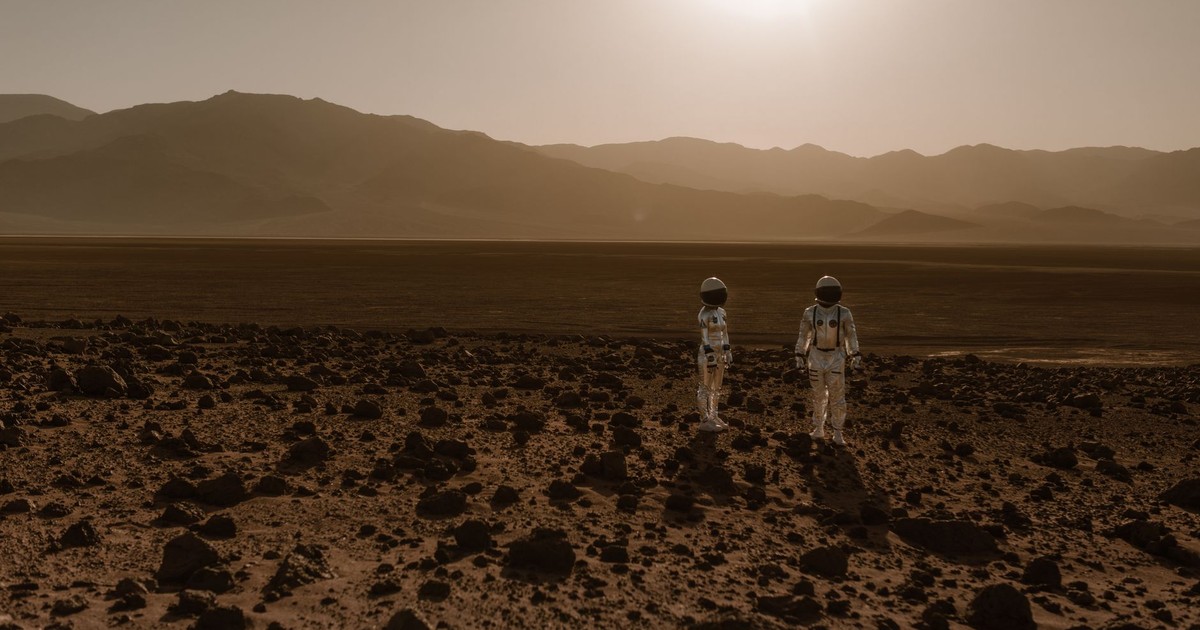
Originally intended to make only five flights, the Ingenuity helicopter completed 72 flights over nearly three years. Those five original flights were part of a 30-sol technology demonstration intended to prove airworthiness in the thin Martian atmosphere, where the air density is less than 1% of Earth’s.
In its extended operational role, Ingenuity scouted areas of interest for the Perseverance rover, improved navigational techniques, and pushed the limits of what was aerodynamically possible on another planet. On January 18, 2024, the rotor blades were broken during landing on flight 72, permanently grounding the helicopter. The accident is believed to have resulted from an autonomous navigation error over a featureless area of sand dunes, which offered few visual reference points for the onboard camera. Ingenuity now sits on the Martian surface, gathering dust. But the technology it demonstrated has already influenced the design of future aerial missions to other worlds.
Mars Has Two Moons, and One of Them Rises in the Wrong Direction
Phobos, Mars’s larger moon, orbits so fast that it laps Mars’s own rotation. From the surface, it appears to rise in the west and set in the east, three times every Martian day. It is the only moon in the solar system that does this.
Phobos is also slowly spiraling inward. Scientists calculate that in roughly 50 million years it will either break apart into a ring around the planet or crash into the surface entirely. Deimos, the smaller of the two moons, is barely larger than a city, roughly 15 kilometers across, and in Mars’s sky it looks more like a very bright star than anything resembling our Moon.
Mars Once Had Oceans, and a Hidden Volcano Nobody Noticed
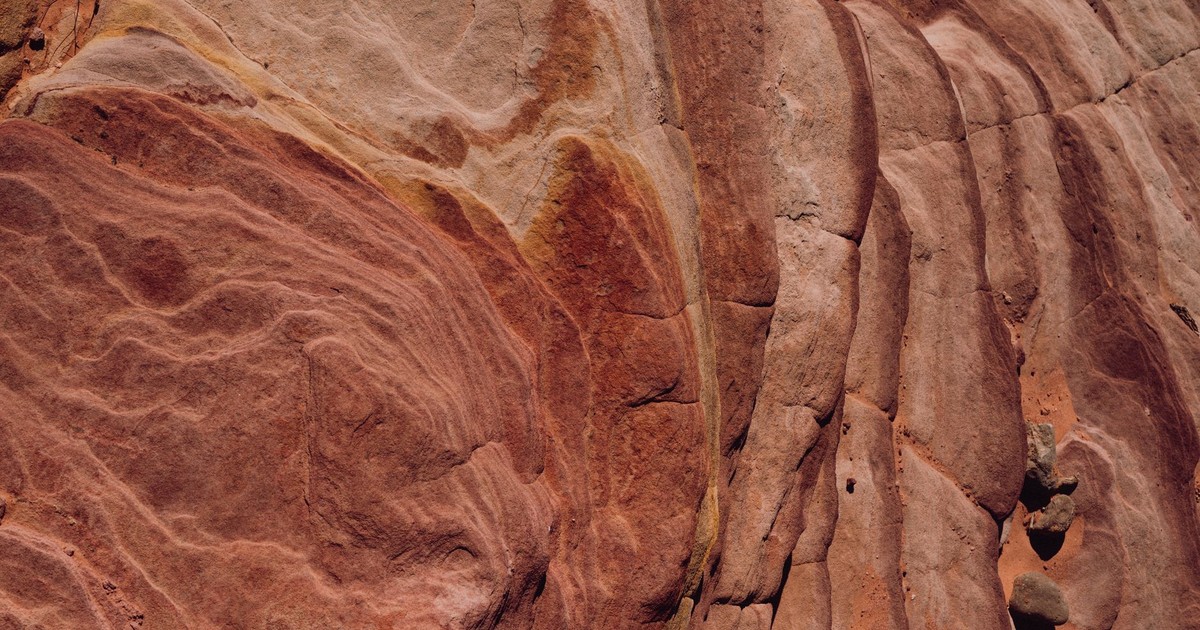
Extensive evidence, from river channels and deltas to lake deposits and water-altered rock, supports the conclusion that water once flowed freely across Mars. That wet period ended more than 3 billion years ago, after Mars lost its magnetic field. Without it, the solar wind stripped away the atmosphere, and without an atmosphere, liquid water could no longer exist on the surface.
Then, in March 2024, researchers announced the discovery of an enormous, long-dead volcano spanning more than 280 miles (450 km) across. It had gone unnoticed because massive erosion left little of it above ground. Researchers studying the region noticed the area was surrounded by the remains of ancient slopes that would once have towered above the surrounding terrain, and spotted what appears to be a buried glacier near its base, which could make it a prime site for astrobiological research. A volcano so large it went undetected for decades of orbital observation, hiding in plain sight beneath erosion and dust.
What NASA Actually Wants You to Know
The data keeps coming in faster than science can fully process it, and almost every answer generates three new questions. NASA’s Mars missions are publishing peer-reviewed findings openly, inviting outside scientists to poke holes in their data, and flagging uncertainty at every turn. The Sapphire Canyon biosignature announcement was accompanied by extensive caveats. The methane story now has a paper actively arguing the rover may have fooled itself. That’s not secrecy. That’s science working as advertised.
The harder truth sitting underneath all of this is the Mars Sample Return mission. Perseverance has been diligently filling sample tubes and depositing them on the surface for years. The samples that could settle the life question are already there, collected and catalogued. But the relay hardware needed to bring them home has been redesigned, delayed, and restructured multiple times, and none of it has been built. The rocks that could answer one of the oldest questions in science are sitting in a crater 140 million miles away, waiting. What Mars is not doing is keeping secrets. It is handing over answers one rock core at a time, on a timeline that has nothing to do with human impatience.
Disclaimer: This information is not intended to be a substitute for professional medical advice, diagnosis, or treatment and is for information only. Always seek the advice of your physician or another qualified health provider with any questions about your medical condition and/or current medication. Do not disregard professional medical advice or delay seeking advice or treatment because of something you have read here.
AI Disclaimer: This article was created with the assistance of AI tools and reviewed by a human editor.