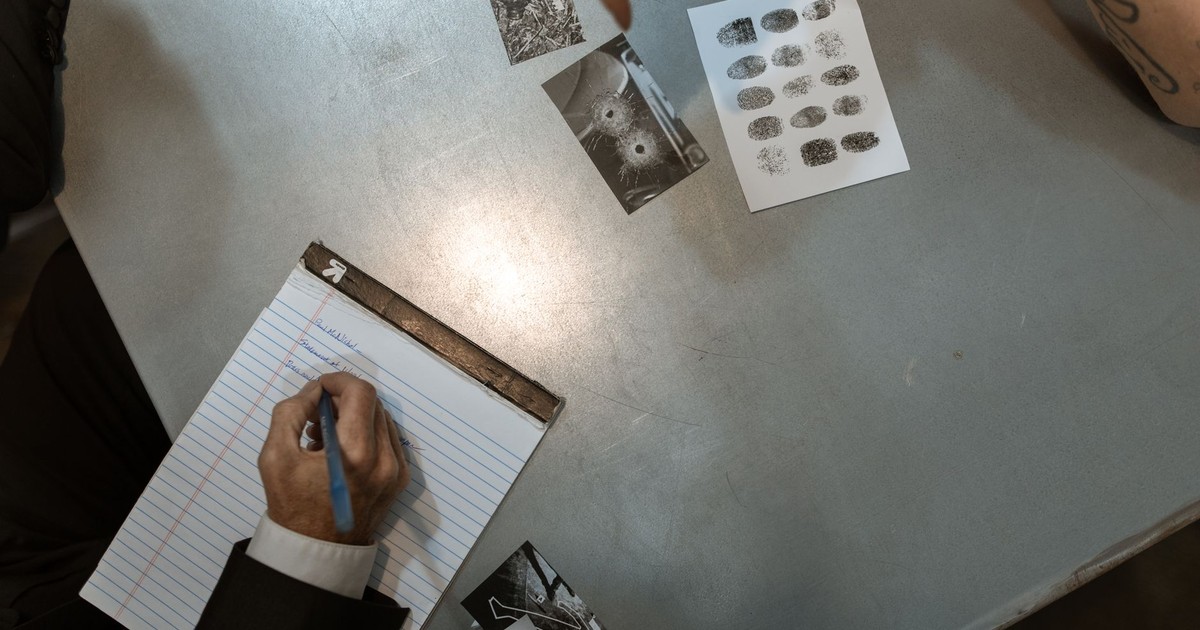

NBC News reported that FBI agents arrived at Graham’s Capitol Hill home on Friday, July 11, 2026, without evidence bags, and that detail set off more speculation than almost anything else about the Lindsey Graham death investigation. On Monday afternoon, NBC News observed nearly 20 FBI and other federal agents gathered outside Graham’s row house, with multiple agents entering the home and photographing rooms but not appearing to remove items. No boxes. No seized materials. By Tuesday morning, the president of the United States stood in the Oval Office and publicly told the country the FBI was wasting its time.
Graham had died less than 48 hours earlier. He was 71 years old. He had spent his final waking hours in Ukraine pushing a Russia sanctions bill he believed would change the course of the war. The whiplash between a senator mid-announcement about oil sanctions in Kyiv on a Friday afternoon and the news of his death on Saturday night was always going to generate noise. An American senator openly hostile to Vladimir Putin, returning from a war zone two days before collapsing, with FBI agents at his door days later, was purpose-built for the kind of speculation that travels fast online.
The evidence showed something else entirely.
What the Medical Examiner Found

Graham died on Saturday of an aortic dissection due to arteriosclerotic cardiovascular disease, according to the Washington, D.C., chief medical examiner’s office. An aortic dissection is a tear in the inner wall of the aorta, the body’s largest artery. When the inner layer tears, blood forces its way into the wall itself, splitting the layers apart. The condition is a medical emergency because the tear can rapidly disrupt blood flow to the heart, brain, and other vital organs. Dr. Gian Corrado, head team physician for Northeastern University athletics and a researcher who studies sudden death, said that when dissection happens, it tends to be sudden and deadly.
Diagnosing aortic dissection is challenging because it mimics other conditions, and standard heart tests conducted in the ER may not detect it. Chronic hypertension is the single biggest risk factor for dissection and is present in the large majority of cases. Trump himself noted that one of the warning signs is back pain, and that Graham had mentioned back pain to him over the years.
The medical examiner’s office noted the death certificate would remain pending until all toxicological and microscopic testing are finalized, at which point it would be updated to reflect the cause and manner of death. Routine forensic procedure requires exactly this. Toxicology takes weeks. A pending certificate is standard in every autopsy performed in the District of Columbia.
The Hours Before He Died
The timeline of Graham’s final hours does not point toward anything unusual. Sen. Tommy Tuberville said one of his staffers was with Graham’s scheduler Saturday evening when the South Carolina Republican called the scheduler to complain of chest pains, a symptom of aortic dissection, and asked her to call for emergency services. Authorities said Graham was transported to George Washington University Hospital, where he was pronounced dead at 10:23 p.m. Saturday.
Trump said he had spoken with Graham by phone before his death, and that Graham seemed tired from the trip but otherwise fine. Sen. Richard Blumenthal said Graham sounded absolutely fine when they talked on Friday and Saturday. Sen. Katie Britt told CNN she also spoke with Graham that weekend and that he was energized about the White House backing the Russia sanctions bill.
When Graham landed Saturday in Washington, colleagues said he was tired but elated after a whirlwind of meetings in Europe and Ukraine. He had spent his 71st birthday on the road. A senator who came home from an intense foreign trip, felt chest pain, called for help, and died. Not mysteriously. Suddenly, the way aortic dissections work.
What the FBI Was Doing
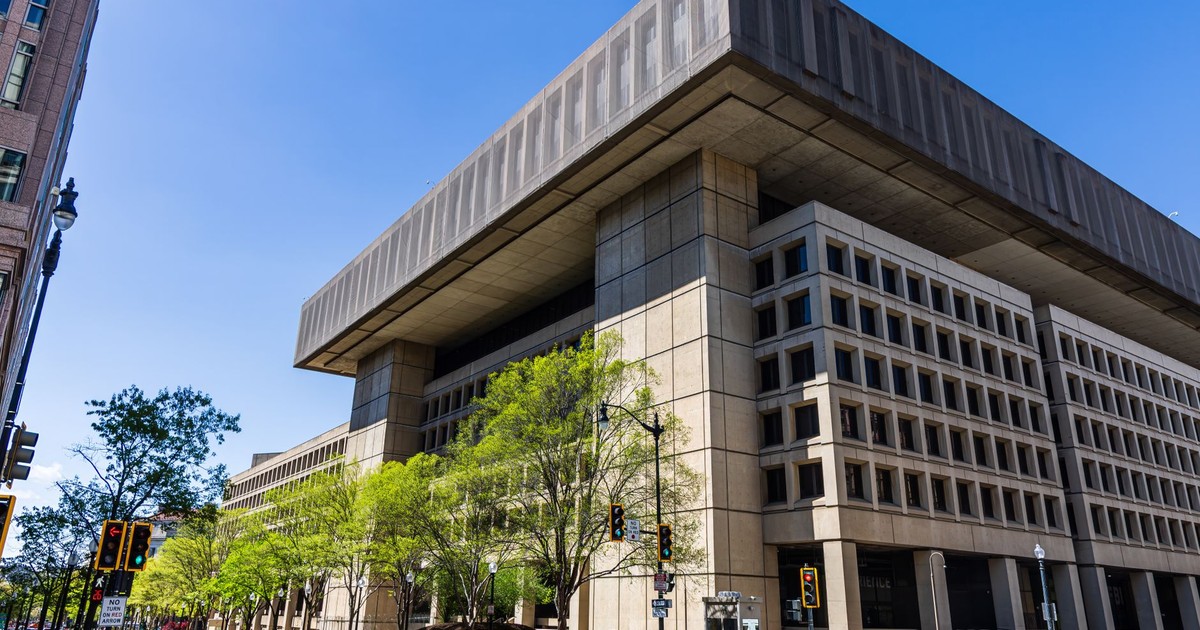
Metropolitan Police Department Chief Jeffery Carroll said Sunday that his unit was leading the investigation into the death of Graham, with a law enforcement source telling NewsNation that the MPD remained in the lead, and the FBI was providing resources. The FBI was not running a parallel murder investigation. It was offering support to the local police force that handles deaths in Washington, D.C.
Neither FBI Director Kash Patel nor the FBI publicly clarified his statement further, though sources told CNN that Patel’s post was meant to reference the normal review process law enforcement takes following a lawmaker’s death. What reads online as a suspicious federal investigation into foul play is, by every account from people with direct knowledge, a standard procedure that follows the death of any senior government official.
The agents entering Graham’s home were taking photographs, not seizing evidence. Two law enforcement sources familiar with the matter told NBC News that federal agents were continuing to look into the senator’s death out of an abundance of caution, but no evidence had come up since Saturday to indicate foul play was involved.
Trump Shuts Down the Conspiracy Theories
Trump said in the Oval Office Tuesday: “I know there’s all sorts of conspiracy theories going along, and I don’t think the FBI, I think the FBI is wasting their time if they’re doing that.” He added he didn’t know why the FBI had visited Graham’s home, since he believed the cause of death was medically straightforward. Trump said an aortic tear is very hard to detect and that he had White House doctors explain the diagnosis to him, adding: “When that bursts, which it did, it burst, there’s not much, so I don’t see a lot of evil there.”
The night before, on Newsmax, Trump addressed the Russia poisoning theory directly, noting that Graham’s father had died of a heart attack at 69 and that Graham had a very similar problem. He said he was a believer in hereditary health patterns, and that Graham had often complained of a bad back, which Trump now understood could have been a symptom.
Four law enforcement sources told CNN that investigators have no indication Graham died from unnatural or nefarious causes, with one source saying local police are conducting a normal review after someone dies and the FBI has simply offered their resources if necessary.
Graham’s Foreign Policy Legacy and Why It Fueled the Rumors

Graham’s final days in Kyiv were the backdrop against which everything got misread. Graham visited Ukraine ten times after the Russian invasion in 2022 and co-sponsored tough sanctions legislation against Russia. He was one of the most vocal voices in Congress for holding Moscow accountable and had spent years trying to move legislation that would impose severe economic penalties on any country importing Russian oil.
On Friday in Kyiv, Graham joined colleagues in announcing they had reached an agreement with the Trump administration to move forward with a revised version of the Russia sanctions bill. He told reporters standing outside St. Michael’s monastery that the deal had been reached 30 minutes earlier. “It means it’s going to become law,” he said. That was the last major public statement of his political career.
The Sanctioning Russia Act of 2026 aims to squeeze Russian leaders in an effort to bring the Kremlin’s four-year war on Ukraine to an end, targeting Russia’s energy sector by placing financial penalties on purchasers of those products. Sen. Katie Britt said: “Lindsey Graham believed that getting this legislation passed and signed into law would be the most consequential thing he achieved in his career.”
Now, without a close ally of President Trump advocating loudly for President Zelenskyy’s government, the question becomes whether the administration’s recent tilt in favor of Kyiv will last. Zelenskyy said in a statement that Graham was a true defender of freedom and that they had met twice in one week, at the NATO summit and again in Kyiv, and that he would miss their constant dialogue.
A senator openly hostile to Russia, pushing major sanctions legislation, returning from a war zone two days before his death: arranged in a certain order, those facts can look like something. Subtract the chest pains, the phone calls, the family history of cardiovascular disease, and the medical examiner’s findings, and you’re left with a story that sounds like a thriller. Add them back in, and you have a 71-year-old man with hardened arteries who worked himself to the edge and didn’t slow down.
Graham’s Sister Takes His Senate Seat
Darline Graham Nordone was sworn in as the newest U.S. senator on Tuesday, succeeding her late brother, and it was the first time in Senate history that a sibling has been sworn in to replace a senator who died in office. She was sworn in during a brief ceremony administered by Sen. Chuck Grassley of Iowa, and became the first woman to represent South Carolina in the U.S. Senate.
Graham spoke often about his close relationship with his younger sister, whom he legally adopted after their father died of a heart attack when she was 13. Their mother had died only 15 months earlier of Hodgkin lymphoma, when Graham was 20. He became Darline’s guardian, then her legal parent, so she could receive his military benefits from his service as a lawyer in the Air Force.
Darline Graham has never held elected office but was a regular presence at her brother’s campaign events over the years. She has been commissioner of the South Carolina Commission for the Blind since 2019, where she worked to expand opportunities for South Carolinians who are blind or have low vision to achieve employment and independence.
Graham had been seeking a fifth term in the Senate in this year’s midterm elections, having defeated a wealthy GOP challenger in his state’s Republican primary last month. South Carolina will hold a special election to fill his seat on the November general election ballot. Rep. Nancy Mace, R-S.C., is among those considering a run for the seat.
What Gets Lost in the Noise
The Lindsey Graham death investigation, such as it is, amounts to this: a standard local police review of a death, an FBI offer of resources that was read as something it wasn’t, a medical examiner’s preliminary finding of aortic dissection due to cardiovascular disease, and toxicology tests that haven’t yet been completed because they routinely take weeks. There is no evidence of foul play from any law enforcement source. The president of the United States, Graham’s ally and friend, and the person whose administration controls the FBI, is telling people publicly that the bureau is wasting its time.
An aortic dissection typically happens suddenly, often without warning. It’s not something that is slowly progressing over time, as one cardiac surgeon put it. There isn’t creeping, on-off chest pain that’s been lingering. When it hits, it’s usually a 10 out of 10 pain. A man who traveled constantly, worked grueling hours, and never slowed down might have been carrying a condition that nobody, including him, knew was there.
The sanctions bill he spent his final hours advancing was formally introduced by his Senate colleagues this week in his honor. The bill’s supporters in both the Senate and House said they would push for its passage as a tribute to Graham, with some suggesting it should be renamed after him. His sister, who he raised after their parents died within fifteen months of each other, is now sitting in his Senate seat. None of that is what a political assassination looks like. It’s what a life in public service, cut short by biology, looks like.
Disclaimer: This information is not intended to be a substitute for professional medical advice, diagnosis, or treatment and is for information only. Always seek the advice of your physician or another qualified health provider with any questions about your medical condition and/or current medication. Do not disregard professional medical advice or delay seeking advice or treatment because of something you have read here.
AI Disclaimer: This article was created with the assistance of AI tools and reviewed by a human editor.