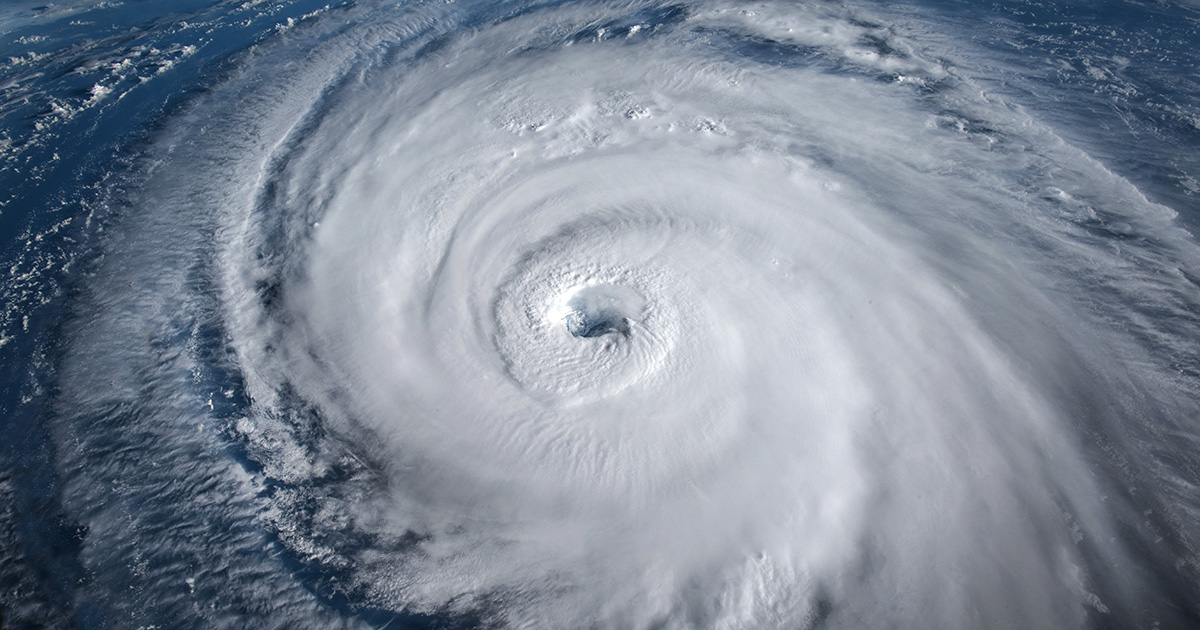

The number that forecasters keep coming back to this year isn’t zero, even though it sounds like it should be. NOAA is projecting zero to two major hurricanes for the 2026 Atlantic season, the smallest range they’ve issued in years. Pair that with a 75 percent chance of a below-normal season overall, and it’s easy to read the headlines and quietly shelve your hurricane preparation plans until next year. That would be a mistake, and the forecasters who issued those numbers are the first ones to say so.
The season, after all, doesn’t negotiate. Atlantic hurricane season runs from June 1 through November 30 each year, and the most dangerous stretch is still ahead. Storm activity typically picks up in the Atlantic basin from August through October, peaking in September. The slower start to 2026 has given coastal families a gift: more runway to prepare than most years allow. The question is whether they’re using it.
What the forecasts measure is basin-wide activity, not local impact. A below-normal season produces fewer storms on average, but it says nothing about which storms form, where they go, or how strong they are when they arrive at your address. The family in Asheville, North Carolina had no reason to think a storm from the Gulf would rearrange their street. Then Hurricane Helene came in 2024 and did exactly that.
What the 2026 Forecast Actually Tells You (and What It Doesn’t)
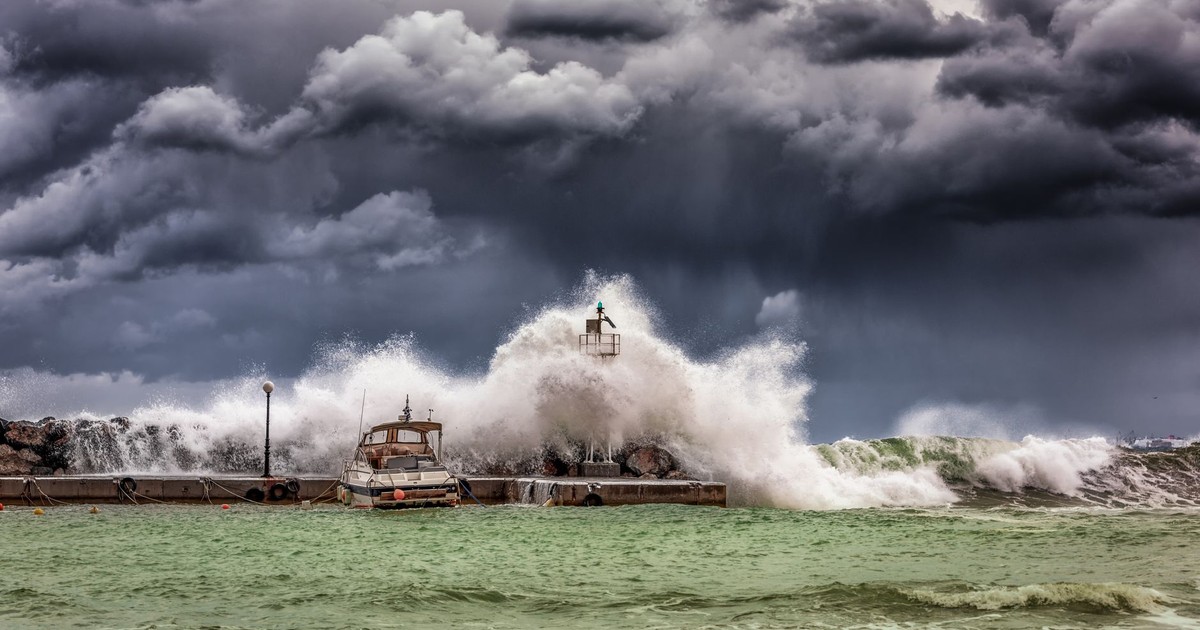
For the remainder of the 2026 season, tropical storm activity in the Atlantic basin is expected to be tempered by El Niño conditions, which first emerged in the equatorial Pacific in June. El Niño increases wind shear, which tends to prevent tropical storms from forming or intensifying once they form. That’s why the numbers are optimistic. NOAA forecasters said they expect a very strong El Niño climate pattern to last through this fall, creating atmospheric conditions that will suppress tropical development in the Atlantic Ocean.
At the same time, some conditions remain favorable for hurricane development. Atlantic sea-surface temperatures are expected to remain slightly warmer than normal, while some other atmospheric conditions could support tropical activity, forecasters said. That’s the part of the forecast that tends to get lost in the headlines. El Niño suppresses overall volume. It does not cancel individual storms, and it does not make the storms that do form any weaker.
NOAA noted that if the 2026 Atlantic hurricane season ends up being below-normal, it would mark only the second season in the last decade without above-normal activity. The last decade has been expensive and deadly, and 2026 is not a signal that the long-term trend has reversed. A seasonal outlook is useful for understanding basin-wide conditions, but it does not predict whether a specific home, city, or state will be struck. One landfalling hurricane or tropical storm can still create a serious local emergency during an otherwise subdued season.
The Danger Most People Underestimate
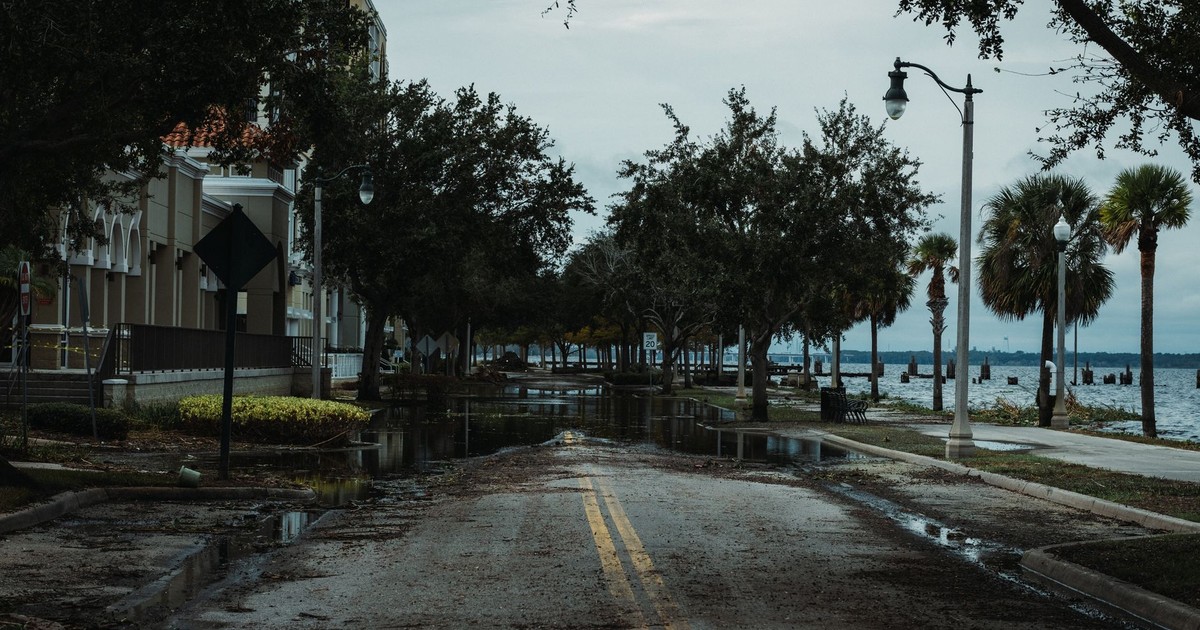
Storm surge is the feature of hurricanes that causes the most instant, cinematic destruction, and it’s also the one that gets the most attention. But approximately 25 percent of tropical cyclone-related deaths in the United States do not occur along the coast. When these powerful storms move over land, they lose wind strength but continue to dump massive amounts of rain into streams, rivers, and lakes. According to NOAA’s inland flooding research, inland flooding accounts for more than 50 percent of hurricane-related deaths each year.
Sea level rise has already led to a dramatic increase in the risk of damaging coastal flooding from storm surges, according to a 2026 study published in Nature Climate Change, which found that human-driven sea-level rise has quadrupled the frequency of coastal sea-level extremes since 1900. Coastal flood events that were once rare now repeat far more often as baseline water levels rise. In Charleston, South Carolina, tidal flood events have grown sharply in annual frequency over recent decades. In Galveston, Texas, the same pattern of accelerating high-water events holds.
Storm surge can travel up rivers and canals, reaching well inland from the coastline. The result is that people who live miles from the beach can find themselves in surge zones they never knew existed. If you live in an area vulnerable to storm surge, find out today whether you live in a hurricane storm surge evacuation zone as prescribed by your local emergency management agency. If you do live in such a zone, decide now where you will go and how you will get there, if and when you’re instructed to evacuate.
Know Your Zone Before a Storm Has a Name
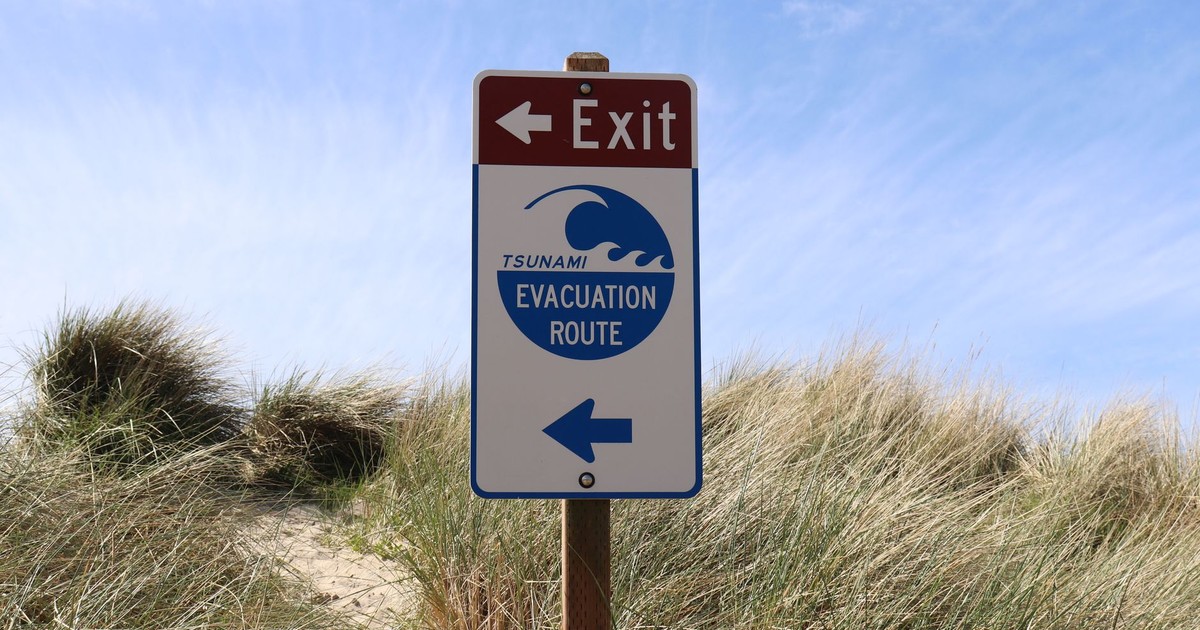
Evacuation planning done during a named storm is barely planning at all. Gas stations run dry. Highways lock up. The window to leave cleanly closes faster than most people expect, often before the storm reaches Category 1 strength. The time to look up your evacuation zone, identify your route, and agree on a destination is now, in August, when there’s no pressure and no traffic.
FEMA recommends every family learn their local evacuation routes, practice with their household and pets, and identify where they will stay before a storm hits. In practice, that means right now, not when a watch is issued. Local emergency management agencies publish zone maps by address. A five-minute search on your county’s website will tell you exactly which evacuation tier you fall into and what that means for your household.
For households that plan to shelter in place, the conversation with neighbors matters more than most people realize. The 72-year-old next door who lost her car last year. The family three doors down with twins under two. Knowing who on your block needs help before the storm arrives, and arranging it in advance, is a form of preparation that no supply kit can replace.
Building a Kit That Will Actually Work
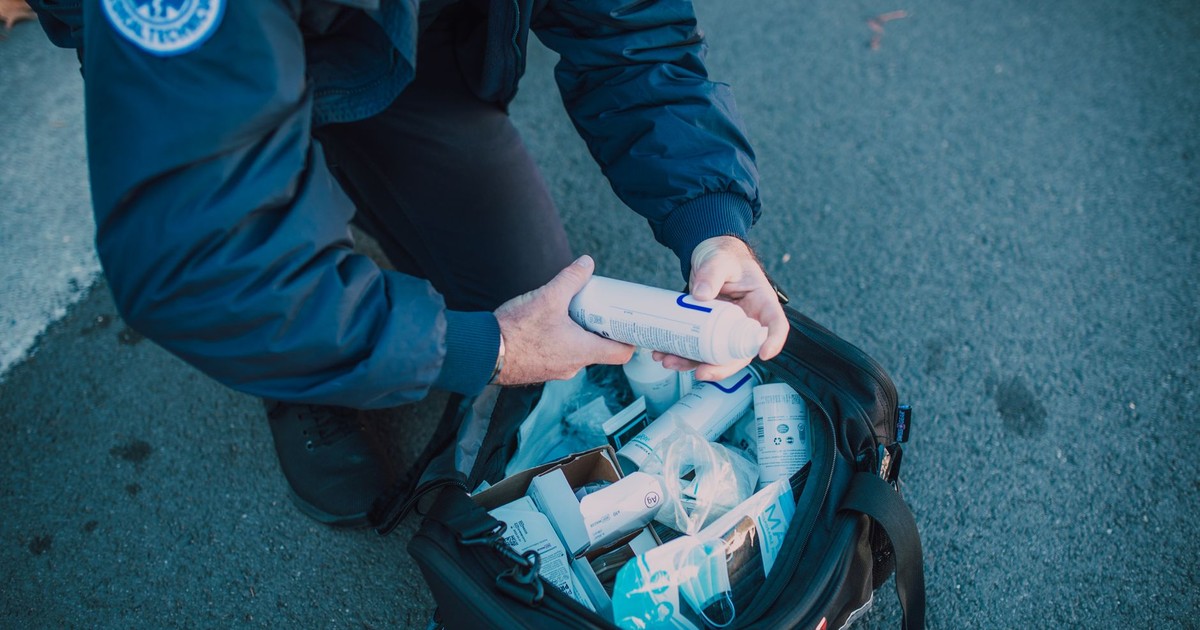
FEMA recommends that every American household maintain a ready-to-go survival kit, because after a major disaster, emergency responders may not reach you for several days. The recommendation is a minimum of 72 hours of supplies per person for a portable go-bag. For your home base kit, aim for a seven-day to two-week supply.
Water is the one thing that cannot be improvised. It is the single most critical item in any emergency kit. The human body can survive weeks without food but only about three days without water. Store at least one gallon per person per day for drinking and basic sanitation needs. A family of four sheltering for seven days needs at minimum 28 gallons, stored in containers that won’t crack or leach chemicals. Collapsible bladder tanks and sealed food-grade jugs are both practical options.
Food strategy matters almost as much as the quantity. Focus on non-perishables that need no cooking or refrigeration: canned goods, peanut butter, crackers, granola bars, dried fruit, nuts, and shelf-stable meals. Always include a manual can opener. Rotate your stock regularly so nothing expires. A pantry full of cans with no opener, or protein bars that expired fourteen months ago, is not a preparedness plan.
Generator use kills people every year after storms, not from the storm itself but from carbon monoxide poisoning once power is out. Gas generators emit carbon monoxide, a gas you cannot smell or see. Run generators at least 20 feet from your home with exhaust pointing away from windows and doors. Install battery-operated carbon monoxide detectors on every floor.
Beyond the basics, the items that tend to get forgotten until they’re desperately needed include: a hand-crank or battery-operated weather radio for updates when cell service fails; a full seven-day supply of prescription medications, refilled before a storm watch is issued; waterproof pouches for passports, insurance policies, and medical records; and cash, because ATMs don’t work without power and merchants often can’t process cards after a major storm.
Your Home’s Vulnerabilities Are Worth Finding Now
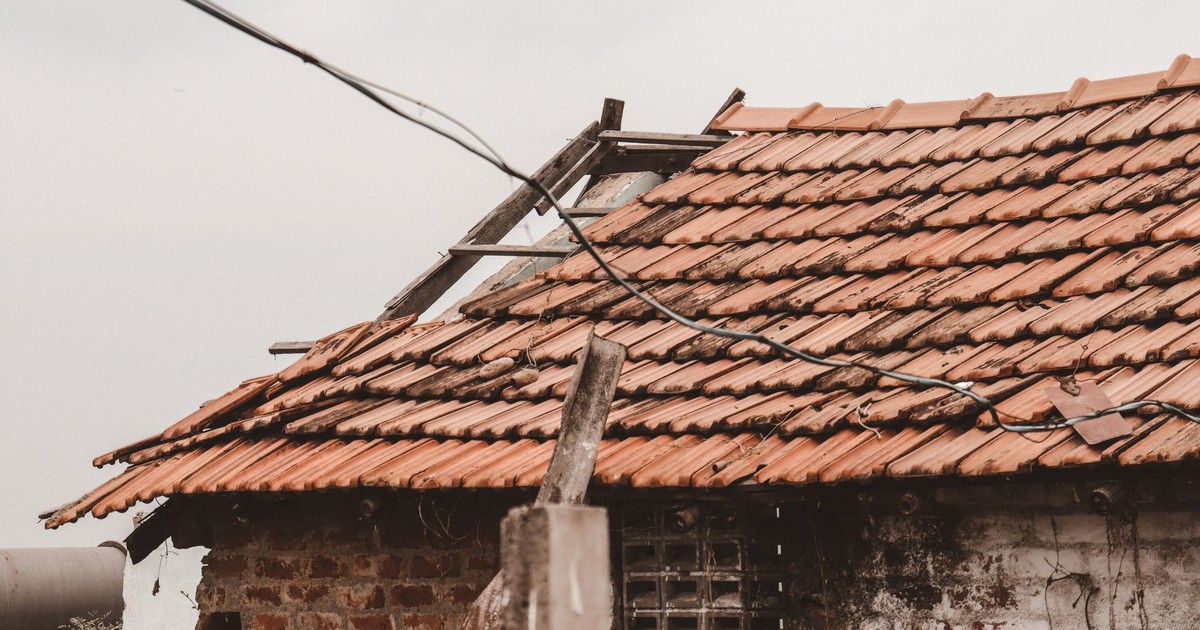
A storm’s wind is dramatic. What it does to a house with a 20-year-old roof, loose gutters, or an unsecured garage door is worse. Schedule professional inspections for your roof, foundation, and drainage systems annually. Check your roof for visible damage, like missing or loose shingles, and inspect the flashing and seals. Clean your gutters, downspouts, and drains, then monitor your home’s drainage systems during heavy rain.
Garage doors are often the structural weak point of a home during high winds. Once a garage door fails, wind enters the structure and can lift the roof off entirely. Bracing kits for existing doors are available at most home improvement stores and take an afternoon to install. Storm shutters or plywood panels for windows should already be measured, labeled, and stored somewhere accessible, not figured out when a watch is issued and hardware stores have empty shelves.
Insurance is the part of hurricane season preparation that gets the least attention until it becomes the most important. Most National Flood Insurance Program policies take 30 days to take effect, and existing policies do not renew automatically. That means the window to add or renew flood coverage has already closed for any storm arriving in the next month. Pull out your policy now, confirm what is and isn’t covered, and flag the renewal date.
Pets, Medications, and the People Who Need Extra Help

Standard preparedness advice is written for a household of healthy adults. Most households aren’t that. Children need their own considerations in an emergency kit: formula, diapers, familiar comfort items, and medications stored properly. Older family members or those with chronic conditions need a medication plan that accounts for the reality that pharmacies close, shipments stop, and prescription refills become impossible for days after a major storm.
Pets require their own seven-day supply of food and water, plus a carrier, a leash, and copies of their veterinary records and vaccination history. This matters practically because many public shelters do not accept pets, which means a family that hasn’t planned for where their dog goes in an evacuation often ends up not evacuating at all. The decision about whether to leave should never be made by the family pet by default.
The Real Peak Season Is Right Now
The historical peak of the season typically extends from mid-August through October, and it is six to ten weeks away. Any preparedness work done right now happens without time pressure, which is the only way preparedness work actually gets done properly.
A below-normal forecast is reassuring on paper: fewer storms means lower risk, lower risk means less urgency, less urgency means preparation can wait. But storms don’t consult the seasonal averages. Tropical Storm Arthur, which formed in mid-June in the warm Gulf waters off the Texas coast, brought record rainfall to portions of Louisiana and spawned tornadoes along the Gulf coast. That was a named tropical storm in a below-normal season, in a month before the peak, and it still caused serious damage.
What to Do With All of This

The seasonal forecast for 2026 is genuinely good news. El Niño is doing its job suppressing Atlantic storm formation, and the statistical odds favor a season that ends in November without a major landfalling disaster. None of that eliminates the possibility of a single storm going somewhere it isn’t supposed to go and doing tremendous damage. Hurricane season preparation isn’t about matching your effort to the season’s predicted intensity. It’s about the fact that you won’t know which storm is the bad one until it’s too late to prepare for it.
The supply kit, the evacuation plan, the insurance review, the roof inspection: none of it takes more than a few hours spread across a couple of weekends in August. What it buys is not safety from the storm but options during it. The people who had a plan during Helene, during Harvey, during Ian, still had terrible days. They just had more choices when choices mattered.
Disclaimer: This information is not intended to be a substitute for professional medical advice, diagnosis, or treatment and is for information only. Always seek the advice of your physician or another qualified health provider with any questions about your medical condition and/or current medication. Do not disregard professional medical advice or delay seeking advice or treatment because of something you have read here.
AI Disclaimer: This article was created with the assistance of AI tools and reviewed by a human editor.