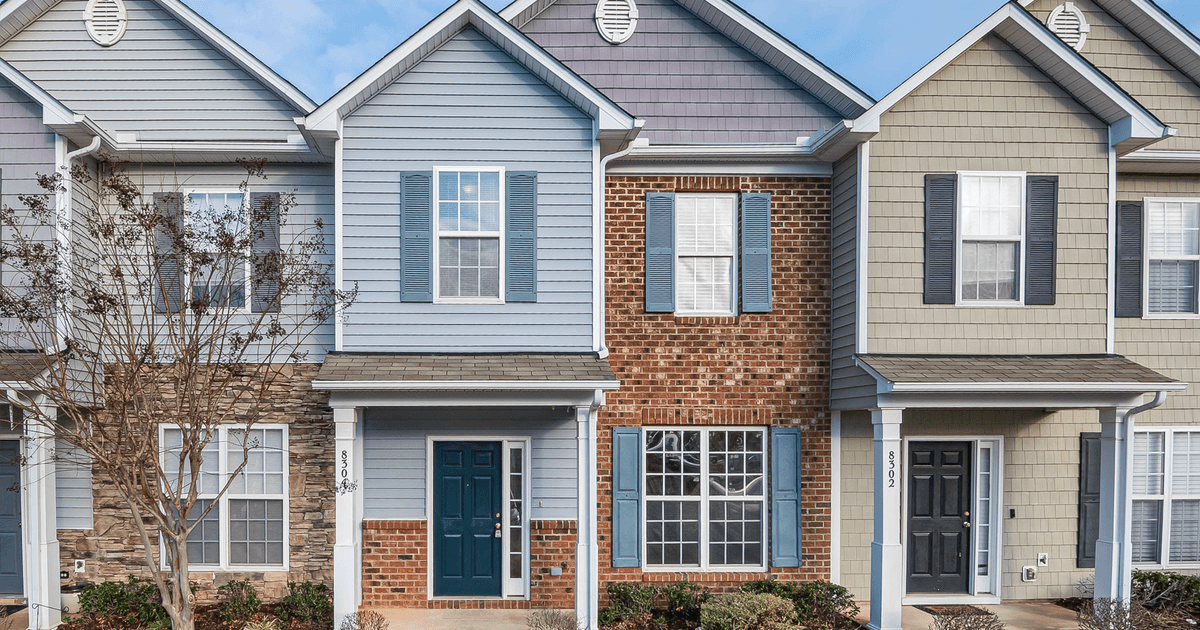

In city after city, country after country, the cost of a roof over your head has become one of the defining facts of adult life. It shapes when people move out of their parents’ homes, when they choose to partner up, where they raise children, and whether they ever stop renting. What started as a post-pandemic pricing surge has hardened into something more durable: a housing affordability crisis that now hits wealthy nations as hard as developing ones, and that is reordering politics, family timelines, and the basic economics of adulthood across the globe.
Up to 3.4 billion people worldwide currently lack access to adequate housing. That includes working professionals in Sydney, young families in Toronto, and renters in London paying more than half their income on a one-bedroom apartment. The crisis has stripped affordability from cities that spent decades priding themselves on being livable.
Who builds housing, who owns it, who benefits from it rising in value, and who gets left behind when it does has shifted in ways that explain why fixing the problem has proven harder than any government predicted.
A World Priced Out

Satisfaction with the availability of good, affordable housing has plunged in wealthy economies over the past few years. Residents in OECD member states, a group of 38 mostly high-income economies, have grown increasingly dissatisfied with housing locally.
In 2024, a Gallup survey found that a median of just 43% across the OECD were satisfied with the availability of good, affordable housing in their areas, compared with 50% in the rest of the world. The countries that spent decades setting the standard for livable cities and rising wages are now the ones where residents feel most locked out.
In the U.S., home prices have shot up about 45% since 2020, more than twice the typical rate of appreciation. The average American now has to work a full 38-hour week just to cover monthly rent, and in cities like New York, that figure climbs to over 90 hours. In Australia, renters face one of the toughest affordability environments on record, with rents outpacing wages in every capital city and vacancy rates remaining critically low.
The Supply Gap That Built Up Over a Decade
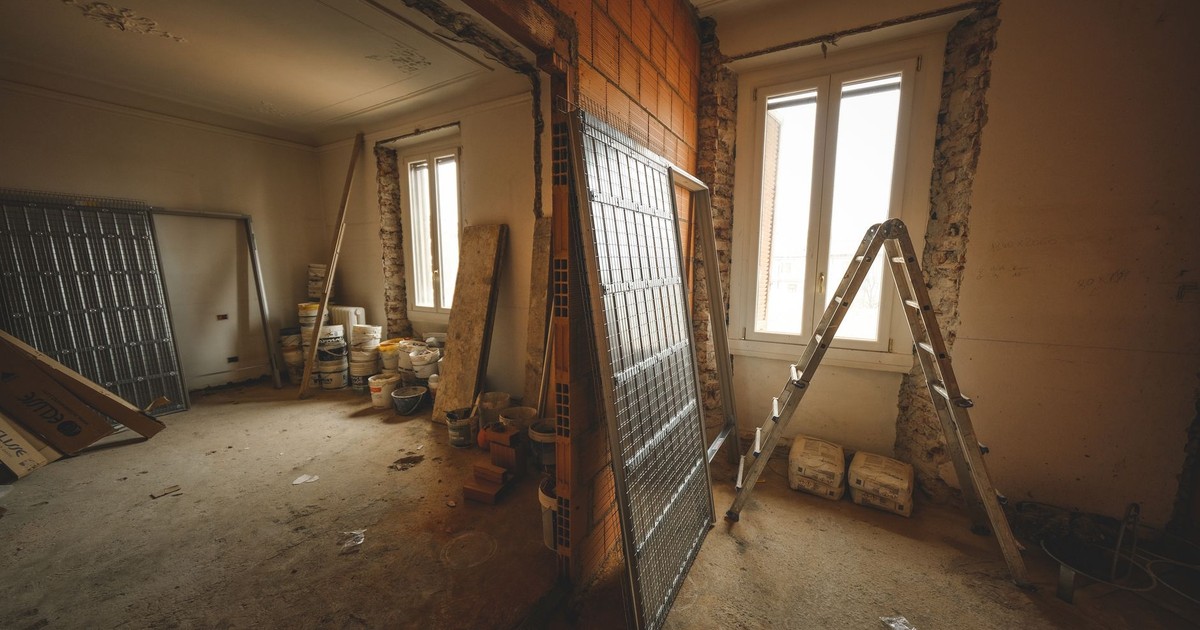
One of the most persistent misconceptions about the housing affordability crisis is that demand alone is driving it. Population growth and migration have intensified pressure in certain cities. But the more fundamental problem is a decade-plus of chronic underbuilding that left the market structurally short of homes long before pandemic-era demand surged.
In the United States, the housing supply gap widened to an estimated 4.03 million homes in 2025, up from 3.8 million in 2024, according to the 2026 Housing Supply Gap Report from Realtor.com, as new construction once again fell short of household formation. In 2025, approximately 1.41 million households were formed, compared with 1.36 million housing starts. The annual shortfall of roughly 50,000 units appears modest until you add it to more than a decade of identical shortfalls before it.
That same report found that 1.82 million Millennial and Gen Z households were missing in 2025, the highest count in four years. Among 18- to 44-year-olds, headship rates (the share of young adults who lead their own household) have declined over the past decade as high housing costs and limited supply have delayed independent living. According to the 2024 American Community Survey, 32.5% of adults ages 18 to 34 lived with their parents, up from 31.8% the prior year, a reversal of the post-pandemic trend of moving out. An entire generation is living doubled-up not because they chose to, but because the market left them no viable alternative.
The median down payment in the U.S. reached $30,400, representing 14.4% of the purchase price. At today’s savings rates, it would take a median-income household seven years of disciplined saving just to be in the room, before the price of the room itself is even negotiated. Even under an optimistic scenario where housing construction increases by 50% above 2025 levels and pent-up demand fully dissipates, it would still take approximately seven years to eliminate the current shortage.
How Housing Became an Asset Class
Over the past two decades, housing in much of the developed world stopped functioning primarily as shelter and began functioning primarily as an investment vehicle. That shift has consequences every time someone tries to rent a flat or buy a starter home.
According to the OECD’s affordable housing data, public investment in housing development across OECD countries was nearly cut by 90 percent between 2009 and 2016. As policy shifted away from large-scale public housing construction and towards vouchers, tax credits, and incentives for private developers, this increasingly opened the door for institutional investors to participate in the housing market. When governments stopped building, private capital stepped in, but private capital optimizes for returns, not affordability.
Institutional investors have increasingly used high demand for private rental apartments to provide homes under overpriced and insecure circumstances. At best, they have failed to reduce affordability pressures; at worst, they have actively contributed to growing housing costs and profited from the existing shortage.
The people who own homes benefit from prices rising. The people who rent pay more every year and fall further behind. The gap between those two groups has widened consistently, and at this point it roughly tracks the wealth gap. In many cities, the only people buying homes are those who already own property and are using the proceeds from one sale to fund the next.
Australia’s experience makes the pattern visible. The country’s rental market is experiencing the worst affordability conditions in at least two decades, according to the REA Group Rental Affordability Report. Median-income households earning $124,000 annually could afford just 37% of advertised rentals between July and December 2025, marking a record low since data collection began in 2008. According to Cotality, the national median rent surged approximately 43% over the five years since December 2020, reaching $681 per week, a pace that has vastly outstripped household income growth over the same period.
Governments Are Finally Moving, But Slowly
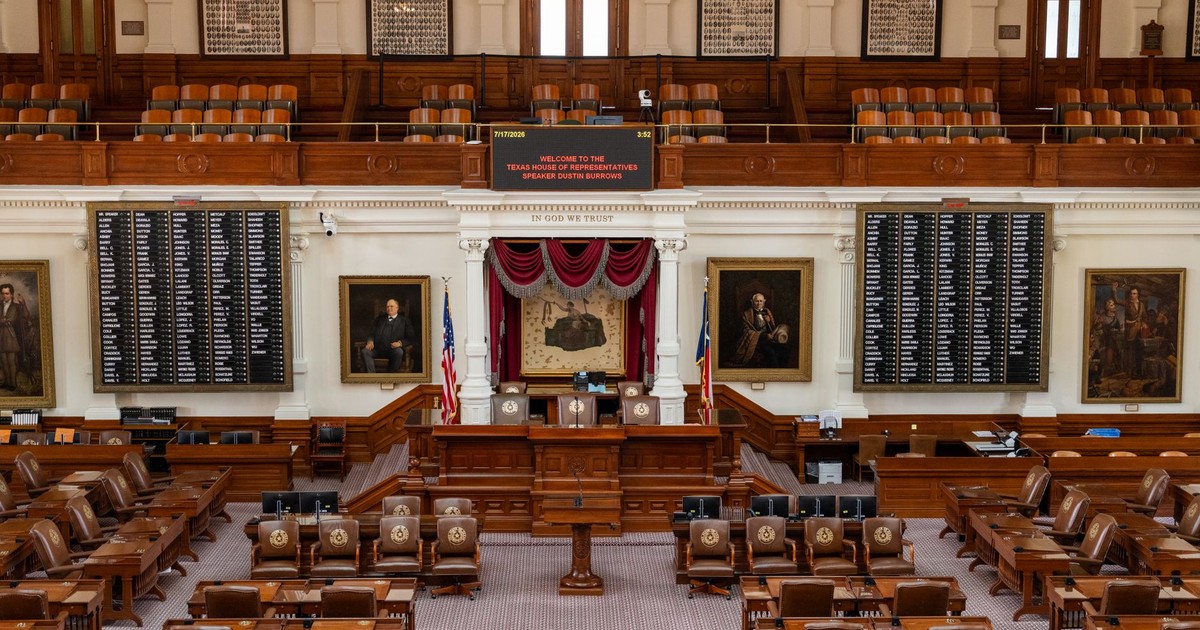
The housing affordability crisis has forced its way onto the agenda of some of the world’s richest governments. Housing affordability ranked as a top-three election issue in Australia, the UK, Canada, and Germany within the past two years.
In the UK, a landmark renters’ rights law took effect in England and Wales on May 1, 2026, ending no-fault evictions in one of the country’s biggest private-rental reforms in decades. The European Commission and Parliament launched a new push on housing affordability, while in Washington, the U.S. Senate advanced a rare bipartisan bill aimed at loosening barriers to new construction and expanding affordable housing supply.
Tenant protections are meaningful and genuinely improve the lives of people renting right now, but they don’t add a single new unit to supply. The harder work is cutting through the zoning restrictions, planning delays, and construction cost barriers that make building new homes slow and expensive even when there is political will to do it.
Canada offers an unusual case study. While housing affordability deteriorates globally, Canada is experiencing a rare price and rent correction, with national home prices roughly 20% off their peak. The driver was largely a sharp reduction in immigration. Canada cut permanent resident targets from 500,000 to 365,000 by 2027 and saw its population actually decline in 2025 for the first time since World War II. That eased demand quickly. But it also illustrates just how dependent affordability in many cities has become on population flow, rather than on any sustainable long-term balance between what gets built and who needs to live in it.
An estimated $3 to $4 trillion per year through 2030 is needed globally to address adequate, affordable housing. For context: that is more than the GDP of the United Kingdom, spent every single year, just to close the gap.
Who Gets Hit Hardest

Inside every country, the housing affordability crisis falls unevenly and predictably. Young people, single-income households, renters without family wealth to draw on, and older women are consistently the most exposed.
The global house price-to-income ratio rose to 11.2 in 2023. A ratio of 11 means the median home costs eleven times the median annual income. In the 1980s, the widely accepted rule was that a home should cost around three times your annual salary. The world has moved so far from that benchmark the rule is almost unrecognisable now.
In Australia, the inequality runs along gender lines as well as income lines. Older women in particular face acute risk, with lower pension balances than their male counterparts and fewer assets to fall back on if rents rise or a lease ends. When cities fail to expand serviced land in line with demand or apply restrictive planning rules, development is pushed outward and sprawl follows, which in turn imposes extra costs on households least able to absorb them: longer commutes, higher transportation costs, patchy infrastructure.
The families living furthest from city centers aren’t there because they chose a longer drive to work. They’re there because that’s where the rent was manageable. And as those outer suburbs heat up in price, the frontier keeps moving.
The Honest Part
The housing affordability crisis did not arrive overnight, and it won’t be resolved in an election cycle. What’s happening now is the accumulated result of roughly 15 years of underinvestment in public housing, zoning rules that protected existing homeowners at the expense of future ones, financial deregulation that turned residential property into a preferred asset class, and construction industries that couldn’t scale fast enough even when demand was obvious.
The political conversation tends to focus on demand (migration levels, foreign buyers, short-term rentals converting long-term supply) because those are visible targets and sometimes genuinely relevant factors. Supply constraints are less photogenic but more persistent. No single lever fixes the gap between 4 million missing homes in the U.S. alone and the pace at which those homes can realistically be built, permitted, financed, and occupied.
What cuts across every country where this has become a crisis is the same underlying tension: housing works well as an investment, and badly as a public good, and no society has yet found a way to make it function as both simultaneously. The people who hold homes want prices to rise. The people who need homes need them to fall. Those interests don’t reconcile easily, which is why governments in every wealthy nation spent decades avoiding the hard choices and why, in 2026, those choices are finally being forced.
For the person scrolling through listings on a Tuesday night, wondering whether this is the year they give up on owning or move somewhere cheaper, the policy debate is a distant abstraction. The immediate reality is simpler: a wage that hasn’t kept pace, a rent that went up again, and a down payment that keeps getting pushed further into the future. Some of these patterns go back further than any single housing market cycle. Naming that isn’t defeatism; it’s usually where the serious conversation has to start.
AI Disclaimer: This article was created with the assistance of AI tools and reviewed by a human editor.