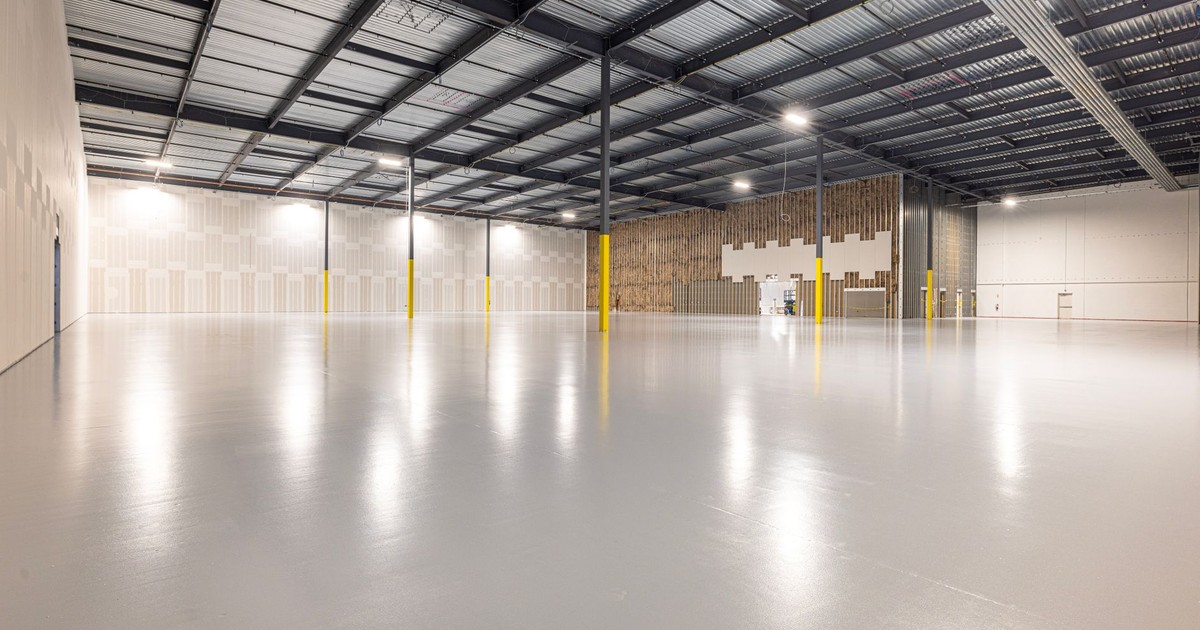

Honda built a battery factory in Fayette County, Ohio — over two million square feet, designed from the ground up to make lithium-ion batteries for electric cars. The joint venture between Honda and LG Energy Solution committed $3.5 billion to the facility, with total investment projected to reach $4.4 billion, along with 2,200 jobs promised and a clear mission: supply cells for a new generation of Honda and Acura EVs. Less than four years after the February 2023 groundbreaking, those EVs are canceled, and the Ohio plant is making batteries for a different customer entirely. Not drivers. Data centers.
Honda data centers were not part of the original plan. A company that spent decades moving carefully, that arrived late to the first wave of electrification and then committed hard with a multi-billion-dollar bet, has abandoned that bet and pointed its most significant U.S. manufacturing asset at the artificial intelligence infrastructure boom. The same cells, the same plant, the same South Korean joint venture partner – redirected toward keeping AI servers running rather than keeping Accords charged.
Three forces collided in about 18 months to make this happen: a federal policy reversal that killed consumer demand for new EVs almost overnight, a $15.7 billion writedown that forced Honda to think laterally about what it had already built, and an energy storage market growing fast enough to absorb every factory it could find.
The Ohio Plant: What It Was Built to Be
In August 2022, LG Energy Solution and Honda announced a joint venture to produce lithium-ion batteries in the U.S. for Honda and Acura EV models. The joint venture, named L-H Battery Company, Inc., was formally established on January 13, 2023. The official groundbreaking took place on February 28, 2023, for a facility over two million square feet in Fayette County, near Jeffersonville, Ohio. The two companies committed to investing $3.5 billion in the facility, with total investment projected to reach $4.4 billion, along with a target of approximately 40 GWh of annual production capacity and 2,200 jobs.
The plant was built to produce pouch-type lithium-ion batteries at scale. Honda had scheduled production and sales of EVs in North America to begin in 2026, based on its new Honda e:Architecture platform — plans it canceled in March 2026 when it discontinued the Honda 0 SUV, Honda 0 Saloon, and Acura RSX programs. The vision had been coherent, fully funded, and publicly committed.
Then, in a December 2026 regulatory filing, LG Energy Solution agreed to sell its stake in the Ohio joint venture to Honda Development and Manufacturing of America for $2.85 billion – a transaction that looked less like simple asset consolidation and more like Honda taking full operational control of a facility it knew it was about to repurpose.
The Cancellation: A $15.7 Billion Retreat

In March 2026, Honda Motor Co. formally announced its decision to cancel the development and market launch of three EV models planned for production in North America, citing changes in the business environment.
Just months before the cancellation, Honda had been promoting its “0 Series” electric vehicles as the centerpiece of its next-generation strategy. Prototypes including the Honda 0 Series Saloon and 0 Series SUV appeared at international shows including the Japan Mobility Show and CES. Honda then canceled those two electric vehicles along with the Acura RSX EV. According to S&P Global Mobility, the RSX cancellation left Acura without any compact SUV until at least 2027, and delayed Honda’s rollout of the vehicle software intended to underpin its software-defined vehicle strategy for the rest of the decade.
The financial damage was severe. Canceling those EV programs produced a writedown of $15.7 billion for the fiscal year ending March 2026. Changes to incentives, tariffs, and environmental regulations in the United States created uncertainty around the economics of building EVs there. Honda cited shifting trade policies and the removal of EV subsidies as major factors.
Honda acknowledged the strategic failure directly: “In such a difficult competitive environment, Honda was unable to deliver products that offer value for money better than that of newer EV manufacturers, resulting in a decline in competitiveness.”
The ripple effects extended beyond the canceled models. Popular Honda vehicles like the Accord and Odyssey face fewer updates and delayed next-generation launches. Honda is expected to keep building the current Accord until early 2030. A $15.7 billion writedown reshapes an entire product roadmap, not just the directly canceled models.
The Tax Credit Collapse That Triggered the Demand Crisis
The signing of the One Big Beautiful Bill Act on July 4, 2025 ended the $7,500 federal tax credit for new EVs and the $4,000 credit for used EVs for vehicles acquired after September 30, 2025. The consumer response was immediate. According to Cox Automotive, new battery-electric vehicle sales in the U.S. fell 27 percent year-on-year in Q1 2026, reaching approximately 216,400 units. EVs accounted for just 5.8 percent of total new-vehicle sales, well below the 10.5 percent peak recorded in Q3 2025 – a peak driven by buyers rushing to lock in the credit before the September 30 deadline.
The Honda Prologue, produced by General Motors, saw sales fall 74.1 percent in the first two months of 2026. Only 1,731 units were delivered in those two months, compared to 6,677 in the same period of 2025. For a company weighing whether to proceed with three new, purpose-built EV platforms requiring a factory with 40 GWh of annual capacity, those numbers answered the question.
Honda Data Centers: The New Customer
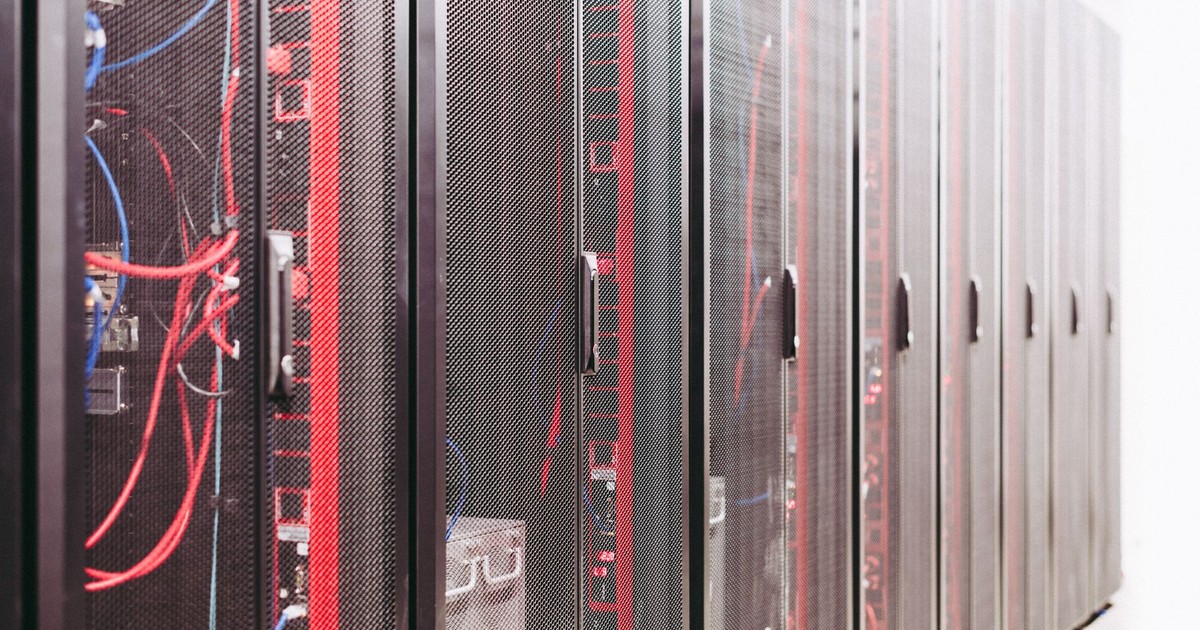
With EV production canceled and the Ohio facility still standing, Honda did not dissolve the partnership. Honda Motor began producing batteries for AI data center energy storage systems at the Ohio plant, originally built for EV battery manufacturing, in partnership with LG Energy Solution.
The cells are lithium-ion regardless of their destination. The chemistry that stores energy for a 300-mile drive stores energy for a data center buffering peak grid demand. The manufacturing process is largely the same. The customer, the contract structure, and the margin profile are different – and in stationary storage, those margins tend to be better.
According to the Solar Energy Industries Association, many EV factories are retooling production lines to serve the energy storage market, and the United States could reach over 120 GWh of battery cell manufacturing capacity if all repurposed facilities come online as planned. The U.S. added a record 57.6 gigawatt-hours of battery storage capacity in 2025 and is expected to reach 600 GWh in total capacity by 2030, as EV market downturns and tax credit expirations push suppliers toward stationary energy storage.
Why Data Centers Are Driving This Demand
Data centers running large language models require massive, continuous power. When the grid fluctuates, or when electricity is cheapest at 3am and most expensive at 6pm, stationary storage systems act as a buffer – buying cheap, storing it, and dispatching it when needed. For data center operators managing electricity costs at scale, that buffer is a core operating requirement, not an optional feature.
Battery energy storage installations reached 9.7 GWh in Q1 2026, the largest Q1 in history and a 32 percent year-over-year increase, per the SEIA Energy Storage Market Outlook. The utility-scale market drove that growth, with 7.8 GWh installed across six states adding more than 500 MWh of new capacity each.
By 2030, annual installations are projected to exceed 110 GWh, with a cumulative 613 GWh installed. The 9.7 GWh installed in Q1 alone represents enough batteries to build roughly 120,000 EVs. Honda’s 40 GWh plant, even at partial capacity, could supply a meaningful share of a market growing faster than almost any other energy infrastructure sector in the U.S.
Texas, Arizona, and California were the top utility-scale storage markets in Q1. Seventy-one percent of all utility-scale storage installed during the quarter was built in states won by President Trump, which shows how thoroughly this market has moved away from policy-driven clean energy mandates. Storage is now a commercial market driven by economics.
The Broader Automaker Pivot
Honda is doing something the broader automotive industry has been considering for two years: deciding that batteries themselves are the product, not just a component inside one. Automakers who built out mineral supply chains for EV batteries are now producing stationary storage as well, as manufacturing capacity originally built for EVs looks for buyers.
The margin structure helps explain why. Tesla’s Q1 2026 10-Q filing with the SEC shows the company’s energy generation and storage segment posting a gross margin of 39.5 percent in Q1 2026, compared to 21.1 percent for its automotive division. For an automaker with a large lithium-ion manufacturing facility and a supply chain already in place, the entry cost into stationary storage is far lower than for a company starting from scratch – and the margin is considerably higher.
Honda is directing its remaining resources toward hybrids, with 13 new vehicles using a new hybrid system planned, the first set to launch in 2027. That includes a V6 hybrid system for its Pilot SUV and new versions of its existing four-cylinder hybrids. The Ohio plant, meanwhile, serves the energy storage market. Honda has split its electrification strategy in two: hybrids for the road, battery storage for the grid.
Honda, Hyundai, Kia, Lamborghini, and other automakers cut or delayed EV programs as tariffs and weak demand drove the industry to book nearly $70 billion in write-downs, according to Automotive News. There is now a significant amount of lithium-ion production capacity in the United States, originally built for EVs, that needs a buyer.
What This Means for the U.S. Energy Grid
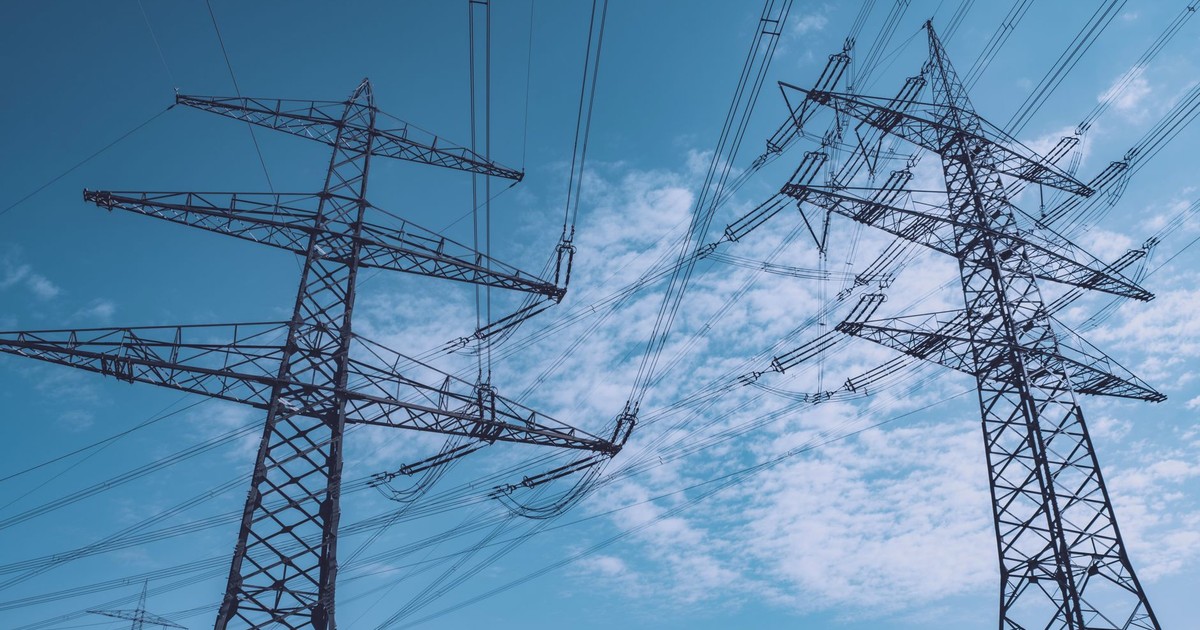
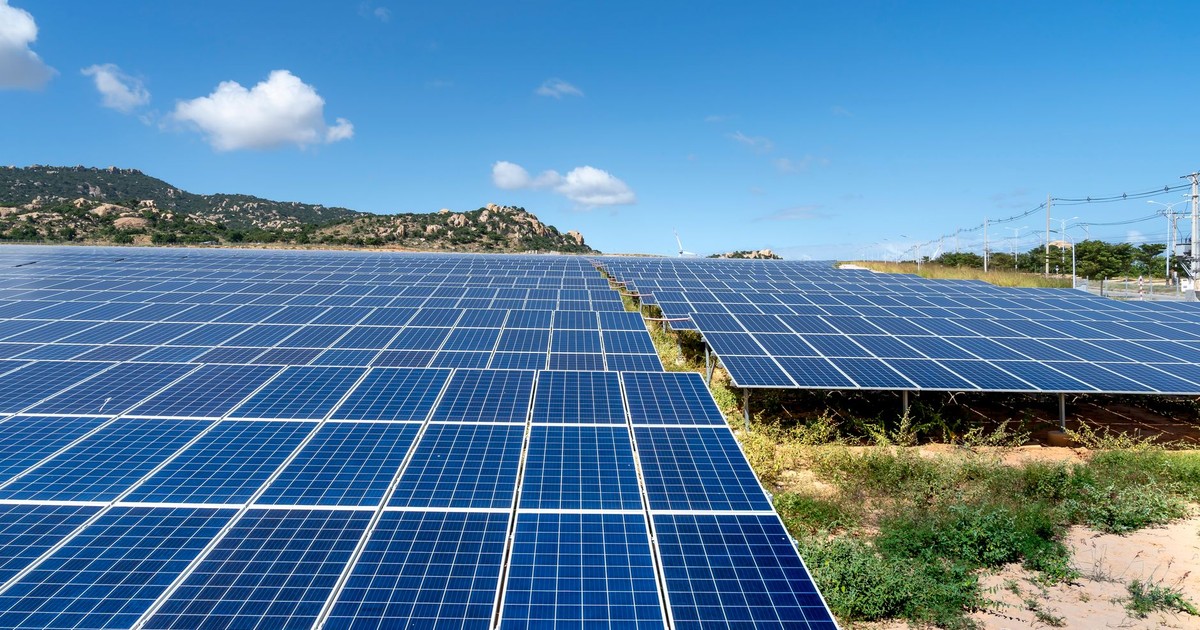
The federal government removed the financial incentives sustaining EV demand at precisely the moment AI infrastructure was creating a new buyer for the battery capacity being stranded by the EV slowdown. Solar and energy storage represented 91 percent of new capacity installed in the United States in Q1 2026, as utilities, homeowners, and businesses sought energy security amid global gas and gas turbine supply disruptions.
The AI buildout has added demand on top of an already-strained grid. Data centers need not just power but reliable, dispatchable power that holds even when the grid wobbles. Battery storage at scale is one of the few technologies that can deliver that.
The pivot of EV battery suppliers to stationary energy storage doubled the SEIA’s projection for total battery capacity by 2030 – a revision reflecting how dramatically the manufacturing picture shifted in roughly two years. The Ohio plant that was supposed to be Honda’s gateway to the U.S. EV market is now part of a supply chain helping to keep the facilities running the next generation of AI models powered.
The Bet Honda Is Now Making
Honda did not end up with a stranded asset. It ended up with a production facility the market needs – for a customer it never originally anticipated. The Ohio plant was conceived to supply EVs set to begin selling this year. Instead, it supplies the energy storage systems keeping data center servers online.
EV demand had the backing of federal tax credits, state mandates, and automaker commitments – and all of those proved reversible inside 18 months. AI-driven data center demand currently has the backing of hyperscaler capital expenditure budgets, utility contracts, and grid reliability economics. Those are arguably more durable than regulatory incentives, because they are driven by commercial need rather than policy preference. But they are not permanent either.
Honda’s leadership is effectively betting that the AI infrastructure buildout will generate sustained, long-term demand for grid-scale battery storage, and that a company with 40 GWh of lithium-ion manufacturing capacity in Ohio is well positioned to serve it. The Q2 2026 market data suggests that bet is not unreasonable. Whether it holds through 2030 is the question they are answering now, one shipment of battery cells at a time.
AI Disclaimer: This article was created with the assistance of AI tools and reviewed by a human editor.