
The textbook version of history is, almost always, the polished version. Names are remembered as heroes or villains, dates are made memorable by outcomes, and the part where real decisions got made, real people got hurt, and real institutions looked the other way tends to get smoothed over. None of what follows is conspiratorial or invented. These are documented, sourced facts. They’re simply the ones that tend to make people go very still at dinner.
Some of these were suppressed deliberately. Others faded out of view not by design but by discomfort, a slow, collective decision that certain stories didn’t fit the preferred version of events. A few were hiding in plain sight, technically part of the historical record but buried deeply enough that most people never encounter them.
The facts below are uncomfortable not because they’re fringe claims or revisionist takes, but because they’re true, verifiable, and most of us were never given a proper chance to sit with them.
The Tuskegee Study Ran for 40 Years, Long After a Cure Was Available

In 1932, the CDC documents, the U.S. Public Health Service began what was originally called the “Tuskegee Study of Untreated Syphilis in the Negro Male.” It involved 600 Black men, 399 with syphilis and 201 without. Their informed consent was not collected. Researchers told the men they were being treated for “bad blood,” a local term for various ailments, and in exchange they received free medical exams, free meals, and burial insurance.
Penicillin was introduced as a treatment for syphilis in the 1940s and became the standard of care. The men were never made aware of its availability, and the study continued for decades beyond that point. It was intended to last only six months but ran into the 1970s. By the time a whistleblower and subsequent Senate investigation finally ended it in 1972, more than 100 men had died, and their wives and children had contracted the disease. The medical ethics laws the United States now takes for granted, including informed consent requirements, trace their origins directly to that scandal.
The Tulsa Race Massacre Was Buried for Decades

During the Tulsa Race Massacre, which occurred over 18 hours from May 31 to June 1, 1921, a white mob attacked residents, homes, and businesses in the predominantly Black Greenwood neighborhood of Tulsa, Oklahoma. It remains one of the worst incidents of racial violence in U.S. history and, for a long period, one of the least-known: news reports were largely suppressed, despite hundreds of people being killed and thousands left homeless.
Some 10,000 African Americans had created a thriving community in Greenwood, often referred to as “Black Wall Street.” The death toll has never been precisely established, with credible estimates varying widely among historians. Property damage was vast: 35 city blocks were reduced to ash, and businesses, churches, a hospital, a school, a library, and hotels were destroyed or looted. For decades, the massacre was omitted from Oklahoma’s school curriculum and, for much of the 20th century, from national conversation altogether.
Operation Paperclip Brought Nazi Scientists Into U.S. Institutions

In a covert program originally dubbed Operation Overcast and later renamed Operation Paperclip, History.com reports that roughly 1,600 German scientists were brought to the United States, along with their families, to work on America’s behalf during the Cold War. The program was run by the Joint Intelligence Objectives Agency, whose goal was to harness German intellectual resources to develop America’s arsenal of rockets and chemical and biological weapons, and to ensure that knowledge didn’t fall to the Soviet Union.
Although President Harry Truman officially forbade the agency from recruiting Nazi members or active Nazi supporters, officials within the JIOA bypassed this directive by eliminating or whitewashing incriminating evidence from the scientists’ records. Several of the men who passed through the program had direct ties to concentration camp labor. Some became prominent American scientists. The ethical cost of those arrangements was never publicly reckoned with.
The Great Boston Molasses Flood Was a Corporate Negligence Disaster

In January 1919, a 50-foot storage tank owned by the Purity Distilling Company in Boston’s North End burst open. The tank released 2.3 million gallons of molasses in a 25-foot wave that crushed buildings and drowned victims in sticky syrup. Twenty-one people died and 150 were injured. The company had filled the tank beyond capacity despite knowing it leaked. The bizarre nature of the disaster turned it into a quirky historical anecdote rather than the industrial tragedy it actually was. It took three years of litigation before the company was finally found liable.
The Radium Girls Were Told the Poison Was Harmless

In the 1910s and 1920s, the U.S. Radium Corporation in Orange, New Jersey, hired young women, many of them teenagers, to paint glow-in-the-dark dials on watches and military instruments using a radium-based paint called “Undark.” Workers were trained to “lip, dip, paint,” meaning shape the brush tip between their lips, dip it into the paint, then paint the dial. Some painted their nails, teeth, and faces with the glowing paint for fun, because they had been told it was harmless. The company’s own chemists used lead screens, tongs, and lab coats. The women received no such protections.
The history of those dial painters, documented extensively by historians, shows that by the mid-1920s, women began experiencing severe illness. The U.S. Radium Corporation refused to admit wrongdoing and, in one of its more grotesque moves, attributed the women’s symptoms to syphilis, which in the 1920s was not just a medical diagnosis but a social death sentence for a young woman. Their teeth fell out. Their jaws deteriorated in a condition that became known as “radium jaw.” Their bones weakened and broke. The women who eventually sued helped establish worker safety protections still in place today. All five of the named plaintiffs who sued in 1927 were dead within a decade of the settlement.
Labor Day Was Moved to Avoid Honoring a Workers’ Strike
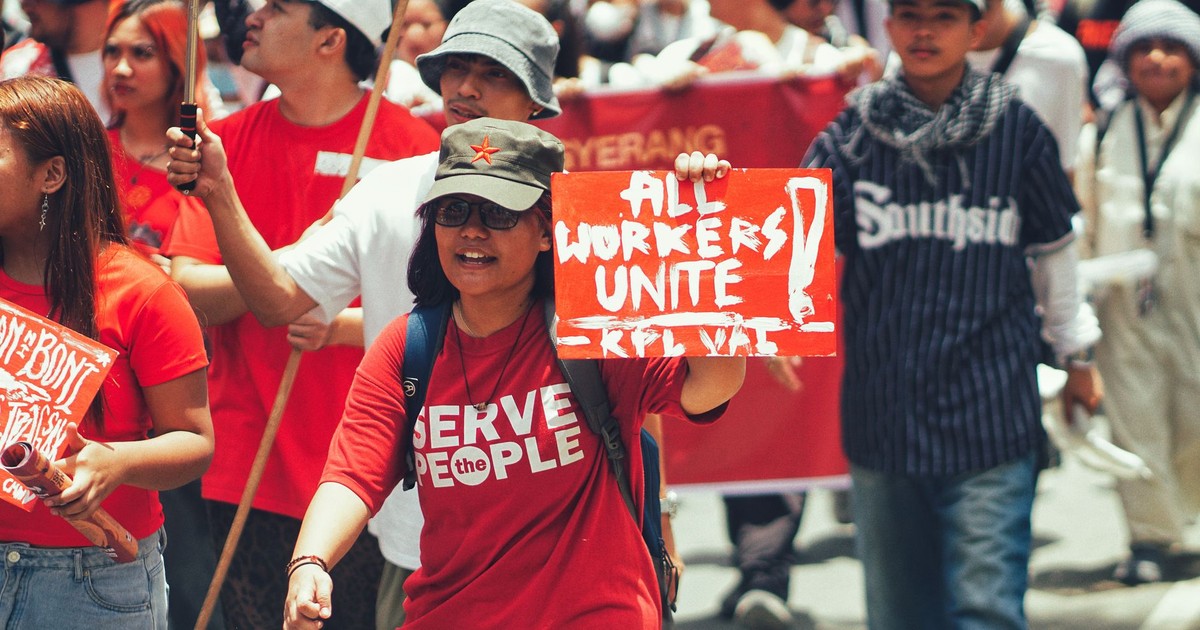
Labor Day in the United States was intentionally set in September to avoid commemorating May 1st, the date that became associated with the Haymarket affair in Chicago. The Haymarket affair occurred on May 4, 1886, when a bomb was thrown at police during a labor rally, eight activists were arrested, and four were hanged despite shaky evidence. After the Second International designated May 1st as International Workers’ Day in 1889, the rest of the world adopted it as a labor holiday. The United States created a separate holiday in September, specifically to distance the national celebration of workers from an event the government found politically dangerous. Most Americans have no idea why their Labor Day sits where it does on the calendar.
Japanese American Internment Included U.S.-Born Citizens
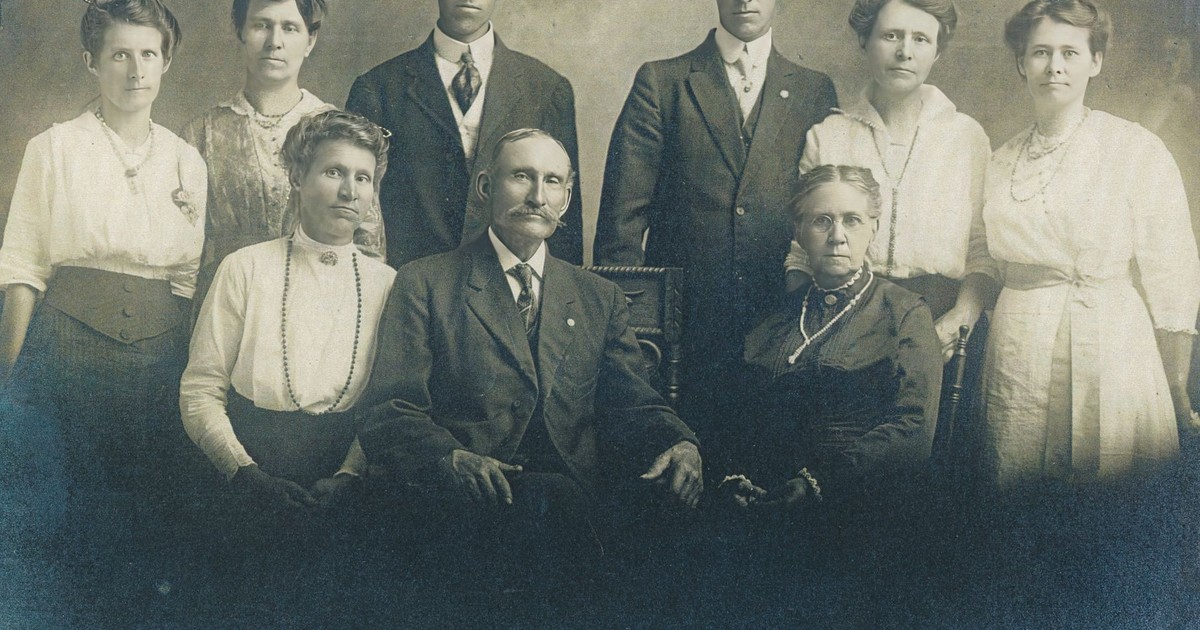
After the attack on Pearl Harbor in December 1941, President Franklin D. Roosevelt signed Executive Order 9066, authorizing the forced removal of Japanese Americans from the West Coast. More than 120,000 people were sent to internment camps, roughly two-thirds of whom were American citizens by birth. They were given days to liquidate their property, sell their businesses, and report for relocation. The Supreme Court upheld the order in 1944 in Korematsu v. United States. The federal government issued a formal apology in 1988, over 40 years after the camps closed, and Congress paid reparations of $20,000 per surviving internee.
The “Spanish Flu” Wasn’t Spanish

The 1918 flu infected around a third of the entire world population, with 20 to 50 million deaths. By comparison, the total death toll of the First World War was approximately 18 million. The pandemic was named “Spanish flu” not because it originated in Spain but because Spain, neutral in World War I, had no wartime press censorship and reported the outbreak openly. Allied nations suppressed their own reporting to avoid damaging morale. Spain became the named origin simply because it was the first country to report honestly. The actual origin remains disputed, with current research pointing to France, the United States, and China as candidates.
The United States Once Had a Legally Sanctioned Forced Sterilization Program

Between 1907 and the mid-20th century, over 30 U.S. states had laws permitting the forced sterilization of people deemed “unfit,” including those with disabilities, low incomes, or who were simply considered socially undesirable. The 1927 Supreme Court case Buck v. Bell, which upheld Virginia’s sterilization law, was never formally overturned. More than 60,000 Americans were sterilized under these programs. The judgment in that case is still technically active precedent, a fact that legal scholars have noted with increasing alarm in recent years.
King Leopold II Killed Millions in the Congo and Barely Registers in History

In the late 19th and early 20th centuries, King Leopold II of Belgium ran the Congo Free State as his personal property. What followed was one of the largest atrocities in recorded history. Estimates of the death toll range from 5 to 10 million people. Leopold’s administration extracted rubber from the Congo using a system of terror: hands were cut off workers who didn’t meet quotas, entire villages were burned, and people were systematically enslaved. Leopold was never tried. He died peacefully in 1909, and his statue stood in Belgian public squares until protesters began pulling them down in 2020.
The Suffragette Night of Terror Preceded the U.S. Voting Rights Victory
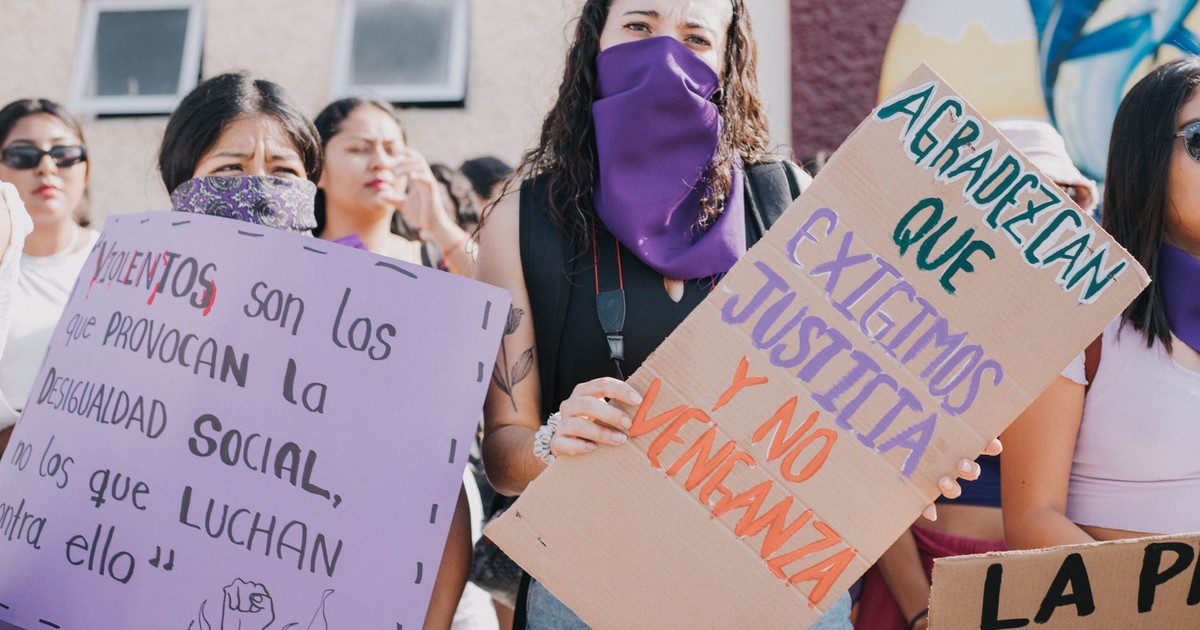
On November 15, 1917, 33 women fighting for the right to vote were arrested from in front of the White House and taken to prison. What followed has been documented as the “Night of Terror”: guards at the Occoquan Workhouse beat the women, slammed one activist headfirst into an iron bunk, choked another, and left several injured and unconscious. The goal was to break the suffragette movement through fear. It failed. The public outrage that followed helped accelerate the passage of the 19th Amendment in 1920. The incident rarely appears in mainstream retellings of how American women won the vote.
The Jonestown Mass Death Was Not Voluntary

The 1978 Jonestown deaths are routinely described in shorthand as a mass suicide, and the phrase “drinking the Kool-Aid” has become embedded in the language as a result. A&E’s documented account of the event shows that the reality is far more complicated than that framing suggests: armed guards forced people to drink the cyanide-laced punch, and parents and nurses used syringes to force the poison into children’s throats. The final death toll was 918, roughly one-third of them children. Much of the Jonestown community had been kept there against their will, and the broader conditions of the settlement were far more coercive than most popular accounts suggest. The reductive cultural shorthand that replaced this story has arguably done more harm than silence would have.
Read More: 18 Foods That Were Totally Normal in the 1970s — but Are Banned Now
What History Actually Asks of Us

The Tuskegee study didn’t happen in a dark corner. It was federally funded and administratively managed for four decades. The Tulsa massacre didn’t fade because no one witnessed it. It faded because the people who witnessed it were told, in various ways, that the story wasn’t theirs to tell publicly. Operation Paperclip happened while those same government agencies were prosecuting Nazi war crimes at Nuremberg.
None of these facts require a verdict. They don’t demand that anyone feel a particular emotion or reach a particular conclusion. What they do ask for is a willingness to hold the record as it actually exists, not just the version that gets cleaned up for wide distribution. Some of these histories were buried by policy, some by embarrassment, and some simply because the people affected didn’t have the institutional power to keep the story alive. The difference between what happened and what got taught is rarely accidental.
Disclaimer: This information is not intended to be a substitute for professional medical advice, diagnosis, or treatment and is for information only. Always seek the advice of your physician or another qualified health provider with any questions about your medical condition and/or current medication. Do not disregard professional medical advice or delay seeking advice or treatment because of something you have read here.
AI Disclaimer: This article was created with the assistance of AI tools and reviewed by a human editor.