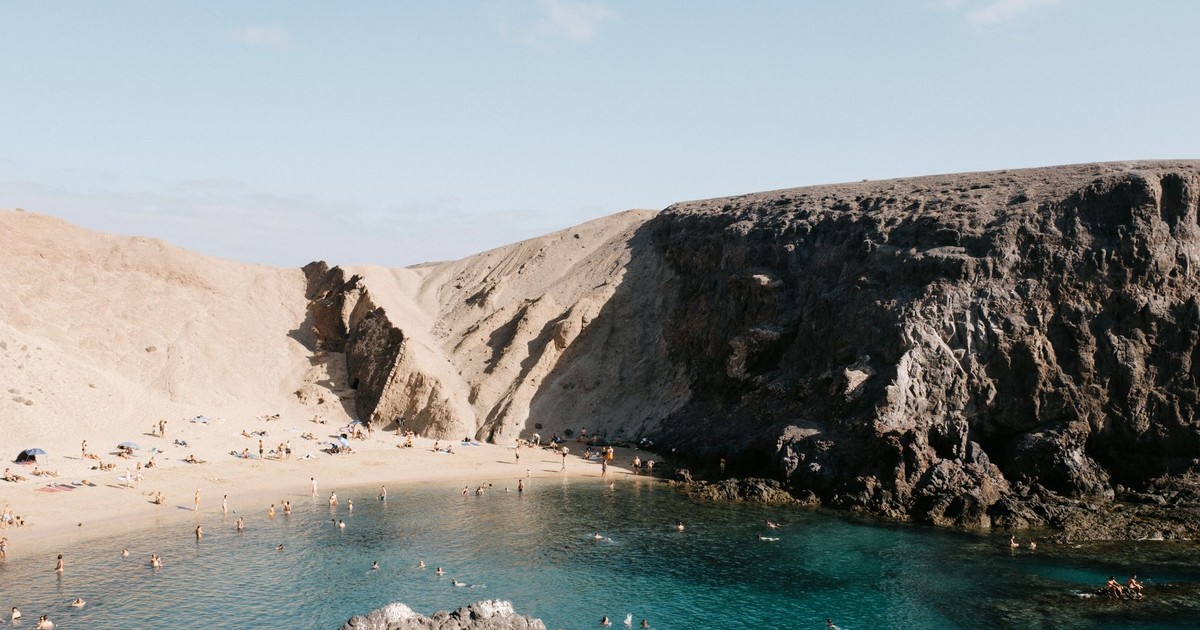

Most people booking a summer beach trip spend an hour Googling the same dozen names. They end up exactly where everyone else ends up: a parking lot that fills by 9am, a stretch of sand so densely packed you have to angle your chair sideways, and the creeping sense that you drove four hours for something that was better in the brochure. America’s coastline is enormous, and the best of it is mostly hiding in plain sight.
From a barrier island in Georgia where wild horses outnumber visitors on most days, to a California beach covered in perfectly round boulders that only appear at low tide, the hidden gem beaches America offers are genuinely better than their famous counterparts: fewer people, cleaner water, intact ecosystems, and the kind of stillness that’s increasingly hard to find anywhere.
What follows is a tour of some of the most remarkable and genuinely underrated beaches across the country. None of them require a passport. Some require a short hike, a ferry ticket, or a willingness to drive past the obvious exit. All of them are worth it.
Sandbridge Beach, Virginia: The Outer Banks Without the Crowds
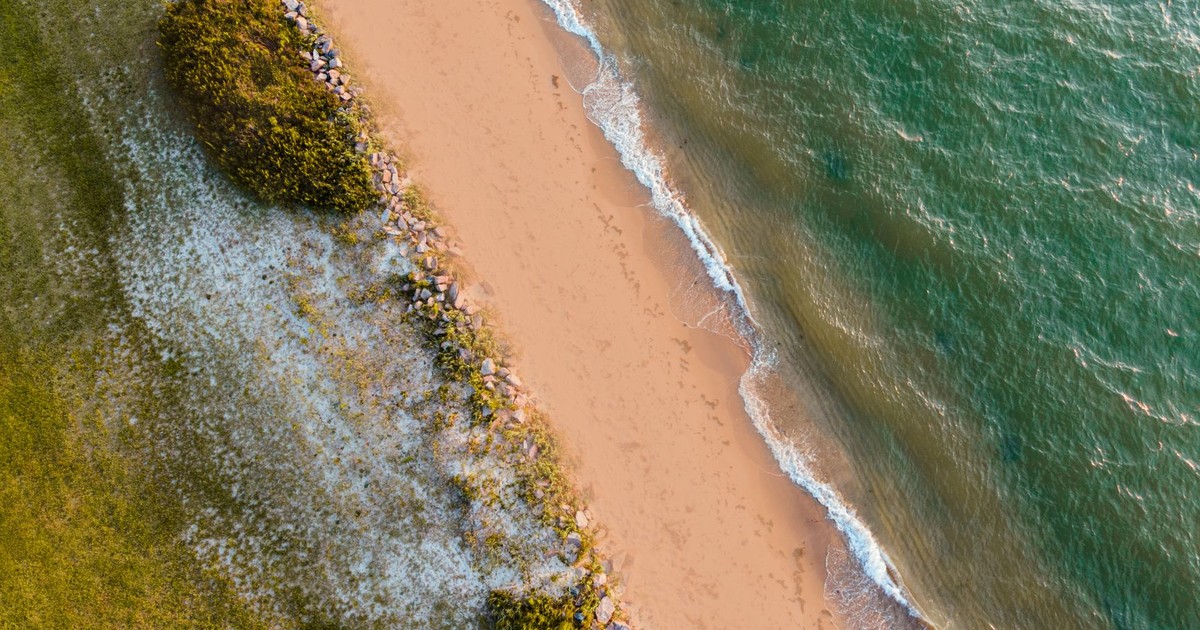
Sandbridge sits on a barrier spit between the Atlantic Ocean and Back Bay, 15 miles south of Virginia Beach. This secluded five-mile stretch of pristine sand dunes and sea oats delivers a more low-key, local feel than its neighbors. Locals call it “The Outer Banks of Virginia.”
In a 2026 report by HelloMillions, which analyzed search volume alongside a beauty score, Sandbridge tied for the top spot among hidden gem beaches in the US, earning a final score of 8.59 out of 10. Backed by the Back Bay to the west and the Atlantic to the east, it’s home to Back Bay National Wildlife Refuge and False Cape State Park, both full of opportunities for hiking, kayaking, and fishing. Rent an ocean kayak and you can paddle close to dolphins that swim up and down the coast.
No boardwalk, no chain restaurants, no high-rises. Vacation rentals line the dunes, most of them booked by families who’ve been coming for decades.
Ocracoke Island, North Carolina: The Outer Banks’ Best-Kept Secret
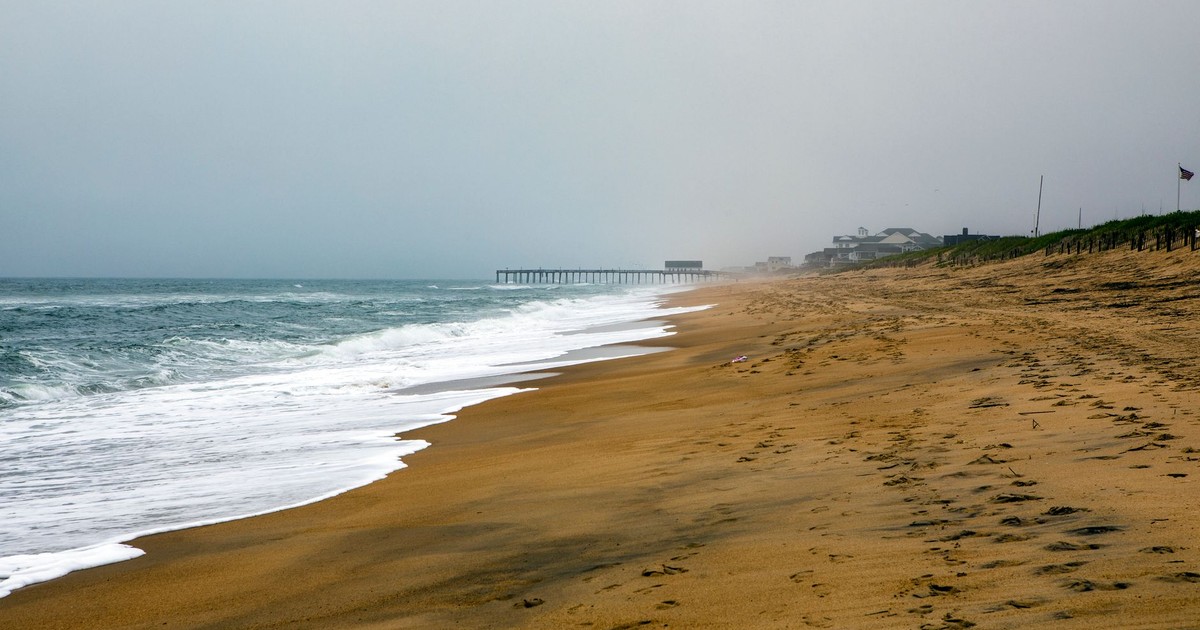
Ocracoke is a remote Outer Banks island accessible only by ferry, with 16 miles of windswept shoreline and salt marshes. Getting there takes effort, and that effort does most of the crowd management for you. Visitors who make the crossing find miles of undeveloped national seashore coastline that the rest of the Outer Banks lost to development decades ago.
The beach is wide, the sand is pale, and the water can shift to a clear aquamarine reminiscent of the Caribbean. Windswept dunes frame it from behind, and the Gulf Stream keeps temperatures warm in summer. Piping plovers and sea turtles use the shore as a nesting ground, and when they do, sections of the beach close until the young have hatched.
The village of Ocracoke itself is small, old, and utterly its own thing: a lighthouse built in 1823, narrow lanes, a handful of restaurants that close when the owner feels like it. Plan ahead, bring layers, and expect nothing convenient.
Caladesi Island State Park, Florida: The Gulf Coast’s Best-Kept Ferry Secret
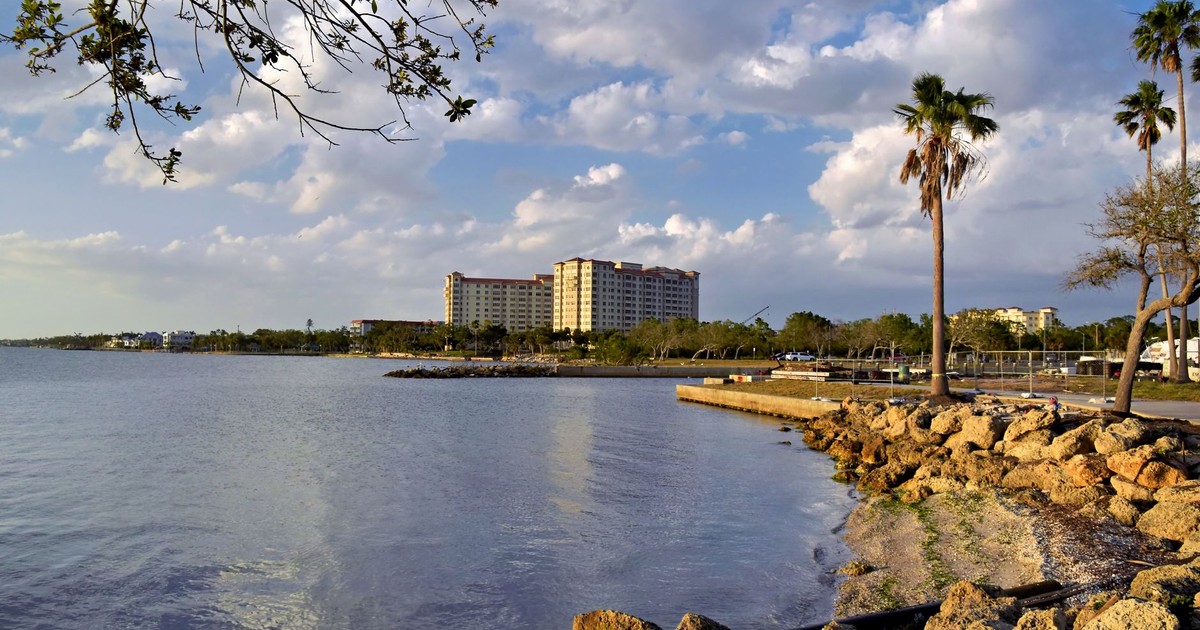
Clearwater Beach attracts approximately 14.9 million visitors per year, while Caladesi Island State Park sees about 200,000 visitors. Caladesi sits just offshore, accessible by a scenic 20-minute ferry ride from Honeymoon Island. The ferry is the only way in, and that single logistical step keeps the crowds at bay.
Despite being voted America’s top beach in 2008 by coastal scientist Dr. Stephen P. Leatherman, known as Dr. Beach, Caladesi Island State Park has evaded development entirely. Its three miles of powder-soft white sand are lapped by still, azure water. Ospreys, herons, egrets, and shorebirds work the shoreline, while the sand yields conchs, whelks, the occasional sea sponge, and sand dollars.
The island encompasses several natural habitats, including coastal dunes, coastal strands, South Florida pine flatwoods, mangrove swamps, maritime hammocks, and mudflats. Kayaking and canoeing through over three miles of mangrove tunnels is one of the better ways to spend an afternoon in Florida. Caladesi Island State Park was named one of the best beaches in the US by Condé Nast Traveler in 2025, and it still sees a fraction of the traffic of its neighbors.
Cumberland Island, Georgia: Wild Horses, Carnegie Ruins, and No Hotels
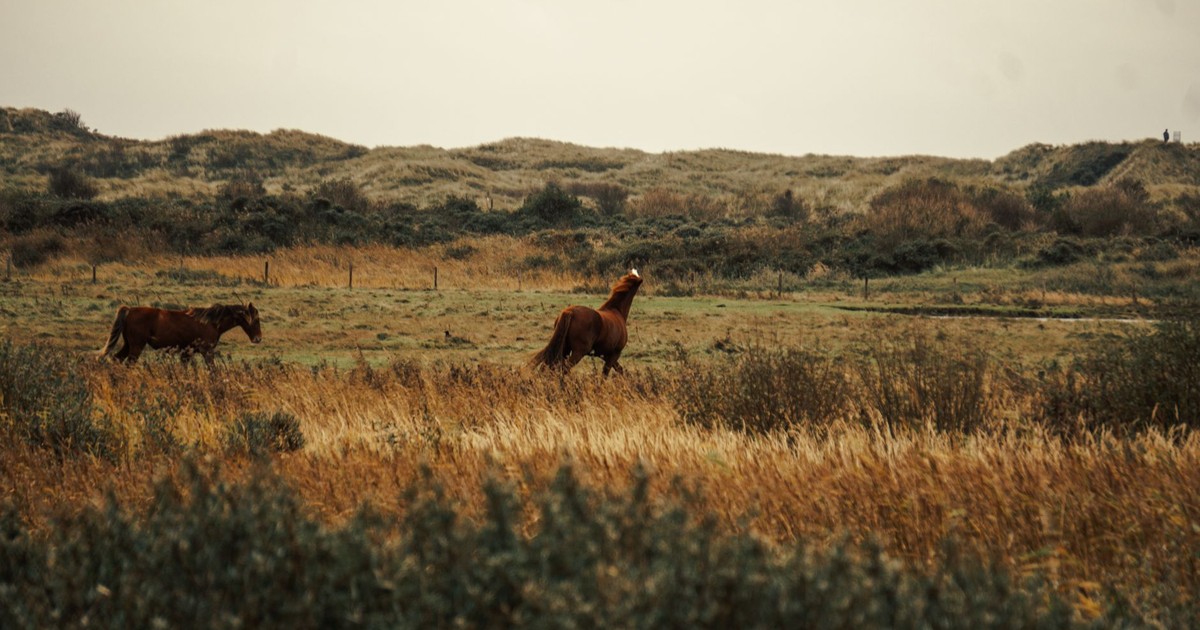
The only way to get to Cumberland Island is by a 45-minute ferry ride from the coastal town of St. Marys. There’s no bridge or causeway to Georgia’s largest barrier island, but once there, you’ll find 18 miles of coastal wilderness that’s among the most untouched on the Atlantic seaboard.
The sand is firm and wide, backed by rolling dunes and ancient live oak trees heavy with Spanish moss. Wild horses roam freely, sharing the island with nesting sea turtles in summer while bobcats slip through the forest behind the dunes. Inland, you’ll find the Gilded Age ruins of the Carnegie family’s Dungeness mansion, standing half-consumed by decades of vegetation. The only places to sleep on the island are in a tent or at the Greyfield Inn, a Carnegie-built property from 1900 that remains the sole commercial establishment on Cumberland.
One inn, built in 1900, and a campsite. No gift shops, no food trucks, no beach bars.
Second Beach, Olympic Peninsula, Washington: Forest to Pacific
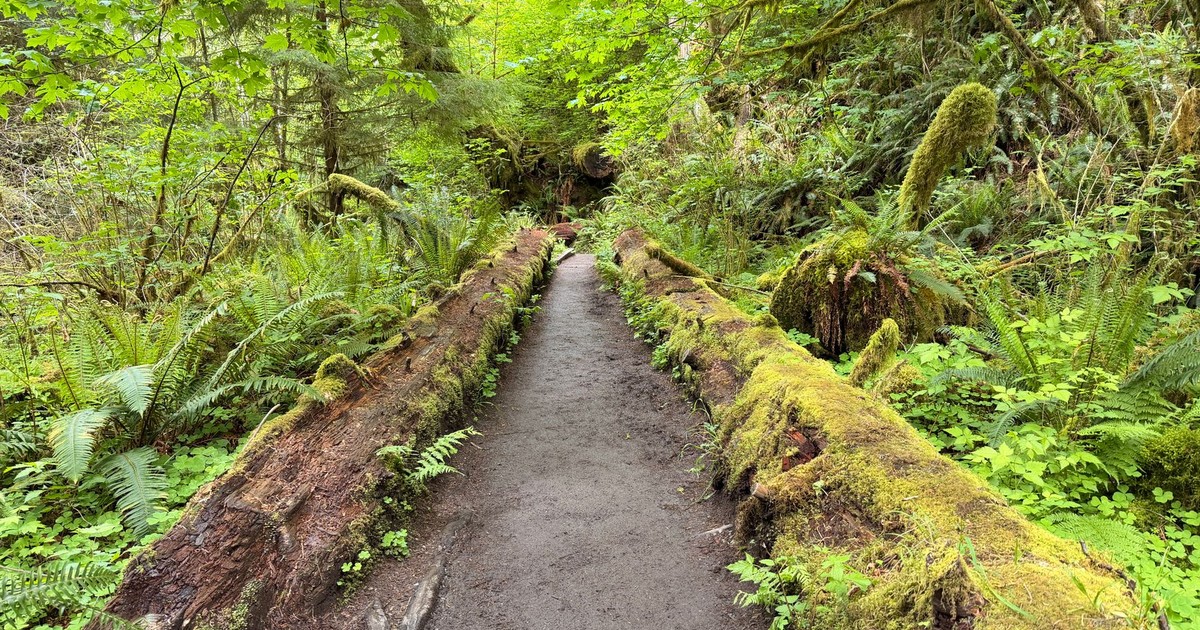
Most people who visit Olympic National Park spend their time in the rain forest or at Rialto Beach. Many Washington locals argue that Second Beach is even more breathtaking. Reaching it requires a short hike through dense evergreen forest before the trail suddenly opens onto a wide beach filled with towering sea stacks, driftwood, and crashing Pacific waves.
On Second Beach, sea stacks seem to emerge from the glassy surface of the sea, which takes on a mirror-like quality at low tide, thanks to a combination of dark, fine sand and the gently sloping seafloor off the Olympic Peninsula. Add in characteristic driftwood piles and striking sunsets, and the result is an otherworldly destination you’ll want to linger at, even if swimming isn’t always in the cards.
Visitors often spend hours exploring tide pools, watching bald eagles overhead, and photographing the sea stacks that have become iconic along Washington’s Olympic Coast. Come in late spring or early summer for the most reliable weather. Bring layers regardless.
Edisto Beach, South Carolina: Tidal Creeks and No High-Rises
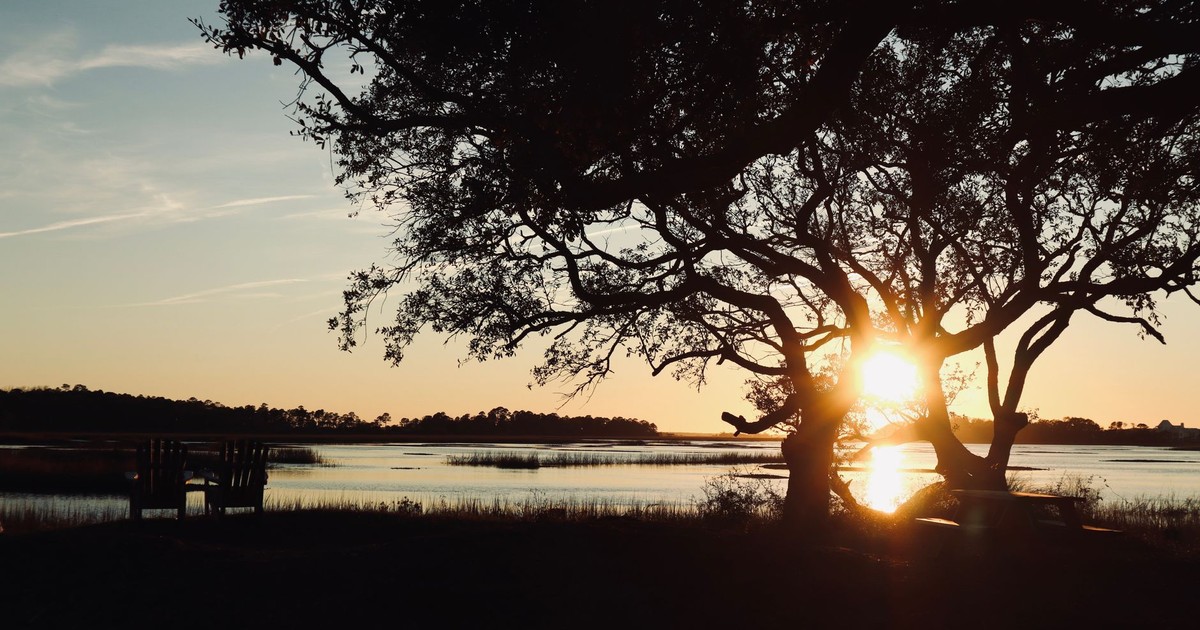
South Carolina is home to Edisto Beach, which scored 8.45 out of 10 in the HelloMillions beauty rankings. Located approximately 45 miles south of Charleston, on Edisto Island and surrounded by tidal creeks and marshes, it’s known for its relaxed, residential atmosphere.
South Carolina as a state dominates underrated beach rankings with a regularity that should embarrass states with more famous coastlines. A 2025 analysis by BoatBooker, which searched Google Maps for secluded, hidden, and lesser-known coastal locations with fewer than 100 reviews, found five South Carolina beaches in the top 10 for underrated US beaches. Most of these South Carolina beaches are protected by state or national park systems, ensuring pristine conditions, and many offer unique features like maritime forests, lighthouse views, and wildlife viewing.
Edisto is what a beach town used to look like before the developers arrived: modest houses, local seafood, long stretches of sand where you can actually hear the water. Fossilized shark teeth wash up regularly along this coastline.
Bowling Ball Beach, California: A Geological Spectacle at Low Tide
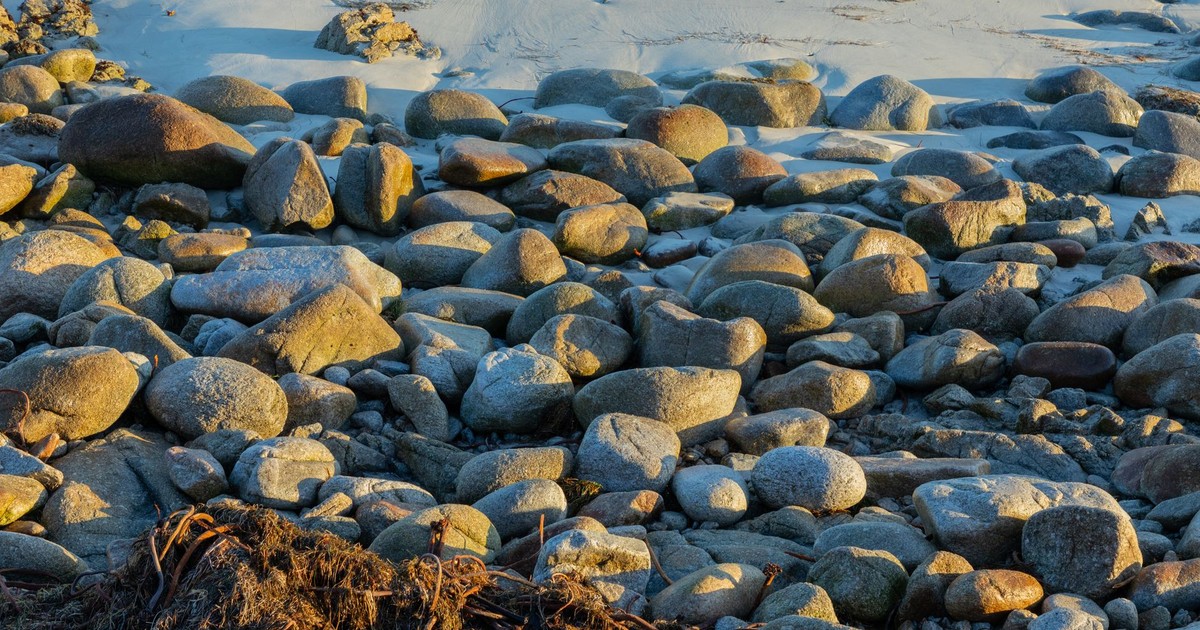
Bowling Ball Beach is one of the most unusual hidden beaches in America, famous for the nearly perfect round sandstone boulders that appear across the shoreline during low tide. Located along California’s rugged Mendocino Coast about three miles south of Point Arena on Highway 1, the beach rewards visitors with dramatic scenery unlike anything else on the US mainland. Getting there requires a moderately steep hike down a bluff, which keeps visitor numbers low compared with most California beaches.
The boulders are only fully visible at lower tides, which means every visit has a particular window. The “balls” are actually concretions, far more resilient than the mudstone that once surrounded them. Over millions of years, that softer rock eroded away under the constant onslaught of the Pacific Ocean, leaving the tougher spheres behind. They range between two and five feet in diameter and sit in near-perfect rows running parallel to the coastline. It’s geology doing something that looks staged.
The Mendocino Coast has several other low-key beaches worth exploring in the same trip, making it an easy two-day drive from San Francisco. Check the tide chart before you go, arrive early, and bring decent shoes for the descent.
Black Sands Beach, Lost Coast, California: The Only One of Its Kind on the Mainland
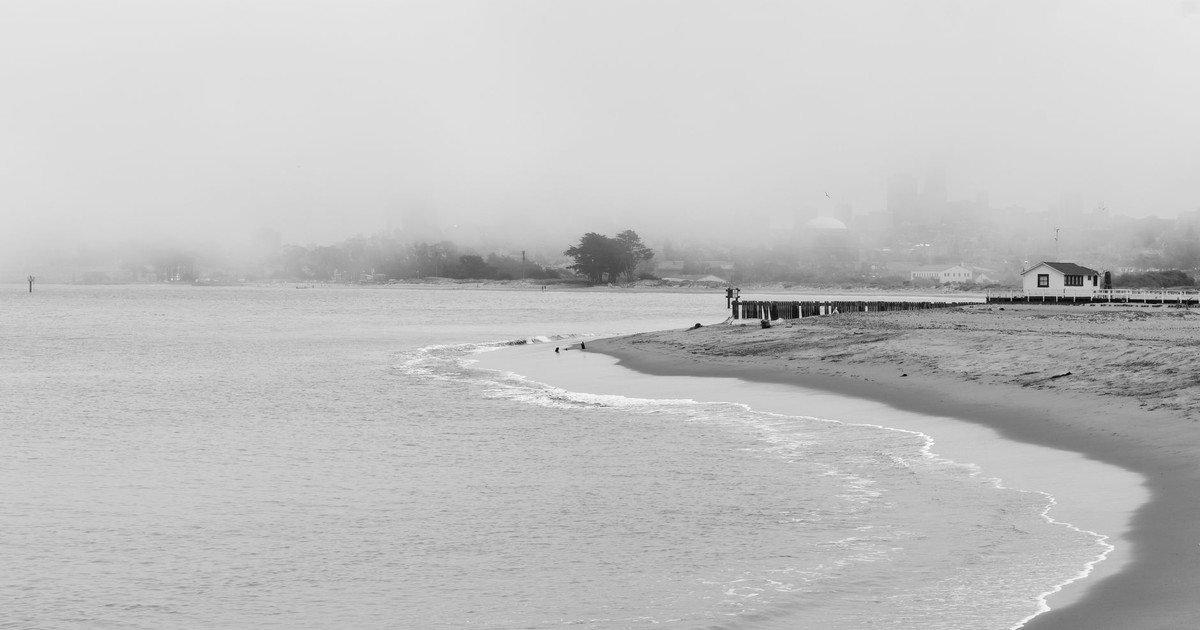
Black Sands Beach is one of the most striking landscapes on California’s Lost Coast, where dark volcanic sands and polished black stones stretch beneath the towering slopes of the King Range. The beach gets its unusual color from minerals like serpentine and other dark metamorphic rocks that erode from the surrounding mountains, creating a dramatic contrast between the charcoal shoreline, the deep blue Pacific, and the rugged coastline rising to the north.
The terrain is so rugged in this area that engineers were forced to build Highway 1 around it, which is exactly why this stretch of Northern California remains almost entirely undeveloped. Reaching Shelter Cove, the access point for Black Sands Beach, involves a long descent down a narrow, winding road that takes the better part of an hour from Highway 101. The beach stretches over 25 miles, making up a significant portion of the renowned Lost Coast Trail. During whale migration, gray whales can often be seen traveling surprisingly close to shore, sometimes just 20 to 30 feet from the beach.
Swimming is not an option here. Powerful shore-break waves, strong rip currents, and a steep underwater drop-off make the water extremely dangerous. But for anyone wanting a beach experience that feels more like the edge of the earth than a summer vacation destination, this is it.
Little Talbot Island, Florida: The Anti-Jacksonville Beach
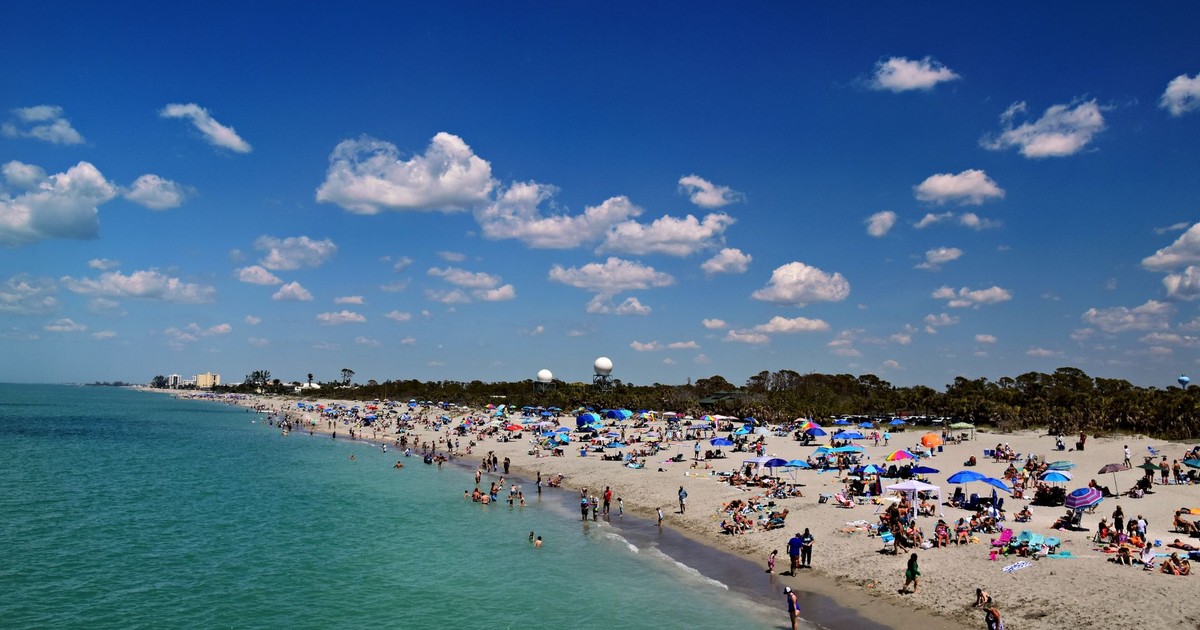
Just north of Jacksonville, Little Talbot Island State Park is one of Northeast Florida’s last remaining undeveloped barrier islands, with more than five miles of pristine beaches, three miles of bike trails, and diverse ecosystems. The lack of commercial development allows visitors to enjoy walks, birdwatching, kayaking, and shell collecting without the crowds found at nearby urban beaches.
Florida has a surprising number of these: state parks that sit right next to major tourist infrastructure and still manage to feel like nobody told them the century changed. Little Talbot Island is one of the best of them. The tidal rivers on the island’s western side are some of the best kayaking in Northeast Florida, and the beach itself stretches for five miles with dunes intact. Jacksonville Beach, with its high-rises and beach bars, is less than 20 miles away.
What Makes These Places Last
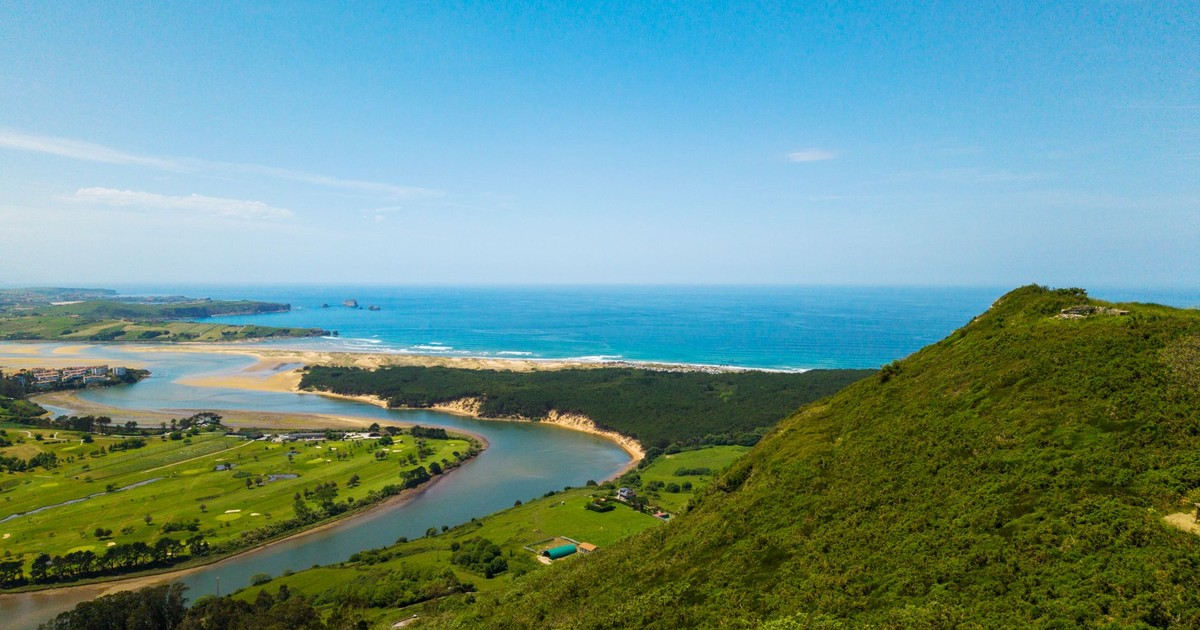
Each of these beaches requires something from you: a ferry ride, a tide chart, a hike, a willingness to drive past the better-known sign. That friction is doing a job. It filters out the people who would rather be somewhere loud and familiar, and it delivers the beach to the people who actually want it.
Clearwater Beach is genuinely beautiful. Virginia Beach has its pleasures. But standing on a stretch of sand where the only sounds are wind, water, and the occasional bald eagle is simply different from anything a packed shoreline can offer, and it’s available across most of the country if you’re willing to do a little planning.
The hidden gem beaches America holds aren’t hidden because they’re inferior. In many cases, they’ve been rated the best beaches in the country by the people whose job it is to judge such things. Caladesi was ranked number one in America in 2008 and number two in 2022. Ocracoke’s Lifeguard Beach has been voted the country’s best on two separate occasions. They stay off the radar because reaching them requires something slightly inconvenient.
Disclaimer: This information is not intended to be a substitute for professional medical advice, diagnosis, or treatment and is for information only. Always seek the advice of your physician or another qualified health provider with any questions about your medical condition and/or current medication. Do not disregard professional medical advice or delay seeking advice or treatment because of something you have read here.
AI Disclaimer: This article was created with the assistance of AI tools and reviewed by a human editor.