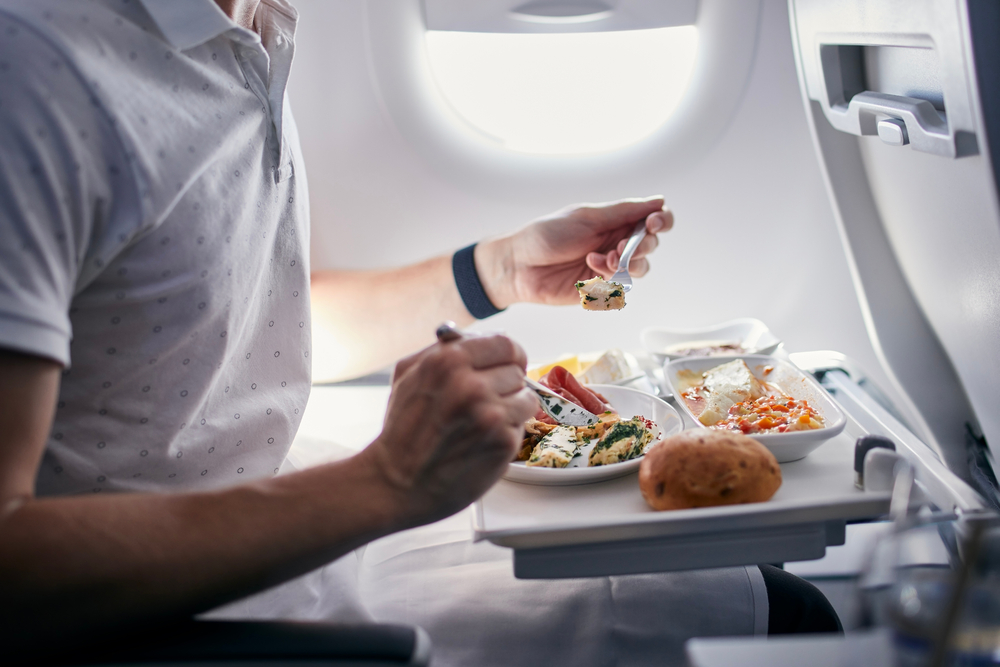

Flying can make people crave a drink or a snack, but not everything served at 35,000 feet is worth trying. Flight attendants know the ins and outs of airline food and drinks, and many have shared what they personally avoid. Some choices can make you feel worse during a flight, while others may not be as clean or fresh as they appear.
Hot Coffee and Tea
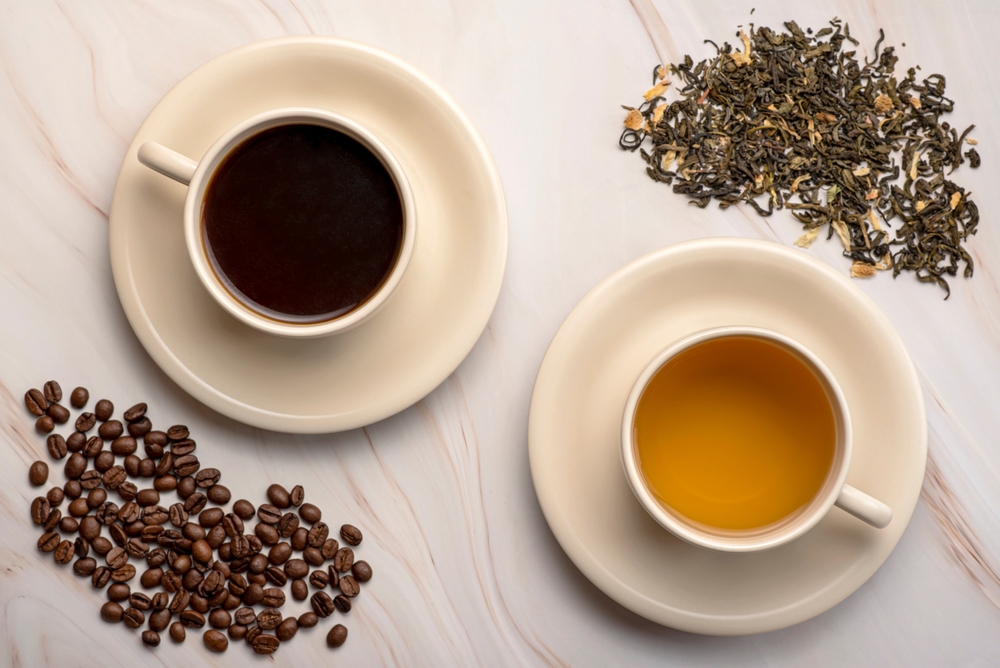
Flight attendants often warn passengers against drinking coffee or tea made with onboard hot water. The reason is simple, the tanks that store this water are rarely cleaned as often as passengers might think. Studies have shown bacteria and even small amounts of mold can build up inside. The hot temperature kills some microbes but not all. To stay safe, it is better to stick with bottled beverages or canned drinks.
Tap Water and Ice
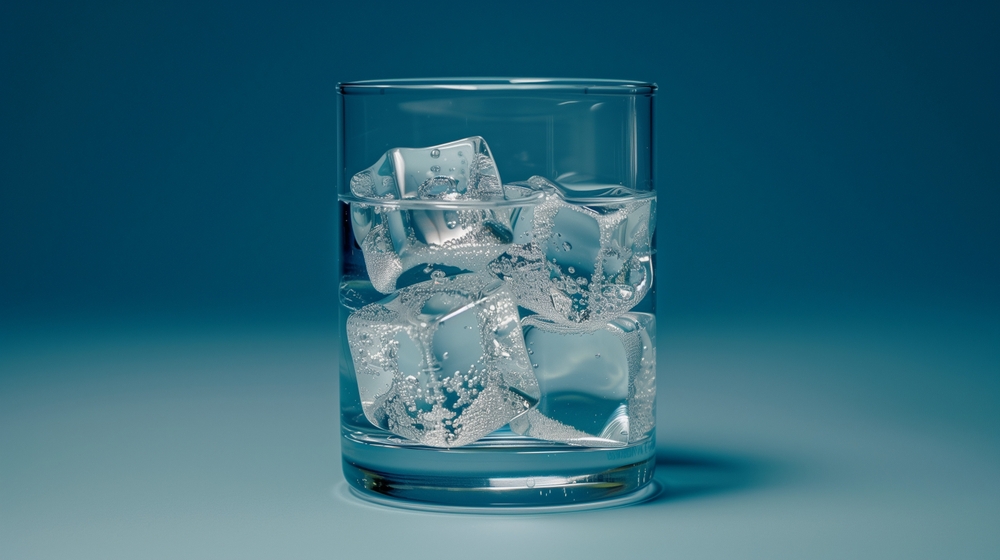
The same issue applies to tap water and sometimes even the ice cubes served on planes. The water used to make the ice often comes from the same storage tanks. Although airlines must follow sanitation rules, those tanks are not emptied and disinfected regularly. Flight attendants usually bring their own bottled water for a reason. Passengers are safer drinking sealed water or soda directly from the can.
Diet Soda
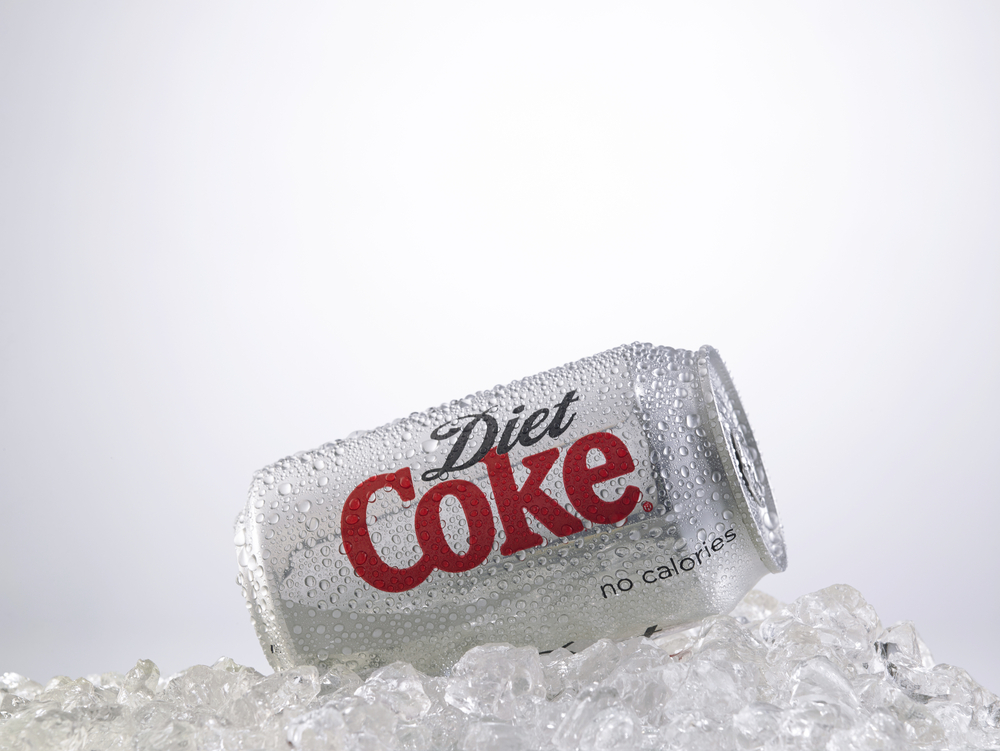
It might seem harmless, but flight attendants dislike serving diet soda mid-flight. The carbonation in diet drinks reacts differently at altitude, causing the liquid to foam excessively. It takes longer to pour, delaying service for everyone. Additionally, artificial sweeteners can upset the stomach, which is not ideal when air pressure already affects digestion.
Airplane Salads
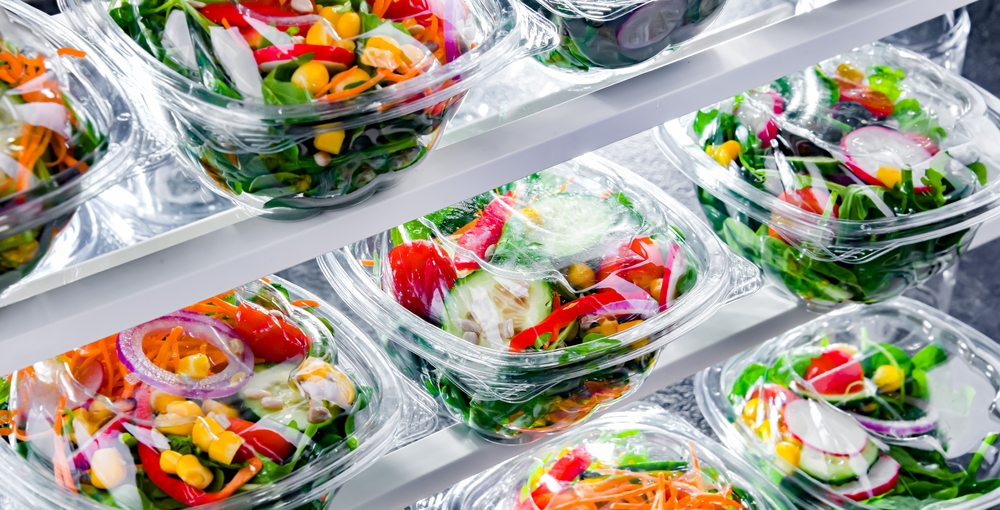
Cold meals like salads may seem like a healthy option, but they are often prepared hours before the flight and stored for long periods. Flight attendants warn that the greens can lose freshness quickly and harbor bacteria if not kept at the right temperature. Because of limited refrigeration on planes, even pre-packed salads may not stay as crisp or safe as they should.
Anything Reheated with Eggs
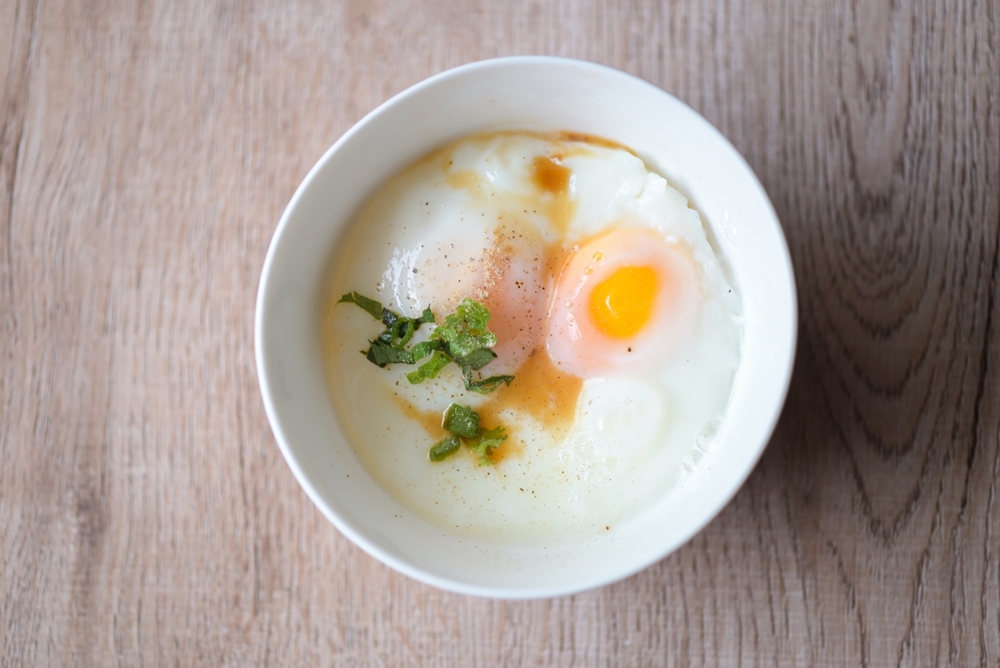
Scrambled eggs, omelets, and other egg dishes can taste rubbery and off-putting when reheated in a convection oven. The texture changes because eggs solidify unevenly under high, dry heat. Flight attendants often skip these meals and recommend passengers do the same, as reheated eggs can also grow bacteria if stored improperly before takeoff.
Bloody Mary Mix
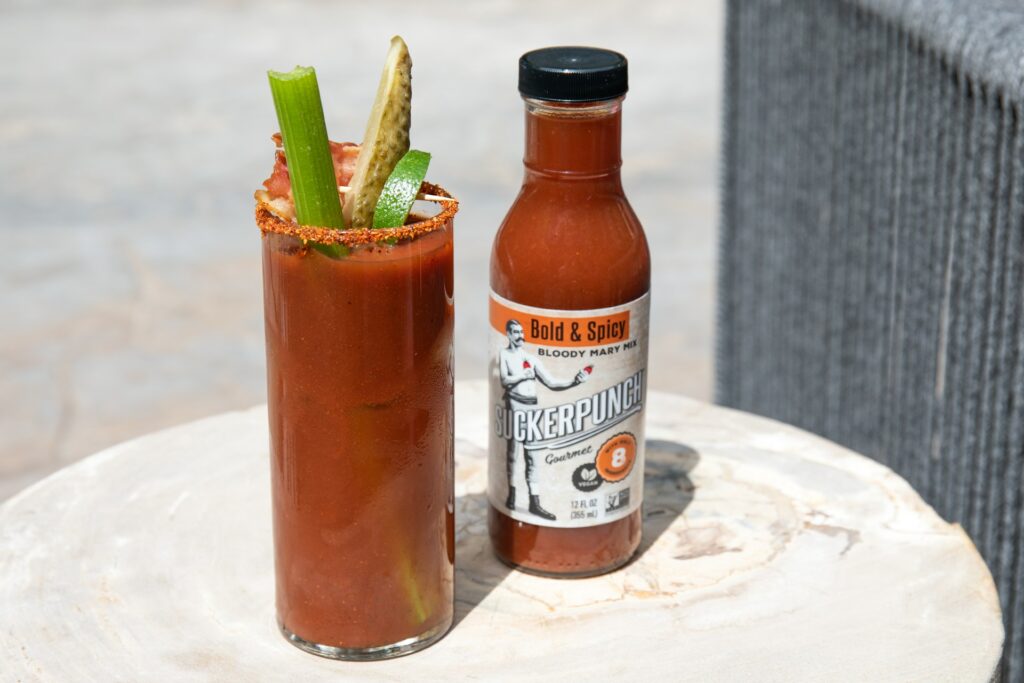
Many travelers love a Bloody Mary while flying, but flight attendants tend to avoid it. The tomato juice used in the mix contains a lot of sodium, which can worsen dehydration and bloating during flights. Since airplane cabins already have dry air and low humidity, this combination can make passengers feel sluggish and swollen.
Sushi or Seafood
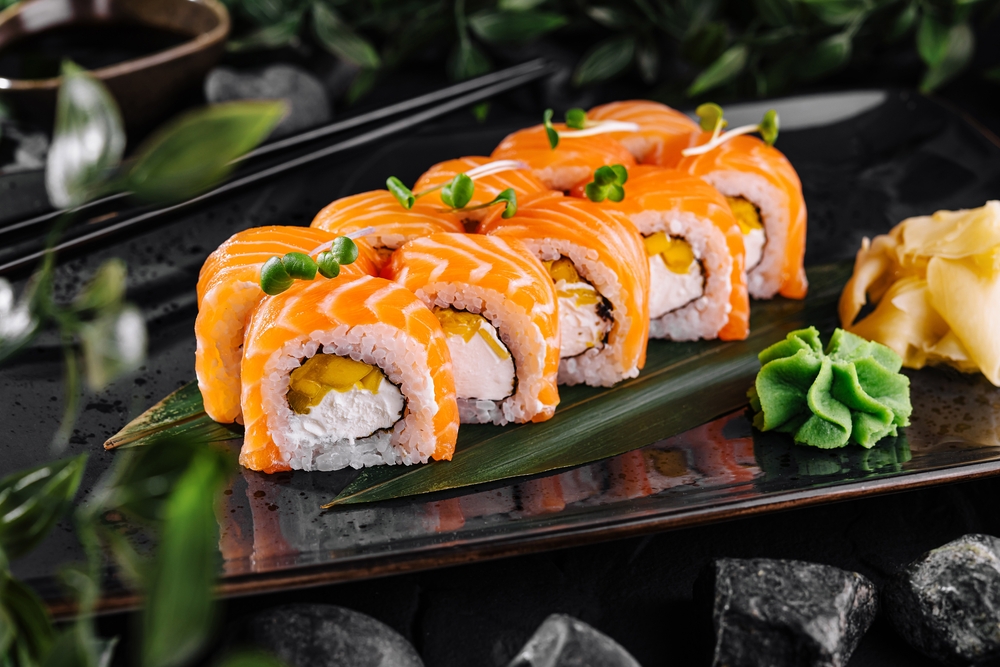
Any raw or cold seafood served in-flight is a major risk. Flight attendants know that proper temperature control is crucial for fish, and aircraft kitchens are not equipped for it. Even cooked seafood can have a strong odor that spreads throughout the cabin, making it unpleasant for nearby passengers. It is better to wait until after landing for sushi or shrimp cocktails.
Cream-Based Sauces

Dishes with cream or dairy sauces, like Alfredo pasta, are another no-go for many flight attendants. These sauces do not reheat evenly, causing separation or curdling. The result is often greasy, unappetizing, and heavy on the stomach. Combined with cabin pressure changes, these meals can lead to discomfort and bloating.
Conclusion
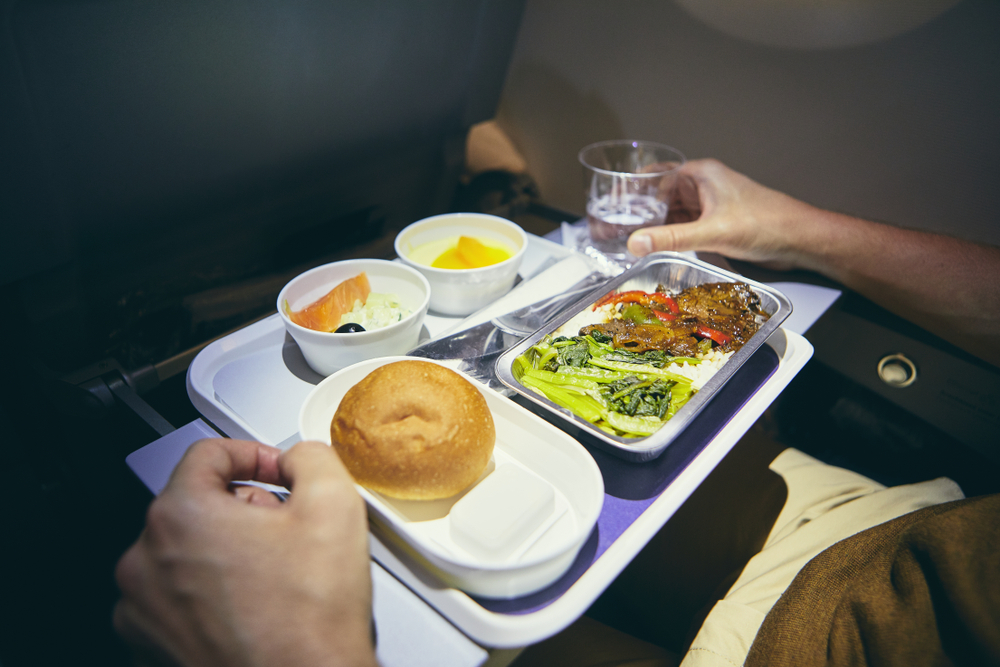
Flight attendants see firsthand how food and drink affect passengers in the air. Their advice is not just about taste but health and safety. When flying, it is best to stick to simple snacks, sealed beverages, and avoid anything that depends too heavily on the plane’s water system or limited kitchen equipment. By making smarter choices, travelers can stay comfortable, hydrated, and avoid post-flight regret.
Read More: The Truth About Travel Hacks: What Really Works for Cheap Flights
Disclaimer: This article was created with AI assistance and edited by a human for accuracy and clarity.