

Most people picture an empty nest as a threshold you cross and don’t step back from. The kids are grown, the bedrooms are empty, the grocery bill is smaller, and the next chapter is finally yours. Then a grandchild arrives at your door, and the chapter you thought you were writing gets set aside for one you didn’t see coming.
Grandparent custody work comes with hidden costs. Health insurance. School supplies. The pediatric dentist. The school play costume. The birthday party gift for a classmate you’ve never met. Underneath all of it sits the unspoken calculation: can you actually afford this? And for how long?
How Many Grandparents Are Really in This Position

As of September 2024, more than 2.4 million children were living in grandfamilies or kinship care arrangements across the United States. By 2024, more than 6.5 million grandparents were living with at least one grandchild under age 18 in the same household. Living together and being the primary caregiver are two very different things. Nationally, roughly 32.7% of grandparents living with their grandchildren under the age of 18 were actually responsible for their care, meaning the child’s parents were not the ones running the household.
Grandparent custody spans the full range of childhood, from diapers to driver’s licenses. In 2023, about one million grandchildren were raised by their grandparents with no parents present in the home at all.
What’s Driving It: The Opioid Crisis Above Everything Else

The reasons vary. Parental incarceration, mental illness, domestic violence, death. But in the last decade, one force has driven the numbers more than any other.
From 2011 to 2021, 321,566 children in the U.S. lost a parent to a drug overdose, according to a 2024 study in JAMA Psychiatry. The opioid crisis pushed grandparents into a new cycle of parenting, upending retirement plans and straining their financial and physical capacity.
Some 70,000 people in the U.S. died of drug overdoses in 2025, down 14% from 2024. But for the grandparents already raising the children left behind, the crisis is permanent. The numbers improving nationally doesn’t reverse the disrupted retirement or bring back the son or daughter they’re grieving while packing a lunchbox.
Grandparents raising their grandchildren are saving the child welfare system an estimated $10.5 billion annually. They’re providing stability, continuity, family connection. They’re keeping children out of the foster care system, where outcomes are measurably worse. And they’re doing it largely without the systematic support that licensed foster families receive, and often without the financial resources to absorb the strain.
The Work Question: Why Grandparent Custody Work Is a Real and Specific Problem

Most grandparents who end up in custody situations didn’t plan on working at 62 or 65 or 68. They planned on retiring. Many already had. The 401(k) was supposed to be enough. Social Security was going to cover the rest. Leisure travel, reduced stress, unhurried mornings.
A grandchild changes all of that. Some grandparents withdraw from 401(k)s and IRAs early, incurring penalties and forfeiting long-term growth. Others delay claiming Social Security and stay employed longer than planned. Early withdrawals from a 401(k) before age 59½ trigger a 10% penalty plus income taxes on the full amount. Delay Social Security past when you’d originally planned, and you lose years of income you’d already accounted for. The retirement math that took decades to work out gets recalculated overnight.
AARP notes that Medicare does not cover dependents, so many grandparents return to work specifically to secure employer-sponsored family health insurance plans. A grandparent who was otherwise ready to retire suddenly needs a job that offers benefits. That means working, often full-time, at an age when many people are winding down professionally. It means competing for positions with younger candidates and often accepting jobs below their experience level because those are the ones with family health coverage.
Legal fees add another layer of difficulty. Gaining guardianship or custody often requires hiring attorneys, and the costs can run into thousands of dollars. Without legal authority, enrolling children in public school or approving medical care can become a bureaucratic obstacle course. Grandparents without formal legal status may find themselves ineligible for certain types of financial aid, even if they are providing full-time care.
About 16.2% of grandchildren under 18 living with grandparents were in poverty in 2021. That rate was higher in grandparent-maintained households at 18.6%, compared to 14.2% in parent-maintained households. That gap captures what happens when people on fixed or reduced incomes suddenly take on the full financial weight of raising a child.
What Financial Help Actually Exists

The patchwork of available assistance is real, but it’s also genuinely confusing to access. Grandparents don’t need to establish legal custody or guardianship to claim certain federal tax credits. Grandchildren can be counted as qualifying dependents if they have lived with the grandparent for more than half the year, did not provide more than half of their own support, and met the age and citizenship requirements.
For those who pursue formal adoption, the numbers are more significant. Grandparent caregivers who adopt their grandchild are eligible for an adoption-related, non-refundable federal tax credit. In 2024, families could claim a credit for up to $16,810 of adoption-related expenses over a five-year period. That doesn’t erase the legal fees required to get there, but it does provide some offset.
States are beginning to recognize the scale of what grandparents are absorbing. In January 2024, the Alabama Department of Mental Health and the Alabama Department of Senior Services jointly allocated $280,000 for grandparents raising grandchildren because of their children’s struggles with opioid use disorder. As far as advocates know, this was the first time opioid settlement funds were directed specifically toward grandparents or relative caregivers over 55 raising grandchildren because of opioids. As of October 2024, grandfamilies in certain jurisdictions could apply for a one-time grant of up to $2,000, or $500 per grandchild.
Understanding the costs and benefits of grandparent custody is something most families have to piece together themselves, because the system rarely hands them a clear map. SNAP eligibility, TANF cash assistance, subsidized guardianship payments, each has its own rules, its own income thresholds, and its own requirements around legal status. Formal custody or guardianship opens far more doors than informal arrangements do.
The Emotional Weight Nobody Asks About
The financial conversation is important and often urgent. But there’s a layer underneath it that’s harder to quantify and easier to miss in the bureaucratic accounting.
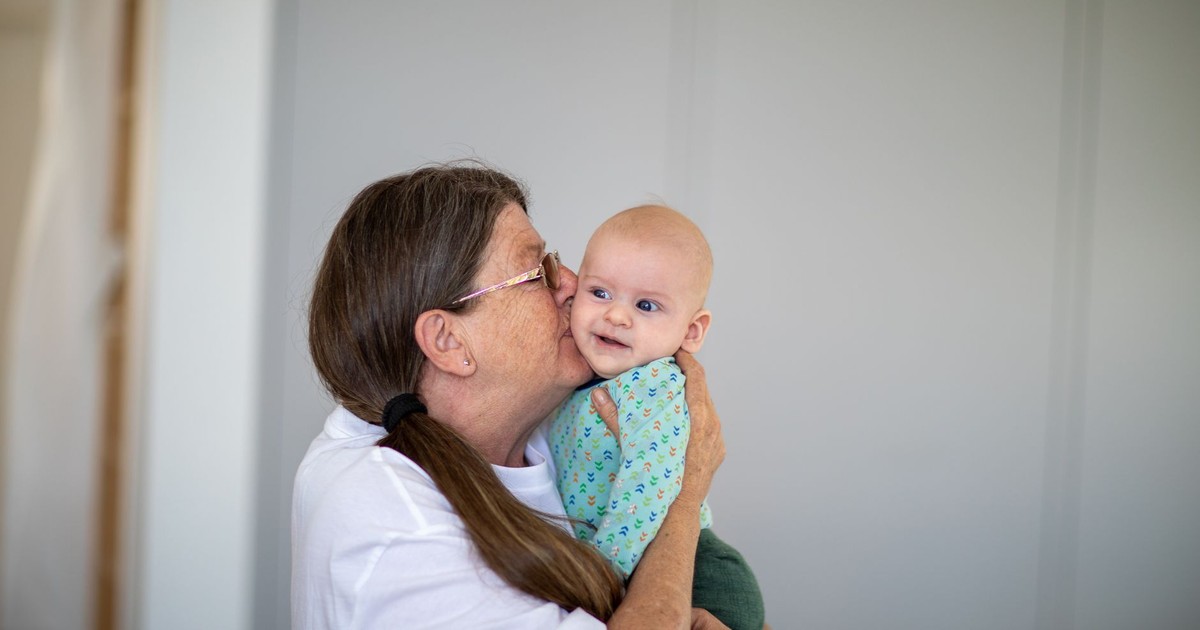
Many grandparents raising their grandchildren are simultaneously grieving the loss of their own children, to addiction, to overdose, to incarceration, to circumstances that still feel unresolved. Grief and parenting don’t have a natural pause button. You’re reading a bedtime story and thinking about your son. You’re at the school pickup and thinking about your daughter. The love for the grandchild is full and real and unconditional. The grief doesn’t go away because the love is there.
Although caring for grandchildren often provides grandparents a sense of purpose and increased life satisfaction, the unexpected responsibilities of parenting worsen the already challenging experience of aging, including the likelihood of poor physical and mental health outcomes. Limited resources and the fact that they’re often taking on these care roles suddenly, without warning, leave grandparents in a position that is often overwhelming and isolating.
Grandparents who raise grandchildren face ongoing intense parenting stress, including financial burdens, psychological pressures, and a lack of social support, all of which affect their own wellbeing and, in turn, their grandchildren’s. The relationship with the grandchild’s parent, when that parent is still alive, adds its own weight. Research on grandfamilies consistently finds that the quality of those relationships affects grandparents’ psychological wellbeing and may also have lasting adverse effects on the grandchild.
What the Support Gap Looks Like in Practice

The distance between what grandparent caregivers need and what they can access is still wide. Researchers at RAND stress the importance of ensuring grandparent caregivers have access to health insurance for the children in Kinship Navigator programs, whether they participate in the formal child welfare system or not. They also emphasize the need for educational resources tailored specifically for grandparents raising children affected by parental substance use disorders.
Programs that do exist require grandparents to know where to look, have the legal status to qualify, and have the time and energy to apply, while also raising a child and, often, holding down a job. Those three things are each individually demanding. Together, they describe a life that leaves very little room.
What Doesn’t Resolve Neatly
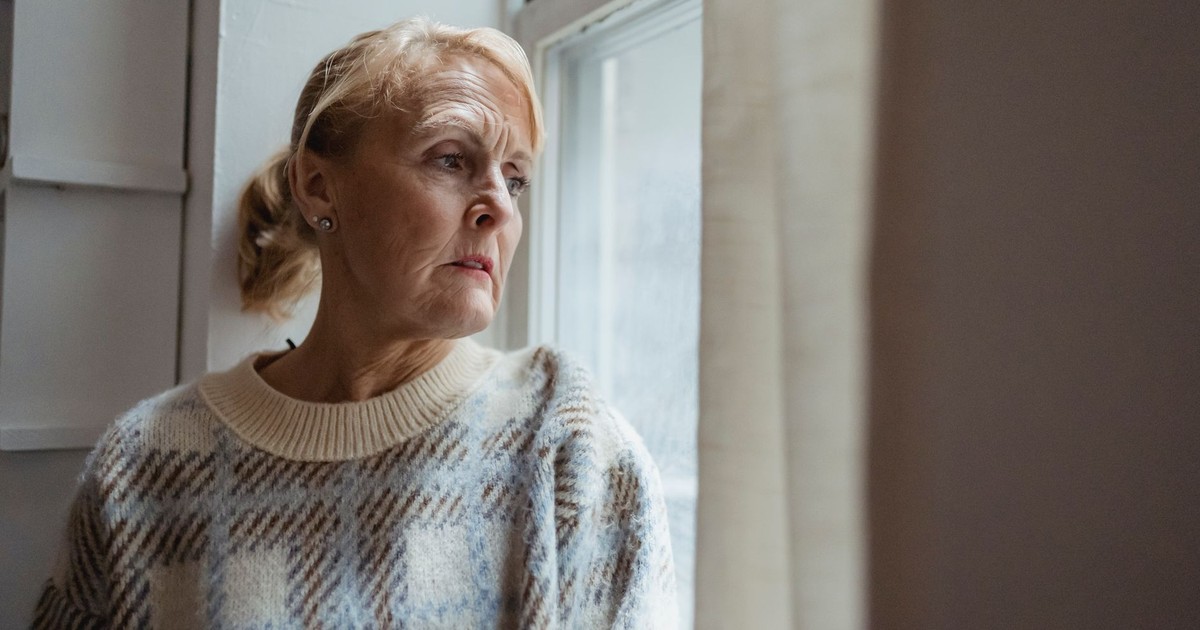
Some of the patterns underneath grandparent custody situations go back further than the arrangement itself. The addiction that brought a grandchild to your door didn’t arrive without a history. The legal system that requires you to file a formal custody claim before accessing help was built for a different kind of family crisis. The retirement savings gap that now requires you to go back to work reflects decades of policy that didn’t anticipate this specific kind of need.
None of that gets fixed in a single custody hearing or a single tax filing or a single pilot program in Alabama. What changes, slowly, is that the reality of grandfamilies becomes visible enough that systems have to respond to it. The $10.5 billion in child welfare costs that grandparents absorb annually represents something the government can measure. The grief of raising a grandchild while mourning a child is harder to put a number on, but it’s no less real for that.
The retirement that got interrupted, the job you went back to, the insurance card you carry for a child who didn’t ask for any of this, these aren’t sacrifices in the way the word usually sounds. They’re just the choices that made sense given what was in front of you. And for the grandparents making them every day, that tends to be enough.
Disclaimer: This information is not intended to be a substitute for professional medical advice, diagnosis, or treatment and is for information only. Always seek the advice of your physician or another qualified health provider with any questions about your medical condition and/or current medication. Do not disregard professional medical advice or delay seeking advice or treatment because of something you have read here.
AI Disclaimer: This article was created with the assistance of AI tools and reviewed by a human editor.