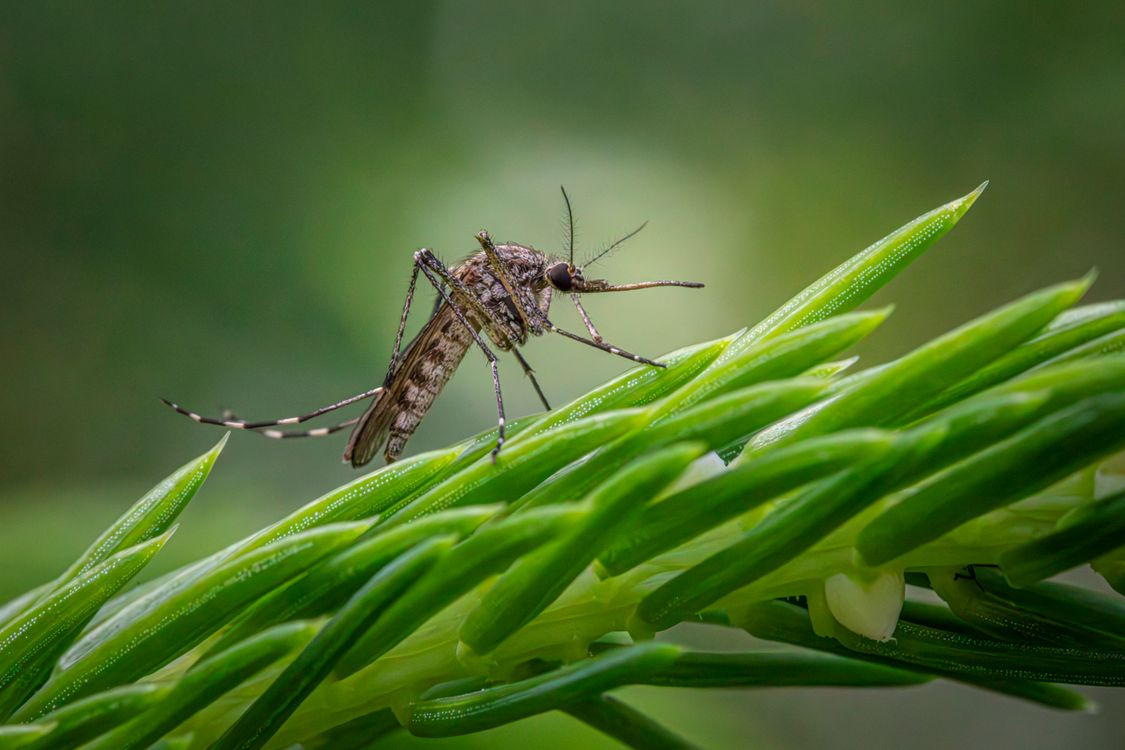

Google has been quietly building something very different from its search algorithms and AI models. Tucked inside Alphabet, its parent company, sits a little-known life sciences division called Verily, and inside Verily is a project called Debug. Its mission: fight mosquitoes with mosquitoes. Not metaphorically. Literally. Debug wants to breed tens of millions of male mosquitoes in a lab, infect them with naturally occurring bacteria, and release them into American communities where they will mate with wild females and, over time, cause the local disease-carrying mosquito population to collapse.
Now that plan has formally landed on the desk of the U.S. Environmental Protection Agency, and the public is paying attention. The proposal calls for releasing up to 64 million bacteria-carrying mosquitoes across Florida and California over two years. The reaction, predictably, has been mixed. For scientists and public health experts, the science behind the plan is more established than the headlines suggest. For a significant portion of the general public, the phrase “Google releasing millions of bacteria-infected mosquitoes” lands somewhere between unnerving and outrageous.
The debate is live, the comment window has been open, and the research behind the plan stretches back more than a decade. Here is everything you need to know.
What Google’s Debug Program Actually Is
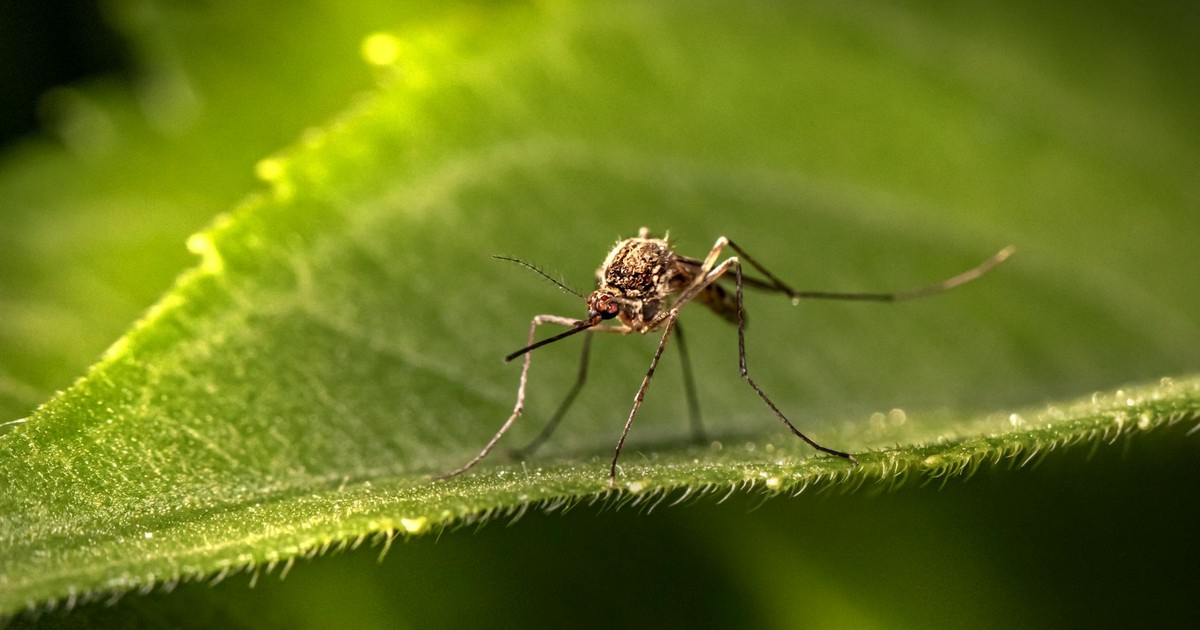
Debug is a project developed by Verily, Alphabet’s life sciences arm, and it has been operating in relative obscurity for years. Its core proposition is simple: use biology to fight biology. Debug’s approach starts with male mosquitoes infected with a naturally occurring bacterium called Wolbachia. Male mosquitoes cannot bite or spread disease. Thanks to the bacteria, they are unable to reproduce successfully when they mate with wild female mosquitoes, which gradually reduces the disease-spreading population over time.
The specific mosquito species in the current U.S. proposal is Culex quinquefasciatus, carrying the Wolbachia strain pipientis wAlbB, designated the DQB strain. Culex quinquefasciatus is the mosquito responsible for spreading West Nile virus and St. Louis encephalitis across the United States. It is not the headline species of the mosquito world – that role belongs to Aedes aegypti, the dengue and Zika carrier – but it is a serious and pervasive threat in both Florida and California.
The technically difficult part of any Wolbachia program is sorting males from females on an industrial scale. Debug uses artificial intelligence and automation to separate mosquitoes by sex, rear them in large numbers, and release them across target areas. The program also deploys vehicle-based automated release platforms, which are more consistent and scalable than manual distribution. The end-to-end technology includes robots to rear the mosquitoes, artificial intelligence to sort them by sex, and data surveillance systems.
The Formal Regulatory Process – and the Google Mosquitoes Bacteria Permit
The EPA docket EPA-HQ-OPP-2025-3951 records Google LLC’s formal application, Experimental Use Permit number 92643-EUP-R, requesting authorization to field-test Wolbachia-infected mosquitoes. The agency determined the permit may be of regional and national significance and opened the application for public comment, with comments required by June 5, 2026.
Google’s proposal covers a two-year window across both states. In Florida, up to 16 million Culex quinquefasciatus male mosquitoes carrying Wolbachia would be released in year one, and another 16 million in year two. California would see the same volume under the same timeline. The stated purpose of the testing is to generate data to support a full Section 3 product registration application under FIFRA – the Federal Insecticide, Fungicide and Rodenticide Act, the primary federal law governing pesticide regulation in the United States.
The word “pesticide” sounds confusing in this context. Here, the EPA is reviewing Wolbachia as a biological control method because it is being used to suppress a pest population. That makes the proposal a regulated field test, even though it does not involve conventional chemical spraying. The 64-million figure that has circulated widely in headlines represents the maximum total across both states and both years – 16 million per state, per year.
Regulators have not yet disclosed which specific Florida or California communities could be selected as release sites. The absence of that detail has become one of the sticking points in the public debate, with critics arguing that residents cannot meaningfully weigh in without knowing whether their own neighborhoods are in scope.
Why Mosquitoes Are a Bigger Problem Than Most People Think
To understand why an entity like Google would commit serious engineering resources to a mosquito project, it helps to look at the scale of what mosquitoes actually do to human populations.
The mosquito is the world’s deadliest animal. Spreading diseases like dengue, West Nile, Zika, chikungunya, malaria, and lymphatic filariasis, the mosquito kills more people than any other creature in the world. Not sharks. Not snakes. Not war. Mosquitoes.
Almost half of the world’s population – around 4 billion people – live in areas with a risk of dengue alone. Malaria continues to cause nearly 263 million cases and 597,000 deaths across 83 countries, based on 2023 data. In the United States, which has largely controlled malaria, West Nile virus is the leading cause of mosquito-borne disease in the contiguous 48 states. According to the CDC, about 2,000 people get sick from West Nile each year, including more than 1,300 severe, life-threatening illnesses and more than 130 deaths – and there are currently no vaccines to prevent it and no medications to treat it.
West Nile activity is trending in the wrong direction. In 2025, the American Medical Association reported a 41% increase in severe West Nile disease cases and a 32% jump in deaths compared to typical years, driven partly by climate conditions that extended mosquito season. That same pressure – climate change expanding the range of disease-carrying species into regions where they were previously uncommon – is also making conventional control tools less effective as mosquito populations develop resistance to insecticides.
The Science Behind Wolbachia: What the Evidence Actually Shows

Wolbachia is not a new or experimental discovery. It is a naturally occurring bacterium found in a large proportion of all insect species on Earth – estimates suggest it exists in roughly half of all insect species globally – but it does not occur naturally in Aedes aegypti or Culex quinquefasciatus, the two mosquito species at the center of most disease-control programs.
Scientists at Monash University in Australia made a pivotal discovery in 2009: Wolbachia, found naturally in roughly half of all insect species but not in Aedes aegypti, could block dengue from replicating inside the mosquito. That finding became the foundation of the World Mosquito Program, a not-for-profit initiative led by Monash University, which has since expanded the method across 13 countries, protecting over 16 million people as of January 2026.
The results from real-world deployments are well-documented. A randomized controlled trial in Yogyakarta, Indonesia, found a 77% reduction in dengue incidence in areas treated with Wolbachia, alongside an 86% reduction in dengue hospitalizations. In the cities of Bello, Medellín, and Itagüí in Colombia, dengue incidence declined by 95 to 97% compared to the pre-release period. In the decade since implementation began in north Queensland, Australia, dengue has effectively been eliminated as a public health concern in the region.
Debug’s Singapore program, operational since 2018, offers a different application of the same underlying science. Official program data show 80 to 90% suppression of Aedes aegypti populations in treated areas and more than 70% lower dengue risk among residents after sustained releases. More than 10 million male Wolbachia mosquitoes are now released weekly in Singapore.
Two different mechanisms are worth separating out here. The World Mosquito Program’s approach introduces Wolbachia into mosquito populations to reduce viral transmission – the mosquitoes survive and pass Wolbachia to their offspring, which then can no longer efficiently transmit dengue. Debug’s Culex proposal uses a different mechanism: the bacteria create what biologists call cytoplasmic incompatibility, meaning eggs produced from matings between Wolbachia-carrying males and wild females simply do not hatch. The goal is population suppression, not viral blocking. Both approaches use naturally occurring bacteria, neither involves genetic modification, and both have been studied extensively in field conditions.
The Technology Stack: AI, Robotics, and Automated Release
What separates Debug from earlier Wolbachia programs is not the biology – it is the engineering. Debug uses artificial intelligence and automation to separate mosquitoes by sex, rear them in large numbers, and release them across target areas. Without that, Wolbachia programs cannot scale safely. Automation also provides consistency: large mosquito-control programs need predictable production, reliable sex separation, and repeatable release patterns across neighborhoods.
Sex separation matters enormously. Only male mosquitoes should be released – females bite and could potentially carry disease. Sorting millions of mosquitoes by sex manually is not practical at the volumes this program requires. AI-driven image recognition and automated sorting systems allow the process to run at a scale and accuracy level that human operators could not achieve.
The vehicle-based release platform allows mosquitoes to be distributed across a defined geographic area in a controlled pattern, rather than simply opening boxes and hoping for even dispersal. Data surveillance built into the system tracks where releases occur and – where possible – monitors the local mosquito population for signs of suppression. The Florida application demonstrates how AI is moving beyond software products and into biological field operations. Debug’s system uses AI to solve a practical bottleneck: sorting mosquitoes accurately and quickly enough for mass release.
Public Concern and the Consent Question

No matter how solid the science, releasing tens of millions of insects into American neighborhoods was always going to generate public reaction. The response to the EPA filing has ranged from cautious skepticism among environmental groups to outright hostility on social media, with phrases like “this must be stopped” and accusations of treating citizens as laboratory subjects spreading across comment sections and opinion blogs.
The concerns cluster around a few core themes. The first is consent. The EPA’s Experimental Use Permit process would allow Debug to release the mosquitoes in these areas without the explicit consent of individual residents, which has drawn criticism from those skeptical of the method. Debug’s own FAQ materials state that the program works with governments, community leaders, and research institutes before operations begin, but what “community engagement” means in practice – and whether it constitutes meaningful informed consent – is a legitimate question that critics have pressed.
The second concern is ecological uncertainty. Some environmental groups have raised concerns about large-scale insect-release programs, arguing regulators should carefully study potential ecological impacts before approving widespread deployments. Critics have also called for greater transparency about where releases would occur and how success would be measured.
The third concern, heard more loudly in less scientifically grounded corners of the internet, conflates the Debug proposal with genetically modified organism programs, which it is not. Debug’s scientists are explicit: the technique uses naturally occurring bacteria, no chemicals, no toxins, and does not involve genetic modification. Wolbachia is already present in an estimated half of all insect species, and it is harmless to humans, birds, and other animals. The distinction matters, but for skeptical members of the public who have followed controversies around GMO mosquito releases in Florida and elsewhere, the distinction is not always easy to communicate.
If approved, the program would mark one of the largest deliberate insect releases in United States history. That framing alone – regardless of the science behind it – guarantees controversy.
What Happens Next
According to the regulations.gov docket, the EPA will review public comments after the June 5, 2026 deadline. If the agency approves the permit, Google could begin a two-year field test in Florida and California under federal conditions. If the EPA denies the request, the company would need to revise or abandon the proposed trial.
A positive decision would give Debug its first large-scale U.S. regulatory pathway for this type of mosquito-control deployment. It could also shape how future biological interventions are reviewed in the United States, especially as mosquito-borne disease risks rise and cities look for alternatives to chemical control.
The EPA’s classification of the program under FIFRA, treating Wolbachia-infected mosquitoes as a regulated biological pesticide, is itself significant. It establishes a regulatory category for this type of intervention and sets a precedent for how future programs – whether from Debug or other developers – will be reviewed.
Anyone wishing to submit comments to the EPA can access the Federal eRulemaking Portal at regulations.gov and enter docket identification number EPA-HQ-OPP-2025-3951.
The Science Is Solid. The Trust Question Is Not.
Google’s Debug program is not a fringe experiment or a reckless tech stunt. It is a federally regulated biological control proposal grounded in a decade of international field evidence, developed by a life sciences division of one of the most scrutinized companies in the world, and subject to formal review by the Environmental Protection Agency. The Wolbachia method has been validated in randomized controlled trials, deployed in 13 countries, and backed by Monash University’s World Mosquito Program, which has protected more than 16 million people to date.
That does not mean every concern is unfounded. The questions about community consent, ecological monitoring, site transparency, and measurable success criteria are legitimate, and the public comment process exists precisely to surface them. What the science does not support is the characterization of this proposal as a covert, dangerous, or reckless act. West Nile virus kills more than 130 Americans annually with no vaccine and no treatment available, and 2025 saw a significant spike in both severe cases and deaths. The urgency behind the Debug proposal is real, and the biology underpinning it is solid.
The harder question – one the EPA will now have to answer – is not whether Wolbachia works. The evidence on that is strong. The question is whether the regulatory, logistical, and community-engagement framework around the U.S. deployment is robust enough to earn the trust of the communities where 64 million mosquitoes are about to be set loose. That is not a scientific question. It is a governance one, and it deserves the same rigor.
AI Disclaimer: This article was created with the assistance of AI tools and reviewed by a human editor.