Language has always been a generational fingerprint, but something accelerated in the last decade. Social media and internet culture have created “an unprecedented variety of linguistic variation,” with new terms emerging, spreading, and dying off faster than any previous generation’s slang ever did. The result is that Gen Z slang has spread like wildfire thanks to platforms like TikTok, while Millennial slang took its time marinating in early internet culture, texting, and the pop culture of the 2000s. Meanwhile, Boomers largely formed their vernacular long before a smartphone was in anyone’s pocket, and that formation shows.
Six phrases tell the whole story. Not because they’re the most popular, but because each one carries a backstory that explains far more than just vocabulary. The slang itself is almost beside the point. What each phrase reveals is how a generation was shaped, what they were anxious about, what they found funny, and what they needed language to do for them.
1. “Okay, Boomer”

No phrase in recent memory has done more generational work in two words. On the surface, it’s a dismissal. A shrug. A way of saying “you’ve lost the plot and I don’t have time to explain why.” But the phrase has become something more interesting than a put-down.
A peer-reviewed study from the University of Akron found that age directly predicted its use, with younger adults feeling more comfortable deploying it in front of anyone and using it more frequently. It’s a phrase that codes the speaker as young, digitally fluent, and uninterested in litigating a point with someone they’ve already written off. It functions as a way to dismiss older critics on topics they’re perceived not to understand, and it’s also used jokingly to refer to anyone referencing out-of-date memes or media. That second usage is telling. “Okay, Boomer” has grown beyond its original age reference. A 26-year-old can get OK-Boomer’d by a 19-year-old if they cite the wrong meme.
The phrase’s staying power comes from how efficiently it ends an argument. It’s not a counterpoint. It’s a verdict. And for a generation that grew up being told they’d ruined industries (avocado toast, casual dining, napkins), having a two-word parry for every finger-wagging op-ed was probably inevitable. The fact that it makes some Boomers furious only adds to its appeal.
2. “Adulting”

Millennials, who came of age during the rise of social media and the early days of internet culture, popularized words like “adulting,” which humorously refers to taking on responsibilities typically associated with adulthood. Doing your own taxes? Adulting. Calling a doctor without your mom on the line? Major adulting. The word became a Millennial staple so thoroughly that it now functions as a generational tell the second it leaves someone’s mouth.
The word itself is clever, even if it’s overstayed its welcome. Critics note that the phrase infantilizes, suggesting the speaker is playing at adulthood rather than living it, and that Gen Z simply doesn’t “adult” because they just exist, handling responsibilities without needing a label for basic functioning. That’s a sharp observation. Gen Z doesn’t marvel at its own competence in the same way. Their language doesn’t congratulate people for paying a bill on time.
Boomers read it differently. To a Millennial, “adulting” is a playful way of saying “I did something responsible today,” but to Boomers the phrase comes off as childish and self-congratulatory, given that many of them were married, buying homes, or raising kids in their early twenties. The word reveals something real about the Millennial predicament: a generation that delayed traditional life milestones because of economic pressure, and found humor as a coping tool. “Adulting” is what happens when your generation is the first to treat a mortgage as an aspirational fantasy rather than a Tuesday.
3. “No Cap”
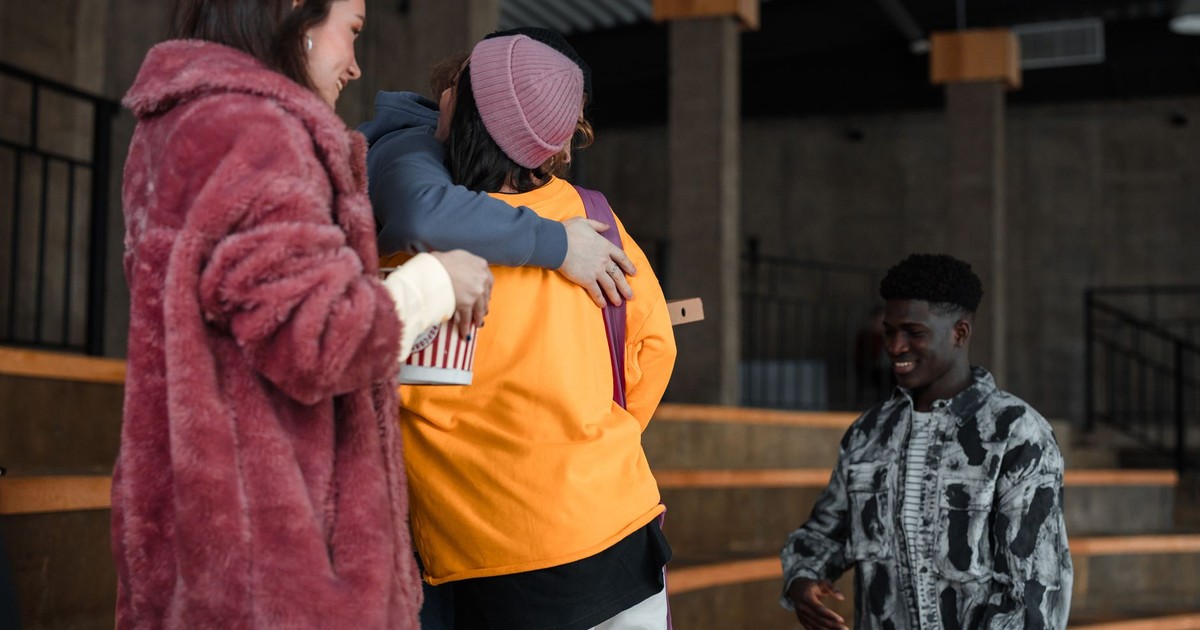
If you’ve heard a teenager say “no cap” and nodded politely while having absolutely no idea what it meant, you’re in good company. Gen Z favors abbreviations, playful mispronunciations, and meme-driven phrases, with “no cap” among the most frequently cited examples. It means “I’m not lying” or “I’m being completely honest.” The opposite, “cap,” means a lie or exaggeration. Saying something is “cap” is accusing someone of stretching the truth.
The phrase originated in Black American vernacular English and was popularized through hip-hop and eventually TikTok. Research by Trinity College London found that 80% of Gen Z students now acquire a significant proportion of their language skills watching social media, which explains how a term can go from a niche community to a global generation’s vocabulary in eighteen months.
“No cap” differs from older equivalents like “for real” or “I swear” because of its built-in skepticism. The existence of “cap” as its counterpart implies a world where exaggeration is the default, and honesty requires a clarifying label. A generation that grew up with influencers, performance, and curated online identities as the norm had to develop a shorthand for claiming authenticity, because authenticity had become something you needed to announce.
4. “It’s Giving…”
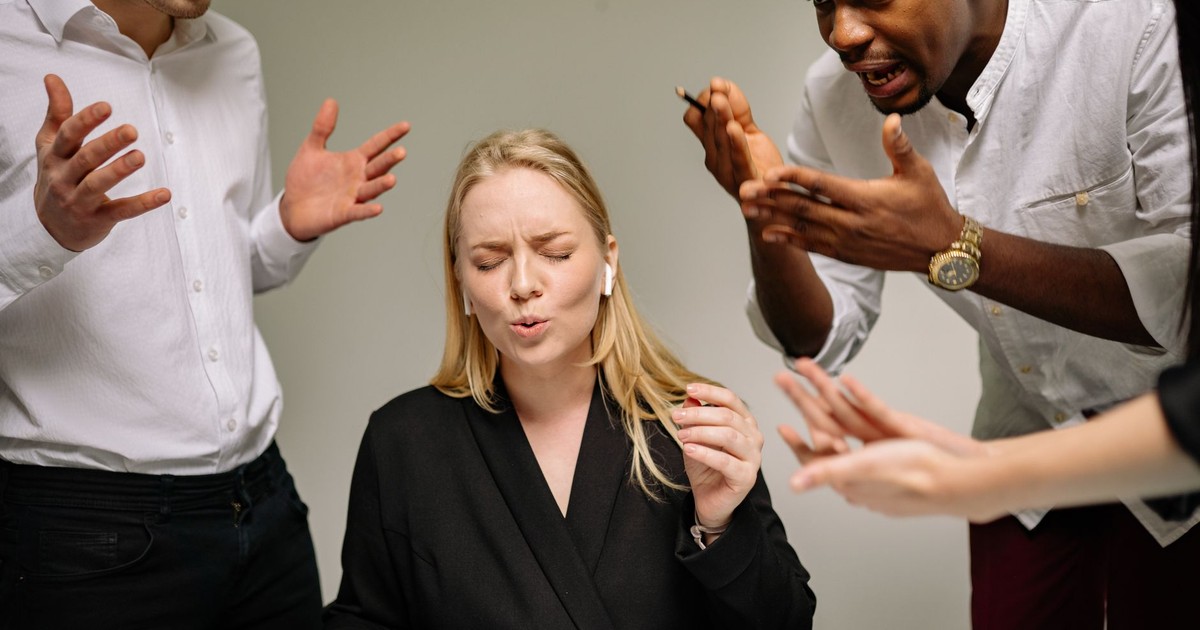
“It’s giving” is used to describe the overall vibe or energy of something, as in “it’s giving corporate burnout.” It arrived in mainstream usage from Black queer culture, spread through ballroom communities, then migrated to TikTok and from there into every generational border zone where young people interact with less-young people. A Millennial who uses it self-consciously is trying. A Gen Zer who uses it is just talking.
The phrase is more versatile than it looks. It can be complimentary (“it’s giving old Hollywood glamour”), neutral (“it’s giving Tuesday morning”), or devastating (“it’s giving desperate”). The tone does all the work; the words themselves are almost secondary. Gen Z slang is often characterized by a sense of irony and self-awareness, frequently drawing from meta-narratives and humor prevalent on the internet. “It’s giving” exemplifies this exactly. It describes an aesthetic or energy without committing to an evaluation, which gives the speaker maximum flexibility and deniability.
For Boomers, phrases like this can register as evasive. Millennials also use “vibe” as a catch-all descriptor, calling a café or a playlist “a vibe,” while Boomers see this as vague and unserious, preferring words that specify whether something is cozy, elegant, pretentious, or overpriced. “It’s giving” takes that vagueness several steps further. For Boomers, who learned a communication style built on directness and precision, the phrase can feel like a sentence that refuses to say anything.
5. “I Can’t Even”
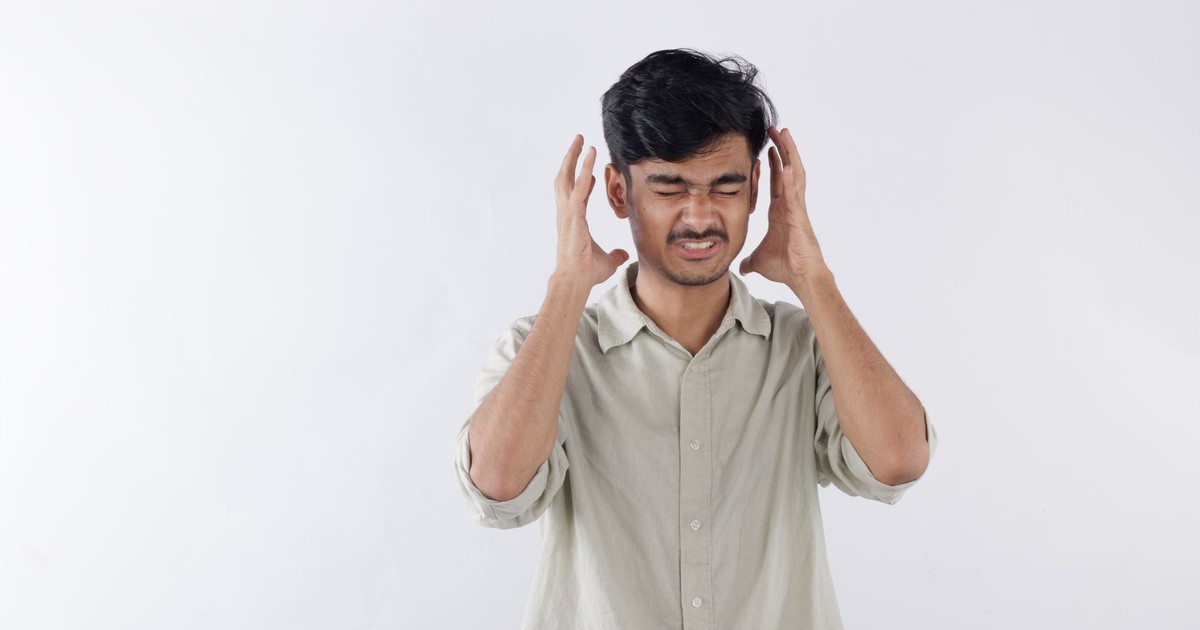
This one belongs to Millennials the way “groovy” belonged to the generation before them. “I can’t even” became the go-to expression for when emotions outran language, whether from delight, horror, exhaustion, or absurdity. Its incompleteness is the point. The sentence trails off because the feeling is supposed to be bigger than words.
Linguists have noted that truncated expressions like this became popular in the Tumblr era, a time when hyperbole was the dominant register of online culture. Phrases like “I can’t even” and “I’m dying” are linguistic fossils from that era, when hyperbole was currency and everything was either the best or worst thing ever, while Gen Z’s humor is different, darker, and more surreal, less dependent on exaggeration. Millennial emotional expression leaned heavily on amplification. Gen Z tends toward understatement and dry irony. Where a Millennial is “literally dying,” a Gen Zer is simply “not doing this.”
Boomers, raised on the instruction to “pull yourself together” and “deal with it,” find a grown adult who can’t “even” baffling, interpreting it as a lack of resilience or an inability to articulate feelings clearly. Three generations, three completely different relationships to emotional expression, all captured in a two-word fragment that doesn’t finish its own sentence.
6. “Mid”
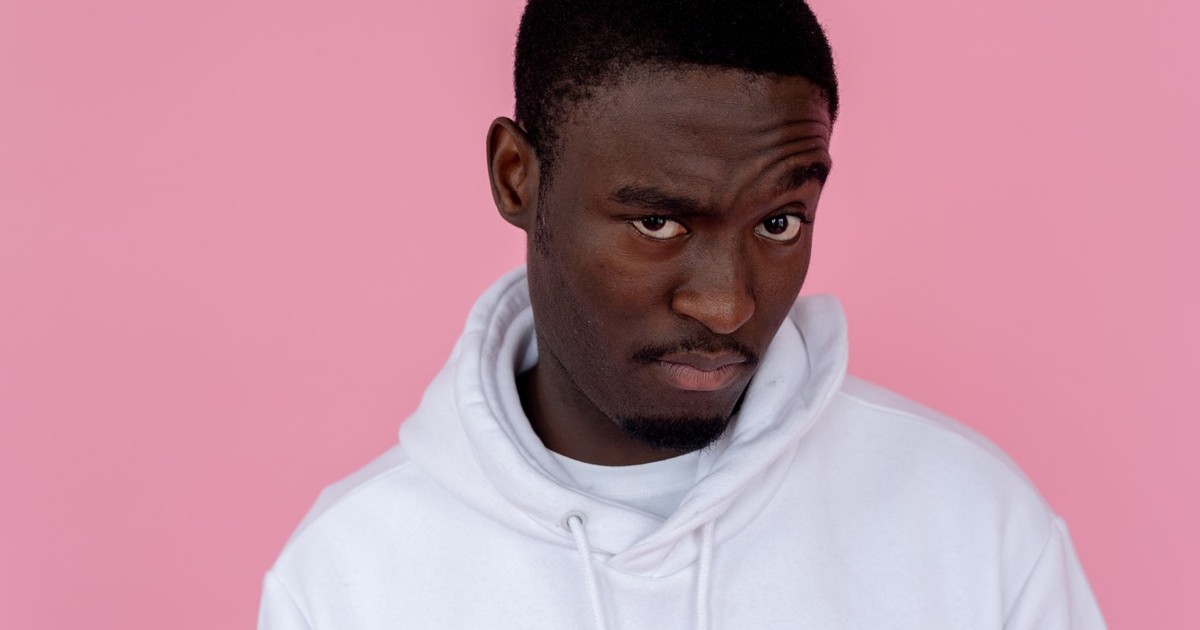
Short, efficient, and quietly devastating, “mid” is what happens when Gen Z decides something doesn’t deserve the energy of a full critique. Something is “mid” if it falls short of expectations, whether it’s a dress on the red carpet, a new TV show, or a pasta recipe. Mediocre. Not bad enough to hate. Not good enough to bother defending. Just mid.
Gen Z’s language is heavily influenced by the fast-paced digital culture, with terms like “mid,” “based,” “stan,” and “brainrot” serving as prime examples of how the generation compresses judgment into the fewest possible syllables. The brevity isn’t laziness. It reflects a generation that processes enormous volumes of content daily and has developed vocabulary that keeps pace. One word does what a paragraph used to.
Nobody decides to stop updating their vocabulary. It just happens, incrementally, until one day someone calls your favorite restaurant “mid” and you need a moment to work out if you’ve been insulted. The generational phrases differences exposed by a word like “mid” run deeper than aesthetics. They reveal different relationships to criticism itself: Boomers learned to justify a negative opinion, Millennials learned to perform it dramatically, and Gen Z learned to condense it into a single syllable and move on.
Read More: Top 10 Most Common Traits of Highly Intelligent People
What This Actually Means

Language doesn’t change arbitrarily. Every phrase on this list emerged because a generation needed it, because their circumstances, anxieties, humor, and technology created a specific gap that existing words couldn’t fill. “Adulting” arrived because a generation felt ridiculous being proud of things their parents took for granted at 22. “Mid” arrived because a generation drowning in content needed a fast way to dismiss most of it. “No cap” arrived because a generation surrounded by performance culture needed a shorthand for authenticity.
The generational phrases differences that make family group chats so chaotic aren’t really about communication failure. They’re a record of how differently three generations were formed. A Boomer who finds “it’s giving” meaningless isn’t wrong, exactly. They’re just reading from a different dictionary, one built before the internet became the primary place where language gets made. None of the generations are going to stop speaking the way they speak. But knowing why each phrase exists makes it considerably easier to hear what someone is actually trying to say.
AI Disclaimer: This article was created with the assistance of AI tools and reviewed by a human editor.