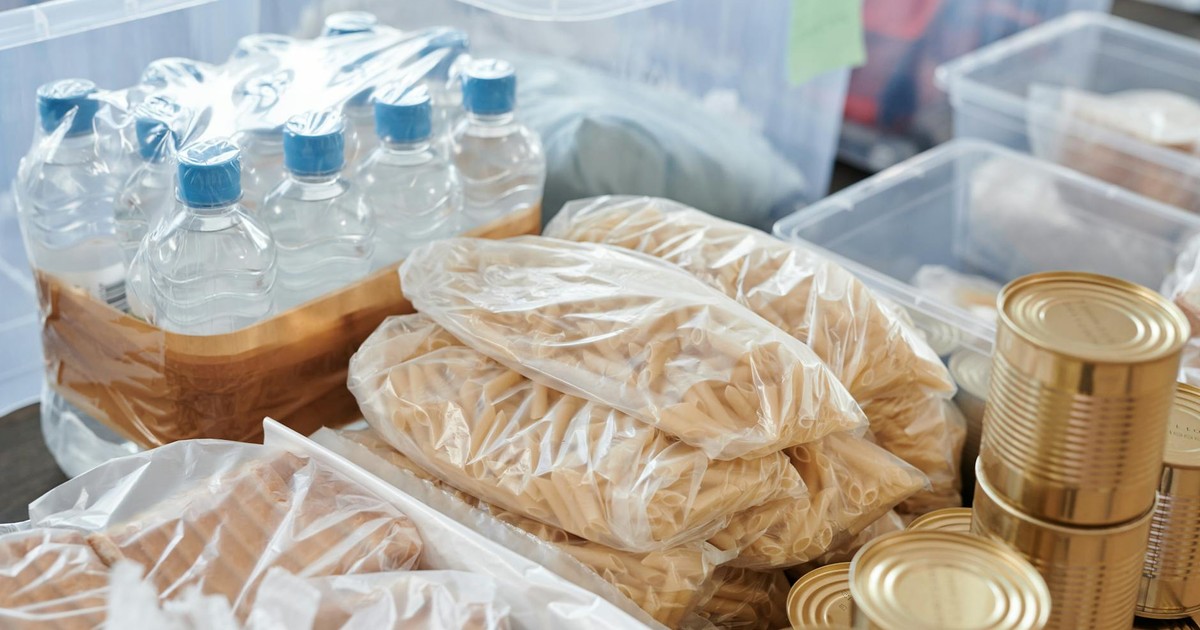

If you’ve been noticing that your grocery cart feels heavier on your wallet than it did two years ago, you’re not imagining it. Food costs in 2026 are rising across most categories, and a handful of supply problems have converged at the same time: rolling trade tariffs, a bird flu outbreak that battered egg-laying flocks, a US cattle herd at its lowest point in decades, and a series of weather events that have hit key growing regions hard. None of this is catastrophic. But it is persistent, and it’s pushing thoughtful shoppers to think differently about how they stock their pantries.
This isn’t about prepping or survivalism. It’s the same instinct that makes you fill up your gas tank when you see prices are about to climb, applied to foods that are either getting significantly more expensive or running into genuine supply constraints. The grocery picture in 2026 isn’t one of empty shelves, but it is one of categories where buying ahead of the price increase is simply smarter shopping.
Here is a grounded look at 13 foods and essentials drawing real attention right now, from longtime home preparedness advocates to ordinary families who just don’t want to be caught short.
1. White Rice
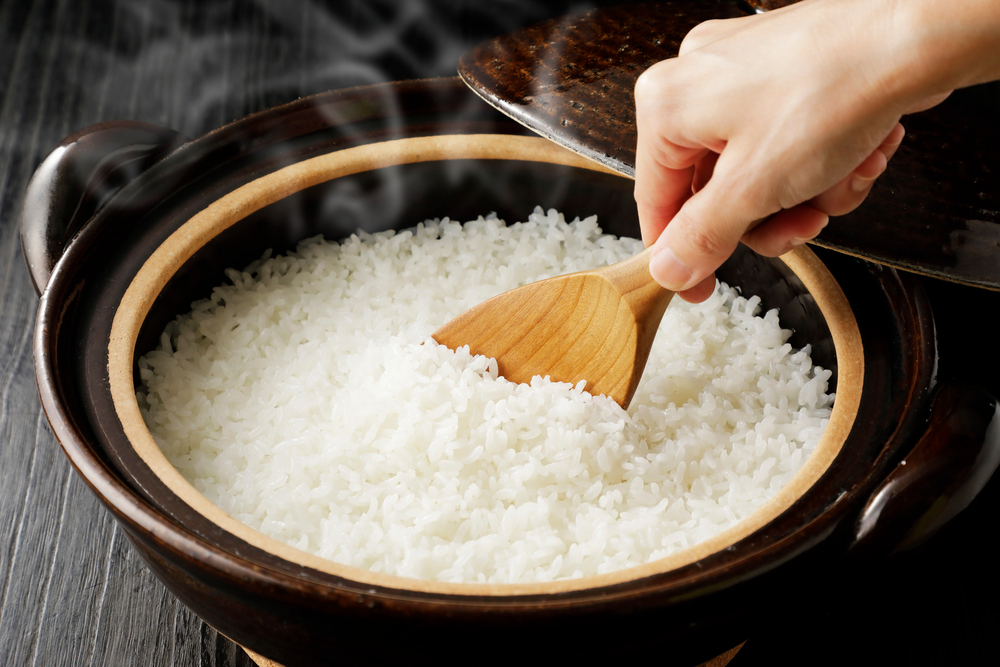
White rice sits at the top of almost every serious pantry list, and for good reason. Stored in an airtight container, it can last up to 30 years – making it one of the most cost-effective long-term staples you can buy. Bulk bags sealed in food-grade buckets with oxygen absorbers will keep far longer than the date on the packaging suggests. At a dollar or two per pound at most grocery stores, the value-per-calorie ratio is hard to match.
The practical case for stocking rice goes beyond storage life. Rice grapples with supply challenges from droughts and floods, and increased demand driven partly by wheat supply constraints keeps pushing prices higher. If you’re buying rice in bulk now, you’re buying it at prices that may look favorable in six months. Long-grain white rice is the better choice over quick-cook or instant varieties, which have a fraction of the storage life.
2. Canned Beans and Lentils
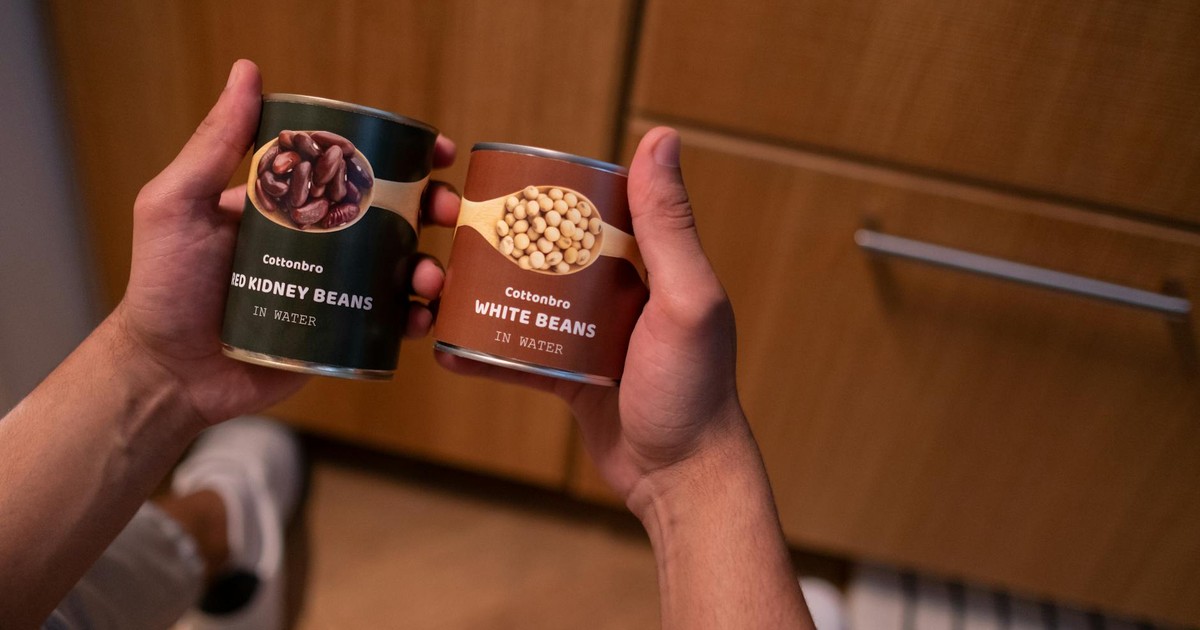
Dried or canned legumes are the workhorse of any sensible foods to stockpile. They’re dense in protein, fiber, and complex carbohydrates, require nothing more than water and heat to prepare, and sit on shelves for years without any meaningful quality loss. Black beans, kidney beans, chickpeas, and red lentils are all strong picks.
When protein-rich fresh options get expensive, dried and canned legumes become even more valuable as a daily substitute. A can of chickpeas at under a dollar delivers more protein per serving than most snack foods twice its price. Fresh beef and fresh vegetables are among the food categories seeing the sharpest price pressure in 2026, which makes a case of chickpeas or lentils one of the better value purchases you can make right now.
3. Canned Tuna and Sardines
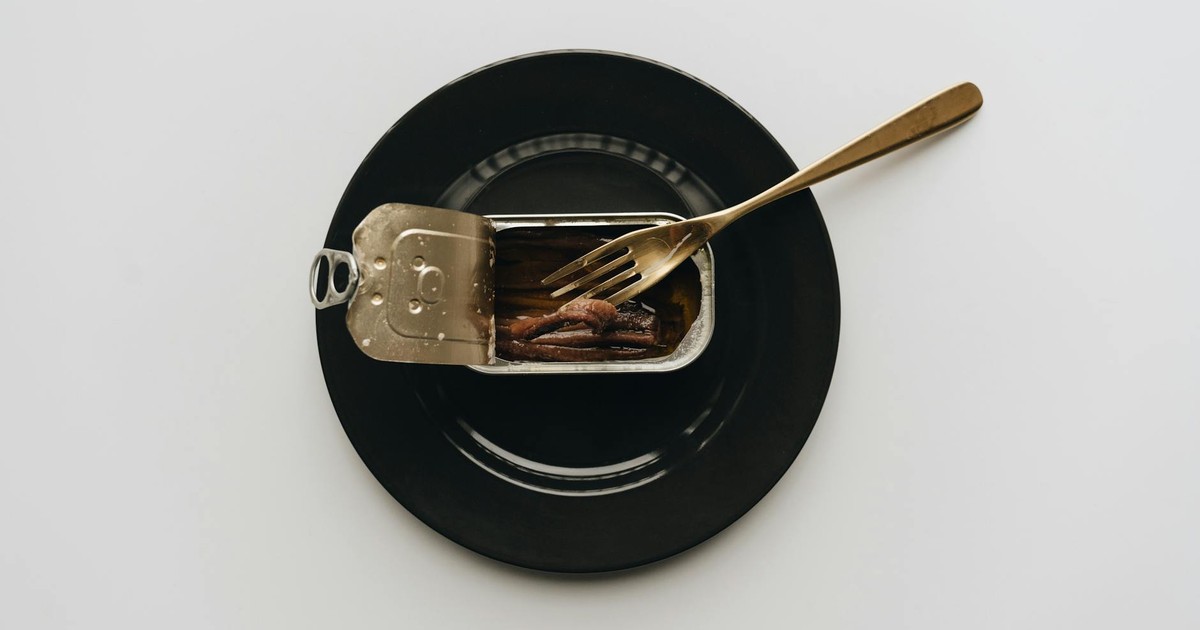
According to The Daily Meal, tuna prices are weak globally and sales toward the end of 2025 were low. Yellowfin prices have been depressed, causing revenue losses for producers, while skipjack tuna price volatility is also a factor in 2026. These two things feed into each other: whatever happens with skipjack pricing partially decides how producers price yellowfin, and the net result is tighter margins across the board, with higher consumer costs likely ahead.
That means the window for cheap canned tuna may be closing. Right now, prices are low enough that stocking up makes straightforward financial sense. Sardines and mackerel offer similar protein value, often at lower price points, and both are rich in omega-3 fatty acids. Fish and seafood is among the food-at-home categories predicted by the USDA ERS to grow faster than the 20-year historical average rate in 2026, with beef and veal prices forecast to climb 12.1 percent. A supply squeeze combined with rising aluminum costs for canning makes this a category worth acting on before summer.
4. Peanut Butter
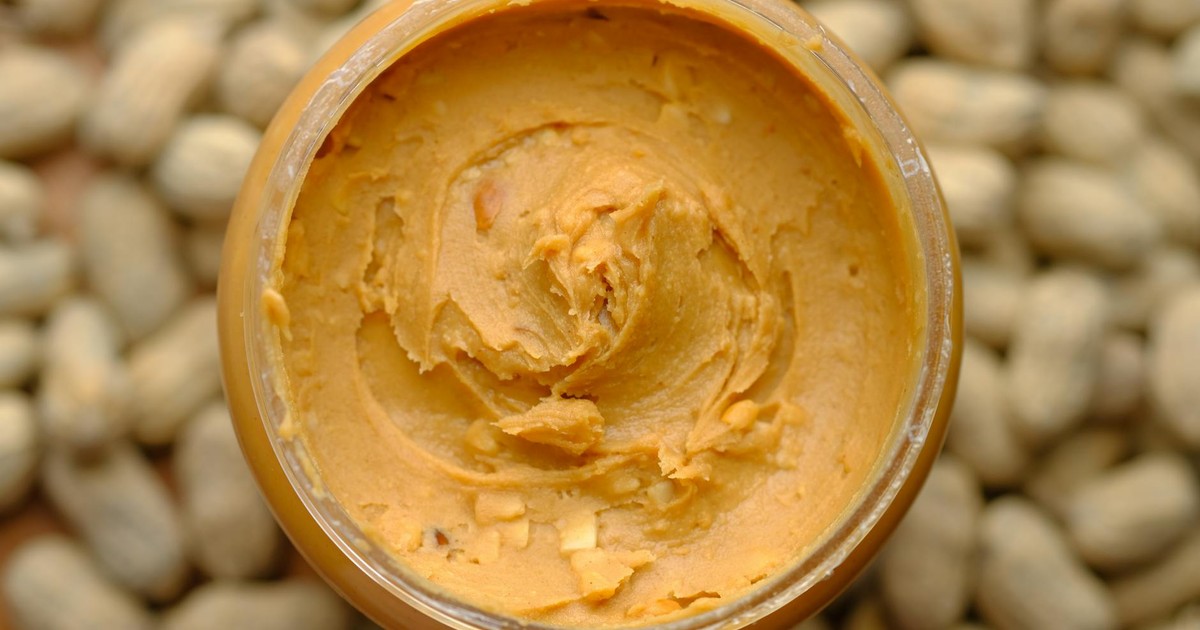
Peanut butter has everything a pantry staple should have. It’s calorie-dense, storable for up to two years without refrigeration, versatile enough to eat out of a jar or fold into a sauce, and most households already use it. It’s comfort food and practical nutrition at the same time.
The argument for stocking extra is less about a specific peanut butter shortage and more about what’s happening to the broader cost of protein-rich foods. When beef, eggs, and fresh fish become expensive or unreliable, peanut butter gets more use. Having extra on hand means you’re not buying it at peak price when demand spikes. Store it in a cool, dark cabinet and rotate your stock so nothing goes to waste.
5. Oats and Whole Grains
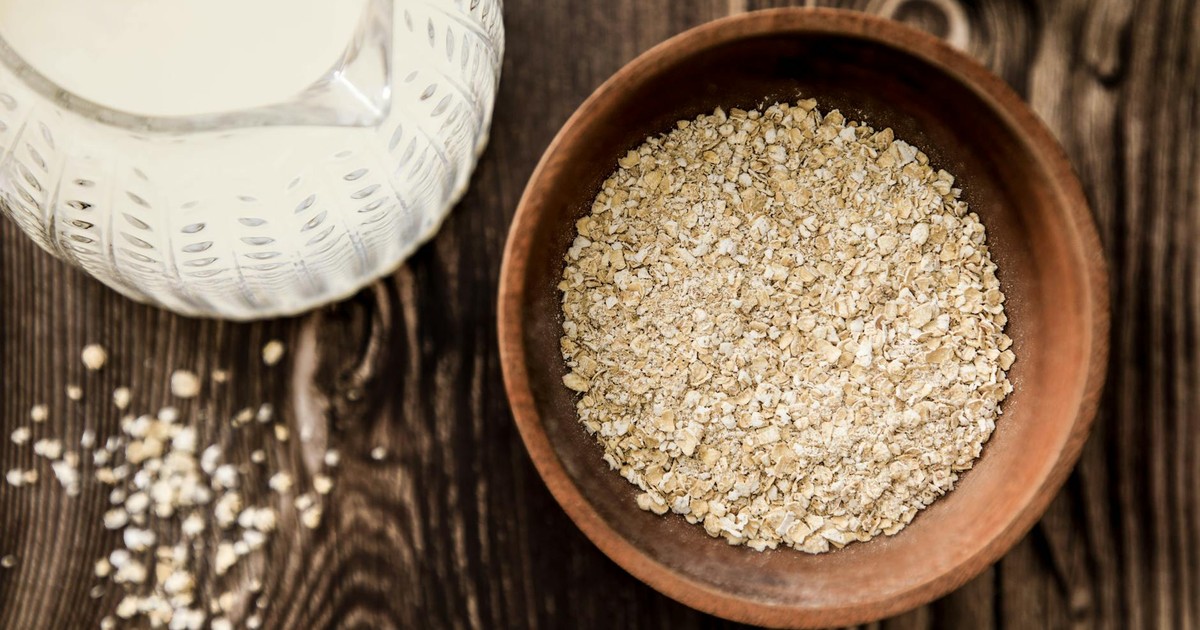
Cereal and bakery products are one of the few food-at-home categories expected to grow slower than the historical average in 2026, making oats and whole grains a smart buy at current prices. That gap between categories matters: you’re locking in a price on something that’s held relatively steady while other food costs move upward.
Rolled oats store well, require only hot water to prepare, and offer meaningful amounts of fiber and protein per serving. Whole wheat flour and quinoa are in the same position. If you have even a modest amount of pantry space, a couple of large canisters of rolled oats represent weeks of breakfasts at a price that won’t look so friendly next year. Buy what you’ll actually use: oats you eat regularly are worth stocking; specialty grains you’ve never cooked with are not.
6. Pasta and Flour
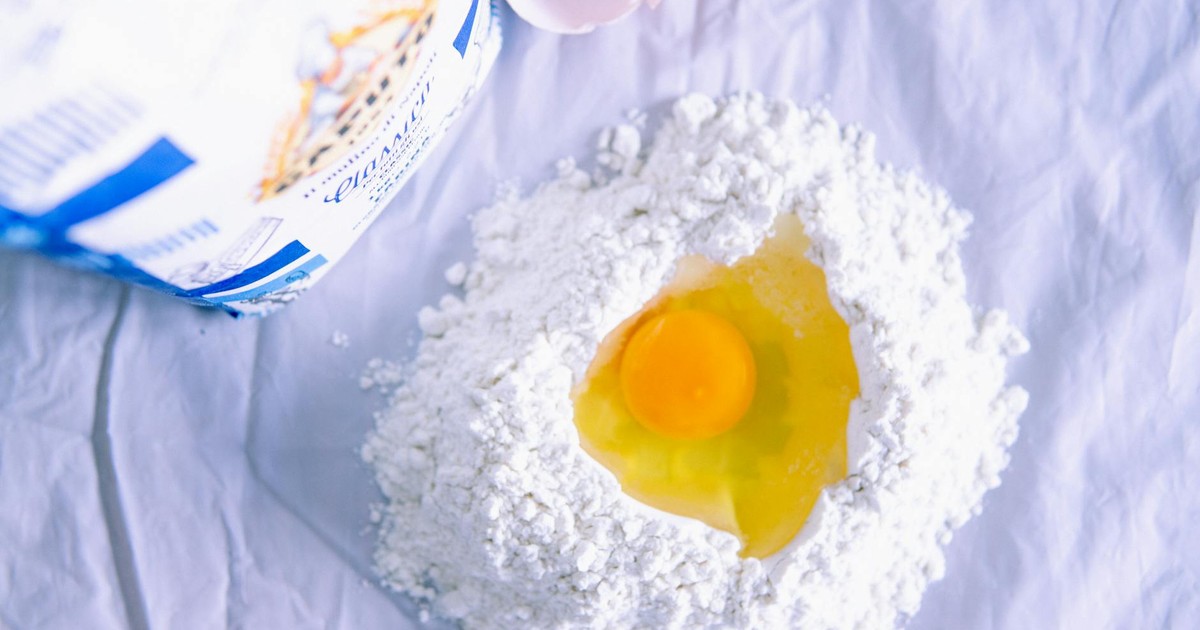
Dried pasta is one of the most straightforward foods to stockpile. It takes up little space, lasts several years in sealed packaging, cooks in under ten minutes, and pairs with almost anything. The same logic applies to all-purpose flour, though flour has a shorter storage life of roughly six to twelve months unless kept airtight in the freezer.
Stock what you cook. If your household makes pasta twice a week, having a few extra boxes on hand isn’t stockpiling – it’s just sensible shopping. For bakers, a five-pound bag in the freezer extends storage life dramatically and costs nothing extra to manage. The freezer is underused as a dry-goods storage tool, and flour is one of the easiest wins.
7. Cooking Oils
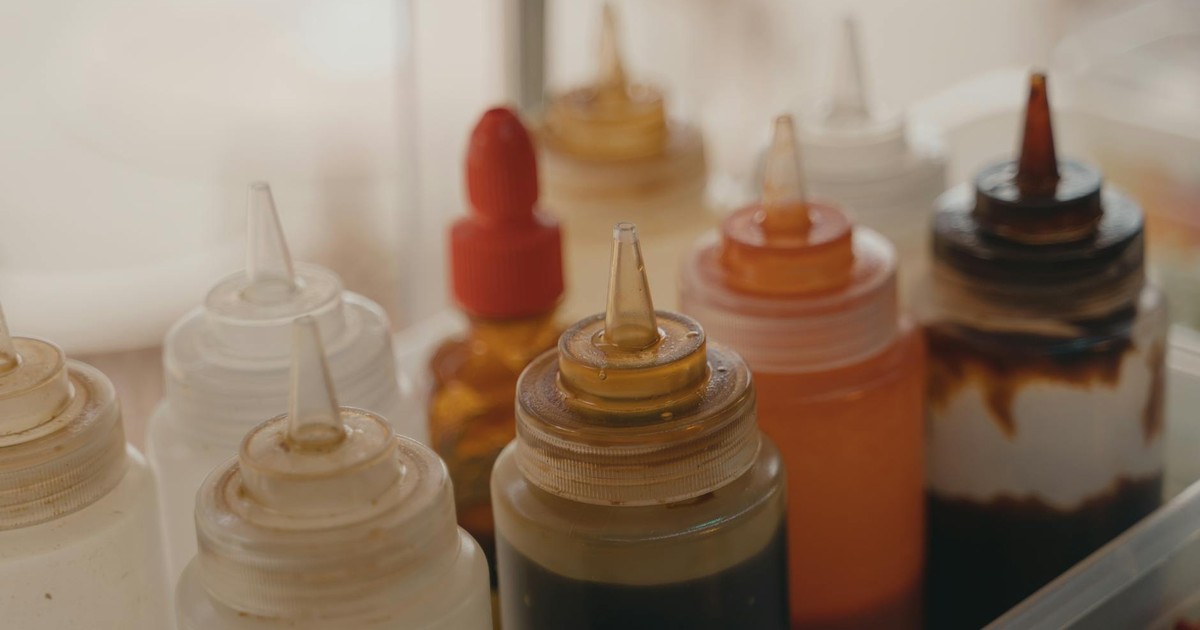
Olive oil has been running at elevated prices for the past two years, and sunflower oil faced its own supply crises earlier this decade following geopolitical disruptions in Eastern Europe. Neither situation has fully resolved. New tariffs on imported goods in 2026, including agricultural products, have added costs to a range of specialty imports, and olive oil is squarely in that category.
Canola and vegetable oils offer more price stability right now, but having a backup bottle of whichever oil you cook with most is simply smart kitchen management. Most cooking oils, properly sealed, stay good for 18 months to two years. But they represent a category where prices can move fast and store stock can thin quickly when overseas harvests disappoint.
8. Beef (Freeze It Now)
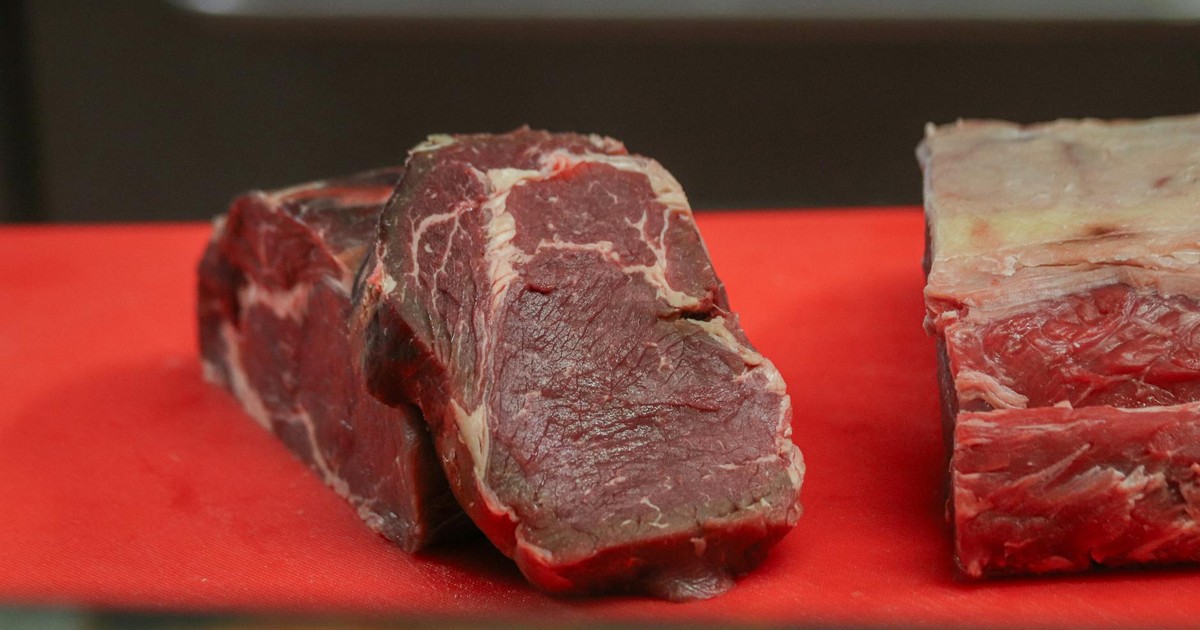
The USDA ERS food price data tells a structural story about beef. Beef and veal prices are forecast to rise 12.1 percent in 2026, driven by a cyclical contraction of the US cattle herd that has pushed farm-level cattle prices to their highest point in years. Consumer demand has stayed strong in the face of tighter supplies, and that combination of low inventory and unrelenting demand means the pressure is unlikely to ease quickly. Cattle prices are projected to reach new highs in 2027 before supplies start to recover.
The response most households can take isn’t complicated: buy beef when it’s on sale, portion it, and freeze it. A secondhand chest freezer can hold enough meat to insulate your household from a meaningful portion of the predicted price rise. Ground beef, chuck roast, and larger cuts all freeze well for six months to a year. Buying ahead at today’s price rather than next quarter’s is not hoarding – it’s just managing your household budget with some forward thinking.
9. Canned Vegetables and Tomatoes
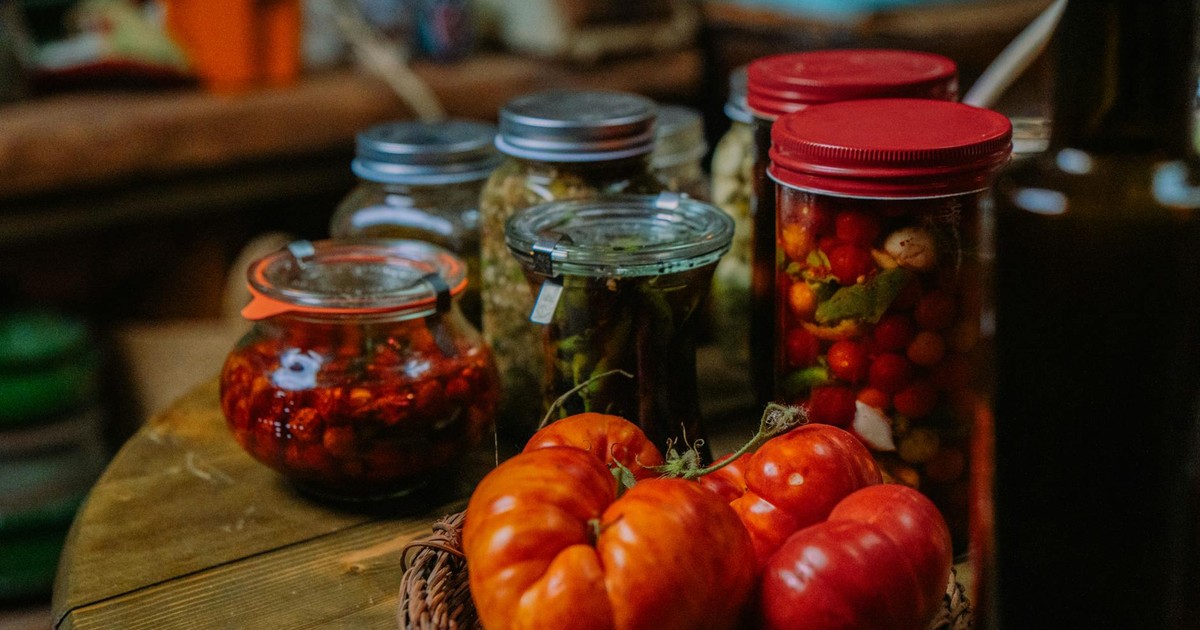
Fresh tomato prices have been one of the more dramatic grocery stories of the past year. According to CNBC, the average retail price of field-grown tomatoes hit approximately $2.26 per pound in March 2026, the highest level in more than eight years. Tariffs on fresh tomatoes from Mexico – a 17 percent duty that took effect in July 2025 – are the primary driver, compounded by Florida crop damage from winter storms and disease issues that reduced Mexican yields below normal.
Canned tomatoes, produced under different supply conditions than fresh, offer far more price stability. They are also the backbone of a huge range of cooking, from pasta sauces to soups to curries. Canned corn, green beans, and mixed vegetables follow the same logic: buying preserved versions of produce that is increasingly price-volatile gives you real options when fresh becomes expensive or unreliable. A case of diced tomatoes bought now is money well spent.
You can read more about which grocery staples have already hit painful price points in this breakdown of the most expensive grocery items that’s been sending people to the store with longer shopping lists.
10. Eggs (Buy and Freeze)
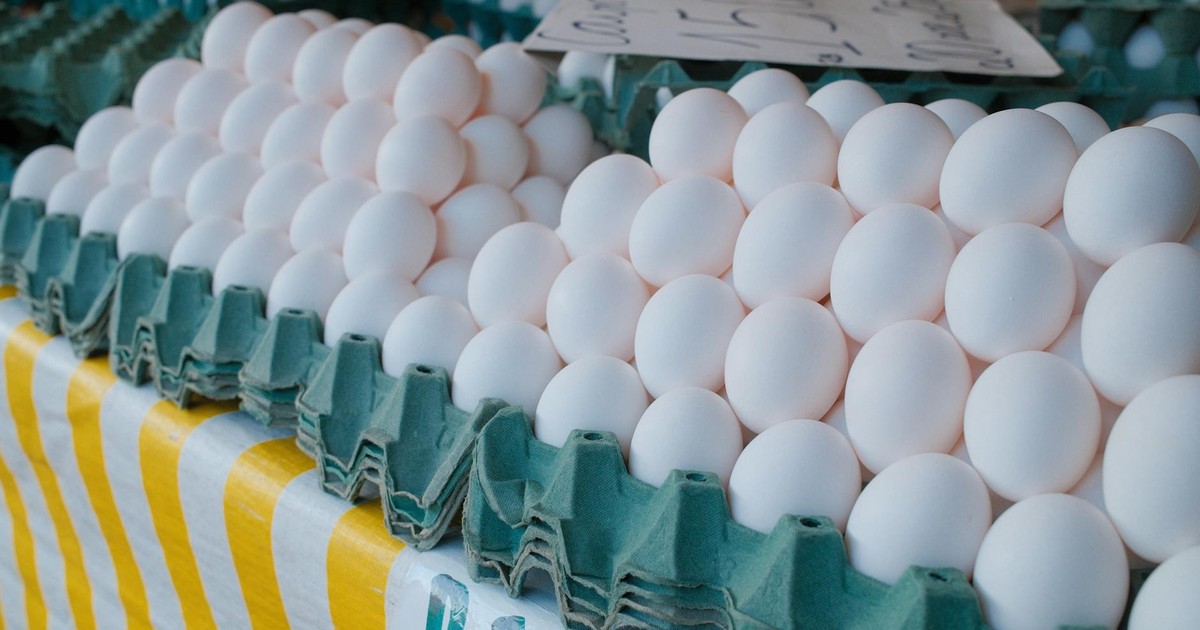
The egg market over the past two years has been genuinely hard to predict. Highly pathogenic avian influenza swept through US poultry operations on a massive scale, killing tens of millions of egg-laying birds and triggering price spikes that pushed a dozen eggs past $6 at their peak in early 2025. Prices have since fallen sharply as flocks recover, and forecasts suggest further declines through 2026.
That’s the good news. The catch is that egg prices have consistently surprised even cautious forecasters whenever new outbreaks appear, and the bird flu situation has not fully resolved. The window when egg prices are low is also the right moment to freeze them. Crack eggs into a container, mix gently without incorporating air, freeze in usable portions, and they keep for up to a year. Most people don’t know eggs freeze, which is exactly why household egg supplies tend to run out at the precise moment store prices spike again.
11. Powdered Milk and UHT Milk
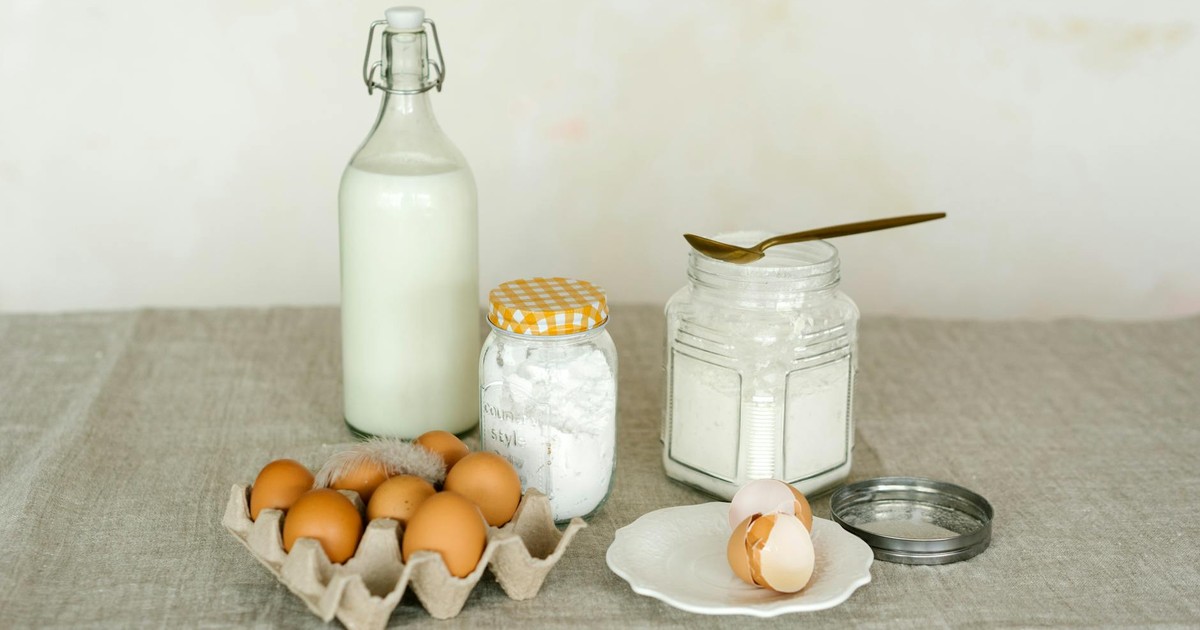
Fresh milk is often one of the first things to run short during any supply disruption, whether that’s a storm, a trucking strike, or a local production issue. Powdered milk can last for years when stored in a sealed container, and UHT milk cartons – sold in grocery store aisles without refrigeration – can be stored for several months and taste much closer to fresh than most people expect.
Powdered milk is undersized in most people’s pantries, largely because it has a reputation for tasting off. The modern versions are noticeably better than what most people remember from childhood, and when used in cooking, baking, or blended into smoothies, the difference from fresh milk is negligible. One large canister covers weeks of basic dairy needs without taking up much space.
12. Coffee and Tea

Brazil and Vietnam dominate global coffee production, and drought, weather volatility, and shipping costs have all pushed arabica bean prices significantly higher over the past two years. Coffee was up 41 percent year-over-year by late 2025, according to Bureau of Labor Statistics data, making it one of the steepest single-category increases in the grocery store. It’s not a blip – it reflects genuine tightness in the global arabica supply.
Whole beans stay fresh far longer than ground coffee, especially when vacuum-sealed or stored in an airtight container in the freezer. If you drink coffee every day, having an extra bag or two on hand costs very little upfront and insulates you from spot price spikes. Tea stores even more easily and has an essentially indefinite shelf life if kept dry and sealed.
13. Pet Food
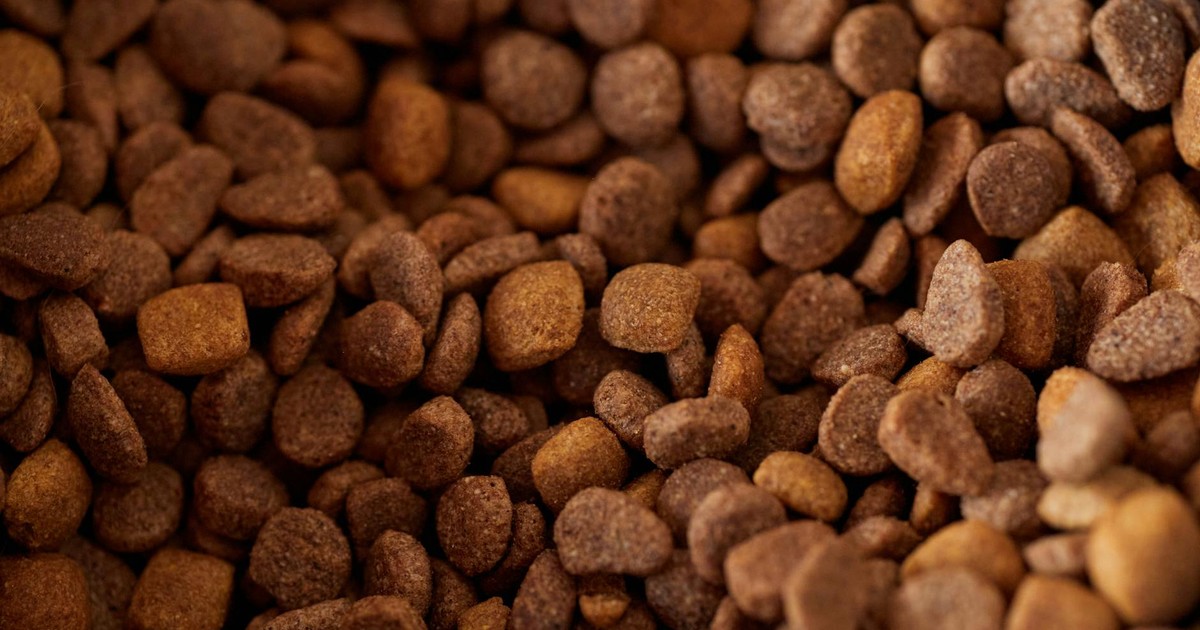
This one gets overlooked in almost every stockpile conversation, and then people end up scrambling for it. Rising ingredient and packaging costs are affecting pet food, and the production chain for commercial pet food uses many of the same proteins and grains under pressure across the broader food system. Canned tuna prices affect wet cat food. Grain volatility affects dry kibble. Aluminum tariffs affect every product sold in a can.
Pet food also requires no complex rotation strategy beyond checking best-by dates. Dry kibble keeps well for twelve to eighteen months in a sealed container. For households with cats or dogs, having a month’s extra supply is the kind of preparation that costs almost nothing in a normal month but matters enormously during a supply interruption or price spike. It’s the item people consistently forget to add to the list until the day they’re standing in an empty aisle at the pet store.
What This Actually Means
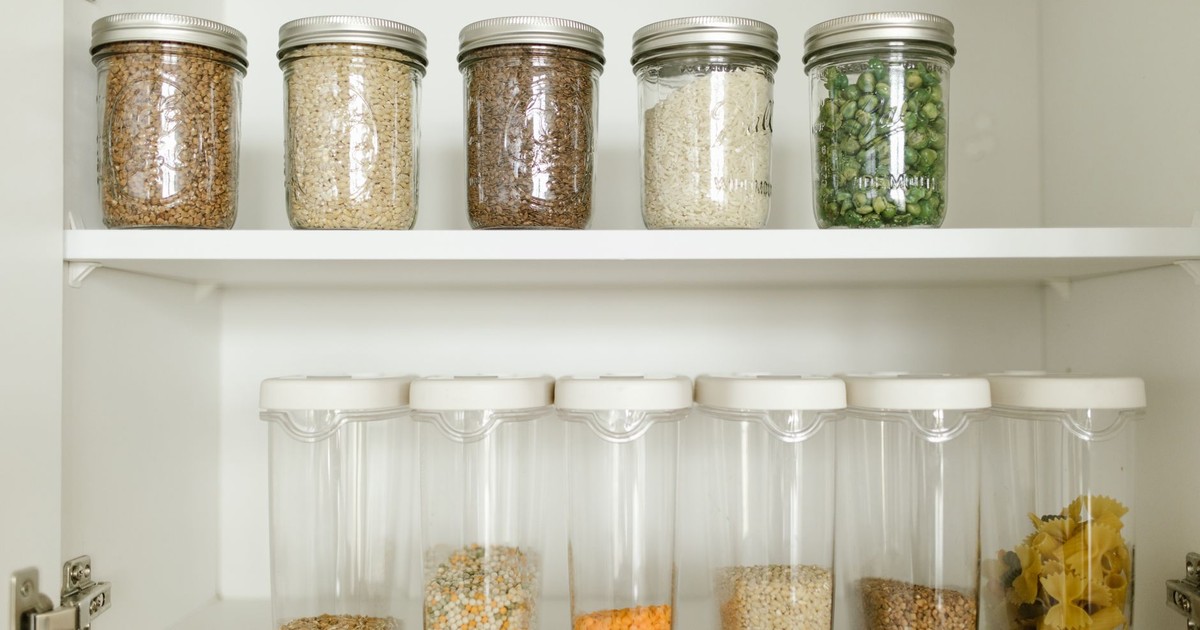
The case for keeping foods to stockpile in 2026 isn’t about expecting the worst. It’s about what’s already true: food prices are rising faster than the 20-year average in most categories, specific segments of the food system are under real pressure from weather, trade policy, and disease, and having even a modest buffer at home removes a surprising amount of weekly stress from the grocery run. You stop buying things reactively at whatever price the store happens to be charging today.
The smartest approach is also the least dramatic one. Buy a little extra of what you already use, store it where it fits, and rotate it so nothing expires unused. Add $20 to $25 worth of extras to your cart each week for a month or two and you’ll have built a meaningful cushion without spending money on anything you wouldn’t have bought anyway. That’s not a survival strategy. That’s just shopping like someone who’s been paying attention.
AI Disclaimer: This article was created with the assistance of AI tools and reviewed by a human editor.