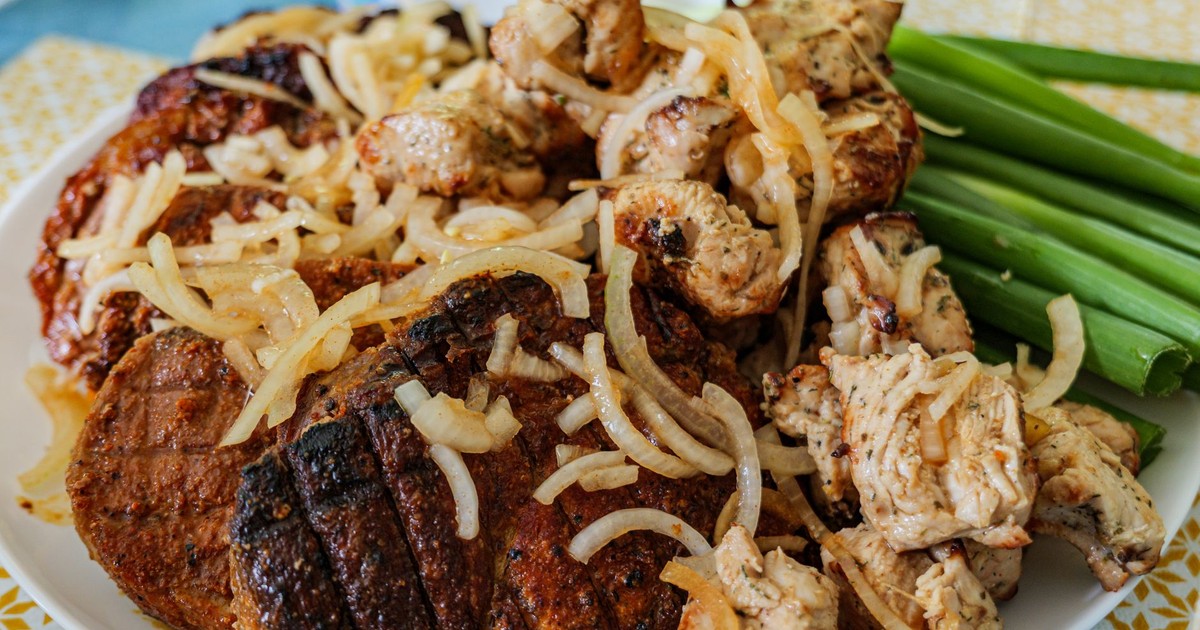

The same argument keeps showing up at the center of every hunger conversation: eat less, feel full longer. What that advice never explains is why some foods leave you genuinely satisfied three hours later while others, eaten in the same quantity, sometimes with more calories, have you opening the refrigerator door forty minutes after dinner. That difference isn’t willpower. It’s biochemistry, and once you understand it, the foods that keep you full start to look less like a list of recommendations and more like a pattern.
Satiety, the state of being satisfied after a meal or snack, is complicated, but how long it lasts depends enormously on what you ate. The research behind it has been building since 1995, when nutritionist Susanna Holt and her team at the University of Sydney tested 38 different foods, fed participants equal 240-calorie portions, and tracked hunger every fifteen minutes for two hours. Boiled potatoes scored 323 on that index, making them more than three times as filling as white bread calorie-for-calorie. A croissant, for comparison, scored 47. Same calories. Completely different result in the stomach.
The single trait those high-scoring foods share is that they slow down digestion. Protein does it by requiring the body to work hard to break it apart. Fiber does it by physically slowing the movement of food through the gut. Water and bulk do it by stretching the stomach wall and triggering fullness signals before the calorie count even registers. Foods with high satiety are often described as high-thermic, meaning the muscles in the stomach and intestines take significant energy to break them down, and protein tops that list. The foods below all earn their place by doing at least one of these things exceptionally well. Several do more than one.
1. Eggs
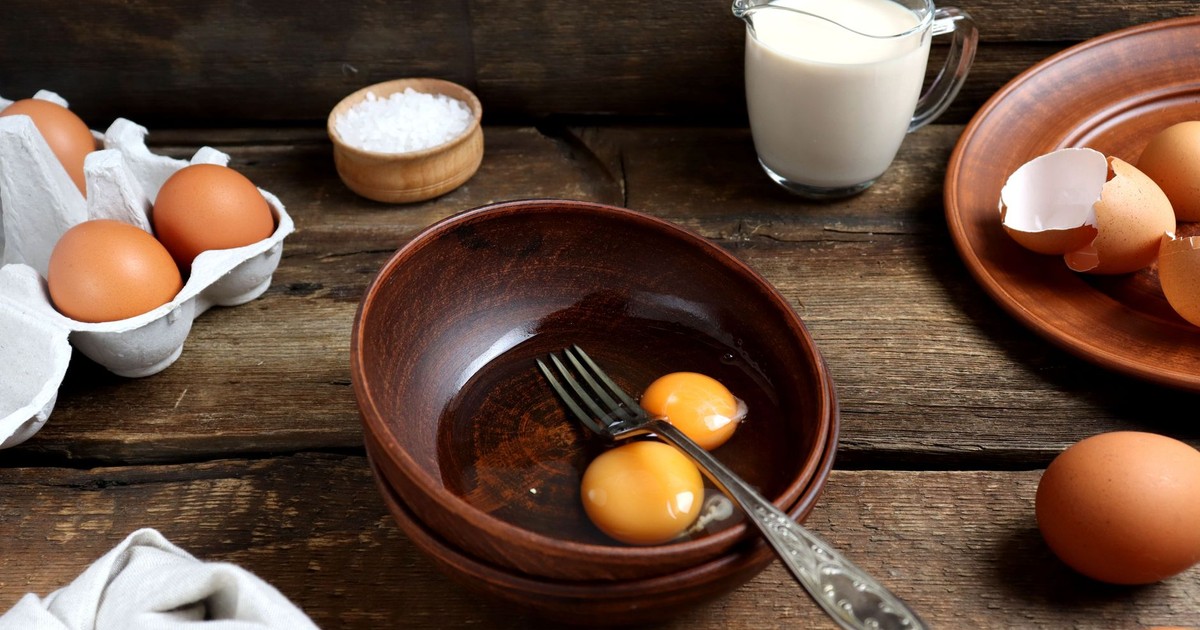
Few foods pack as much satiety into as small a package as eggs. A large egg delivers around 6 grams of complete protein, meaning it contains all nine essential amino acids the body can’t make on its own. That protein load matters because of what happens hormonally after you eat it. Research published in 2025 found that high-protein breakfasts, whether plant or animal-based, produce larger increases in plasma GLP-1 and PYY concentrations compared with a high-carbohydrate, low-protein meal, with both protein types eliciting greater satiety hormone responses. GLP-1 (glucagon-like peptide-1) is the same hormone that pharmaceutical weight-loss drugs like Ozempic are designed to mimic. Eggs trigger a natural version of that signal, which is part of why a two-egg breakfast holds people over in a way that a bowl of cereal simply doesn’t.
The fat in eggs also contributes. Dietary fat slows gastric emptying, the rate at which the stomach releases its contents into the small intestine, which means food stays in the digestive system longer. The yolk is where most of that fat lives, along with fat-soluble vitamins and choline. Stripping it out in favor of egg whites reduces the satiety effect meaningfully. A whole egg at breakfast isn’t the cholesterol villain it was once made out to be; the current evidence points to it being one of the most efficient foods that keep you full from a single small source.
2. Legumes
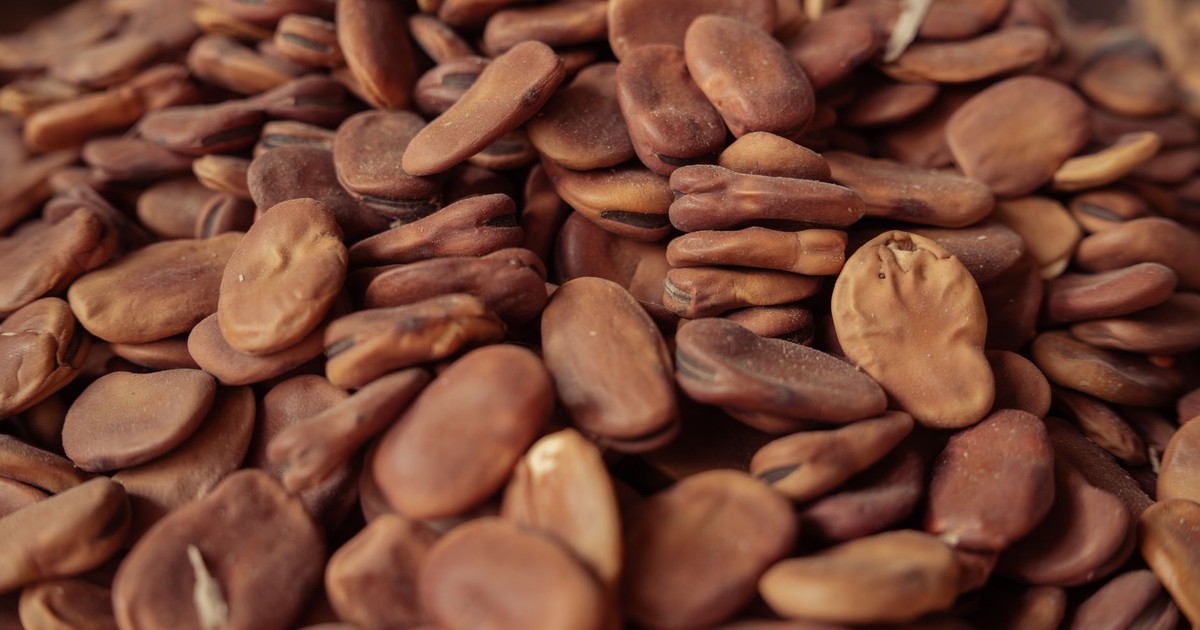
Beans, lentils, and chickpeas have a reputation for being the unglamorous workhorses of the satiety world, but their nutritional profile makes them almost uniquely effective. According to registered dietitian Kylie Arrindell at Houston Methodist, protein is the macronutrient most likely to leave you feeling sated, but fiber-rich carbohydrates, including beans and lentils, are a close second. Legumes happen to deliver both in the same bite, which is unusual. A cup of cooked lentils contains roughly 18 grams of protein and 16 grams of fiber. That’s a combination almost no other single food can match gram for gram.
The fiber in legumes is partly soluble, meaning it forms a gel-like substance in the gut that slows the absorption of glucose into the bloodstream. This prevents the sharp blood sugar spike and crash that follows a high-refined-carb meal and leaves people reaching for something sweet an hour later. Carbohydrates with high fiber content and a low glycemic index slow the rate of sugar absorption and digestion, enhancing satiety, and legumes are one of the most potent delivery vehicles for that effect in an ordinary diet.
One practical note: dried and home-cooked legumes outperform canned ones in fiber content, though canned (rinsed well) still do meaningful work. Even a small serving mixed into a salad or soup adds satiety that the meal wouldn’t otherwise have. Lentil soup has earned its place as a winter staple not because it tastes fancy but because it genuinely holds people for hours.
3. Oatmeal
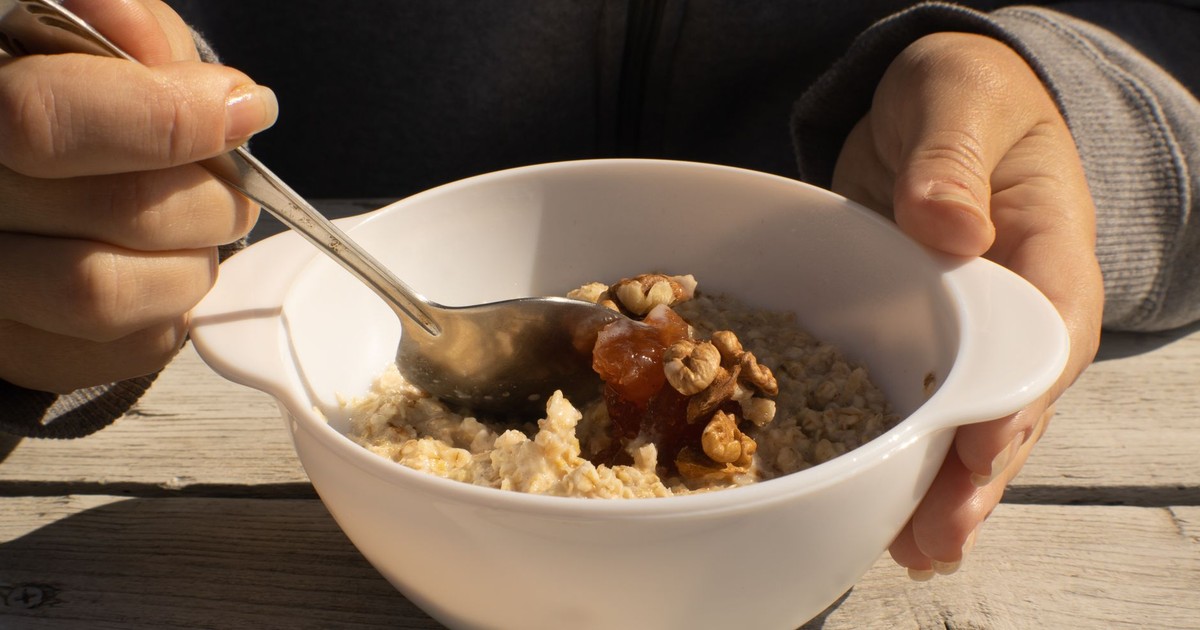
Oatmeal is one of those foods whose reputation has stayed consistent for decades, and the research keeps vindicating it. The reason is a specific type of soluble fiber called beta-glucan, which forms a thick, viscous gel as it moves through the digestive tract. That gel slows gastric emptying, moderates the blood sugar response, and stimulates the release of satiety hormones. A 2026 scoping review published in Frontiers in Endocrinology confirmed that dietary fibers can stimulate endogenous GLP-1 secretion through microbial fermentation and gut hormone signaling, potentially enhancing satiety and supporting weight management. Soluble fibers like those concentrated in oats are among the most effective food-based tools for triggering the body’s own fullness hormones.
The type of oatmeal matters more than people realize. Instant oats are processed to the point where much of the structural fiber has been broken down, which means they digest faster and produce a sharper glucose spike. Rolled oats are better. Steel-cut oats are better still. The less processed the grain, the longer the body has to work to break it apart, and the longer the fullness lasts. Cooking oatmeal with milk instead of water adds protein, which amplifies the satiety effect further. A bowl of steel-cut oats with a handful of nuts and some berries is, on a calorie-for-calorie basis, one of the most filling breakfast options available.
4. Greek Yogurt

Greek yogurt earns its reputation as a high-protein food through a simple production difference: it’s strained, meaning much of the liquid whey is removed. What’s left is a concentrate that contains roughly twice the protein of regular yogurt per gram. A 7-ounce serving typically delivers 17 to 20 grams of protein, which makes it one of the most efficient protein sources that doesn’t require cooking.
That protein density translates directly to satiety. Protein intake reduces hunger by increasing the release of GLP-1 and PYY and decreasing ghrelin levels, while carbohydrates with high fiber content and a low glycemic index slow the rate of sugar absorption and digestion, enhancing satiety, according to News-Medical.net’s review of appetite control research. Ghrelin is sometimes called the “hunger hormone” because its levels rise before meals and fall after eating. Protein keeps it suppressed longer than any other macronutrient. Greek yogurt for lunch or as an afternoon snack effectively resets the hunger clock in a way that a handful of crackers never does. The addition of fruit adds fiber; the addition of nuts adds healthy fat and extends the effect further. Plain, full-fat versions outperform the flavored low-fat ones, which often compensate for removed fat with added sugar, and refined sugar is one of the fastest routes back to hunger.
5. Fish
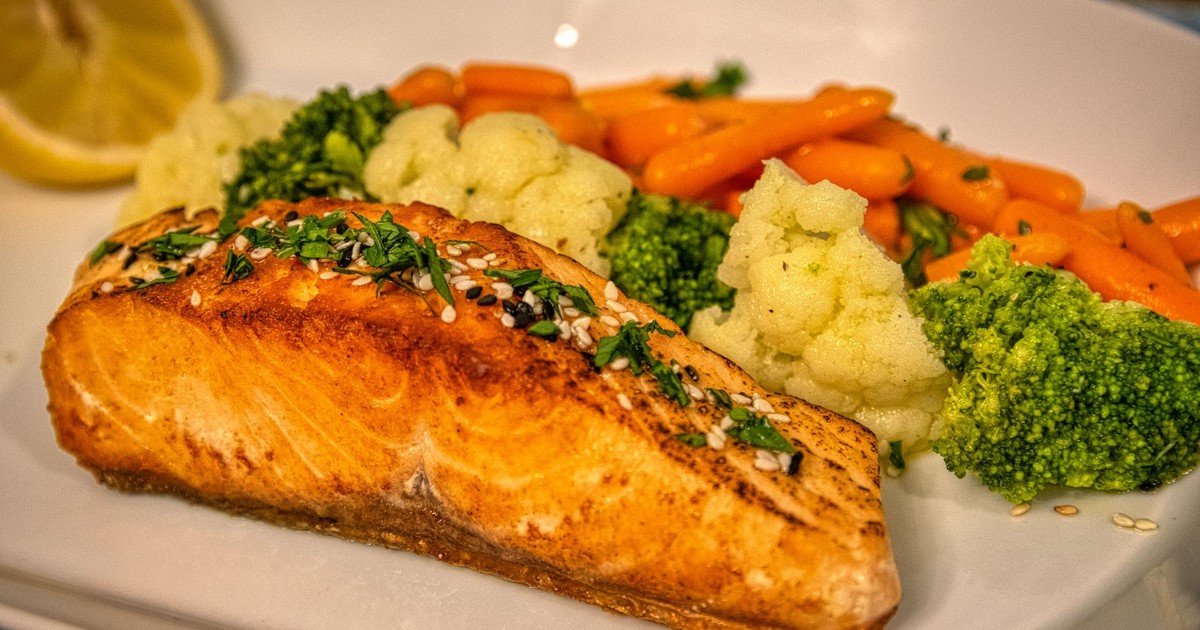
Fish sits in an interesting position in the satiety literature because it combines high-quality lean protein with a relatively low calorie density, which makes it exceptionally efficient by weight. Healthy fats, the monounsaturated and polyunsaturated kind, are nutritious and can still be filling, though they’re also calorie dense. White fish like cod or tilapia delivers the protein benefit with very little fat, while fatty fish like salmon and mackerel add omega-3s, which have their own metabolic benefits.
A large part of fish’s satiety power is structural: it’s dense, requires chewing, and releases protein slowly. The thermic effect of food, the energy the body burns digesting what you ate, is highest for protein, which means a fish-based meal is actively costing the body energy to process, and that process takes time, during which hunger stays low. Baked or grilled fish outperforms fried fish significantly in satiety terms. The breading and oil in fried versions add calories while reducing the protein-to-calorie ratio, which is exactly the combination that lowers the satiety score.
6. Whole Grains
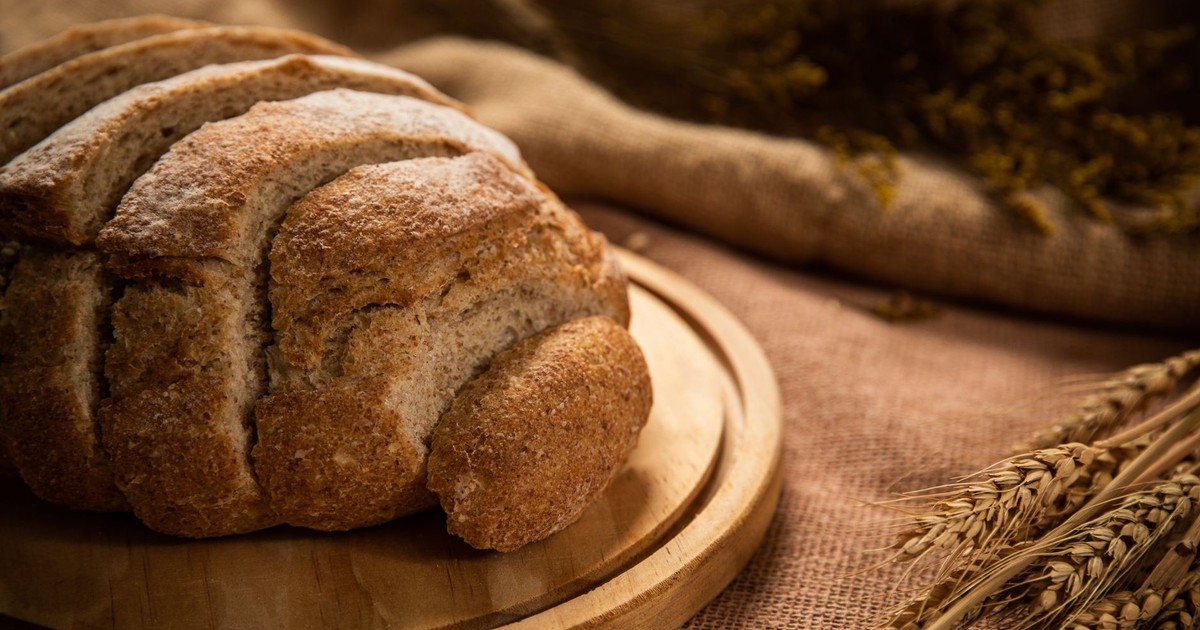
The difference between a slice of white bread and a slice of dense whole-grain bread is not just nutritional, it’s structural. Refined grains have had the bran and germ stripped away, leaving mostly starch that the body converts to glucose almost immediately. Whole grains retain their fibrous outer layers, which slow digestion and produce a much more gradual blood sugar response. Refined carbohydrates are digested very quickly and leave you only temporarily satisfied, which is why the mid-morning energy crash after a white-bread breakfast is so reliable.
Whole wheat, brown rice, barley, and farro all qualify, but their satiety effect varies based on how processed they are. A whole-wheat wrap made from finely milled flour sits closer to white bread on the digestion scale than a thick slice of seeded rye. The chewier and denser the grain product, the more digestive work required and the longer the fullness lasts. Barley in particular has an unusually high beta-glucan content for a grain, giving it an oat-like satiety profile that makes it an underused option in soups and grain bowls. The practical rule: if the bread compresses to almost nothing when you squeeze it, its satiety credentials are limited.
7. Potatoes (Boiled or Baked)

Potatoes get an unfairly bad reputation because of how they’re usually eaten. In the original satiety index study, boiled or baked potatoes scored 323, the highest of all foods tested, while fried potatoes scored a relatively low 116. The cooking method changes everything. A boiled potato is dense, water-rich, and full of resistant starch, a type of carbohydrate that the body can’t fully break down and that acts more like fiber than like sugar in the gut. A French fry is the same vegetable stripped of water, loaded with fat, and processed into something the body handles very differently.
Cooling a cooked potato before eating it increases its resistant starch content further. The starch crystallizes as it cools, making it even harder for digestive enzymes to break down. This is why potato salad, made with cooled potatoes, keeps people fuller than an equivalent serving of hot mashed. Potatoes also contain a compound called protease inhibitor II, which appears to suppress appetite signals directly. They’re high in potassium, naturally low in fat, and filling in a way that feels almost disproportionate to their calorie count. The key is everything that doesn’t go on them, sour cream, butter, and cheese transform one of the most satiating foods available into something significantly less so.
8. Nuts and Seeds
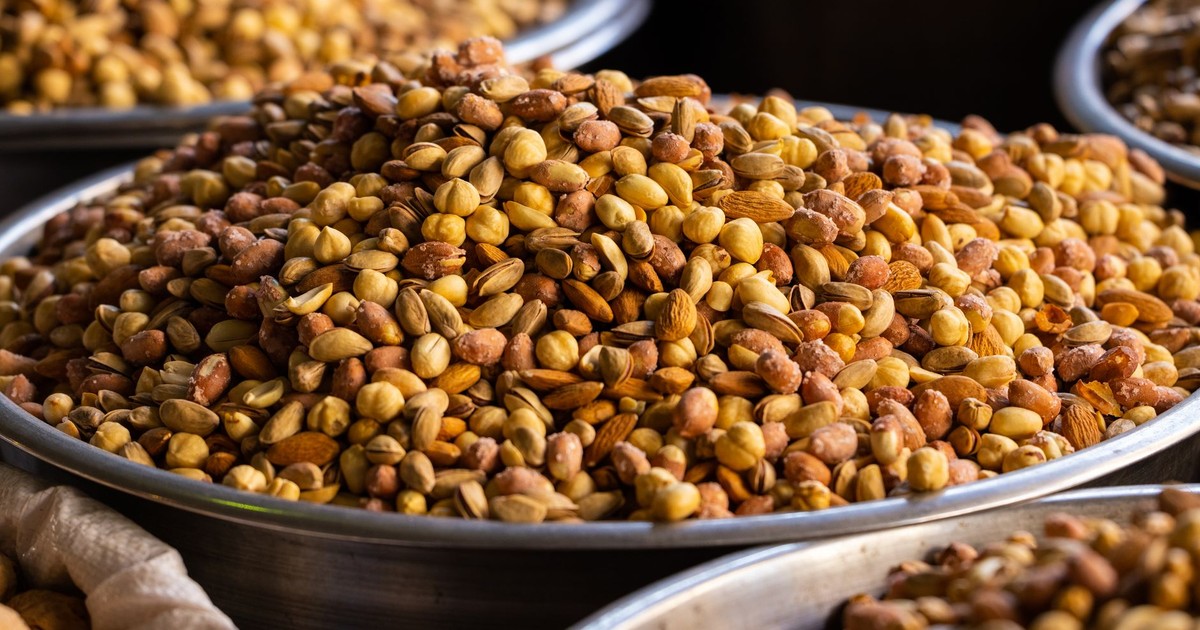
Nuts seem like they shouldn’t work as well as they do. They’re calorie-dense, high in fat, and easy to eat quickly. The reason they’re consistently effective foods that keep you full comes back to that combination of protein, fiber, and fat working together. A high-protein meal at breakfast, whether from a plant-based drink or an animal-based source, consistently produces stronger satiety hormone responses than a low-protein, high-carbohydrate meal, and nuts deliver that protein alongside two other satiety tools: fiber and slow-digesting fat. The fat slows gastric emptying. The protein triggers satiety hormones. The fiber extends the digestive process.
There’s also an interesting structural element to nuts: a meaningful percentage of the fat in whole nuts passes through the body unabsorbed because the cell walls that hold it in place are resistant to digestion. This is why research on nut consumption consistently finds that people don’t gain as much weight from eating them as the raw calorie count would predict. Almonds, walnuts, and pistachios have the most research behind them. Nut butters work differently because the cell structure has been broken down by grinding, which releases more fat for absorption and slightly reduces the satiety advantage. Whole nuts eaten slowly, not grabbed by the handful while distracted, deliver the full benefit.
The One Thing They All Have in Common

Every food on this list resists fast digestion. That’s the trait. Protein requires the body to spend significant energy breaking peptide bonds before it can absorb the amino acids. Fiber can’t be fully broken down at all, so it slows everything around it. Resistant starch passes through the upper digestive tract largely intact. Water and bulk stretch the stomach wall and trigger fullness signals before the calorie math has even had time to run. These are all different processes, but they converge on the same result: food that stays in the system long enough to keep hunger hormones suppressed.
The opposite of all this, the food that scores at the bottom of every satiety index, is refined starch paired with sugar and fat. It digests almost instantly, provides a brief glucose surge that collapses an hour later, and leaves ghrelin rising again before the meal has had time to feel real. The croissant that scored 47 on Holt’s index isn’t a moral failure; it’s just a food that the body processes so quickly it might as well not have happened. Building meals around the foods above doesn’t require rigidity or calorie counting. It just requires understanding why some foods do a job and others only pretend to.
Disclaimer: This information is not intended to be a substitute for professional medical advice, diagnosis, or treatment and is for information only. Always seek the advice of your physician or another qualified health provider with any questions about your medical condition and/or current medication. Do not disregard professional medical advice or delay seeking advice or treatment because of something you have read here.
AI Disclaimer: This article was created with the assistance of AI tools and reviewed by a human editor.