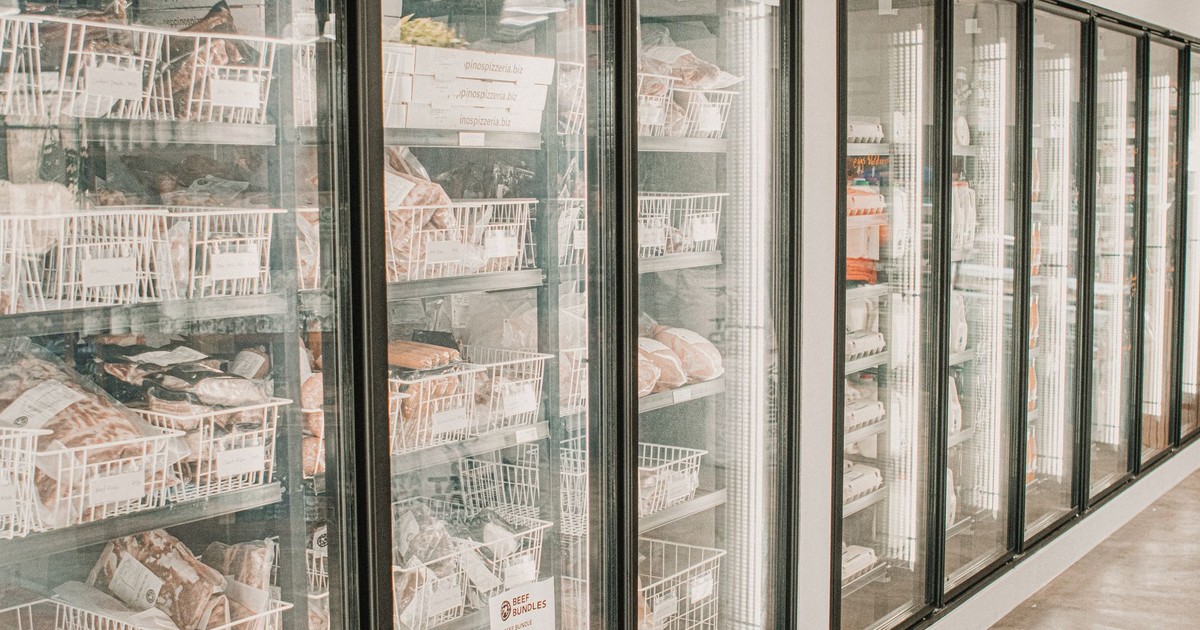

The steak you bought on Saturday looks fine on the surface. By Monday evening, food turns grey in the fridge, and you’re standing there trying to decide whether dinner is still happening or whether you’re ordering pizza.
Color is how we were taught to judge meat. Red means fresh. Grey means throw it out. That logic feels intuitive, but it’s frequently wrong. Understanding why can save you money, reduce food waste, and keep you from making the wrong call in either direction.
Grey food in the fridge is sometimes harmless chemistry. Sometimes it’s a legitimate warning. And sometimes the really dangerous stuff shows no color change at all.
What the Color of Meat Really Tells You
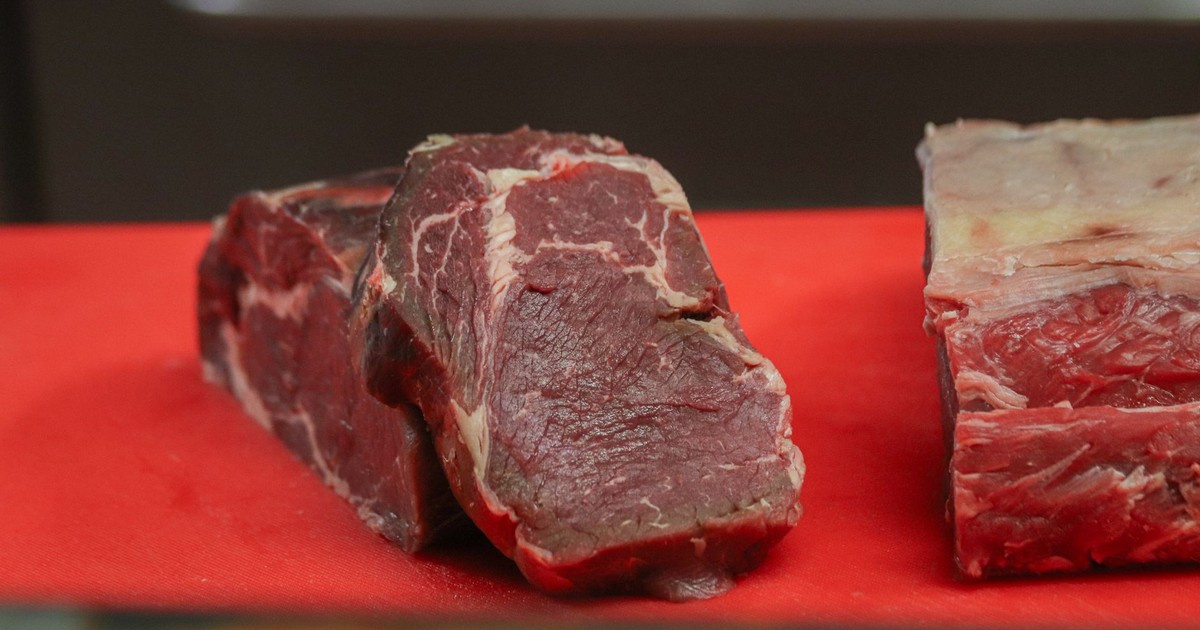
Myoglobin is a protein found in muscle tissue, and it’s responsible for the red or pink color in fresh meat because it binds to oxygen, creating that bright red hue. When you buy a steak and it looks like it came off a butcher’s block that morning, that’s myoglobin doing its job.
Myoglobin exists in three distinct chemical forms: oxymyoglobin, which is bright red; metmyoglobin, which is brown; and deoxymyoglobin, which is a purplish pink. The form it takes depends almost entirely on how much oxygen the meat has been exposed to, and for how long.
Over time, the presence of oxygen eventually turns meat to a greyish-brown color, due to the continued oxidation of the myoglobin into metmyoglobin. This is purely a chemical reaction. It says nothing, on its own, about whether bacteria are present or whether the meat is safe to eat.
The darkening is due to oxidation, the chemical changes in myoglobin due to oxygen content, and this is a normal change during refrigerator storage, according to the USDA Food Safety and Inspection Service. A steak that turns grey after a couple of days in your fridge has not necessarily spoiled. It has simply been sitting in air.
Why Ground Beef Goes Grey Faster
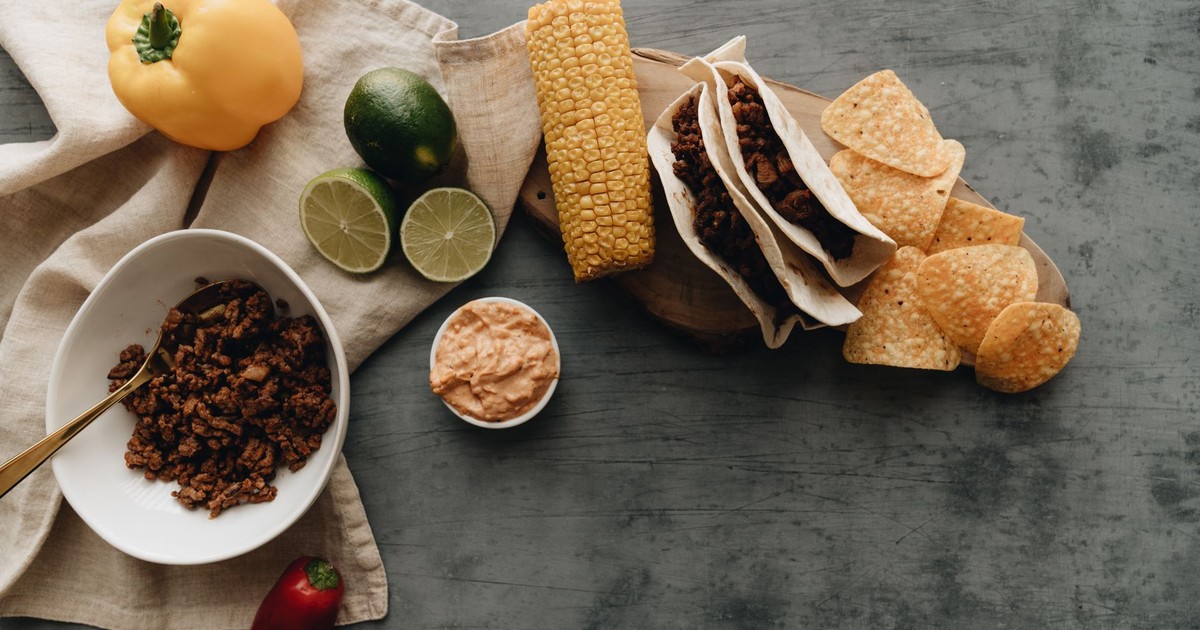
Not all cuts are equal when it comes to how fast food turns grey in the fridge. The New South Wales Food Authority notes that a larger surface area means minced meat is more likely to turn gray than whole cuts. When beef is ground, every particle of muscle is exposed to oxygen. A whole steak has one surface. Ground beef has millions of tiny exposed surfaces, which is why a package of mince can look grey by the following day while a roast sits pink for three or four.
The center of ground beef often looks greyish-brown or even purplish right out of the package. The interior hasn’t been exposed to air, so the myoglobin stays in its unoxygenated state. Once you break the meat apart and expose it to oxygen, it will redden within about 15 minutes. This is completely normal and safe.
Steaks with more marbling, that is, intramuscular fat, may retain their color longer because the fat protects the myoglobin to some extent. A leaner cut will grey faster, everything else being equal, which doesn’t make the marbled one safer or the lean one spoiled.
A steak can develop grey spots in your refrigerator after just three to four days. If you’re within a reasonable storage window, the color alone tells you almost nothing.
The Vacuum Pack Paradox

If you’ve ever opened a vacuum-sealed package of beef and found the meat an odd purplish color rather than red, you’ve encountered a different part of the same chemistry. Vacuum sealing removes oxygen, so the steak may appear darker, almost purplish-red, when you open the package. This is normal and doesn’t indicate spoilage.
The steak should “bloom” to a brighter red color within 15 to 30 minutes of exposure to air. If it does, all is well. If it doesn’t, or if it smells sour or feels tacky, that’s when you pay attention.
Modified atmosphere packaging, which alters the gas mix inside sealed trays, is widely used to keep meat looking red on the shelf longer than it naturally would. The vivid red you see in a grocery display case isn’t always a sign of superior freshness.
When Grey Is Actually a Problem
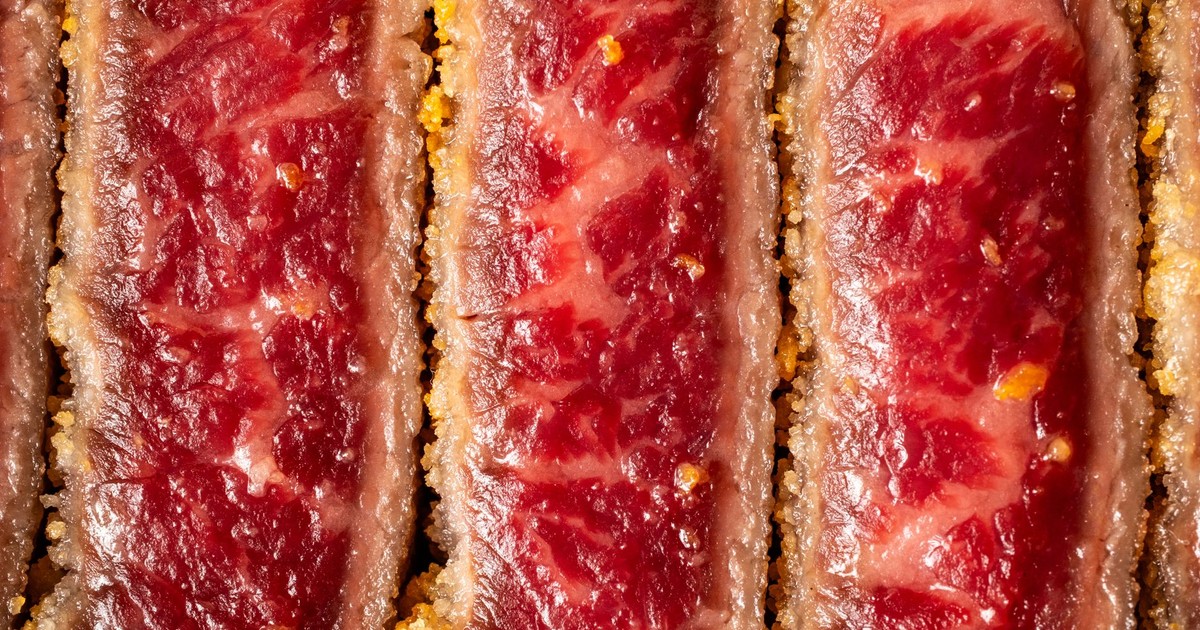
A change in color alone does not mean the product is spoiled, and color changes are normal for fresh product. With spoilage there can be a change in color, often a fading or darkening, but in addition to the color change, the meat or poultry will have an off odor, be sticky or tacky to the touch, or may be slimy, and if meat has developed these characteristics, it should not be used.
The three-part check is this: color, smell, and texture. Grey color by itself doesn’t disqualify the meat. Grey color plus a sour or ammonia-like smell is a clear sign to discard it. Fresh ground beef should smell neutral, with a light iron aroma, and will take on a slight odor if it’s been in the package for a while and is close to reaching its expiration date, but if the smell is strong enough to make you wrinkle your nose, it’s time to toss it.
Texture is the third signal. Fresh ground beef is firm and springs back easily when you poke it. A slimy surface, one that feels like the meat has a coating, is a reliable sign of bacterial spoilage.
The timeline matters at least as much as the appearance. According to federal food safety guidelines, raw ground meat and poultry should be cooked or frozen within one to two days of purchase, while steaks, chops, and roasts last three to five days in the refrigerator. These timelines assume your fridge is set at 40°F (4°C) or below. A grey steak on day two is almost certainly fine. A grey steak on day six needs to be questioned regardless of whether it looks dramatic.
While heat kills most live bacteria, some organisms produce toxins that survive high cooking temperatures. Staphylococcus and Bacillus cereus, for example, create heat-stable toxins that no amount of cooking will destroy. Cooking a genuinely spoiled piece of meat thoroughly does not make it safe. The bacteria that produce those toxins may be long dead, but the toxins they left behind are not.
Fruit and Vegetables: A Different Kind of Grey

Meat isn’t the only food that turns grey in the fridge. Produce has its own discoloration story, and the underlying causes are different enough to be worth separating out.
With fruit and vegetables, according to Michigan State University Extension, as bacteria grow, they produce waste products that cause changes in appearance, texture, taste, and smell. Foods may have an odd smell or even a rancid odor, discoloration can occur, and fruits and vegetables may turn brown, green, or grey. A noticeable slimy texture on foods such as lettuce indicates food decay.
For produce, grey is more often a sign of active microbial activity than chemistry. Grey mold rot, caused by Botrytis cinerea, produces a fuzzy grey growth on berries and soft fruits and is a common cause of the grey patches that appear on strawberries or raspberries after a few days in the fridge. Unlike the myoglobin-driven greyness in meat, this kind of grey is a genuine spoilage indicator and the affected fruit should be discarded, though unaffected fruit nearby in the same container may still be fine.
Additional moisture in your refrigerator can further contribute to food spoilage, such as from condensation in plastic containers and plastic storage bags. This is why a damp bag of spinach or pre-washed salad leaves goes grey and slimy much faster than leaves that were stored dry. The moisture creates exactly the environment spoilage bacteria need to multiply.
You can head this off with a simple habit. Michigan State University Extension recommends that consumers monitor the moisture of their fresh produce in the refrigerator and use a paper towel to wipe away visual dampness from produce after purchase, before placing fruits and vegetables in the refrigerator. Lining produce containers with a dry paper towel serves the same purpose and extends the life of leafy greens significantly.
How to Store Meat So It Stays Brighter Longer

Store meat in the coldest part of the refrigerator, usually the back, at 0 to 4°C (32 to 39°F). The door and the front of the middle shelf are both warmer zones and will accelerate both oxidation and bacterial growth. If you’re not using the meat within two days, freeze it. Vacuum-sealing reduces oxygen exposure and helps retain both color and flavor, and vacuum-sealed meat lasts longer in both the fridge and the freezer.
For the freezer specifically, color changes are minimized by using freezer-type wrapping and by expelling as much air as possible from the package. Color changes in frozen meat and poultry occur just as they do in the refrigerator, and fading and darkening do not affect their safety.
Freezer burn is a slightly different matter. The white dried patches indicate freezer burn, which occurs when meat and poultry have been frozen for an extended period or have not been wrapped and sealed properly. The product remains safe to eat, but the areas with freezer burn will be dried out and tasteless and can be trimmed away.
For ground beef specifically, the safe storage window in the fridge is short. Unlike a whole steak or roast, ground meat has an enormous amount of surface area where bacteria can multiply, and the grinding process itself distributes any surface bacteria throughout the entire batch. That’s why the safe window for raw ground beef is one to two days from purchase, not the three to five days you’d give a whole cut. When in doubt, freeze it the day you buy it and thaw it the night before you need it.
The Honest Answer About Grey Food

Grey meat that smells fine, feels firm, and has been refrigerated within its safe window is almost certainly safe to eat. Grey meat that smells off, feels slimy, or has been sitting for six days is not. Cooking the latter won’t fix it.
Color is not a reliable proxy for safety, and treating it as one leads people to throw out food that’s perfectly fine, or to feel falsely reassured about food that’s actually gone bad. The bacteria that make you genuinely sick, things like E. coli O157:H7, don’t announce themselves with grey patches. They’re invisible. Neither you nor meat market employees can see, smell, or taste dangerous bacteria. The three-part check of color, smell, and texture is a useful screening tool, but it’s not infallible, and the best protection is following storage timelines.
Grey produce is more often a real spoilage signal than grey meat, but even there, context matters. A few grey-edged strawberries in a punnet don’t mean the whole punnet is gone. A container of raspberries covered in fuzzy grey mold does.
It comes down to two habits: check the smell and texture, not just the color, and follow the storage timelines rather than guessing by eye. Those two things together will get you the right answer almost every time.
Disclaimer: This information is not intended to be a substitute for professional medical advice, diagnosis, or treatment and is for information only. Always seek the advice of your physician or another qualified health provider with any questions about your medical condition and/or current medication. Do not disregard professional medical advice or delay seeking advice or treatment because of something you have read here.
AI Disclaimer: This article was created with the assistance of AI tools and reviewed by a human editor.