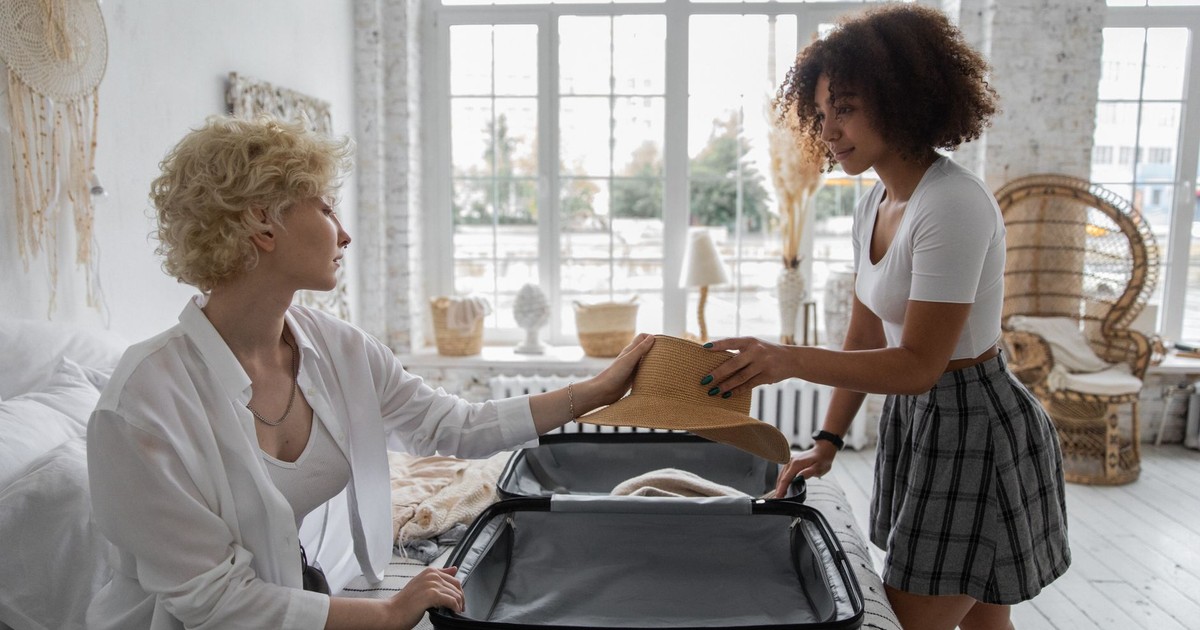

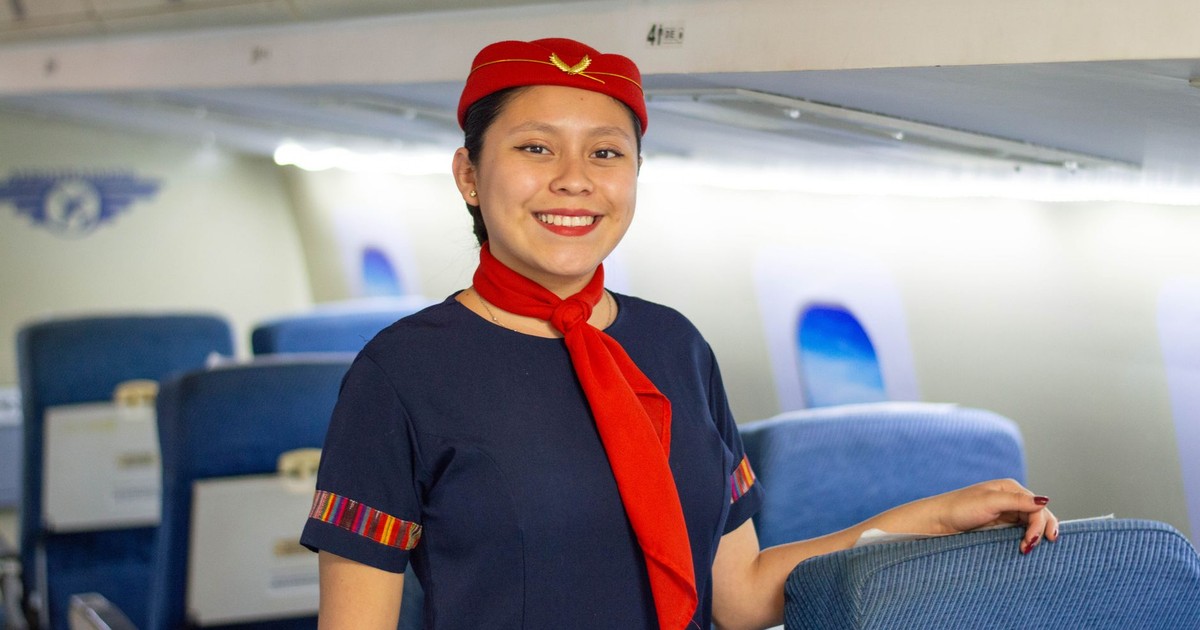
People who fly for a living pack differently than the rest of us. Not because they have access to magic luggage or secret airline perks, but because they have done it wrong enough times to know exactly what matters. A flight attendant who works three international rotations a week cannot afford to check a bag, forget a jacket, or arrive somewhere with swollen ankles and a splitting headache. The bag gets packed in under twenty minutes. The flight feels manageable, even after hour nine.
The rest of us, by contrast, spend forty-five minutes at the departure gate rearranging our carry-on so it’ll fit in the overhead bin, then wonder why we feel exhausted before the plane even pushes back from the gate. Flight attendant packing tips aren’t just a clever shortcut. They’re the product of years of trial and error at 35,000 feet, from people whose job literally depends on being prepared for anything.
Here are nine of the best.
1. Only Ever Fly Carry-On

Flight attendants almost universally travel carry-on only. Rising baggage fees, cancelled flights, and misdirected luggage are real hazards of modern air travel, and experienced travel pros use carry-on luggage specifically to minimize those risks, save money, and ensure their bags arrive where they do.
The shift in mindset required is significant. Most people pack for every possible scenario: the formal dinner that might happen, the gym session they probably won’t take, the extra shoes for an occasion that doesn’t exist yet. Flight attendants pack for what they will actually do. A week’s worth of clothes built around three or four neutral base pieces, all of which work together, takes up less space than most people’s shoes. The rule of thumb worth stealing: lay out everything you think you need, then put half of it back.
When you carry-on only, you always know where your bag is. It’s in the overhead bin, or it’s with you. That peace of mind, after a delayed connection or a gate change, is worth more than any extra outfit.
2. Use Packing Cubes Like Drawers, Not Just Organizers
Packing cubes are everywhere now, but most people use them as a vague organizational gesture rather than a system. Flight attendants use them the way you’d use actual drawers: one for tops, one for bottoms, one for underwear and socks, one for anything that needs to be accessible quickly. Rather than arranging rolled items loosely across a bag and risking a mess, organize them in cubes that act like drawers and keep everything genuinely ordered.
The compression variety specifically earns its reputation. You can fit what feels like a week’s worth of clothes into a cube the size of a hardback book when everything is rolled tight and compressed. The added benefit is that repacking mid-trip, after a few days in a hotel, takes minutes rather than the usual frustrating reshuffle.
One underrated move: keep a dedicated cube for dirty laundry. Crew members do this on every trip. It means clean and worn clothes never get mixed up, and at the end of the trip, the laundry cube goes straight into the washing machine without any sorting.
3. Roll, Don’t Fold
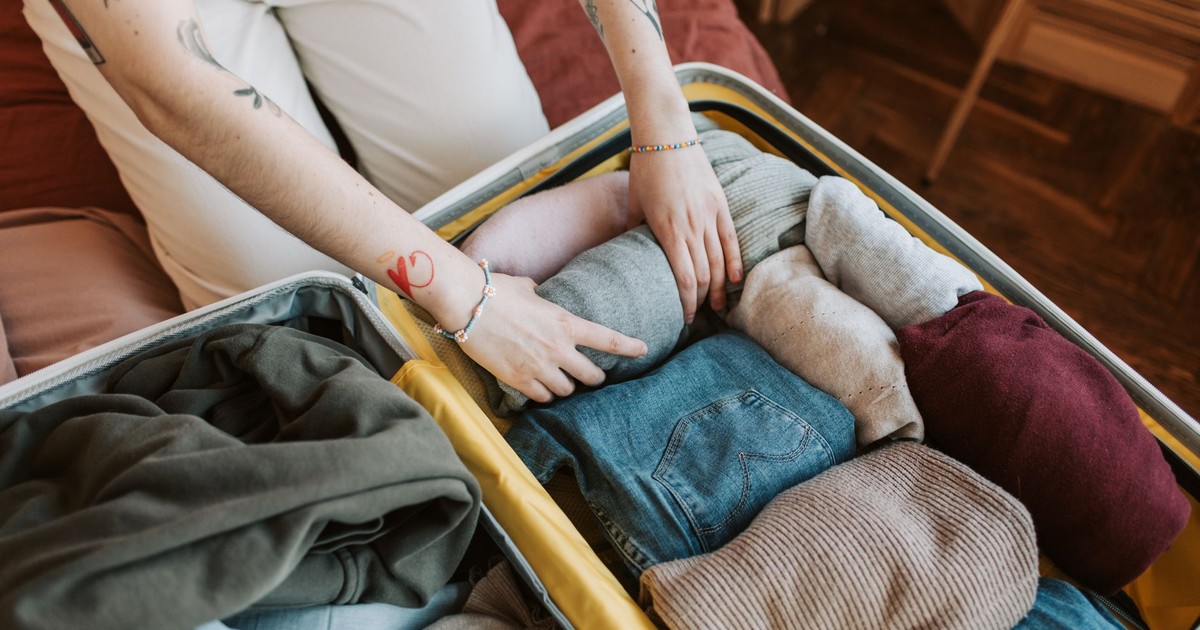
Rolling clothes saves space, reduces creasing on casual items, and makes the contents of a bag easier to scan at a glance. The visual difference between a bag packed with folded clothes (layered, invisible, requiring full unpacking to find anything) and one packed with rolled clothes (upright, visible, instantly accessible) is significant enough that most people who try it once don’t go back.
The technique works best when combined with a logical sequence. Heavier, bulkier rolls, jeans and sweaters, go in first along the base. Lighter items, t-shirts, underwear, socks, fill the gaps. Shoes, which should be packed with socks stuffed inside them to preserve their shape and use every cubic inch, go along the sides. The result is a bag that looks organized because it is organized, not because someone made a half-hearted attempt at it before grabbing an Uber to the airport.
A small tip worth stealing specifically from cabin crew: button shirts are the exception. Those are better folded flat along the bottom of the bag to avoid collar distortion, with a dry-cleaning bag around them if you want to arrive wrinkle-free.
4. Pack a Light Jacket, Always
Cabin temperature is one of the few things about flying that is genuinely beyond anyone’s control. Some flights run cold enough to warrant a blanket. Others are warm enough that you’ll be uncomfortable in a sweater. The airline blanket, on most carriers, is not something you want to think too hard about. Airplane cabins can be quite dry and temperature-unpredictable, which is why experienced cabin crew and frequent flyers never board without a layer they control.
The flight attendant version of this tip isn’t just “bring a coat.” It’s specifically about packing a jacket light enough to compress into almost nothing but warm enough to be genuinely useful. Ultra-light down jackets that stuff into their own pocket have become a staple recommendation from crew members who’ve spent years watching passengers shiver through red-eyes while their heavy parka sat in the hold. The same jacket that works in a cold cabin also works for a cool evening at the destination.
The dual-purpose principle is worth applying everywhere when packing. A scarf that doubles as a blanket on the plane. A cardigan that works at dinner. Every item that serves two functions is one less thing taking up space.
5. Always Keep Valuables in Your Carry-On
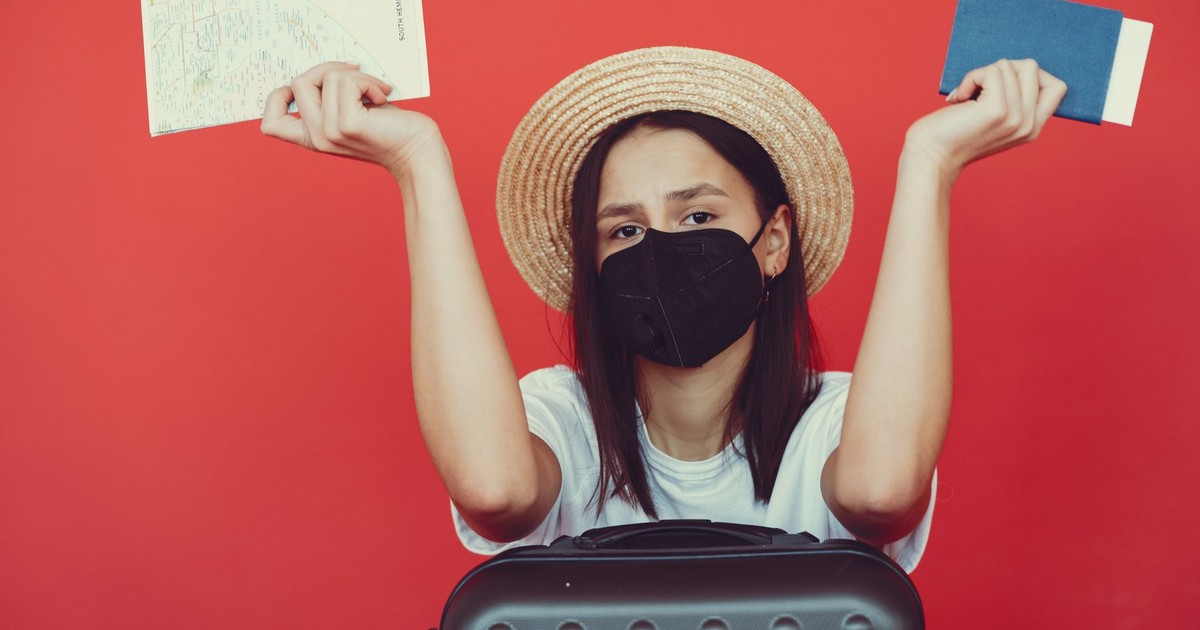
Checked bags get delayed, rerouted, and occasionally lost. When that happens, whatever is inside is inaccessible for hours or days. Flight attendants consistently advise keeping valuables in your carry-on at all times, including expensive items, jewelry, money, and personal documents, along with a change of clothes in case checked luggage is delayed.
The change of clothes point is the one most people skip and then regret at midnight in a hotel room with no luggage and a meeting the next morning. It doesn’t need to be a full outfit. A clean t-shirt, underwear, and a pair of socks takes up almost no space and covers the worst-case scenario.
The same logic applies to medications. Any prescription that you cannot easily replace at a destination pharmacy should travel in your personal item or carry-on, not your hold luggage. This is standard practice for crew who might find themselves in cities where their specific medication isn’t available. Passport copies, too, are worth keeping in both bags if you’re traveling internationally.
6. Wear Your Bulkiest Items on the Plane
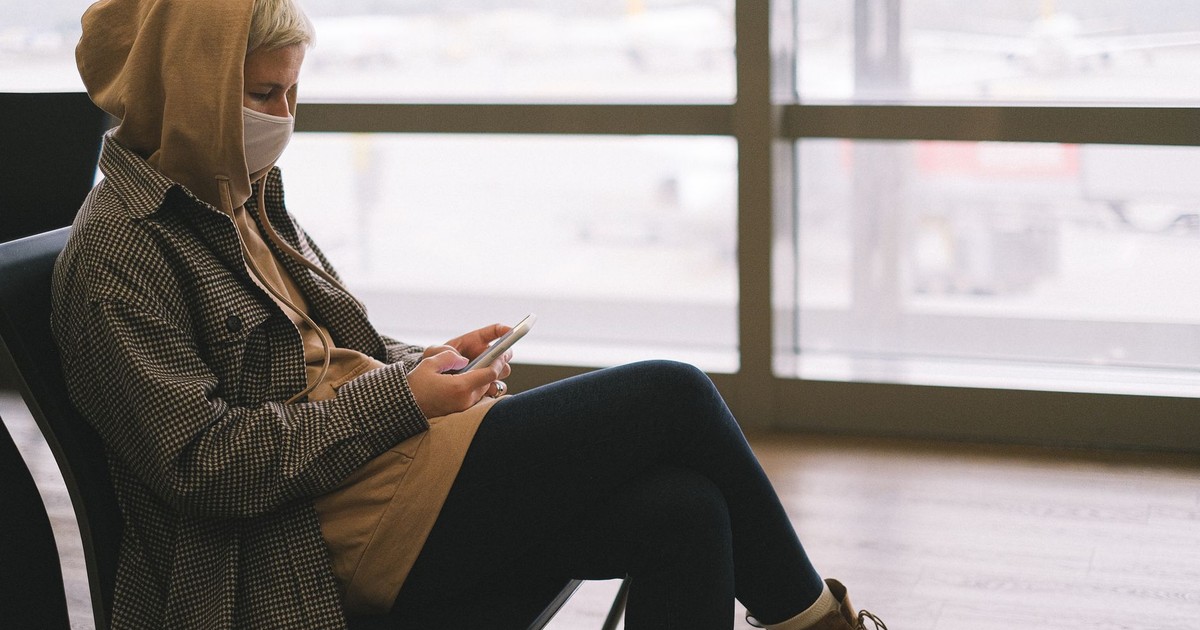
Boots, thick sweaters, heavy denim, and structured jackets all take up disproportionate space relative to how often you’ll actually wear them. The flight attendant solution is not to pack them. It’s to wear them through the airport. If you’re packing for a cold-weather journey and struggling to fit boots and a winter jacket, the move is to take them with you on the plane but not in your carry-on, wearing the bulkiest clothing while flying, which also helps with checked luggage weight limits and carry-on space limitations.
This feels counterintuitive at first because heavy boots and a parka are not comfortable airport-walking attire. The practical fix is to wear them to the gate, then slip off the boots and put on lighter shoes or socks once you’re in your seat. Most people do this anyway on long flights. The only difference is being intentional about it from the departure terminal rather than realizing at the gate that your bag won’t close.
The same principle applies to bulky accessories. A large scarf worn as a wrap through the airport can become a blanket on the plane, a layer at the destination, or a light cover on a cold hotel morning. It’s the single most versatile item in any travel wardrobe.
7. Pack Compression Socks
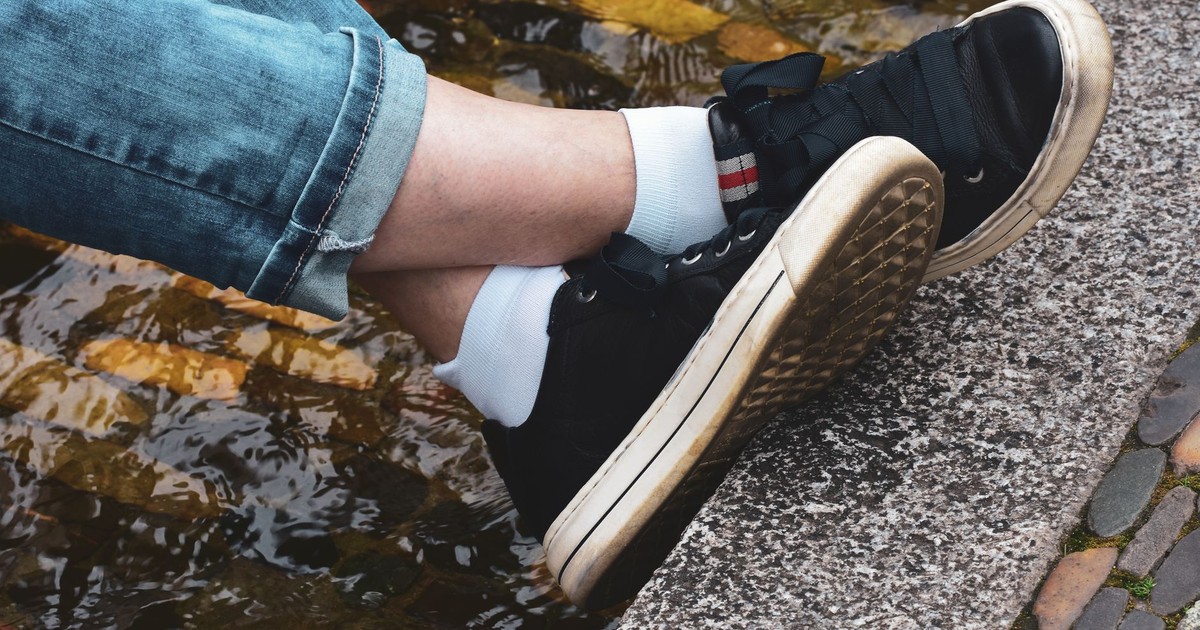
Nobody feels sophisticated putting on compression socks at the airport. By hour six of a long-haul flight, most people wish they had. Compression socks are not just a comfort item. They’re a medically sound preventative measure against deep vein thrombosis (a blood clot that can form in a deep vein) and leg swelling caused by prolonged sitting and reduced cabin pressure.
When choosing compression socks for a flight, look for a pressure rating of 15-20 mmHg (millimeters of mercury, the standard unit used to measure compression strength), which is the level considered ideal for travel, ensuring the fit is comfortable for extended wear. That specific range provides enough compression to keep blood moving without being restrictive to the point of discomfort. Flight attendants, who are on their feet through most of a flight rather than seated, have used them as a professional staple for years. Passengers sitting for six or more hours arguably need them just as much.
The CDC recommends getting up and walking once every two to three hours on long flights, and even flexing calf muscles and moving feet and ankles while seated can help keep blood flowing. Pairing that movement habit with compression socks is the combination that makes the actual difference in how your legs feel when you land.
8. Hydrate Before You Board, Not Just During

The water bottle you fill after security is a good instinct. Waiting until you’re thirsty on the plane is not. The extremely dry air in airplane cabins pulls moisture from the skin, respiratory system, and eyes, contributing to fatigue, headaches, and increased susceptibility to illness.
One approach recommended by experienced crew is to drink eight glasses before boarding and keep sipping throughout the flight. That pre-boarding hydration matters because by the time you feel thirsty at cruising altitude, you’re already running behind. Starting from a well-hydrated baseline changes the entire arc of how you feel on a long flight.
The reusable water bottle is now the single most consistent recommendation from flight attendants across the board. Fill it after security, ask for refills during the flight without hesitation, and skip the alcohol and excess caffeine if you’re on anything over three hours. Both dehydrate faster than usual at altitude.
9. Pack a Small, Intentional Travel Pharmacy
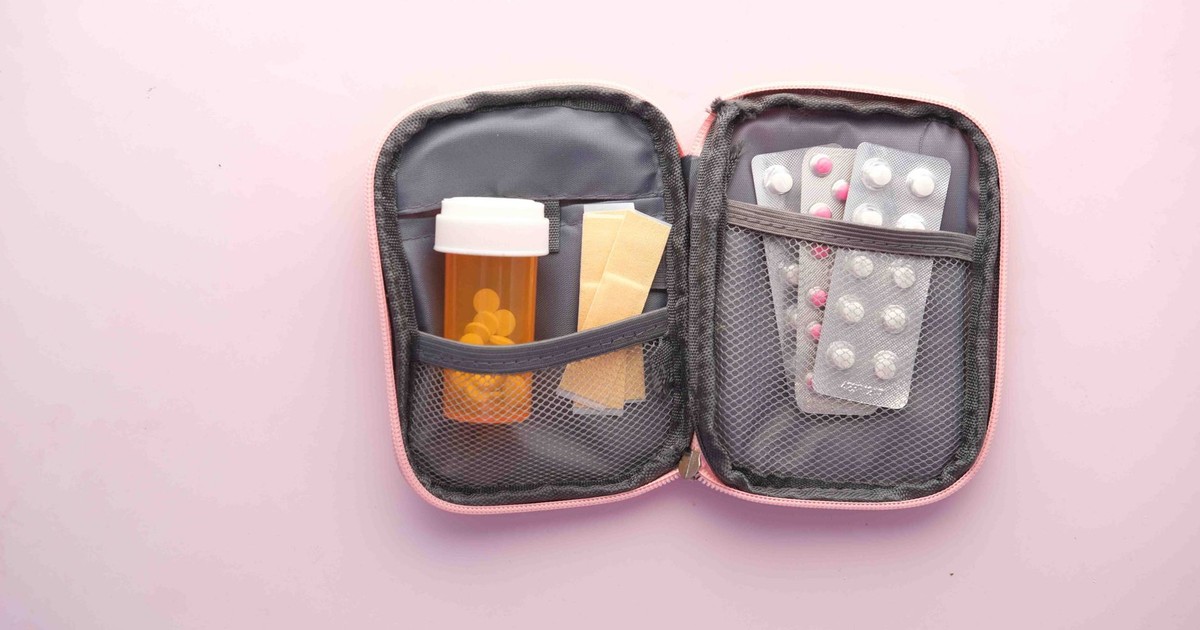
Flight attendants carry a compact personal kit of over-the-counter essentials because they know from experience that the alternative is trying to find a pharmacy in an unfamiliar city at 11pm with a headache and an early flight the next morning. Cabin crew are well-versed in handling minor health issues on the go, and a small personal kit covering common travel ailments like pain, allergies, and digestive upsets, alongside first-aid basics like band-aids and antiseptic wipes, helps address minor issues before they become disruptions.
The word “small” is doing a lot of work here. This isn’t a full first-aid kit. It’s a snack-size zip-lock bag containing ibuprofen, antihistamine, antacid tablets, a few band-aids, and whatever prescription medication you take regularly. That’s it. The kit fits in a pocket of your personal item and weighs almost nothing.
One addition that gets consistent mention from crew members who fly international routes: a small bottle of nasal saline spray. Cabin air dries out mucus membranes (the lining inside your nose and sinuses), which is part of why so many people catch colds after flying. A quick spray every few hours keeps those membranes from drying out completely and keeps your first line of defense against airborne bugs intact.
The Part Nobody Tells You
Flight attendants treat every item in their bag as something that has to earn its place. Not “would this be useful?” but “will I actually use this, or am I packing it because it might be useful and I’m nervous?”
The anxiety of forgetting something is what drives most overpacking. A bag stuffed with contingencies is really a bag stuffed with worry. What the best flight attendant packing tips share, underneath the specifics, is a confident relationship with the idea that you can handle whatever comes up with less than you think you need. That trust in yourself, more than any particular product or technique, is what makes their bags lighter than yours.
Pack less. Land better.
Disclaimer: This information is not intended to be a substitute for professional medical advice, diagnosis, or treatment and is for information only. Always seek the advice of your physician or another qualified health provider with any questions about your medical condition and/or current medication. Do not disregard professional medical advice or delay seeking advice or treatment because of something you have read here.
AI Disclaimer: This article was created with the assistance of AI tools and reviewed by a human editor.