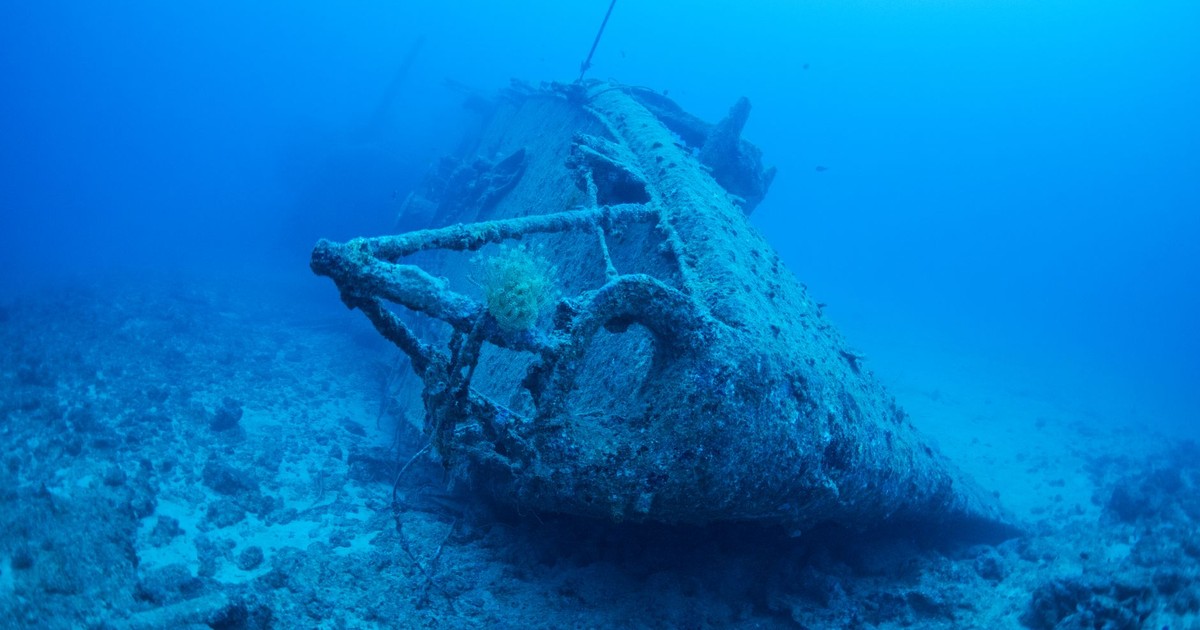

The ocean has always been indifferent. It accepts ships the way it accepts everything else: for a while, and then on its own terms. Some vessels leave marks so deep they’ve shaped the course of wars, trade, and entire civilizations. Others left the harbor one morning and were simply never seen again: no wreckage, no survivors, no explanation that holds together completely.
Seven changed the world. Seven were swallowed by it. All of them are worth knowing.
1. RMS Titanic: The Ship That Rewrote the Rules
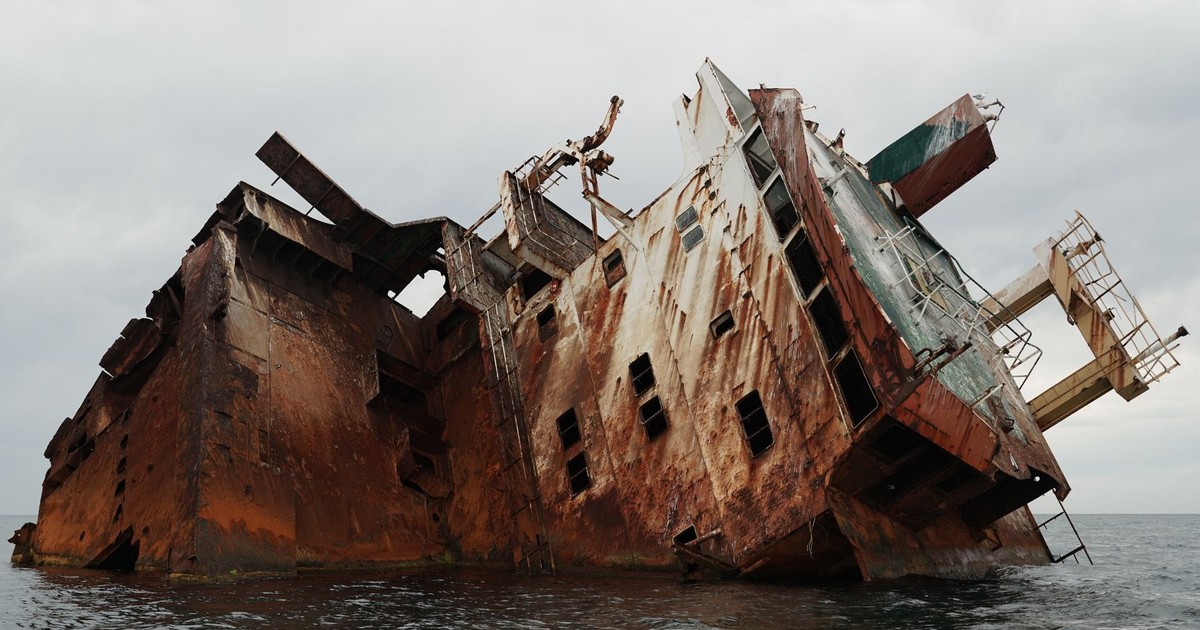
The RMS Titanic sank in the early hours of April 15, 1912, off the coast of Newfoundland in the North Atlantic after sideswiping an iceberg during its maiden voyage. Of the 2,240 passengers and crew on board, more than 1,500 lost their lives. Those numbers alone make it one of the deadliest peacetime maritime disasters in history.
Measuring 882 feet and 9 inches in length, the Titanic was the largest ship afloat at the time of her maiden voyage. The ship’s design included 16 watertight compartments, intended to keep it afloat even if up to four were breached. The iceberg tore through enough of them to make that design irrelevant. At first, most passengers did not believe the ship was really sinking. The first lifeboat launched with only 19 people aboard, though it could carry 65.
In 1985, the wreck was located by a joint mission between Woods Hole Oceanographic Institution and the French National Institute of Oceanography. Robert Ballard found the Titanic about 400 miles off the coast of Newfoundland, where the wreck lay roughly 12,600 feet below the ocean’s surface. During a 2024 expedition, a portion of her forward railing had fallen, forever changing the iconic view of the bow. Scientists estimate the wreck could be entirely gone within decades.
2. HMS Victory: Nelson’s Warship That Still Floats
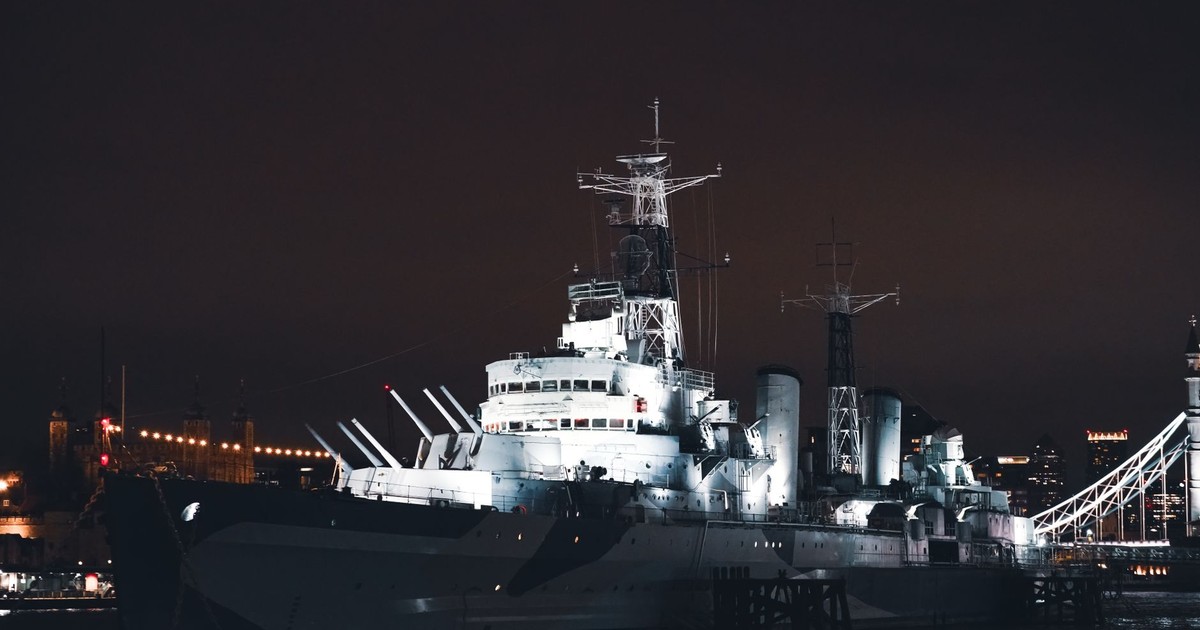
HMS Victory is the oldest commissioned warship in the world and the flagship of the First Sea Lord. She remains an active commission of the Royal Navy, despite being over 260 years old. Constructed from 1759 at Chatham Dockyards in Kent to a design by Sir Thomas Slade, the ship required 2,500 mature trees. Completed in May 1765, the three-masted ship was over 227 feet long and displaced 3,500 long tons.
Commissioned in 1759 and launched in 1765, HMS Victory was the flagship of Lord Horatio Nelson during the Battle of Trafalgar on October 21, 1805. This naval battle saw Nelson lead the British to victory against the French and Spanish, despite the British fleet of 27 ships being greatly outnumbered. The decisive victory confirmed the supremacy of the British navy. Nelson was shot and mortally wounded at the battle, living just long enough to learn that he had been successful.
Victory’s fortunes had gone into decline before Trafalgar, as her condition deteriorated. Serving as a hospital ship in 1797, she was slated to see out her days as a prison hulk. After the loss of HMS Impregnable in 1799, with war looming against France, the Admiralty brought Victory back into service. Today she sits at Portsmouth Historic Dockyard, still officially in service, still the most famous ships in history among wooden warships.
3. SS Edmund Fitzgerald: The Freighter That Never Should Have Gone Down
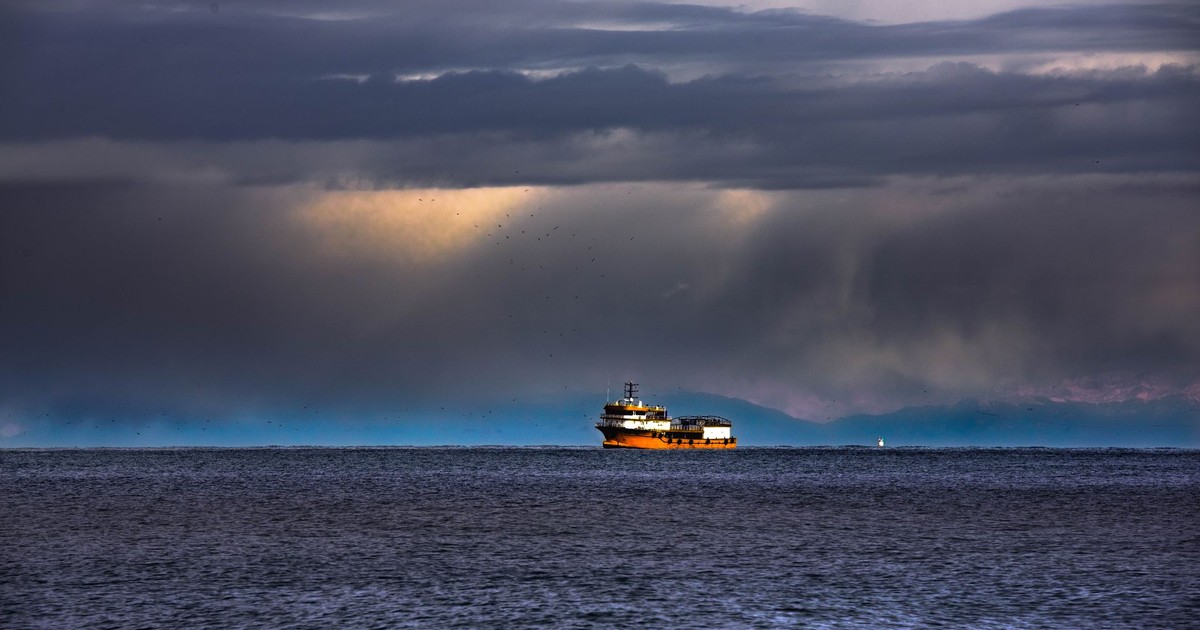
Named for the president of the insurance company that commissioned it, the Edmund Fitzgerald was the largest carrier on the Great Lakes when launched in 1958, hauling taconite pellets mined in Minnesota to Midwestern steel towns. By 1975 she had logged over a million miles, equivalent to 44 trips around the world. She was not some aging rustbucket.
On the afternoon of November 9, 1975, the SS Edmund Fitzgerald glided out of Superior, Wisconsin, loaded with 26,000 tons of taconite pellets bound for Detroit. Twenty-four hours later, she was gone. The 729-foot freighter sank in Lake Superior during a severe storm on November 10, 1975, claiming the lives of all 29 crew members on board.
What caused the SS Edmund Fitzgerald to sink remains a point of debate. Theories range from striking a shoal and suffering bottom damage, to flooding through the freighter’s hatch covers, to rogue waves, to structural flaws. The annual Edmund Fitzgerald memorial ceremony takes place on November 10 at the Great Lakes Shipwreck Museum at Whitefish Point, where the recovered and restored bell tolls 29 times, once for each member of the crew, and a 30th time for the estimated 30,000 mariners lost on the Great Lakes overall.
4. RMS Lusitania: The Sinking That Changed a War
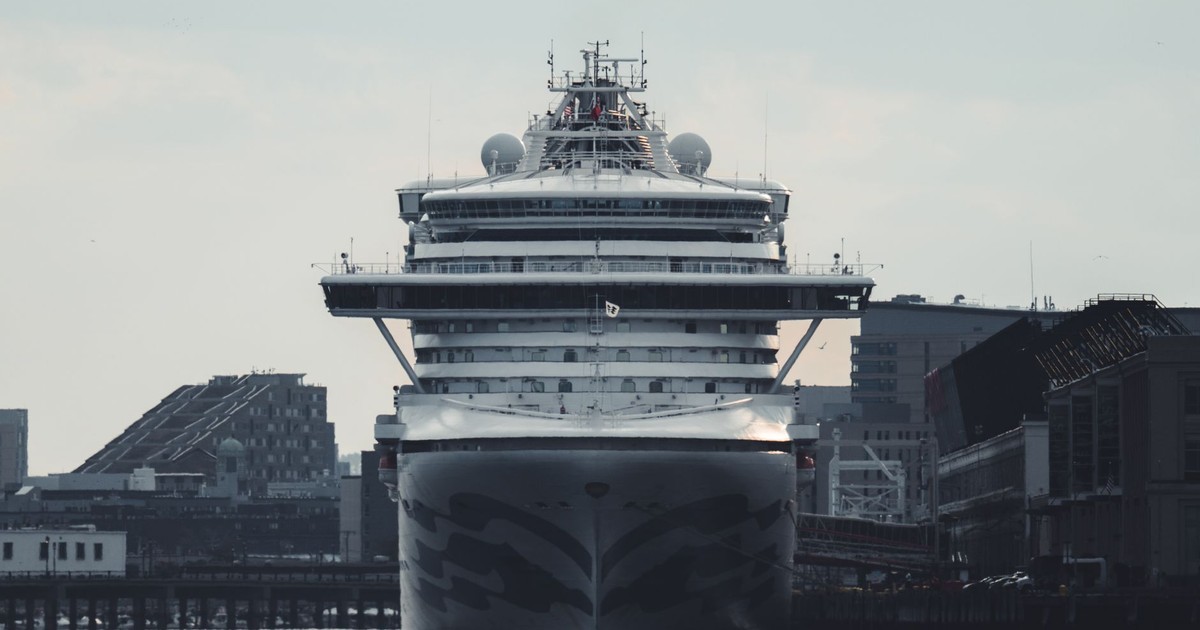
The RMS Lusitania was a British ocean liner that had broken transatlantic speed records and earned a devoted following among first-class travelers. On May 7, 1915, she was 11 miles off the southern coast of Ireland when a German U-boat’s torpedo struck her hull. She sank in just 18 minutes. Of the nearly 2,000 people aboard, 1,198 died, including 128 Americans, a death toll that became one of the most powerful pieces of propaganda used to draw the United States into World War I.
Germany had published warnings in American newspapers that ships entering the war zone around Britain did so at their own risk. The Cunard Line dismissed the threat. The British Admiralty, which had been informed of U-boat activity in the area, failed to reroute the ship or provide a naval escort. Five years after the sinking, a life jacket from the ship was found floating along a wharf at Philadelphia, Pennsylvania, thousands of miles from where a German U-boat had sent her down in 1915.
The Lusitania’s wreck lies 300 feet down off the Old Head of Kinsale and has been dived many times. The cargo manifests remain disputed, with some historians arguing she carried munitions that contributed to the speed of her sinking, a theory that various governments have officially denied, though never entirely laid to rest.
5. Santa María: Columbus’s Flagship That Ran Aground
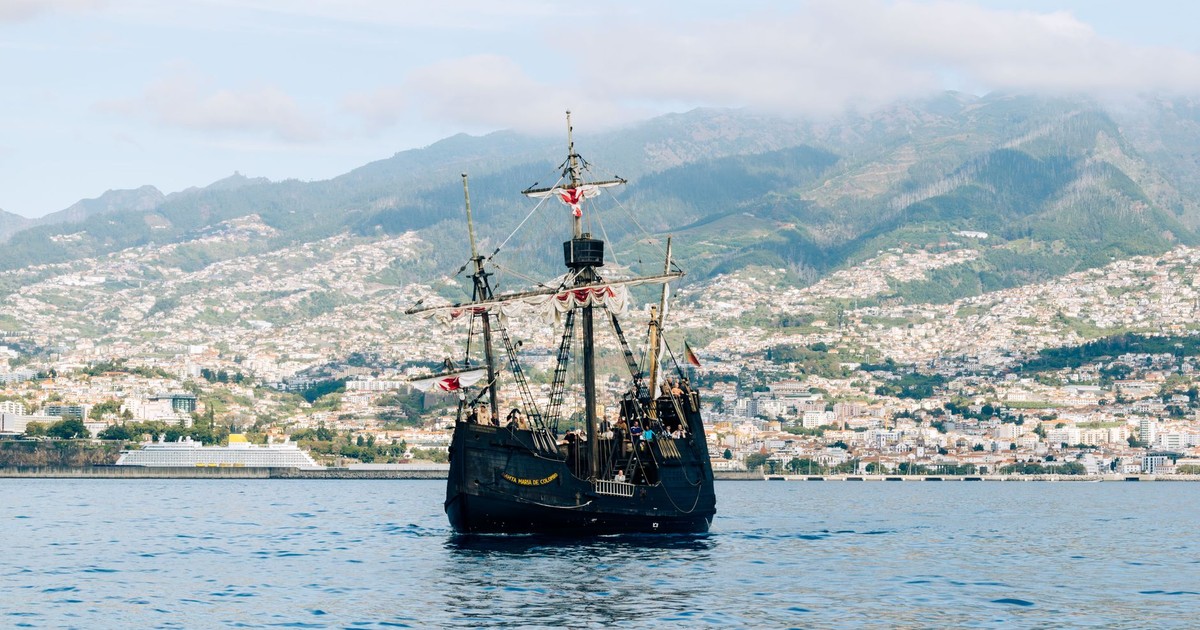
When Christopher Columbus first set sail for the Americas in 1492, he had a fleet of three ships: the Niña, the Pinta, and the Santa María. The Santa María was the largest and the slowest, a type of vessel called a nao, heavy and round-hulled, built more for cargo than speed. It never made it home. Columbus left an inexperienced cabin boy at the Santa María’s helm while he went to bed, and the boy ran the ship into difficulty, clipping a coral reef off the coast of present-day Haiti on Christmas Day, 1492.
Columbus used the ship’s timber to build a small fort called La Navidad, the first European settlement in the Americas. Then he sailed back to Spain on the Niña, leaving 39 men behind. When he returned the following year, the fort had been burned and all 39 men were dead. The Santa María had disappeared entirely, buried under the seafloor and centuries of sediment.
The wreck got a brief moment of renewed attention in 2014, when marine archaeologist Barry Clifford claimed he had discovered the legendary ship. However, this was later disproved by UNESCO, who found the remains to be from a far more modern vessel. The Santa María’s precise resting place is still unknown, making Columbus’s flagship both a founding artifact of the modern world and one of the sea’s most persistent missing ships.
6. Mary Celeste: The Ghost Ship With No Answers
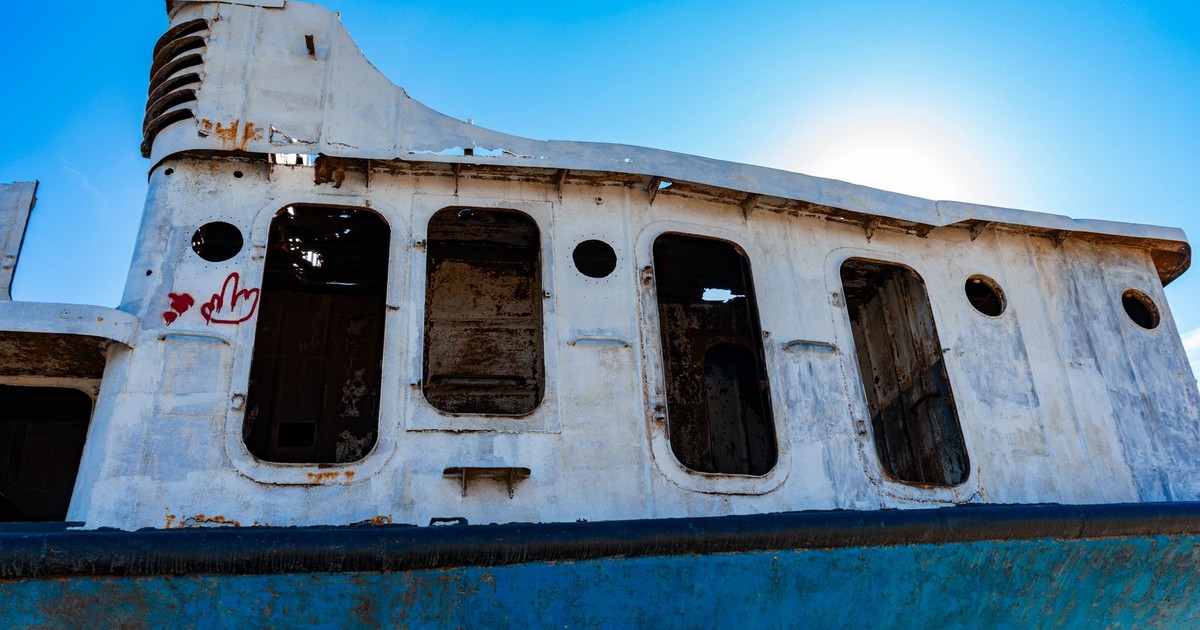
On November 7, 1872, the 282-ton brigantine Mary Celeste set sail from New York Harbor on its way to Genoa, Italy. On board were the ship’s captain, Benjamin S. Briggs, his wife, Sarah, and their 2-year-old daughter, Sophia, along with eight crew members. Less than a month later, on December 5, a passing British ship called Dei Gratia spotted the Mary Celeste at full sail and adrift about 400 miles east of the Azores, with no sign of the captain, his family, or any of the crew.
Aside from several feet of water in the hold and a missing lifeboat, the ship was undamaged and loaded with six months’ worth of food and water. The captain of the Dei Gratia, David Morehouse, happened to know the Mary Celeste’s captain personally. The last entry in the ship’s log was dated November 25. A likely scenario suggests that Captain Briggs may have mistakenly thought the ship was sinking. A faulty sounding rod reading and a malfunctioning pump could have led him to abandon ship.
The disappearance of the Mary Celeste’s crew remains one of the sea’s greatest mysteries. The ship herself was sold, changed hands several times, and eventually deliberately wrecked in 1885 by a captain attempting insurance fraud. She found the seafloor on purpose, while the mystery of her crew has never found resolution.
7. HMS Erebus and HMS Terror: The Arctic’s Most Famous Victims
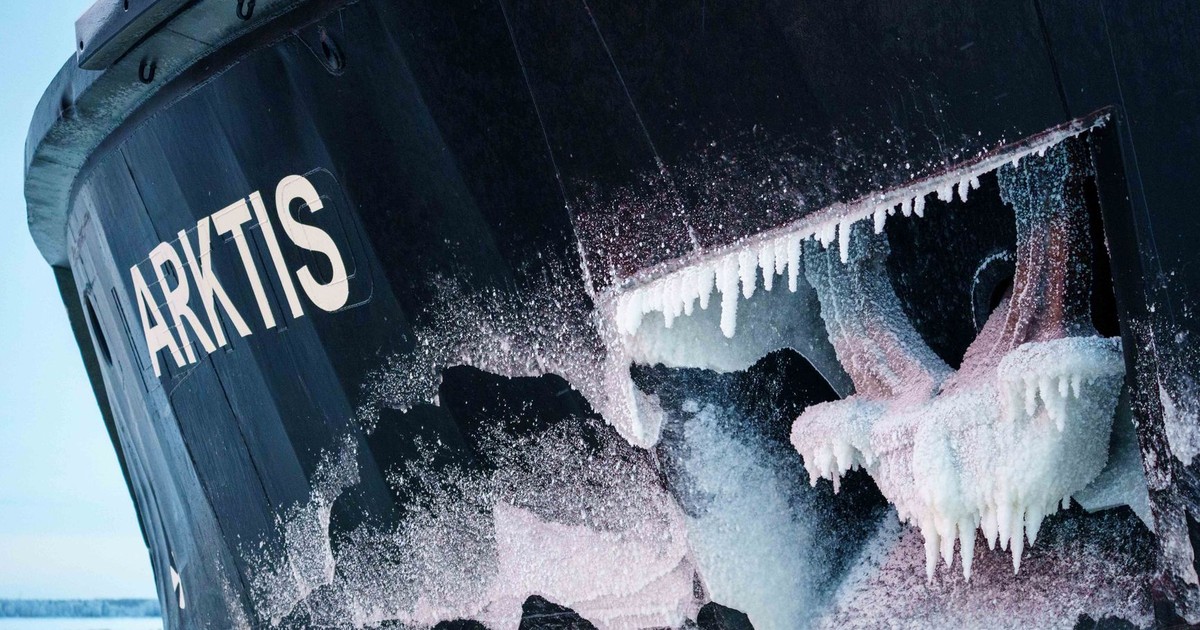
In May 1845, two of the most technologically advanced ships in the British Royal Navy left the Thames bound for the Canadian Arctic. Their mission was to find the Northwest Passage, the legendary northern sea route connecting the Atlantic and Pacific. Their commander was Sir John Franklin, a veteran explorer. Neither ship was ever seen by the outside world again.
The disappearance of the Franklin expedition resulted in the loss of both HMS Erebus and HMS Terror in the Canadian Arctic. In 1850, the British government offered a reward of £10,000, close to $3 million in today’s Canadian currency, for information leading to the discovery of the lost ships and their crew of 129 men. The men eventually abandoned the ice-locked ships in April 1848 and attempted to walk south. All of them died. Subsequent searches turned up bones, personal items, and evidence of cannibalism in the final desperate weeks.
The wreck site of HMS Erebus was located in 2014, while the site of HMS Terror was identified in 2016, both with the help of Inuit oral history. Both were exactly where the Inuit had said they would be. The discoveries confirmed that the ships had drifted much further south than originally believed. The 2014 discovery of HMS Erebus was the culmination of over 160 years of Inuit oral tradition that finally guided researchers to the resting place of one of history’s most celebrated lost ships. The Franklin expedition remains the most famous vanished voyage in the history of Arctic exploration, and one of the few missing-ship mysteries that finally yielded its ships back, if not its full answers.
8. USS Monitor: The Ironclad That Reinvented Naval Warfare
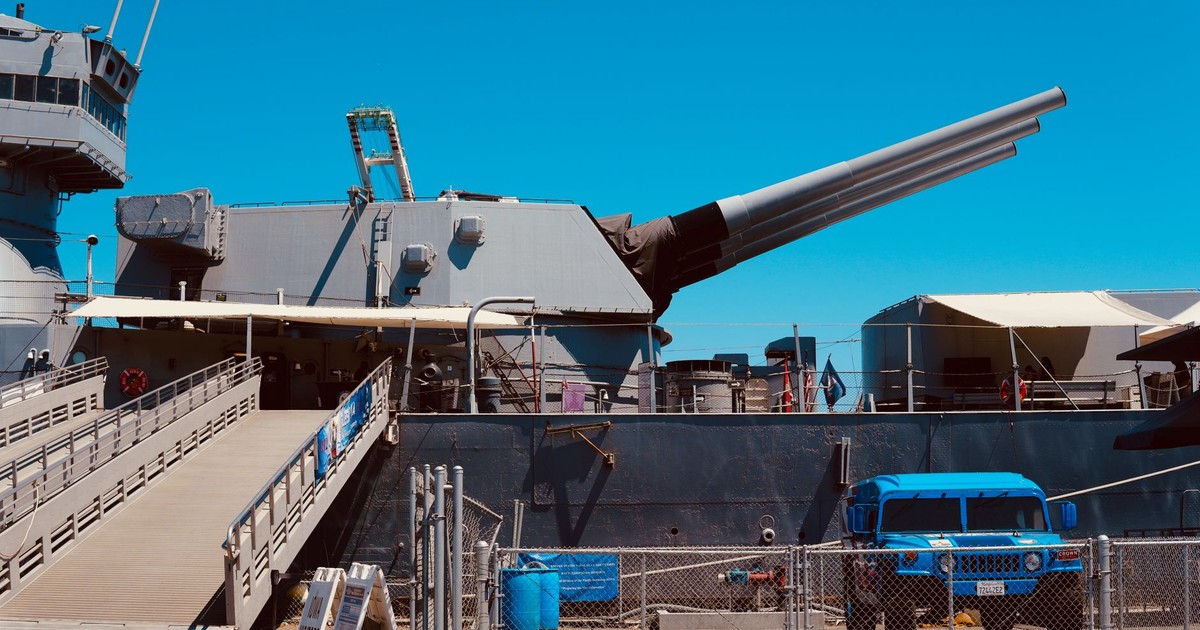
On March 9, 1862, a strange-looking vessel with a round revolving turret and a nearly flat deck fought a Confederate ironclad called the CSS Virginia to a draw in the waters off Hampton Roads, Virginia. The battle lasted four hours and ended inconclusively, but it made every wooden warship in the world instantly obsolete. The USS Monitor had just introduced the age of the ironclad navy.
The Monitor’s design was radically different from anything that had come before. Her inventor, John Ericsson, built her in just 101 days in response to Confederate plans for the Virginia. She sat so low in the water that waves regularly washed over her deck, and her single rotating gun turret could fire in any direction without repositioning the whole ship. She carried just two guns, against the Virginia’s 10, but her armor made her nearly impervious to the rounds her opponent fired.
The Monitor never fought again after Hampton Roads. On December 31, 1862, she sank in a storm off Cape Hatteras, North Carolina, taking 16 of her 62-man crew with her. Her wreck was located in 1973, and significant portions, including her iconic rotating turret, have since been recovered and are now on display at the Mariners’ Museum in Newport News, Virginia, where ongoing conservation of the artifacts continues today.
9. USS Cyclops: The Navy’s Biggest Unanswered Question
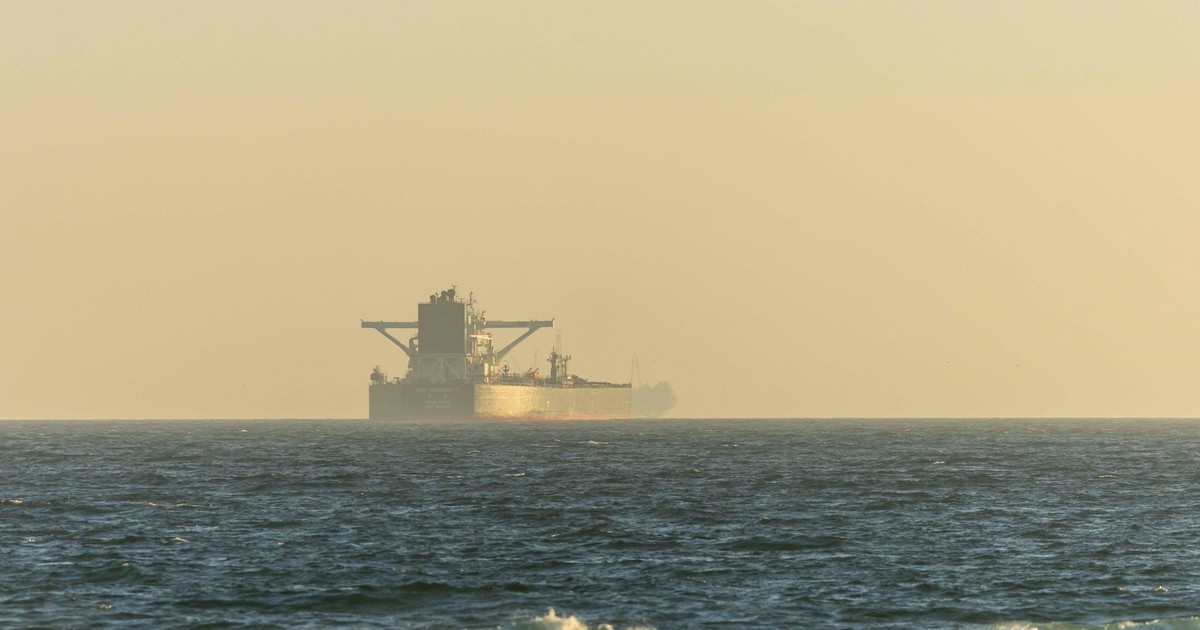
In March 1918, the USS Cyclops, with 306 crew members, went missing while sailing from Barbados to Baltimore. At 542 feet in length, it was a massive Navy vessel, and it vanished without sending a distress signal or leaving any wreckage behind.
The USS Cyclops was launched in 1910 and commissioned in 1917 to fuel American Navy ships during World War I. She was carrying a cargo of manganese ore when she departed Barbados on March 4, 1918, and simply ceased to exist. No SOS. No floating debris. No bodies. It remains the single largest loss of life in U.S. Naval history not directly involving combat.
After the disappearance, the Office of Naval Intelligence took a closer look at the ship’s controversial captain, discovering that his real name was Johan Frederick Wichmann, born near Hanover, Germany, who had entered the USA by jumping ship in 1878. Whether he handed the vessel to German forces, or whether the sea simply took her on its own terms, no one has ever been able to say.
10. Flor de la Mar: The Lost Treasure Ship
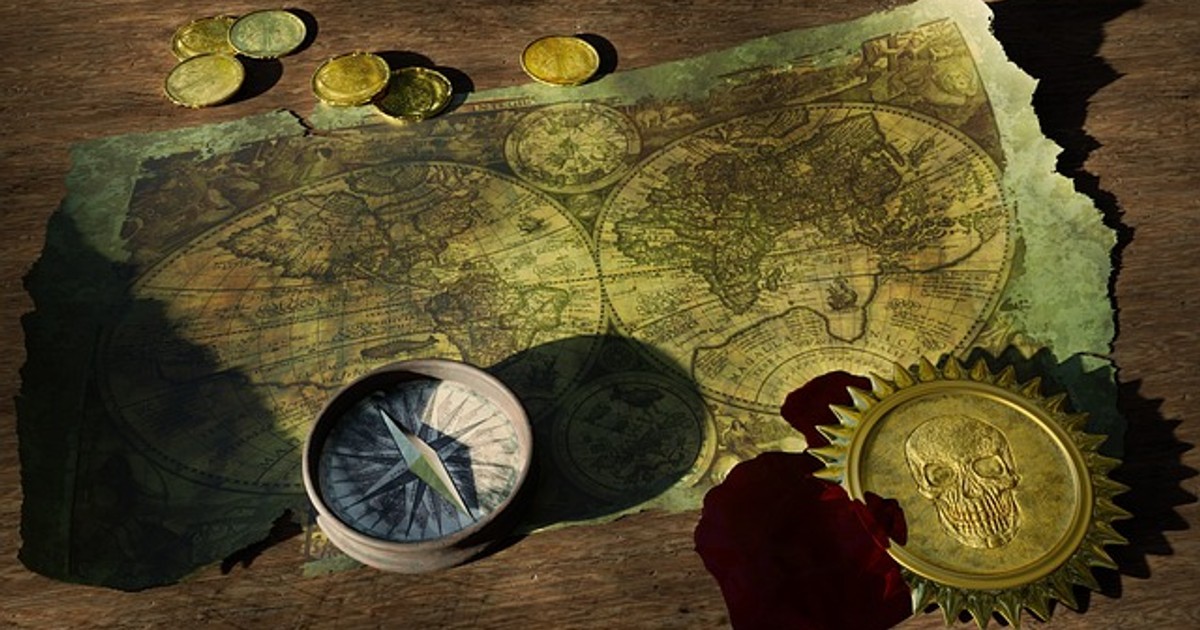
Flor de la Mar was a 16th-century carrack used in the Portuguese conquests of Goa in India and Malacca in modern-day Malaysia. She is one of the most fabled lost ships in the world.
She was built in Lisbon in 1502 and spent a decade in service across the Indian Ocean, participating in some of the most significant Portuguese military campaigns in Asia. By 1511, she was aging, leaking, and badly overloaded with the spoils of the conquest of Malacca: gold, jewels, elephants, and the personal treasury of the Sultan. Her captain, Afonso de Albuquerque, was warned the ship was not seaworthy enough for such a load. He sailed anyway.
She went down in a storm in the Strait of Malacca in November 1511. Albuquerque survived. The treasure sank with the ship. For over five centuries, multiple salvage expeditions have tried to locate the wreck, so far without success. The governments of Indonesia, Malaysia, and Portugal have all at various times staked claims to the cargo, should it ever be found.
11. RMS Queen Mary: The Ship That Ran a War
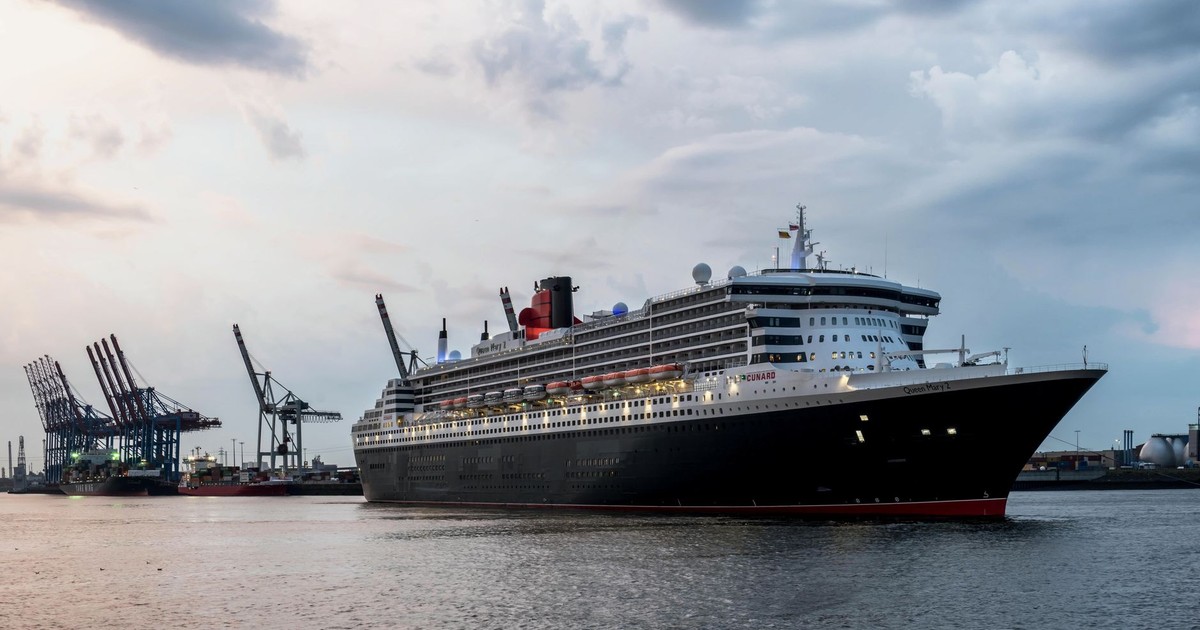
The Queen Mary is famous today as a hotel permanently docked in Long Beach, California. What most people walking her decks don’t realize is that she was arguably as important to the Allied victory in World War II as any single military vessel. Launched by Cunard in 1936, she was at the time one of the largest and fastest ocean liners ever built.
When the war began, the British government requisitioned her and stripped her of her first-class trimmings. She was repainted a dull grey, earning the nickname
Disclaimer: This information is not intended to be a substitute for professional medical advice, diagnosis, or treatment and is for information only. Always seek the advice of your physician or another qualified health provider with any questions about your medical condition and/or current medication. Do not disregard professional medical advice or delay seeking advice or treatment because of something you have read here.
AI Disclaimer: This article was created with the assistance of AI tools and reviewed by a human editor.