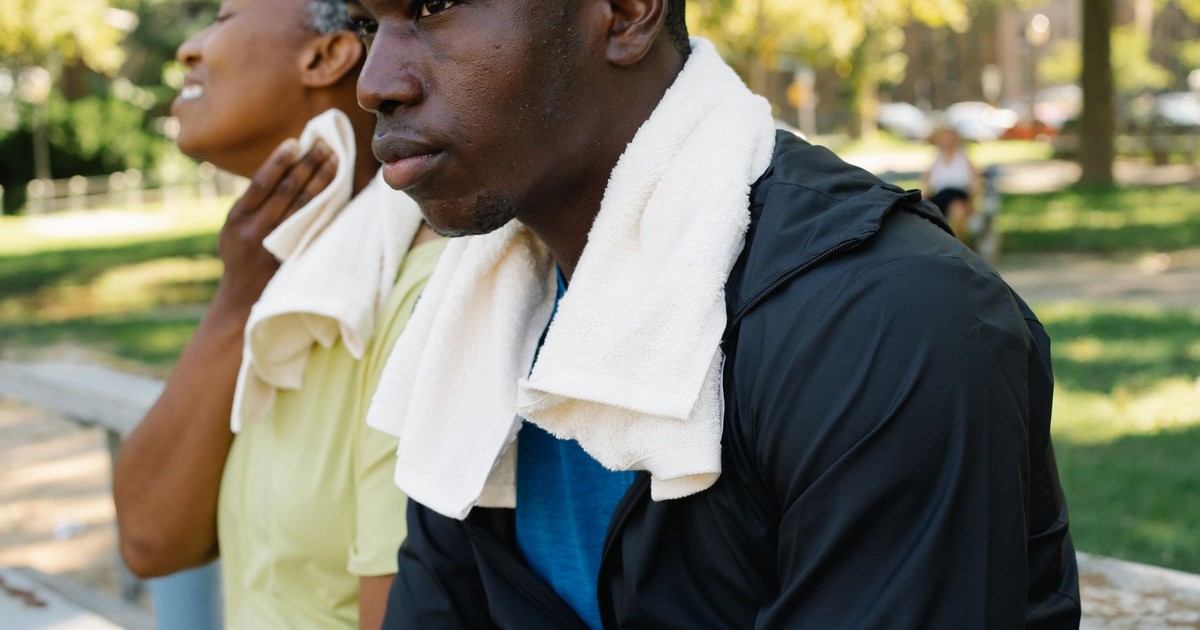

The number that haunts heat researchers isn’t the peak temperature on the thermometer. It’s the count of deaths that happen indoors, at night, in homes with the windows closed, while the rest of the country is asleep. These are people who went to bed in the heat and didn’t wake up. No flood. No fire. No dramatic image that makes the front page.
For decades, that invisibility has been part of the problem. Extreme heat doesn’t look like a disaster in the way a hurricane does. There’s no debris field, no before-and-after satellite photo. The deaths are scattered across coroner reports in separate counties, often attributed to heart failure or respiratory collapse rather than heat itself. By the time the data is compiled, summer is over and the urgency has faded.
Heat-related fatalities in the U.S. have more than doubled over the past 25 years. Public health experts are now saying plainly what the numbers have long suggested: extreme heat is America’s deadliest weather threat, and the systems designed to protect people from disasters weren’t built with heat in mind.
The Numbers Nobody Talks About
Extreme heat now kills more people in the United States than any other weather-related hazard, yet it receives far less attention than hurricanes, wildfires, or floods. Ask most Americans which weather event kills the most people and they’ll say a tornado or a hurricane. The visual drama of those events dominates news coverage in a way that a heat wave simply doesn’t.
According to a 2024 study in JAMA, heat-related deaths in the U.S. increased by 16.8% per year from 2016 to 2023, rising from roughly 1,069 deaths in 1999 to more than 2,300 in 2023. Researchers expect the numbers to continue climbing as temperatures rise.
The USGCRP heat wave indicator tracking 50 large U.S. cities found that the average number of heat waves per year has doubled since the 1980s, and the heat wave season has grown by about 46 days since the 1960s, from roughly 24 days to roughly 73 days. That acceleration matters because heat stress is cumulative. A city that used to see two dangerous heat events a summer is now seeing four or five, which means the window for recovery, for elderly residents and outdoor workers in particular, keeps narrowing.
The Undercounting Problem

The official figures are almost certainly wrong, in the wrong direction. A physician might not recognize heat-related illness as heat-related, or assign it the proper diagnostic code. Deaths are routinely miscoded as cardiovascular events, kidney failure, or respiratory complications. The recorded death toll is lower than the real one, and that gap has real consequences for policy.
When reported numbers stay modest, local governments under-allocate resources for cooling centers. Federal agencies deprioritize heat in their disaster planning. Each summer that ends without a formal reckoning makes it easier to treat the deaths as background noise rather than a public health emergency. The JAMA researchers who documented the 16.8% annual rise explicitly acknowledged that the true toll is probably higher than their figures show, because improved death-certificate reporting accounts for only some of the recorded increase.
New York City’s own health department discovered a coding error that had undercounted heat-related deaths by hundreds across multiple years, revising its annual average upward substantially once the error was corrected.
Who Is Actually at Risk
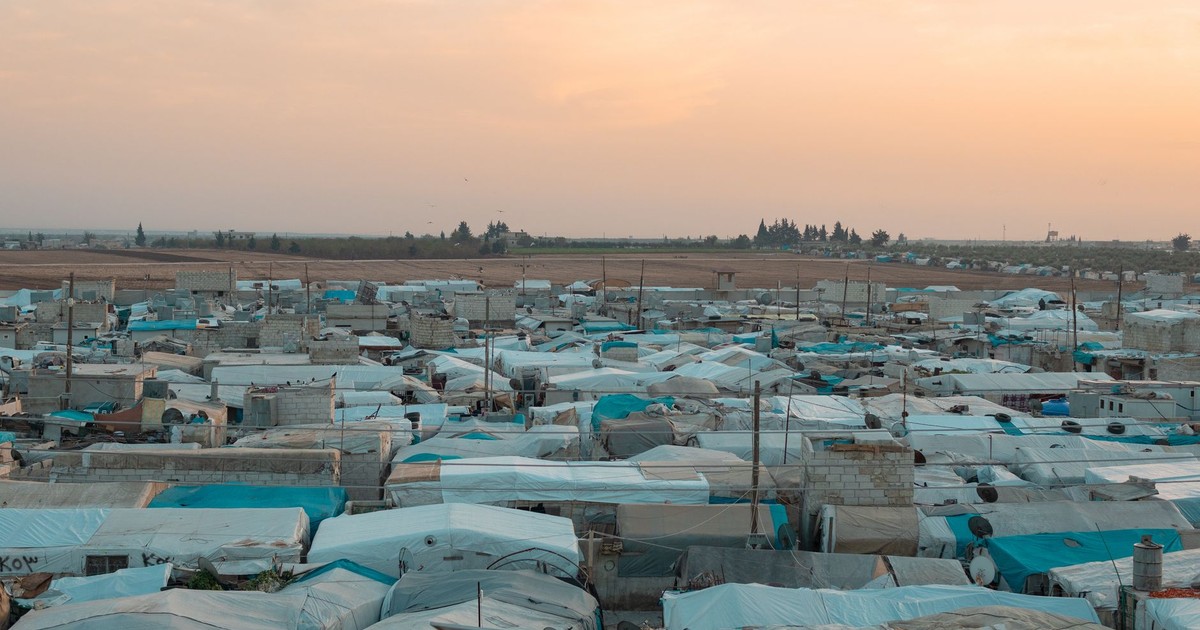
More than 80 percent of U.S. heat-related fatalities annually are adults over age 60. Older adults lose the ability to regulate body temperature efficiently, often take medications that impair sweating, and frequently live alone, with no one to notice when they stop responding. People with pre-existing psychiatric conditions face significantly elevated mortality risk during heat waves, in part because many psychiatric medications impair the body’s ability to cool itself.
For workers, the picture is equally grim. Many businesses across the U.S. don’t take the safety of their staff seriously enough when it comes to heat, with workers routinely denied basic protections such as water and training to identify heat-related symptoms. There is currently no national mandatory standard requiring employers to protect indoor or outdoor workers from heat.
Outdoor workers in construction, agriculture, and delivery aren’t the only ones exposed. People who die from heat stress are most often exposed inside homes, not outdoors. Without air conditioning, indoor temperatures can climb well above the outdoor reading, especially at night, and can continue rising for days after a heat wave begins.
During a multi-day heat event, nights don’t cool down enough to allow a home without air conditioning to recover. The indoor temperature at 3am on day four of a heat wave can be higher than it was on day one. For a 75-year-old living alone in a city apartment, that’s not a discomfort. It’s a medical emergency that no one will find until morning, if at all.
Where You Live Decides Your Risk
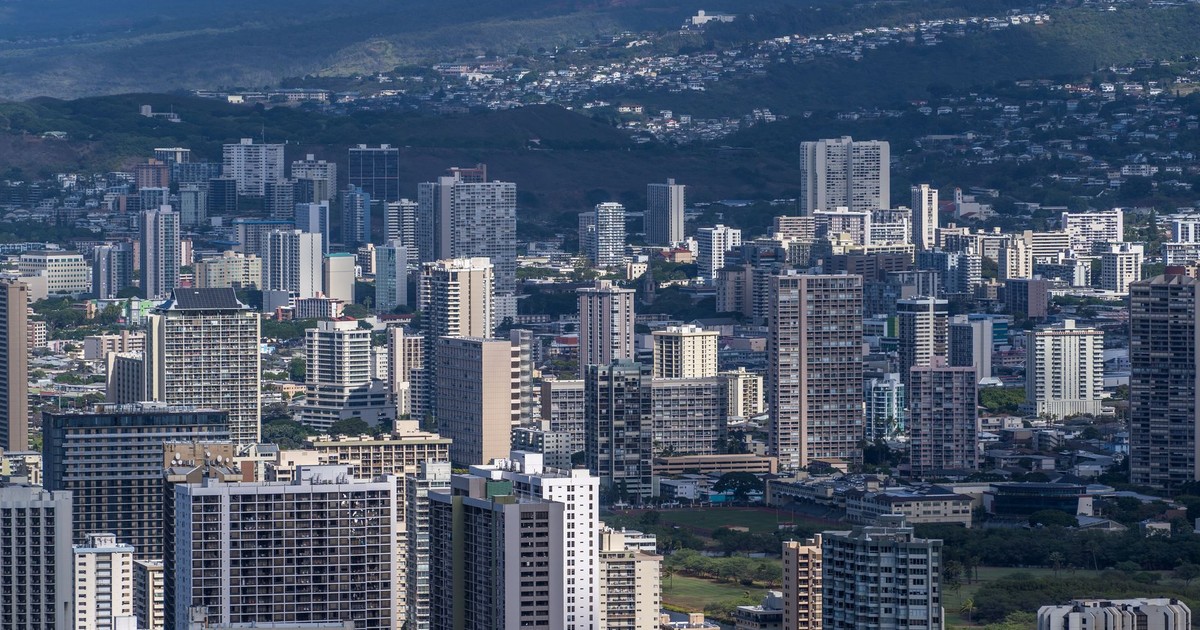
Urban heat islands, dense neighborhoods of concrete, asphalt, and older housing stock with little tree canopy, can see daytime air temperatures 1 to 7 degrees Fahrenheit higher than surrounding areas, according to EPA research, with nighttime differences of 2 to 5 degrees. That gap in temperature translates directly into a gap in mortality. Two people in the same city, living a mile apart, face meaningfully different levels of risk based on how much green space surrounds them and how much asphalt they’re sitting in the middle of.
Hospitals are already under strain from chronic understaffing and post-pandemic pressures. Adding a mass casualty weather event that arrives every summer doesn’t leave much margin.
A Policy Gap That Costs Lives
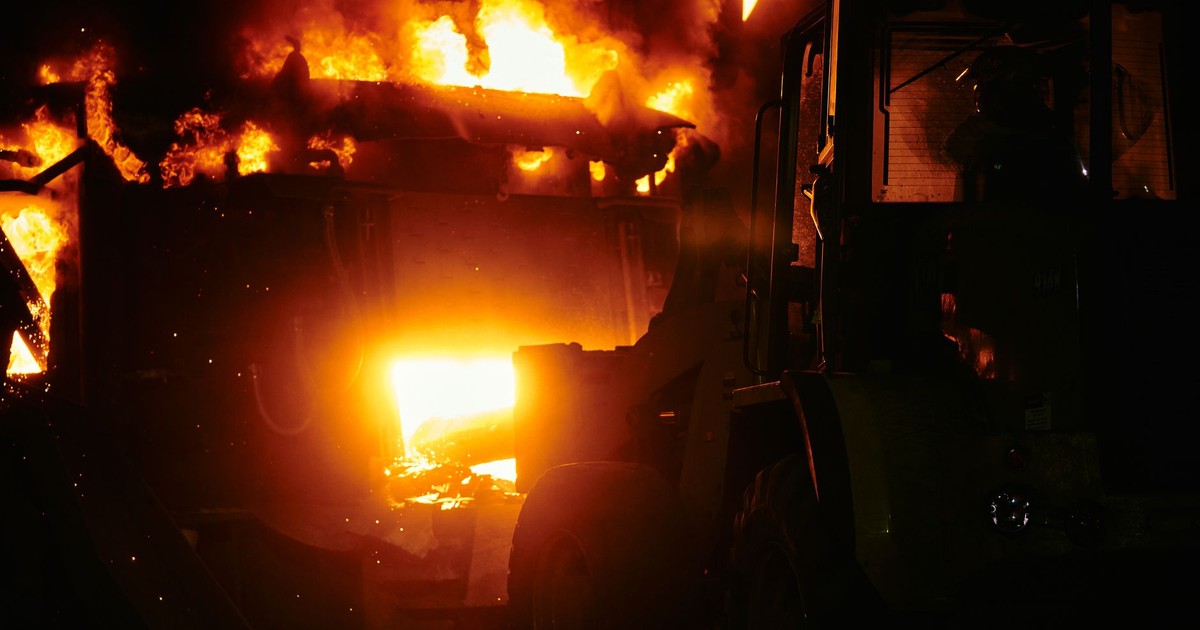
No presidential major disaster has ever been declared solely for an extreme heat event. While FEMA’s administrator testified before Congress in September 2023 that a Stafford Act declaration for extreme heat is possible under current law if an incident exceeds state and local response capacity, every past request has been denied, and no such declaration has followed.
A 2025 GAO report confirmed that no presidential major disaster has ever been declared solely for an extreme heat event, and that less than 1 percent of FEMA’s Building Resilient Infrastructure and Communities grant projects from 2020 to 2023 primarily addressed extreme heat. FEMA officials told the GAO that, absent extraordinary circumstances, it was unlikely that a president would ever declare a major disaster for heat. Between 2018 and 2024, 97 percent of counties in the contiguous U.S. faced at least one day at a dangerous level of heat, affecting more than 319 million people in total. Yet the federal disaster architecture treats heat as someone else’s problem.
Congress has not moved to amend federal law to explicitly add heat to the definition of disasters, and the current administration has given no indication of prioritizing the change. The policy shift toward pushing disaster response to states compounds the existing inequity, since the states and localities least able to respond are typically those with the highest concentrations of vulnerable populations.
What This Actually Means
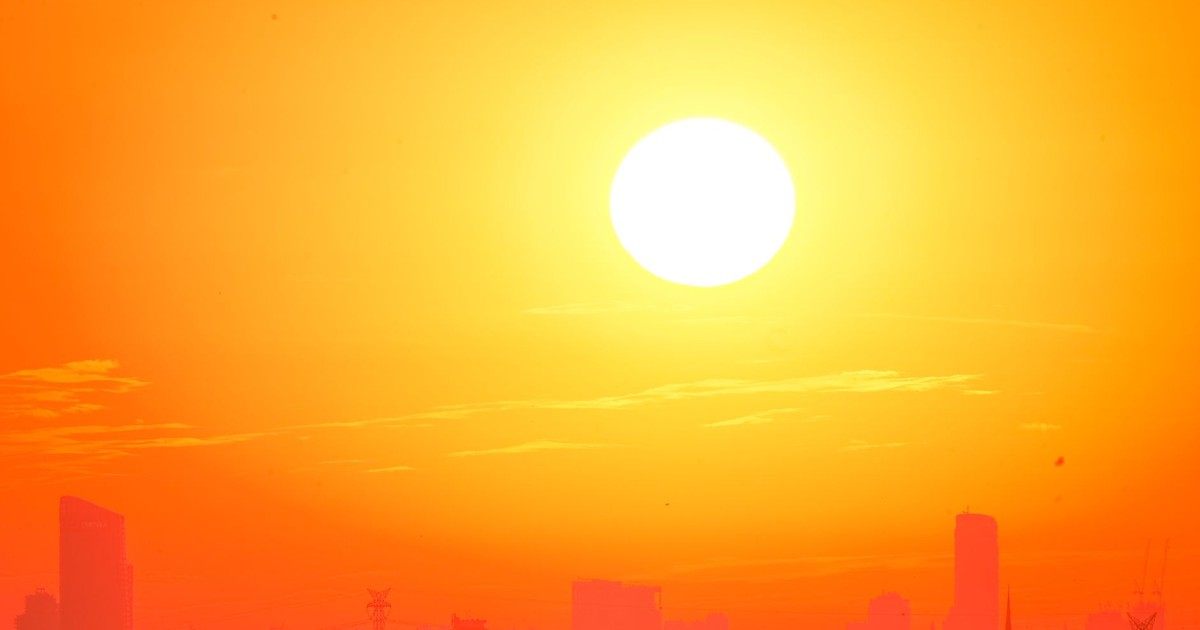
Extreme heat deaths don’t come with a warning siren. There’s no mandatory evacuation order, no shelter-in-place protocol that gets texted to every phone in the county. The warning arrives as a weather forecast, which most people have learned to treat as background information. Heat events can kill before a death is attributed to heat, because physicians routinely code the immediate cause as cardiac or respiratory failure rather than thermal exposure.
The CDC’s data makes clear that heat events are becoming more frequent and intense, and that deaths result not just from heatstroke but from cardiovascular, respiratory, and cerebrovascular disease triggered or worsened by heat exposure. That means the official counts, already an underestimate, still fail to capture the full burden. The trend lines are moving in the wrong direction, and the systems that should be slowing them down (federal disaster classification, mandatory workplace heat standards, equitable access to cooling) are all either incomplete or stalled. The heat keeps arriving. The deaths keep accumulating. And the gap between the scale of the problem and the seriousness of the response keeps widening.
Some of that gap comes down to the fact that heat doesn’t produce the images that drive political urgency. No collapsed building, no flooded street, no wall of fire. Just a count of people who didn’t make it through the night, spread across counties, attributed to causes that make the heat invisible in the final paperwork. Naming that isn’t a solution. But it’s usually where a serious response has to start.
Disclaimer: This information is not intended to be a substitute for professional medical advice, diagnosis, or treatment and is for information only. Always seek the advice of your physician or another qualified health provider with any questions about your medical condition and/or current medication. Do not disregard professional medical advice or delay seeking advice or treatment because of something you have read here.
AI Disclaimer: This article was created with the assistance of AI tools and reviewed by a human editor.