

The argument that happens most often among people who’ve seriously looked into moving abroad isn’t about where to go. It’s about whether the numbers are real – whether the cost of living figures people post online actually hold up once you land, find an apartment, and start paying for things. They mostly do.
Visa applications, residence permits, and relocation consultancy inquiries from Americans are all climbing, and for reasons that go beyond any single political moment. A 2024 survey by Expatsi of 116,363 Americans looking into leaving found that 56% said the U.S. feels “too divided,” 53% cited political polarization, and 41% pointed to financial relief as a primary driver. Two-thirds said they planned to relocate by 2026. That’s not a fringe movement. It’s a nationwide recalibration of where people think a decent life is actually possible.
Affordable healthcare, safer streets, a slower pace, five weeks of annual leave that people actually take – these aren’t abstract ideals in Europe, they’re standard features of daily life. The cities drawing the most arrivals tend to share a specific mix of accessible visa pathways, lower costs, and a kind of daily existence that feels like a genuine upgrade. The European cities relocation conversation has moved well past Lisbon and Barcelona, though both still deserve their place on any list. Americans are now landing in Eastern Europe, the Baltics, and mid-size cities that don’t have glossy expat Instagram feeds – and finding, in some cases, exactly what they were looking for. Here are ten cities where Americans are actually moving, and what each one genuinely offers.
1. Lisbon, Portugal

Portugal’s immigration agency AIMA recorded 19,258 U.S. citizens living in the country at the end of 2024, up from 14,129 in 2023 – a 36.3% increase. The overwhelming majority of those arrivals land in Lisbon first. It’s the country’s most connected city, the easiest for English speakers to orient themselves in, and the one with the deepest infrastructure for incoming expats.
Consumer prices in Portugal are on average roughly half those in the United States, and the average monthly cost of living for a couple in Lisbon runs about $2,500. Safety is another draw: Portugal ranked 7th on the Global Peace Index 2024 list of the most peaceful countries. That combination of cost and safety is hard to beat. Private health insurance runs around €50 – 150 per month for comprehensive individual coverage, compared to multiples of that in the U.S.
The honest trade-off is housing. Lisbon rents have climbed more than 40% since 2020, and the most central neighborhoods now charge €1,000 – €1,500 a month for a one-bedroom. For Americans arriving from New York or San Francisco, that still looks like a discount. For those leaving mid-sized American cities, it requires planning. Portugal’s Digital Nomad Visa (D8) was updated for 2026 with a minimum monthly income requirement of €3,680 for individuals, up €200 from 2025, plus required savings of €11,040. Retirees and those with passive income have an easier path through the D7 visa, which requires a lower monthly income threshold of around €920 for a single person.
2. Barcelona, Spain
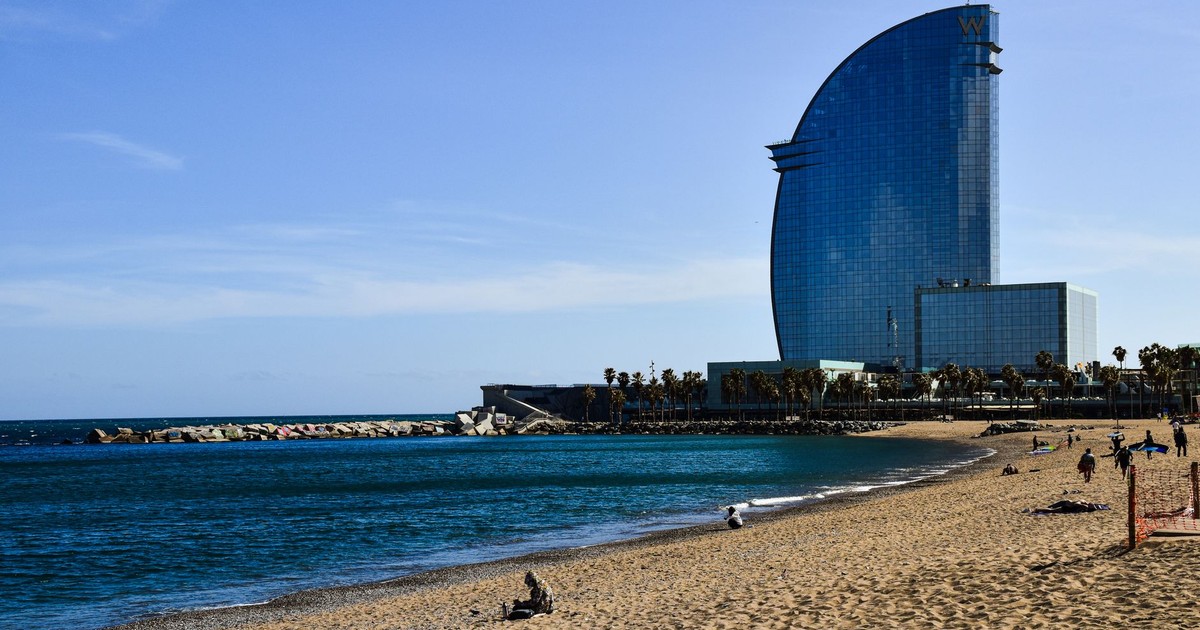
More than 45,000 Americans are currently living in Spain, making it one of the most popular European destinations for U.S. citizens. Barcelona absorbs a significant portion of that number, for obvious reasons: Mediterranean climate, world-class food, genuinely walkable neighborhoods, and a cultural life that has no real equivalent in most American cities.
Spain’s Digital Nomad Visa requires a monthly income of at least €2,646, approximately 200% of the minimum wage. That’s a lower bar than Portugal’s updated 2026 threshold, and the visa comes with tax incentives for the first few years of residency. For remote workers, that’s a meaningful financial benefit. The broader Spanish healthcare system is routinely ranked among the best in the world for coverage and outcomes.
Barcelona covers several distinct neighborhoods with very different characters. Gràcia and Poblenou are popular with younger arrivals and remote workers; Eixample and Sant Gervasi attract families. The bureaucracy for residency can be slow-going, and Spain’s rental market in Barcelona has tightened considerably over the past few years. Barcelona’s historic center is now priced comparably to parts of New York. Moving slightly outside the most-photographed districts changes that equation considerably.
3. Valencia, Spain

Valencia has most of what makes Barcelona desirable, at a fraction of the price, and without the tourist crowds that have reshaped daily life in the Catalan capital. Affordable coastal cities like Valencia offer a high quality of life for €1,500 – 2,500 per month, which puts it within reach for Americans who earn U.S. salaries remotely.
The city has excellent public transport, 300-plus days of sun a year, a beach within cycling distance of the city center, and a food scene built around the actual origin of paella rather than the tourist approximation of it. The American expat community here is smaller than in Barcelona or Madrid, which some find off-putting and others treat as exactly the point. You integrate faster when you’re not surrounded by a ready-made community of compatriots.
Spain’s Non-Lucrative Visa, popular with retirees and anyone with passive income, requires approximately €2,400 per month for a single applicant, and roughly €600 per month per additional dependent. It’s renewable up to five years before unlocking a longer-term residency path. Valencia’s lower cost base means the same income stretches further here than in any of the other Spanish cities on this list.
4. Rome, Italy

Cities like Rome, Milan, and Florence remain popular among American expats. Italy has long attracted Americans who arrive as tourists and quietly start looking at apartment listings. Rome remains the anchor, offering deep cultural infrastructure and a pace of life that feels fundamentally different from major U.S. metros.
Italy launched a dedicated Digital Nomad Visa in 2025, giving remote workers a structured legal pathway that didn’t exist before. Italy’s Elective Residence Visa remains among the most popular options for retirees and financially independent individuals, and the country’s centuries-old tradition of welcoming foreign residents – especially Americans with an Italian heritage connection – means there’s a well-worn path to follow. Italy has one of the most open policies when it comes to citizenship by descent. If you have Italian ancestry, you might already qualify – even if your family left the country over a century ago. The process hinges on jure sanguinis, or “right of blood,” and there’s no limit to how far back your Italian roots go, as long as no one in the direct line renounced citizenship before passing it on.
Rome is also, by European standards, a genuinely complex place to live. Bureaucracy here is not a minor inconvenience, it’s an institution. Apartments in central Rome can be beautiful and poorly maintained in equal measure. The reward for working through all of it is a daily life – the coffee, the food markets, the Sunday afternoons – that people who’ve done it rarely want to leave.
5. Berlin, Germany
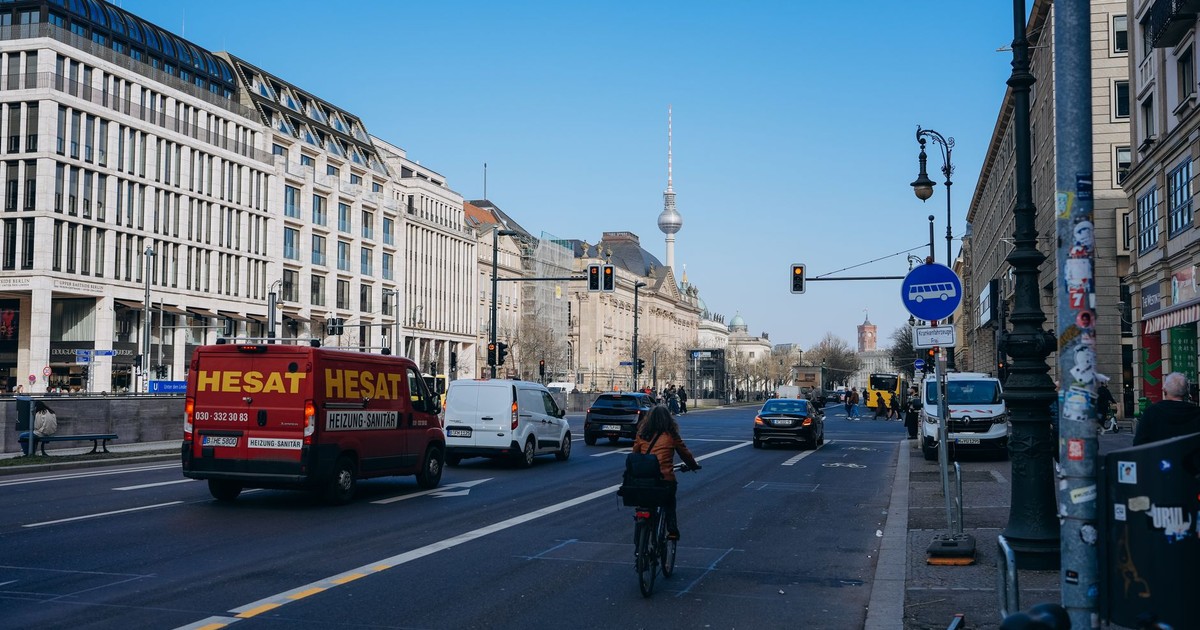
Germany hosts approximately 150,000 American residents, the largest concentration of U.S. citizens in Europe by a significant margin. Berlin draws the highest share of that number, and for reasons that go beyond the city’s obvious cultural credentials. Germany’s public healthcare system is among the most comprehensive in the world, and residents gain access to it at a cost that makes American premiums look surreal by comparison.
For skilled workers, Germany’s EU Blue Card allows holders to qualify for permanent residency in 33 months, or 21 months with language proficiency. Updated 2026 salary thresholds stand at €50,700 for general roles, or €45,934 for shortage occupations. Those are the numbers for employment-based visas. Freelancers have a separate pathway, and Berlin’s creative and tech sectors have been drawing American professionals for well over a decade.
The city is genuinely affordable by the standards of its cultural status. Neighborhoods like Prenzlauer Berg, Neukölln, and Kreuzberg have well-established international communities. German bureaucracy, like Italian, requires patience – the Bürgeramt appointment wait times are a rite of passage every new arrival complains about and eventually gets through. Europeans’ emphasis on work-life balance, with generous paid vacation, shorter work weeks, and family leave protections, continues to attract U.S. professionals seeking less burnout and more personal time. In Berlin, that contrast with American work culture is particularly sharp.
6. Prague, Czech Republic
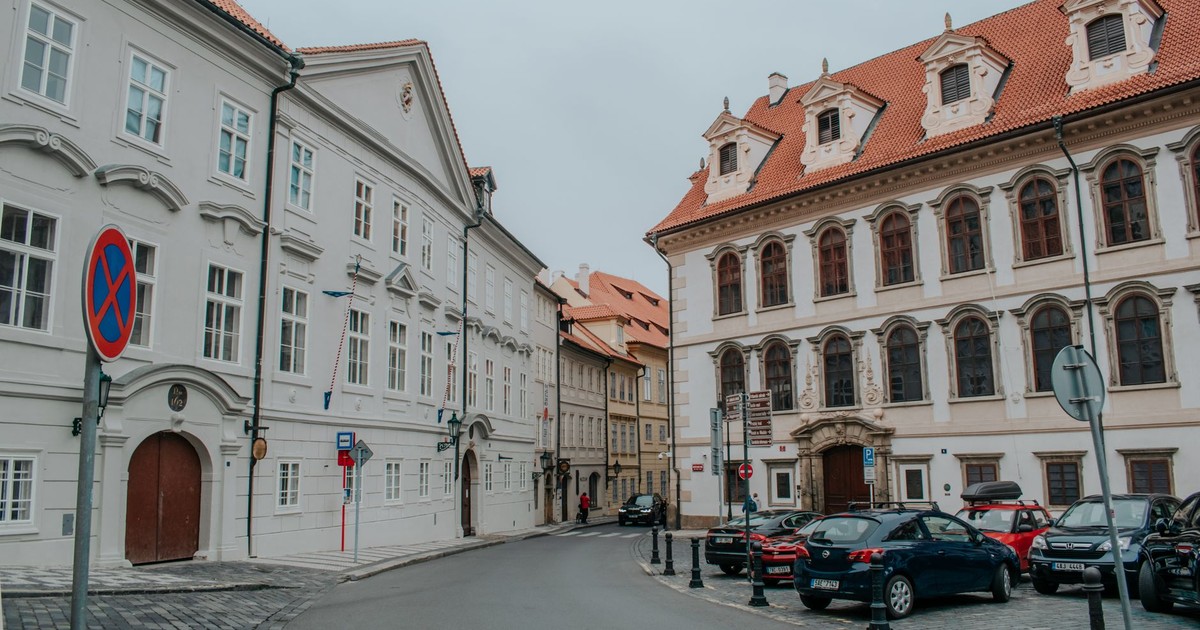
American expats considering European cities relocation sometimes focus on the obvious Western European destinations, but Prague has been steadily converting visitors into long-term residents for years. A writer and educator who moved to Prague in late 2025 from Salem, Massachusetts, told CNN he counts “the relatively few Americans living here” as one of the many perks in the Czech capital, along with a much lower cost of living and better work opportunities than in the States. “I did not move all the way from America to spend time with Americans,” he says.
A comfortable single life in Prague runs a monthly budget of $1,600 to $2,000. Rent for a one-bedroom in neighborhoods like Vinohrady, Žižkov, or Malá Strana runs €700 to €1,200 a month. Food and beer are famously affordable, and a monthly transit pass costs roughly €22. That cost profile, in a city with Baroque architecture, a functioning medieval center, and direct flights across Europe, represents outstanding value.
The coworking infrastructure offers some of the best value in Europe, well-equipped and well-connected. The visa route for Americans is the long-term business visa combined with a Czech trade license, which is not as streamlined as Portugal’s D8, but it’s a well-documented path with a track record of success. The Czech Republic isn’t a country that markets itself to American expats the way Portugal does, which means less competition for housing and a more genuinely local experience day to day.
7. Bucharest, Romania

Bucharest’s appeal to American expats shows up clearly in the numbers. A Bucharest-based relocation firm reported to CNN a five-fold increase over 18 months in U.S. clients looking to move – from about 200 to about 1,000. The explanation, according to the firm’s CEO, comes down to “everyday factors”: safety in public spaces, access to quality healthcare, low cost of living, and a business environment that works without requiring a small fortune to participate in.
Eastern European cities like Bucharest run 40 – 60% below Western European living costs. Romania’s capital is a city of contrasts: Communist-era apartment blocks alongside Belle Époque boulevards, a young tech-savvy population, and a cafe culture that rivals Lisbon’s for density. A one-bedroom apartment in a central Bucharest neighborhood runs €400 – €550 a month. The city’s internet infrastructure is among the best in Europe, which matters considerably to remote workers, and Romania ranks second in Europe for IT specialists, with Microsoft, Amazon, Oracle, and Google all operating R&D centers in the city.
Americans moving to Bucharest often cite not just cost, but the particular texture of daily life: genuine safety in public spaces, healthcare that doesn’t require an insurance negotiation, and a city that hasn’t yet been reshaped by mass expat arrivals the way Lisbon or Barcelona have.
8. Tallinn, Estonia
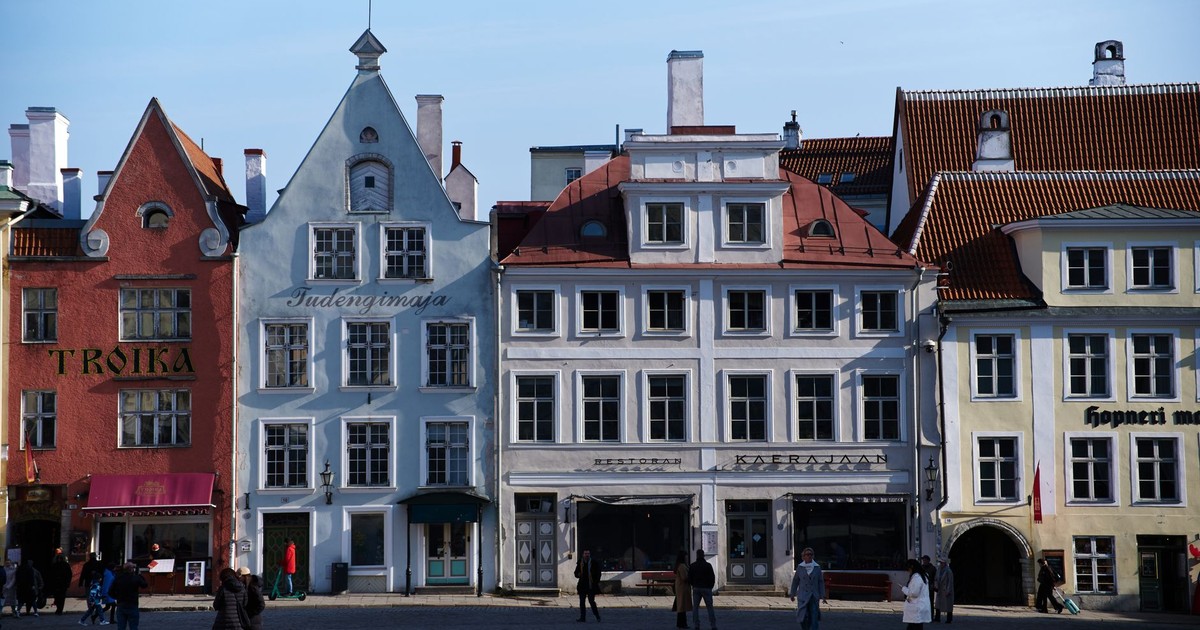
Estonia has been an interesting case study in European cities relocation since it launched one of the continent’s first digital nomad visas. Estonia’s Digital Nomad Visa runs for up to one year and requires a monthly income of €4,500. It carries no major changes for 2026, with e-residency perks for tech-oriented applicants. The income threshold is high by regional standards, but the combination of digital infrastructure, relatively low cost of living by Western European norms, and EU membership makes it compelling for a specific type of American professional.
Tallinn’s medieval old town – genuinely intact, genuinely medieval – sits alongside one of the most digitally advanced governments in the world. Estonia operates a digital-first public sector: voting, banking, healthcare records, tax filing, and business registration all run through integrated digital systems that make the U.S. equivalent look decades behind. For Americans in tech, finance, or digital services, that environment feels native.
Experts also report growing interest in lesser-trodden European destinations, with Estonia specifically cited as “a draw for Americans for its high-tech environment” with enticing programs for startups. The city is compact enough to be genuinely livable on foot or by bike, and its size – just under 450,000 people – means none of the scale-induced friction that comes with larger European capitals. The winters are real, and they require adjustment. The summers, long-lit and sociable, are exceptional.
9. Amsterdam, Netherlands
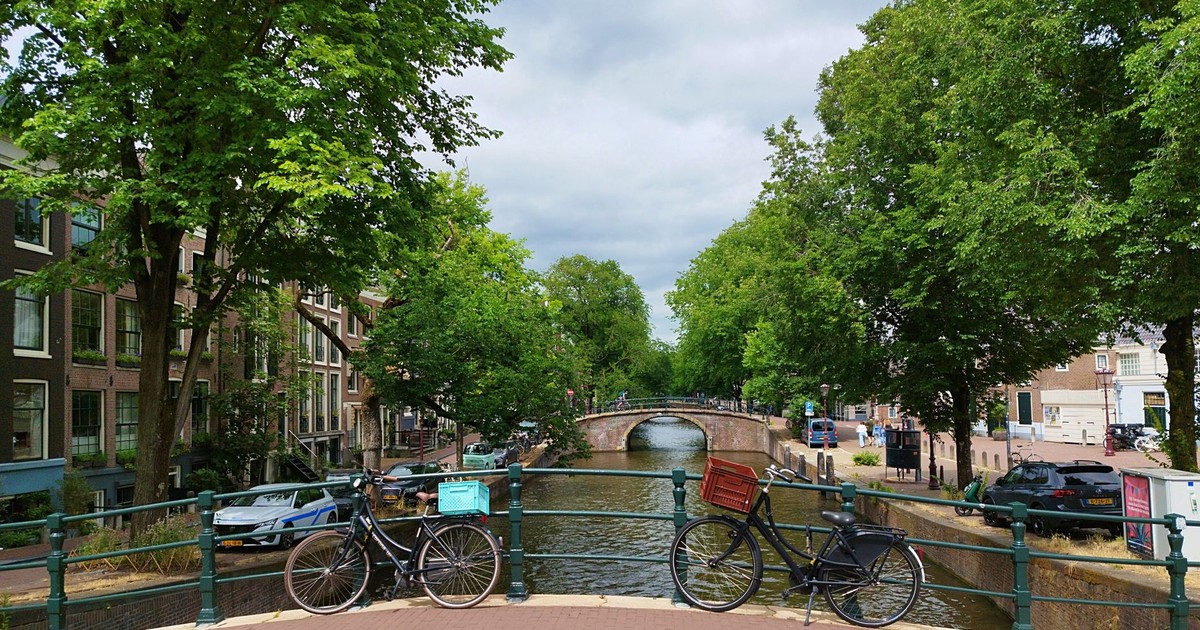
Amsterdam has a well-established American expat community, straightforward English-language infrastructure, and a standard of living that consistently ranks it among Europe’s most livable cities. It is also one of the most expensive cities on this list, particularly for housing – a reality that surprises some arrivals who assumed “Europe” and “affordable” were synonymous.
What Amsterdam offers in return is proportionate. The healthcare system is high quality and accessible. The cycling infrastructure means most daily transportation costs near zero. The city’s international orientation means fewer integration barriers than you’d find in, say, a smaller German or Czech city. English is spoken fluently and without resentment in every professional context.
The 30% ruling – a Dutch tax incentive that allows eligible expats to receive 30% of their salary tax-free for up to five years – has historically been a major draw for high-earning American professionals relocating for work. Rules around the ruling have tightened since 2024, but it remains one of the most generous expat tax incentives in Europe for qualifying applicants. For families with children, the Dutch schooling system and the presence of an international school network make Amsterdam one of the more seamless landing spots on the continent.
10. Vienna, Austria
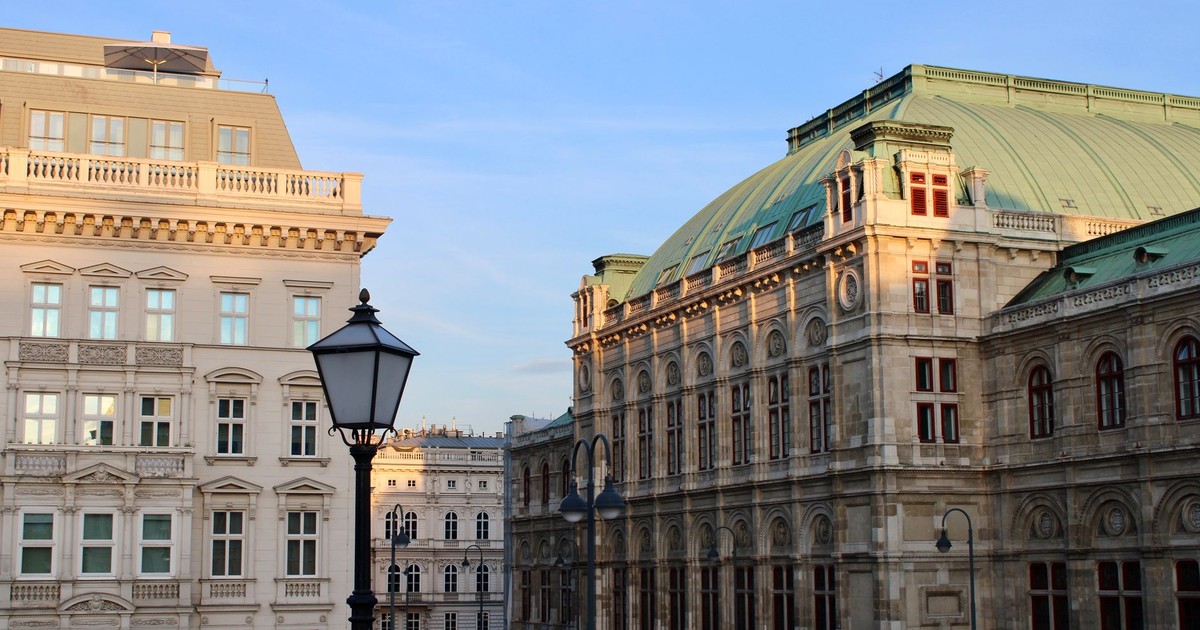
Vienna has ranked first or second in the Economist Intelligence Unit’s Global Liveability Index multiple years running, and the city earns that position across categories: public transport, healthcare, cultural offerings, political stability, and green space. Many Americans cite safety and social cohesion as top reasons for moving abroad, and cities like Vienna consistently rank among the safest in the world with low crime rates and strong infrastructure, topping 2026 global safety lists.
Austria’s route to residency is more documentation-intensive than Portugal or Spain, and the process requires more German language proficiency than some Americans anticipate. But the city rewards persistence. Vienna’s public healthcare system covers residents comprehensively, its rental market – while not cheap by Eastern European standards – remains below London, Paris, or Zurich. The coffee house culture, the concert halls, the Prater park on a Sunday: these things aren’t incidental to quality of life, they’re central to it.
For retirees and older Americans in particular, Vienna’s combination of world-class medical infrastructure and personal safety is hard to match anywhere on the continent. Austria allows dual citizenship in limited circumstances, and those with ancestral ties to the country – particularly among Jewish families affected by Nazi-era persecution – may have dedicated pathways to Austrian citizenship that are worth exploring with an immigration attorney.
Read More: 30 Overlooked (but seriously beautiful) Countries That Deserve a Spot on Your Bucket List
What to Know Before You Go

The cities on this list are genuinely different from one another, and the right one depends entirely on what you’re actually trying to fix. If the cost of healthcare is the breaking point, Lisbon and Bucharest offer private insurance plans that make U.S. premiums look like a scam. If it’s political exhaustion and a desire for stability, Vienna and Prague offer something closer to civic calm. If it’s work culture and the feeling of having a life that isn’t entirely organized around productivity, Berlin and Valencia both deliver that shift fast.
The 2024 Global Peace Index ranked the United States 132nd out of 163 countries for peacefulness – behind Brazil, behind South Africa, below Honduras. That number puts the safety question in context. It’s not that American expats are fleeing danger so much as they’re discovering what it feels like to live somewhere where the baseline level of ambient threat is simply lower, and what that does to daily life over months and years.
The practical reality of European cities relocation is that visa paperwork, bureaucratic delays, and housing market friction are real. None of the cities above are frictionless. The complexity tends to be front-loaded: get through the visa process, find an apartment in a tight market, register with local authorities. Once that’s done, the systems that govern daily life – healthcare access, public transport, personal safety – tend to work without you having to fight for them. For people who have spent years fighting to hold American daily life together, that trade feels more than fair. Some of these patterns go back further than any single election cycle. Naming that isn’t an argument for leaving – but it’s usually where the honest conversation about why people do starts.
AI Disclaimer: This article was created with the assistance of AI tools and reviewed by a human editor.