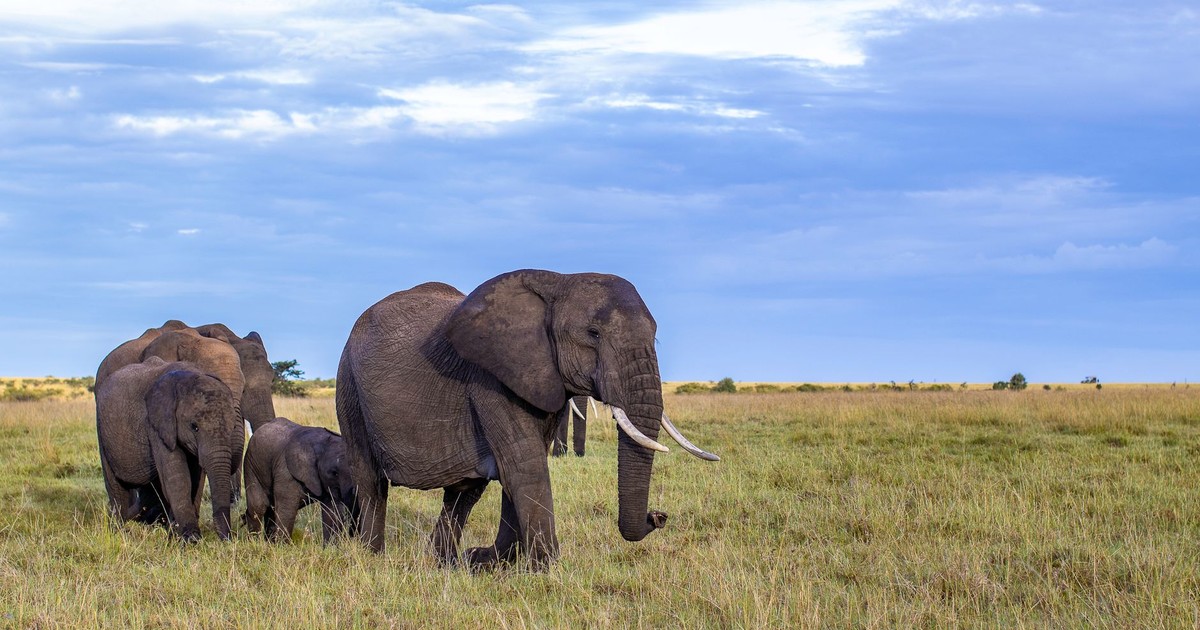

Elephants do not wander. The matriarch at the front of a herd knows exactly where she is going, because she has been there before, and her mother before her, pulling the memory of water from a landscape that might look featureless to anyone else. These routes, etched into elephant cognition across generations, are some of the oldest travel corridors on Earth, predating every road, fence, and border we have ever drawn across their range.
A single bull can cover more than 100 kilometers during an African dry season, following a logic refined over tens of thousands of years. Herds shift from floodplain to woodland and back again as rains come and go, reading the land through memory and smell and the low-frequency rumbles that carry for miles beneath our hearing. When those routes are interrupted, by a highway or a plantation or a settlement, elephants don’t simply reroute. They press forward anyway, which is why so many of the best places to watch them move are also the places where humans have made the hardest choices about what to protect.
The fifteen destinations below represent the clearest windows into elephant migration routes that remain intact, partially intact, or actively being restored. Some are famous. A few are not. All of them are worth understanding.
1. Chobe National Park, Botswana
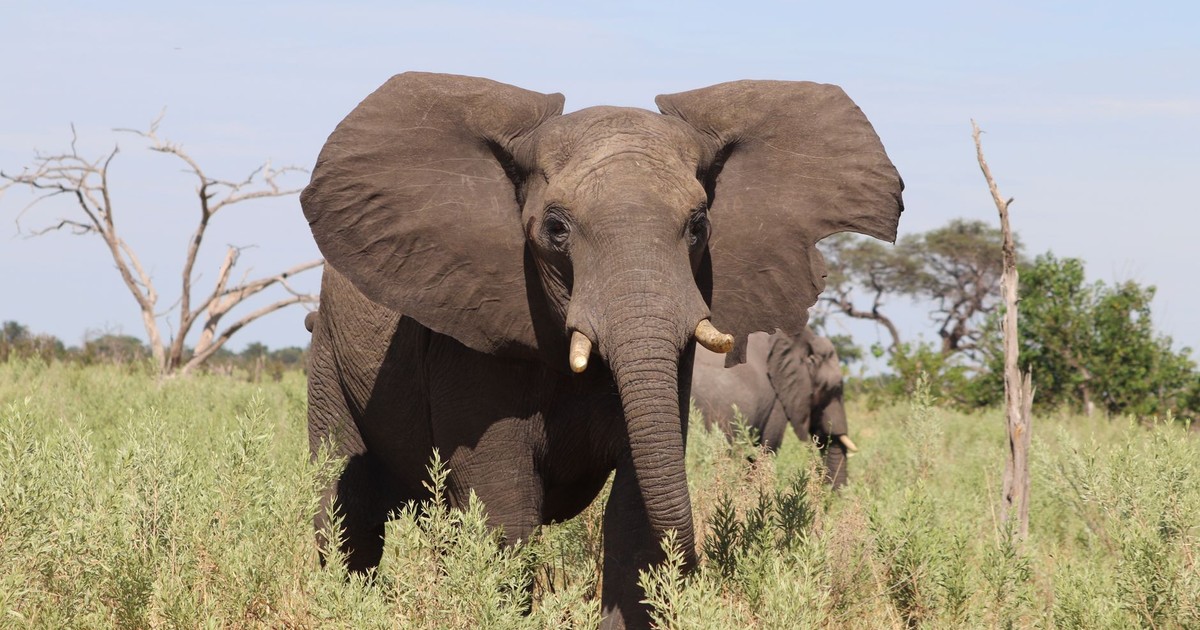
During the dry season, the Chobe River becomes a focal point for thousands of elephants, and these gatherings represent some of the highest biomass concentrations of megafauna recorded in modern history. Herds descend from across northern Botswana from May onward, drinking at the banks in numbers that are almost impossible to process at first glance.
Chobe sits inside the Kavango-Zambezi Transfrontier Conservation Area (KAZA), one of the world’s largest land-based transboundary conservation zones. A Journal of Applied Ecology study published in 2024 analyzed approximately 4 million GPS locations logged from nearly 300 tagged elephants traveling throughout KAZA between 2009 and 2023, and Chobe’s corridors featured heavily in the data. The analysis demonstrated a large-scale movement of elephants toward protected areas, among them Chobe National Park, Moremi Game Reserve, and areas near permanent or semi-permanent water sources.
The riverfront at Chobe offers boat-based viewing that no land vehicle can replicate. The best time to visit is between May and October, when elephants congregate in massive herds along the river. During peak season it’s not uncommon to see several hundred elephants in a single viewing session. The experience of floating level with the waterline while a herd of two hundred animals pushes through the shallows ahead of you is something that stays with people for years.
2. Amboseli National Park, Kenya
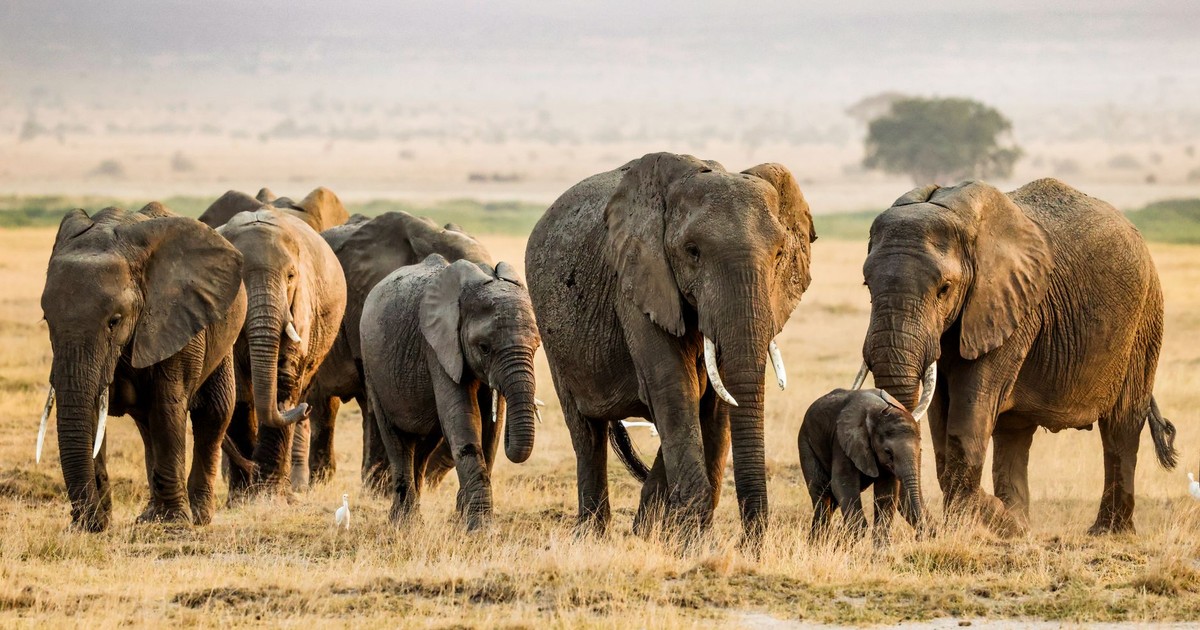
Few places on Earth combine elephant viewing with the kind of long-term scientific knowledge that makes each sighting feel like a chapter in a longer story. The Amboseli Trust for Elephants operates the Amboseli Elephant Research Project, which was initiated in 1972 by Cynthia Moss and Harvey Croze and is the longest-running study of wild elephants in the world. The 150-square-mile park sits approximately 134 miles south of Nairobi, close to the Tanzanian border.
At the end of 2025, the Amboseli elephant population stood at 2,065 individually identified and monitored animals. The movement here follows a cross-border pattern. The Amboseli elephant population is a cross-border population inhabiting both Kenya and Tanzania, with the ecosystem encompassing Amboseli National Park and surrounding conservancies in Kenya and the Enduimet Wildlife Management Area and beyond in Tanzania. Elephants trail between the two countries following rainfall, green grass, and the ancient pull of routes their ancestors mapped long before either nation existed.
In 2025, researchers recorded a remarkable post-drought recovery. Around 140 elephant births were recorded in a single year, with calves born across most known herds. The backdrop is equally arresting: Amboseli frames elephants against the snow-capped mass of Kilimanjaro, a pairing that has defined wildlife photography for decades.
3. Hwange National Park, Zimbabwe
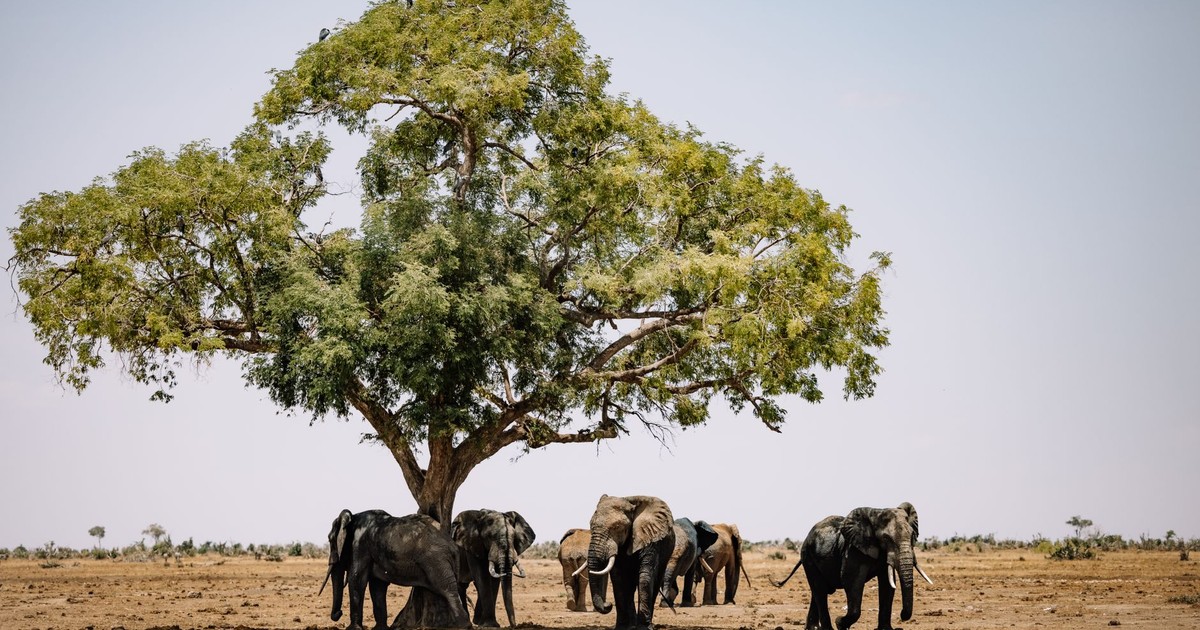
Hwange is proof that the right conservation infrastructure can anchor an entire regional elephant population. The park’s network of pumped waterholes, maintained artificially during the dry months, keeps elephants from dispersing entirely out of the ecosystem and creates reliable viewing opportunities from August through October.
Zimbabwe holds Africa’s second-largest elephant population, around 100,000 strong, anchored by Hwange’s pumped-waterhole dry-season concentrations. More than 40,000 elephants roam Hwange National Park in the dry season, gathering at waterholes that pulse with activity from dawn to dusk. It’s the kind of scene where the phrase “a few elephants” genuinely means a hundred.
Hwange’s position as a movement hub within the broader KAZA corridor makes it significant for elephant migration routes. Elephants tracked by satellite have been recorded moving between Hwange and the Okavango Delta in Botswana, crossing international boundaries as if they simply do not exist, which from a biological standpoint, they don’t.
4. Okavango Delta, Botswana
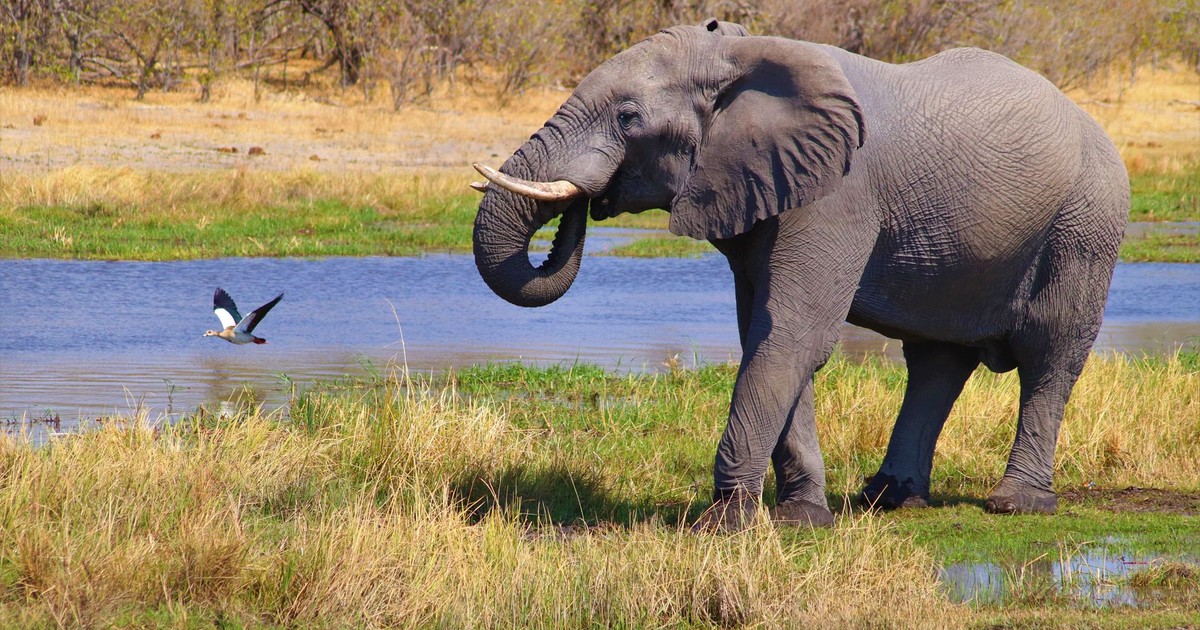
The Okavango Delta is one of the world’s great ecological paradoxes: a river that flows not to the sea but into the Kalahari Desert, fanning out into a vast inland wetland that floods and recedes in an annual cycle opposite to most of the continent. Elephants have organized their movement around this pulse for millennia.
GPS collar data shows that female elephants migrate between the Central Kalahari Game Reserve and the Okavango Delta periphery following the seasonal rhythm of flood and retreat. When the delta floods between July and August, it draws elephants, buffalo, and predators into the channels and islands. The interactions that follow, herds swimming between islands, bulls sparring in the shallows, calves learning the crossings their mothers know by memory, are extraordinary.
Moremi Game Reserve sits within the delta and offers some of the most intimate wildlife encounters anywhere in Africa. The majority of Botswana’s elephants reside within Chobe National Park and the Okavango Delta, ecosystems that provide a unique blend of seasonal floodplains and permanent water channels vital for elephant survival.
5. Amboseli-Tsavo Corridor, Kenya
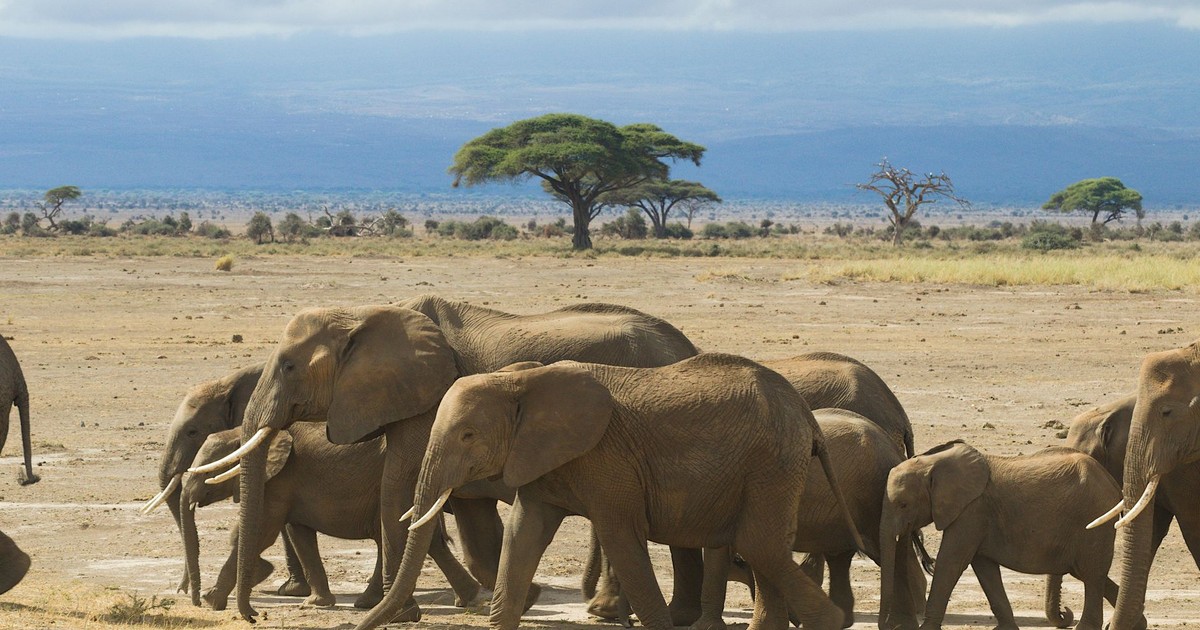
The movement of elephants between Amboseli and Tsavo East represents one of Kenya’s most important elephant migration routes, a corridor that stretches across a landscape increasingly pressured by roads, fences, and agricultural expansion. Kenya offers reliable wild elephant viewing across Amboseli, Tsavo, Samburu, and the Mara, with a population that has recovered from the 2010s poaching crisis.
Tsavo East and West together form one of the largest national park complexes in the world, covering over 20,000 square kilometers of semi-arid bush country. The elephants here are famously red, stained by the iron-rich laterite soil they throw over themselves for sun protection. During the dry season, herds press toward permanent rivers, particularly the Galana and the Voi, retracing routes that conservation organizations have spent years mapping and lobbying to protect from infrastructure development. This is a corridor where satellite tracking and community conservancy agreements are doing the hard work that keeps the routes open.
6. KAZA Transfrontier Conservation Area: The Five-Country Corridor
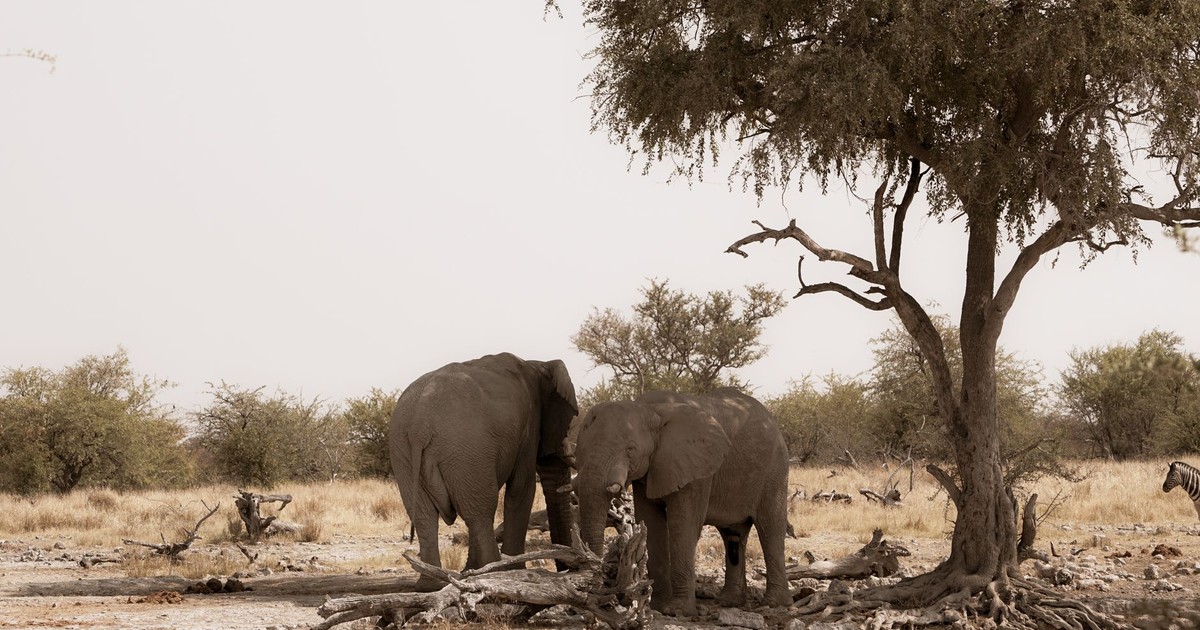
No destination on this list operates at the geographic scale of KAZA. In 2011, Angola, Botswana, Namibia, Zambia, and Zimbabwe committed to collectively managing a 106 million-acre region nearly the size of France, allowing wildlife to move across international boundaries between protected areas. The KAZA TFCA allows cross-border migration across these five nations by removing fences and establishing international corridors, enabling elephants to follow ancient migratory routes.
KAZA holds approximately 228,000 elephants, with Botswana alone home to 130,000, the largest elephant population of any country on Earth. The corridors within KAZA are not theoretical: conservation researchers working across the region have mapped actual preferred routes between protected nodes through satellite collar programs, revealing which river crossings matter most, which land strips function as pinch points, and where the greatest human-wildlife conflict risks cluster.
Ongoing collaring programs across KAZA continue adding animals to the dataset each year, with the goal of identifying habitat changes and guiding government decisions about infrastructure and land use across all five member nations. Visiting any of KAZA’s protected areas during the dry season means watching animals whose individual movements have contributed to this growing body of knowledge.
7. Samburu National Reserve, Kenya
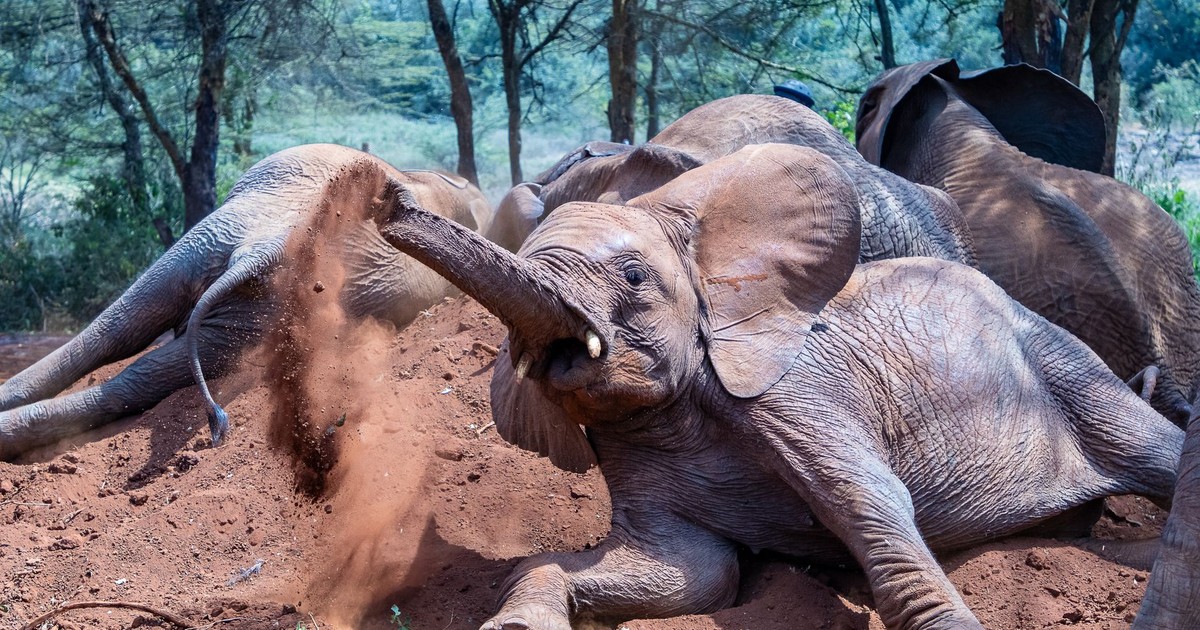
Samburu sits in Kenya’s north, a dry acacia scrubland fed by the Ewaso Ng’iro River, and it is where some of the most detailed long-term elephant research in Africa has been conducted. The elephants of Samburu come and go throughout the year, though families with very young calves tend not to move far. Older bulls range as far as the forests on Mount Kenya and the remote mountains of the Mathews and Ndoto ranges.
Samburu provides the chance to observe elephants from one of the most closely studied populations in Africa, with around 1,000 individuals individually recognized by ear shape and tusk profile. Save the Elephants, founded by Iain Douglas-Hamilton in 1993, has been tracking Samburu’s herds from its principal research station in the reserve, building detailed histories on individual elephants recorded along the Ewaso Ng’iro. The bulls in particular are extraordinary wanderers, their satellite tracks drawing lines across hundreds of kilometers of northern Kenya as they seek water and follow seasonal vegetation. The Ewaso Ng’iro is their anchor point, and from August through March, it offers reliable daily elephant activity on both banks.
8. Etosha National Park, Namibia
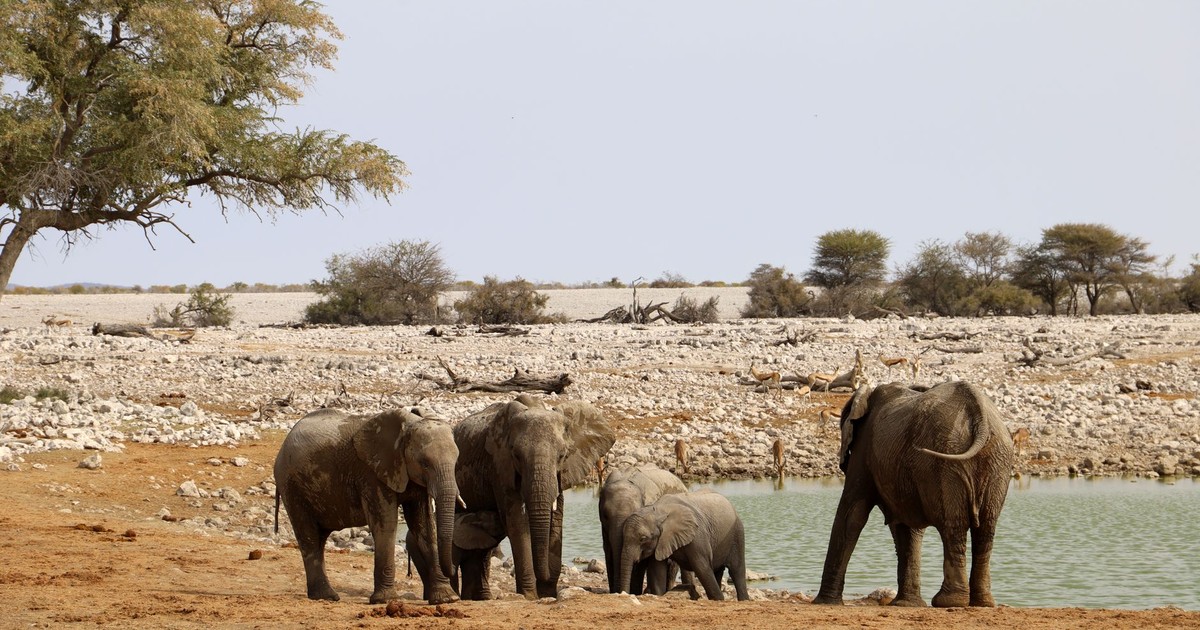
Etosha is organized around a single extraordinary feature: an enormous salt pan, roughly the size of Connecticut, that stretches across the center of the park and creates a natural forcing structure for wildlife. During the dry season, elephants converge on the waterholes that ring the pan’s edges, and the viewing at sunset from fixed hides requires no vehicle and very little patience.
Namibia’s elephant population, largely resident within Etosha and the Kunene region to the northwest, sits within the KAZA system. Namibia holds approximately 21,090 elephants within the KAZA corridor, and movement between Etosha and the Chobe-Okavango system, while not a mass migration in the wildebeest sense, is documented through collar data. Etosha’s value for watching elephant movement is the predictability of it: a particular waterhole at Okaukuejo, lit at night by floodlights, will attract elephants almost every evening from June to October, giving observers an eye-level encounter that few other parks can guarantee.
9. Kruger National Park, South Africa
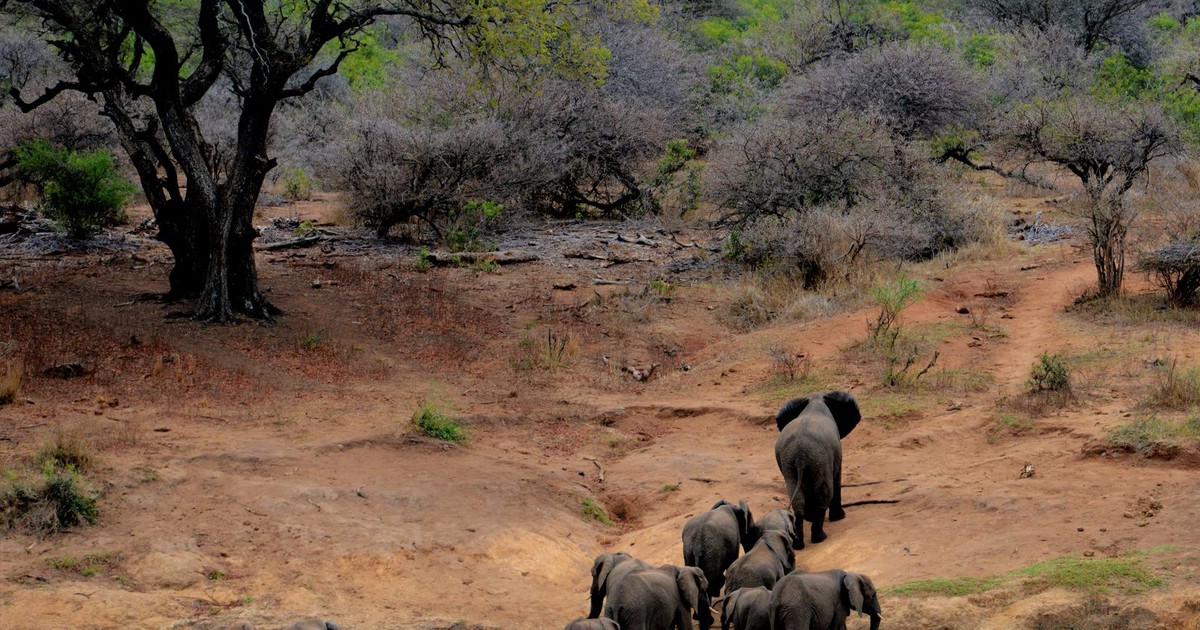
Kruger’s elephants were nearly extinct by the early twentieth century. Reintroduction and protection brought the population back to around 20,000, which eventually required culling programs so controversial they reshaped South African conservation policy. The current approach relies partly on fence removals along Kruger’s boundaries to allow elephants to disperse into the broader Greater Limpopo Transfrontier Park.
Research published in a 2021 Frontiers in Ecology and Evolution study mapped monthly patterns of elephant movement across Kruger during a severe drought year, finding high variability in patterns of movement across individuals and months, with a preponderance of directional movement believed to relate to drought-induced range shifts. Elephants in Kruger move differently in the dry season than in the wet, clustering near the Shingwedzi, Olifants, and Crocodile rivers from June to October before dispersing as the rains arrive. The northern sections of the park, particularly around Pafuri near the Zimbabwe border, see some of the most dramatic dry-season concentrations.
10. South Luangwa National Park, Zambia
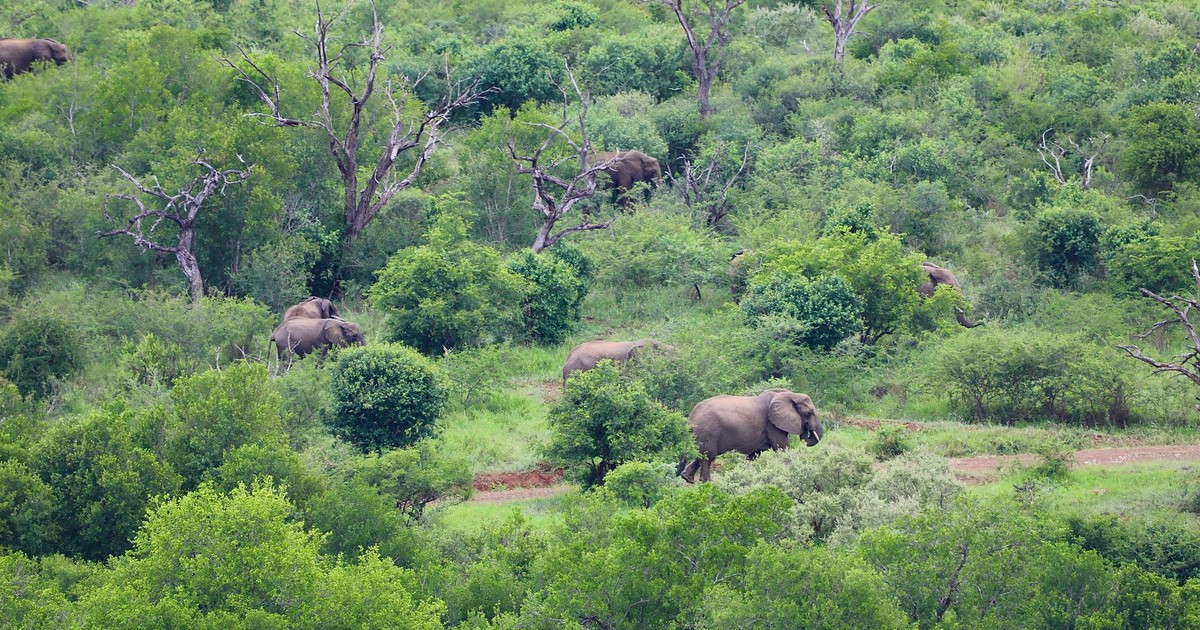
The Luangwa Valley, carved by a river that has been flooding and retreating for millions of years, gives elephants a predictable structure to organize around. Zambia’s walking safari tradition was born here, and it offers something that vehicles alone cannot: the experience of being on the ground, at elephant scale, watching a herd cross an oxbow lagoon 200 meters ahead.
South Luangwa’s elephants move between the valley floor and the escarpment as the season changes. During the dry season, from June to October, the river and its lagoons concentrate wildlife at densities that justify the long journey to reach this relatively remote corner of Zambia. The park is one of the least commercialized of Africa’s major reserves, and the walking guides here have an intimacy with individual elephant families that rivals the research programs at Amboseli and Samburu.
11. Kaziranga National Park, India
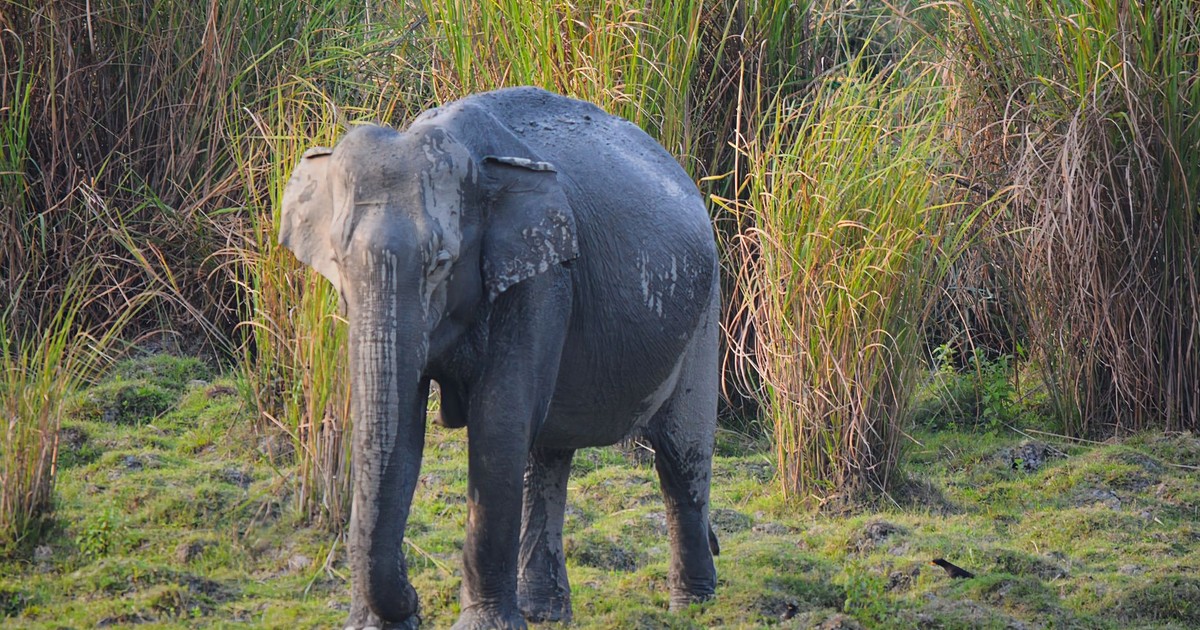
Asia’s elephant migration routes work differently from those in Africa. The distances are shorter, the corridors narrower, and the pressure from surrounding human populations is more intense at almost every point. Asian elephants often display shorter and less predictable migration patterns because forests in many parts of Asia have become fragmented by roads, farms, and urban expansion.
Kaziranga, in Assam in India’s northeast, holds one of the most important elephant populations on the subcontinent. India’s elephant strongholds include Kaziranga, Manas, and Buxa in the northeast, among several other major reserves spread across the country. During the Brahmaputra River floods each summer, elephants cross the national highway that bisects the park and move into the Karbi Anglong hills, a seasonal migration that brings them into direct contact with villages and farms. India’s Project Elephant program, which launched in 1992 and now covers 33 declared Elephant Reserves across 14 states, has worked to protect these corridors, though the NH 37 highway crossing remains a documented danger point.
12. Periyar Tiger Reserve, India
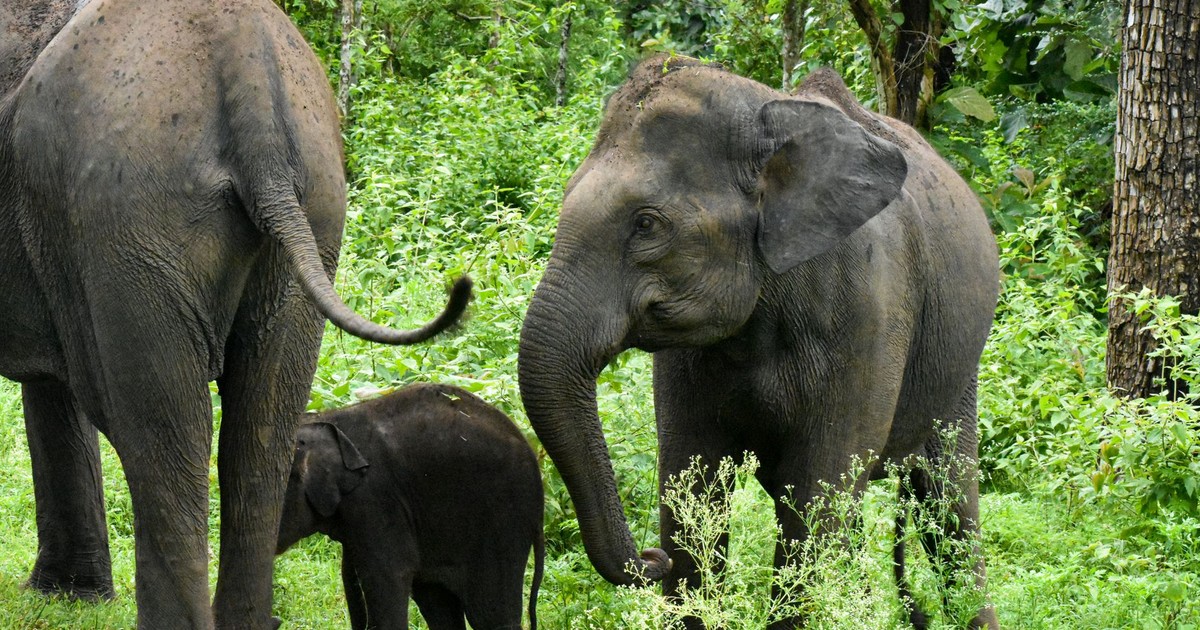
In South India’s Western Ghats, the Periyar Tiger Reserve shelters one of the most studied elephant populations on the continent. Periyar Lake at the reserve’s heart acts as a gathering point during the dry months of March through May, drawing herds down from the surrounding forest in a pattern that has continued long enough to be described as reliable even by wildlife guides who have watched for decades.
The movement here follows an elevation gradient. Elephants shift between the upper shola forests and the lower woodland edges as vegetation changes with the rains. The trans-boundary movement between Periyar and the adjacent Tamil Nadu forests follows corridors that wildlife managers have been fighting to keep intact against tea estate expansion. A boat trip on Periyar Lake provides exceptional wildlife watching opportunities and some of the most accessible elephant viewing in India without the vehicle-based structure that defines most safari experiences.
13. Minneriya National Park, Sri Lanka
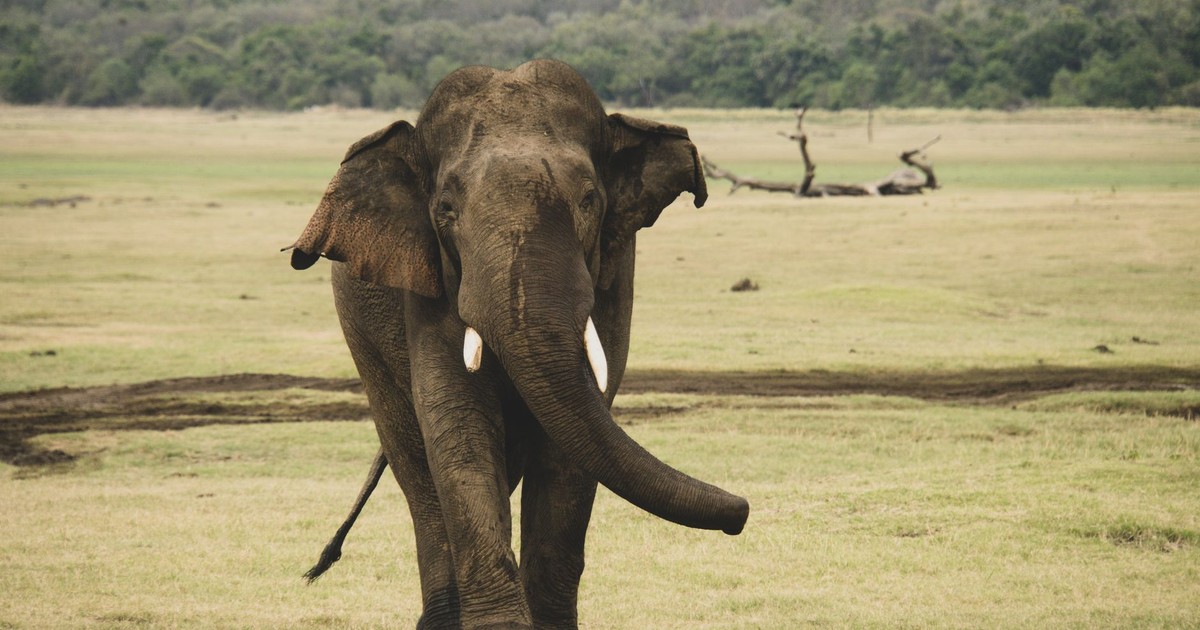
Sri Lanka’s elephant gathering at Minneriya is one of Asia’s most spectacular wildlife events, largely unknown outside the region. Between July and October, as the reservoir at the park’s center recedes and exposes fresh grass, elephants congregate from across the surrounding dry zone in numbers that can exceed 300 animals in a single gathering.
The movement feeding this event connects elephants from across Sri Lanka’s north-central province, pulling herds that have spent the wet season dispersed across the forests into a single open arena. Sri Lanka’s dry-zone human-elephant conflict produced record death tolls on both sides through 2024 and 2025, prompting fresh national mitigation work that has become increasingly urgent as human settlements press closer to the corridors that link Minneriya to Kaudulla and Somawathiya. The gathering itself is extraordinary to witness, the open tank surrounded by elephants in every direction, adults and calves shoulder to shoulder in the late afternoon light.
14. Uda Walawe National Park, Sri Lanka
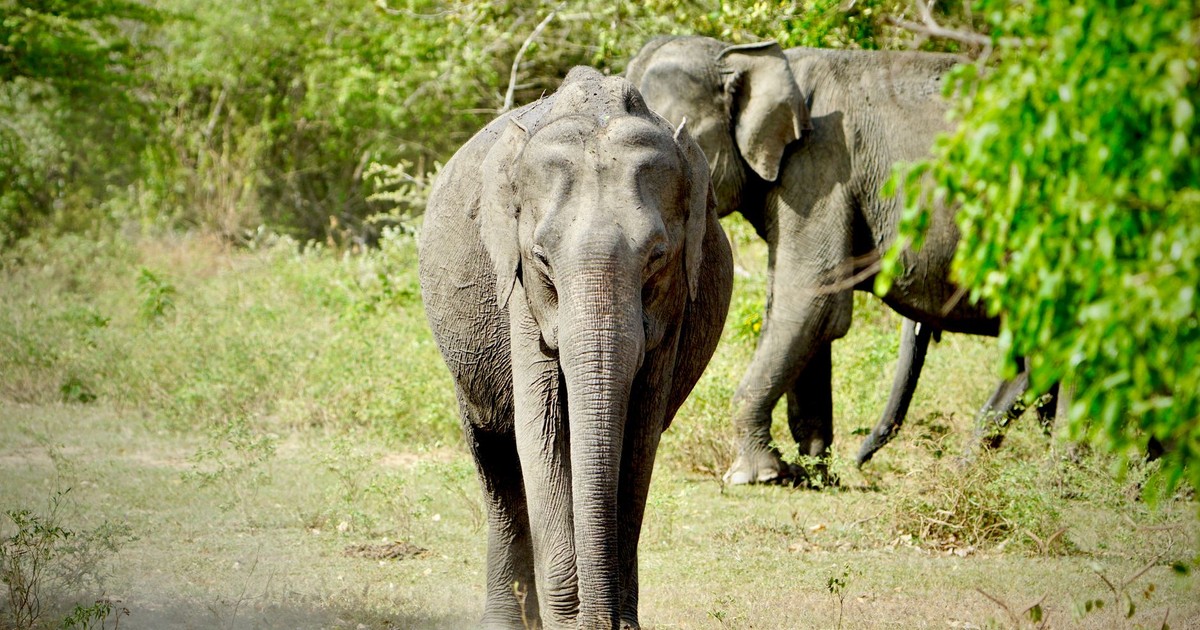
Uda Walawe in Sri Lanka’s southern dry zone holds a resident elephant population of around 600 animals, one of the highest densities of wild elephants in Asia. Unlike Minneriya’s seasonal spectacle, Uda Walawe offers year-round viewing because the Walawe reservoir provides permanent water in a landscape that would otherwise dry out completely between January and April.
The elephant movement here is less a long-range migration than a tidal pattern, herds moving in and out of the park’s grasslands as the reservoir level changes and the surrounding scrub dries or greens up. Adjacent to the park, the Udawalawe Elephant Transit Home rehabilitates orphaned calves, radio-collaring and releasing them back into the park in small groups once they are old and strong enough. The integration of released animals back into wild herds, and the tracking of those animals’ subsequent movement, provides one of the clearest pictures available of how young elephants learn the routes their elders already know.
15. Tarangire National Park, Tanzania
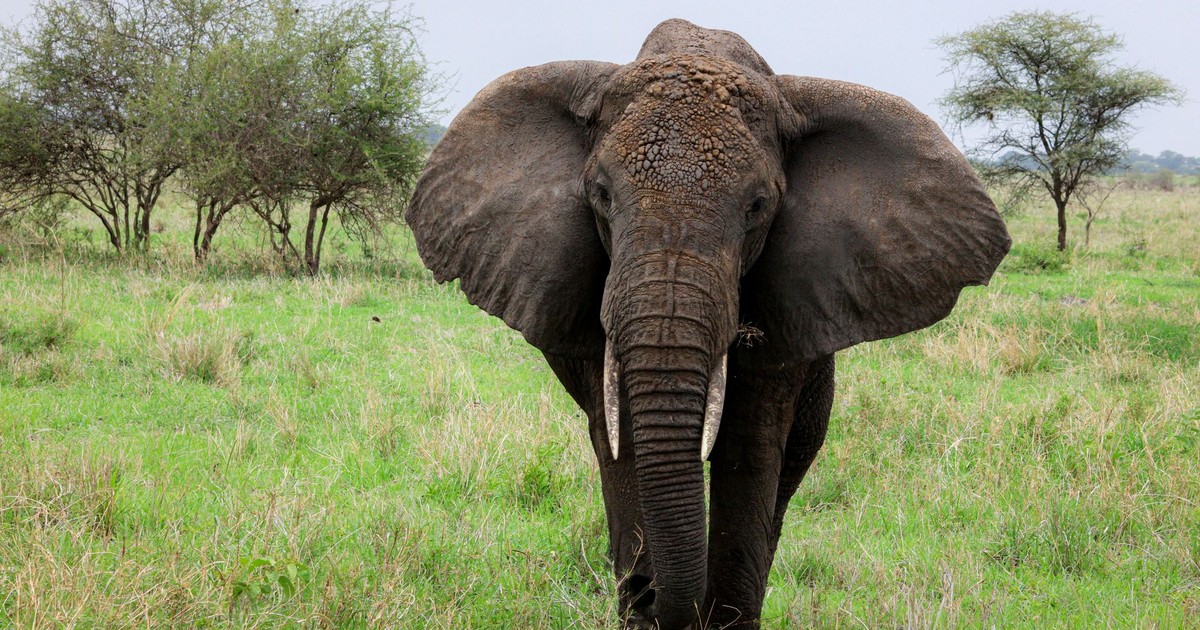
Tarangire is Tanzania’s underappreciated answer to Amboseli, a park that consistently delivers exceptional elephant viewing but attracts a fraction of the visitors drawn to the Serengeti or the Ngorongoro Crater. During the dry season from June to October, the Tarangire River becomes the only reliable water source in a wide area, drawing elephants from a range that extends across much of northern Tanzania in what researchers describe as one of East Africa’s largest elephant dry-season concentrations.
The migration routes that feed Tarangire’s dry season gather span across the Simanjiro plains and Manyara Ranch to the north, corridors that wildlife conservationists have spent years mapping and protecting through community agreements with Maasai pastoralists. The elephants that arrive here during the dry season follow routes that matriarchs carry in memory, the same routes used generation after generation. These migrations can cover hundreds of kilometers and are guided by experienced matriarchs that remember ancient travel routes, rivers, and feeding grounds. In the wet season, herds disperse widely across Tanzania and into Kenya. By July, they are back at the river, as they have been every July for as long as anyone has kept records.
Why These Routes Still Matter
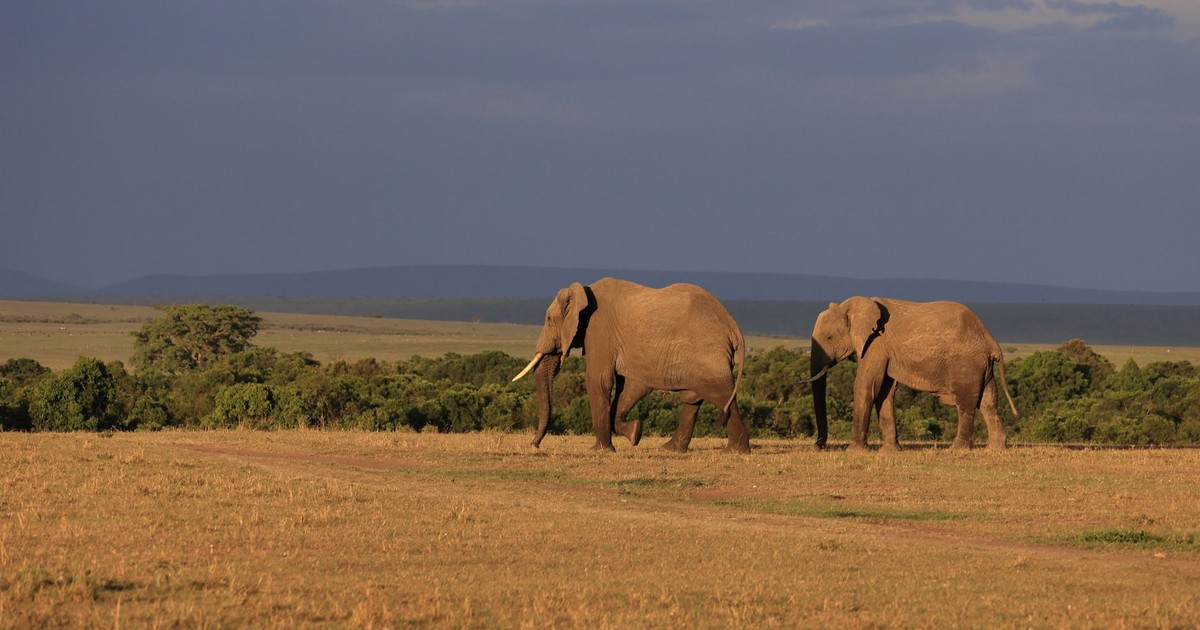
The matriarch leading her family across a dry riverbed in Tarangire or threading through Samburu’s acacia scrub is not responding to this year’s rainfall. She is running a program built from decades of her own experience stacked on top of her mother’s, and her mother’s before that. The knowledge is the route, and the route is the knowledge.
Fences, highways, farmland, and expanding settlements compress and sever the corridors that connect the parks on this list to each other and to the wider terrain elephants need to survive drought, find mates, and keep genetic diversity flowing across populations. In Africa’s KAZA zone, where five governments have committed to keeping those connections open, the challenge is infrastructure creep. In Asia, where Kaziranga’s elephants cross a national highway every monsoon, it’s the sheer density of human activity pressing in from every direction.
The parks themselves are not enough. The land between them is what keeps the migration routes alive, and that land is under pressure everywhere on this list. Visiting matters, not in a vague feel-good sense, but because the economics of wildlife tourism are part of what makes governments and communities willing to hold that land open rather than convert it.