The argument younger daters keep losing isn’t about looks, or timing, or how quickly someone texts back. It’s about what they’re actually looking for and whether they’ve ever asked themselves that question with any real honesty.
People over 60 who are back in the dating pool often describe it the same way: terrifying at first, then unexpectedly freeing. They’ve buried spouses, survived divorces, raised children through chaos, reinvented careers, and outlasted their own worst fears. When they sit down across from someone new at a restaurant, they bring a completely different set of tools than someone who is 34 and counting the minutes until the check arrives. They know things. And most younger singles don’t know they don’t know them.
About 28% of Americans aged 65 and older live alone, a figure that has driven a surge in later-life dating cutting across apps, social clubs, travel groups, and everything in between. Many of these older daters aren’t just looking for company. They’ve figured out something about romantic connection that takes most people decades to learn, and sometimes never. Here are nine of those things.
1. They Know Exactly What They Want and What They Won’t Tolerate
At 32, most people’s dealbreakers are hypothetical. At 62, they’ve been stress-tested by real life. Someone who has navigated a long marriage, a divorce, or the loss of a partner doesn’t wonder whether they can handle a partner who dismisses their feelings or makes them feel small. They already know the answer. They’ve paid for that knowledge in years.
This is the most visible shift in how people date after 60: the list of what they will and won’t accept isn’t negotiable, and it isn’t the product of pickiness. It’s the product of evidence. They’ve learned, sometimes the hard way, what compromises cost them emotionally over time. That clarity shows up early in dating, in the questions they ask, the pace they set, and the speed with which they walk away from something that doesn’t feel right.
Younger daters tend to talk themselves into things. They rationalize the inconsistency, excuse the coldness, convince themselves the pattern will change. Older daters have watched that movie before. They know how it ends. The word “potential” stopped being seductive a long time ago.
2. They’re Not Auditioning, They’re Interviewing

A first date at 25 often carries the weight of wanting to be liked, wanting to seem right, wanting to land the part. The energy is frequently performative: the best version of yourself, slightly curated, slightly anxious. A first date at 65 is a different exercise. These daters are less interested in impressing and more interested in finding out whether this person is actually worth their time.
That shift in posture changes everything. When you’re not performing, you’re listening. When you’re not anxious about whether someone likes you, you can actually pay attention to whether you like them. Older daters are remarkably good at reading people precisely because they’ve stopped trying to manage how they’re perceived. The dinner isn’t an audition. It’s information gathering.
This also means they’re much harder to fool. Someone who has 40 years of reading people can usually tell the difference between genuine warmth and practiced charm in about ten minutes. That’s uncomfortable to sit across from if you’re not being real.
3. They’ve Made Peace With Being Single
60% of widowed or divorced women 50+ say they have no interest in remarrying, compared to only 35% of widowed or divorced men in the same situation. That statistic startles most younger people, who read it as resignation. It’s almost always the opposite.
People who have learned to live well on their own, who have built routines, friendships, identities, and lives that don’t require a partner to feel complete, bring something fundamentally different to a new relationship. They aren’t dating from a place of lack. They aren’t trying to fix loneliness or fill a gap or stop feeling like half a person. They genuinely want to share their life with someone, but they don’t need to. That distinction, the space between want and need, is where the healthiest relationships begin.
Younger daters often date because they’re uncomfortable being alone. The fear of missing out, the social pressure, the panic that sets in on a Friday night without plans drive a lot of dating choices that have nothing to do with actual compatibility. When you’ve already proven to yourself that you can be fine alone, you make very different choices about who you let in.
4. They Understand That Honesty Is the Fastest Route to Anywhere Worth Going
People over 60 have usually dropped the habit of being vague about what they want because they’ve watched what happens when people don’t say the thing directly. The relationship that limped along for three years because neither person wanted to be the one who named what was wrong. The partnership that ended not with a fight but with the slow erosion of two people who stopped telling the truth to each other. They’ve seen it. Many have lived it.
So they say the thing. They tell you what they’re looking for early. They’re upfront about their health, their finances, their relationships with their adult children. Not because they have nothing to hide, but because they know that compatibility built on omission is not compatibility at all. It’s a temporary arrangement waiting to collapse.
For younger daters, that directness can read as bluntness or even aggression. For older daters, it’s just efficiency. Time is finite, and they’ve stopped pretending otherwise.
5. They Don’t Mistake Chemistry for Compatibility
The intoxication of new attraction is the same at 60 as it is at 25. The heart rate, the preoccupation, the constant checking of the phone, that part doesn’t change much. What changes is the ability to hold that feeling while also asking whether this person is actually right for your life. Younger daters, in the grip of early chemistry, often let that question go unasked for months or years at a stretch.
Older daters have learned to keep both things running simultaneously. The attraction can be real and the compatibility can still be a question that needs answering. They’ve usually had at least one experience of a relationship that was electrically compelling in its early stages and catastrophically wrong in practice, and they carry that as useful knowledge, not cynicism.
Someone with that kind of experience can be fully present to what’s happening between you while also keeping a part of themselves clear-eyed. That’s not guardedness. That’s wisdom wearing a very practical coat.
6. They’ve Stopped Pretending Finances Don’t Matter
Cohabitation among adults over 50 grew by 75% between 2007 and 2016, according to Pew Research Center, with many older adults choosing to live together rather than remarry. One of the main reasons: they’ve figured out that how you handle money in a relationship is not a romantic topic. It’s a structural one. And they’d rather know the structure before they’re living inside it.
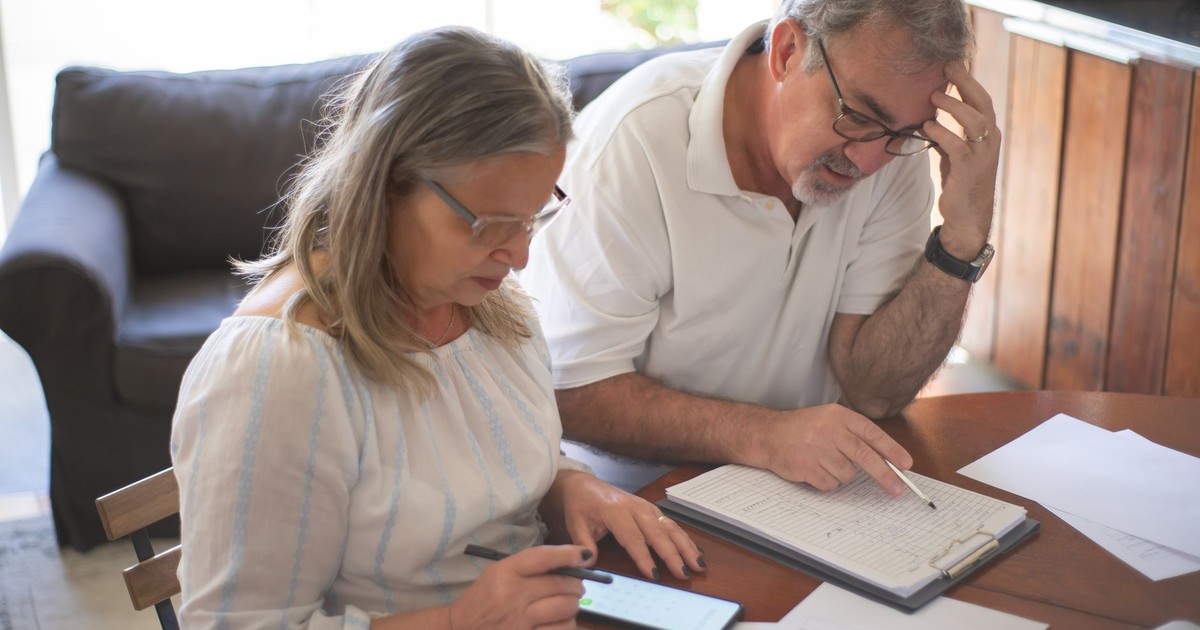
Older daters talk about finances far earlier and more directly than younger ones typically do. Pensions, property, inheritances intended for children from a first marriage, debt, these are not conversations to have after moving in together. They’re conversations that determine whether moving in together is a viable idea at all. Younger couples routinely defer this reckoning until it becomes a crisis. Older daters bring it to the table because they know that financial incompatibility doesn’t announce itself dramatically. It accumulates for years, then explodes.
Learning how money shapes relationship dynamics isn’t unromantic. It’s the opposite. It’s what keeps two people from resenting each other over something that could have been named at the start.
7. They Know That Intimacy Has Almost Nothing to Do With Age
Around 70% of adults aged 50 to 69 are intimately active, and the single biggest predictor of this activity in older adulthood is having a partner, not age, health, or income. That finding tends to surprise people who have absorbed the cultural assumption that physical intimacy naturally fades after a certain point. The reality is more interesting: what fades is often the anxiety, the performance pressure, and the self-consciousness that dog younger people’s intimate lives.
Older daters tend to be more direct about physical intimacy, more comfortable discussing it, and more experienced at knowing what they actually want and saying so. The body changes over six decades, but the knowledge of your own body deepens in ways that can make later-life intimacy richer than anything that came before. That’s not a feel-good platitude. It’s consistently reported by people who date in their 60s and beyond.
Younger people who haven’t yet had the conversation about what they actually want, who feel vaguely embarrassed about their own preferences, and who treat their own desire as something to manage rather than express, are starting from a very different place. That gap in self-knowledge shows up everywhere: in how honestly someone can connect, in how clearly they communicate, and in whether intimacy deepens or stagnates.
8. They Take Romance Scams Seriously, and You Should Too

Confidence and romance scams cost Americans aged 60 and older $389 million in 2024 alone, according to the FBI’s IC3 report. That number is one of the reasons why older daters, particularly those new to online platforms, have become acutely attuned to the gap between how someone presents themselves and what they can verify. They know the red flags: the person who escalates emotionally very fast, who never video calls, who has a complicated reason why they need money, who seems almost impossibly compatible.
The under-reporting problem makes these numbers even more sobering. Older adults often don’t come forward because they’re embarrassed or assume their money is gone for good. Older daters who’ve done their homework move slowly, verify carefully, and trust their instincts when something feels off, not because they’re paranoid, but because they’ve learned that caution is not the same as closing yourself off.
Younger daters on apps often skip this step, moving from chat to in-person meeting so quickly that they never think to wonder whether the person on the screen is who they say they are. The over-60 community, through hard and sometimes expensive experience, has learned to slow that process down.
9. They Understand That a Good Relationship Requires Actual Effort, Not Just Feelings
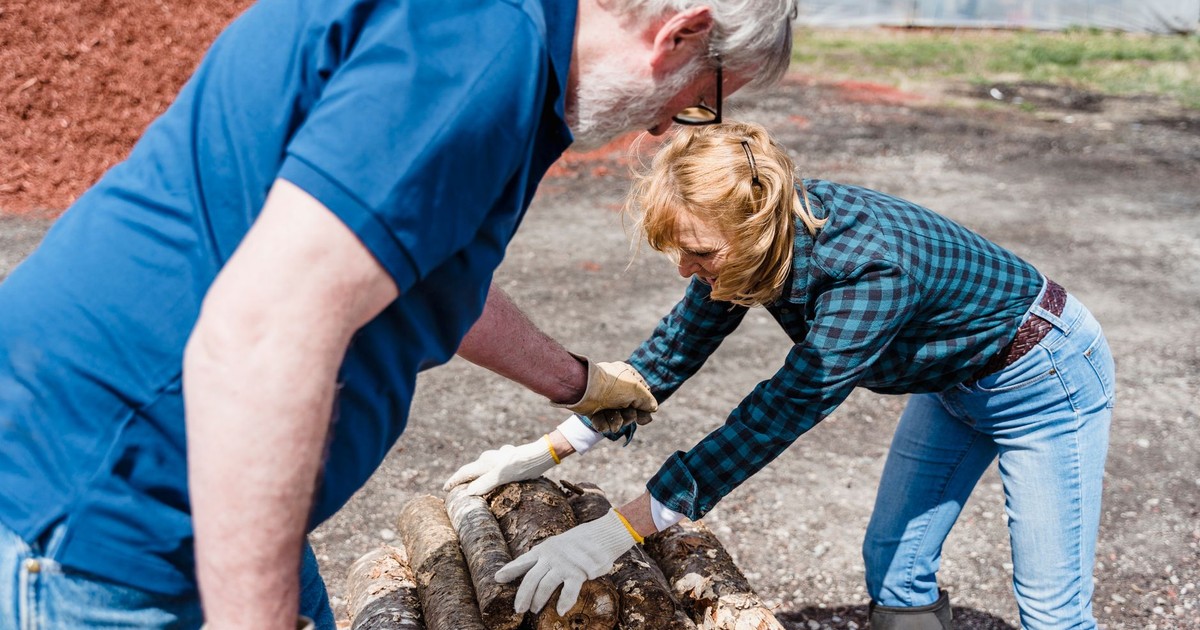
Seniors who are socially isolated are 1.5 times as likely to be diagnosed with dementia and around 1.3 times as likely to be diagnosed with heart disease or suffer a stroke. The stakes of connection in later life are not abstract. People over 60 know this at a bodily level, not just intellectually. A good relationship isn’t incidental to health and longevity. It’s tangled up with both. That knowledge creates a kind of motivation that younger couples don’t always carry.
It means older daters don’t expect relationships to run on autopilot. They’ve seen long marriages that drifted apart not through conflict but through complacency, two people who stopped putting anything in because they assumed the structure would hold itself up. They know it doesn’t work that way. Connection requires tending. Attention. The decision, repeated regularly, to show up for someone.
Among adults over 50, dating apps aimed at older users have grown steadily alongside general platforms, reflecting how broadly later-life dating has moved online. But the platform is always the least interesting part of the story. What matters is what people bring to it. Older daters bring the understanding that love, in practice, is less a feeling and more a sustained set of choices. That’s not pessimism. That’s what makes it last.
What the Younger Generation Is Actually Missing
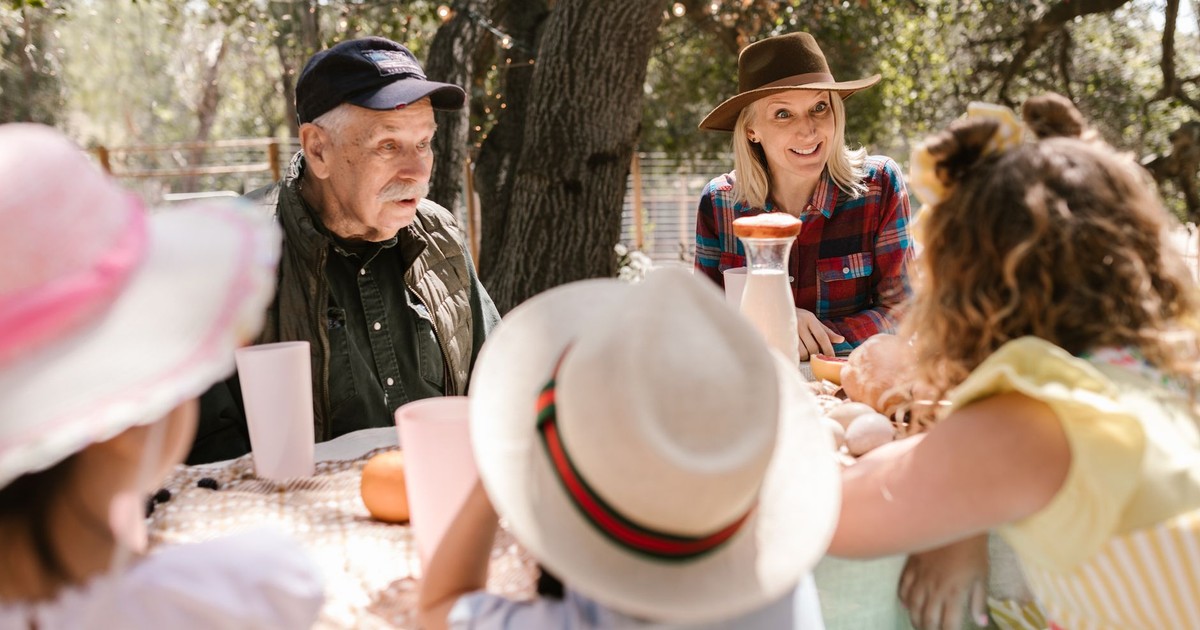
The dating secrets over 60 crowd has accumulated aren’t secret at all, really. They’re just the kind of knowledge that takes time, genuine time, not a shortcut, to earn. You can read about the importance of knowing yourself before partnering with someone else, and still spend your 30s dating people who are spectacularly wrong for you because the knowing hasn’t become bone-deep yet. That’s not a failure. That’s how it works.
Every one of the nine things in this list is learnable before you hit 60. The self-knowledge, the clarity about dealbreakers, the comfort with directness, the ability to hold chemistry and compatibility as separate questions, none of those require decades of failed relationships to develop. They require honesty, and a willingness to stop dating on autopilot.
The people over 60 who date well have usually had their hearts broken in ways that forced that honesty out of them. If you’re lucky, you get to choose it before something forces your hand.
Disclaimer: This information is not intended to be a substitute for professional medical advice, diagnosis, or treatment and is for information only. Always seek the advice of your physician or another qualified health provider with any questions about your medical condition and/or current medication. Do not disregard professional medical advice or delay seeking advice or treatment because of something you have read here.
AI Disclaimer: This article was created with the assistance of AI tools and reviewed by a human editor.