
The animal that most likely to kill you in America is not a bear, a shark, or a rattlesnake. Across most of the country, it’s a white-tailed deer. Not because deer are aggressive, but because they wander onto highways at dusk and total the car doing 65 mph. That particular statistic tends to land differently once you’ve driven I-80 through Nebraska in November.
But “most dangerous animal” gets genuinely complicated when you break it down state by state. The honest answer depends on what you mean by dangerous: pure fatality numbers, the probability of a serious encounter, or the capacity for harm if things go wrong. A grizzly bear in Yellowstone is objectively more terrifying than a black widow in a Florida woodpile, but statistically you’re far more likely to end up in an ER from the spider. Geography, habitat, human population density, and sheer bad luck all factor in. The result is that the most dangerous animals by state are often nothing like what people expect.
Across the full 50 states, a handful of creatures show up again and again: deer, stinging insects, venomous snakes, bears, and dogs. Some states have genuinely alarming wildlife. Others have nothing worse than a spider hiding under a deck chair. Here’s the real picture, region by region.
The South: Snakes, Gators, and Things with Stingers
Alabama sits in the middle of copperhead and rattlesnake territory, but the animal that earns the top threat designation is the black widow spider. Alabama has no shortage of dangerous animals, including alligators and cottonmouth snakes, but the most dangerous is the black widow. Female black widow bites cause chest pain, swelling, and nausea, and while death is rare, it’s more likely in young children and the elderly.
Florida is in a category of its own. In May 2025, Florida recorded its first fatal bear attack in Collier County, a sign that even normally people-averse species are coming into closer contact with humans, possibly due to changing climates and ecosystems. But alligators remain the state’s most iconic threat. The American alligator has the third-highest bite force on the planet at 2,125 pounds per square inch. Florida, Louisiana, and the Carolinas are its primary habitats, and since state records began in 1948, Florida alone has logged 442 unprovoked gator attacks, 26 of them fatal. On top of that, Florida leads the world in unprovoked shark bites, edging out Australia, with most incidents involving blacktip or spinner sharks, though larger bull and tiger sharks occasionally kill.
Georgia, South Carolina, and North Carolina all carry the Eastern diamondback rattlesnake as their primary wildlife threat. The forest floors of the southeastern U.S. are ideal habitat for the Eastern diamondback, the largest venomous snake in North America, capable of delivering venom that causes serious harm and whose excellent camouflage makes it easy to stumble upon in snake-prone areas. Louisiana shares alligator territory with Florida, and Mississippi sits in the same snake belt as its neighbors.
Tennessee, Kentucky, and Virginia all have significant copperhead populations, but stinging insects rival venomous snakes as a cause of death across the entire region. According to a study published16%5B67:AFITUS%5D2.0.CO;2) in Wilderness & Environmental Medicine, the animals most commonly responsible for human fatalities in the U.S. are farm animals, insects including hornets, wasps, and bees, and dogs. Bee and wasp stings kill through anaphylaxis (a severe, whole-body allergic reaction that can close the airway within minutes), not through the sting itself, which is why states with warm climates and high outdoor activity rates see disproportionately high numbers.
Arkansas is deer country. White-tailed deer are the deadliest animal in Arkansas, with a population of roughly 1 million in the state. Approximately 22,000 vehicle-deer collisions happen in Arkansas every year.
The West: Bears, Mountain Lions, and the Mojave Rattlesnake
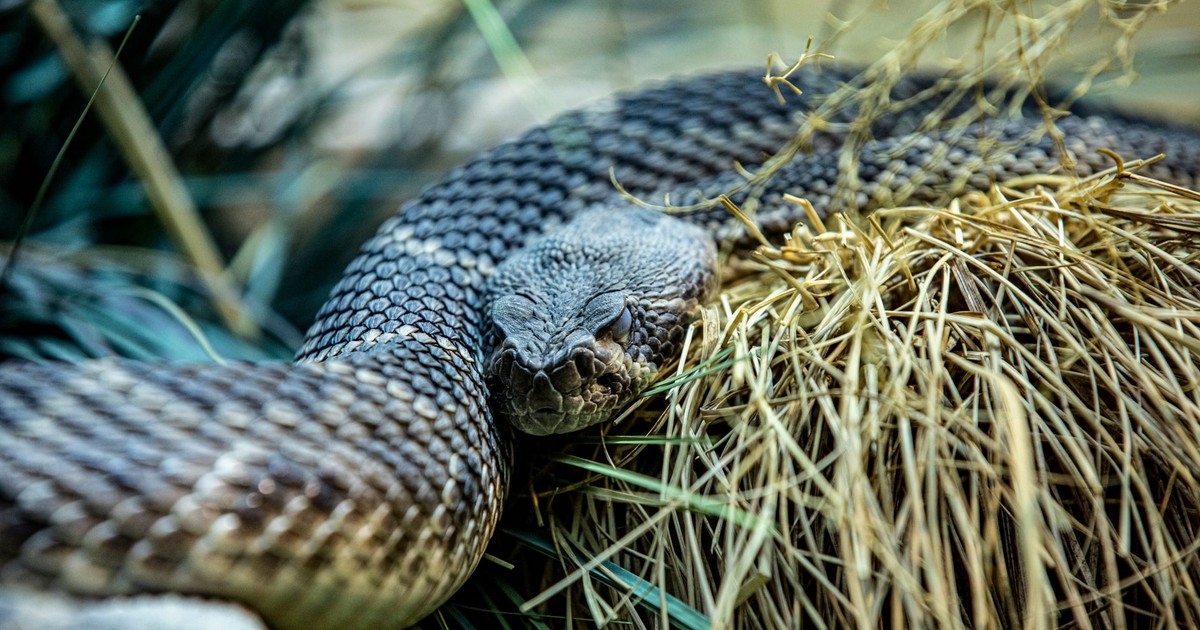
California’s most dangerous animal surprises most people. Despite its bears and sharks, the deadliest animals in California are Southern Pacific rattlesnakes. Great white sharks do patrol California waters and every recorded shark fatality in California has been attributed to great white sharks, but encounters are rare enough that snake bites carry the higher statistical weight over time.
Arizona and Nevada share the Mojave rattlesnake as their primary threat. Arizona and New Mexico lead the nation in scorpion stings and high rates of venomous snake encounters. According to the Arizona Poison and Drug Information Center, Arizona records roughly 250 rattlesnake bites annually, and there are 15 different types of rattlesnakes in the state, all of them venomous. Arizona also reports approximately 11,000 scorpion stings each year, with the bark scorpion responsible for most serious cases. The Arizona bark scorpion is the most venomous scorpion in the U.S., dangerous due to venom that can cause severe neurological symptoms and, in rare cases, death. It’s native to the southwestern U.S., particularly Arizona, and extends down to western Mexico and the Baja Peninsula.
Colorado’s wild country introduces a different kind of risk. Colorado’s elk and moose populations, while impressive to see, become extremely dangerous during mating season or when protecting young. An adult moose weighing up to 1,500 pounds can charge at 35 miles per hour and has been known to stomp people it perceives as threats, causing serious injuries and occasional fatalities. Mountain lions are the state’s other notable predator. Though rarely seen, mountain lions are responsible for several attacks in Colorado’s history, capable of weighing up to 150 pounds and taking down prey much larger than humans.
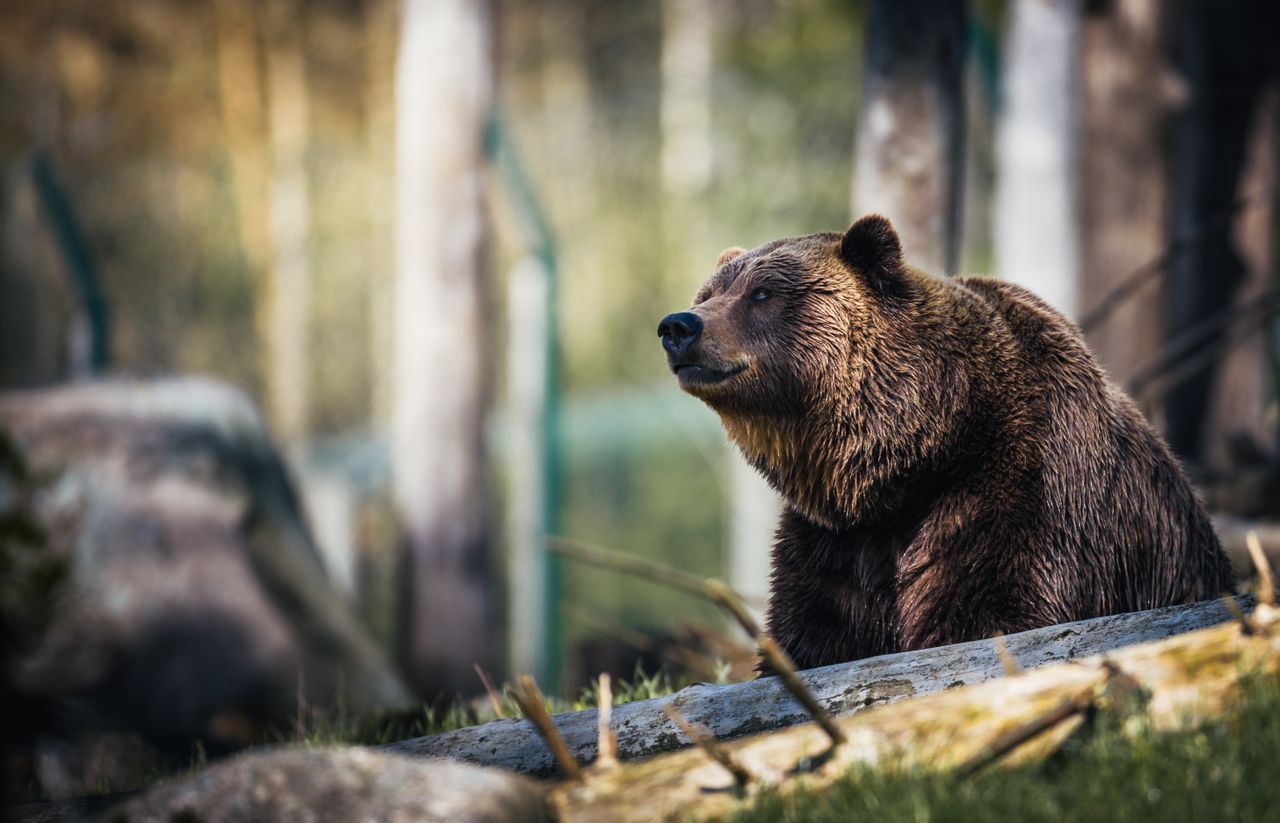
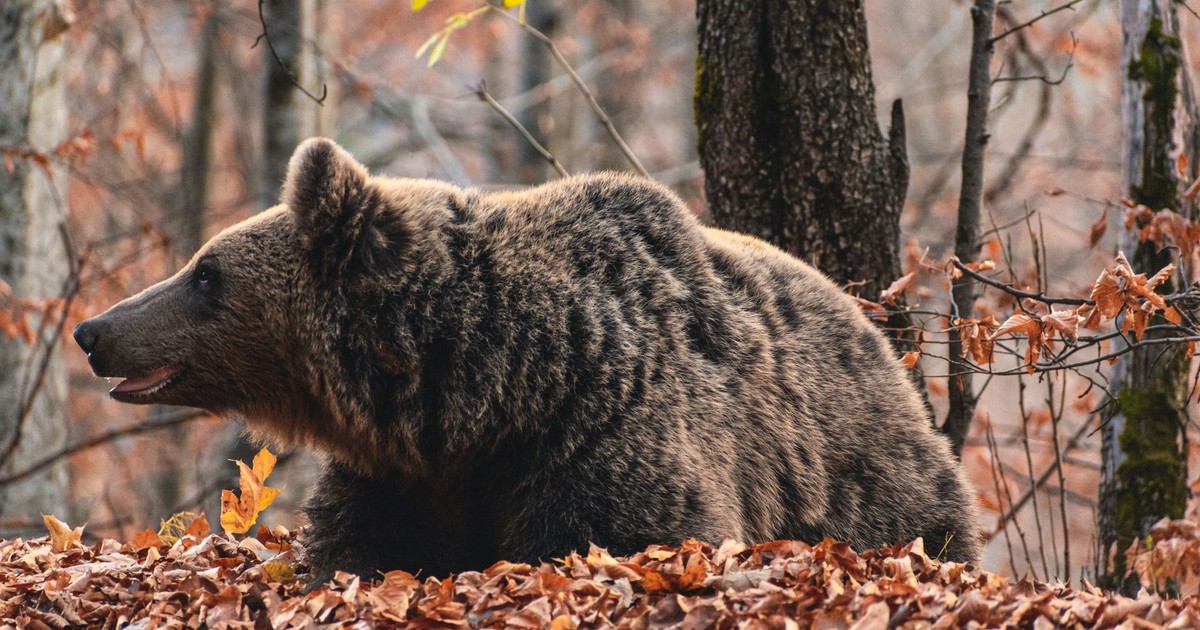
Montana carries grizzly bear country. Montana is home to around 2,000 grizzly bears, and while encounters and attacks are uncommon, their size makes them genuinely dangerous. Wyoming shares the same grizzly habitat, particularly around Yellowstone and Grand Teton. Idaho and Washington also have grizzly populations in their northern reaches, as well as mountain lions throughout their more remote terrain. Oregon adds a specific threat: Oregon’s elk, particularly during rutting season when males become territorial, have been responsible for numerous serious injuries to hikers and photographers who ventured too close, with the animals weighing up to 700 pounds and equipped with sharp antlers.
Utah and New Mexico round out the southwestern picture with rattlesnakes as the primary concern, alongside approximately 4,000 scorpion stings and 150 venomous snake bites reported in New Mexico each year, with periodic incidents involving mountain lions, black bears, and javelinas. Javelinas, which look like wild pigs, are territorial and have injured people who stumbled into their range in the Sonoran Desert.
The North and Midwest: Deer, Moose, and the Nation’s Worst Road
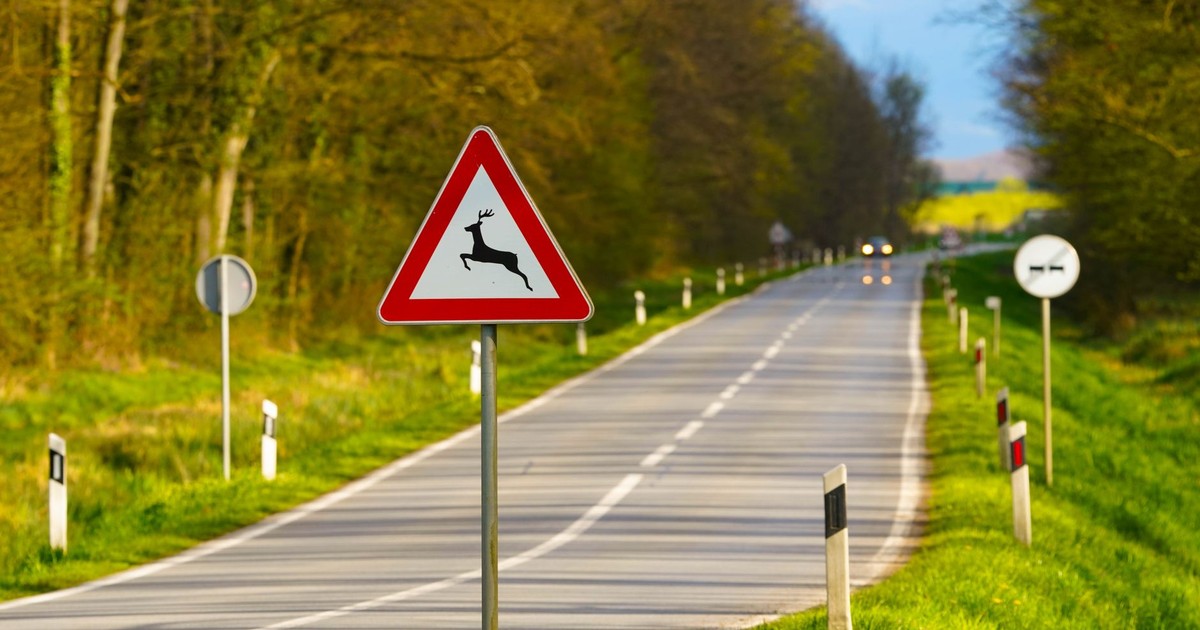
In the Midwest and much of the rural North, the deer collision is the defining animal threat. West Virginia holds the dubious title of riskiest state for animal collisions, a position it has held for more than a decade. State Farm’s 2025 annual analysis estimated 1.7 million auto insurance claims from animal collisions in the U.S. between July 2024 and June 2025, with deer-related incidents accounting for more than 1.1 million of them. Pennsylvania recorded the highest total number of estimated claims at 147,000, followed by Michigan at approximately 126,000, North Carolina at 88,000, Texas at 86,000, and Ohio at 80,500.
Wildlife collision data suggests deer are responsible for as many as 440 fatalities per year nationwide. The states that carry the heaviest burden are the ones with large deer populations and busy highways cutting through rural habitat: Pennsylvania, Michigan, Wisconsin, Illinois, Iowa, and Missouri.
Minnesota and Wisconsin add moose to that equation. Moose are more dangerous than most people appreciate. Moose weigh up to 1,500 pounds and stand six feet at the shoulder, making them particularly dangerous during rutting season and when protecting calves. They also collide with cars with far worse results than deer, given the height of their bodies, which means the vehicle hits the legs and the enormous body crashes through the windshield.
Nebraska’s most dangerous animal is the black widow spider. The deadliest animal in Nebraska is the black widow, which delivers a powerful and painful bite injecting venom. While deaths are rare, bites cause discomfort, rashes, and blisters. Kansas and Oklahoma fall into similar territory, mixing black widows and copperhead snakes with the ever-present deer collision risk.
The Northeast: Timber Rattlers, Ticks, and the Occasional Moose
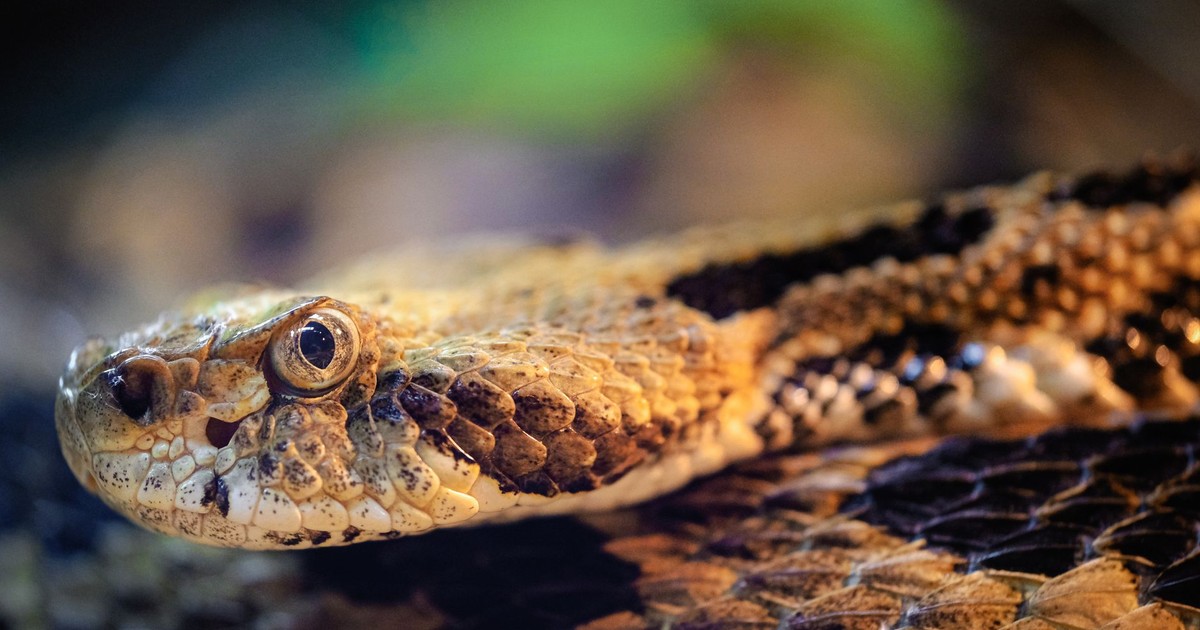
The Northeast is generally the safest region in the country for dangerous animal encounters. Fatal animal attacks are most common in the Southeast and least common in the Northeast. But that doesn’t mean the region is entirely benign.
Connecticut’s most notable threat is the timber rattlesnake. While moose are also dangerous in Connecticut, the timber rattlesnake holds the top spot as the state’s most dangerous animal. Massachusetts, Rhode Island, and Vermont share similar rattlesnake risks, though encounters are infrequent given lower snake populations.
New Hampshire is moose territory. New Hampshire is home to roughly 3,000 to 4,000 moose, which rank as the state’s most dangerous animals primarily through vehicle collisions. In the last five years, the state has averaged approximately 75 moose-vehicle collisions annually. Maine carries the same risk, with one of the densest moose populations per square mile on the East Coast.
New Jersey stands out for an unexpected reason: coyotes. There are up to 6,000 coyotes in New Jersey, and while attacks are almost unheard of, there is growing concern as populations continue to increase and become more comfortable in urban settings. New York, particularly upstate, has both timber rattlesnakes in the Hudson Valley and black bears in the Adirondacks.
Alaska and Hawaii: Extremes on Both Ends
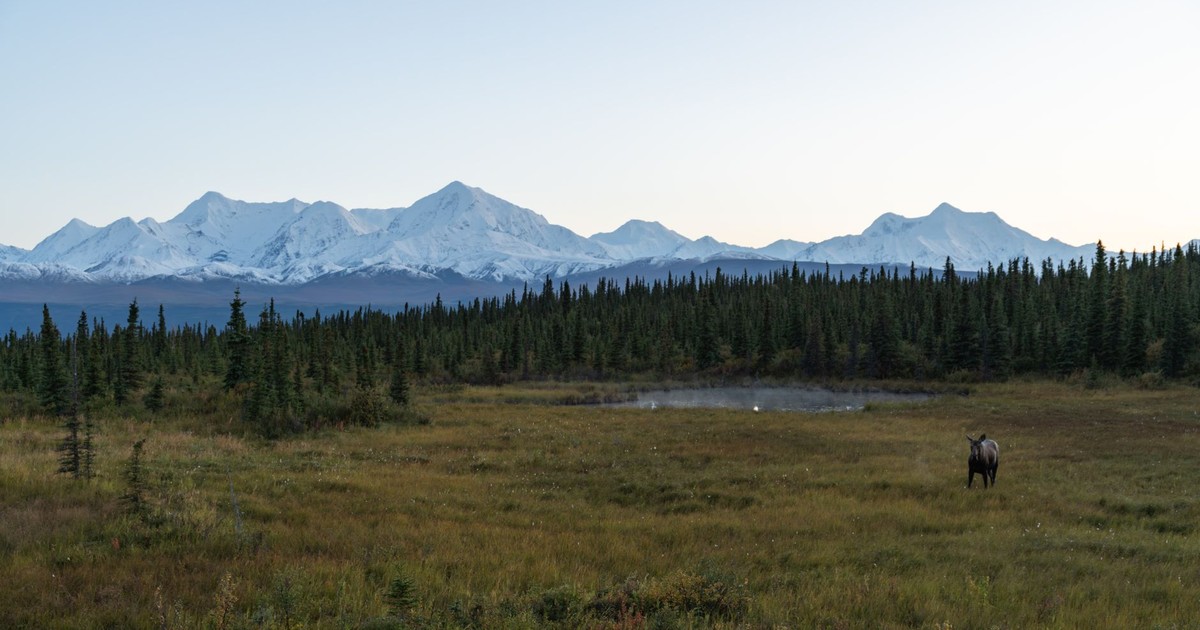
Alaska is the outlier that makes almost every assumption wrong. Alaska hosts North America’s most intimidating predator, the grizzly bear, with animals capable of weighing up to 1,500 pounds and standing eight feet tall on their hind legs. And yet the state’s actual top killer is dogs. Although Alaska has grizzly bears, polar bears, and moose, they aren’t the most dangerous animals in the state. Alaska holds the highest fatality rate from dog attacks of any U.S. state.
Hawaii sits at the opposite extreme. The islands lack the large terrestrial predators found on the mainland, and the most significant wildlife risks come from the ocean: tiger sharks and, for those in more rural areas, wild boar. Hawaii does lead in one unusual category: it has among the highest rates of jellyfish stings of any coastal state, though these are rarely fatal.
The Numbers Nobody Expects
The cumulative picture of dangerous animals across all 50 states tends to upend the usual assumptions about what threatens Americans. Sharks, bears, wolves, and mountain lions capture disproportionate public attention relative to the actual numbers. Between 2008 and 2015, the top cause of animal-related death in the country was a category called “other mammals,” mostly farm animals, responsible for 576 deaths out of 1,610 total animal-caused fatalities. Cows, pigs, and horses killed more Americans than bears, sharks, and alligators combined.
Hornets, wasps, and bees killed 478 people between 2008 and 2015, accounting for nearly 30 percent of all animal-caused deaths during that period. The cause is anaphylaxis, and it can happen to someone who has been stung a hundred times before without a reaction. The immune system can develop a sensitivity over time, meaning a sting that caused no problem at age 30 can become life-threatening at 45.
Dogs come in as another consistent killer. Dogs, including people’s pets rather than feral animals, kill between 30 and 50 people every year. Between 2008 and 2015, dogs were responsible for 272 human deaths, including 95 children under age 10, with the fatality rate for children under four nearly quadruple that of other age groups.
Read More: 15+ Most Dangerous Creatures You Have Never Heard Of
What This Actually Means
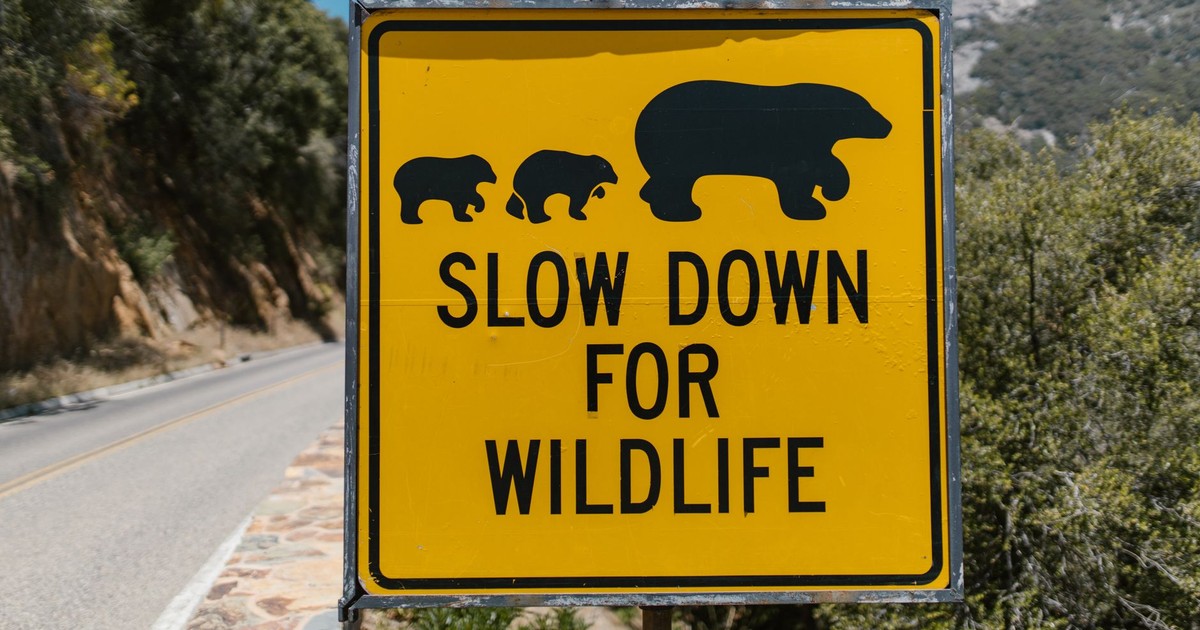
The gap between perceived danger and actual danger is wide in almost every state. People move to Florida worrying about alligators and end up in the ER from a wasp sting. Hikers in bear country spend money on bear spray and get hurt falling on a trail. The animals that show up in nightmares are not, for the most part, the animals that show up in mortality statistics.
That said, none of this makes bears and mountain lions safe, any more than low shark attack numbers make the ocean a swimming pool. Rare events are still real events, and the states where grizzlies, mountain lions, and large venomous snakes live deserve genuine respect for what lives in them. The difference is between caution and fear. Knowing that deer are the deadliest animal in Pennsylvania doesn’t mean you stop watching for bears in Montana. It means you understand what the actual risk profile looks like where you are.
The most useful takeaway from a state-by-state breakdown like this is specific: in the South, watch for snakes underfoot and carry an EpiPen if you spend time outdoors. In the Rockies and Pacific Northwest, bear awareness is real and bear spray works. Across the Midwest and mid-Atlantic, the stretch of road between dusk and 9pm in October is more dangerous than any of the above. And in the parts of the country where the answer turns out to be dogs or farm animals, that’s its own reminder that the risks closest to home tend to be the ones people overlook the longest.
AI Disclaimer: This article was created with the assistance of AI tools and reviewed by a human editor.