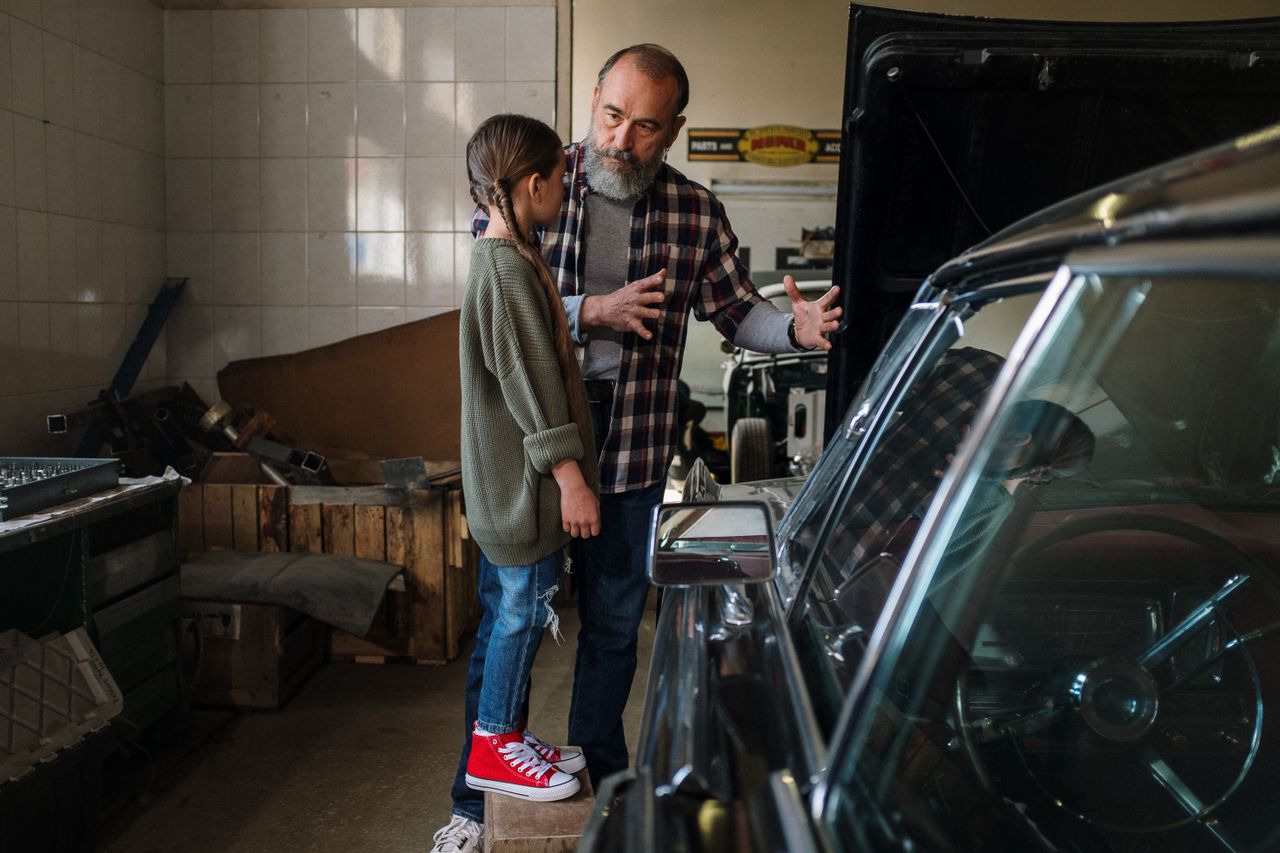

The 90s dad was a particular creature. Not the hands-on emotional archetype of modern parenting books, and not the detached, barely-present figure of the decades before him, either. He was something in between: a man who grilled on Saturdays, kept a Rand McNally road atlas in the glovebox like a sacred text, and genuinely believed that the thermostat was his domain and his alone. He fixed things with duct tape, argued about football with the television, and recorded shows on VHS tapes he labeled in Sharpie and stacked in a tower by the TV. He had a whole system.
90s nostalgia hits hard now, partly because so much of what those dads did has genuinely vanished. Not just evolved – gone. The specific habits, rituals, and pieces of equipment that defined fatherhood in that decade no longer exist in the same form, replaced by smartphones, streaming algorithms, and GPS. Here are 20 things 90s dads used to do that you just don’t see anymore.
1. Driving With the Road Atlas
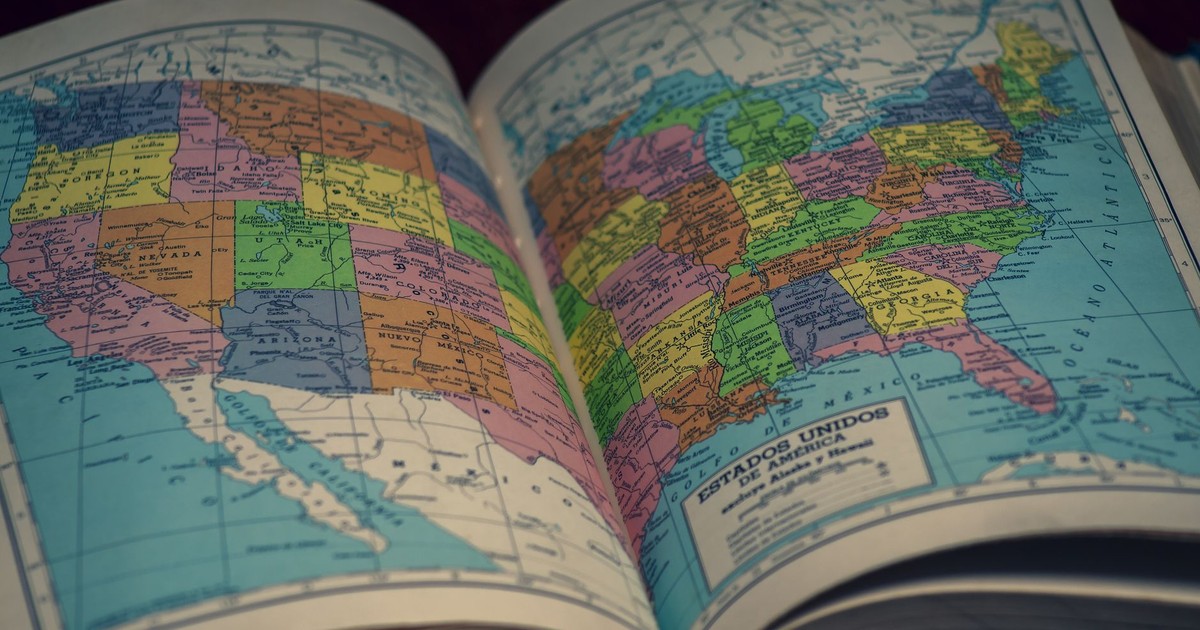
The Rand McNally road atlas lived in the passenger footwell or the glovebox of every family car in the 1990s, dog-eared and marked with old coffee rings from toll-booth pit stops. Before Google Maps existed, your dad was the GPS. He’d pull off at a rest stop, spread the atlas across the steering wheel – which somehow felt totally safe at the time – trace a route with his finger, and announce a revised ETA with the confidence of someone who had definitely done this before.
The ritual of the pre-trip route study was its own event. Dad would sit at the kitchen table the night before a long drive, atlas open, highlighter in hand, mapping the journey. Arguments about which highway to take were real, prolonged, and occasionally heated. Getting lost wasn’t a notification on a screen; it was a family experience that ended either in a gas station asking for directions (which dad resisted as long as humanly possible) or a triumphant “I knew exactly where we were the whole time.”
2. Recording Everything on VHS
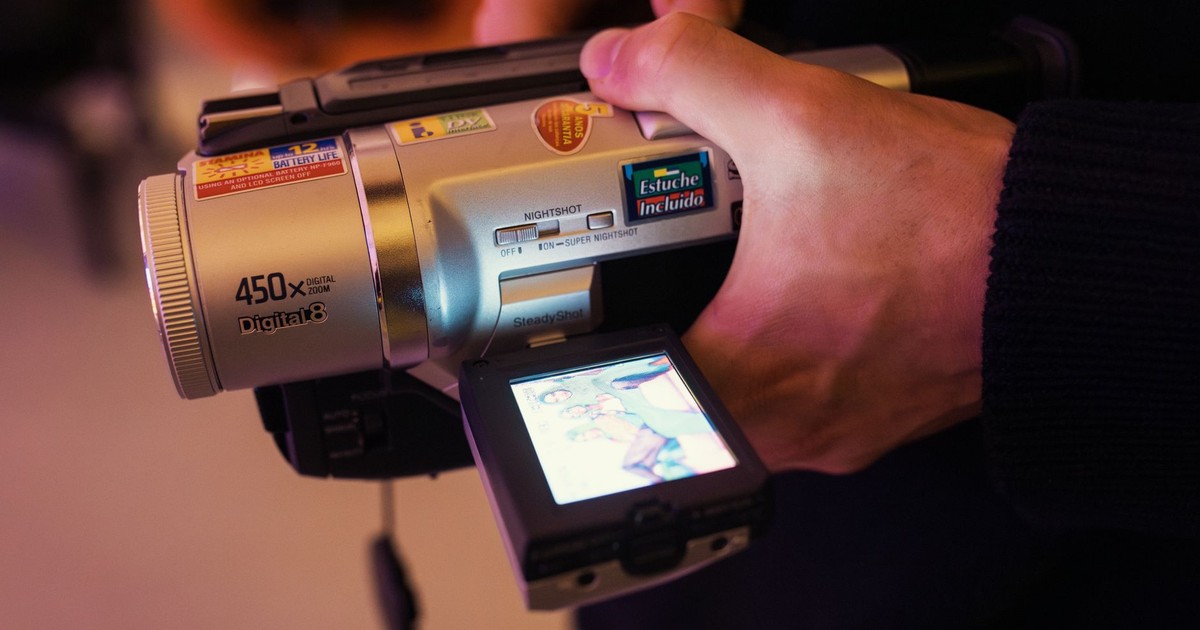
VHS had a significant impact on television. The ability to record TV shows meant viewers were no longer tied to broadcast schedules. Your 90s dad understood this deeply, and he used it. The VCR became his personal DVR, years before DVRs existed, and the shelf next to the TV held a stack of tapes labeled in permanent marker: NFL Playoffs 1994, Discovery Channel – Sharks, Kids’ Stuff DO NOT TAPE OVER.
That last rule got violated roughly once a season. Someone would grab an unlabeled tape and record a football game over the family Christmas from 1992. Dad would discover it three months later, stare at the tape with the expression of a man who has been personally wronged, and then record over something else as revenge. The whole ecosystem of the labeled-tape collection was a household management system unto itself, one that required real organizational commitment and a working knowledge of EP versus SP recording speed.
3. Being the Blockbuster Decider

By the late 1990s, Blockbuster had reached its peak, with over 9,000 stores worldwide, 65 million registered customers, and a $3 billion valuation. And your dad had a membership card to the one three miles from your house. The Friday night Blockbuster run was a ritual with a structure: everyone piled in the car, everyone got to suggest something, and dad made the final call. Usually a thriller. Sometimes an action movie from the $1.99 rack that turned out to be surprisingly good.
What’s been lost isn’t just the store, it’s the event of choosing. Scrolling a streaming service alone in your bedroom is not the same experience as four people standing in an aisle disagreeing about whether to get the horror movie or the comedy, with dad breaking the tie and someone always being mildly disappointed. The walk to the car with the tape in the plastic case, then the ride home, then the act of putting it in – it had a whole arc. One franchise location did outlast the rest: by July 2018, a single store in Bend, Oregon had become the last remaining Blockbuster in the United States, and by March 2019, the last in the world.
4. Guarding the Thermostat
The thermostat in a 90s household was not a shared resource. It was dad’s infrastructure. He’d set it in the morning, and that setting was understood to be load-bearing – not a suggestion, not a starting point for negotiation, but the temperature at which the house would operate until further notice. Anyone who adjusted it without permission would hear about it.
The logic was usually framed in terms of the energy bill, but the thermostat was also a point of authority in a way that’s hard to fully explain. It represented the house running correctly, under management, according to a plan. Modern smart thermostats, which let every family member set a schedule from their phone, have essentially democratized temperature control – which is probably better for everyone, but it did end one of the most reliable and weirdly beloved family dramas of the decade.
5. Fixing Things Instead of Replacing Them
The 90s dad did not throw things away. A broken lamp got a new switch. A lawnmower with a seized engine got a weekend of his attention and a trip to the hardware store for a part that may or may not have been the right one. The garage contained a workbench with tools organized in a way that only he fully understood, and the answer to most household failures was: “Let me take a look at it.”
This wasn’t nostalgia bait – it was practical. Things were built to be repaired, and repair was expected. What’s changed isn’t just convenience culture, it’s manufacturing. Many modern appliances aren’t designed to be opened, and the parts aren’t sold separately. The 90s dad’s fix-it reflex came from a time when things could actually be fixed, and the idea of paying someone else to do what you could do yourself was slightly embarrassing.
6. Watching the Weather on the Actual News
There was no weather app. If your dad wanted to know whether to cancel Saturday’s plans, he had to watch the local news at six or eleven and wait. Not skip ahead, not refresh – wait. The weather segment came after sports, and your dad had usually been sitting through fifteen minutes of city council coverage to get there.
This ritual shaped the whole relationship with weather information. It was event-based rather than ambient. You checked once, you got a forecast, and you made your plans based on it. The meteorologist your dad trusted had a name he knew and an opinion he either respected or argued with. The idea that you could pull out a device and see hourly precipitation probability down to the tenth of an inch would have seemed like science fiction to the man watching the five-day forecast graphic on a Tuesday night.
7. Keeping a Phone Book
The 90s dad knew where the phone book was. It lived in the kitchen drawer or on the shelf near the landline, and when you needed a number – a plumber, a restaurant, a friend’s parents – you looked it up. Dad was often the household’s directory assistance, capable of finding numbers faster than anyone else because he’d memorized the general section structure of the local Yellow Pages.
The phone book also doubled as a booster seat, a doorstop, and a pressing weight for drying flowers, which makes it possibly the most versatile object of the decade. The last major residential phone directory in the U.S. stopped print distribution around 2019, but the 90s version was a genuinely functional piece of household infrastructure. Looking up a number took about forty-five seconds and no data plan.
8. Arguing About the Remote
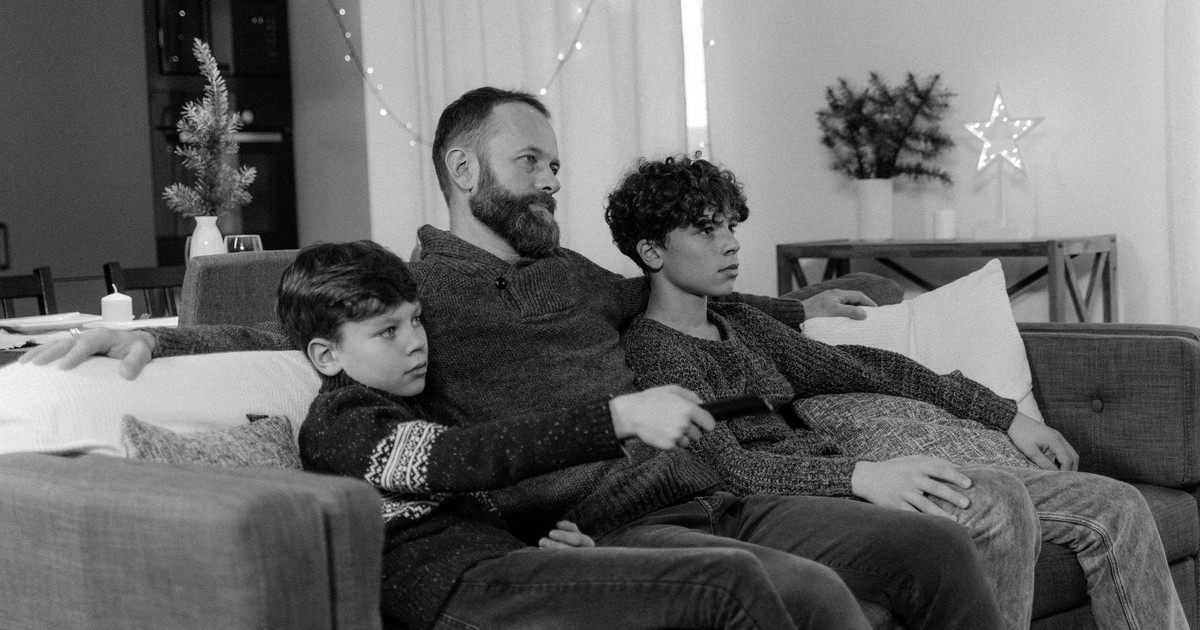
The remote control in a 90s house was a single, slightly sticky object with rubber buttons and no backlighting. There was one of them. It lived on the arm of dad’s chair or, if he’d been generous, somewhere on the couch cushions. Getting up to change the channel while he was watching something was not an option. Asking him to change it required timing and diplomacy.
The hierarchy was understood. Dad got the remote on game nights without discussion. Mom had her shows. Kids negotiated. The television itself only had so many channels – maybe 30 or 40 – which meant the argument was at least constrained. Now every person in a household watches separate content on separate screens simultaneously, which has solved the remote problem by eliminating the shared viewing experience that made it a problem in the first place.
9. Washing the Car in the Driveway

Saturday morning car-washing was a dad activity. The hose came out, the bucket appeared, and if you were lucky you got assigned the rinsing job. The car got washed roughly every two weeks in good weather – not because it was dirty enough to require it, but because the car was a point of pride and maintenance was part of ownership.
This wasn’t about the car getting clean. It was a weekly check on something he was responsible for: the paint, the tires, the general condition. A lot of conversations happened during the car wash. It was one of the few outdoor household tasks slow enough to allow for actual talking. The drive-through wash your kids use now costs eight dollars and takes ninety seconds, which is more efficient but produces significantly fewer conversations.
10. Grilling Like It Was a Profession
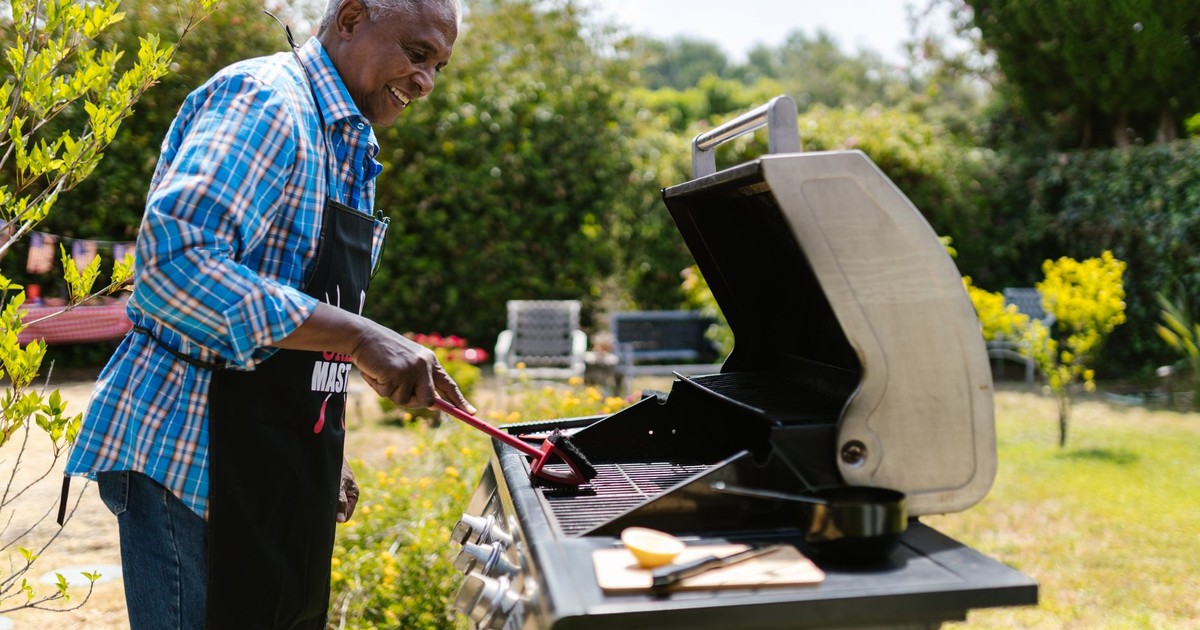
The 90s dad’s grill was a Weber kettle or a gas grill with at least one broken igniter that he lit with a match held at arm’s length. Grilling wasn’t casual – it was a production. He had opinions about coal arrangement, about when to add the lighter fluid, about the correct internal temperature for a burger even though he didn’t own a thermometer and was estimating by feel.
Nobody else was allowed to touch the grill while something was on it. That was the rule. The tongs were his. You could ask how long it would be, and he would say “about ten minutes” three separate times over the course of forty-five minutes without feeling any contradiction. The grill has remained a dad domain across generations, which makes it one of the only items on this list that genuinely survived the decade intact.
11. Using Encyclopedias for Research

Before the internet became a household fixture in the late 1990s, the encyclopedia set in the bookcase was the research tool. Some families had Britannica, some had World Book, and dad was the one who’d bought the full set from a door-to-door salesman sometime in the late 1980s on the grounds that it was an investment in education.
Arguments about facts – capitals of countries, heights of mountains, inventors of things – got settled by sending someone to the bookshelf to look it up. Dad’s encyclopedias were usually a decade out of date but he maintained confidence in them anyway. The CD-ROM edition of Microsoft Encarta arrived mid-decade and felt revolutionary. Now you can settle any factual argument in about six seconds on a phone, which has ended both the encyclopedia industry and a particular kind of dinner-table standoff that took twenty minutes to resolve.
12. Paying for Everything in Cash
The 90s dad carried cash. Not because he was avoiding something – it was just how transactions worked. He’d stop at the ATM before a big shopping trip, pull out a specific amount, and spend the week drawing down from it. The grocery run, the gas station, the pizza order, the school fundraiser: all cash.
There was a discipline to it that’s genuinely hard to replicate digitally. When the cash was gone, it was gone. The physical envelope of the weekly budget was tactile in a way that a bank app balance just isn’t. Kids who grew up watching dad count out exact change at the checkout developed an early understanding of how money moved that the tap-to-pay generation is piecing together differently.
13. Keeping the Newspaper Subscription
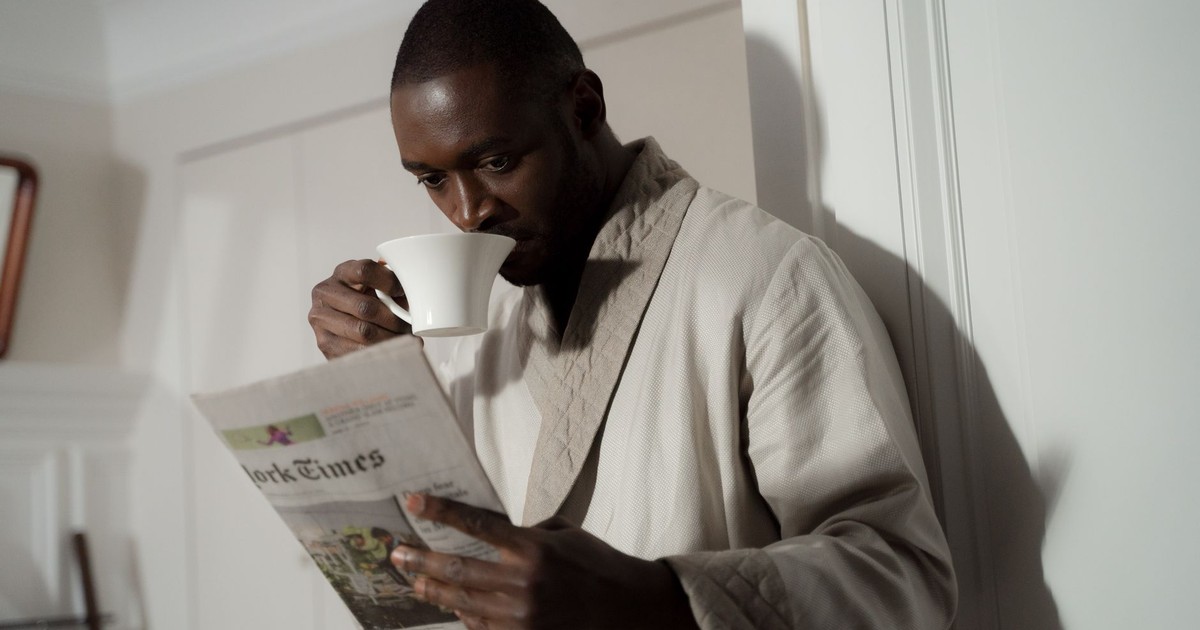
The morning paper was a fixture. Dad usually read it before anyone else was awake, at the kitchen table with coffee, working through it in a specific order – front section, then sports, sometimes business. The newspaper was his daily briefing, and it arrived at the same time every morning whether he was home or not.
The Pew Research Center notes that newspapers have been hard hit as more and more Americans consume news digitally. But in the 90s, the paper was non-negotiable household infrastructure. Missing a delivery was an actual inconvenience that prompted a call to the circulation department. Dad’s newspaper wasn’t just news – it was routine, physical, and ritual.
14. Recording Sports Games to Watch Later
The VCR’s highest calling, in the 90s dad’s household, was preserving live sports. He’d set the timer recording before leaving for a family event, then come home and watch the game on tape while carefully avoiding knowing the score – a project that required the cooperation of the entire household and ideally a news blackout.
“Don’t tell me the score” was the 90s dad’s version of a spoiler warning, and everyone understood it. If you accidentally let the result slip, you’d caused a genuine emotional injury. The recorded-sports ritual required real logistical commitment: programming a VCR timer correctly, managing tape length, remembering to put a new tape in. Modern sports streaming, with its pause-and-rewind features, has made this infinitely easier, but it also means nobody has to ask the whole family to stay quiet about the score for three hours.
15. Having a Home Office That Nobody Else Used
The home office in a 90s house was often a spare room or a corner of the basement with a desk, a large beige computer, and a filing cabinet. Dad used it for taxes, for work he brought home on floppy disks, and for the occasional correspondence typed out on a word processor. The kids were allowed in to use the computer, but the desk itself was his domain.
The desktop computer of the mid-to-late 90s was a shared household resource rather than a personal device, which meant access was rationed and the family had a single internet connection – a dial-up line that made a sound like a fax machine arguing with itself and occupied the phone line for as long as it was in use. The home office as a dedicated, dad-specific space has been replaced by the reality that everyone in the house now has multiple devices and works, learns, and communicates from wherever they happen to be sitting.
16. Never Asking For Directions

This one has become a cliché because it was real and near-universal. The 90s dad did not stop to ask for directions. He’d drive in a general direction, estimate the rest, and either find the place or invent a reason why not finding it was actually fine. The logic – never fully articulated – seemed to be that stopping implied you didn’t already know the way, and not knowing the way was its own kind of admission.
GPS has made this a non-issue in a way that removed a specific kind of family tension that actually shaped a lot of car trips. The backseat disagreement about whether dad knew where he was going, the mom reading from the MapQuest printout, the dad insisting the printout was wrong – all of it gone. Now the phone just tells you in a calm Australian accent to turn right in 400 feet, and nobody argues with the phone.
17. Doing All His Own Yard Work
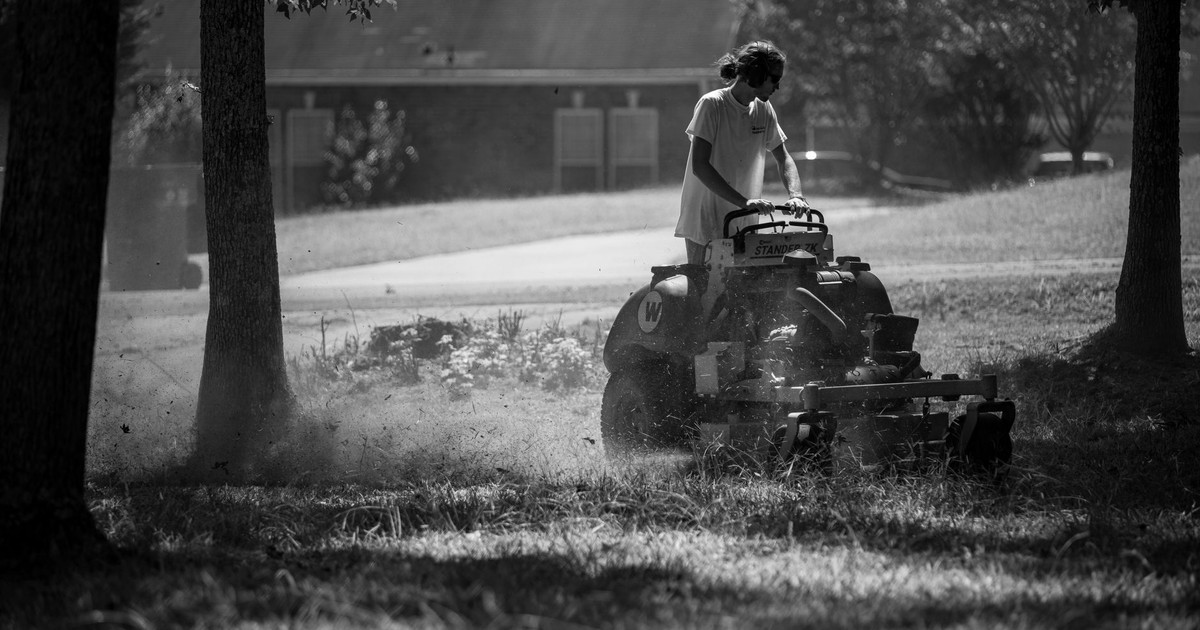
The 90s dad mowed, edged, raked, planted, and fertilized. He had specific opinions about fertilizer schedules. He owned a spreader. The yard was a project he managed with seasonal intention, and Saturday mornings had a smell – cut grass, two-stroke engine exhaust – that kids of that era can still locate instantly in memory.
Lawn care services exist now and are more accessible than ever, but the 90s dad relationship with the yard went beyond maintenance. The yard was an expression of how he ran his house. It was visible from the street. Neighbors could evaluate it. Dad absolutely knew that, and the push mower running at 8am on a Saturday was at least partly a statement.
18. Playing Cards or Board Games on Friday Night
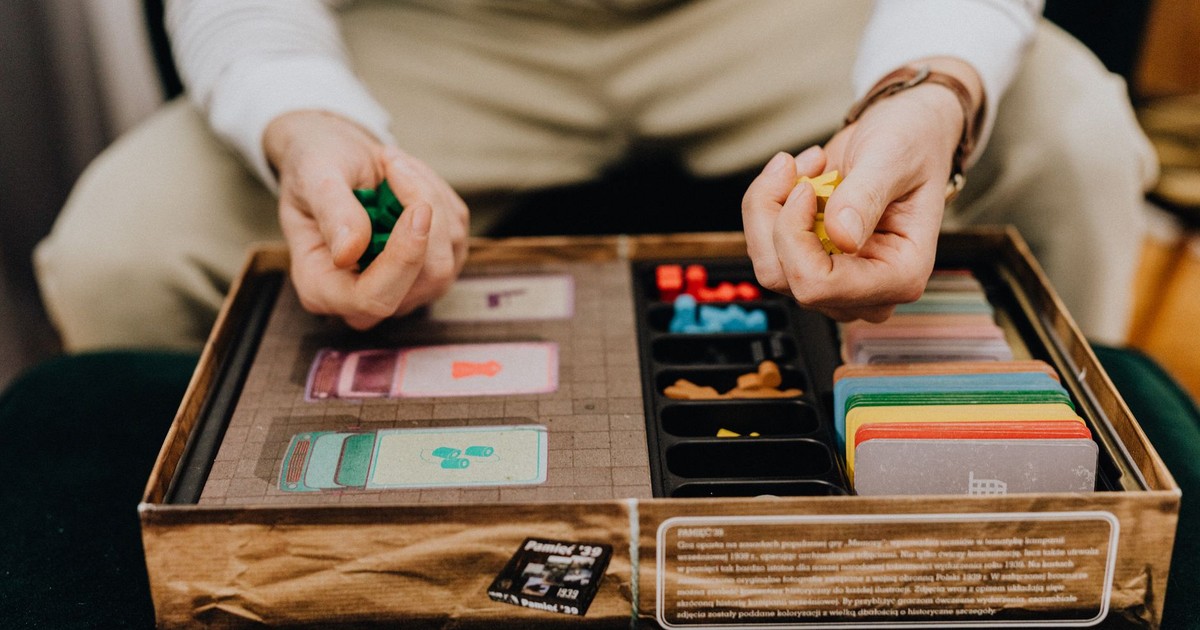
Before streaming made Friday night a solo activity you could conduct in separate rooms on separate devices, the family game night was a real, recurring feature of many 90s households. Dad played cards. He knew actual card games – rummy, cribbage, poker for matchsticks. He played board games with competitive sincerity, including Monopoly, which he played to win and occasionally complained wasn’t being played correctly.
The physical game collection in a 90s house was a reliable social infrastructure. When people came over, things got pulled off the shelf. The element of having to be in the same room and interact with the same object at the same time is what’s changed. Game nights still happen, but they require conscious effort to organize in a way that Friday-night card games in the 90s did not.
19. Cooking One Signature Dish Extremely Well
The 90s dad cooked approximately one thing and cooked it perfectly. Maybe it was chili made in a cast-iron pot. Maybe it was a specific pasta recipe learned from his own father. Maybe it was weekend pancakes or the holiday brisket or a very specific way of making potato soup. Whatever it was, it was his, and everyone in the family knew it.
This wasn’t a broad culinary interest – it was mastery of a single dish, maintained with pride across decades. The cultural shift toward cooking as a flexible, exploratory, gender-neutral activity is genuinely positive, but it did dissolve the specific appeal of the dad-dish: the thing you always requested, the recipe passed down in a form that could never quite be replicated, the meal that tasted like a specific time of year.
20. Writing Checks for Everything
The checkbook was the 90s dad’s payment system for anything that wasn’t cash. Utilities, rent, school fees, the plumber, the grocery store that still accepted personal checks: all paid by check, written out carefully, recorded in the little register on the cover. Dad balanced the checkbook monthly, which was a ritual that could take an evening and occasionally revealed that someone had spent money nobody remembered spending.
This wasn’t just a payment method – it was a paper trail, a ledger, a physical record of where the money went. The check register was the household’s financial history, one line at a time. It required math, patience, and a ballpoint pen that worked. Online banking has made all of that faster and more accurate, but something got lost when the monthly ritual of reconciling every dollar disappeared from the kitchen table.
Read More: 11 Ways Being Raised by a Narcissistic Dad Shapes You as an Adult
The Guy Who Held It All Together

Looking back at the full list, something becomes clear that isn’t obvious when you’re living through it as a kid: the 90s dad was running a household system. The atlas, the VCR timer, the checkbook, the labeled tapes, the thermostat, the lawn schedule – these weren’t quirks. They were the operating logic of a particular kind of family life, one where information was scarce, things were built to last, and the responsibilities of the house were organized around a set of physical objects that required real attention.
Most of those objects are gone now, replaced by apps and subscriptions and services that do the same jobs more efficiently. The dad who navigated by atlas and balanced a checkbook and recorded the playoffs on tape was working harder than his equivalent does today, but he was also more visibly in charge of something specific. That visibility isn’t a small thing. The 90s dad’s version of fatherhood came with props, and the props made the role legible in ways that are harder to see now. That doesn’t mean it was better. It just means it was a specific thing – and now it isn’t anymore.
Disclaimer: This information is not intended to be a substitute for professional medical advice, diagnosis, or treatment and is for information only. Always seek the advice of your physician or another qualified health provider with any questions about your medical condition and/or current medication. Do not disregard professional medical advice or delay seeking advice or treatment because of something you have read here.
AI Disclaimer: This article was created with the assistance of AI tools and reviewed by a human editor.