

Pick up your dog’s heartworm tablets while grabbing your own blood pressure refill. As of July 21, 2026, that’s how Tuesday afternoon at CVS works. The chain announced that prescription pet medications are now available at all of its approximately 9,000 locations nationwide, making it one of the largest retail pharmacy expansions in the U.S. pet care market in recent memory.
More than half of all U.S. homes have at least one pet, and the costs of keeping those animals healthy have climbed steadily for years. Getting a prescription filled has historically meant buying directly from the vet’s office, often at a steep markup, or navigating a specialized online pet pharmacy and waiting on delivery. CVS compressed that whole process into a trip most people were already making.
The CVS pet pharmacy program is a full national rollout with the same suite of convenience features the chain already extends to its human customers: auto-refill, prescription syncing, app management, and delivery for eligible medications.
What Medications Are Available
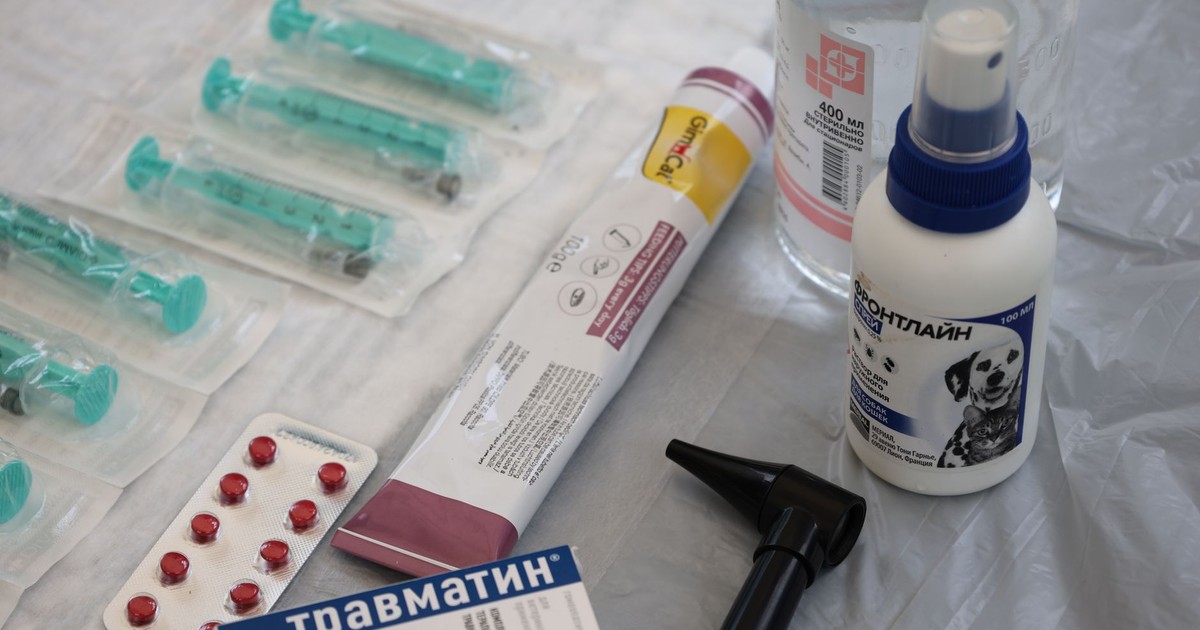
CVS Health announced on July 21, 2026 that common prescription medications for dogs and cats are now available at its approximately 9,000 CVS Pharmacy locations nationwide. Pet owners can fill prescriptions for select pet-only medications, including antibiotics, allergy treatments, flea and tick control, insulin, and pain relievers.
Those categories cover daily ground for pet owners. Allergy medications like Apoquel manage chronic itch in dogs. Flea and tick prevention drugs such as Simparica Trio and NexGard are monthly staples for millions of households. Insulin for diabetic pets cannot be skipped. Pain management drugs including Rimadyl and Galliprant are often prescribed for older dogs living with arthritis. The program covers branded drugs including Apoquel, Rimadyl, Revolution Plus, Simparica Trio, Cerenia, Metacam, Vetmedin, Senvelgo, Previcox, Prozinc, Heartgard Plus, NexGard, Credelio, and Deramaxx.
Select pet medicine is available in select locations, and medication availability may vary. Calling ahead or checking CVS.com before making the trip is a sensible first step, particularly for less common medications.
How to Fill a Pet Prescription at CVS
Pet owners can fill prescriptions by bringing a written prescription from their veterinarian to a CVS Pharmacy or asking their veterinarian to send it directly to the pharmacy.
The fax-or-call-in route is already familiar to anyone who has transferred their own prescriptions between pharmacies. For pet medications, the workflow is identical. Pet owners can ask their vet for a paper prescription to bring into their local CVS Pharmacy location, or request that the veterinarian send it through fax or by calling it in. Helpful information to include alongside the prescription is the pet’s weight, any known allergies, and relevant medical history. Pet owners can also contact their veterinarian for a new prescription, or the pharmacy team can request one on their behalf.
Pet prescriptions are eligible for many of the same pharmacy services as their owners’, including automatic refills and prescription syncing. For a dog on a daily allergy pill or a cat on a thyroid medication, having that prescription auto-refilled on the same schedule as the owner’s own medications removes a meaningful source of friction.
Pet owners can add their pets to their CVS.com profile and manage eligible pet prescriptions through the CVS Health app. That means one app, one profile, and one pickup run for the whole household’s prescriptions.
What’s Coming Next
The company said electronic prescribing capabilities for veterinarians are expected to become available in the coming months. Right now, veterinarians cannot send prescriptions to CVS electronically the way a physician can send a human prescription to a pharmacy. They must fax, call, or give the pet owner a paper script. That’s functional but archaic, and CVS has signaled it won’t stay that way for long.
Electronic prescribing for veterinary practices will make the system smoother for both sides. According to Veterinary Practice News, CVS has confirmed that electronic prescribing capabilities and other service enhancements for pet medications are planned in the coming months.
CVS Pharmacy’s own Pet Central brand includes grooming tools, pet care and wellness accessories, toys, cat litter, and puppy training pads, with new items coming in September. While the prescription service is the headline, CVS is also building out its broader pet care footprint in-store.
CVS Joins a Growing Field

In adding pet prescriptions to its pharmacy options, CVS joins Publix, Costco, Walmart, and Walgreens, which also offer the option. None of them operate at quite the same scale or with the same geographic reach as CVS, which sits at roughly 9,000 locations. For most Americans, there is a CVS closer to home than a dedicated pet pharmacy or even their vet’s office.
The American Pet Products Association reported that U.S. pet industry expenditures reached $158 billion in 2025, up 3.7%, and are projected to reach $165 billion in 2026. While about half of pet owners reported unchanged spending in 2025, value-seeking is rising, with 22% of pet owners spending less on their pets in 2025, a 10% increase compared to 2024. People are still spending, but they are looking harder for ways to do it more efficiently. Filling a pet prescription at a pharmacy that offers generic pricing and auto-refill programs instead of buying directly from the vet’s office fits exactly into that pattern.
Spending patterns show a shift away from discretionary items toward essential care, with Gen Z and Millennials particularly likely to report that the economy has not affected their pet ownership. A generation that treats dogs as family members and budgets veterinary care alongside rent will welcome a frictionless prescription pickup at a store they pass on the way home.
What This Means for Pet Owners in Practice

The answer to “should I transfer my pet’s prescriptions to CVS?” depends on a few practical factors. Location matters: if the nearest CVS is five minutes away and the nearest pet pharmacy is across town, the math is easy. Pricing matters too, and a quick comparison is worth doing. CVS has a generic drug program that sometimes undercuts specialty pet pharmacies, but branded pet medications often carry fixed retail prices regardless of where they’re dispensed.
The auto-refill and prescription syncing features are the genuine differentiators for anyone managing a pet on a chronic medication. The twice-a-year panic of realizing the flea prevention has run out mid-month, or the scramble when a refill lapses on a dog’s heart medication, is real and stressful. A prescription that auto-refills on a set schedule is one less thing to track.
The delivery option adds another layer of convenience for pet owners who are managing complex medication schedules, or who simply can’t always make it into a store. Once the prescription is received, customers can pick it up in store or choose delivery for eligible medications. For controlled or refrigerated medications, in-store pickup remains the likely requirement, but for standard monthly preventatives and daily oral medications, home delivery is a realistic option worth checking.
Pet medications are not covered by standard health insurance in the way human prescriptions often are. Some pet insurance policies reimburse for prescription medications after a claim, but the purchase itself is typically out-of-pocket. CVS’s ExtraCare loyalty program will apply to these purchases, which provides some modest savings, and the auto-refill program can flag when a prescription is running low before it runs out.
The Real Shift Happening Here

This isn’t just about convenience, though convenience is real and welcome. What CVS entering the pet prescription space signals is something more structural: the boundaries between human healthcare and pet healthcare are blurring at the retail level, and the infrastructure of human pharmacy services is being extended, piece by piece, to animal medicine.
That process has been going on for years in veterinary medicine itself. Many of the drugs dispensed for dogs and cats are the same molecules as human medications, compounded or reformatted for different dosing. Pharmacists who fill an Apoquel prescription are working with a drug developed specifically for veterinary use, but the pharmacy workflow and the dispensing technology behind it are exactly the same as for any other prescription.
The CVS move accelerates that integration. When electronic prescribing for vets comes online later this year, the gap between human pharmacy and pet pharmacy will narrow further. “We’re proud to be a trusted partner in our patients’ health care journeys,” said Sid Tenneti, Senior Vice President and Interim President of Pharmacy and Consumer Wellness at CVS Health. “With the addition of pet medication dispensing, CVS Pharmacy can now serve every member of the family. Combined with our convenient locations, extended hours, and broad range of health and wellness products, we offer a true one-stop destination for care.”
Pets as family members is not incidental framing. It’s the premise the entire rollout rests on. And for the tens of millions of U.S. households where the dog or cat genuinely is treated as a family member, having a pharmacy that operates on the same logic is a practical benefit that will show up in small, real ways: one fewer errand, one fewer expiring prescription, one fewer urgent call to the vet because a refill didn’t arrive in time.
Pet owners have been improvising around a fragmented system for years, splitting their time between vet offices, online pharmacies with variable delivery windows, and big-box pet stores that may or may not have what’s needed. A national chain stepping into that gap with auto-refill, app management, and eventual electronic prescribing doesn’t fix every gap in pet healthcare. But it removes a friction that a lot of people have been working around for a long time.
What to Do Right Now

If your pet is already on a recurring prescription (monthly flea and tick prevention, a daily allergy medication, or anything that needs regular refilling) this is the most immediate practical opportunity. Call your vet’s office, ask for a written prescription or request they fax it to your nearest CVS, and set up auto-refill. The upside is real: one less errand category, one less expiration date to track.
If you’re not sure whether your specific medication is available, the CVS pet medication page at cvs.com/content/pharmacy/pet-meds lists current options and lets you search by drug name. Availability does vary by location, so confirming before you make the trip is the sensible move. And if electronic prescribing matters to your vet practice (the ability to send scripts directly rather than faxing) that feature is still a few months out, but it’s confirmed as coming. The system is functional right now; it will just get less friction-dependent as the year progresses.
Disclaimer: This information is not intended to be a substitute for professional medical advice, diagnosis, or treatment and is for information only. Always seek the advice of your physician or another qualified health provider with any questions about your medical condition and/or current medication. Do not disregard professional medical advice or delay seeking advice or treatment because of something you have read here.
AI Disclaimer: This article was created with the assistance of AI tools and reviewed by a human editor.