
The world map you learned in school was already out of date when you learned it. Countries that appeared on maps your grandparents used don’t exist anymore, not because cartographers got it wrong, but because the nations themselves vanished. Some were dissolved by war, some split apart over disagreements that went national, some were swallowed by larger powers that simply decided the smaller country had no right to carry on.
A person born in 1940 could have held a passport from four countries that no longer exist. Since 1900 alone, dozens of internationally recognized countries have disappeared from the world map. Others on this list lasted centuries before finally giving way. The reasons range from the brutal to the surprisingly civilized.
Here are 12 countries that no longer exist, what they were, why they ended, and what replaced them.
The Soviet Union (1922-1991)

At its peak, the USSR covered 22.4 million km², the largest country in history, and was home to nearly 287 million people speaking over 100 languages. It was a superpower with nuclear weapons, a space program, and satellites in orbit. Then, in the span of a single year, it ceased to exist.
According to Britannica, the collapse resulted from several intertwined factors: chronic economic stagnation, Gorbachev’s reforms through glasnost and perestroika, intense ethnic nationalism within its union republics, and a sharp drop in oil prices that sent the economy into a tailspin. The Soviet Union was running large hidden budget deficits while suffering chronic shortages of consumer goods.
On December 8, 1991, the leaders of its three founding republics, the Russian SFSR, the Byelorussian SSR, and the Ukrainian SSR, signed the Belovezh Accords and declared that the Soviet Union no longer existed. The former superpower was replaced by 15 independent countries: Armenia, Azerbaijan, Belarus, Estonia, Georgia, Kazakhstan, Kyrgyzstan, Latvia, Lithuania, Moldova, Russia, Tajikistan, Turkmenistan, Ukraine, and Uzbekistan. The collapse left some 30 million Russians outside the Russian Federation’s borders, mainly in Kazakhstan, Ukraine, and the Baltic countries.
Yugoslavia (1918-1992)
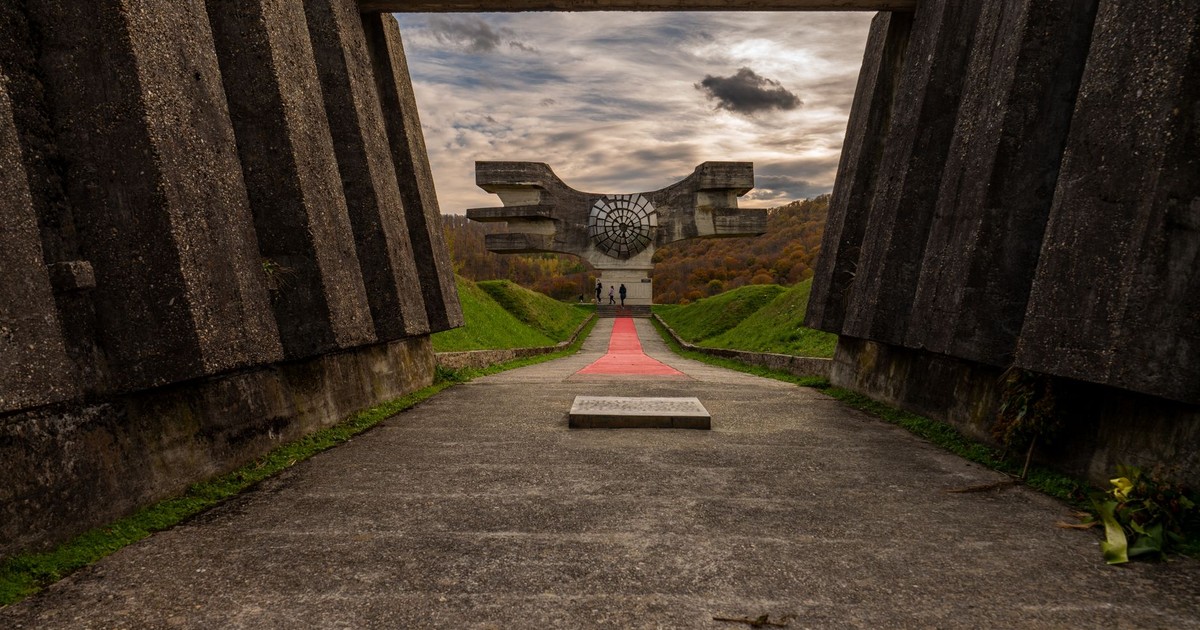
Yugoslavia, meaning “Land of the Southern Slavs,” came into being in 1918 following the collapse of Austria-Hungary. The country was a kingdom until World War II, when King Peter II was deposed and Yugoslavia became a socialist republic under dictator Josip Broz Tito.
After Tito’s death in 1980, the country went into a slow breakup as ethnic tensions rose within the constituent states. By 1991, tensions had reached a boiling point, and the country descended into a decade-long war that saw severe war crimes. What began as declarations of independence by Slovenia and Croatia in 1991 escalated into a decade of wars that killed over 140,000 people and included the worst genocide in Europe since the Holocaust, the Srebrenica massacre of 1995, in which over 8,000 Bosniak men and boys were murdered.
Today, the independent regions and countries that made up Yugoslavia are Croatia, Serbia, Bosnia and Herzegovina, Kosovo, Montenegro, and Slovenia. Kosovo, the last to gain widespread recognition, declared independence in 2008 and remains contested by Serbia.
Czechoslovakia (1918-1993)
Not every country ends in violence. Czechoslovakia is the rare exception, a nation that dissolved by mutual agreement, so peacefully it earned a nickname.
When the Austria-Hungary empire faced collapse in 1918, several provinces joined together, the historical areas of Bohemia, Moravia and Slovakia, to form what was known as Czechoslovakia. Before World War Two, the country was among the most industrially advanced in Eastern Europe. Czechoslovakia came under Nazi rule during WWII, and after being freed, found itself under Communist rule until the late 1980s, when the country elected a non-Communist president for the first time in 40 years, Václav Havel. Such a transition fuelled disagreements in the country, along with opposing views on whether to privatise state-run industries. As a result, Czechoslovakia peacefully dissolved on January 1, 1993, into what is now modern-day Czechia and Slovakia.
It is sometimes known as the Velvet Divorce, a reference to the bloodless Velvet Revolution of 1989, which had led to the end of the rule of the Communist Party of Czechoslovakia. Most federal assets were divided in a ratio of 2 to 1, the approximate ratio between the Czech and Slovak populations within Czechoslovakia, including army equipment, rail and airliner infrastructure. It remains one of the cleanest national separations in modern history.
The Ottoman Empire (c.1299-1922)
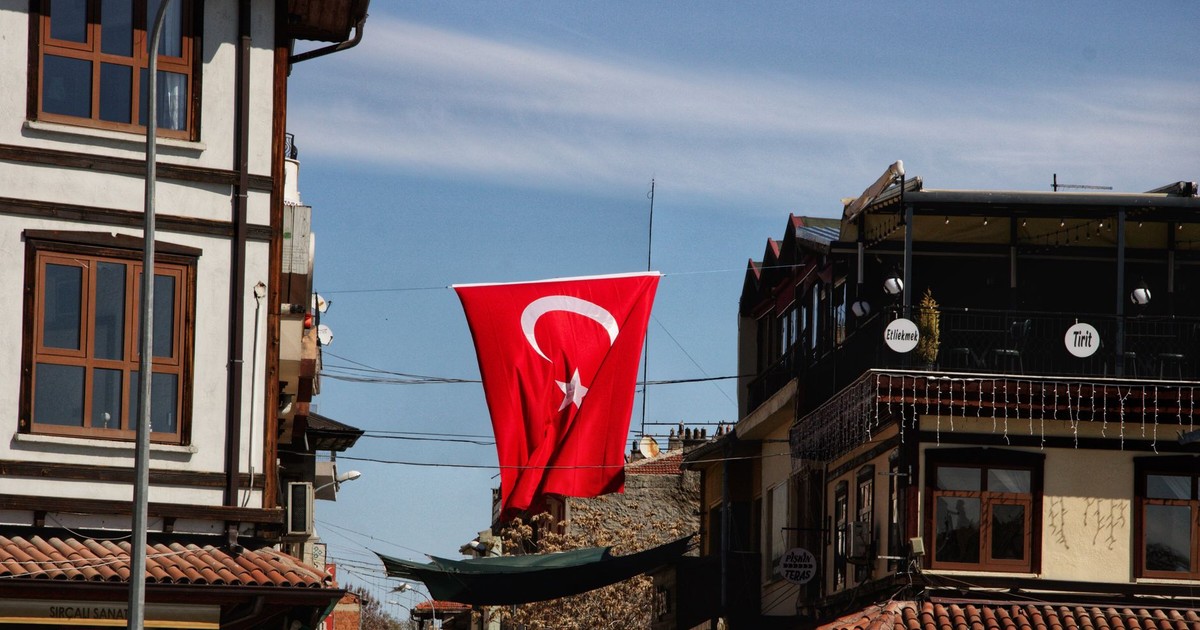
The Ottoman Empire’s lifespan of 623 years makes it one of the longest-lasting empires in history. At its height the empire encompassed most of southeastern Europe to the gates of Vienna, including present-day Hungary, the Balkan region, Greece, and parts of Ukraine; portions of the Middle East now occupied by Iraq, Syria, Israel, and Egypt; North Africa as far west as Algeria; and large parts of the Arabian Peninsula.
Its end came after World War I, when it backed the losing side. The successful Turkish War of Independence, led by Mustafa Kemal Atatürk against the occupying Allies, led to the end of the Ottoman sultanate in 1922. The Ottoman Empire officially ended in 1922 when the title of Ottoman Sultan was eliminated. Turkey was declared a republic on October 29, 1923, when Mustafa Kemal Atatürk, an army officer, founded the independent Republic of Turkey.
Its dissolution after World War I created the modern map of the Middle East, borders drawn by Britain and France in the Sykes-Picot Agreement of 1916. Turkey, Iraq, Syria, Lebanon, Jordan, Palestine, and Saudi Arabia all emerged from Ottoman territory. Those borders, drawn by European powers with limited knowledge of local ethnic and religious realities, remain a source of conflict today.
The Austro-Hungarian Empire (1867-1918)
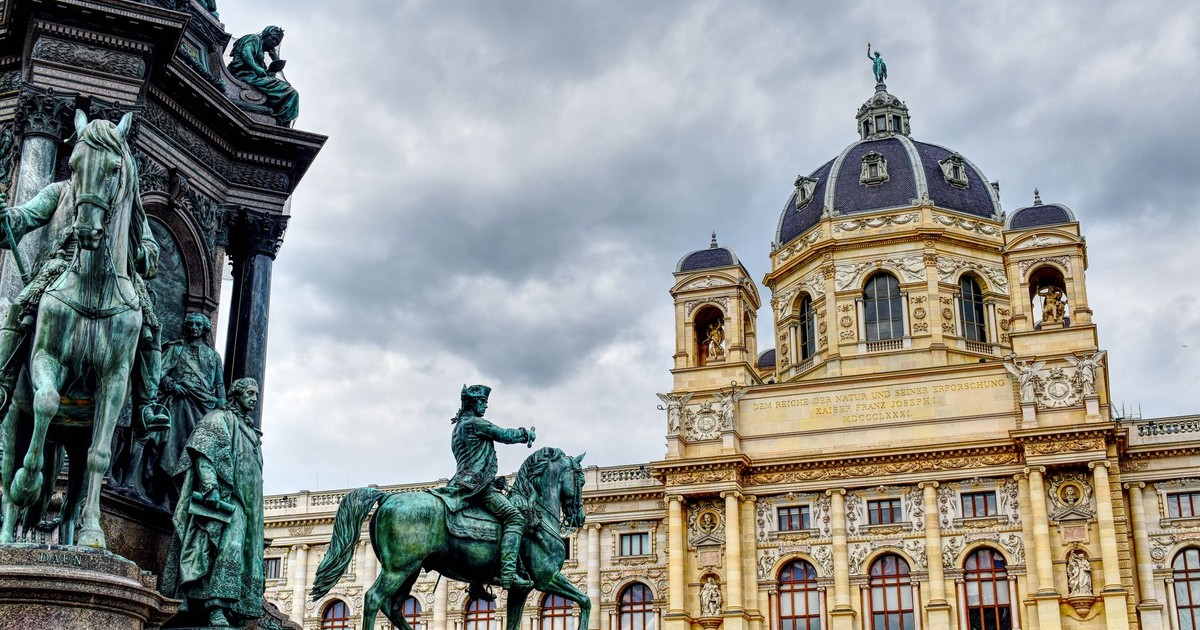
Sprawling across more than 600,000 square miles in central Europe, Austria-Hungary, also known as the Austro-Hungarian Empire, existed from 1867 to 1918 and was a major powerhouse before World War One. The empire was an amalgamation of 11 different ethnic groups that lasted until 1918 as World War I ended.
Rising nationalist fervor among ethnic groups began to cleave Austria-Hungary even before the start of World War I. After the polyglot empire dissolved, Austria and Hungary became separate republics, and the new nations of Poland, Czechoslovakia, and Yugoslavia were created. The Austro-Hungarian Empire was Europe’s second-largest country by area and third-largest by population when it dissolved in 1918. Its collapse after World War I redrew the entire map of Central Europe. No other single dissolution has redrawn so many borders in so short a time.
East Germany (1949-1990)

The German Democratic Republic was the Soviet-backed half of divided Germany. It had its own Olympic team, secret police (the Stasi), and a wall that became the most famous symbol of the Cold War.
On November 9, 1989, the Berlin Wall fell. Less than a year later, East Germany was absorbed into West Germany through reunification on October 3, 1990. East Germans voted overwhelmingly for parties favoring rapid reunification. West Germany essentially absorbed the East, making the GDR cease to exist as a country.
Over 30 years later, economic and cultural differences between eastern and western Germany are still measurable, a phenomenon Germans call the “Wall in the head” (Mauer im Kopf). The country reunified on paper in a matter of months. The people are still working on it.
Tibet (1913-1951)
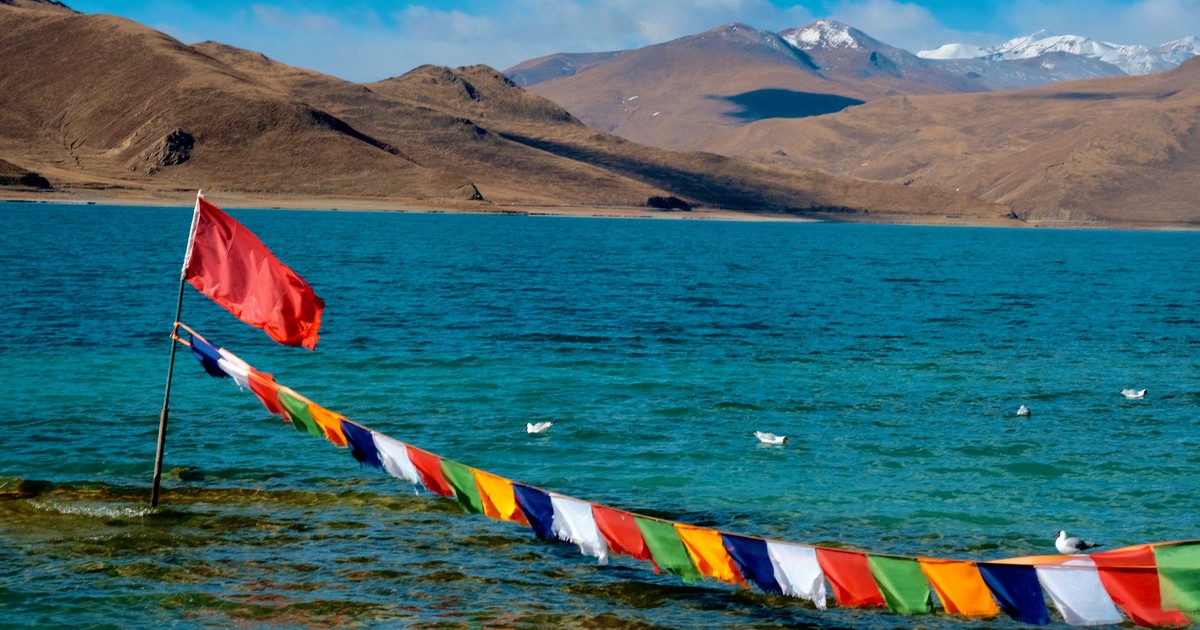
The ancient region of Tibet achieved de facto independence in 1912 after the fall of China’s Qing Dynasty. Imperial Chinese troops were ejected and the 13th Dalai Lama declared independence the following year. Tibet had its own government, currency, army, and postal system.
This all came crashing down when the Chinese Communist Party defeated the Nationalist government in the Chinese Civil War. In 1950, the People’s Liberation Army entered Tibet, asserted Beijing’s authority over the region, and ended its de facto independence the following year. An attempted uprising against this in 1959 led to the political and spiritual leader of the country, the 14th Dalai Lama, fleeing into exile in India along with thousands of other Tibetans. Today, Tibet is the Tibet Autonomous Region of China, though independence advocates dispute Chinese sovereignty.
Rhodesia (1965-1980)
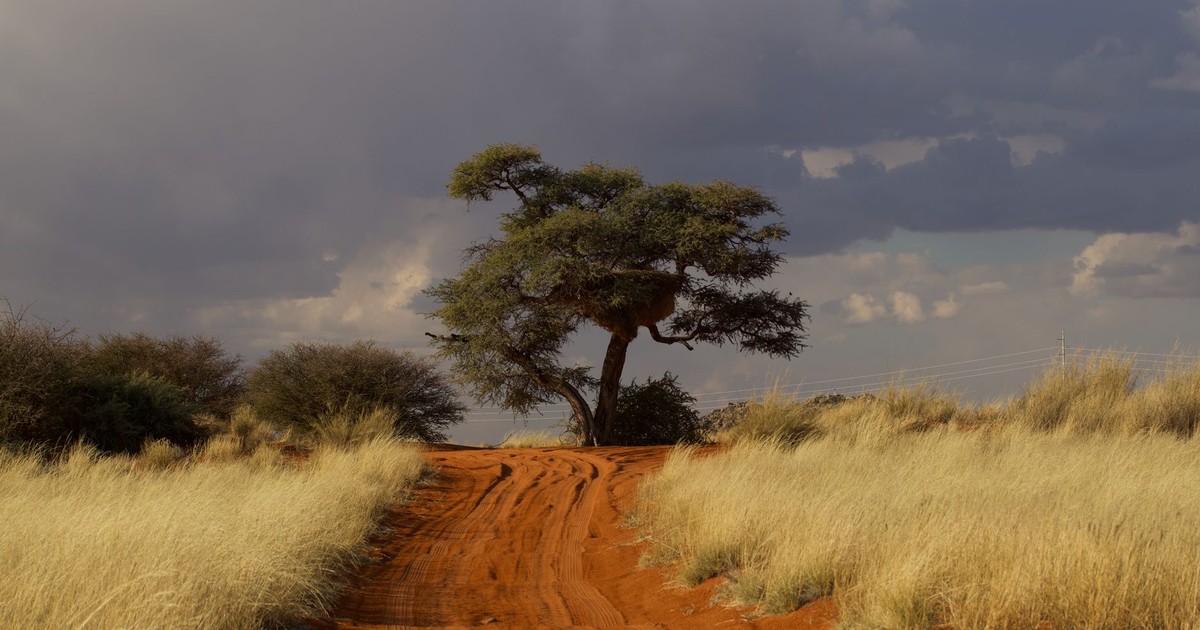
Starting out as the British colony of Southern Rhodesia and named after Cecil Rhodes, the British businessman who exploited the region, this southeast African state had a history mired in blood. In 1965, the minority whites signed a declaration of independence from the UK, which was declared illegal, as Britain only allowed the majority to make such a declaration.
Anxious to remain in power as Africa was decolonizing, the white-minority government of South Rhodesia declared independence unilaterally in 1965. Though never recognised internationally, the illegal nation was a de facto country for 14 years. The international community refused to recognize it, and a brutal civil war, the Rhodesian Bush War, raged for over a decade. In 1980, following elections under a new constitution, Robert Mugabe became the first Prime Minister of the newly renamed Zimbabwe, derived from the Great Zimbabwe ruins.
Prussia (1525-1947)

Prussia is one of the strangest entries on this list because it didn’t so much collapse as get cancelled, formally abolished by outside decree rather than internal failure.
A historical region and eventual kingdom within Europe, Prussia was located in today’s Germany and Poland. It began as a German state back in 1525 and was a major player in European affairs until Germany united under its leadership in the 19th century. The Prussian military tradition and culture of discipline shaped modern Germany in ways that were still visible when the Allied powers surveyed the wreckage after World War II.
After World War II, the Allied Control Council formally abolished Prussia in 1947, blaming its militaristic tradition for contributing to both world wars. Its territory was divided among East Germany, West Germany, Poland, and the Soviet Union. Prussia was formally abolished by Allied decree in 1947, one of the few times a state has been legally dissolved by outside powers.
Gran Colombia (1819-1830)
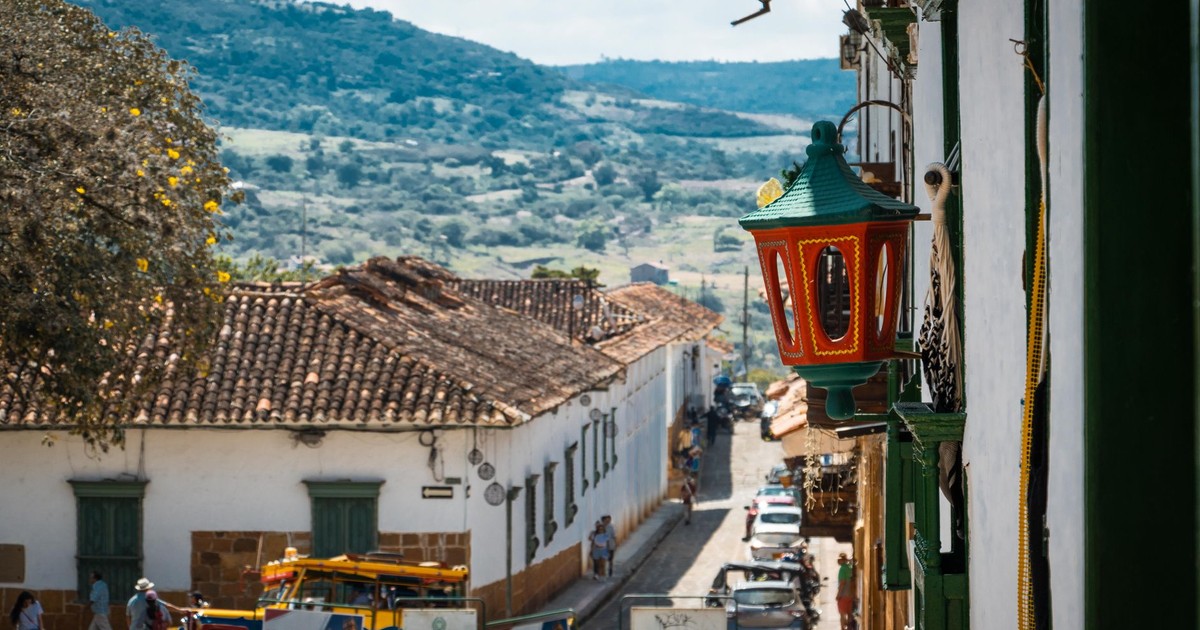
Gran Colombia spanned a massive swath of land in northern South America and southern Central America. It existed from 1819 to 1830 and included what are today Colombia, Venezuela, Ecuador, Panama, northern Peru, western Guyana, and northwest Brazil.
It was the creation of Simón Bolívar, the liberator of South America from Spanish colonial rule, and it was always an optimist’s project. The country’s short existence was plagued by regional conflicts and a struggle between two main factions: supporters of a central government and strong presidency led by Bolívar, and supporters of a decentralized federal form of government. Bolívar, who had been given great powers as president, refused to accept the federalist constitution despite its growing support. He resigned in 1830 as it became clear the nation could not survive. It split into what are now Colombia, Venezuela, Ecuador, and Panama.
Tanganyika (1961-1964)
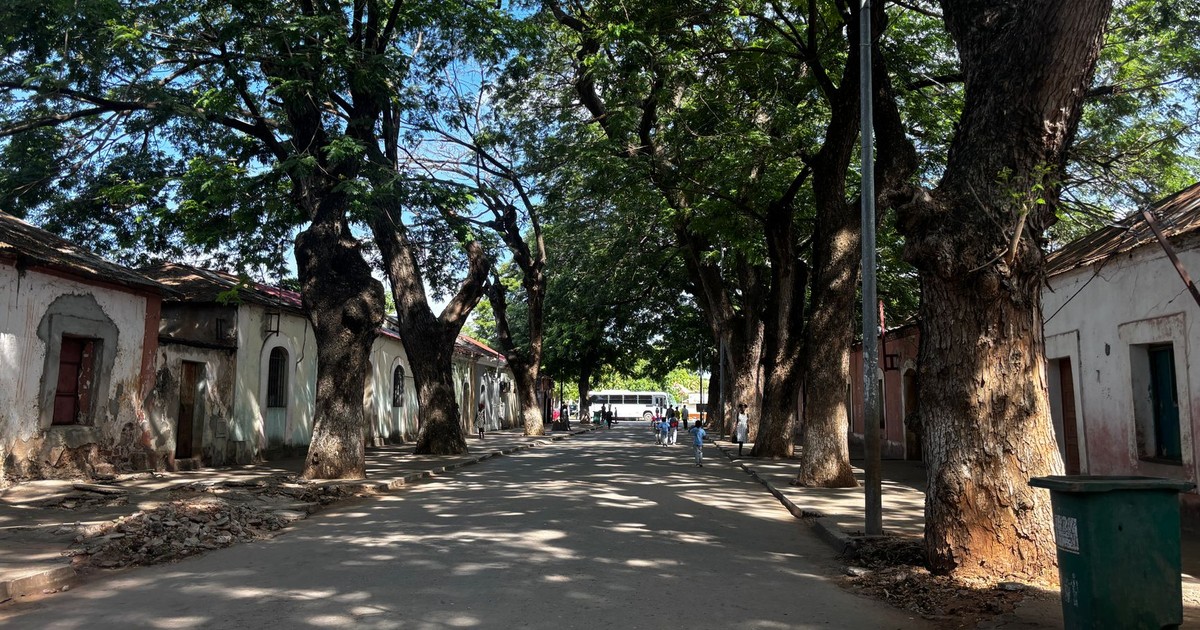
Tanganyika was an eastern African state settled as early as the 10th century and existed up until 1964, when it merged with Zanzibar to form the United Republic of Tanganyika and Zanzibar. Over the course of its history, both Germany and Britain colonised the region: first Germany, claiming Tanganyika was part of German East Africa, and then Britain after gaining control of German holdings during World War One.
Tanganyika gained independence from Britain in December 1961 and became one of the first sub-Saharan African nations to do so. But its independent life lasted just three years before it merged with the island state of Zanzibar. The combined nation eventually simplified its name: today it is known as Tanzania.
The Republic of Texas (1836-1845)
Most Americans know Texas as a state. Fewer think about the decade it spent as an independent country.
The Republic of Texas was an independent country for 9 years (1836-1845) with its own president, currency, and foreign embassies. During its ten years of existence, the country was in a constant state of war not just with Mexico but with Comanche tribes, which intensified the rivalry between the two main political factions in the new country. Finally, on December 29, 1845, Texas was annexed by the United States after a popular vote on the matter in Texas found that the majority supported the move. The annexation directly triggered the Mexican-American War of 1846.
Why Countries Disappear

Every country on this list ended for its own specific reasons, a crumbling economy, an unwinnable war, a negotiation table in the right room at the right time. But a few patterns keep emerging. Ethnic nationalism is the most common thread. Empires built by absorbing diverse populations tend to hold together only as long as the center is strong enough to suppress dissent. When it weakens, the separate identities reassert themselves fast.
Economic pressure runs a close second. The Soviet Union’s collapse was driven as much by empty grocery shelves and falling oil revenue as by any political ideology. The Austro-Hungarian Empire cracked under the financial strain of a war it couldn’t afford to lose. Gran Colombia couldn’t survive the argument over who should control the money.
The one outlier in all of this is Czechoslovakia, which split without a shot fired, negotiating the division of embassies, army equipment, and gold reserves on a two-to-one population ratio. It suggests that the way a country ends is a choice, not a destiny. Most countries that no longer exist chose the harder path. A handful didn’t have to.
The Map Has Always Been Temporary
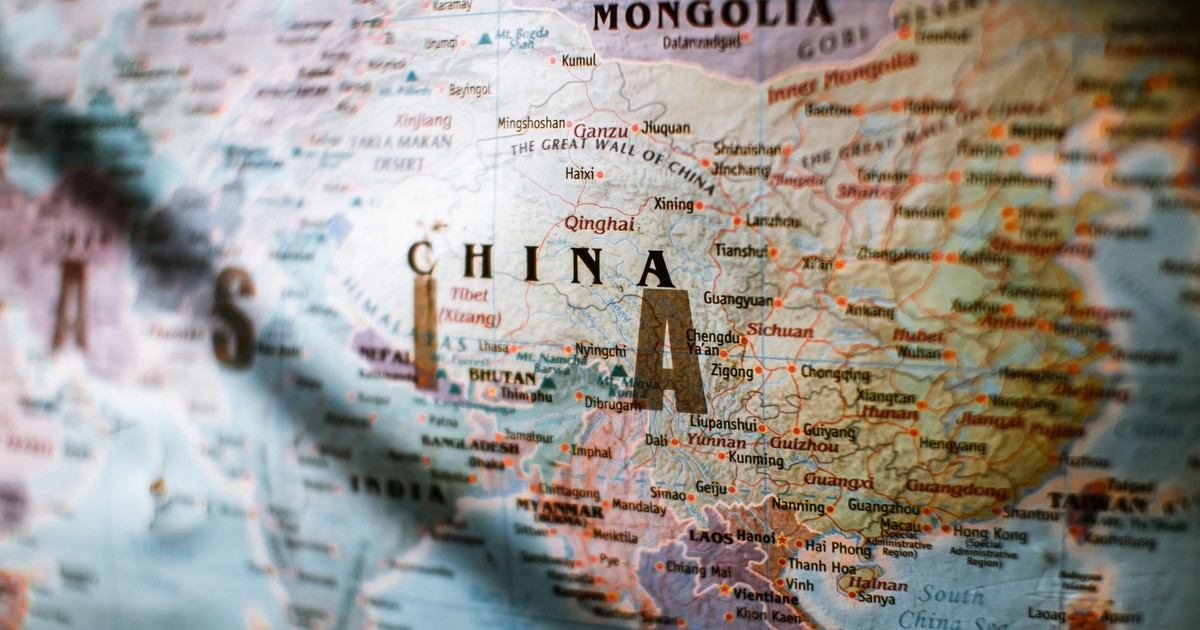
The borders on any current world map aren’t the final version. They’re a snapshot, a particular moment in an ongoing process that started the second the first group of people drew a line and said “ours ends here.” Every country on this list was, at some point, the current reality. Every one of them was also somebody’s whole world: the place they were born, the passport they carried, the national anthem they knew the words to. Then it was gone.
These countries disappeared quickly once the conditions shifted. The Soviet Union went from nuclear superpower to dissolved federation in under two years. East Germany ceased to exist eleven months after the Wall fell. Czechoslovakia voted itself out of existence in a matter of months once the two sides agreed it was time. The speed of these endings suggests the arrangements we take for granted are more contingent than they look.
The countries that no longer exist aren’t historical footnotes. Every current border is a negotiation that happened to stick, for now.
AI Disclaimer: This article was created with the assistance of AI tools and reviewed by a human editor.