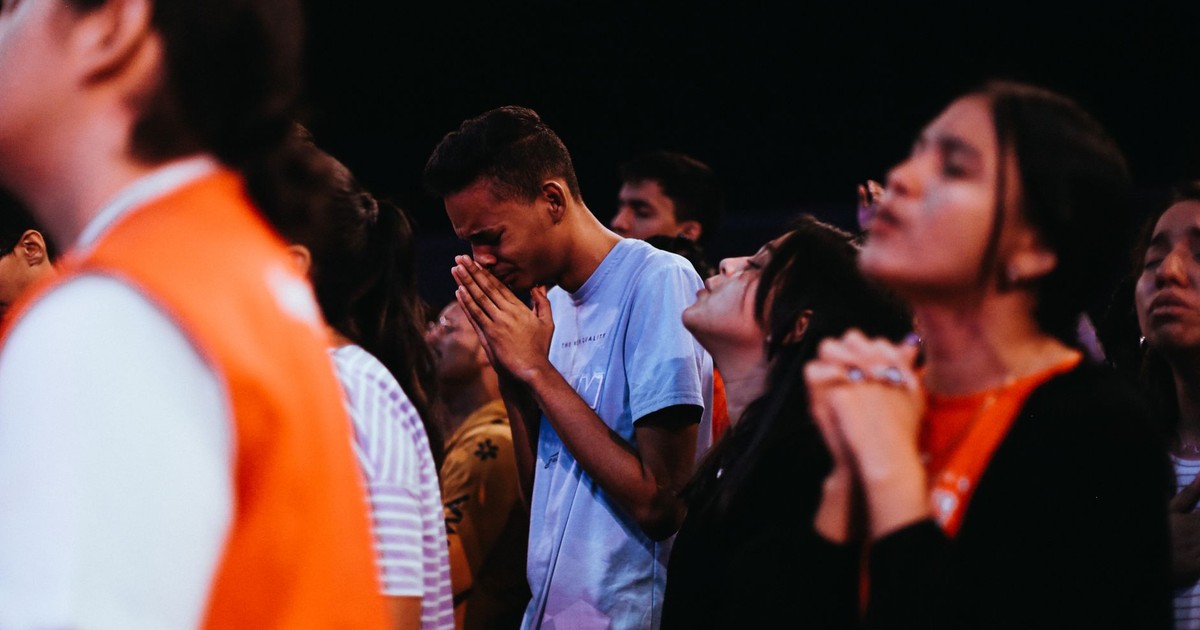
The argument that prayer is dying out globally is really an argument about Europe. Take a wider lens and the numbers tell a different story. In 14 of the 35 countries covered by a 2025 Pew survey, a majority of adults say they pray at least once every single day.
The secular drift is real and well-documented in Europe and parts of East Asia. But the full picture is far more uneven than the headlines suggest. The US sits roughly in the middle of high-income nations on daily prayer rates yet still stands out compared to its European peers. Elsewhere, the numbers are staggering. Indonesia leads all countries surveyed with 95% of its population praying daily, followed by Kenya and Nigeria at 84%, Malaysia at 80%, and the Philippines at 79%.
At the other extreme, two-thirds of Swedish adults say they never pray, while 44% of Americans say they pray daily and 16% never do. Between those poles sits a wide band of nations where prayer isn’t a weekly ritual or a holiday habit but how Tuesday works. These are 15 of them.
1. Indonesia
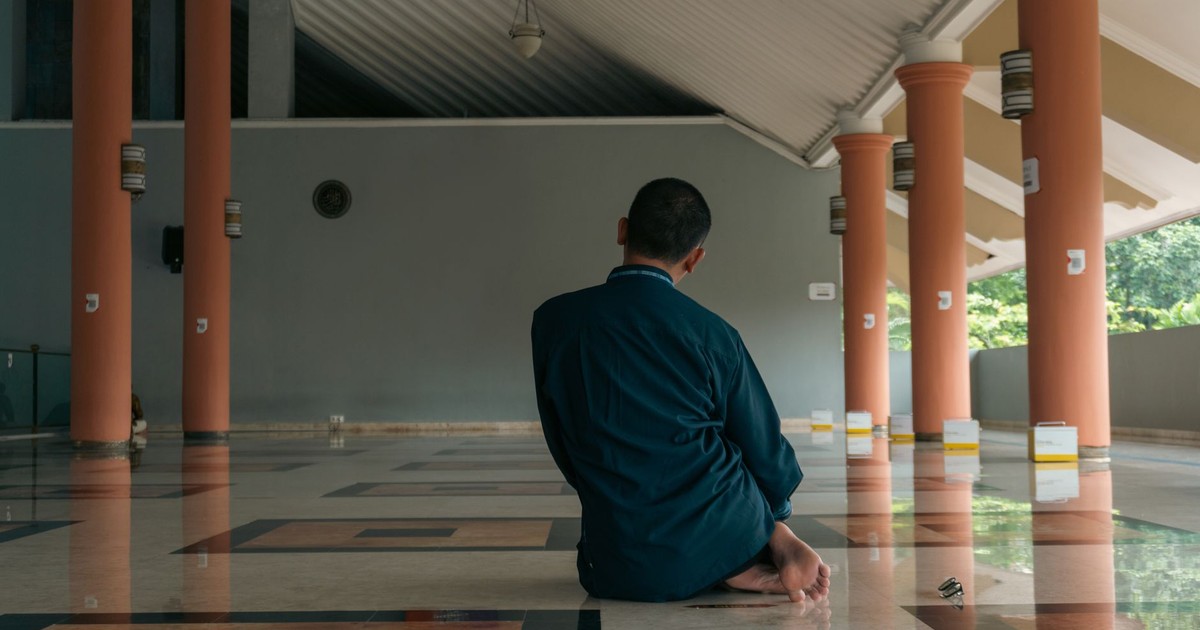
Indonesia tops the global list, with 95% of its population, some 269 million people, praying daily. The country is home to more Muslims than any other on earth, and the Islamic practice of Salah (five structured daily prayers at fixed times from dawn to night) gives the day its rhythm across thousands of islands. The call to prayer sounds from more than 800,000 mosques nationwide, and in most cities and villages, life bends around it.
Indonesia is not a theocracy. It operates as a secular democratic republic with a diverse religious population including Christian, Hindu, and Buddhist minorities. The prayer rate reflects genuine popular practice, not legal compulsion. For the overwhelming majority of Indonesians, the five daily prayers are as unremarkable and as non-negotiable as breakfast.
2. Kenya
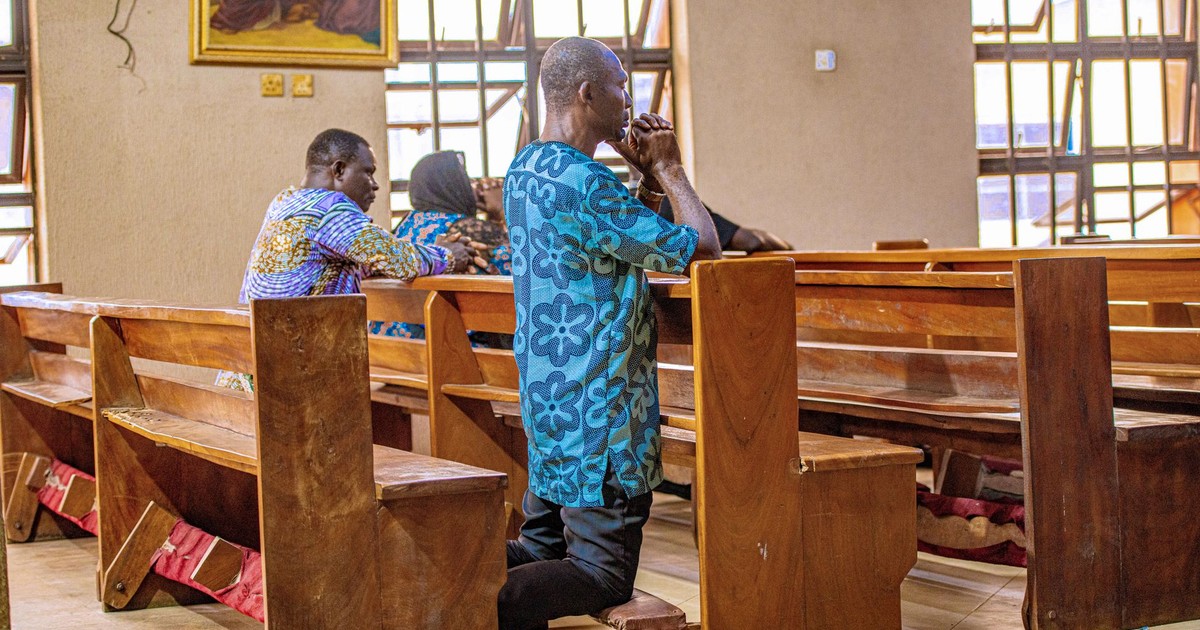
Kenya’s 84% daily prayer rate reflects a country where Christianity (in its evangelical, Pentecostal, and Catholic forms) shapes public life from the school day to political speech. Churches are packed on Sundays, but the practice extends far beyond the weekend. Morning devotions before work, grace before meals, evening prayers with children, and mid-week congregational gatherings together form a continuous thread of religious practice through ordinary life.
Kenya’s religious picture also includes a significant Muslim population, concentrated along the coast and in the northeast, where the five daily prayers of Islam are observed. The coexistence of two traditions, both deeply committed to structured daily prayer, helps explain why the country’s overall figures remain so high. In Kenya, praying is not an unusual thing to admit to. It is assumed.
3. Nigeria
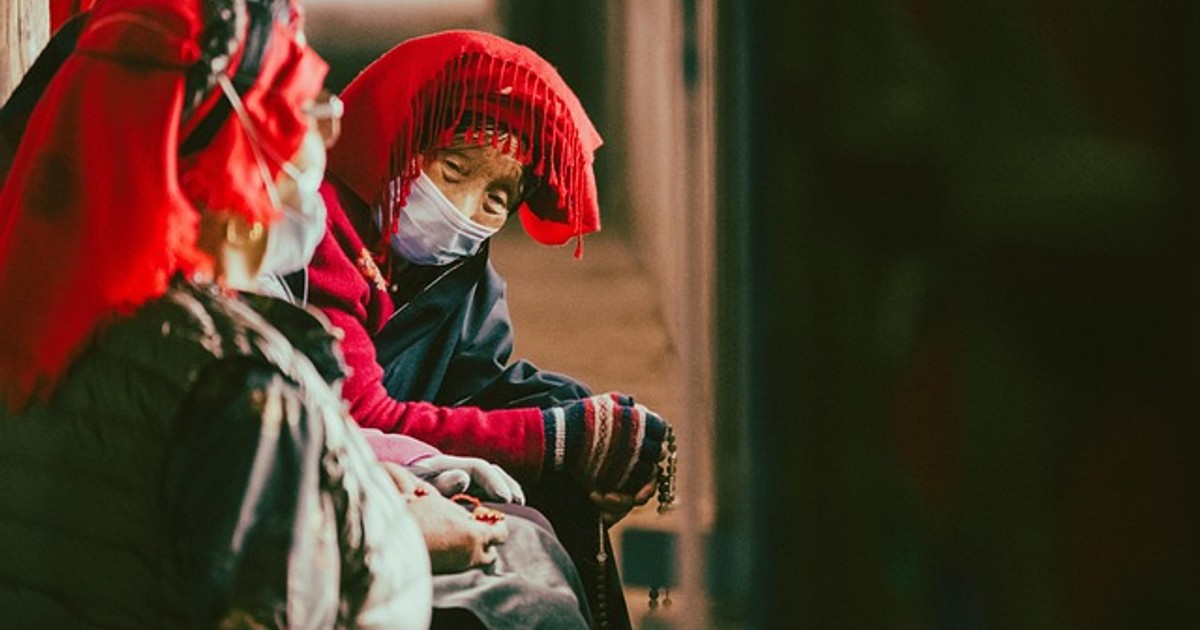
Nigeria shares Kenya’s 84% daily prayer rate across a population of over 220 million people, split roughly equally between Christianity in the south and Islam in the north. Both traditions place explicit demands on daily prayer. Nigerian Pentecostalism has become one of the fastest-growing religious movements in the world, with megachurches in Lagos holding services multiple times daily and prayer vigils that run through the night.
Economic precarity and deep religious culture are both part of the explanation in Nigeria, but reducing prayer there to material conditions misses something real. Prayer is also a social act, a community identifier, and a source of meaning that persists regardless of income level.
4. Malaysia
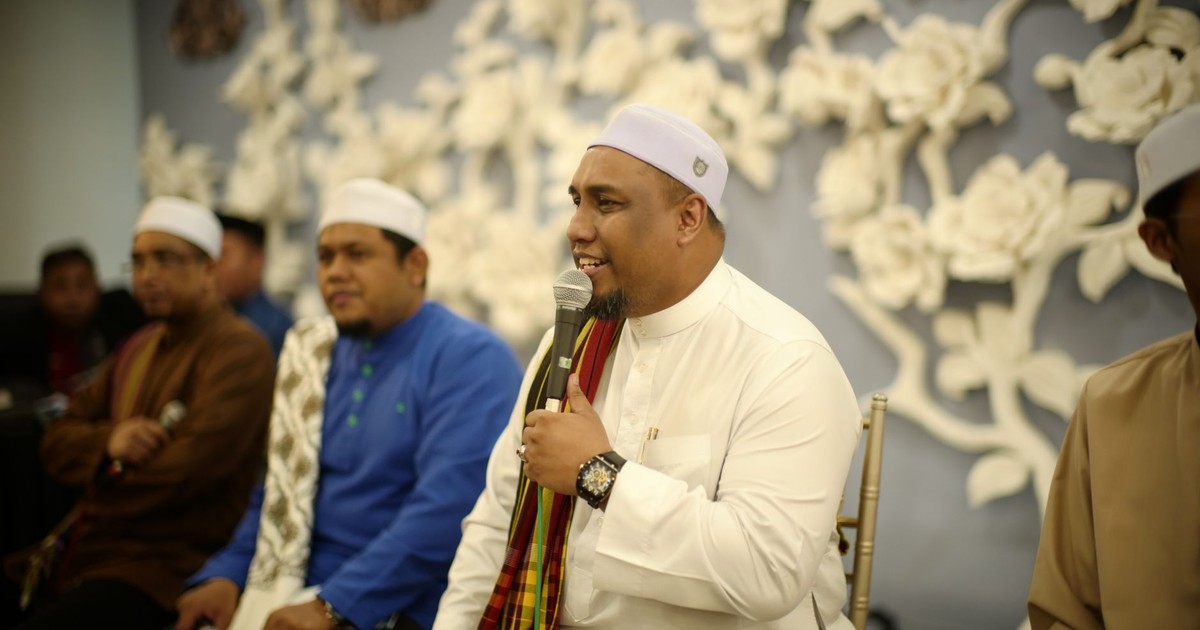
Malaysia posts an 80% daily prayer rate, with Islam as the state religion and the country’s Muslim-majority population observing the five daily prayers as a religious obligation. The adhan (the call to prayer) is broadcast publicly across Malaysia’s towns and cities, and mosque attendance, particularly for Friday midday prayers, is high among men.
Malaysia’s religious practice is not confined to Islam. The country’s Chinese Malaysian community includes large Buddhist and Christian populations with their own strong traditions of daily devotion. Temple visits, morning rituals, and nightly prayers in Buddhist and Taoist households add to a national culture where spiritual practice runs through domestic life across ethnic communities.
5. Philippines
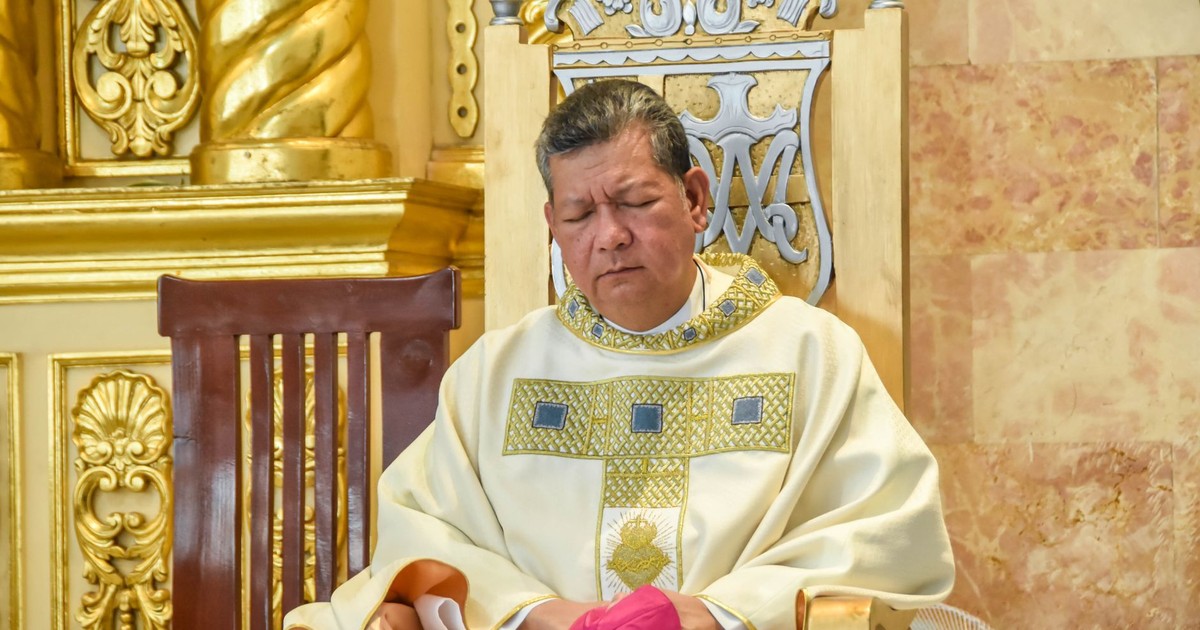
The Philippines has a 79% daily prayer rate and is the only predominantly Christian country in Southeast Asia. Mass attendance is among the highest in the world, but the more telling statistic is what happens outside the church. Novenas (nine-day prayer cycles) are observed in homes. The rosary is prayed in families before bed. Religious shrines occupy street corners and car dashboards alike.
The country also has a significant Muslim minority in Mindanao and the Sulu Archipelago, where Islamic daily prayer is practiced alongside the Catholic devotions of the majority. A country where, whatever your faith background, daily prayer is not an unusual commitment but a shared cultural reflex.
6. Brazil
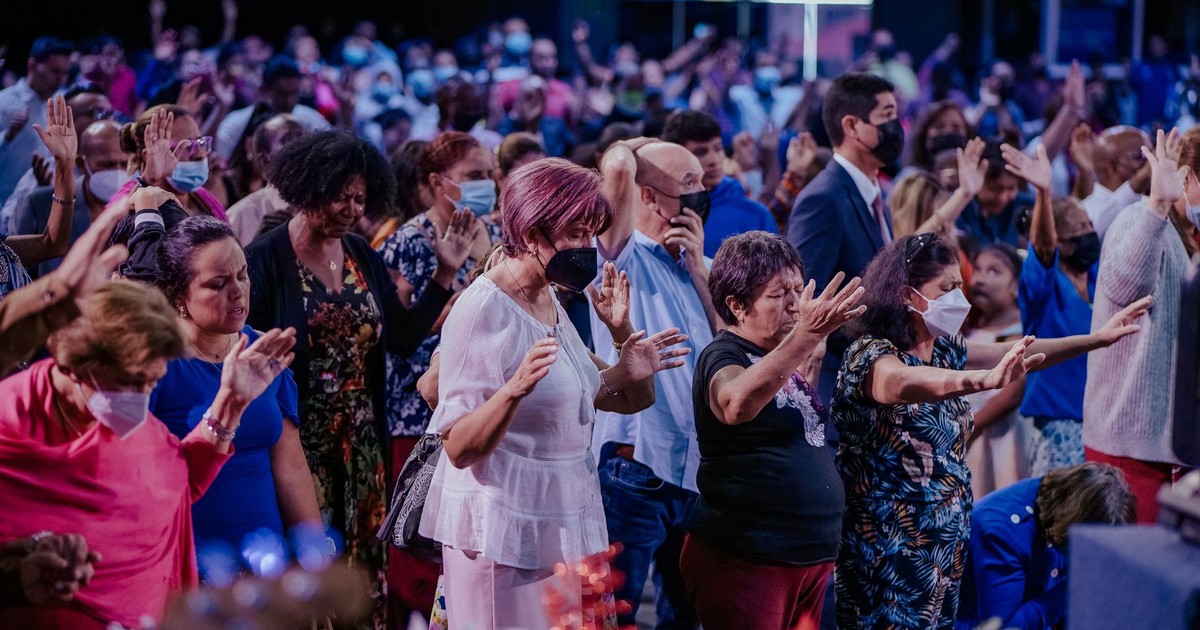
Daily prayer is reported by 76% of Brazilian adults, a figure that spans Catholics, evangelical Protestants, and adherents of Afro-Brazilian spiritual traditions. Brazilian Pentecostalism has expanded rapidly over the past three decades, with millions of converts switching from nominal Catholicism to more practice-intensive evangelical churches that emphasize prayer, fasting, and direct personal communication with God.
According to a January 2026 Pew survey of six Latin American countries, Protestants are more likely than Catholics to pray daily, and women pray more often than men across the region. In Brazil, the evangelical surge has driven overall prayer rates upward even as the proportion identifying as Catholic has gradually declined. The shift hasn’t produced less religious practice. It has produced more intense practice among a larger share of the population.
7. Colombia
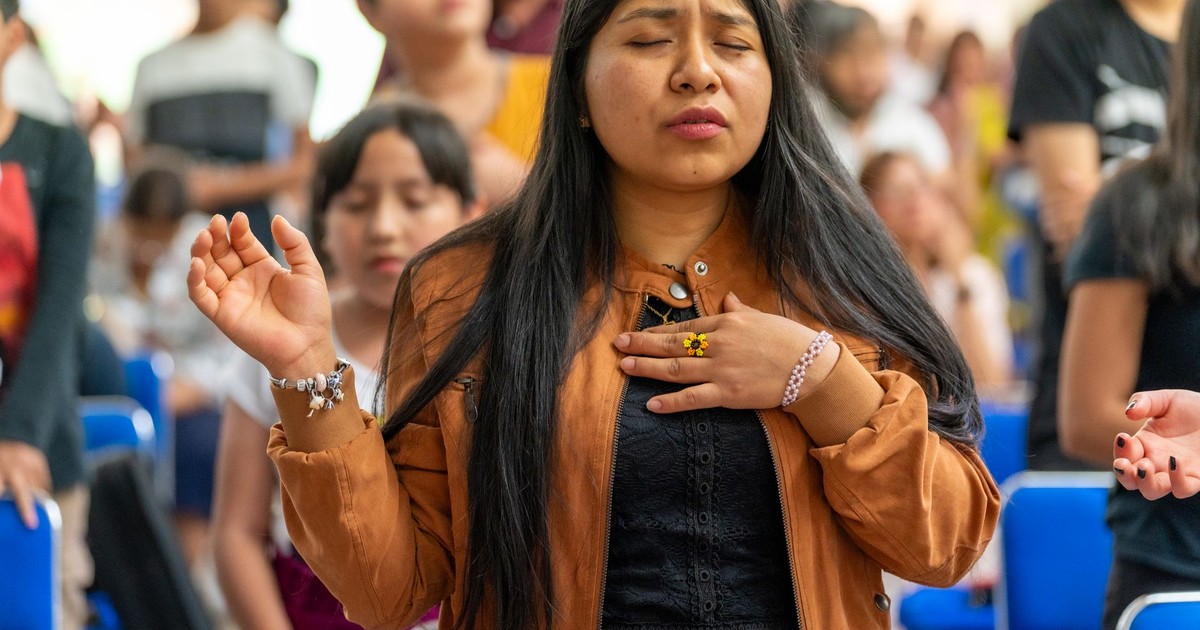
Colombia has a daily prayer rate of 71%, reflecting a country with deep Catholic roots and a growing Protestant evangelical movement. Colombian Catholicism has traditionally been one of the more observant in Latin America, with popular devotion to saints, the Virgin Mary, and elaborate public religious festivals forming the backbone of cultural life in many regions.
Colombian faith is also tied up with the country’s long experience of conflict, displacement, and resilience. Communities that spent decades affected by civil unrest maintained religious practice as one of the few stable structures in daily life. Prayer as a communal act of both grief and hope has a particular resonance in a country that has needed both.
8. India
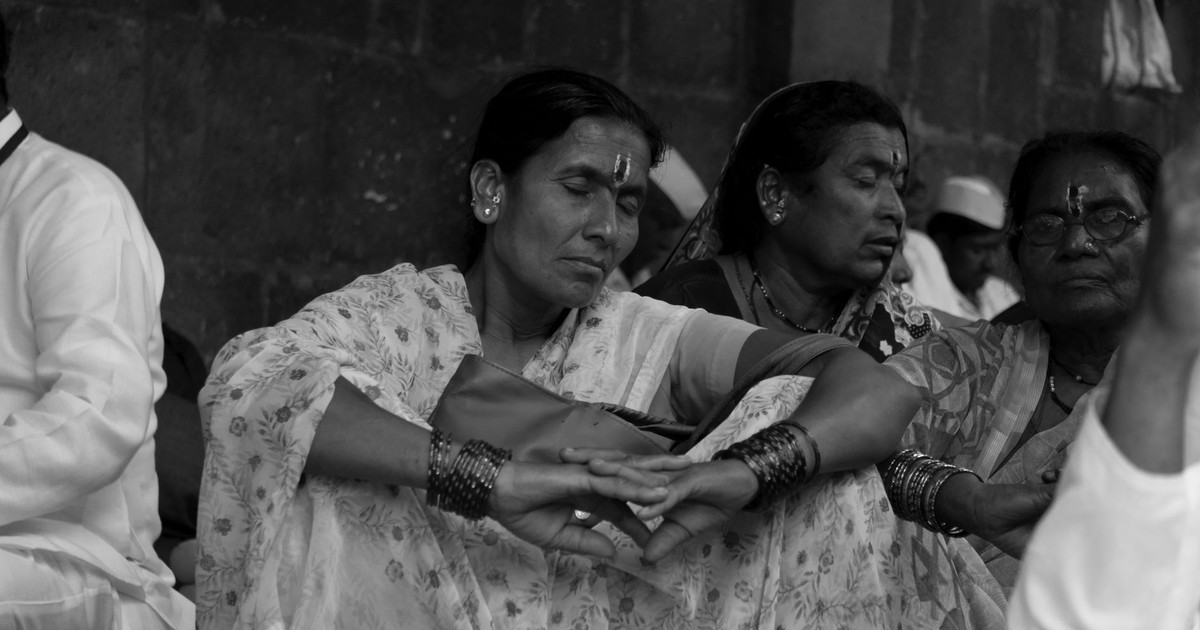
India has the highest absolute number of daily prayer participants, with over 1 billion people (71% of the population) praying every day. That number is not driven by a single religion. Hinduism’s devotional practices, including morning puja (a ritual offering involving flowers, incense, and prayer before a home shrine), are performed by hundreds of millions of households daily. India also has the world’s third-largest Muslim population, a large Sikh community for whom daily prayer (the Nitnem, three sets of prayers recited at dawn, sunset, and night) is a foundational practice, and significant Christian and Jain populations with their own prayer traditions.
In India, the home shrine is one of the most common features of domestic architecture. The corner of a kitchen or a dedicated room with oil lamps, images of deities, and offerings of fruit or flowers is a fixture in Hindu homes across the country. Devotion here is less about attending an institution and more about a daily, private conversation between a household and the divine.
9. Iraq
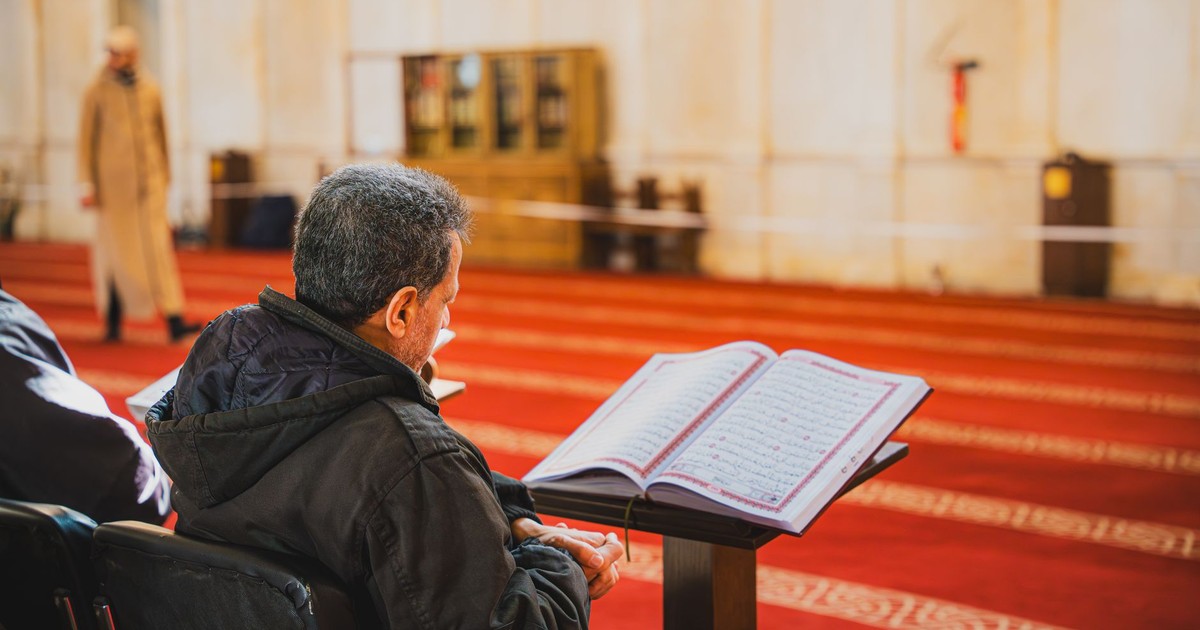
Iraq consistently ranks near the top of global surveys on daily prayer. In a country where Islam (both Sunni and Shia) organizes so much of public and private life, the five daily prayers are practiced with high regularity. Shia Islam brings an additional layer of devotional intensity through pilgrimages to holy sites in Karbala and Najaf, daily recitations, and communal mourning practices that reinforce a culture of active, frequent prayer.
Iraq’s prayer culture has also shown remarkable durability through decades of political upheaval. Mosques have functioned as community anchors during periods of instability, and religious practice has remained a source of continuity and identity when other institutions have failed. Across both Sunni and Shia communities, prayer is not a private preference. It is the architecture of the day.
10. Iran
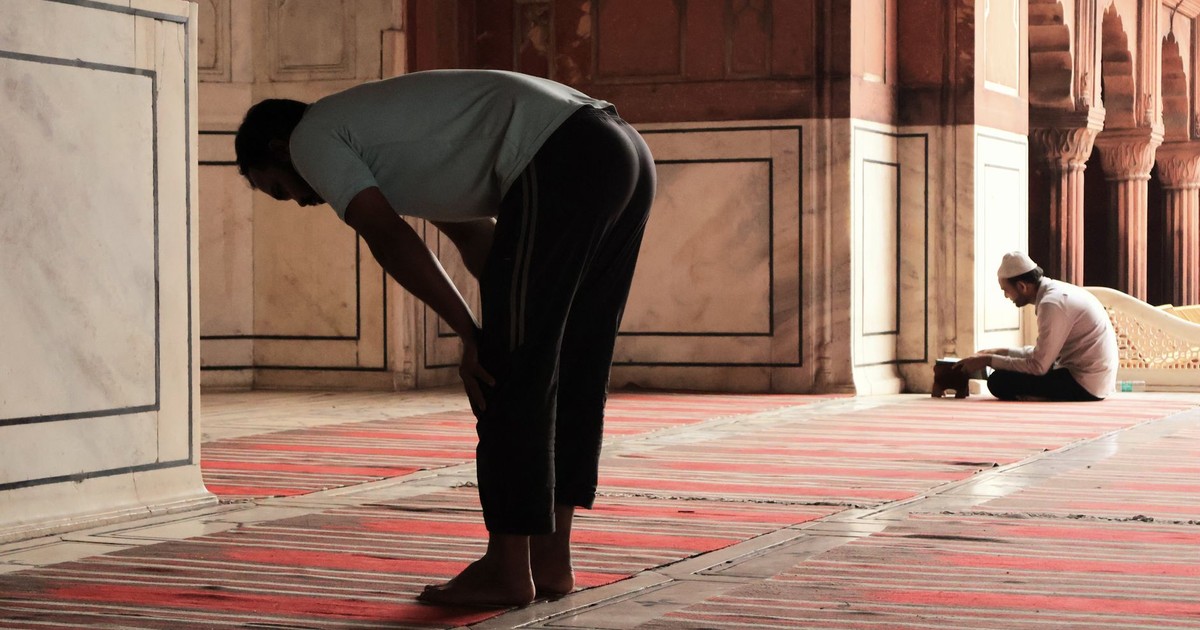
87% of Iranians report praying daily. Iran’s position is particularly notable because surveys consistently show high practice rates even in a context where the state has mandated religious observance since the 1979 revolution. Separating genuine personal devotion from social compliance is genuinely difficult in that setting, and survey researchers flag that the Iranian figures should be read with that caveat in mind.
Iranian Shia Islam carries a rich tradition of supplication beyond the five formal daily prayers. The dua (a personal, often lengthy prayer of petition and gratitude) is recited in millions of homes daily, especially after formal prayers. This layer of personal devotional practice exists alongside the obligatory ones, making the daily religious life of many Iranians considerably more extensive than a single prayer count suggests.
11. Bangladesh
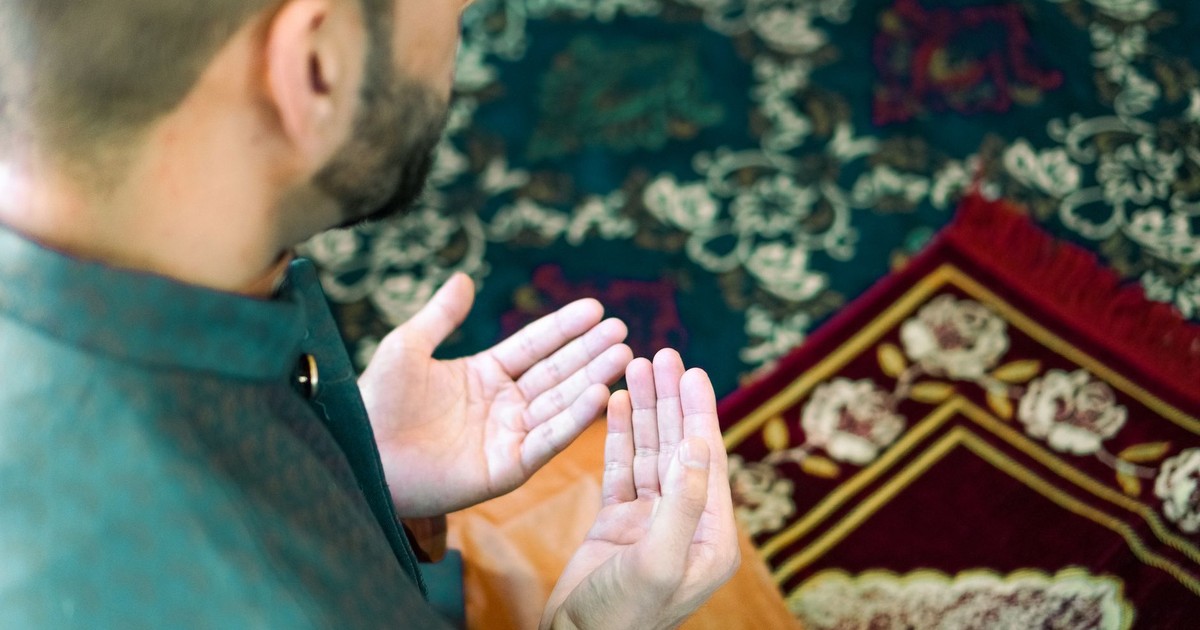
Bangladesh has a Muslim population of over 160 million and prayer observance rates that place it firmly in the top tier globally. The five daily prayers are observed widely across urban and rural populations alike. Dhaka’s mosques fill for Fajr, the pre-dawn prayer, in numbers that would surprise visitors from more secular countries.
Prayer practice in Bangladesh persists across economic conditions in a way that stands out even by regional standards. In a country where many people work long hours in physically demanding jobs (garment factories, agriculture, rickshaw driving), the pause for Dhuhr (midday) and Asr (afternoon) prayers is maintained as a near-universal habit. Prayer is not something that gets crowded out by a busy schedule. It is built into the schedule.
12. Saudi Arabia
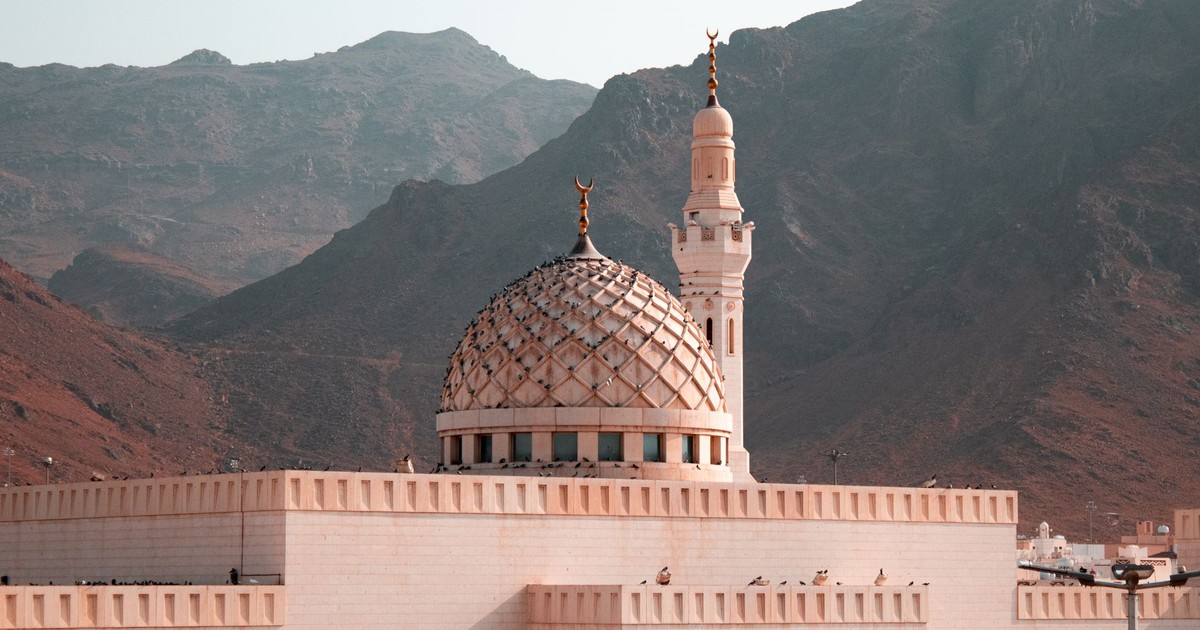
In Saudi Arabia, self-reports of daily prayer exceed 80% among adults, in a country that describes itself as the custodian of Islam’s holiest sites. Mecca and Medina are located within its borders, and the entire country organizes its calendar, its working week, and its public spaces around Islamic religious observance. Prayer times are announced publicly five times daily, shops close during prayer windows in many areas, and the mosque is a central architectural feature of every neighborhood.
The depth of Saudi Arabia’s prayer culture is inseparable from the country’s identity as the birthplace of Islam and the location of the Kaaba, toward which every Muslim in the world faces when praying. For Saudi Muslims, that geographic relationship with the direction of prayer carries a significance that goes beyond religious obligation. It is a direct connection to the origins of the faith.
13. Senegal
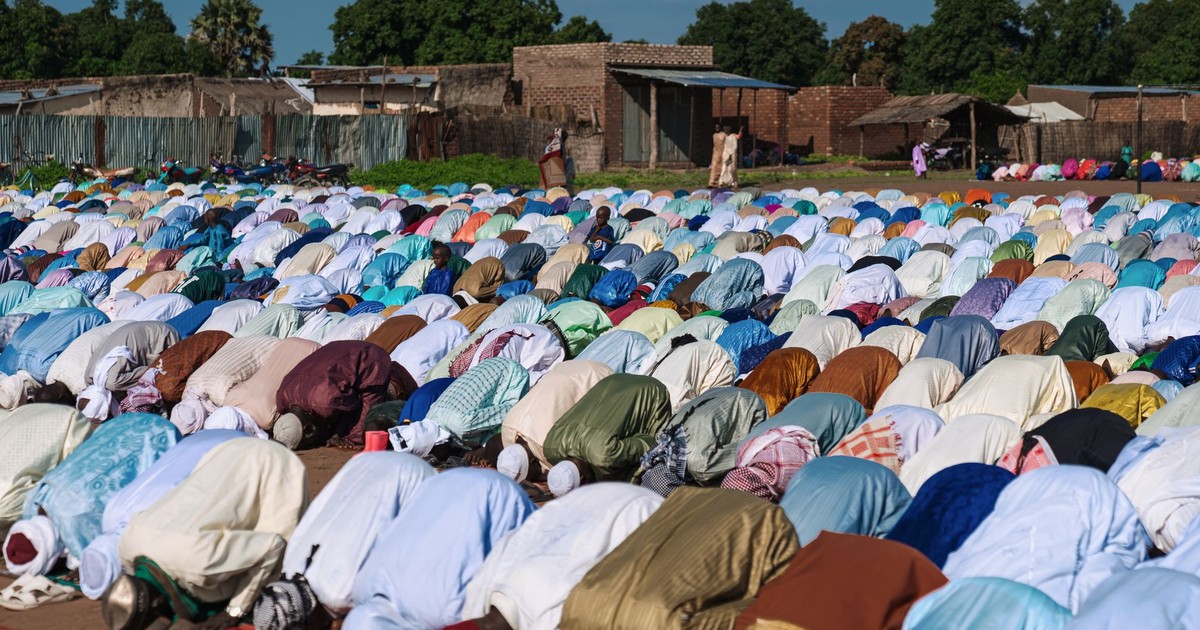
Senegal is among the African countries that consistently appear in global data on high daily prayer rates, with Islam practiced by approximately 89% of the population. Religious life in Senegal is shaped by Sufi brotherhoods (the Mourides and the Tijaniyya) which blend orthodox Islamic practice with deep traditions of devotion to founding saints. Daily prayer in Senegal is accompanied by additional rituals, recitations, and gatherings that make religious practice even more intensive than in many other Muslim-majority countries.
According to a 2018 Pew analysis of 105 countries, about half of adults globally say they pray every day, including majorities in sub-Saharan Africa at 75%. Senegal sits well above that regional average. The country’s weekly Jumma prayers draw enormous crowds, and the annual pilgrimage to Touba (the holy city of the Mouride brotherhood) is one of the largest religious gatherings in Africa.
14. Pakistan
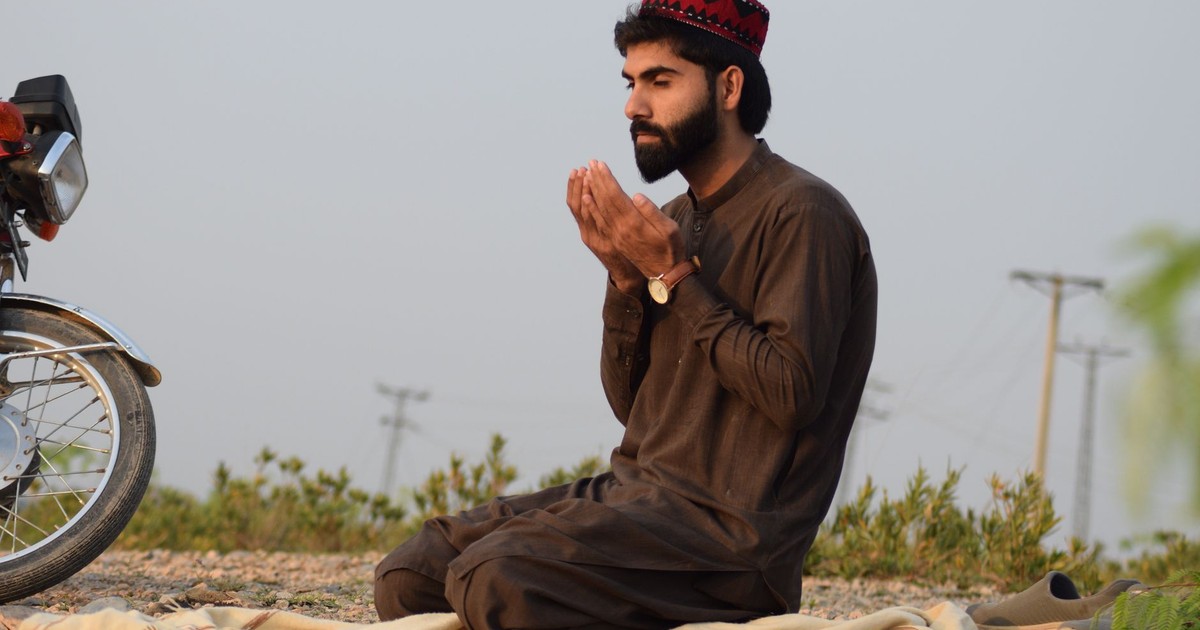
Pakistan’s daily prayer rate places it among the world’s most observant Muslim-majority nations. With a population approaching 240 million, of whom over 96% are Muslim, the scale of daily religious practice is enormous in absolute terms. The five daily prayers are observed across all economic strata and across the country’s ethnic diversity, from Punjab to Sindh to Khyber Pakhtunkhwa, where mosque attendance rates are among the highest in the country.
Daily prayer is somewhat more common around the world than weekly worship attendance, with majorities in the Middle East and North Africa praying every day. Pakistan, while in South Asia, shares the deeply prayer-oriented culture of its western neighbors in that broader Islamic world, with Ramadan intensifying what is already a year-round commitment to daily observance.
15. United States
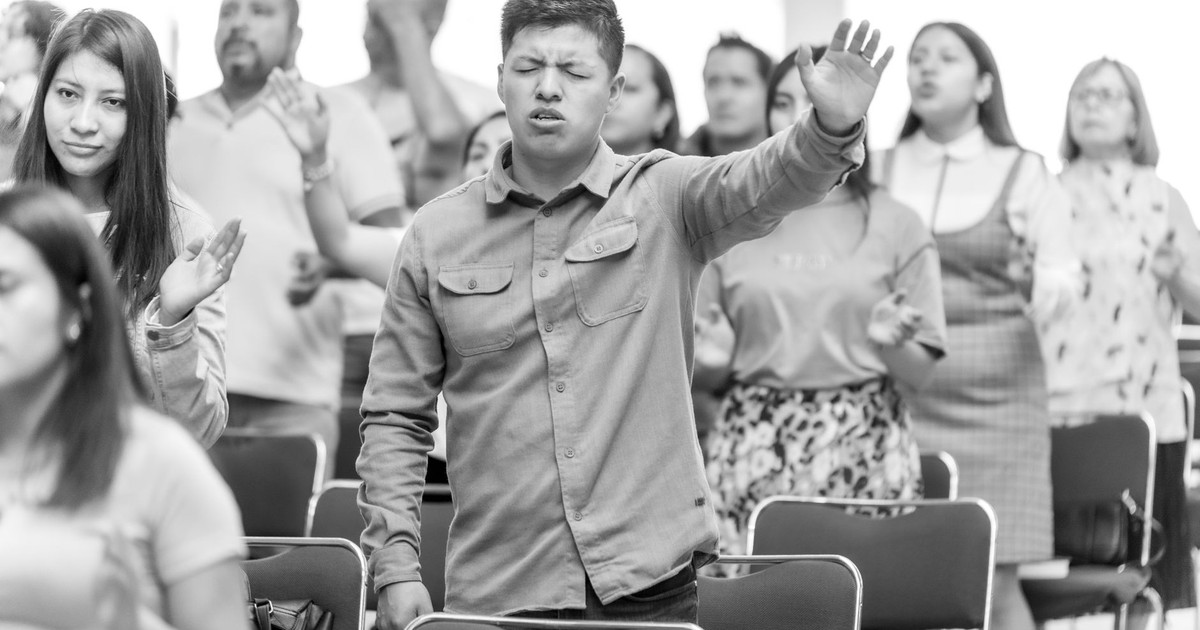
The US earns its place on this list as the world’s most conspicuous outlier. With over 149 million Americans (44% of the population) praying daily, the US maintains a rate that dwarfs every other high-income country. In France, Germany, and Sweden, daily prayer rates fall below 20%. The US breaks the pattern that connects wealth to secularization in a way that has puzzled sociologists for decades.
According to Pew’s 2025 US study, the share of Americans who pray daily has declined since 2014, but the rate has been relatively stable since 2021. An American who prays every morning is statistically unremarkable. The same person in Denmark or Japan would be a significant outlier.
The Numbers Behind the Practice
The data behind this list comes primarily from the Pew Research Center’s 2025 global survey of 35 countries, drawing on fieldwork conducted in 2024. The countries ranked highest for daily prayer share a few common features. They are predominantly middle- or lower-income nations. They tend to have large Muslim, evangelical Christian, or Hindu populations for whom structured daily prayer is a doctrinal or cultural expectation, not just a personal preference. And they are places where religion remains a public, communal activity rather than something practiced privately.
The numbers don’t capture texture. A 95% daily prayer rate in Indonesia describes a physical reality: a country that pauses five times every 24 hours in a way that is audible, visible, and shared. A 44% rate in the US describes something more fragmented: millions of individuals bowing their heads privately before a meal or kneeling beside a bed at night, in a society where that practice is common but not collectively coordinated. Both are real. They’re just a different kind of daily prayer.
The patterns that emerge from countries across Asia, Africa, Latin America, and the Middle East suggest that prayer, in its most practiced forms, is less a solitary act than a structuring one. It organizes time. It creates shared pauses. It gives the day a shape that exists outside of work schedules and news cycles.
Where Daily Prayer Still Shapes Entire Cultures
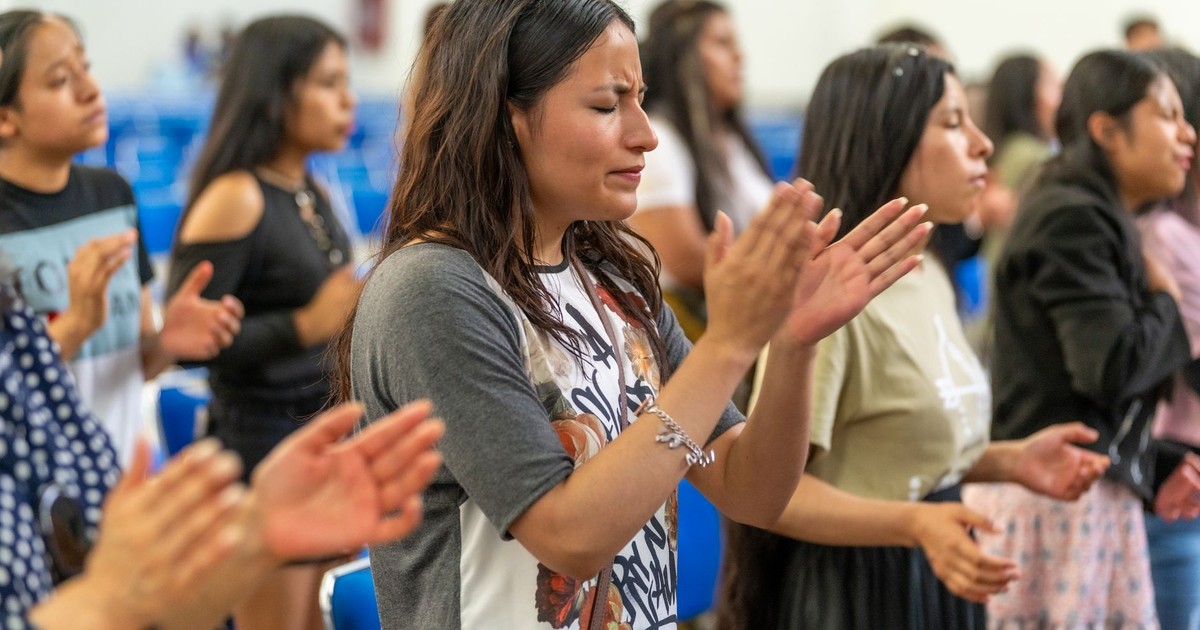
The countries on this list aren’t outliers clinging to a fading habit. In most of them, prayer is architectural. It determines when shops open, how workdays are divided, what sounds fill a neighborhood at dawn. The five-times-daily rhythm of Islamic Salah is the clearest example, but it’s not the only one. Hindu morning puja, Sikh Nitnem, and the Catholic rosary before bed all do the same thing: carve the day into before and after, secular and sacred, ordinary and marked.
The act of stopping (genuinely stopping, five times or once, whatever the number) and directing attention somewhere outside the immediate grind of tasks and notifications is not nothing. Researchers who study the psychology of routine and attention have found that people who anchor their days to fixed rituals report greater sense of coherence and purpose, independent of religious belief. Prayer, for the billions of people in these 15 countries who practice it daily, may be doing something the secular world is still struggling to replicate.
Disclaimer: This information is not intended to be a substitute for professional medical advice, diagnosis, or treatment and is for information only. Always seek the advice of your physician or another qualified health provider with any questions about your medical condition and/or current medication. Do not disregard professional medical advice or delay seeking advice or treatment because of something you have read here.
AI Disclaimer: This article was created with the assistance of AI tools and reviewed by a human editor.