

Costco employees will tell you the job has real perks. Good pay, decent benefits, a loyal customer base, and the kind of institutional culture that other retailers spend decades trying to build. A surprising chunk of their day, though, is spent cleaning up after grown adults who apparently left their manners in the car.
The grievances range from minor irritations to things that are, frankly, a little hard to believe. Employees have described customers pulling bags of raw chicken from the refrigerated aisle and quietly leaving them next to the paper towels. Someone has, more than once, replenished their in-car trash by depositing it directly into a Costco cart. That’s the outer edge of Costco customer behavior, but the more common complaints are just as telling. They reveal a pattern of shoppers who treat a warehouse the way they’d treat their own garage, where someone else will deal with the mess.
The sheer size of the place, the crowd cover, the sensory overload of a 150,000-square-foot store on a Saturday afternoon creates an environment where normal social accountability tends to slip. Here’s what the people stocking those shelves and staffing those registers actually wish you’d stop doing.
Planting Yourself in the Middle of an Aisle
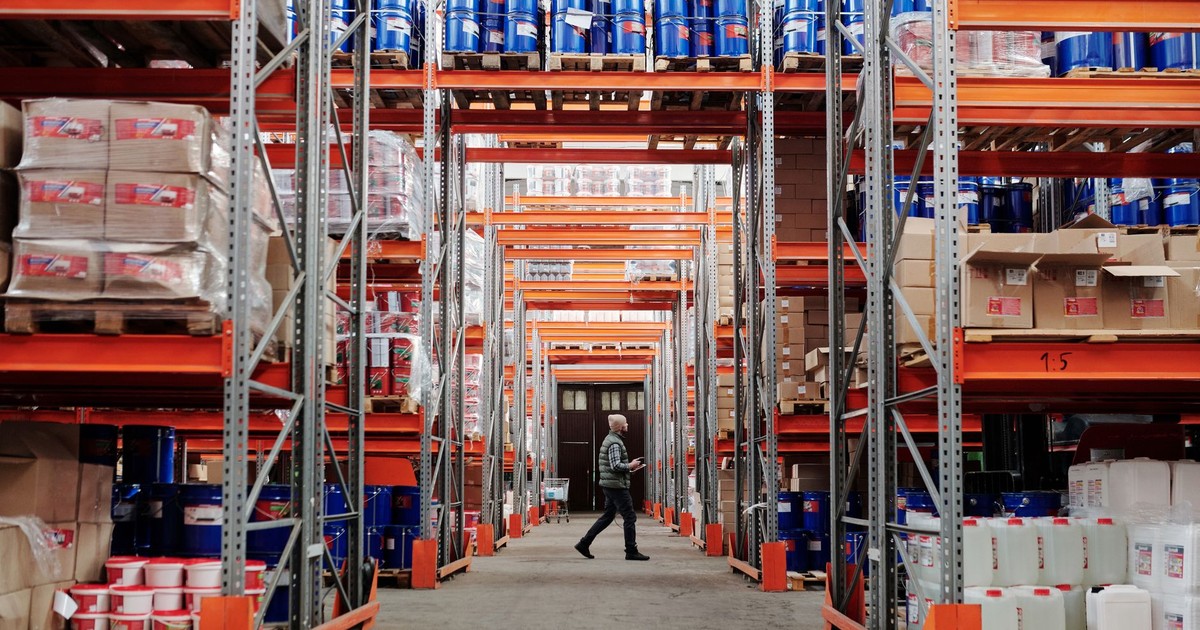
Standing right in the middle of an aisle, oblivious to the traffic moving around you, consistently comes up as the single most irritating thing employees deal with. Staff have described how blocking the aisles, whether for a conversation or to linger by a sample station, creates unnecessary congestion in a store that’s already operating at full capacity.
The specific patterns employees call out include people stopping to chat with friends while both carts block the pathway simultaneously, and shoppers walking alongside their carts and pulling them by the side handle, which turns one cart into an aisle-wide barrier. In a store where the carts are the size of small boats and the aisles are shared by dozens of people at once, this stops traffic entirely.
The fix costs nothing. Pull to one side, the same way you would on a sidewalk or a highway. Costco’s footprint is enormous, but the navigable lanes inside each aisle are narrower than they look, and one stationary cart can back up traffic twenty people deep.
Using the Store as a Trash Can
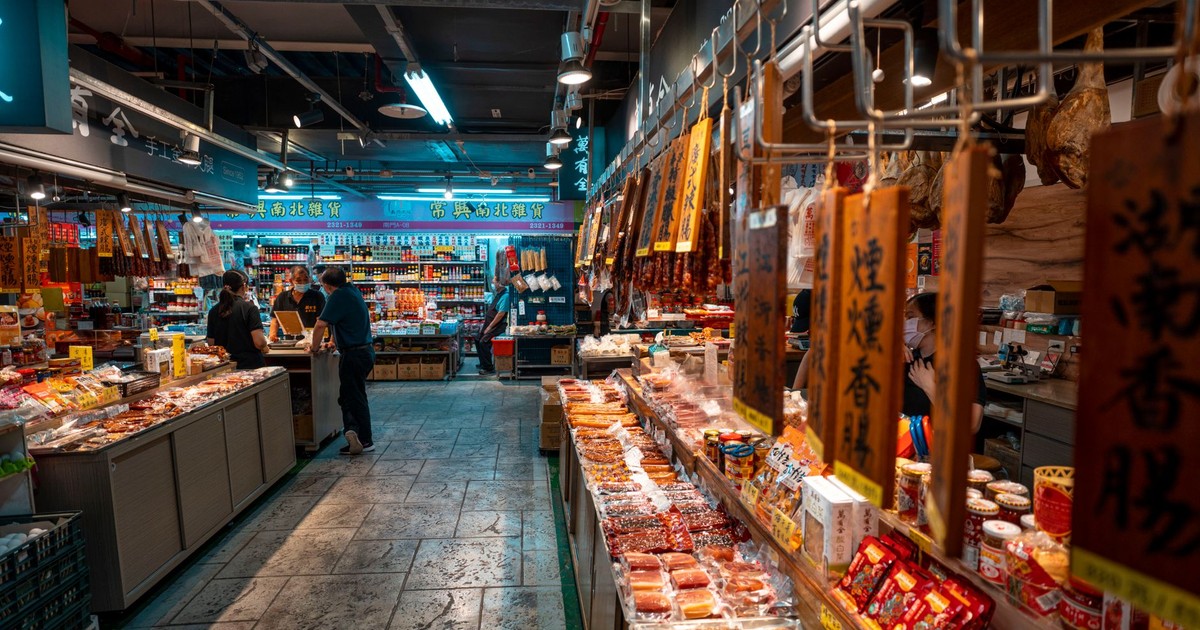
In a viral Reddit thread, store staff shared their pet peeves and the things customers do that drive them crazy. “People leaving perishables in random places, throwing their trash in random places, and rudeness, I think we agree, don’t belong in Costco,” the original poster said. The thread gained traction fast, with employees across the country adding their own frustrations.
Employees have repeatedly called out customers who leave sample cups, wrappers, diapers, and other trash in carts or on shelves instead of disposing of them properly, despite ample trash receptacles throughout the warehouse. Some employees described watching customers take trash out of their cars and place it into Costco carts rather than walking to a bin.
Trash goes in bins. The bins are there. The only explanation for trash on a shelf or left in a cart is that someone decided that was someone else’s job. Employees notice, other shoppers notice, and it makes a busy warehouse feel genuinely unpleasant for everyone who comes through after you.
Abandoning Perishables in the Wrong Aisle
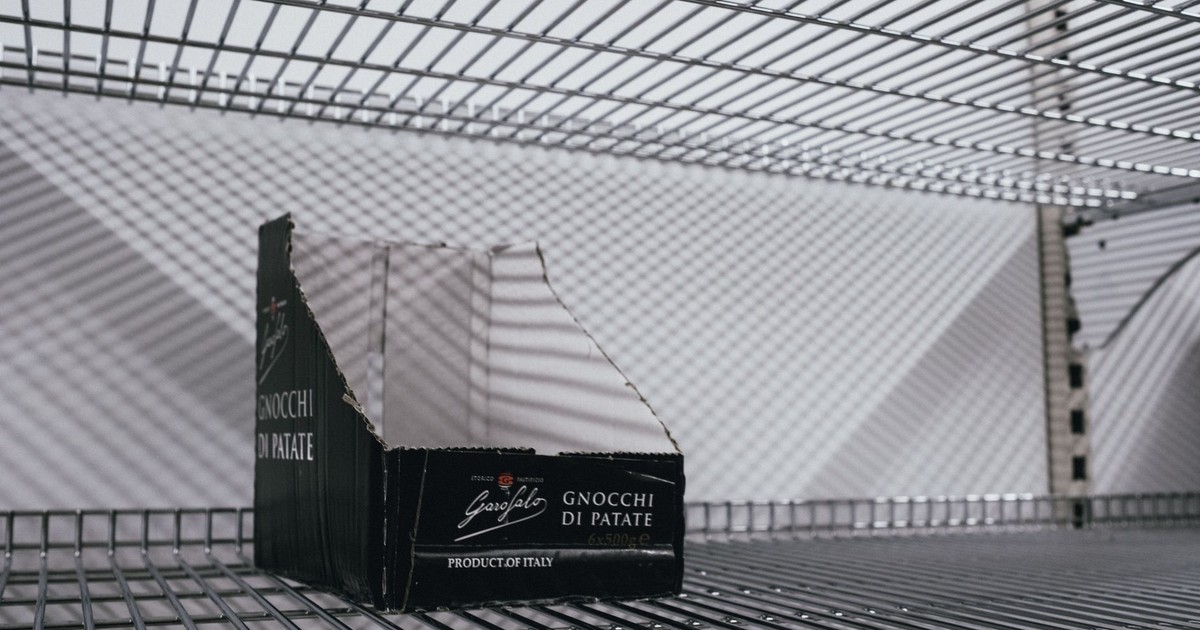
Among the habits that earn the most frustration from staff, abandoning random items across the store is near the top. Employees have described finding frozen tiramisu next to the detergent and cream next to shoes. One worker found two packs of ribeye steaks tucked inside a display box of pillows during an inventory check. What really gets them is the perishables.
Refrigerated and frozen products are stored at specific temperatures to maintain quality and keep food safe. Once perishable food sits out at room temperature, it typically becomes unsafe to eat and has to be thrown away. That’s direct product loss that comes straight out of the store’s cost structure, and employees are the ones who have to hunt down every abandoned item at the end of the shift.
If you pick something up and decide you don’t want it, hand it to a staff member or return it to where you found it. The alternative, leaving a package of raw chicken next to the paper towels, is the kind of thing that gets talked about in break rooms for months.
Destroying Product Packaging
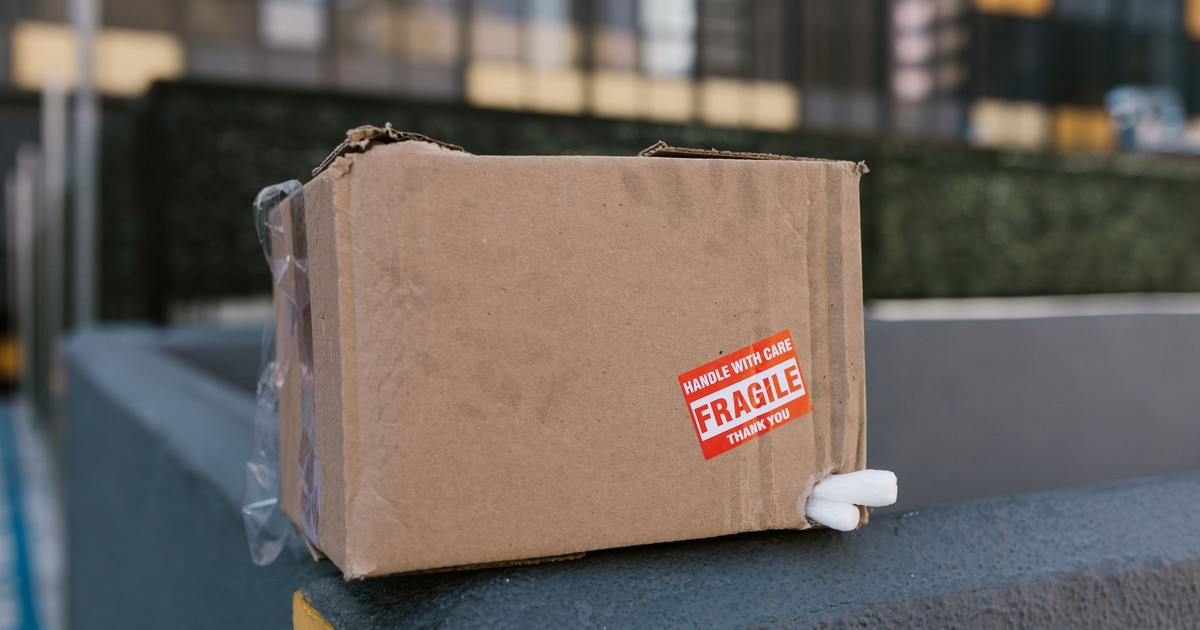
Employees are baffled by shoppers who tear into sealed packaging when a display model is already set up nearby. Workers describe customers who want to open a box themselves, go at it like it owes them money, and then proceed to buy a different unit entirely, leaving the shredded one behind on the shelf.
This happens more than you’d expect, particularly with electronics, kitchen gadgets, and anything in a larger box where the contents aren’t entirely visible. The result is a package that Costco now has to mark down or return to a vendor, and a display that has to be rebuilt or replaced.
The display item is there specifically so you can see what you’re buying. Touch that. Ask an employee if you still have questions. Opening a new box accomplishes nothing that the display doesn’t already do, and the only person who benefits is the next shopper who picks up the mangled packaging and puts it back on the shelf.
Sharing Your Membership Card

Costco is cracking down on non-members using other people’s cards by requiring shoppers to scan their membership cards to enter stores. “Over the coming months, membership scanning devices will be used at the entrance door of your local warehouse,” Costco said in a statement online. Guests without cards must be accompanied by a member to enter, and members whose cards don’t have photos will be asked to show valid photo ID.
Beyond the policy itself, card sharing puts staff in the most uncomfortable position. They didn’t make the rules, but they’re the ones who have to enforce them face-to-face with customers who’ve been doing it for years without being stopped.
Not Helping Unload Your Cart at Checkout
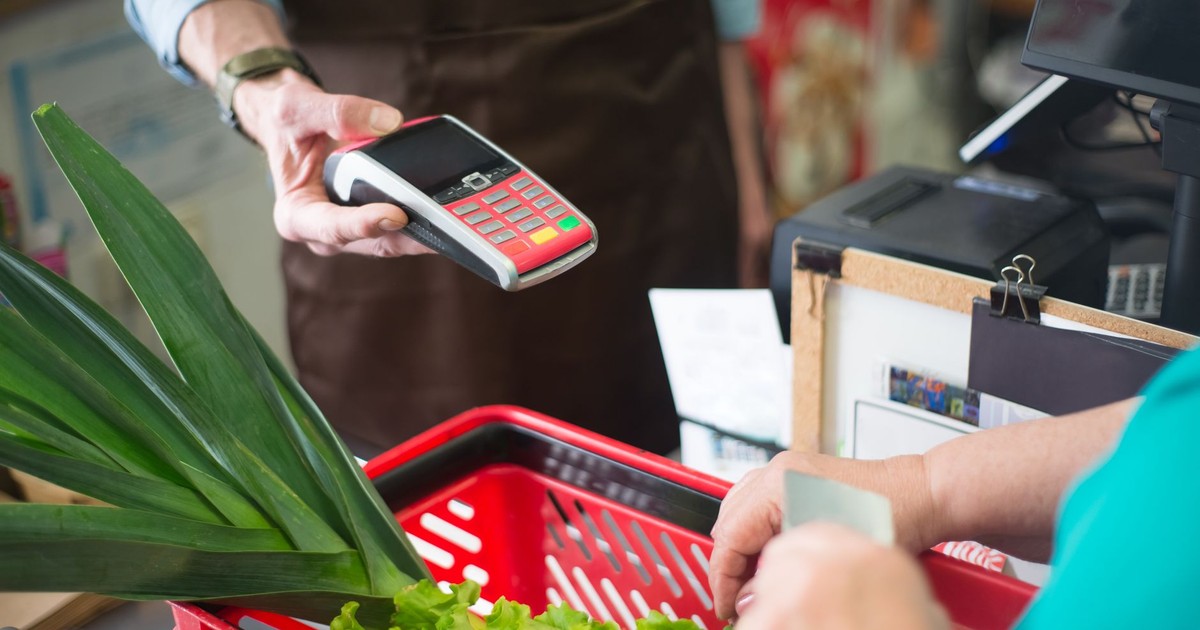
Expecting the cashier to unload every item from your cart slows down the line for everyone. Employees will help carry heavy items onto the conveyor belt, but members who don’t help unload create delays and confusion for the whole checkout process. Costco checkout is a high-volume operation. Cashiers move fast, belt space is limited, and the whole system runs on a rhythm that customers either help or disrupt.
When a full cart of bulk items sits unloaded while the cashier waits, that rhythm breaks. The line behind you doesn’t stop growing just because you’ve decided not to participate. Unloading your own cart isn’t a courtesy. It’s how the process works.
One practical note: Costco doesn’t use traditional bags. Items go back into the cart or into boxes near the register. Knowing this before you pull up means you’re not standing there confused while twelve people wait behind you.
Hogging the Free Sample Station
Workers and customers alike call it out: taking every sample on the tray or returning for multiple helpings while others are waiting. The expectation is that you read the room before helping yourself to more than your share.
The sample stations exist to introduce products, not to replace lunch. On a busy Saturday, the line at a popular station can stretch back several feet, and the staff member working it is managing a crowd, handling food safety, and answering questions simultaneously. Taking four cups of butternut squash soup before the person behind you has had one is a decision that employees absolutely notice.
Sample station employees also work under strict food safety protocols. There’s a tray, it refills on a schedule, and if it’s empty when the next person arrives, that’s a direct result of what happened before them.
Abandoning Your Cart in the Parking Lot
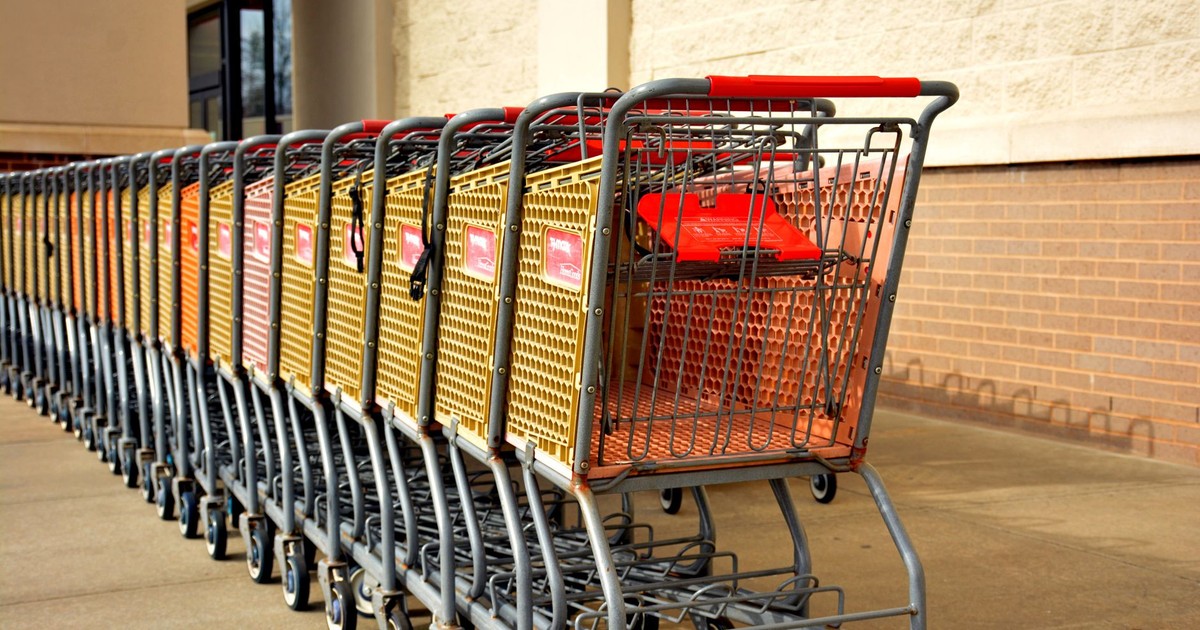
Leaving carts scattered around the parking lot isn’t just an inconvenience for employees. It creates real problems for other shoppers too. Stray carts block spaces, roll into cars, and make an already busy lot feel chaotic.
The Costco parking lot on any given weekend is already one of the more demanding retail environments in American commerce. The carts are large, heavy when full, and capable of doing real damage to a vehicle if they get moving on any kind of incline. Leaving one loose between two parked cars because the corral was thirty feet further away is a calculation that makes sense only if you’ve decided your inconvenience outweighs everyone else’s risk.
Corrals are placed throughout Costco lots specifically because the store understands people don’t want to walk a long way. There’s usually one close. It takes an extra forty-five seconds. That’s not a reason to leave a large metal cart to its own devices in a full parking lot.
Using the Gas Station the Wrong Way
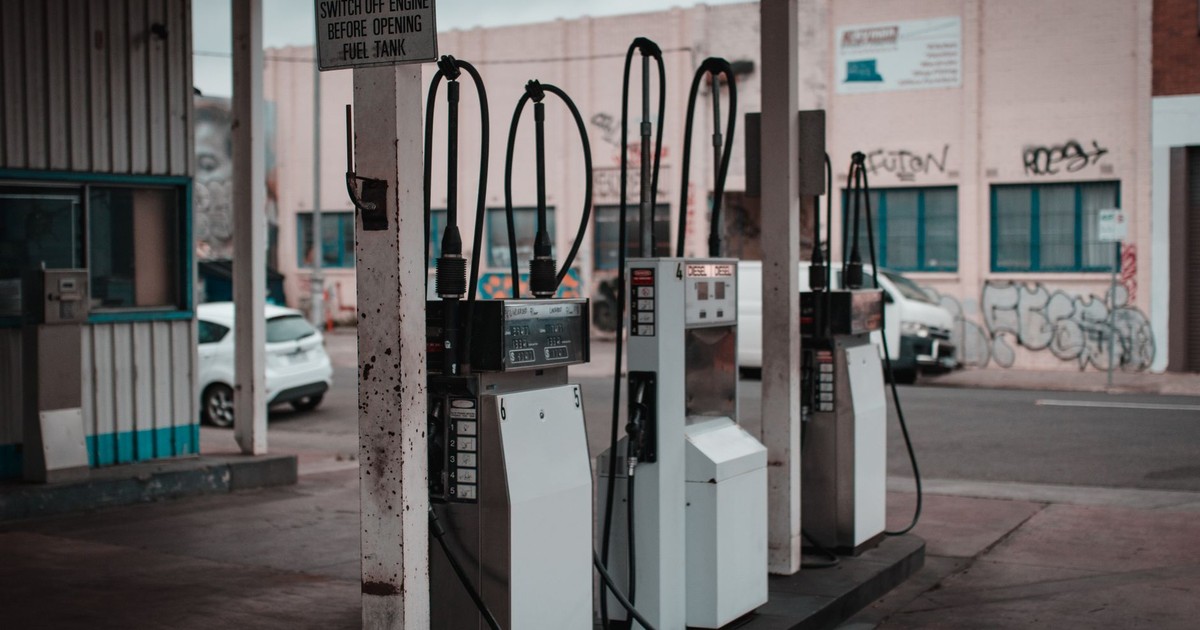
Employees consistently flag customers entering the gas station from the wrong direction as one of the more persistent frustrations in the parking lot. The Costco gas station is a marvel of price efficiency and a logistical nightmare when customers ignore the traffic flow. Lanes are directional for a reason. The pumps are set up so that cars pull through in a specific order, and everyone joining the queue at the correct entry point waits in a line that moves predictably.
When someone drives in from the wrong direction or pulls up to a pump the wrong way, the whole system seizes up. Cars can’t exit the pump they’ve just finished at because someone is blocking the wrong side of the lane. The queue dissolves into a standoff. Gas station attendants, who are already managing a high-traffic area, have to step in and direct people who created a problem that didn’t exist thirty seconds earlier.
The entry lanes are marked. Arrows exist. Following them is the cost of admission to a line that already saves you a dollar or more per gallon.
Being Rude to the People Who Work There

Costco boasts the retail industry’s highest level of customer loyalty, according to UBS’ analysis, and it tops the list of best U.S. retailers to work for, according to Forbes World’s Best Employers 2024. That reputation is built, in part, on employees who show up and do their jobs well. Staff deal with crowded conditions, repetitive tasks, spills, messes, and the full spectrum of human behavior across a twelve-hour shift. Being rude to the person scanning your forty-eight-roll toilet paper order accomplishes nothing except making that person’s day measurably worse.
Plain rudeness keeps coming up in employee complaints because it keeps happening, right alongside leaving trash and abandoning perishables. It sounds basic because it is basic. Employees also have genuine authority in the store. They can flag a membership issue, hold up a checkout, or escalate a situation to management. Being decent to people costs nothing and occasionally matters a lot. It’s the one piece of Costco customer behavior that requires no policy knowledge, no product awareness, and no special effort.
What to Do With All of This

Most people reading this will already know they’re not the problem. And that’s probably true, most of the time. The behaviors above aren’t committed by bad people. They’re committed by tired people, distracted people, people who got caught up in the specific atmosphere of a large warehouse and briefly stopped noticing anyone around them.
The value of hearing it directly from employees is that it strips away the abstract. These aren’t corporate complaints. They’re from the person who spent forty-five minutes at the end of their shift returning frozen tiramisu from the detergent aisle to the freezer, or the one who stood next to a customer who made direct eye contact and still put their sample wrapper in the bread rack. The frustration is real, and it comes from people who, for the most part, genuinely like their jobs and just want customers to meet them halfway.
Costco’s model only works because of the mutual compact between the store and its members. Low prices stay low partly because the operation runs efficiently, and the operation runs efficiently partly because customers behave like adults in a shared space. The habits on this list aren’t small violations of politeness. They’re small deductions from a system that benefits everyone when it works well.
Disclaimer: This information is not intended to be a substitute for professional medical advice, diagnosis, or treatment and is for information only. Always seek the advice of your physician or another qualified health provider with any questions about your medical condition and/or current medication. Do not disregard professional medical advice or delay seeking advice or treatment because of something you have read here.
AI Disclaimer: This article was created with the assistance of AI tools and reviewed by a human editor.