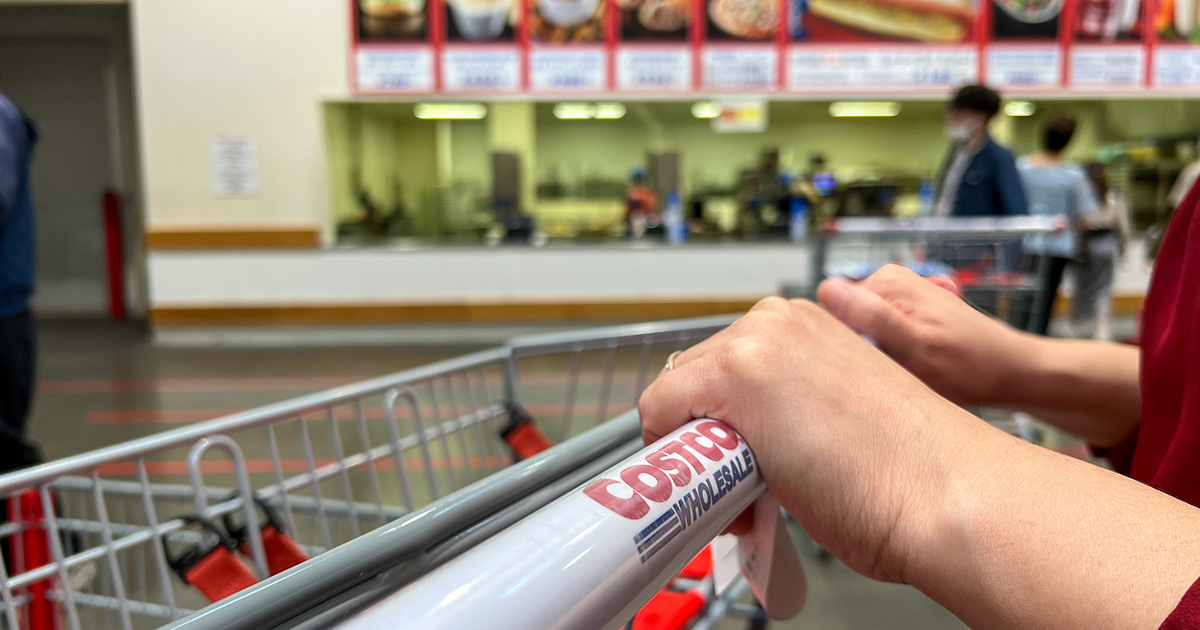

Most people who’ve had a Costco membership for a few years can pinpoint the exact moment it clicked. Not the day they signed up, but the day they did the math on a single purchase and stood in the parking lot running mental arithmetic about how much money they’d been leaving on the table. The rotisserie chicken. The olive oil. The paper towels they’d been overpaying for at the supermarket, weekly, for years.
The thing about Costco bulk buying is that the savings add up over time, reaching levels most shoppers don’t anticipate. A 2025 LendingTree study analyzed 44 common products across Costco, Walmart, and Whole Foods and found that bulk buyers save an average of 27% compared to buying in smaller quantities, a figure that has held steady since 2023 and is up from 25% in 2021. That’s real money, and it comes almost entirely from knowing which items to actually buy.
Not everything at Costco is a deal. Some items are priced close to what you’d pay elsewhere, and the bulk commitment on something with a short shelf life can easily cost you more than it saves. The list below is the opposite of that: 12 items that are unambiguously, consistently worth it, where the per-unit math is clear, the quality holds up, and the only regret is not starting sooner.
1. Kirkland Signature Rotisserie Chicken
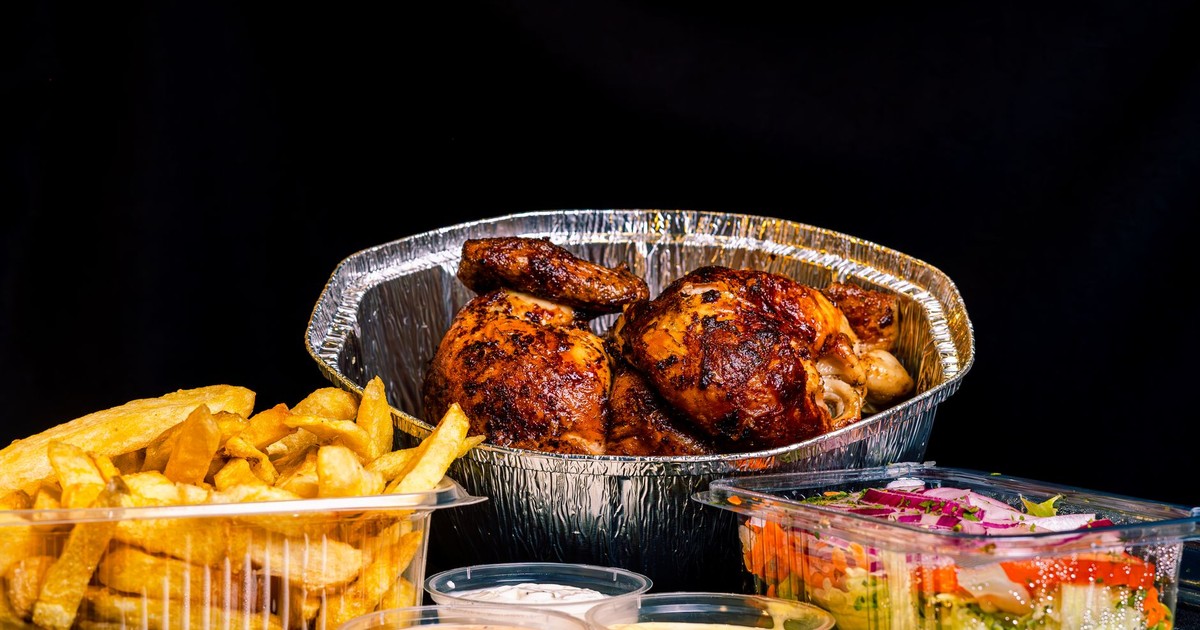
A fully cooked, ready-to-eat, three-pound rotisserie chicken for $4.99, a price that hasn’t changed since 2009, and that Costco actively defends against inflation by running its own manufacturing plant. Most retailers are price-takers when it comes to chicken; Costco built its own facility specifically to keep this number frozen.
Grocery store chickens have drifted past $8 while Costco’s has stayed put, and the store actually loses money on every bird sold, which is why they’re positioned at the back of the warehouse. You have to walk past everything else to get there. The strategy is transparent and also entirely irrelevant to your savings. The chicken’s popularity isn’t just about price: Costco injects the meat with a salt and seasoning blend that flavors it well beyond the skin. Pull it apart over rice on a Tuesday and it’s a decent dinner. Strip the bones for soup on Wednesday and it’s a different meal entirely.
2. Kirkland Signature Extra Virgin Olive Oil
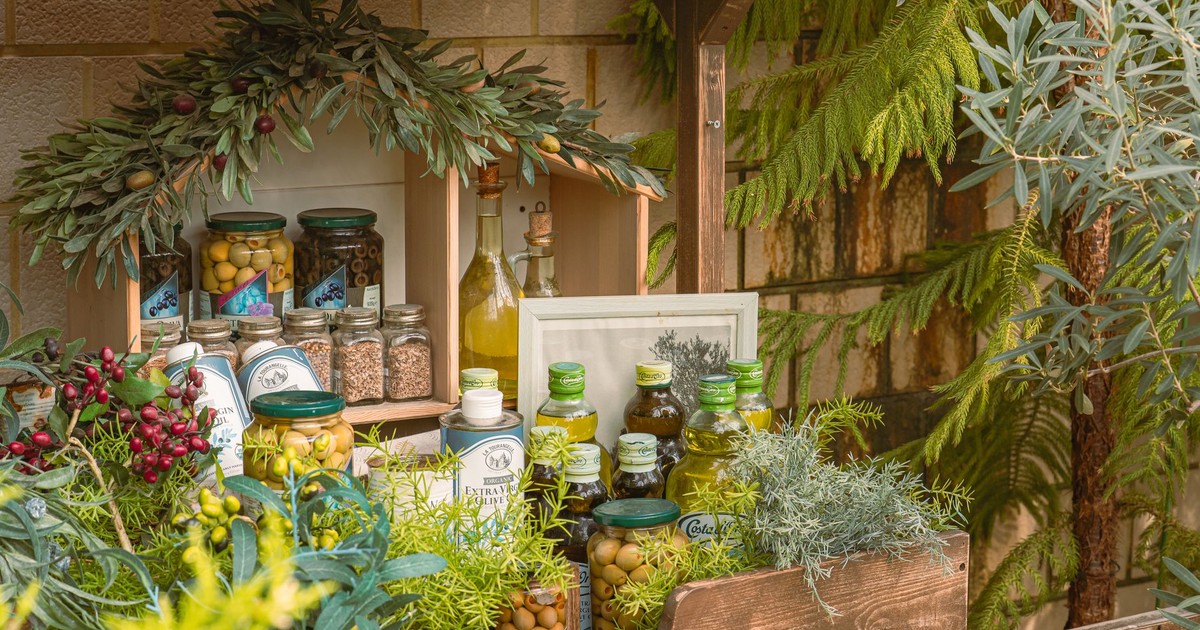
Kirkland’s 100% Italian Extra Virgin Olive Oil won a True Food TV blind taste test of budget olive oils, besting branded alternatives that cost 40 to 60 percent more. The result reflects what reviewers and culinary outlets have consistently found: the quality is high enough to compete with premium bottles at a fraction of the price.
The 3-liter bottle is the format most people land on, and it makes financial sense on both ends: the price per ounce is substantially lower than name-brand alternatives at conventional stores, and the quality is high enough that you won’t find yourself reaching for something else. Olive oil is one of those pantry staples used in almost every savory preparation, which means the volume isn’t the risk it might seem. A household that cooks regularly will get through a 3-liter bottle before it has any chance to oxidize.
3. Kirkland Signature Paper Towels and Toilet Paper

The household paper products category is where Costco’s bulk format delivers its most consistent savings, because these are products every household uses constantly, that never expire, and that store easily. America’s Test Kitchen named the Kirkland Signature Premium Paper Towels its Best Buy pick in its most recent testing, rating them alongside Bounty and Viva for strength and absorbency at a substantially lower per-sheet price.
The math becomes clear when you calculate cost per square foot rather than sticker price. A $25 package of toilet paper contains enough rolls to last three months for most households, working out to significantly less per use than smaller packages that seem cheaper upfront, and it eliminates the annoyance of constantly running out and making emergency shopping trips. Storage space is the objection most people raise. It’s a real one, but a closet shelf cleared for a 30-pack of toilet paper pays for itself in convenience and savings before the month is out.
4. Kirkland Signature Laundry Detergent

Kirkland’s ultra-concentrated laundry formula costs around 14 to 15 cents per load compared to 25 to 30 cents for name brands at grocery stores. For a household running three or four loads a week, that gap adds up to real annual savings without any change in behavior: same laundry, same result, different number at the end of the year.
The formula is HE-compatible, consistently earns excellent review scores, and is priced well below the equivalent Tide or Persil per-load cost. For a household doing laundry multiple times per week, the annual savings compared to branded alternatives runs $30 to $60, a low estimate if you’re currently buying Tide Pods at a drugstore. The Kirkland detergent pacs offer a convenient alternative format to the liquid for households that prefer pods.
5. Kirkland Signature Organic Extra Virgin Olive Oil

Separate from the standard olive oil, the organic version has carved out its own following among shoppers who prioritize organic certification but have been put off by the premium prices at most stores. Price comparisons show Kirkland’s organic EVOO running meaningfully below most comparable organic options at conventional grocery stores, where organic certification carries a steep price premium that makes regular use expensive.
The organic olive oil makes most sense for households that use it daily, particularly for finishing dishes or dressings where the oil flavor is prominent. Buying it at Costco makes it a daily-use product rather than something reserved for company. The format is especially logical here: when the organic version costs less per ounce than conventional olive oil does at a specialty grocer, the bulk commitment stops feeling like a risk.
6. Kirkland Signature Vitamins and Supplements
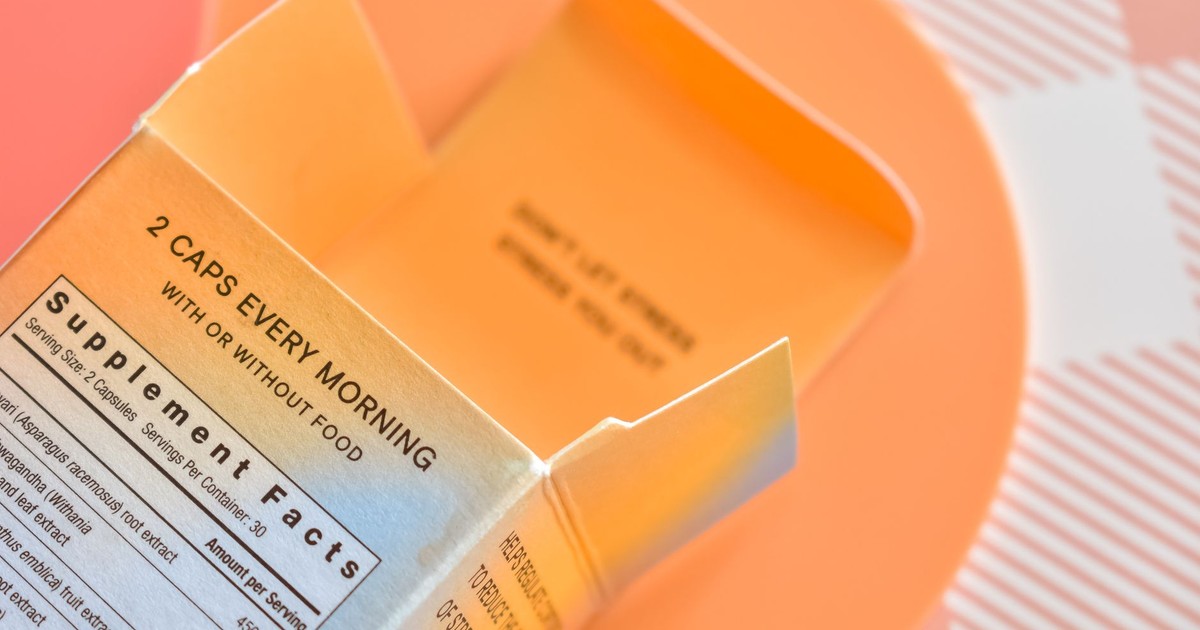
The supplement aisle at Costco is where buying the same products elsewhere adds up quickly. Kirkland vitamins, including fish oil, vitamin D, and B-12, are manufactured to the same standards as many name-brand alternatives and sold in quantities that make the per-pill cost almost trivial by comparison.
Supplements are one of those categories where packaging and marketing do enormous work. The same active ingredient in a Kirkland bottle costs a fraction of what a branded version runs at a pharmacy, and the dosage sizes are generous enough that a single purchase lasts months. Fish oil is the clearest example: a 400-capsule bottle of Kirkland omega-3 costs roughly what a 90-count bottle of a name brand runs at Target. The per-serving math doesn’t require a spreadsheet.
7. Kirkland Signature Frozen Chicken Breasts
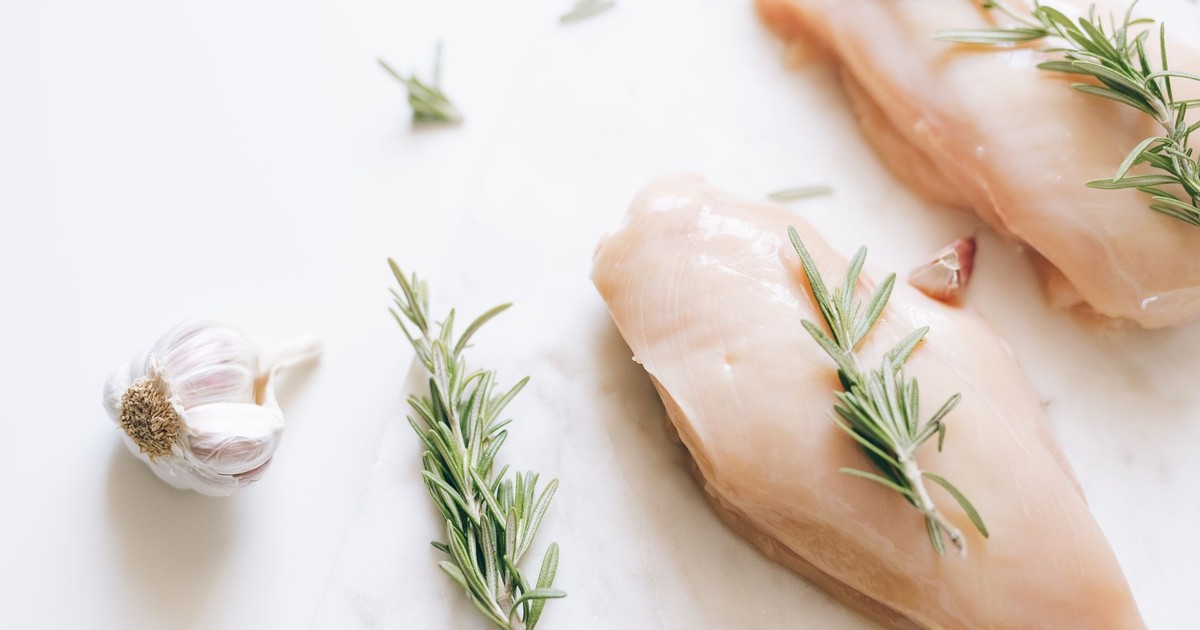
Kirkland Signature Fresh Boneless Skinless Chicken Breasts cost less per pound than most grocery stores, and the standard approach is to freeze the breasts individually and thaw them the night before cooking. The per-pound price is consistently lower than equivalent products at supermarkets, and the quantity isn’t as prohibitive as it sounds when the freezer does the work.
Chicken breasts are the workhorse protein in most households: grilled, baked, shredded for tacos, sliced into stir-fries. Buying them in bulk at Costco and portioning them immediately for the freezer is one of the simplest ways to lower a weekly grocery bill without changing what you eat. The quality is consistent, and the per-pound savings over time are significant enough that this is a category where Costco bulk buying genuinely changes the monthly food budget.
8. Kirkland Signature Trash Bags

The Kirkland Signature Kitchen Drawstring Bags are among the most repurchased bulk items at Costco, consistently praised for durability by members across consumer forums. The boxes contain a large enough count that most households buy them two or three times a year at most, and the per-bag cost is substantially below what name-brand equivalents run at grocery or drugstores.
Trash bags are one of those purchases where people tend to notice the unit price only after switching. The Costco box isn’t flashy, which is probably why it gets overlooked in favor of more photogenic picks. But the savings are real, the durability reviews are consistently strong, and once you’ve switched, buying them anywhere else starts to feel like a voluntary surcharge.
9. Kirkland Signature Coffee
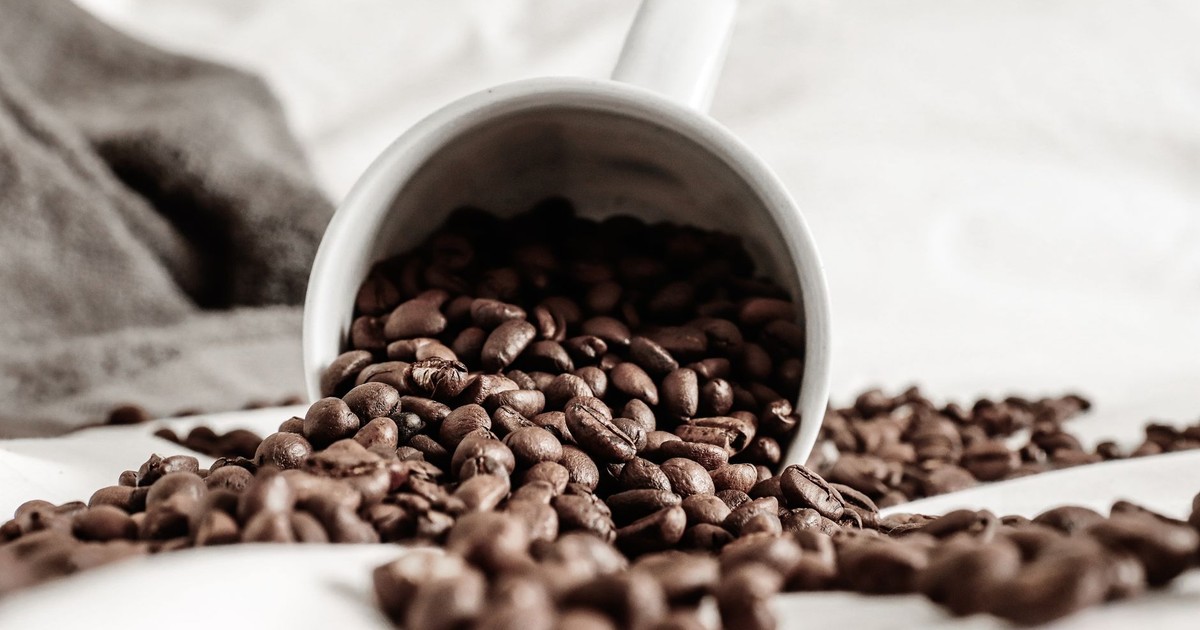
Kirkland Signature Coffee is roasted by Starbucks, a fact that surprises first-time buyers and satisfies longtime members. The same roasting operation, comparable beans, a fraction of the Starbucks retail price in a large-format bag that keeps well in an airtight container.
Coffee is one of the clearest bulk-buying wins at Costco because the quality ceiling is high and the daily consumption is reliable. A household that drinks two or three cups a day will get through a 2.5-pound bag of whole beans in a few weeks, well within the freshness window if stored correctly. Buying it at Costco versus a coffee shop or upscale grocer cuts $20 to $40 off the monthly coffee budget without requiring any adjustment to the morning routine.
10. Kirkland Signature Organic Diced Tomatoes
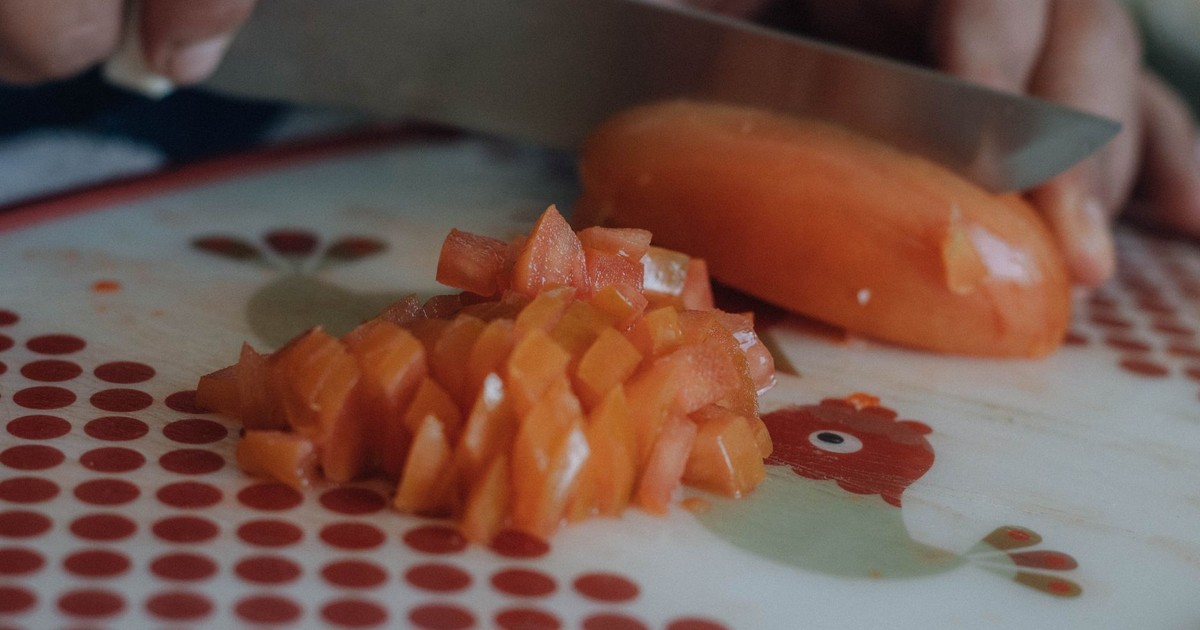
Kirkland Signature Organic Diced Tomatoes come in 8-count cases at under $1 per can, a price point that makes them one of the clearest pantry staples to switch to Costco. They work for tacos, chili, pasta sauces, and soups. Canned tomatoes are the kind of ingredient used so regularly in weeknight cooking that the per-can savings add up faster than you’d expect.
Organic canned tomatoes at conventional grocery stores typically run $2 to $3 per can. The organic certification at under a dollar a can is a significant gap. Buying eight cans at a time sounds like a lot until you realize they’re shelf-stable for years and the number of dishes that start with a can of tomatoes in most kitchens is far higher than most people would guess if pressed. This is a case where the bulk commitment is entirely risk-free.
11. Kirkland Signature Protein Bars
The Kirkland Signature Chewy Protein Bars, available in a 42-count box, contain 10 grams of protein per bar in a peanut butter and chocolate chip flavor that reviews consistently rate well. For households with anyone eating protein bars as a regular snack or meal supplement, the per-bar cost at Costco versus buying individual bars at a grocery store or gym is dramatic.
Protein bars are one of those categories where brand markup is especially aggressive. A 42-count box at Costco works out to roughly 40 cents a bar. The same protein content in a branded Quest or RXBar at a supermarket runs $2.50 to $3.50 per bar. For a household where protein bars are eaten daily, that’s a difference of over $700 a year on a single item. The Kirkland bars aren’t the most exciting product on the shelf, but the savings-to-quality ratio is hard to beat.
12. Kirkland Signature Jasmine Rice
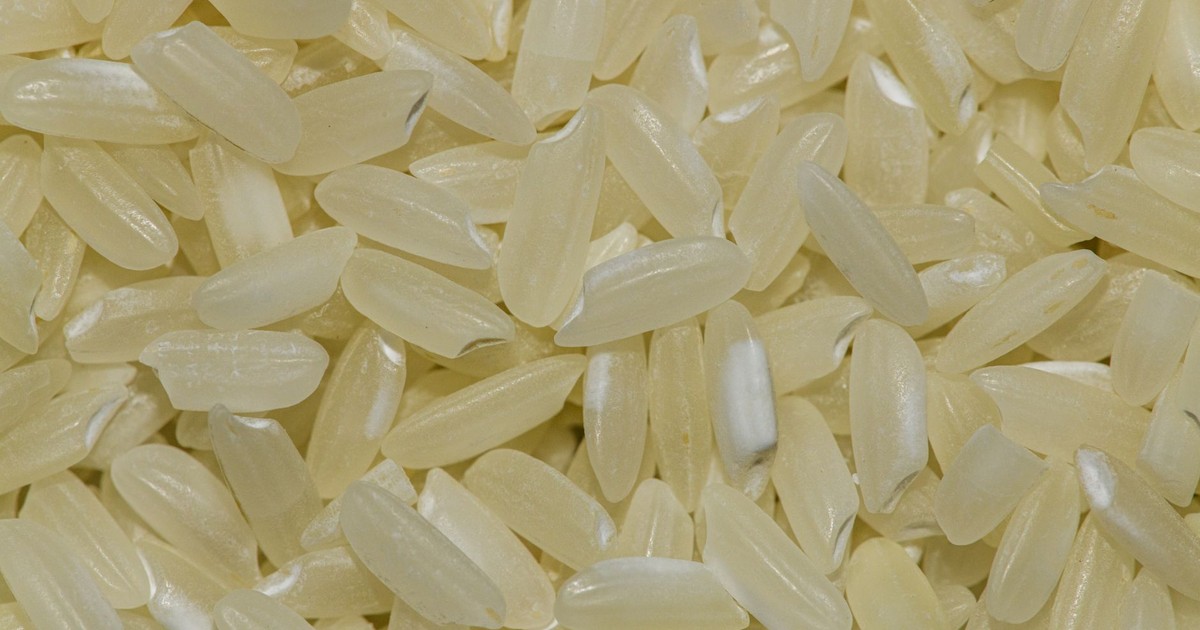
Kirkland Signature Thai Hom Mali Jasmine Rice is fragrant, high-quality, and a consistently strong deal at Costco. Rice is the kind of pantry staple that households often buy in small bags at the supermarket out of habit, paying a higher per-pound price for the convenience of the smaller format while ignoring the fact that rice has essentially indefinite shelf life when stored correctly.
A large bag of Jasmine rice at Costco costs a fraction of what the equivalent weight would run in one-pound or two-pound bags at a standard grocery store. The Thai Hom Mali variety is a step up in quality from generic long-grain white rice: more fragrant, better texture after cooking, and the kind of ingredient that makes a weeknight bowl of rice feel deliberate rather than perfunctory. For families that eat rice several times a week, this is one of the easiest category switches to make.
The Savings Accumulate Slowly
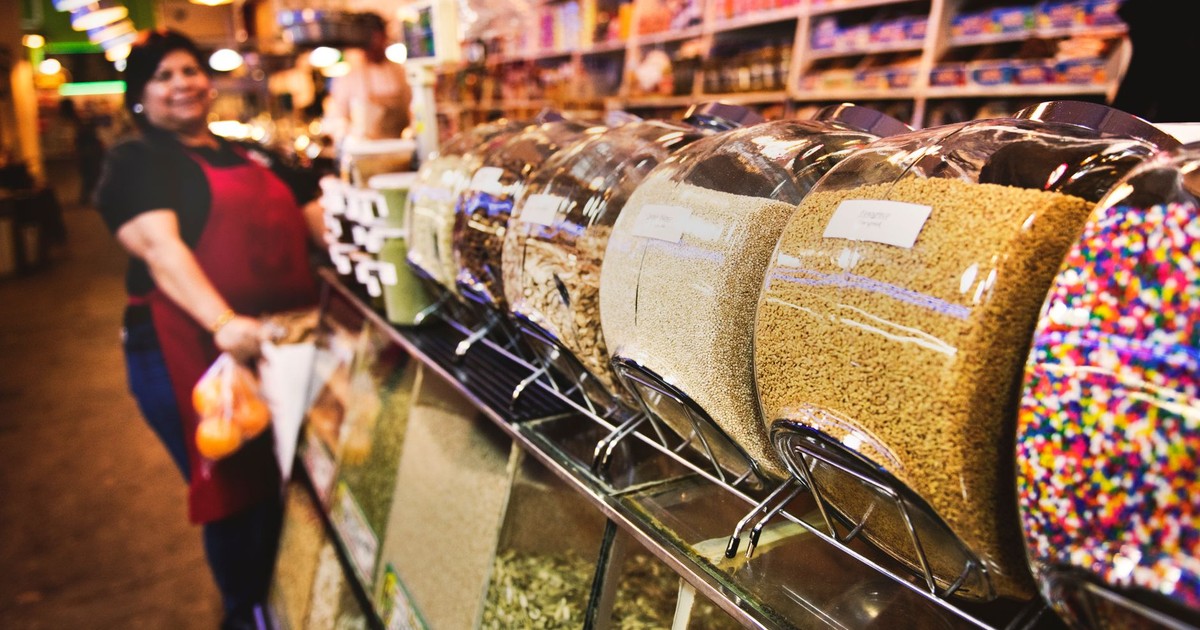
The 12 items above share one characteristic: they’re all products you were going to buy anyway, at some store, in some quantity, this year and every year after it. The only question is what you were paying. Rotisserie chicken every other week, olive oil every couple of months, coffee, paper towels, trash bags, vitamins: none of this requires changing your habits. It requires changing where you buy.
Some objections are real: storage space, the upfront spend, the membership fee. But the math on pantry staples and household basics is clear enough that most of those objections dissolve once you’ve run a single comparison shop. The chicken paid for itself the first week. The paper towels paid for the membership by the end of the first month. The rest is just compounding.
Disclaimer: This information is not intended to be a substitute for professional medical advice, diagnosis, or treatment and is for information only. Always seek the advice of your physician or another qualified health provider with any questions about your medical condition and/or current medication. Do not disregard professional medical advice or delay seeking advice or treatment because of something you have read here.
AI Disclaimer: This article was created with the assistance of AI tools and reviewed by a human editor.