

The poll question was simple: what matters most to you right now? For the fourth consecutive national survey, Americans gave the same answer: the price of things.
That answer arrived again last week in a Marquette Law School Poll conducted July 22-29 among 1,076 adults across the country. No single foreign conflict, no domestic political fight, no constitutional drama has managed to push cost of living concerns off the top of the list this year. The war with Iran, which commanded nearly a quarter of the public’s attention back in April, now registers at 10%. The checkout line at the grocery store and the price board at the gas station remain the defining anxieties of American life in 2026.
Four consecutive Marquette polls have produced the same result. Months of headlines about military operations, Supreme Court decisions, and shifting congressional power have not changed it. That kind of consistency in public opinion data signals where the real pressure is.
What the Numbers Actually Show
The Marquette survey found that 35% of American adults rated inflation and the cost of living as the most important issue facing the country. The national economy came in second, with 15% naming it their top concern. The war with Iran, which had been chosen by 24% of respondents as the top issue in April, fell to 10% in July.
Medicare and Social Security tied for fourth place with the proposed SAVE America Act at 9% each. Health care, immigration and border security, and housing affordability each registered at 5%, with immigration’s share having dropped sharply from 14% in January. Crime, abortion policy, and other issues that dominate cable news sat below that.
When respondents were asked about their second-most important concern, inflation and the cost of living again led the list, with the economy next and the Iran war still in third place. Economic anxiety isn’t just the headline worry. For tens of millions of Americans, it’s the first and second thing on their minds.
The Grocery Store and the Gas Station
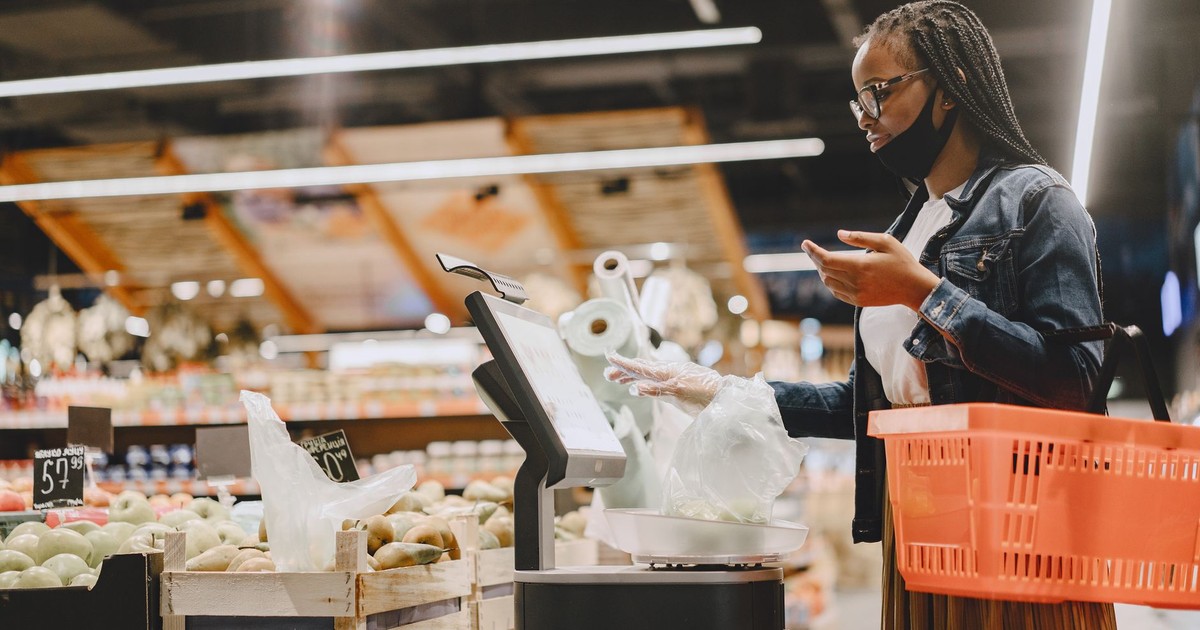
The Marquette data goes beyond rankings and digs into what people are actually experiencing at the register. In total, 81% of respondents said the price at the pump is up a little or a lot over the past six months, and 79% said the same about grocery prices at the checkout line. Of those concerned about groceries specifically, 48% said prices were up a lot, 31% said up a little, 15% said stable, and just 6% felt they had gone down.
Gasoline has been the more volatile pressure point. The Iran conflict, which began in February, disrupted oil markets and drove energy prices higher throughout the spring. Even as the war’s salience as a political issue has declined, its economic footprint remains felt by drivers stopping to fill their tanks.
The forward-looking numbers are grimmer. 69% of respondents said they expect inflation to increase over the next 12 months, with just 13% anticipating a decline. That pessimism about the future had been building from January through May before a slight moderation in July. Whatever relief people had been hoping to feel hasn’t arrived in any way they can measure at the kitchen table.
The share of Americans who describe themselves as better off than a year ago has dropped from 28% in January to 19% in July. Those saying they are worse off ticked up from 34% to 37%. More people settling into “about the same” (44% in July, up from 37% in January) might sound like stabilization, but in context it looks more like resignation: things aren’t getting better, they’re just not getting visibly worse month to month.
A Mood That Has Been Building for Years
The Marquette poll captures a single moment in time, but the broader pattern it sits inside has been building for years. According to Gallup’s 2026 survey, a record 55% of Americans now say their personal financial situation is getting worse, up from 47% in 2024 and marking the fifth consecutive year in which more Americans say their finances are worsening rather than improving. The only comparable period in recent history was during the Great Recession.
The Gallup findings also show how broadly the anxiety has spread beyond grocery and gas prices. Majorities of Americans worry about not having enough money for retirement (62%) and being unable to cover medical costs in the event of a serious illness (60%). Slightly smaller majorities (54% each) worry about their investment returns and their ability to maintain their current standard of living.
While inflation has eased from its peak in recent years, it still ranks as the top financial issue for many Americans, continuing a trend that has held for several consecutive years. The Gallup poll also highlights a deepening sense of financial pessimism, with a record share of Americans reporting that their personal financial situation is deteriorating. Not just high. Record high.
Cumulative inflation means that even if prices hold steady from here, a family that has watched groceries, rent, energy, and healthcare climb over the past four years is not experiencing relief. They’re experiencing a permanently higher floor.
Beyond the Checkout: Healthcare, Housing, and the Broader Squeeze

Cost of living concerns aren’t reducible to one thing. They are a cluster of pressures that arrive from different directions and compound each other. When rent eats more of the paycheck, there’s less buffer for a medical bill. When gas costs more, discretionary spending shrinks. When grocery prices rise, the mental load of planning a weekly shop becomes a low-grade source of stress that doesn’t show up in any economic indicator.
A Reuters/Ipsos poll of American adults found that Americans are worried about the cost of basic needs including healthcare, food, housing, and energy, with those concerns shaping how many voters say they’ll approach November’s midterm elections. About 40% of respondents said candidates’ positions on the cost of living would be the single biggest factor in their vote, compared to 28% who cited protecting democracy and democratic norms.
Healthcare emerged as the everyday expense Americans most want Congress to address: 31% said lawmakers should prioritize it, compared to 22% who said housing and another 22% who said food. That split is instructive. Americans aren’t thinking about these as separate policy debates. They’re thinking about which bill comes next and whether they can cover it.
A broader picture of that economic mood emerged from multiple polls conducted in late July, which found that majorities of Americans said they were very concerned about the cost of things they buy, rated the economy negatively, and expected conditions to get worse. CNN polling found just 23% of Americans rating the economy as good. Fox News polling found three-quarters rating it negatively, including 41% calling it poor.
What the Iran War Numbers Actually Tell Us
The slide in Iran war concern (from 24% in April to 10% in July) is easy to misread as complacency. But the more accurate read may be that Americans have absorbed the conflict into their economic anxiety rather than separating it from the cost of living discussion. The war isn’t absent from the poll; it’s present in the gasoline prices that 81% of respondents say are up. It’s in the inflation expectations that 69% say will keep rising. The conflict’s impact has migrated from the “most important issue” column into the cost column, where it sits alongside everything else that’s become more expensive since February.
The U.S. has now concluded five months of conflict in Iran, which has caused oil shortages, driven up energy prices, and increased inflation. The public seems to have processed this less as a foreign policy event and more as one more reason the pump costs more than it did a year ago.
President Trump’s overall job approval rose two points since June, to 40%. But his approval ratings on handling inflation, the economy, the Iran war, and gas prices remained at 30% or lower. The gap between those two numbers is meaningful. People can hold a general opinion about a president while holding a very specific, unflattering opinion about whether he’s made their grocery run cheaper.
Where This Sits When the News Cycle Moves On
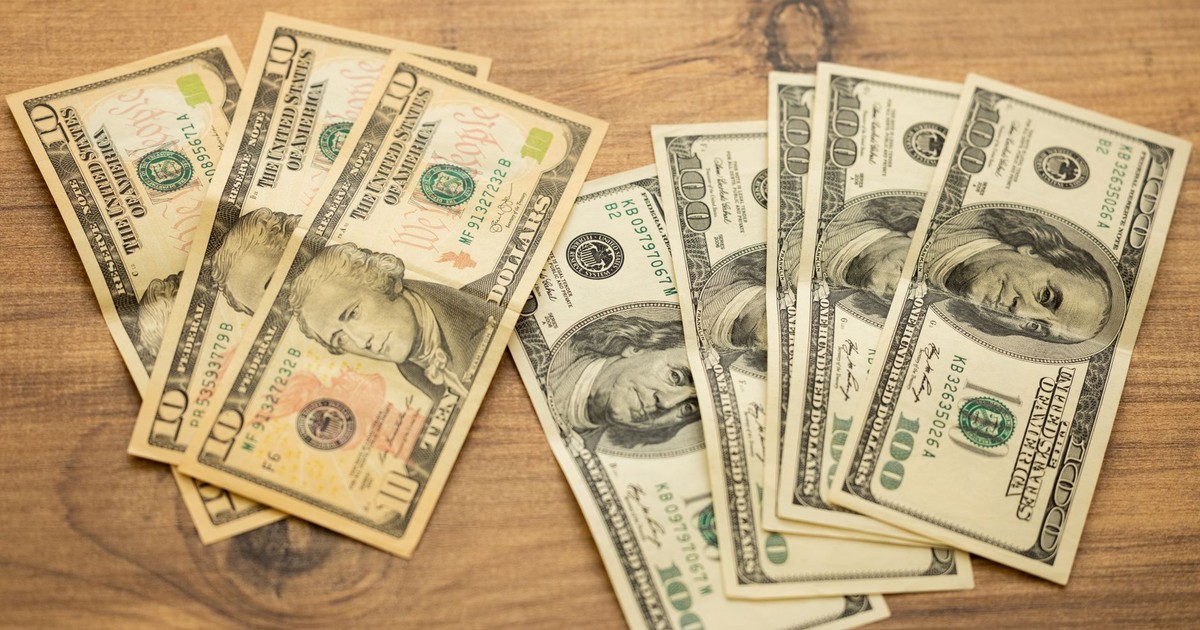
Four consecutive polls with the same result is not a quirk of sampling. It’s a picture of a country where cost of living concerns have become the persistent background condition of daily life: steady, cumulative, and not obviously going away.
What the data captures is the texture of that concern. It isn’t abstract. It’s the Sunday afternoon when you add up what you spent on groceries and gas and realize the number is wrong by a margin that keeps growing. It’s the feeling of running calculations you didn’t have to run three years ago. The polls confirm what most households already know from the inside: the pressure is real, it’s broad, and it has not let up.
Seven in ten Americans nationally say the cost of living in their area is not very affordable or not affordable at all, and about one in three say their personal finances have deteriorated in the past year. Those aren’t people who are confused about abstract economic indicators. They’re people describing what happened the last time they opened their bank statement.
Polling data like this tends to create a certain kind of political noise: predictions, blame games, election forecasts. But before any of that, it’s simply a record of what tens of millions of people are sitting with. The cost of living isn’t where Americans want to spend their attention. It’s where the attention has been pulled, repeatedly, by the price of dinner.
Disclaimer: This information is not intended to be a substitute for professional medical advice, diagnosis, or treatment and is for information only. Always seek the advice of your physician or another qualified health provider with any questions about your medical condition and/or current medication. Do not disregard professional medical advice or delay seeking advice or treatment because of something you have read here.
AI Disclaimer: This article was created with the assistance of AI tools and reviewed by a human editor.