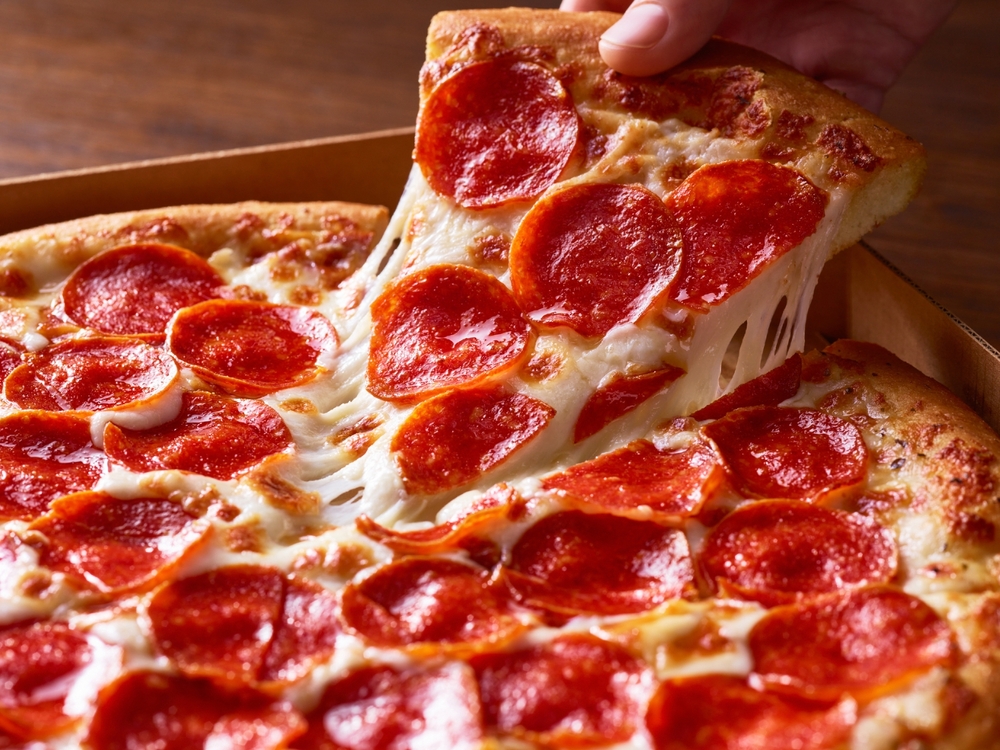

Most people know, deep down, that they’re not making frozen pizza correctly. The instructions are right there on the box, and yet every time the result is the same: pale, doughy crust on the bottom, cheese that’s gone weirdly rubbery in one spot and barely melted in another. You eat it anyway, because it’s Tuesday night and the alternatives all feel like more effort than you have in you. But you eat it knowing it could be better.
What’s strange is that frozen pizza doesn’t actually require much effort to improve dramatically. The gap between a mediocre frozen pizza and a genuinely good one isn’t about extra ingredients or elaborate techniques. It’s about understanding a few things the box instructions were never going to tell you, and which most people would never think to question.
So what do the people who actually know pizza do when they pull one from the freezer? As it turns out, almost none of them follow the box.
The Box Is Not Your Friend
After talking to multiple chefs, one thing becomes very clear: almost nobody is making frozen pizza exactly according to the box instructions. Nearly every chef had a finishing touch or cooking method they swear makes a dramatic difference in texture, flavor, or crispiness.
That’s worth sitting with for a moment. The instructions printed on the back of the packaging aren’t wrong, exactly. They’re just conservative. Several chefs noted that frozen pizzas are often underbaked when people follow the box too closely. According to a 2025 Parade feature on chefs’ frozen pizza habits, James Beard Award-winning chef and cookbook author Rocco DiSpirito says many brands intentionally recommend shorter bake times to prevent people from accidentally burning the pizza, but that extra browning is exactly what gives frozen pizza better texture and flavor. His standing advice: ignore the exact bake time on the box.
The same applies to temperature. Your home oven and a real pizza oven are operating in entirely different leagues. Home ovens reach temperatures of between 400 and 500 degrees Fahrenheit, while real pizza ovens get as hot as 900 to 1,000 degrees Fahrenheit. You can’t replicate that kind of heat, but you can get closer than most people do, and the surface you cook on is where most of the real difference gets made.
The Surface Changes Everything
Multiple chefs say one of the easiest ways to improve frozen pizza is to bake it on a properly preheated surface instead of a cold sheet pan. Lead pizzaiolo Joe Powers of Jay’s Artisan Pizza, which ranked fourth among U.S. pizzerias in the 2025 50 Top Pizza guide after Powers trained with the Associazione Verace Pizza Napoletana in Naples, recommends using pizza stones or pizza steels to help the crust develop better texture and caramelization.
The reason comes down to heat transfer. A cold baking sheet placed into a hot oven doesn’t actually deliver much heat to the bottom of the pizza. It gets there eventually, but not before the top has already overcooked and the crust has had time to become something closer to cardboard. A preheated pizza stone or steel acts differently: it transfers a burst of intense, direct heat the moment the pizza lands on it.
According to Baking Steel, a baking steel conducts heat 18 times faster than ceramic, which means a crispier crust in less time than the box instructions suggest. If you’ve been cooking on a stone and finding it only marginally better, that’s why. Steel wins on physics. For best results, place it on the middle rack, set the oven to 425°F, and preheat for a full 45 minutes. The steel needs to be fully saturated with heat, because that is the whole game.
Don’t have either? Chef Dylan Werth, executive chef at Typhur and a former food media culinary specialist, suggests preheating an upside-down baking sheet in the oven before placing the pizza on top. That extra heat underneath helps crisp the bottom crust much more evenly. It’s not as effective as a steel, but it beats a cold sheet pan by a significant margin.
There’s another option that costs nothing and requires no equipment at all, and it’s one that most people still don’t know entirely. When baking frozen pizza on an oven tray, the heat doesn’t circulate efficiently enough to bake out all the water, leaving the crust a little softer than ideal. The oven rack has no barriers to the heat and therefore allows for more even baking. Just slide the pizza directly onto the rack. Cooking pizza directly on the oven rack is the purist’s method for achieving the crispiest possible crust, because hot air circulates freely, cooking the top and bottom simultaneously and wicking away moisture from the dough. One practical note: put a sheet of foil on the rack below to catch any cheese that drips.
Where to Position It in the Oven
Rack position matters more than most people realize, and the middle of the oven isn’t always the best answer. At least one chef recommends increasing the oven temperature by about 25 degrees and moving the pizza to the bottom oven rack for better crust crispiness. The logic is straightforward: more direct heat from below means the crust cooks faster and dries out less before the top has finished.
When a frozen pizza hits a properly preheated surface, the rapid temperature change causes moisture in the dough to turn to steam, quickly puffing up the crust and creating a light, crispy texture. Skipping the preheat means the pizza sits in a slowly warming environment. The ice crystals in the dough melt into water, which soaks into the crust and turns it into a gummy, cardboard-like mess.
One thing chefs are consistent about: cook it straight from frozen. Thawing the pizza before baking seems logical but actually works against you. Thawing makes the dough soggy and harder to handle. The pizza goes in frozen, and the intense heat does the rest.
The Toppings Problem
Frozen pizza’s other persistent flaw is the toppings, and it’s not just about quantity. The chefs surveyed consistently praised frozen pizzas that avoided excessive toppings, overloaded cheese, and overly sweet sauces. While it’s tempting to pile on extra ingredients at home, too many toppings can weigh down the crust and make frozen pizza soggy instead of crisp.
So the instinct to load up the pizza before it goes in, to compensate for what the box version lacks, is actually the wrong move. What works better is a more restrained approach before baking, followed by the real upgrades after it comes out.
This is where things get genuinely interesting. One of the most common chef tricks for better frozen pizza was adding fresh ingredients after the pizza comes out of the oven. Fresh basil, olive oil, chili flakes, oregano, Parmesan, pecorino, and cracked black pepper came up repeatedly.
Fresh herbs on hot pizza aren’t just a garnish, they’re doing real flavor work. Chefs consistently recommend adding something fresh at the end: herbs, citrus, greens, or a drizzle of good-quality olive oil. That final touch restores brightness that was lost during freezing. It’s the same principle behind finishing a bowl of pasta with good olive oil or brightening a soup with a squeeze of lemon right before serving.
Read More: 6 Mistakes You’re Making When Cooking Pasta
Once the pizza is done baking, top it with dollops of burrata cheese, slices of prosciutto, a drizzle of hot honey, and a few bunches of dressed arugula for a restaurant-worthy result. That combination, in particular, takes about 90 seconds to put together and makes the whole thing feel like a completely different meal.
For something simpler, even a handful of fresh arugula and a drizzle of olive oil gets you most of the way there. It adds a pleasant contrast in textures and a touch of bitterness that only accentuates the rich flavors of the cheese and tomato sauce.
The Cheese Layer Deserves Attention Too
Frozen pizza is notoriously light on cheese, and the cheese that’s there has usually been through enough freeze-thaw cycles to lose whatever creaminess it once had. The fix here is less about piling on and more about choosing the right addition at the right moment.
Mozzarella is the obvious choice for adding to frozen pizza because it’s most likely already one of the ingredients. Freshly grated Parmesan and pecorino romano are also classic ingredients used on pizzas. None of these will alter the overall flavor dramatically, but they definitely improve consistency.
The timing matters. Extra cheese added at the beginning can bubble and burn before the crust has finished cooking. Adding a fresh layer of mozzarella in the final three minutes of baking lets it melt without overcooking, giving you that pull-apart quality that mass-produced frozen cheese rarely achieves.
If you want something that genuinely transforms the flavor, a little lemon does something counterintuitive but effective. Pizza and lemon may sound like opposing flavors, but a hint of lemon juice brings frozen pizzas to life. Chefs note that citrus adds acidity and brightness to dishes, and frozen pizza is no exception. Its tart flavor balances out the acidity in tomato sauce while simultaneously brightening the taste of the other toppings. Just a squeeze after it comes out of the oven, not before.
What This Actually Means
The interesting thing about all of this advice is that none of it requires you to become a better cook. You don’t need to learn a new technique or buy complicated equipment. What the chefs are really saying is: pay attention to the parts of the process that actually matter.
The box instructions are written for a generic oven, a cold baking sheet, and a consumer who might be distracted. They’re designed to produce a result that’s acceptable but not embarrassing. That’s a low bar, and clearing it doesn’t take much. Preheat a surface properly. Cook it from frozen. Don’t overthink the toppings going in, but pay real attention to what you add when it comes out.
The gap between a forgettable frozen pizza and one you’d actually want to eat twice isn’t as wide as the product’s reputation suggests. It’s mostly a matter of heat management and a few minutes of attention. Which, for a Tuesday night, feels like a reasonable ask.
AI Disclaimer: This article was created with the assistance of AI tools and reviewed by a human editor.